Fraction comparison Reading Worksheets for Ages 6-8
11 filtered results
-
From - To
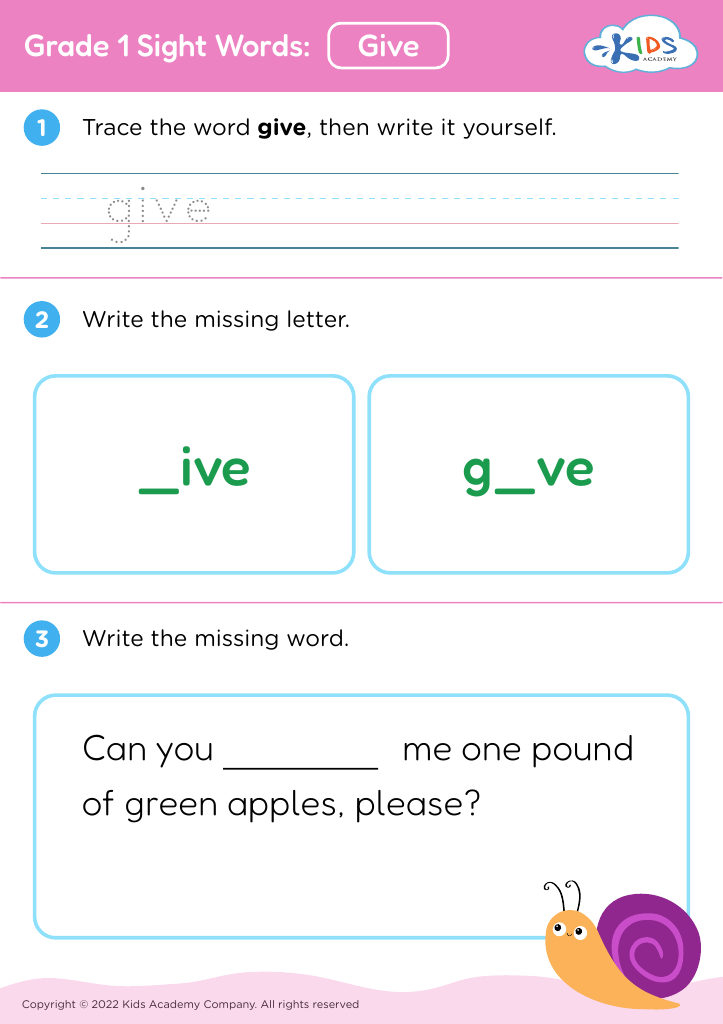
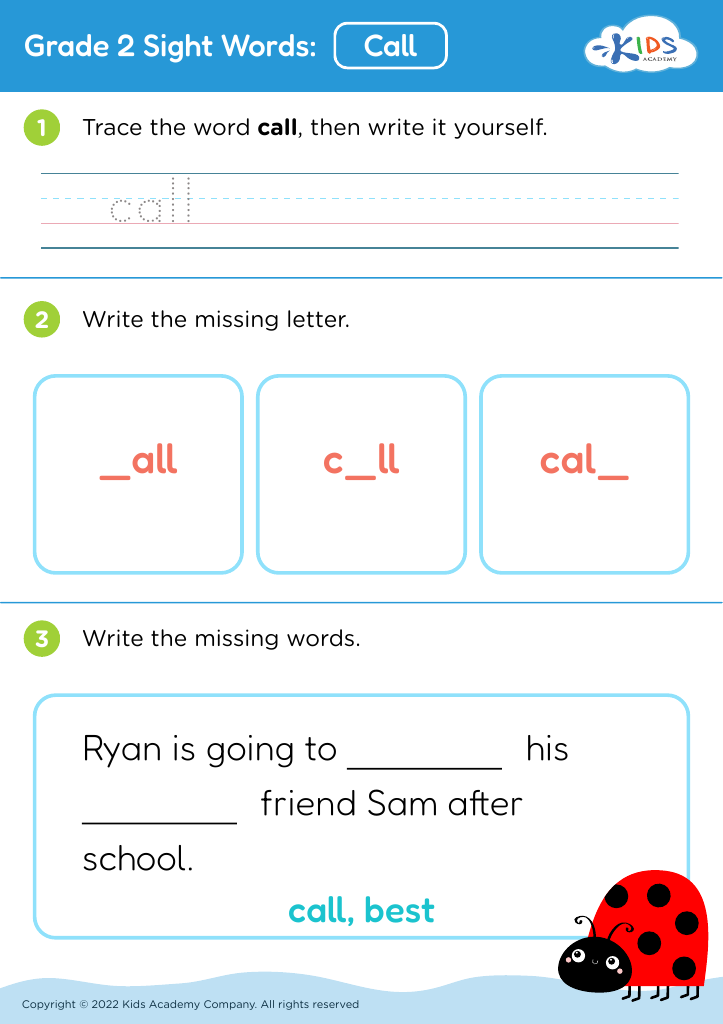
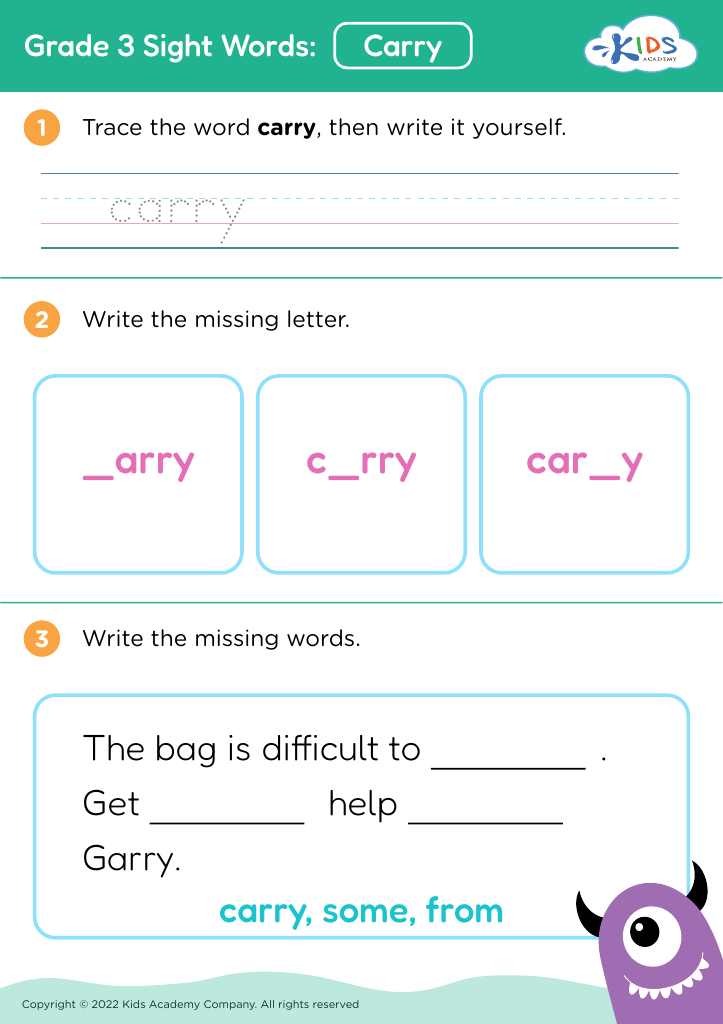
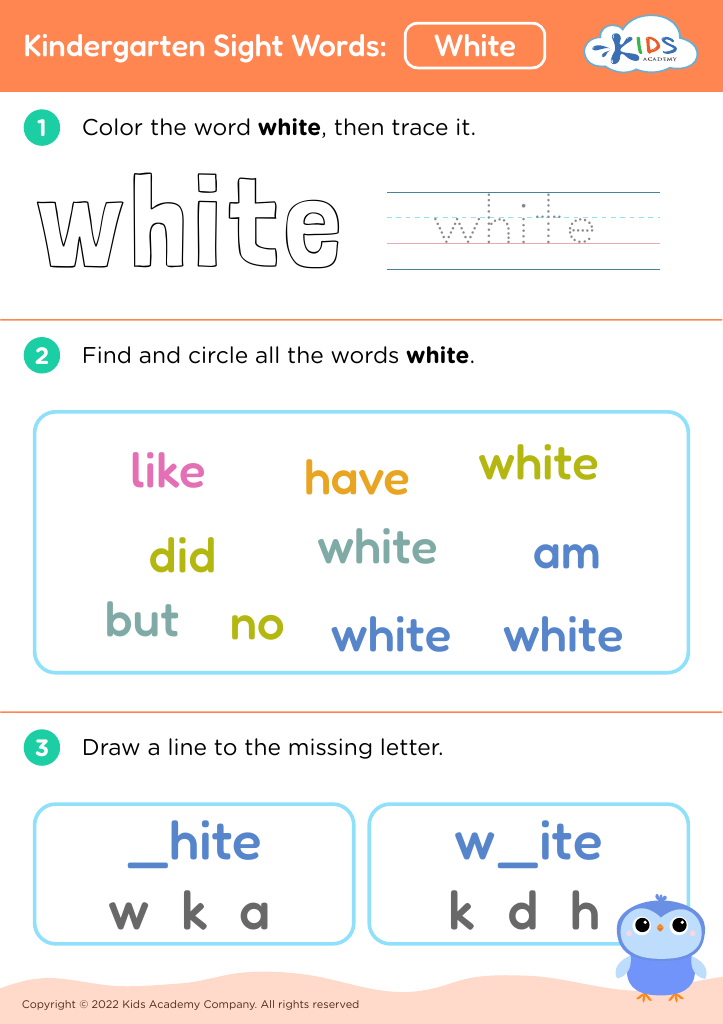
Enhance your child's understanding of fractions with our engaging Fraction Comparison Reading Worksheets, designed for ages 6-8. These printable worksheets make learning fun, helping kids compare fractions using vibrant visuals and interactive activities. Students will grasp concepts such as numerators and denominators, and identify greater, smaller, or equal fractions through age-appropriate exercises. Perfect for reinforcing classroom lessons or providing extra practice at home, our worksheets support young learners in developing essential math skills. Equip your child with the tools to succeed in fraction comparison with Kids Academy’s educational resources. Download today and watch their confidence soar!
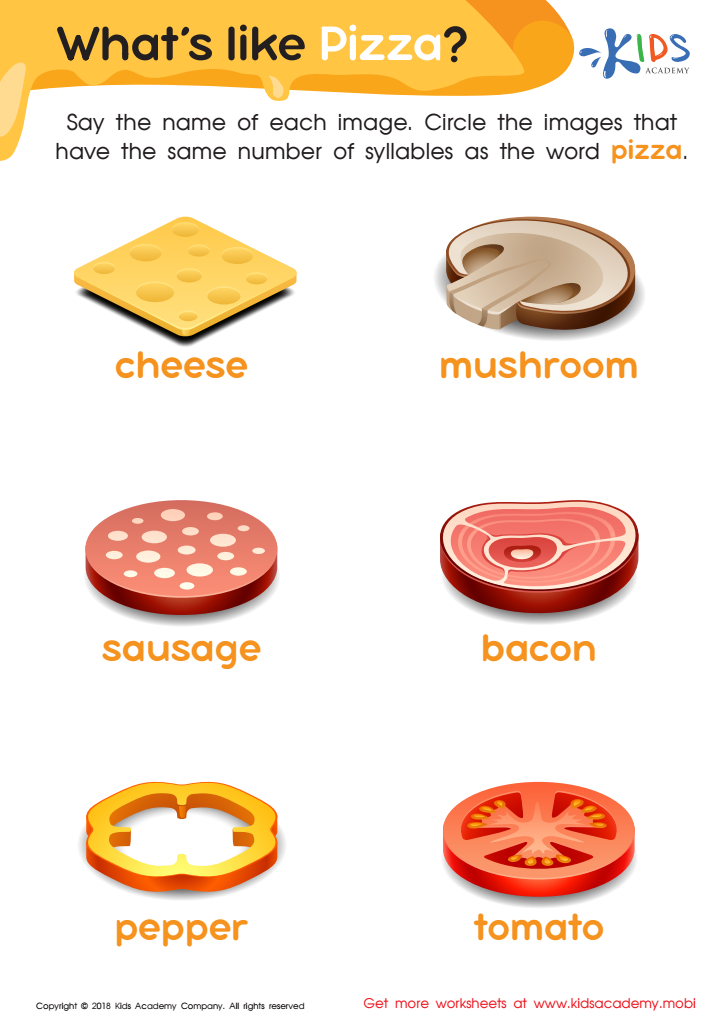
What's Like Pizza? Worksheet
 Assign to My Students
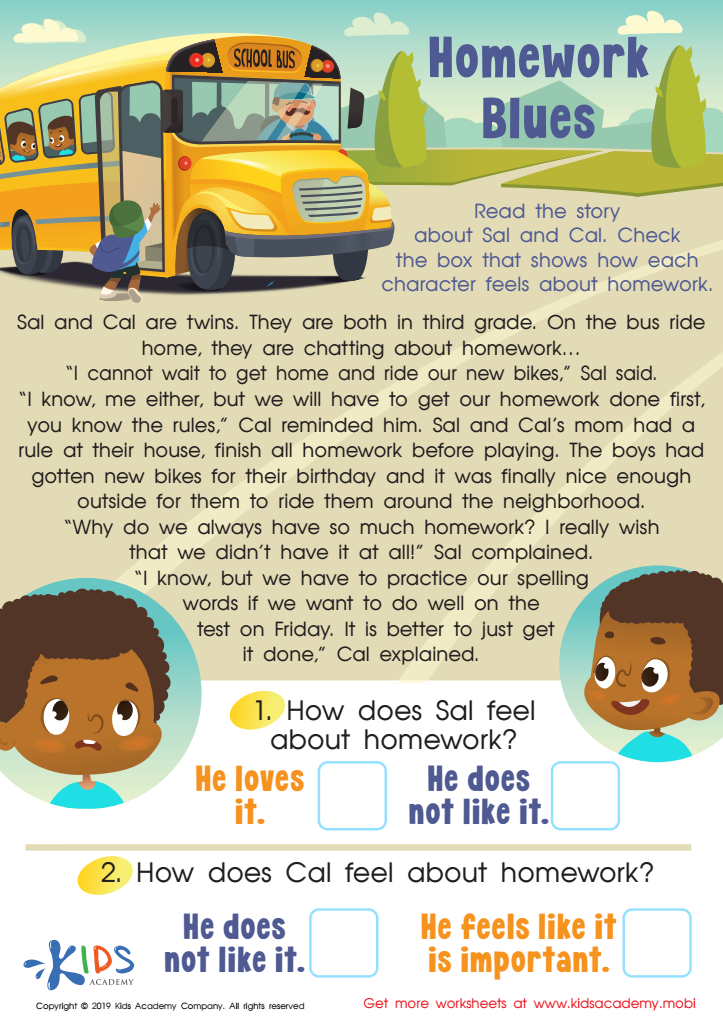
Homework Blues Worksheet
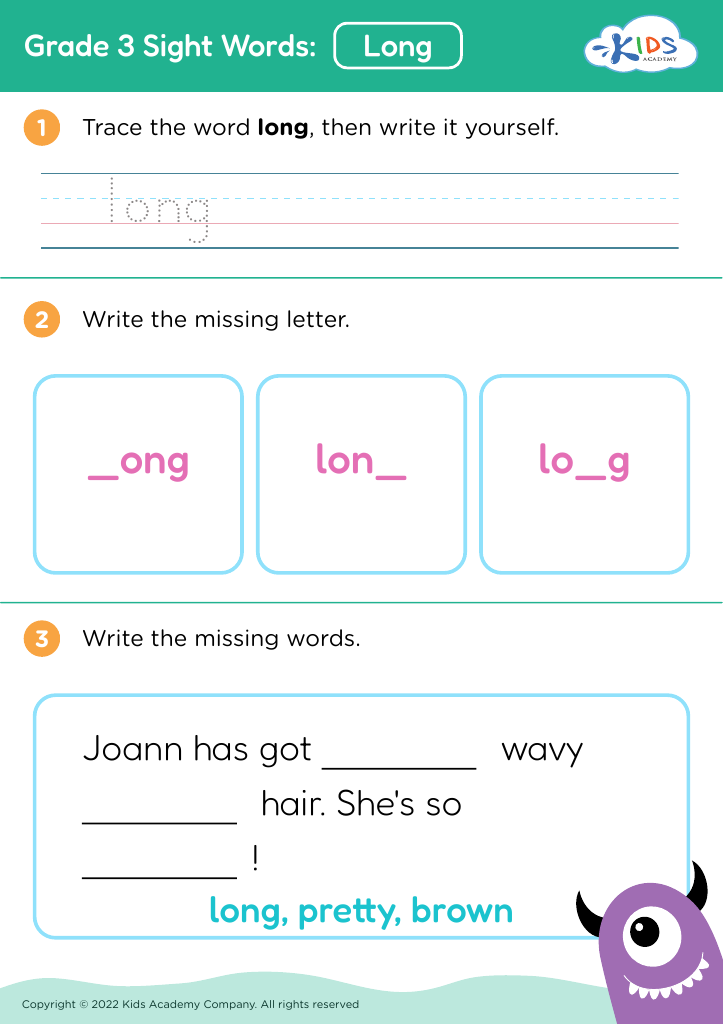
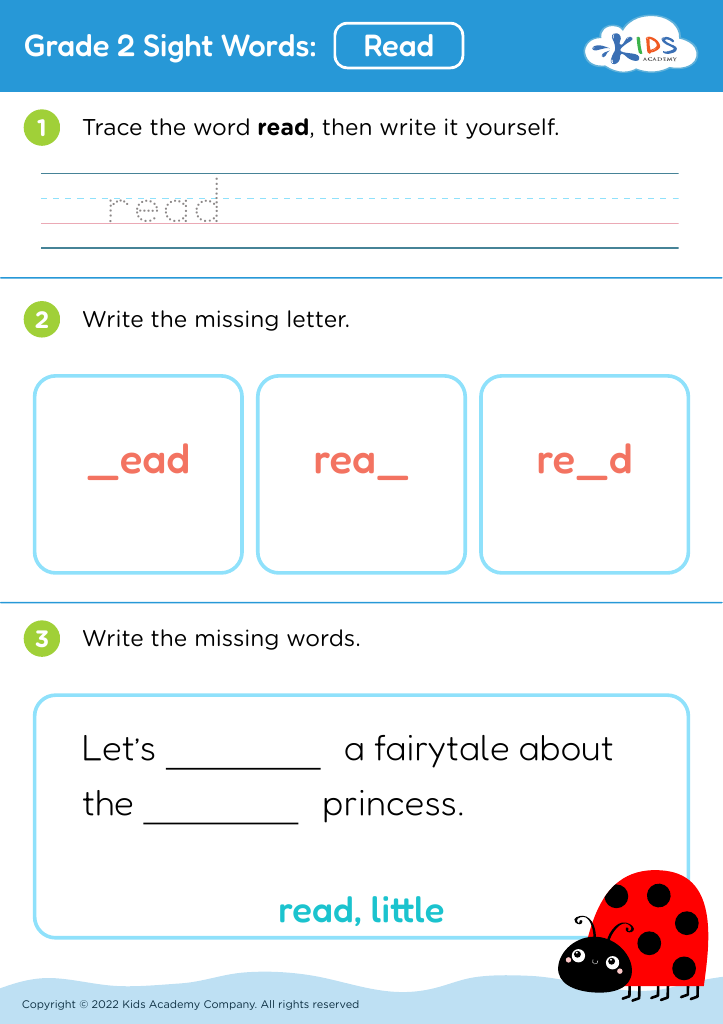








Fraction comparison is foundational for understanding mathematical relationships and developing critical thinking skills in children aged 6-8. At this age, children transition from concrete arithmetic to more abstract mathematical concepts. Introducing fraction comparison early improves their ability to grasp proportion, equivalence, and the basis for more complex math topics in later grades, such as algebra and geometry.
For parents and teachers, fostering this understanding early can positively impact a student's confidence and enthusiasm towards math. When children learn to compare fractions, they develop skills in problem-solving, reasoning, and logical thinking. It also aids in their understanding of real-world applications, such as cooking or dividing objects fairly, reinforcing the relevance of what they learn.
Teachers can integrate fraction comparison into engaging hands-on activities, making learning both fun and educational. Parents can support this learning by incorporating everyday examples of fractions, encouraging practice in non-intimidating ways. When children are competent in fraction comparison, they build a strong mathematics foundation, ensuring they are not overwhelmed by increasingly complex mathematical concepts as they progress in their education. Instilling a robust mathematical mindset early on leads to successful long-term academic achievement, making this educational focus crucial.








