Handwriting practice Reading Worksheets for Ages 6-8
6 filtered results
-
From - To
Our Handwriting Practice Reading Worksheets for Ages 6-8 offer engaging exercises designed to improve both penmanship and reading skills. Tailored for young learners, these worksheets combine fun activities with educational content, encouraging neat handwriting and confident reading. Each worksheet is thoughtfully crafted to develop muscle coordination and fine motor skills while enhancing comprehension and vocabulary. Perfect for use at home or in the classroom, our worksheets support children in mastering essential literacy skills, fostering a love for learning. Make handwriting practice enjoyable and effective with our dynamic and well-designed resources for early learners.
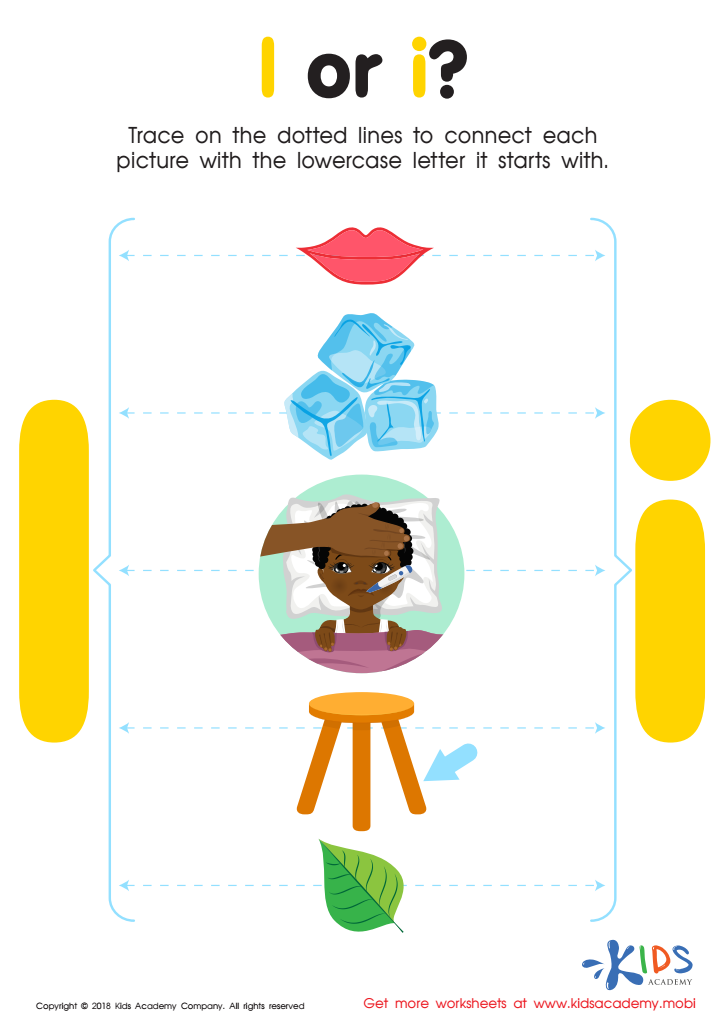
l or i? Worksheet
 Assign to My Students
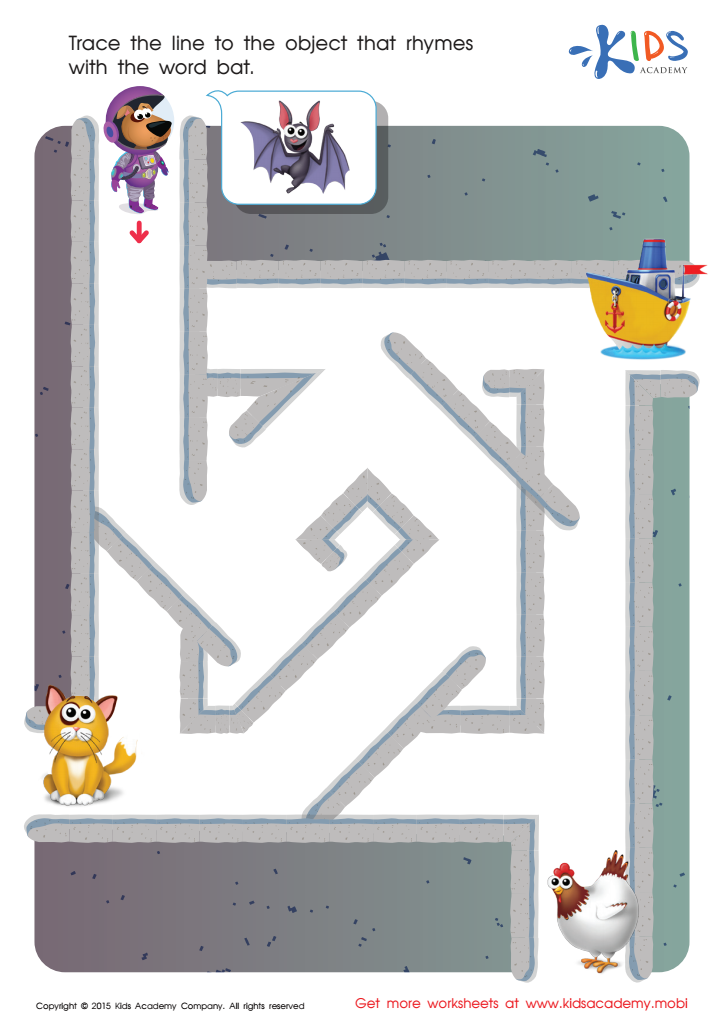
Bat Rhyming Words Worksheet
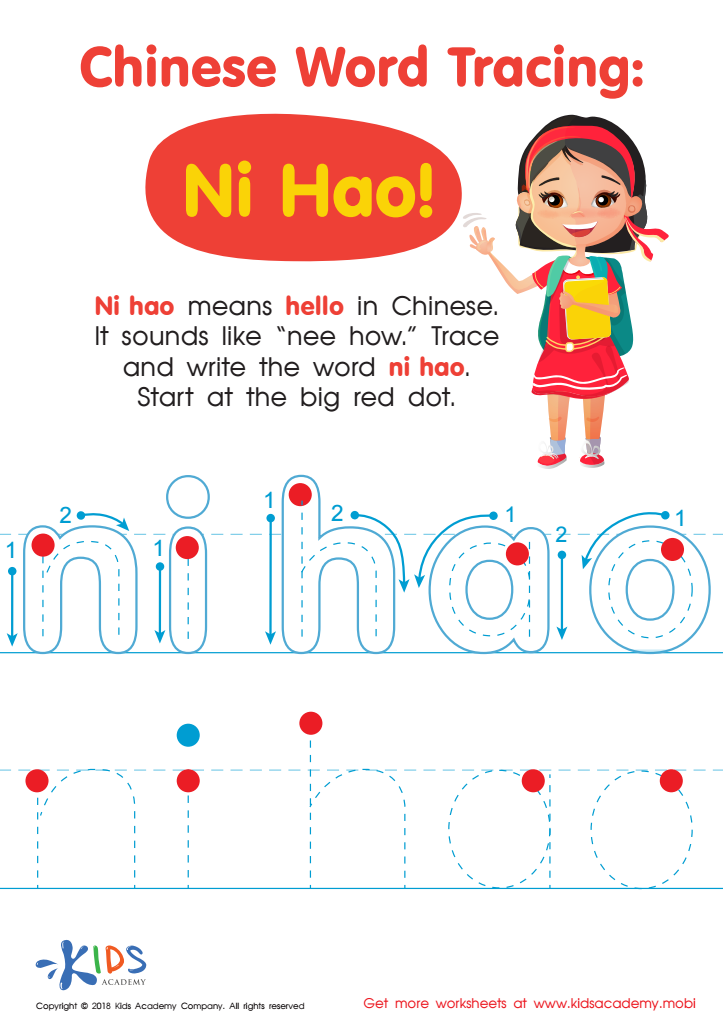
Chinese Word Tracing: Ni Hao Worksheet
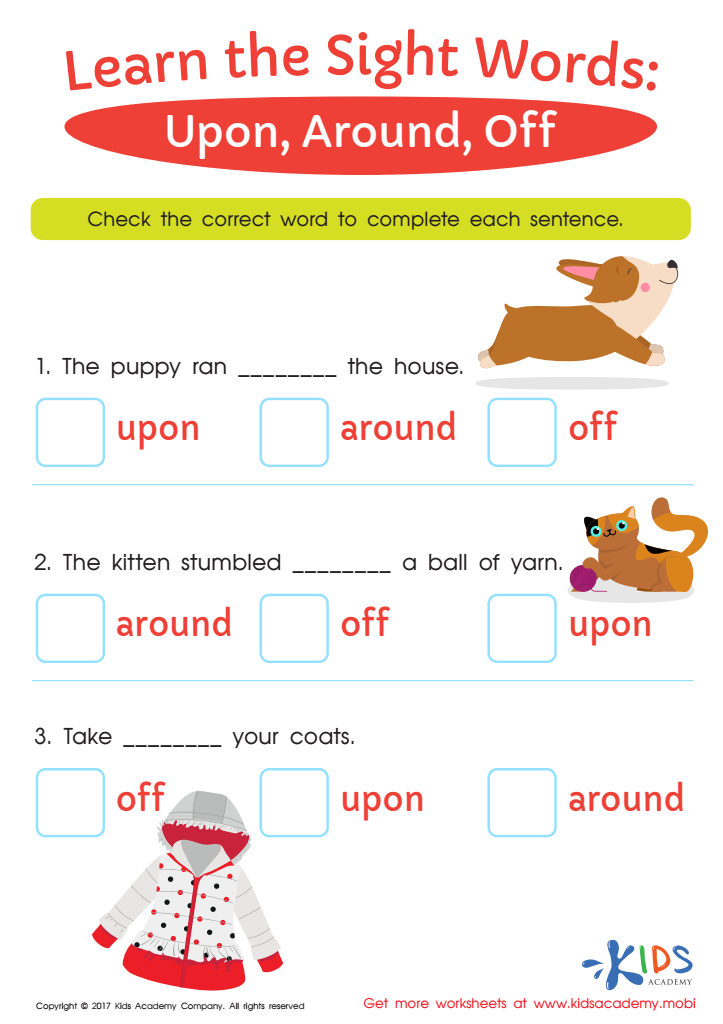
Upon, Around, Off Sight Words Worksheet
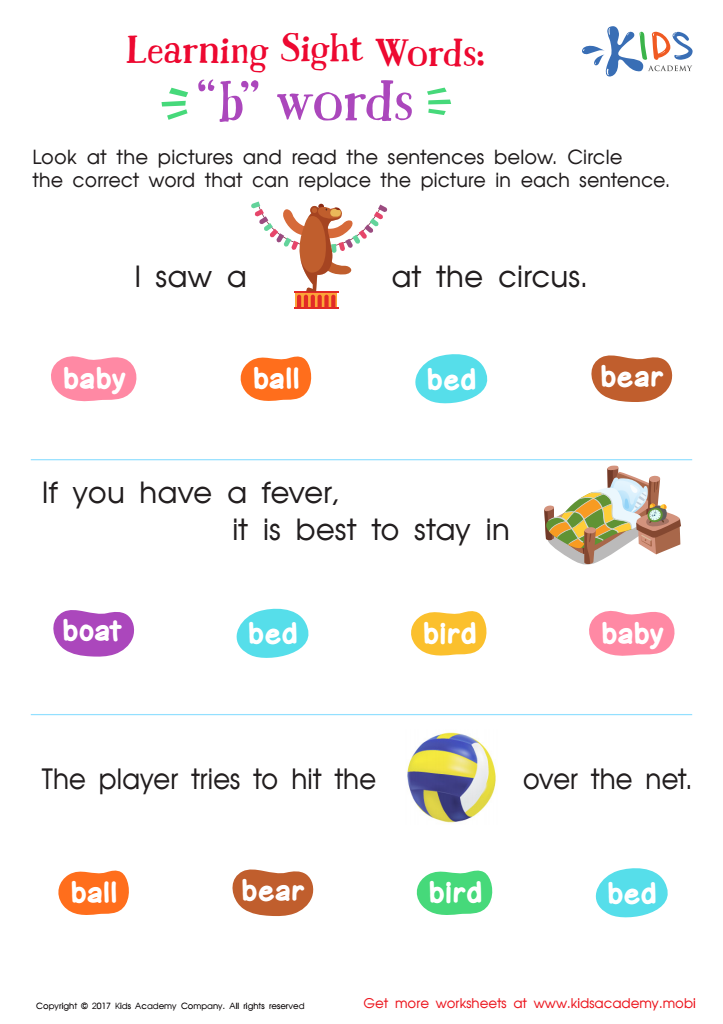
"B" Words Printable Sight Words Worksheet
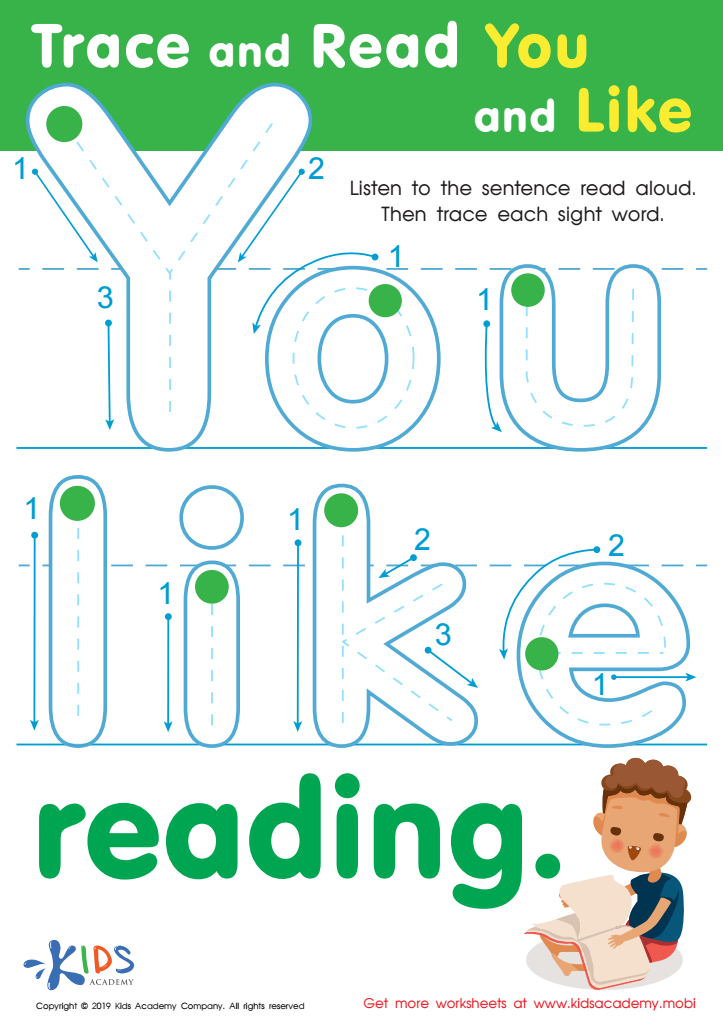
Trace Read You Like Worksheet








Handwriting practice plays a crucial role in the development of young children aged 6-8, shaping their academic growth and overall cognitive development. At this age, children are refining their fine motor skills, and consistent handwriting practice helps in strengthening hand-eye coordination and dexterity. As they learn to form letters and words properly, it promotes muscle memory and improves control over their writing instruments.
Handwriting is intimately connected to reading skills. The repetitive action of writing letters and words reinforces letter recognition and understanding of word formation, which are essential for skilled reading. Encountering and practicing words through handwriting helps in vocabulary building and boosts spelling abilities, as children better recall the correct sequence of letters.
Furthermore, handwriting practice supports cognitive development. The multisensory experience of writing by hand engages the brain more deeply than typing, fostering better retention and comprehension. This cognitive exercise encourages focus, patience, and discipline—qualities beneficial not just academically, but in all areas of life.
Parental or teacher involvement in handwriting practice ensures children receive correction and encouragement, enhancing self-confidence and the ability to express themselves clearly. Ultimately, prioritizing handwriting practice in the early grades lays a strong foundation for literacy and lifelong learning.








