Identifying shapes Reading Worksheets for Ages 6-8
8 filtered results
-
From - To
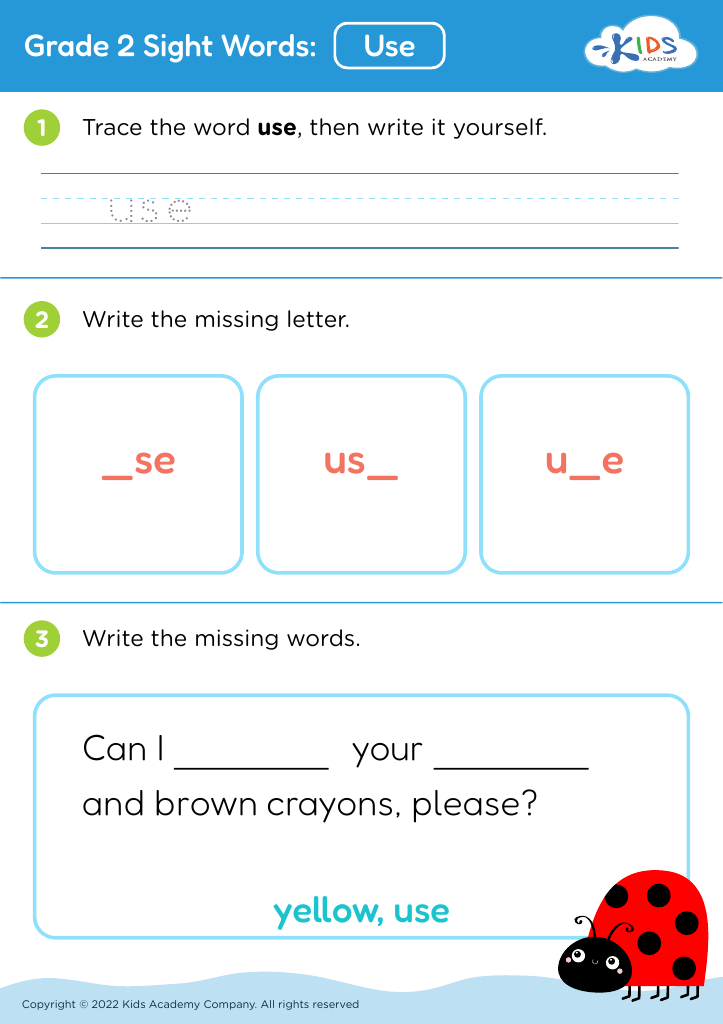
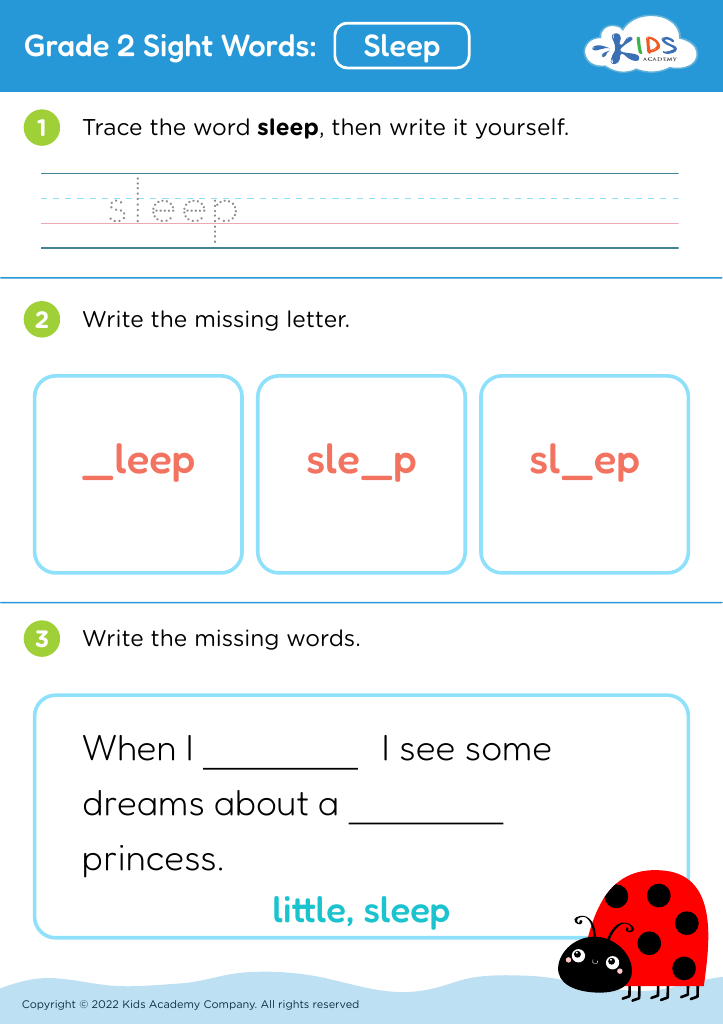
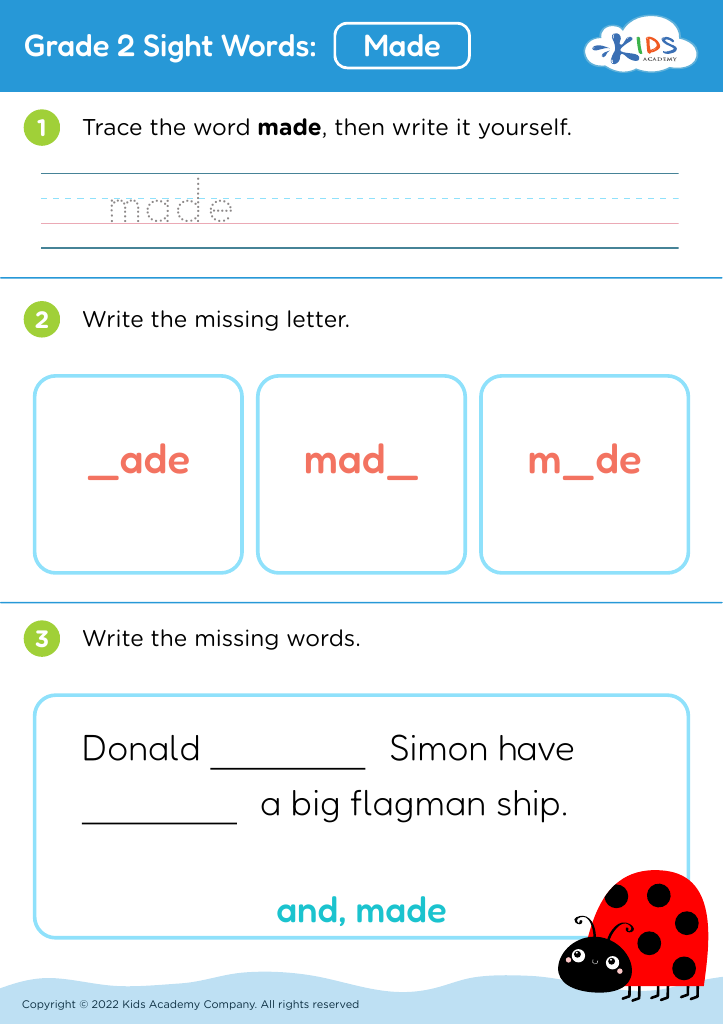
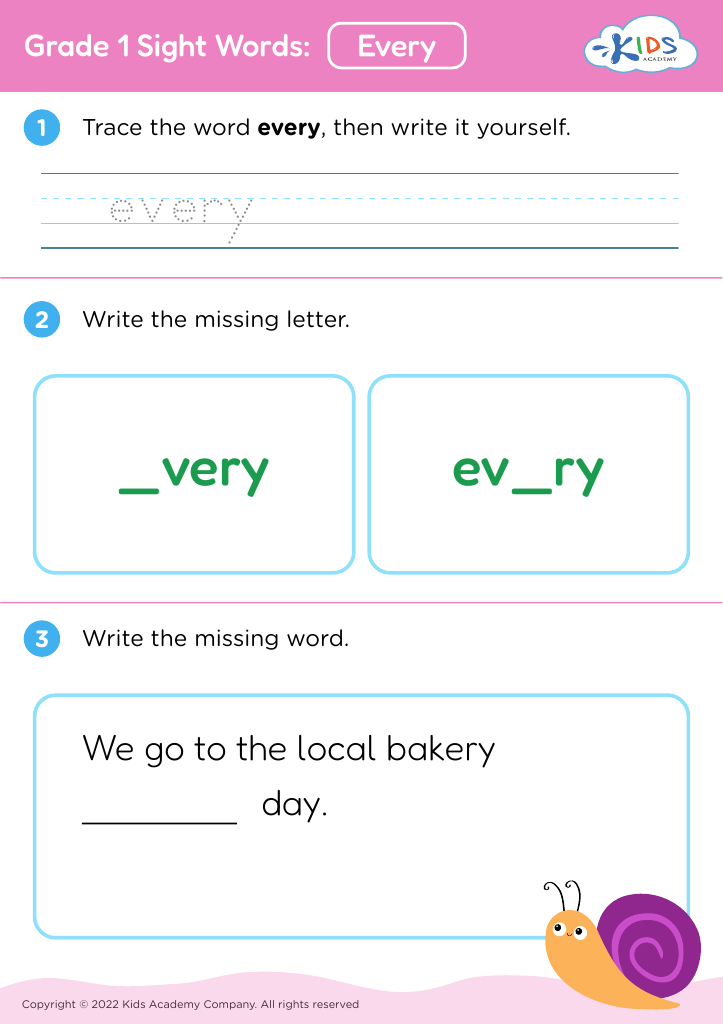
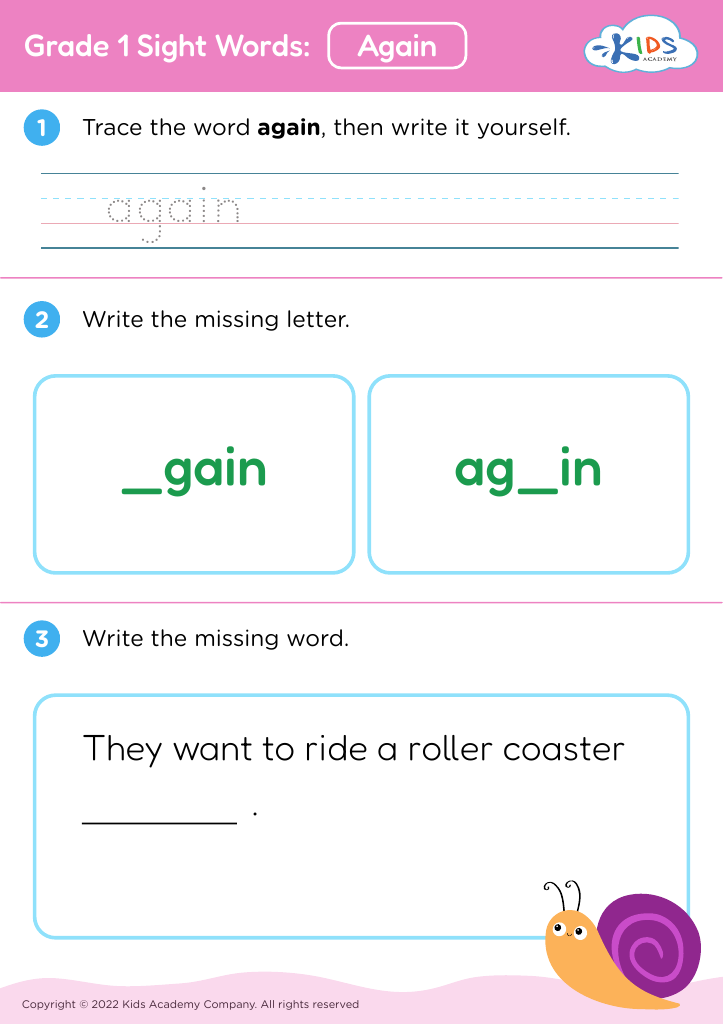
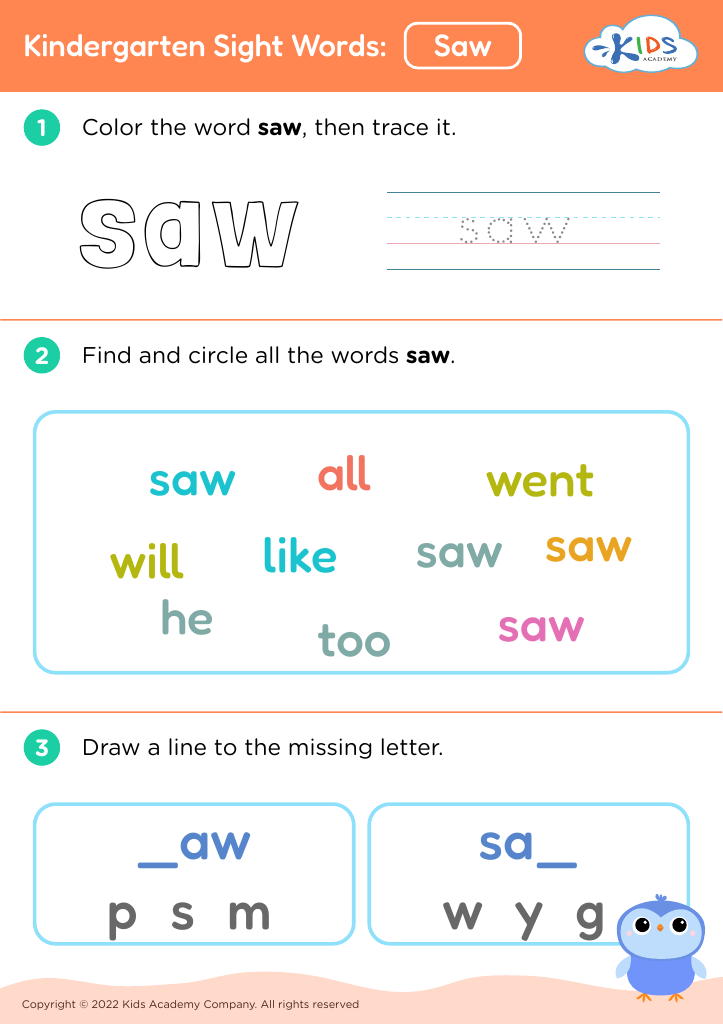
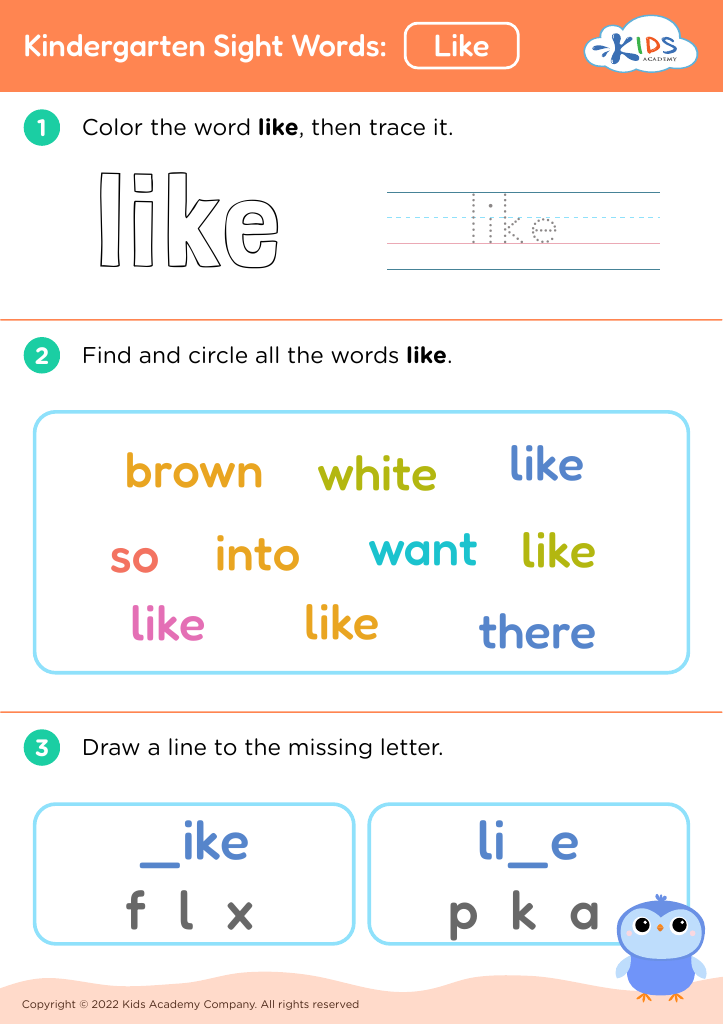
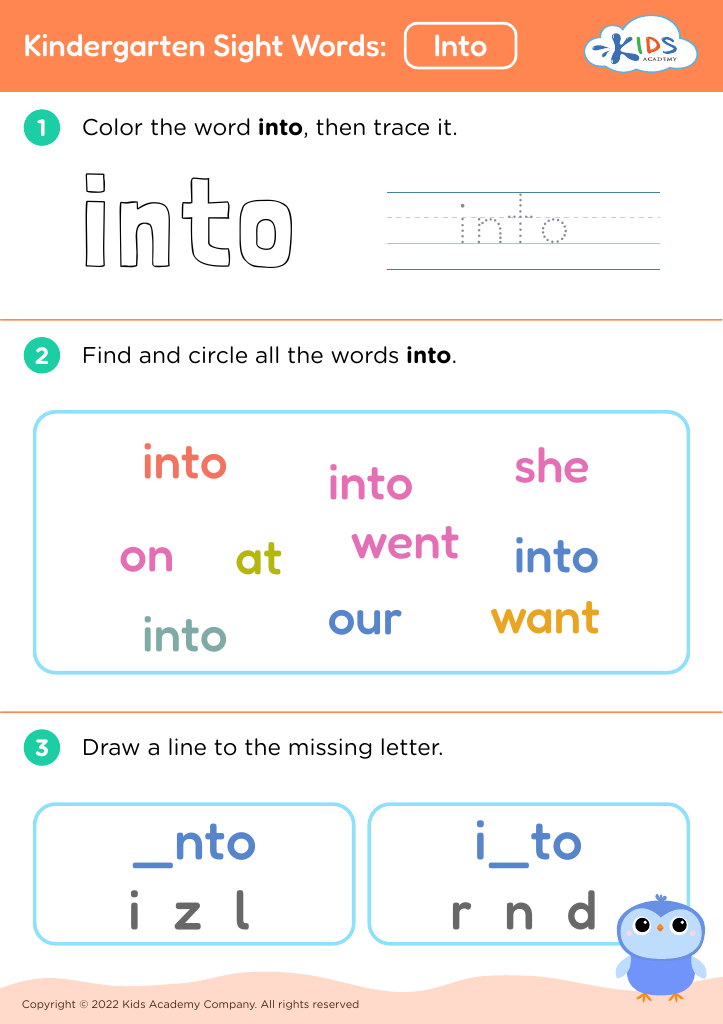
Discover a fun and educational way to help your child identify shapes with our "Identifying Shapes Reading Worksheets for Ages 6-8". Designed to engage young learners, our interactive worksheets combine visual learning with reading practice to reinforce shape recognition. Each activity encourages children to spot, trace, and name basic geometric shapes, boosting their critical thinking and reading skills. Perfect for use at home or in the classroom, our worksheets are crafted to match educational standards and support your child's development. Explore our collection today to give your child a head start in mastering essential learning skills!







.jpg)
Identifying shapes and reading are foundational skills for children aged 6-8, and it is crucial for parents and teachers to prioritize these areas for several reasons. First, learning to identify shapes enhances a child's cognitive development. Recognizing different shapes allows children to understand and organize visual information, which is critical for problem-solving and spatial reasoning. These cognitive abilities are not only fundamental in math and science but also play a role in everyday decision-making and organization tasks.
Reading, on the other hand, is equally vital as it opens the door to knowledge and learning. At this age, children transition from "learning to read" to "reading to learn." Strong reading skills enable them to grasp new concepts across subjects, build vocabulary, and foster better communication abilities. Improved reading comprehension directly impacts academic performance and boosts self-confidence.
Moreover, both shape identification and reading skills are interconnected and promote critical thinking and creativity. Recognizing patterns in shapes helps in understanding the structure of words and sentences, while reading about shapes enhances comprehension and vocabulary related to geometry and spatial awareness.
Building these skills early in life creates a strong educational foundation, setting children up for long-term success both in academics and everyday activities. Thus, parents and teachers should be actively involved in activities and practices that promote shape recognition and reading proficiency to foster well-rounded development.








