Improving math skills Reading Worksheets for Ages 6-8
3 filtered results
-
From - To
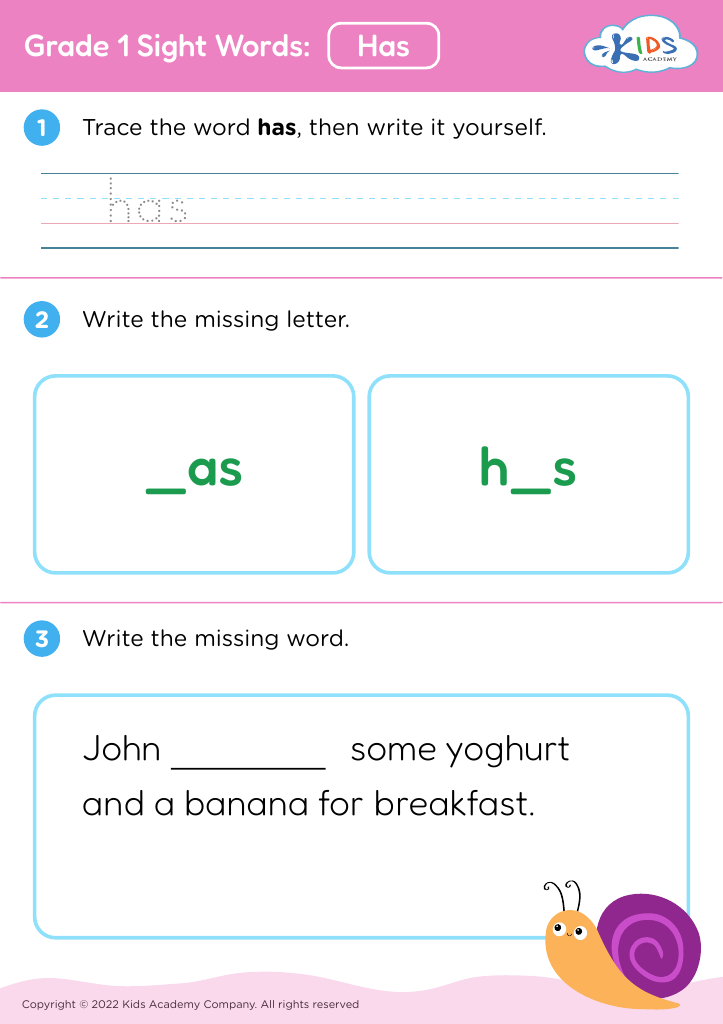
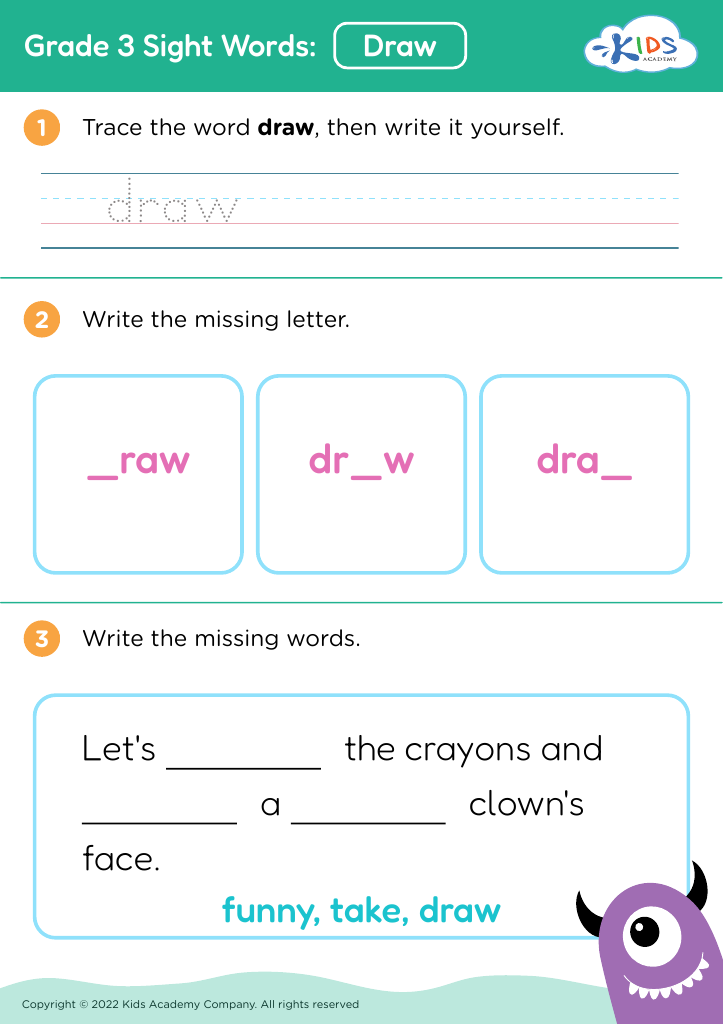
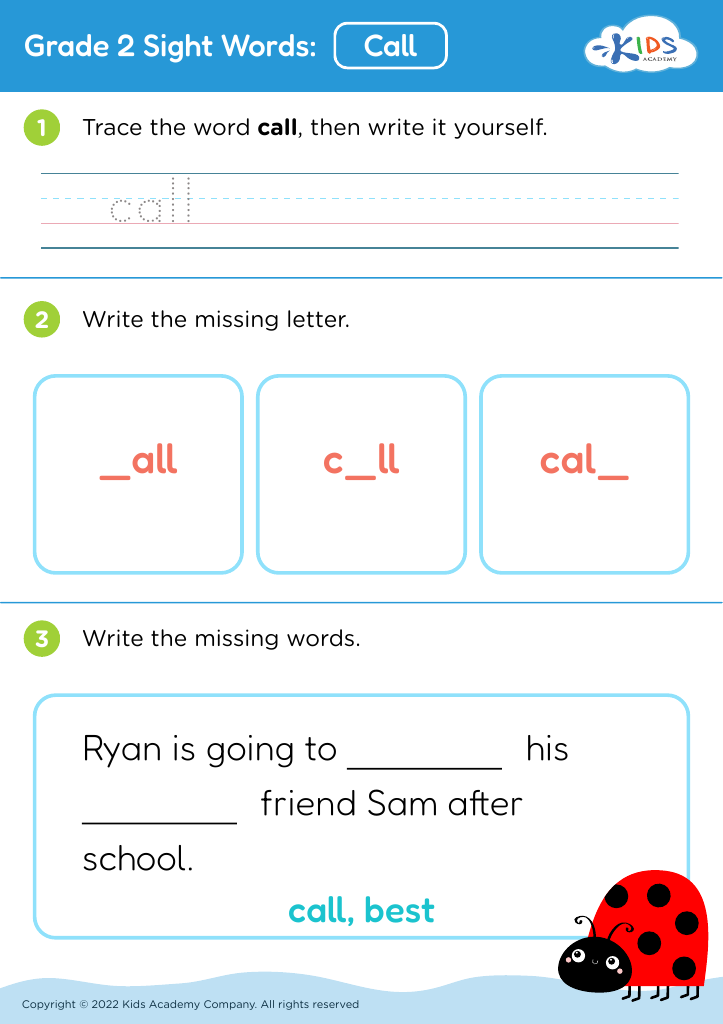
Discover our engaging "Improving Math Skills Reading Worksheets" designed specifically for children ages 6 to 8. These printable worksheets blend reading comprehension with essential math concepts, helping young learners strengthen their literacy while enhancing their numeracy skills. Each worksheet features fun stories, interactive challenges, and age-appropriate exercises that promote critical thinking and problem-solving. Ideal for parents and educators seeking to reinforce math foundations, our resources support diverse learning styles and foster a love for learning. Explore our collection today and watch your child's math skills flourish through enjoyable reading activities that make learning both fun and effective!






Improving math skills and reading proficiency for children aged 6 to 8 is crucial for their overall development and future success. During this developmental stage, children are laying the foundation for critical thinking and problem-solving abilities that will serve them throughout their lives. A strong grasp of math helps children understand patterns, relationships, and logical reasoning, essential skills not just in academics but also in daily life.
Likewise, improving reading skills enhances comprehension, vocabulary, and communication. Children learn to express their thoughts clearly and develop a love for learning through stories and information. Strong reading skills are also closely linked to academic achievement across all subjects, including math.
Parents and teachers play a pivotal role in fostering these skills. Their engagement can create a supportive environment where children feel encouraged to explore, ask questions, and take risks. Moreover, strengthening these foundational skills can boost children’s confidence, making them more enthusiastic about learning.
By prioritizing math and reading skills, parents and teachers not only empower children to succeed academically but also cultivate volunteer critical life skills that promote lifelong learning and adaptability in an ever-changing world. This investment in their early years can lead to more significant educational and personal growth later on.








