Improving reading skills Reading Worksheets for Ages 6-8
6 filtered results
-
From - To
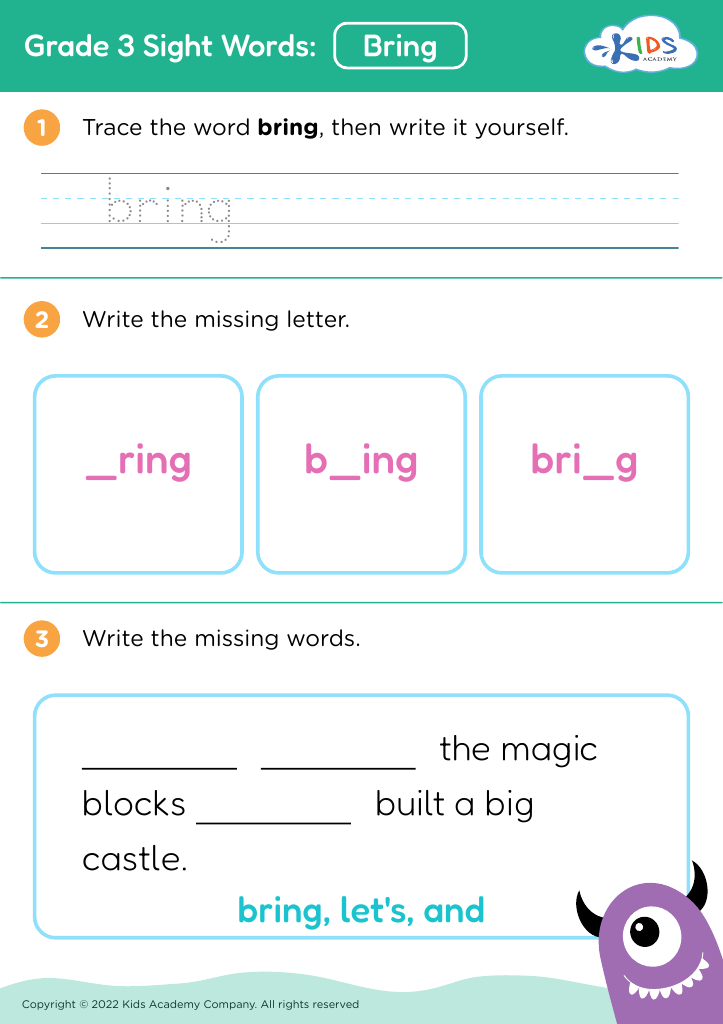
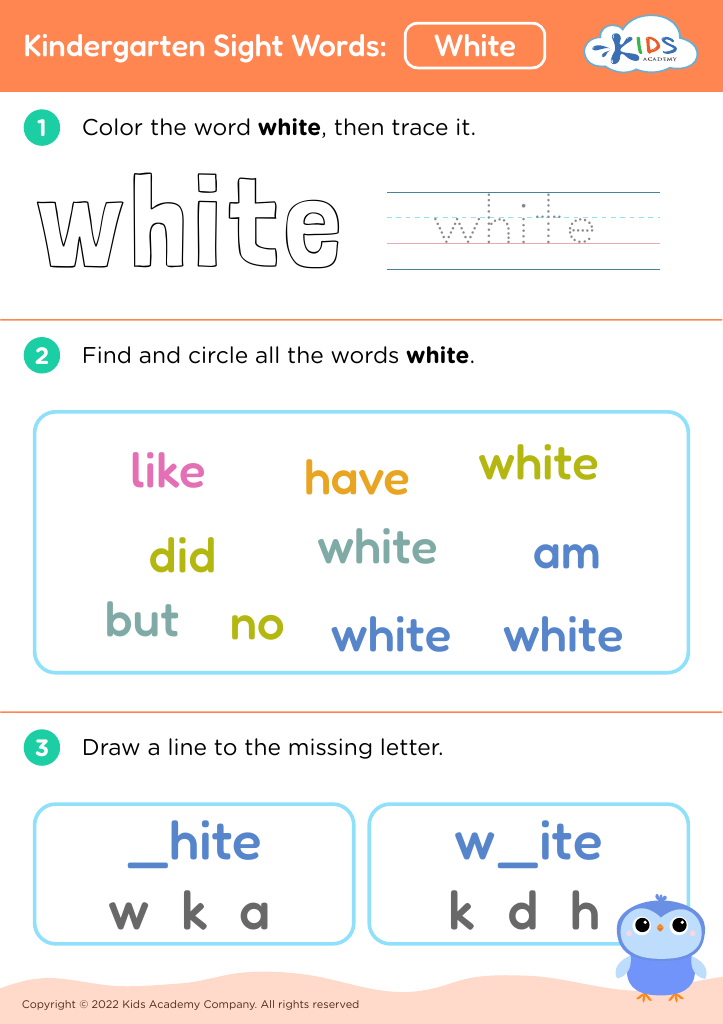
Welcome to our "Improving Reading Skills" section, where engaging and interactive worksheets are designed specifically for children ages 6-8. These resources help young learners develop essential reading abilities, from phonics to comprehension. Our worksheets feature fun activities that capture kids' attention, making reading practice enjoyable. Each worksheet aims to strengthen vocabulary and improve sentence structure, ensuring a solid foundation for lifelong literacy. Tailored to suit various learning styles, our printable materials can be easily accessed online or downloaded for classroom or home use. Dive into our collection today, and watch your child's reading skills flourish!
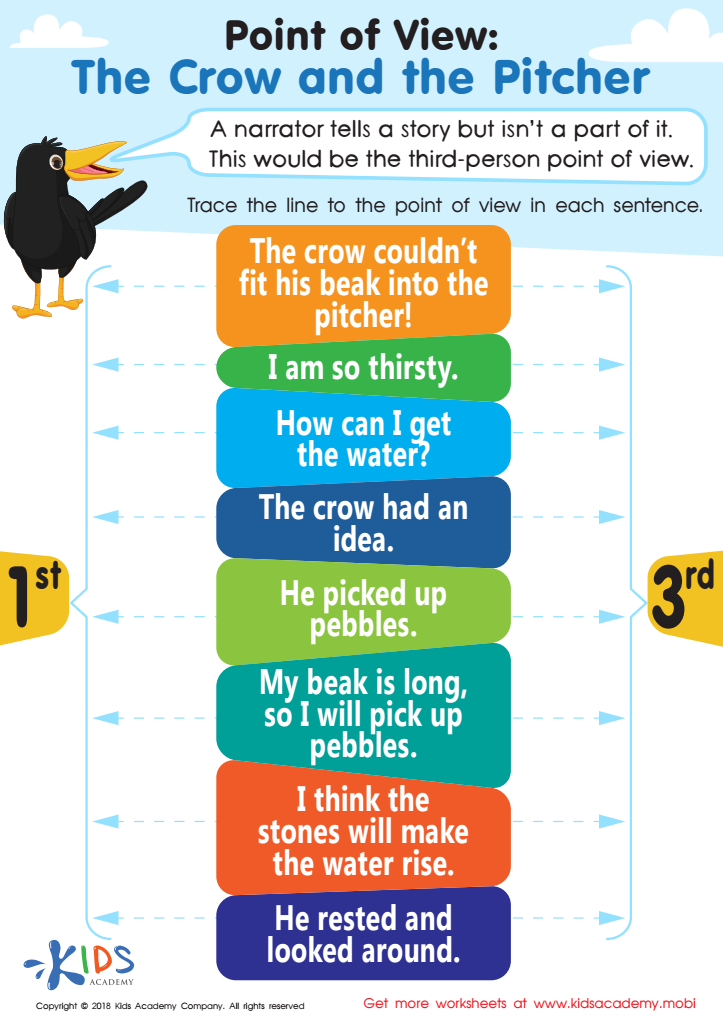
Point of View: The Crow and the Pitcher Worksheet
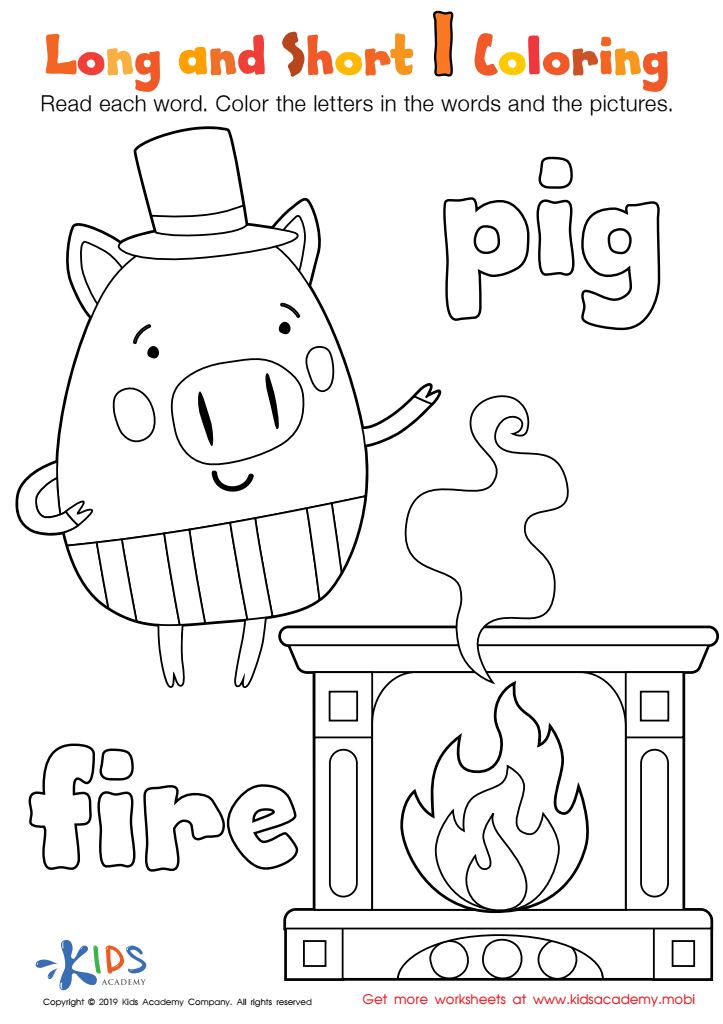
Long and Short I Worksheet
 Assign to My Students
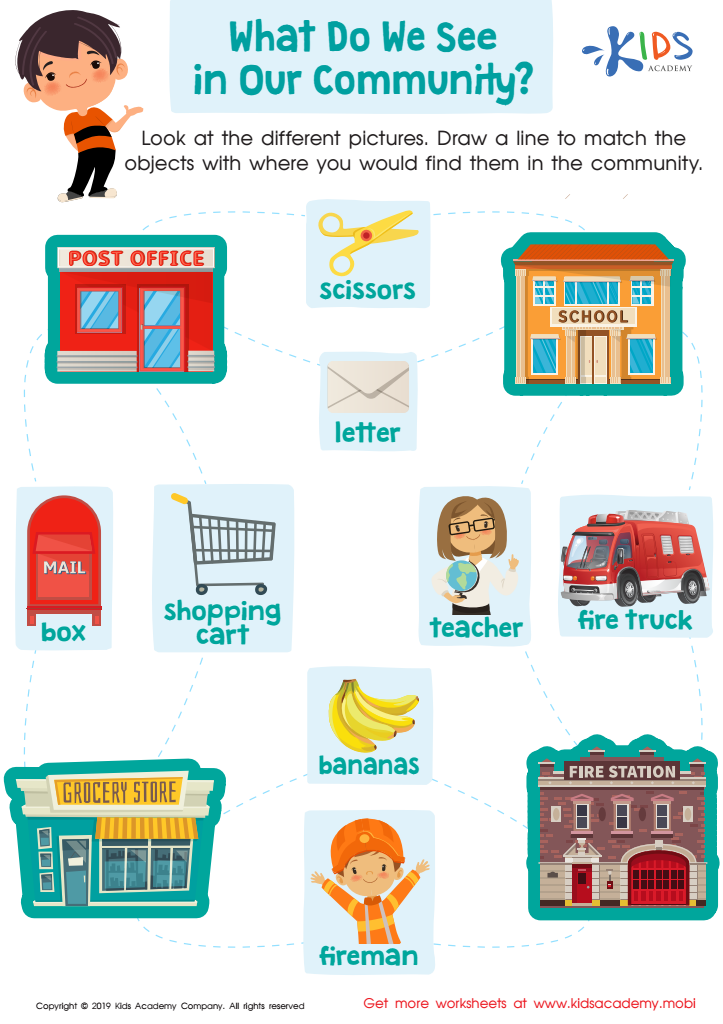
What Do We See in our Community? Worksheet
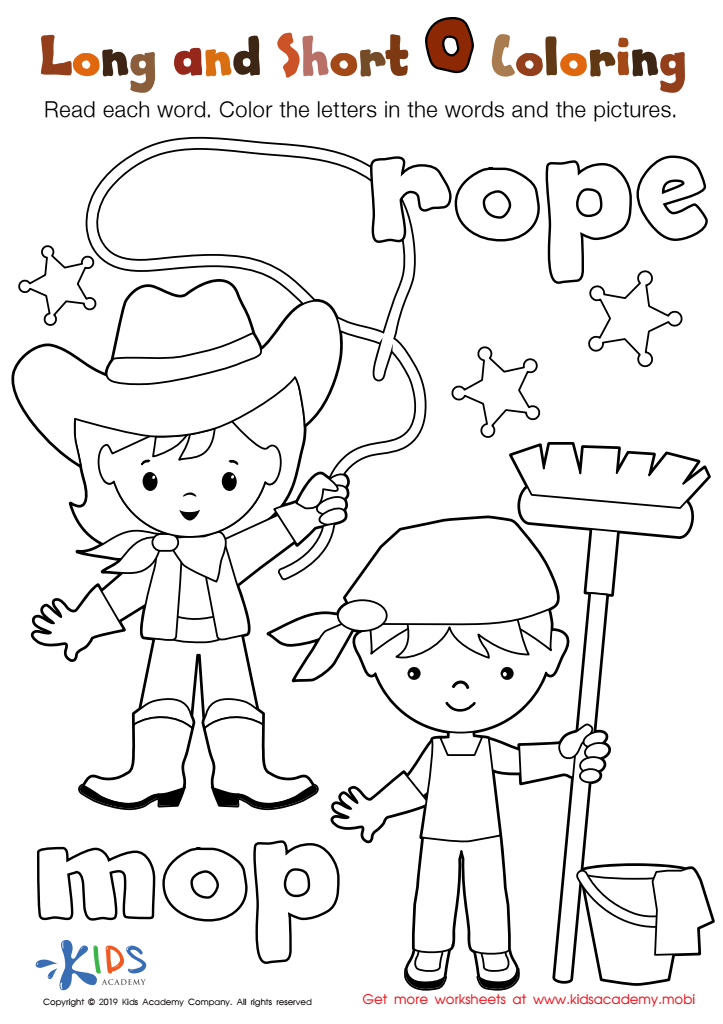
Long and Short O Worksheet
Assign to My Students






Improving reading skills for children ages 6-8 is crucial as this developmental stage forms the foundation for all future learning. At this age, children begin to transition from learning to read to reading to learn, making proficiency essential for their academic success. Strong reading skills enhance vocabulary, comprehension, and critical thinking abilities, allowing children to grasp more complex texts as they progress.
For parents and teachers, fostering reading skills helps cultivate a lifelong love for reading, encouraging curiosity and exploration. Engaging with stories and literature not only entertains but also develops empathy and social awareness. Additionally, children with strong reading abilities tend to perform better in school, opening up opportunities for more advanced learning in various subjects, including science and history, which rely heavily on text comprehension.
Moreover, reading proficiency can affect a child's self-esteem and confidence. Children who struggle with reading may feel frustrated, leading to disengagement from school activities. Therefore, it’s imperative for both parents and teachers to prioritize this skill, creating a supportive environment where children can thrive. Encouraging shared reading experiences, providing diverse reading materials, and celebrating progress can make a significant difference in a child's learning journey.








