Mathematical reasoning Reading Worksheets for Ages 6-8
3 filtered results
-
From - To
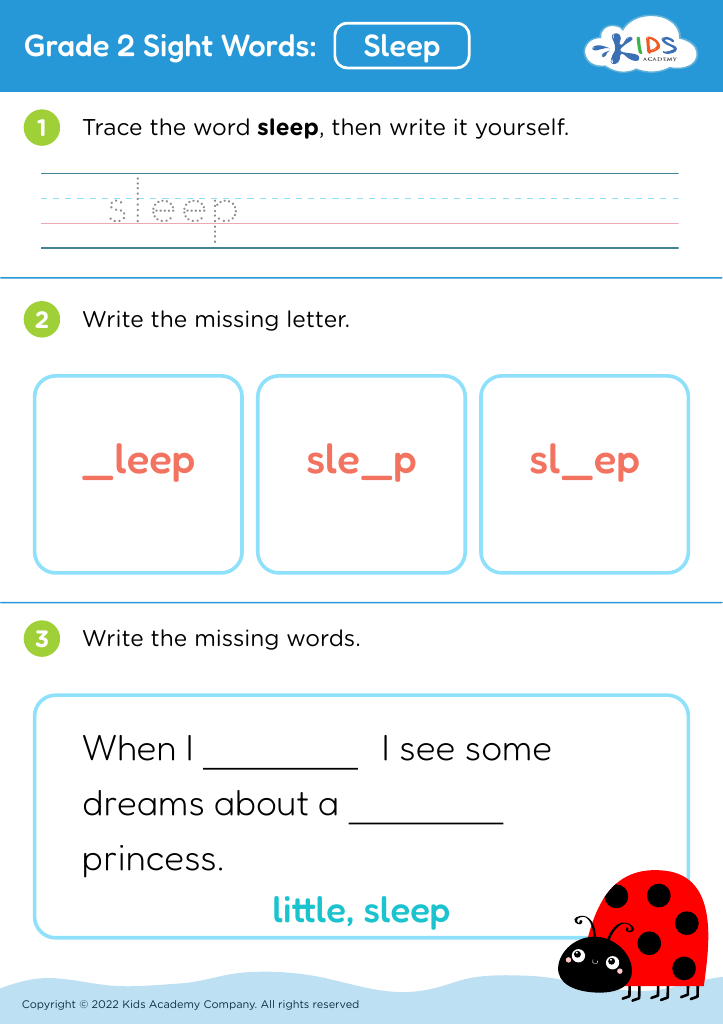
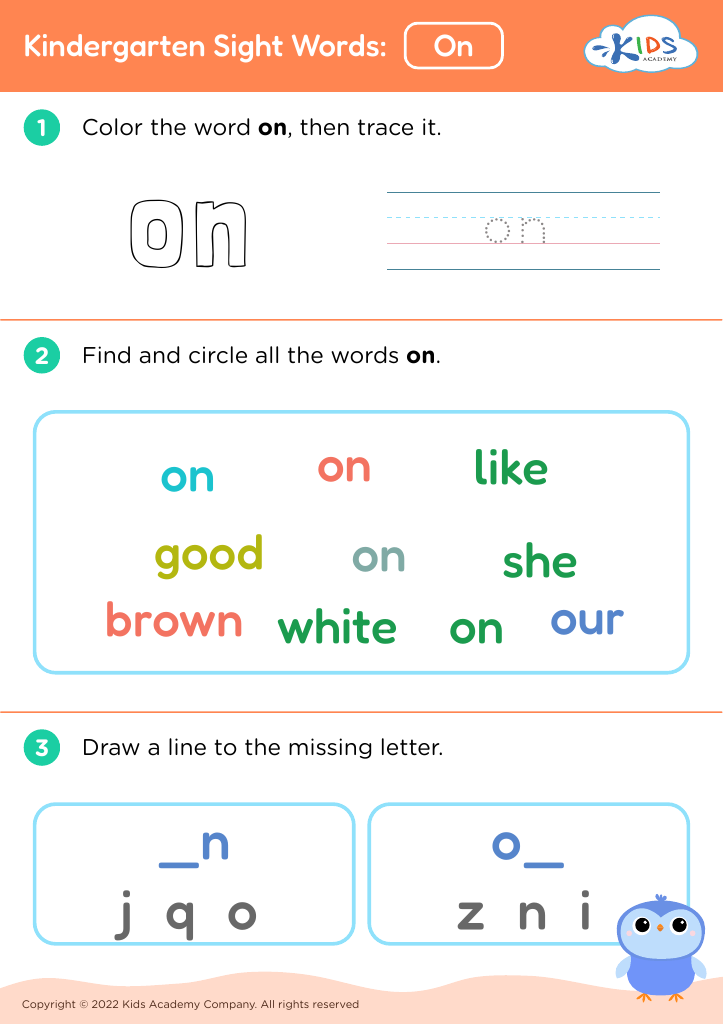
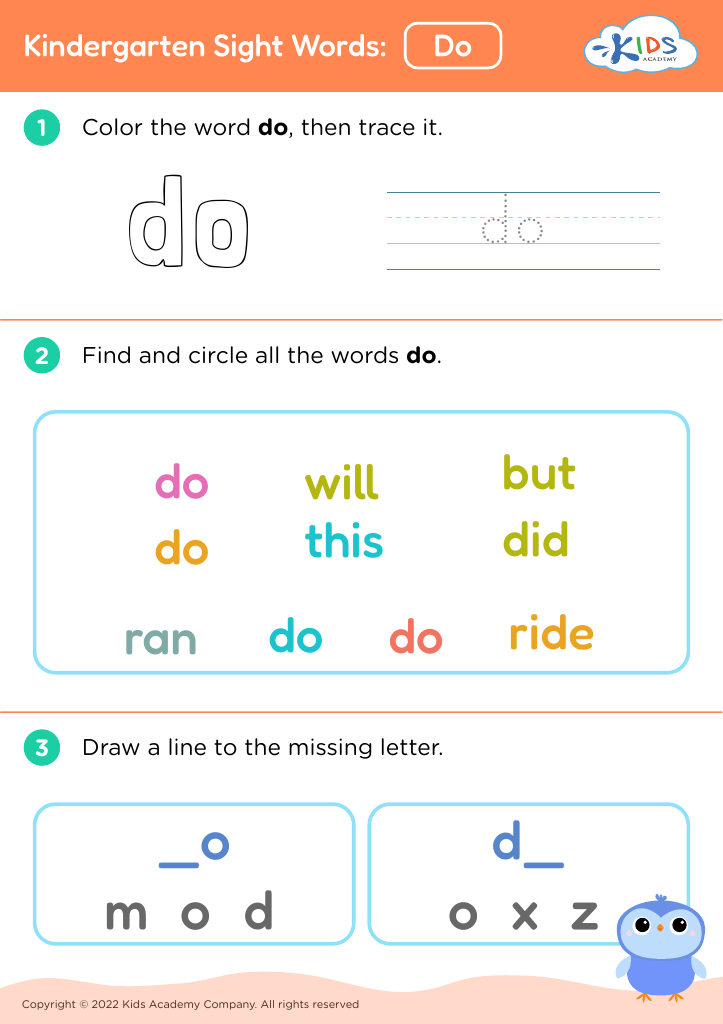
Enhance your child's critical thinking and problem-solving abilities with our Mathematical Reasoning Reading Worksheets for ages 6-8. These engaging and educational worksheets blend math and reading to boost comprehension and analytical skills. Perfectly designed for young learners, each activity poses fun challenges that foster both numerical understanding and literacy. Ideal for classroom or at-home use, our worksheets offer a balanced mix of word problems, puzzles, and logical tasks. Help your child advance academically by integrating these robust resources into their routine, and watch their confidence and academic performance soar! Explore the joys of learning with us today!



.jpg)




Mathematical reasoning is a foundational skill that significantly impacts children's overall academic success and real-life problem-solving abilities. For children aged 6-8, this period is crucial as they transition from simple arithmetic to more complex mathematical concepts. Parents and teachers should prioritize fostering these skills because mathematical reasoning develops logical thinking and critical analysis. These abilities extend beyond mathematics, helping children to solve problems methodically in diverse situations.
During these formative years, children are highly receptive to new ideas, and their cognitive structures are rapidly developing. When parents and teachers engage children with mathematical reasoning tasks, it promotes a deeper understanding of numbers, patterns, and relationships. This not only prepares them for future mathematical learning but also enhances their general cognitive capabilities, such as memory and attention.
Moreover, fostering mathematical reasoning at an early age builds confidence and reduces math anxiety. Children who develop a strong mathematical foundation during these years are more likely to enjoy and pursue advanced math courses later, benefiting their long-term academic trajectories.
In addition, early exposure to mathematical reasoning helps children understand the practical applications of math in everyday life, influencing their ability to make informed decisions, whether in budgeting, time management, or logical reasoning in daily scenarios. Thus, emphasizing mathematical reasoning for young learners is essential for their holistic cognitive development and future success.








