Recognizing numbers Reading Worksheets for Ages 6-8
3 filtered results
-
From - To
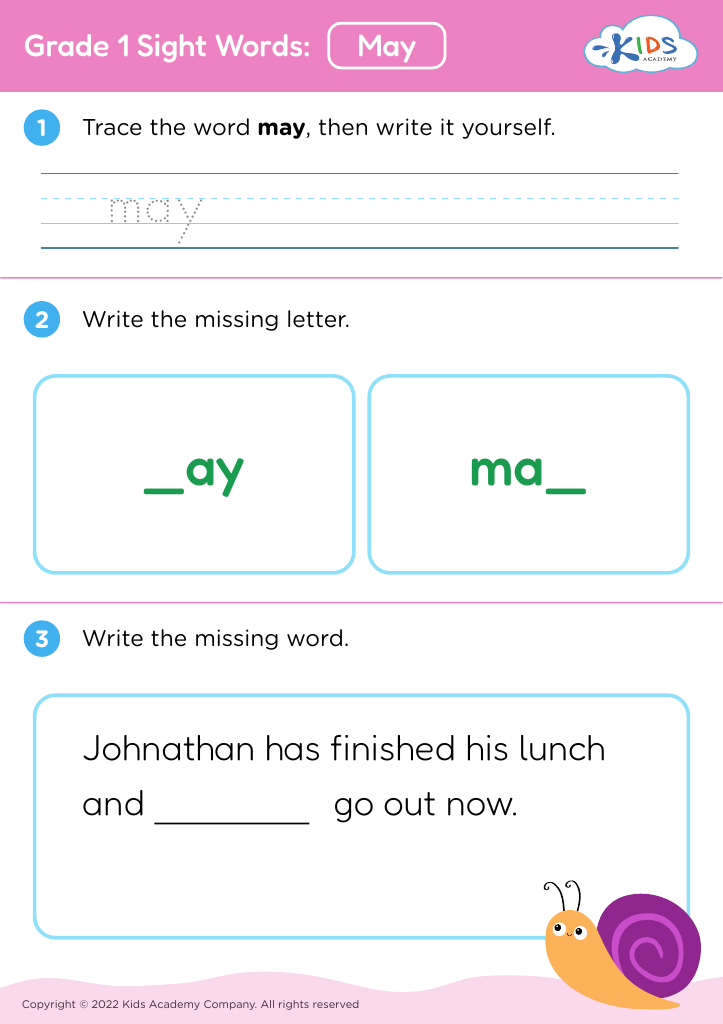
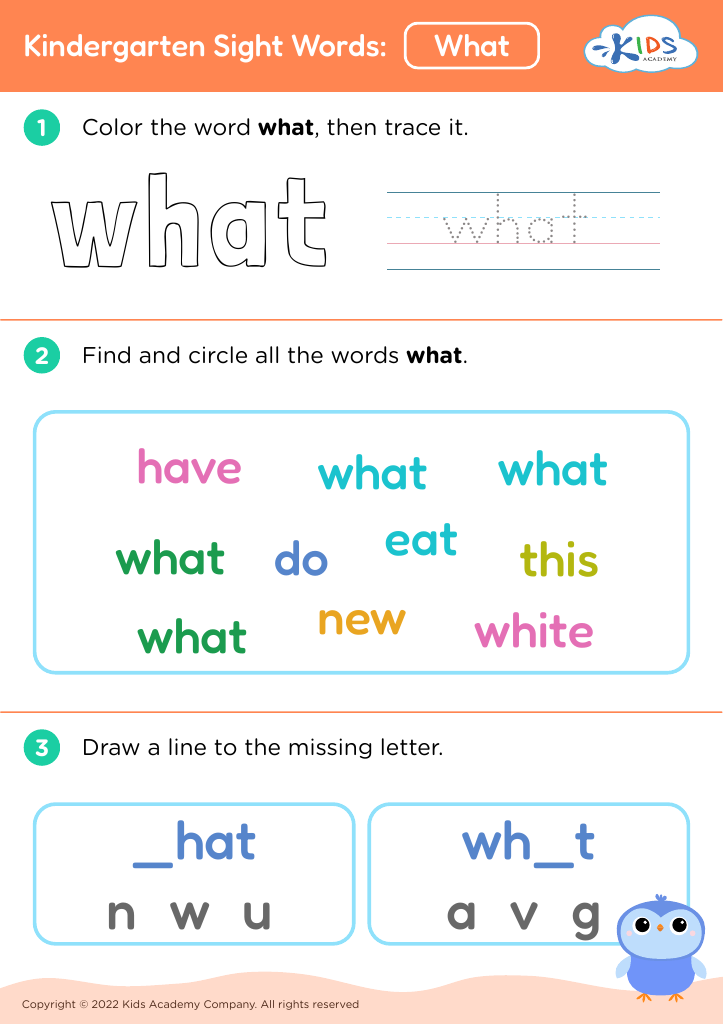
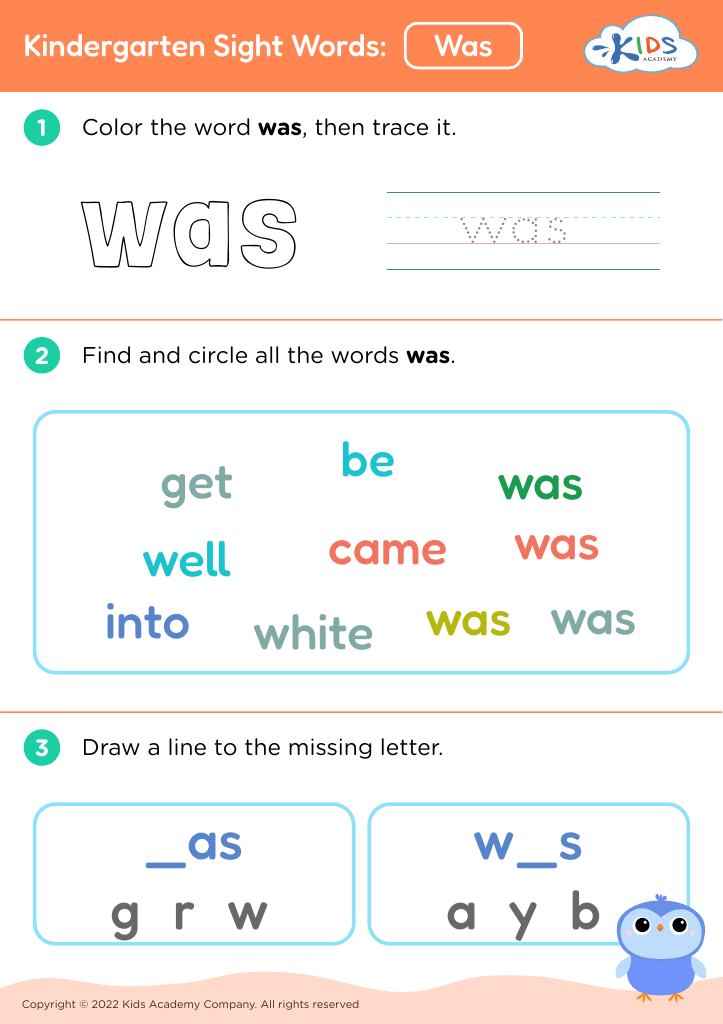
Discover our engaging "Recognizing Numbers Reading Worksheets" designed specifically for children aged 6-8. These worksheets help young learners develop essential number recognition skills through fun activities and exercises. With colorful illustrations and interactive challenges, kids will enjoy practicing counting, identifying numbers, and enhancing their reading abilities simultaneously. Our resources aim to build confidence in number literacy while fostering a love for learning. Perfect for home or classroom use, these worksheets are an invaluable tool to support your child's educational journey. Explore the collection today and watch your child flourish in recognizing numbers with excitement and enthusiasm!






Recognizing numbers is a foundational skill for children aged 6 to 8, and it has significant implications for their overall cognitive development and future academic success. At this age, children transition from simple counting to more complex mathematical concepts, building a solid number sense that is crucial for various everyday situations. Parents and teachers should care about this developmental milestone because strong number recognition enhances not just mathematical skills but also critical thinking and problem-solving abilities.
Understanding numbers forms the basis for skills such as addition, subtraction, and even the early stages of multiplication and division. When children can recognize numbers quickly and accurately, they gain confidence, making learning more enjoyable and reducing anxiety around math. Moreover, this skill fosters perseverance in tackling challenging concepts, paving the way for higher-order mathematical thinking.
Additionally, number recognition contributes to literacy and language skills, as many number words and values weave into everyday conversations. Engaging various techniques such as games, songs, and hands-on activities can enrich a child's educational journey. By recognizing and actively supporting number recognition, parents and teachers play a vital role in laying a robust foundation for children's lifelong learning in mathematics and beyond.








