Shape Recognition Reading Worksheets for Ages 6-8
10 filtered results
-
From - To
Enhance your child's reading skills with our engaging Shape Recognition Reading Worksheets designed for ages 6-8! These worksheets help young learners identify and understand diverse shapes while developing essential reading and comprehension abilities. Each activity is tailored to combine fun and education, featuring vibrant illustrations and easy-to-follow instructions. By integrating shape recognition into reading practice, children will boost their vocabulary and critical thinking. Perfect for classroom use or at-home learning, these worksheets foster creativity and reinforce foundational skills. Explore our extensive collection and give your child the tools they need for a successful learning journey!
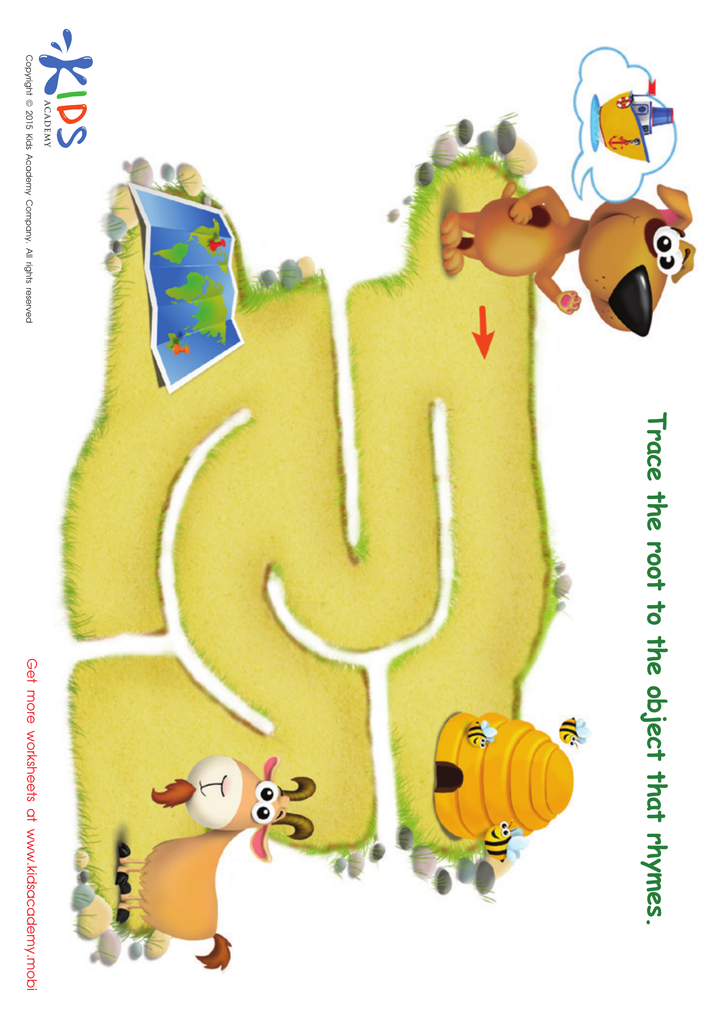
Boat Rhyming Words Worksheet
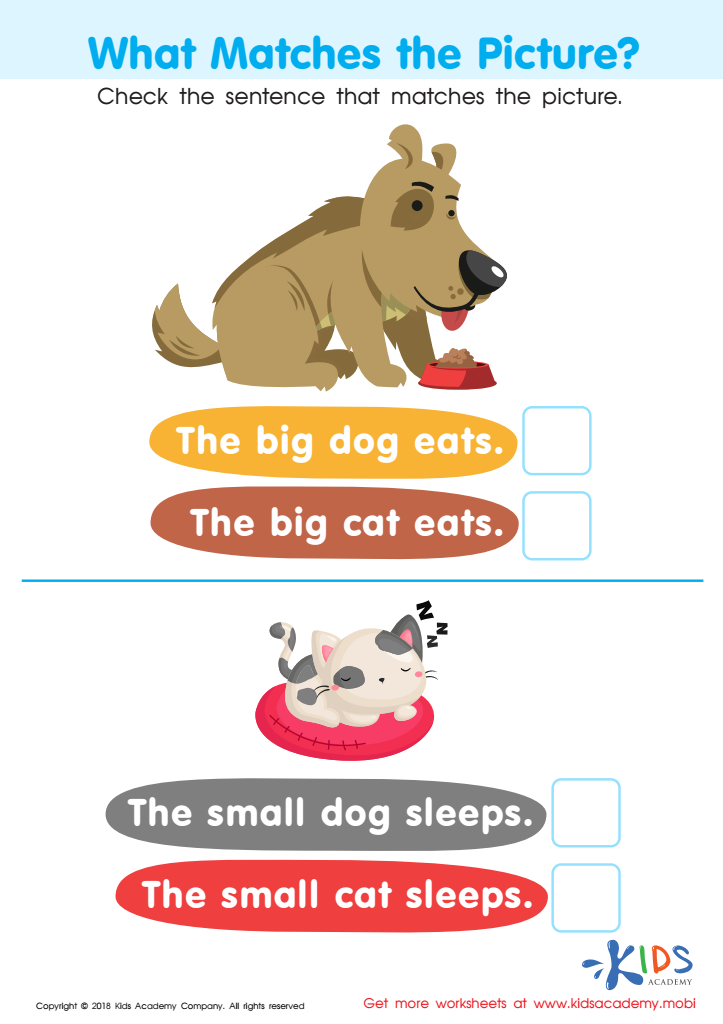
What Matches the Picture? Worksheet
 Assign to My Students
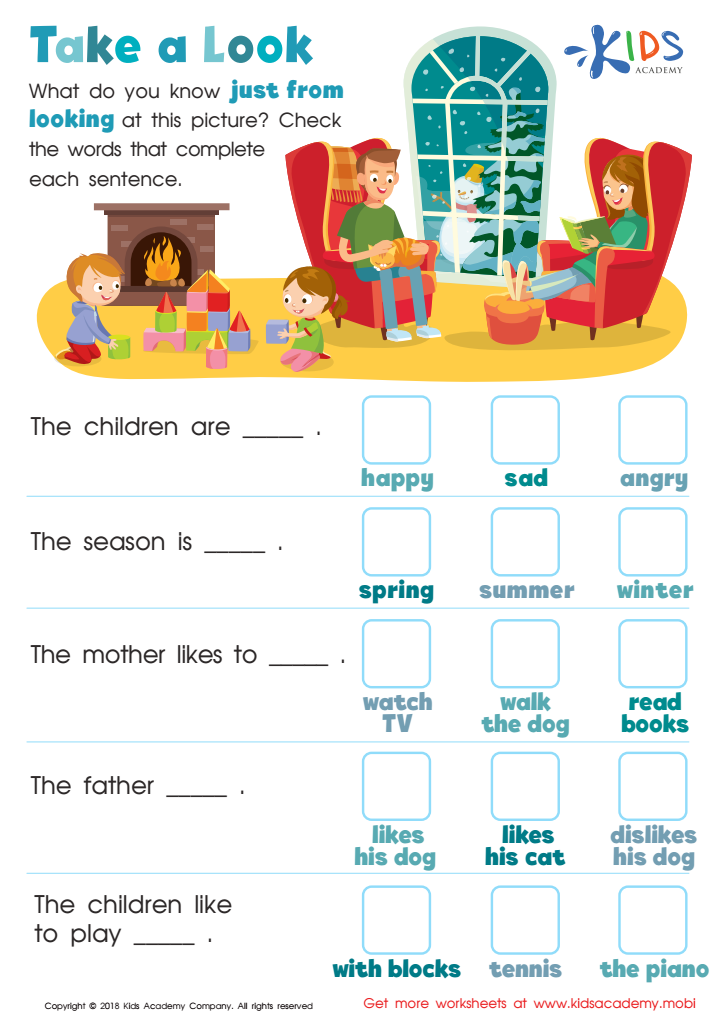
Take a Look - Part 1 Worksheet
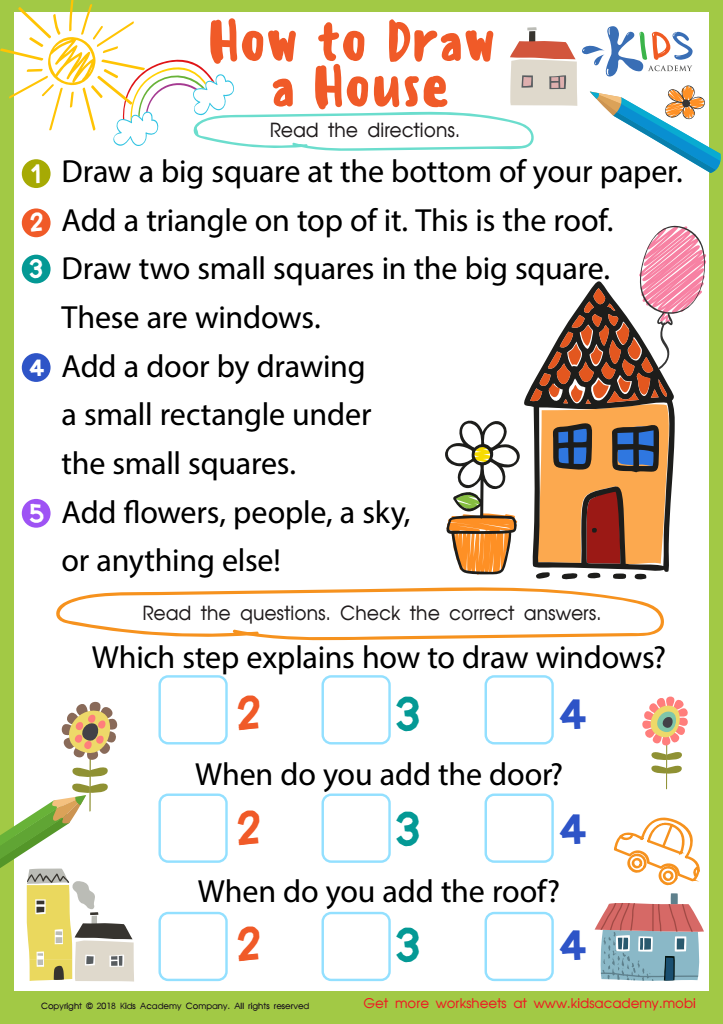
How to Draw House Worksheet
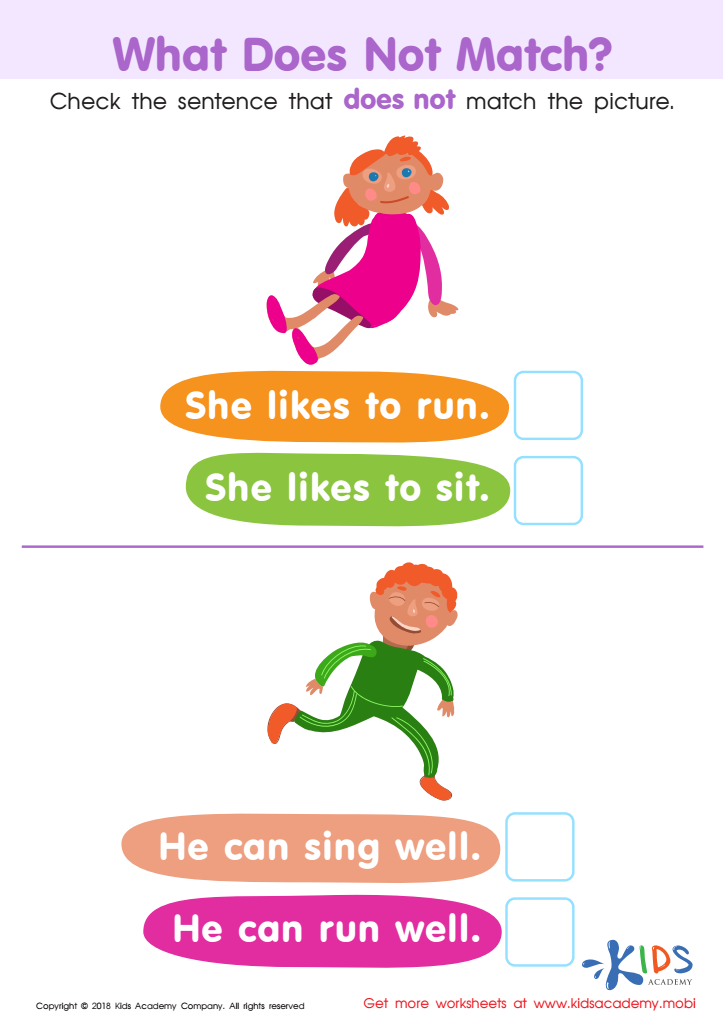
What Does Not Match? Worksheet





.jpg)


Shape recognition is a crucial skill for children aged 6-8 since it serves as a foundational element in learning not only mathematics but also literacy and spatial awareness. At this stage, children are developing their cognitive abilities and are starting to make connections between various concepts, and recognizing shapes is part of that cognitive development process. Shape recognition enhances critical thinking and problem-solving skills, enabling children to categorize and understand their environment.
Moreover, it is closely linked to reading proficiency. Many letters and numbers exhibit shape characteristics, and children who can identify shapes can better distinguish between different letters and their sounds. This connection can significantly contribute to early phonics, helping students relate familiar shapes to the shapes of letters.
For teachers and parents, fostering shape recognition means laying the groundwork for overall academic success and enjoyment of learning. Engaging children in playful, hands-on activities like puzzles or art projects involving shapes can increase their interest in learning, reduce frustrations with reading and math, and develop essential skills. By prioritizing shape recognition, adults can help nurture well-rounded, confident learners prepared for future educational challenges.








