Analytical thinking Reading Comprehension Worksheets for Ages 6-8
7 filtered results
-
From - To
Enhance your child's critical thinking and reading skills with our Analytical Thinking Reading Comprehension Worksheets for Ages 6-8. Carefully designed to engage young minds, these worksheets offer a variety of texts followed by thought-provoking questions that challenge students to analyze, infer, and draw conclusions. Ideal for developing early analytical skills, each worksheet encourages deeper comprehension, ensuring that kids not only read but truly understand the material. Perfect for both classroom and home use, our resources make learning interactive and fun, helping children build a strong foundation in reading comprehension essential for future academic success. Try them for free at Kids Academy!
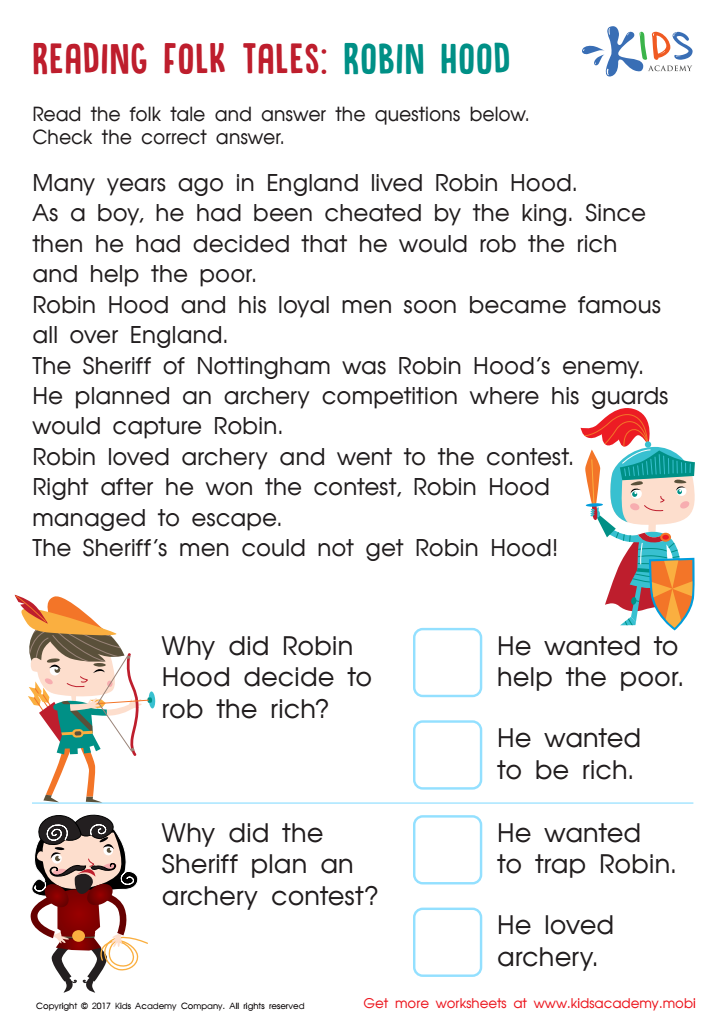
Robin Hood Folktale Worksheet
 Assign to My Students
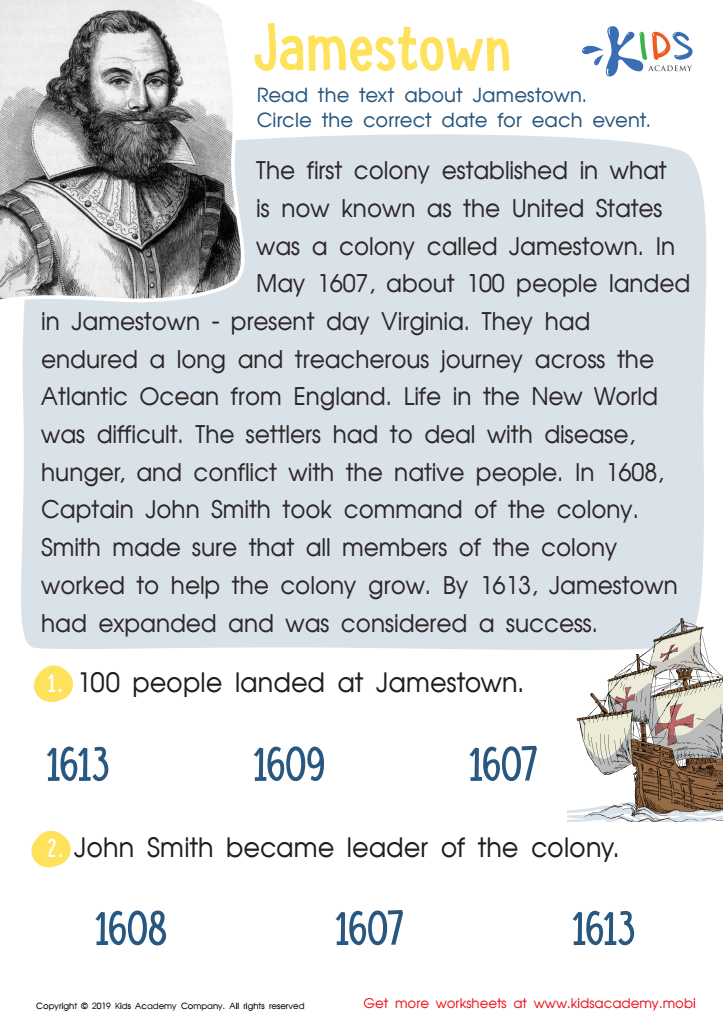
Jamestown Worksheet
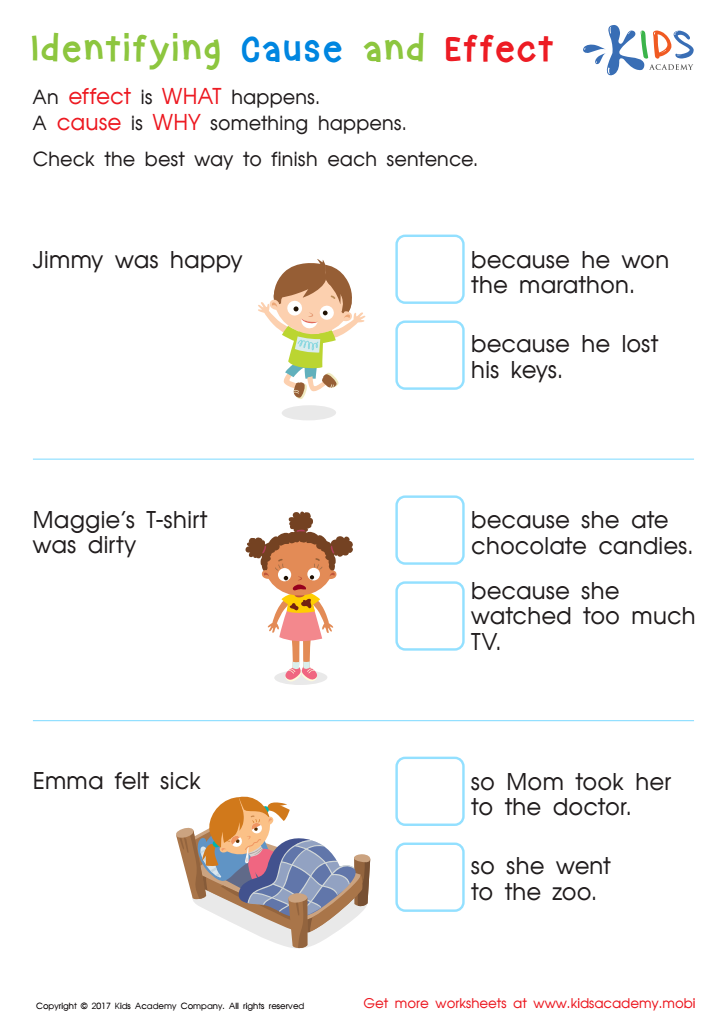
Indentifying Cause and Effect Worksheet
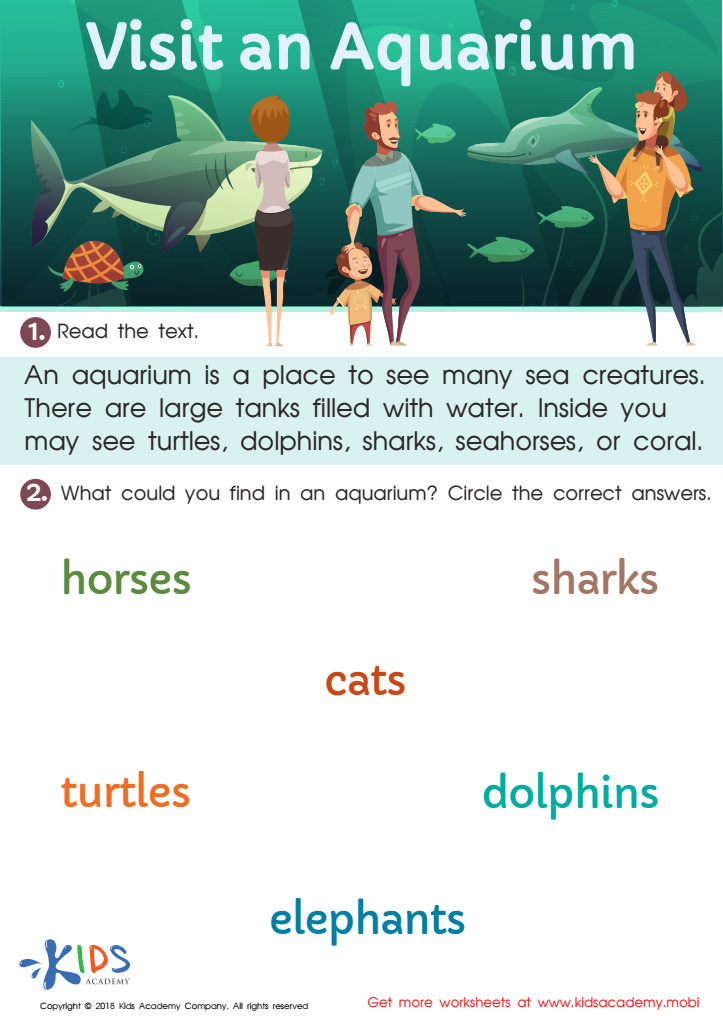
Visit an Aquarium Worksheet
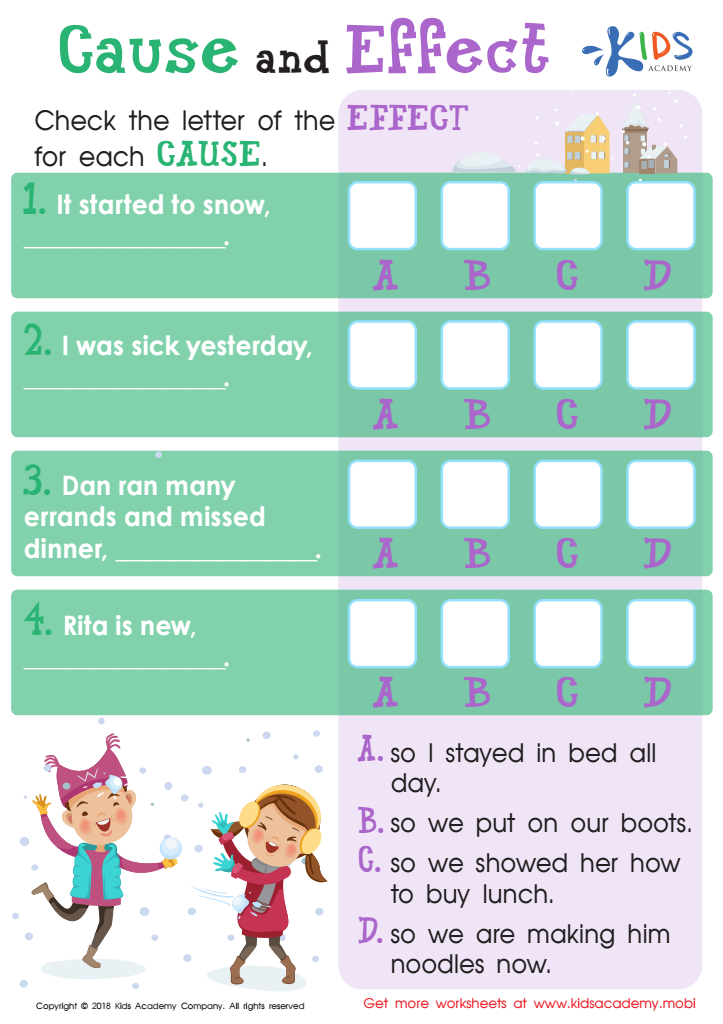
Cause and Effect Worksheet
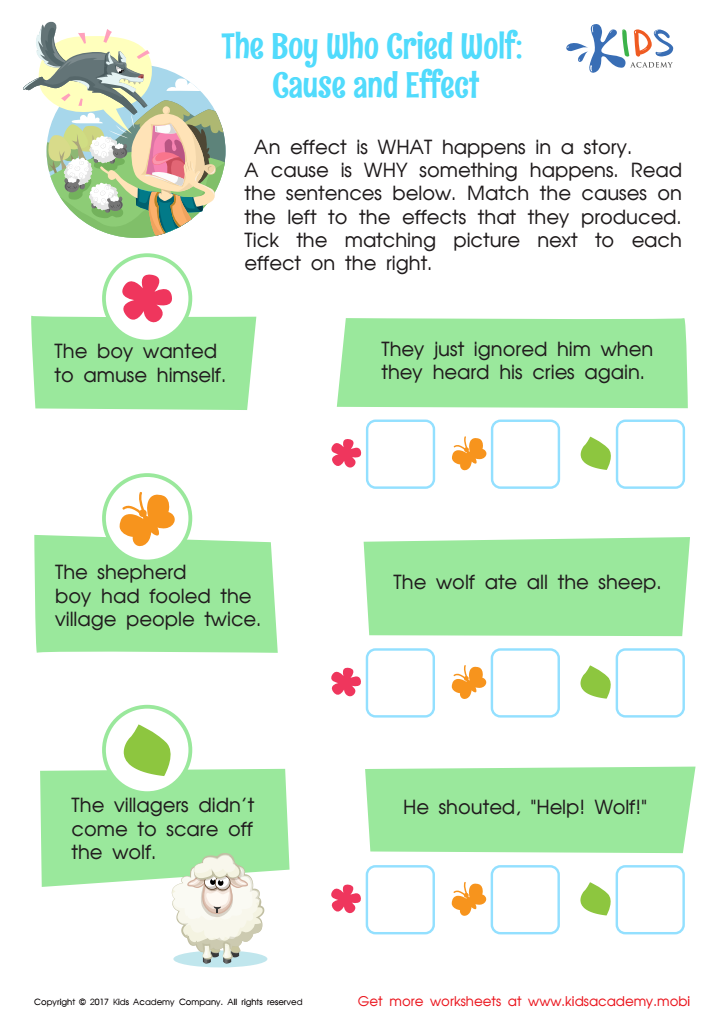
The Boy Who Cried Wolf: Cause and Effect Worksheet
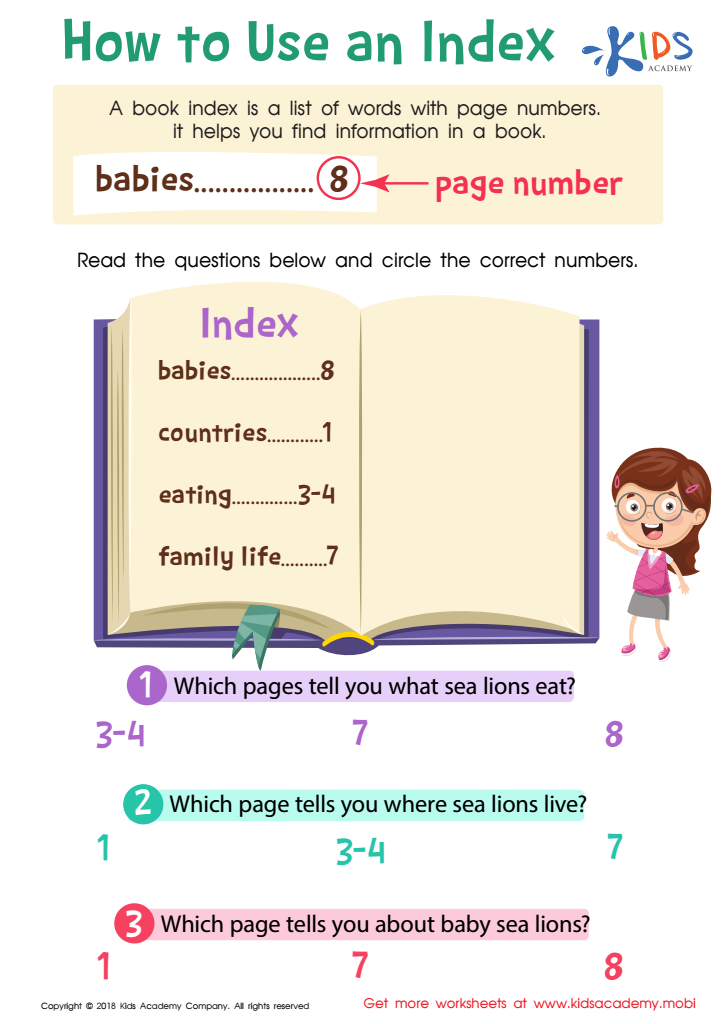
How Use Index Worksheet








Analytical thinking and reading comprehension are foundational skills that significantly impact a child's educational journey and overall intellectual development, particularly between the ages of 6-8. During these formative years, students transition from "learning to read" to "reading to learn." Analytical thinking aids children in understanding, interpreting, and evaluating information rather than just memorizing it. By honing these skills early on, children can better comprehend stories and texts, making them active participants in their educational journey rather than passive recipients.
Reading comprehension goes beyond simply decoding words. It involves understanding the meaning behind the text, making connections with prior knowledge, and inferring deeper meanings. These skills are crucial for academic success across various subjects, including math and science, which require the ability to process written instructions, word problems, and informational texts.
Furthermore, strong analytical and reading comprehension skills contribute to better communication abilities. They allow children to articulate their thoughts clearly and understand others' perspectives, fostering empathy and collaboration. Engaged reading practices and critical thinking exercises can spark curiosity, develop problem-solving skills, and create lifelong learners. Therefore, it's essential for both parents and teachers to prioritize and nurture these aptitudes to lay a robust intellectual foundation for future learning endeavors.








