Shape Recognition Reading Comprehension Worksheets for Ages 6-8
4 filtered results
-
From - To
Enhance your child's reading comprehension skills with our Shape Recognition Worksheets designed for ages 6-8! These engaging and interactive worksheets combine fun activities with foundational learning to help young readers identify and understand various shapes. Each worksheet is thoughtfully crafted to promote critical thinking and improve vocabulary while encouraging kids to connect shape recognition with everyday contexts. Ideal for at-home learning or classroom use, these resources foster independence and confidence in young learners. Choose our Shape Recognition Reading Comprehension Worksheets for a comprehensive and enjoyable learning experience that empowers children to become enthusiastic readers and shape explorers!
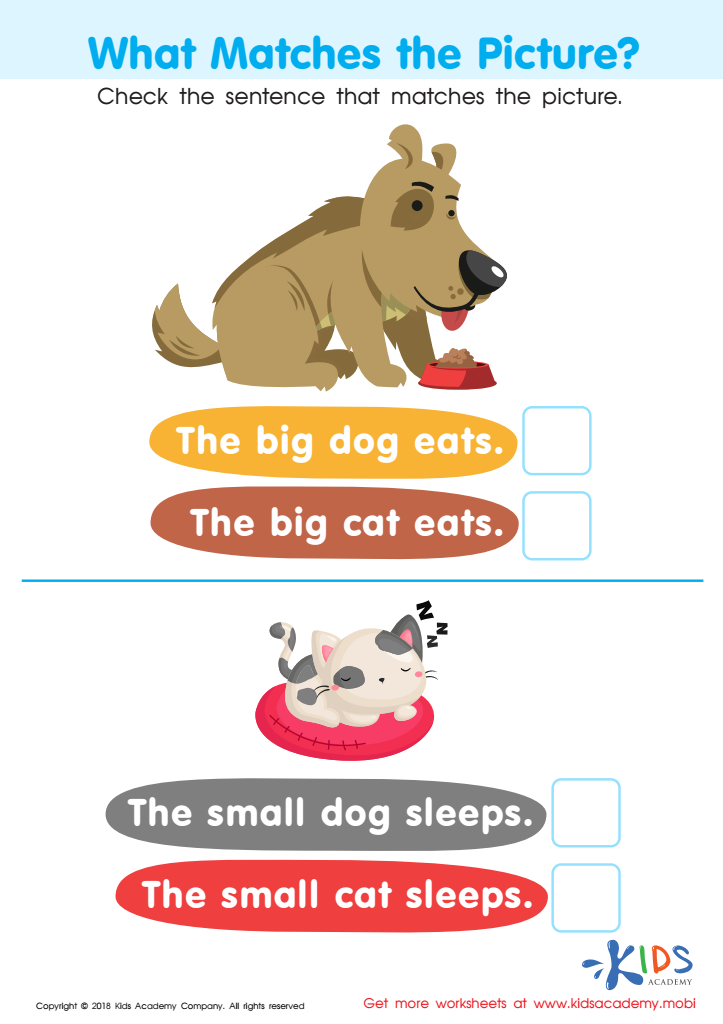
What Matches the Picture? Worksheet
 Assign to My Students
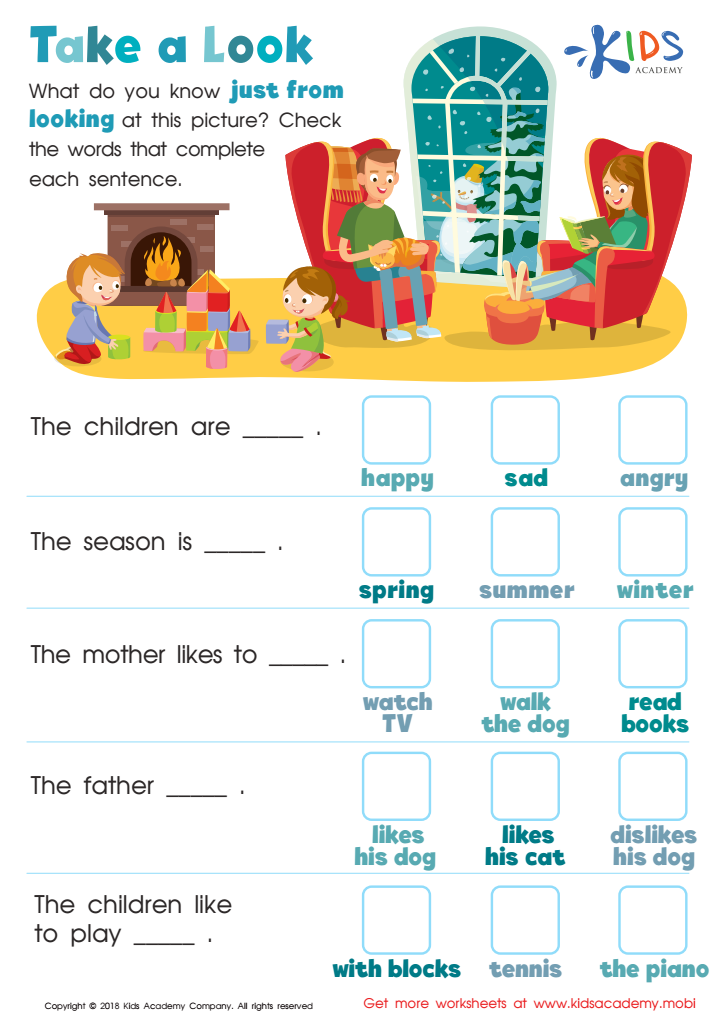
Take a Look - Part 1 Worksheet
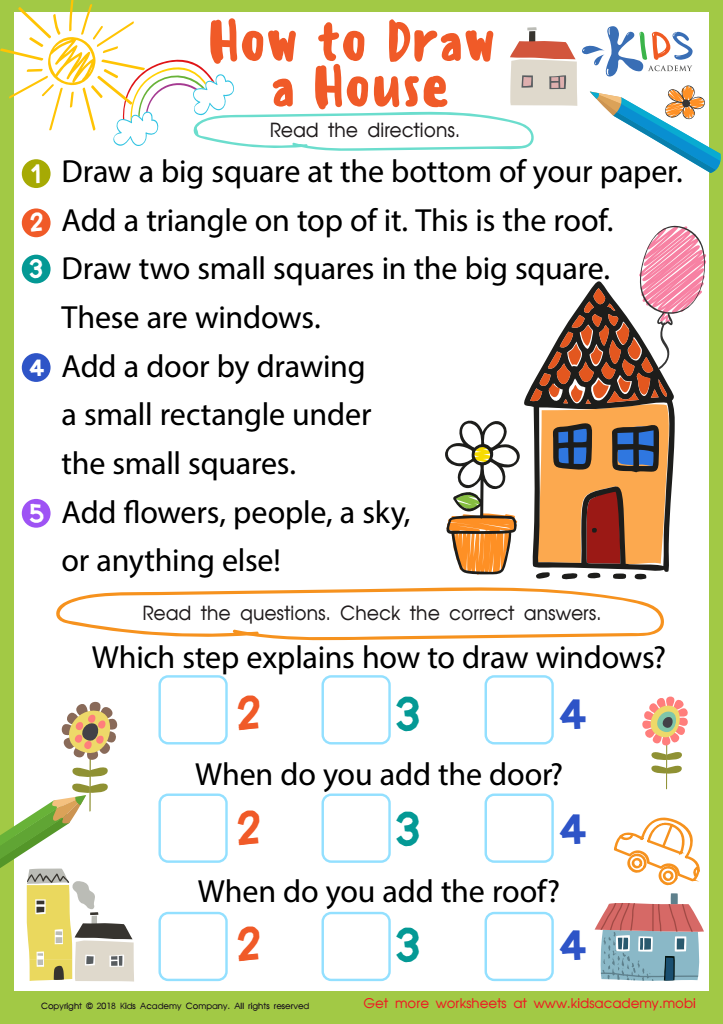
How to Draw House Worksheet
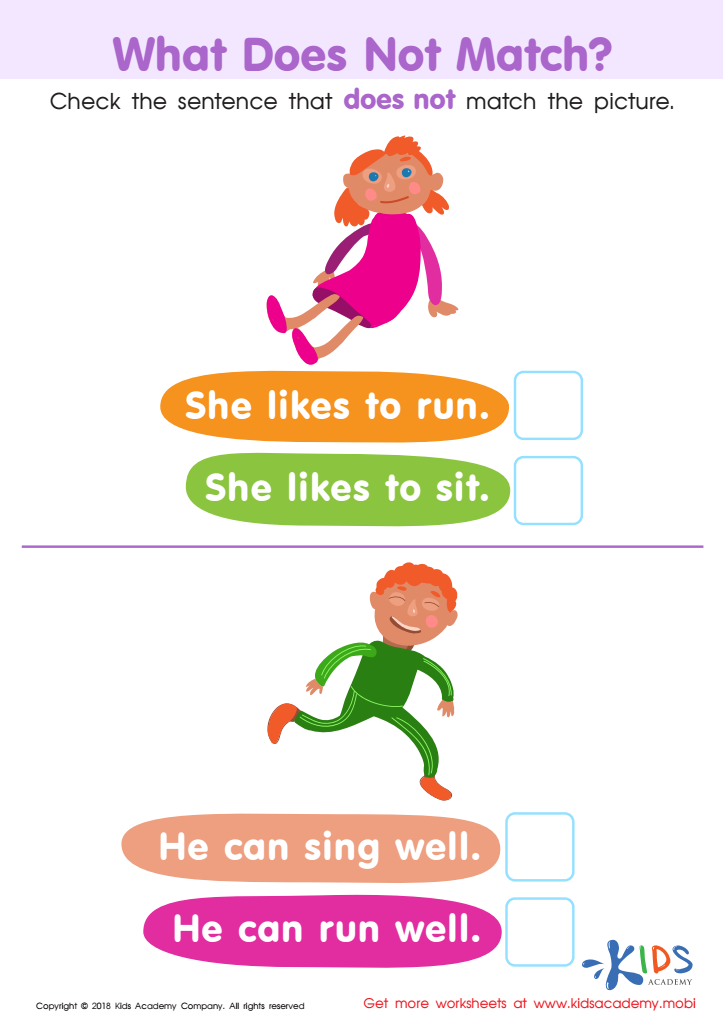
What Does Not Match? Worksheet



.jpg)




Shape recognition is foundational for reading comprehension, especially for children aged 6-8, as it connects visual perception with language skills. At this age, children are developing their ability to decode letters and words, and recognizing shapes helps them understand the dynamic aspects of print. Understanding shapes forms a core part of early literacy, aiding in recognizing letters, building vocabulary, and following patterns in text.
Moreover, engaging children in shape recognition can significantly enhance their cognitive development. When parents and teachers emphasize the importance of shapes, children can become more adept at visual thinking, which translates to better problem-solving abilities. This skill also enhances their ability to make connections while reading, allowing them to visualize scenarios and understand complex ideas and relationships.
Furthermore, shape recognition promotes critical thinking, as children learn to categorize and differentiate between various geometric forms. This analytical skill is crucial for comprehending story structure and themes in texts. Overall, prioritizing shape recognition lays a strong literacy foundation, fostering a love for reading and learning that will extend beyond the early grades and into more complex educational stages. Parents and teachers play a vital role in nurturing this early cognitive skill, ultimately shaping proficient readers and thinkers.








