Critical thinking skills Reading Fiction Worksheets for Ages 6-8
3 filtered results
-
From - To
Enhance your child's reading experience with our engaging Critical Thinking Skills Reading Fiction Worksheets, designed specifically for ages 6-8. These interactive worksheets encourage young readers to analyze, infer, and evaluate stories through fun activities and thought-provoking questions. By exploring diverse fictional narratives, children will develop essential critical thinking skills that lay the foundation for future learning. Perfect for home or classroom use, our worksheets foster creativity and comprehension, ensuring kids not only enjoy reading but also think deeply about the characters, plots, and themes. Start nurturing your child's analytical abilities today with our exciting and educational resources!
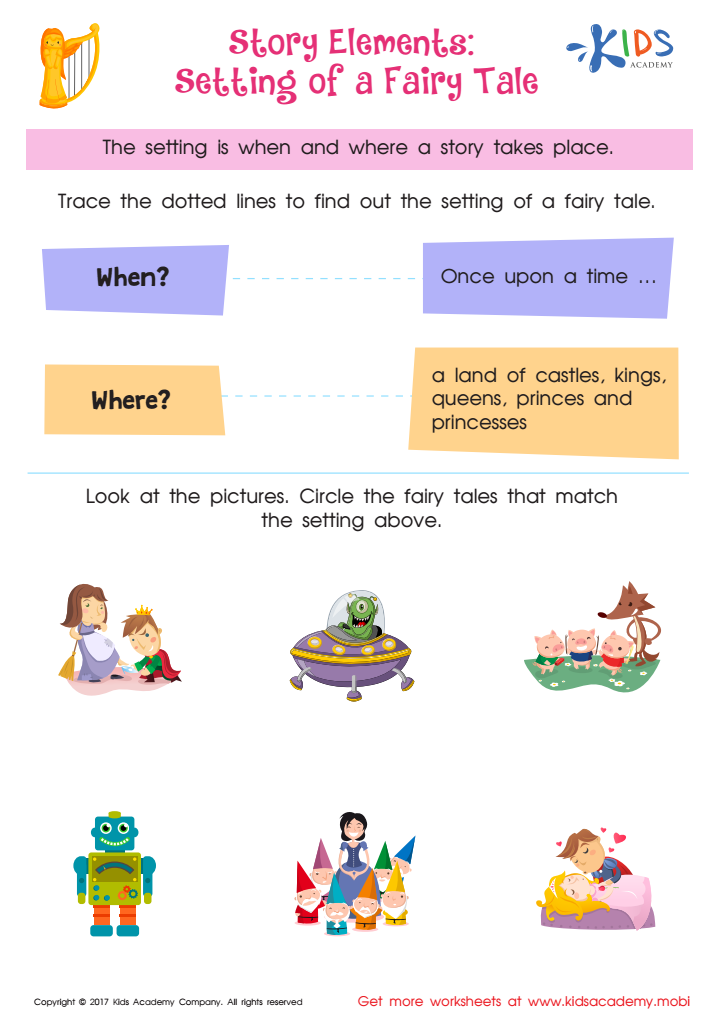
Story Elements: Setting of a Fairy Tale Printable
 Assign to My Students
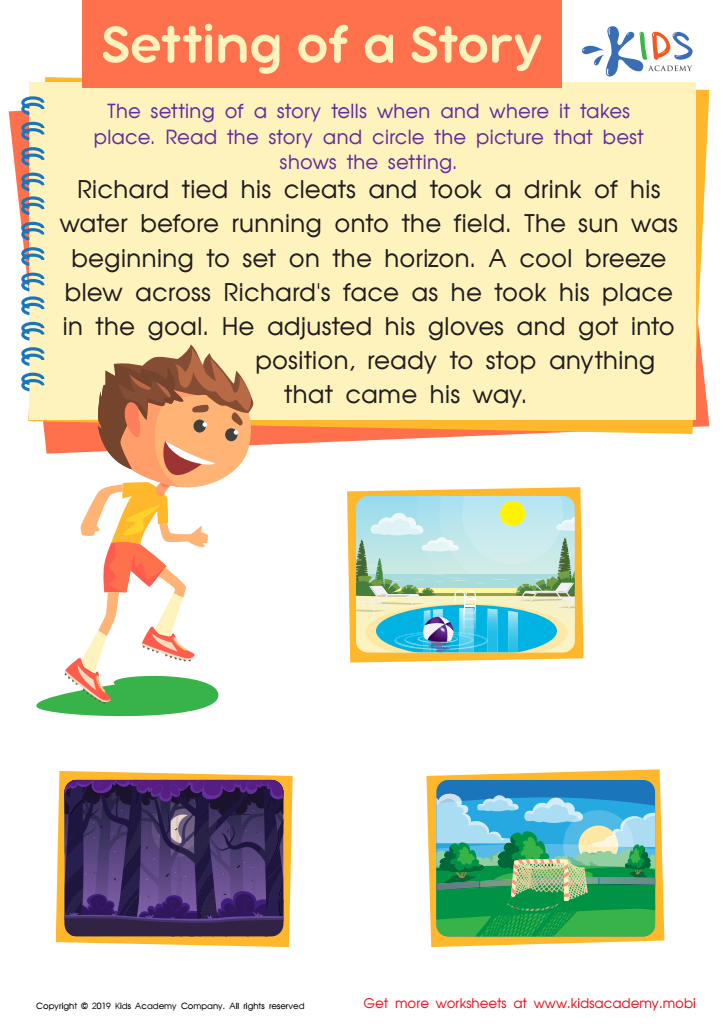
Setting of a Story Worksheet
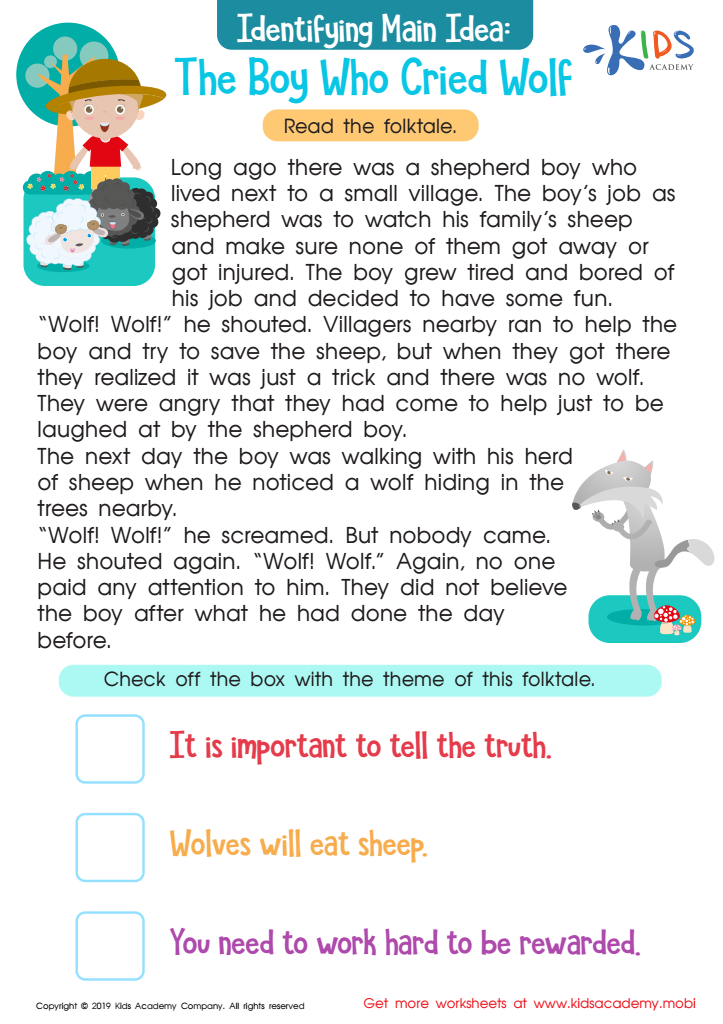
The Boy Who Cried Wolf Part 2 Worksheet







.jpg)
Parents and teachers should care about fostering critical thinking skills through reading fiction for children aged 6-8 because these skills are foundational for lifelong learning and personal development. At this age, children are naturally curious and their brains are primed for exploration and understanding complex ideas. Engaging with fiction allows them to encounter diverse characters, settings, and plots, which helps them to empathize with others and see different perspectives.
Reading fiction encourages children to ask questions, predict outcomes, and analyze character motivations, all of which are essential components of critical thinking. As they engage with stories, they can discuss themes, draw connections to their own experiences, and evaluate the decisions characters make. This not only boosts comprehension skills but also nurtures creativity and problem-solving abilities.
Moreover, as children articulate their thoughts about a story, they develop verbal and cognitive skills that enhance their overall communication. In a world that increasingly values innovation and analytical skills, promoting critical thinking through fiction empowers children to navigate challenges and become thoughtful, informed adults. Therefore, investing time and effort into reading fiction can yield significant benefits in a child's educational and emotional development.








