Critical Thinking Reading Fiction Worksheets for Ages 6-8 - Page 2
38 filtered results
-
From - To
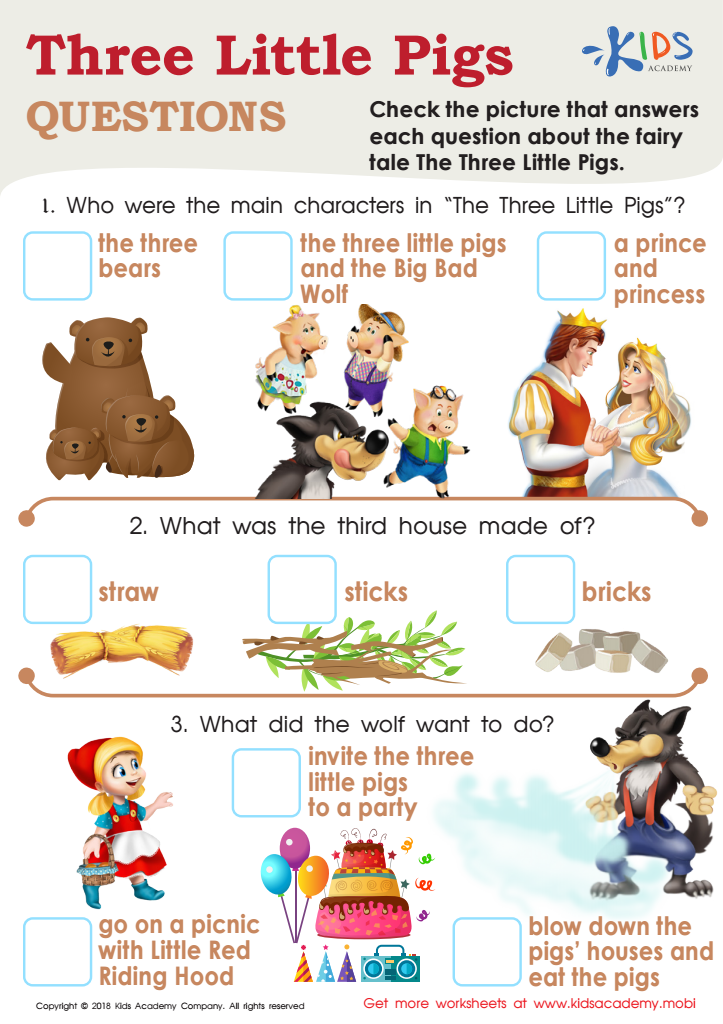
Three Little Pigs Questions Worksheet
 Assign to My Students
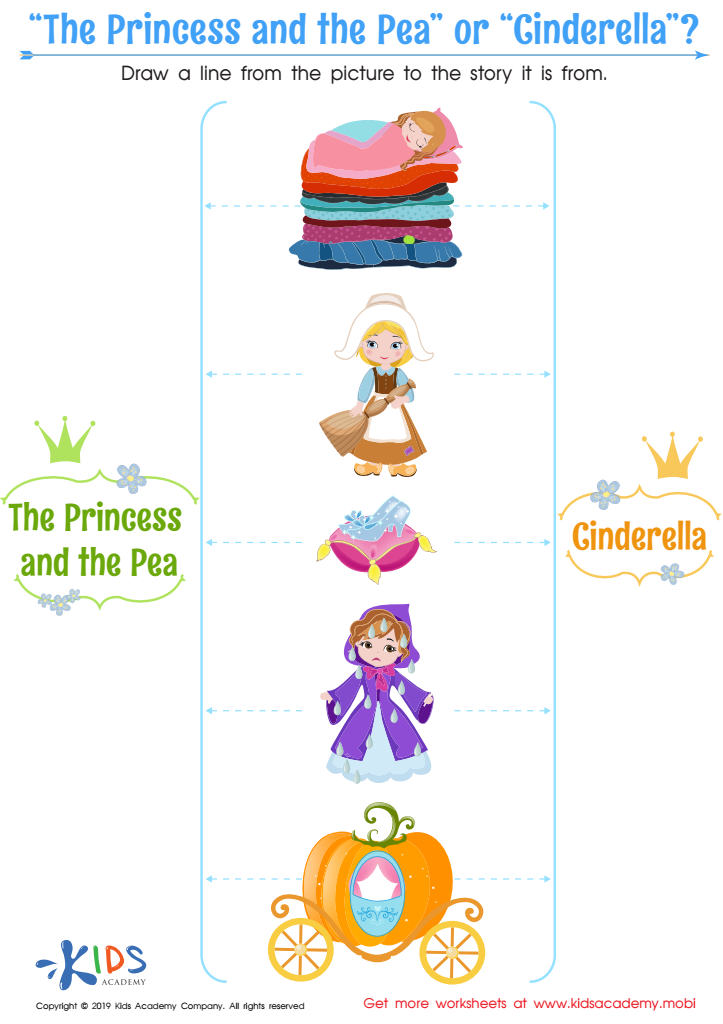
“The Princess and the Pea” or “Cinderella” Worksheet
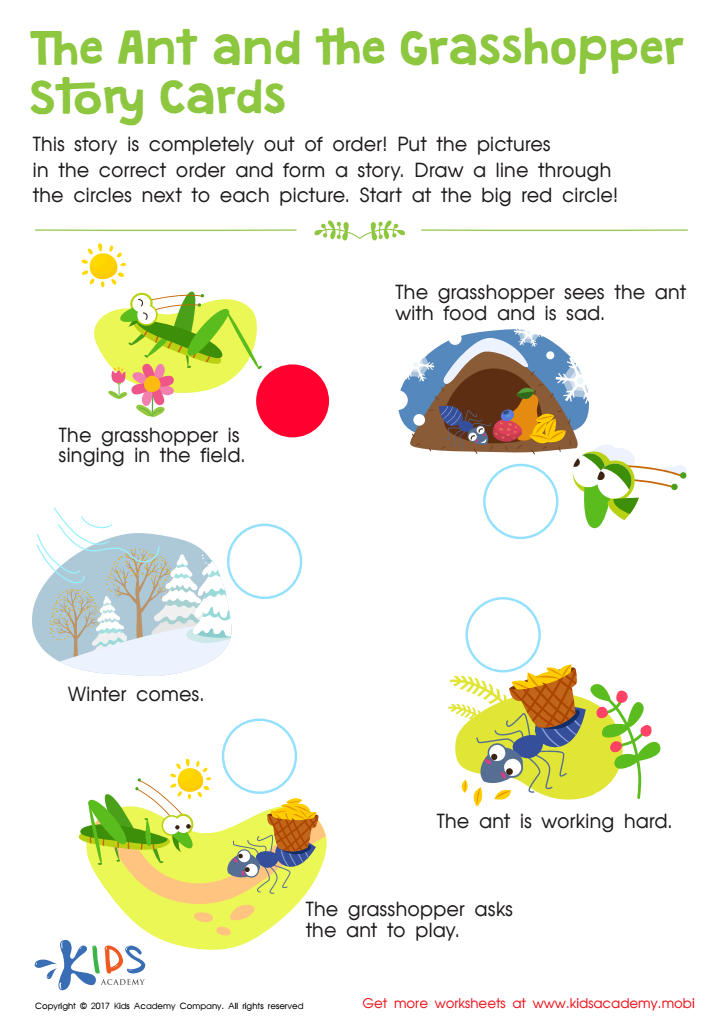
The Ant and The Grasshopper Worksheet
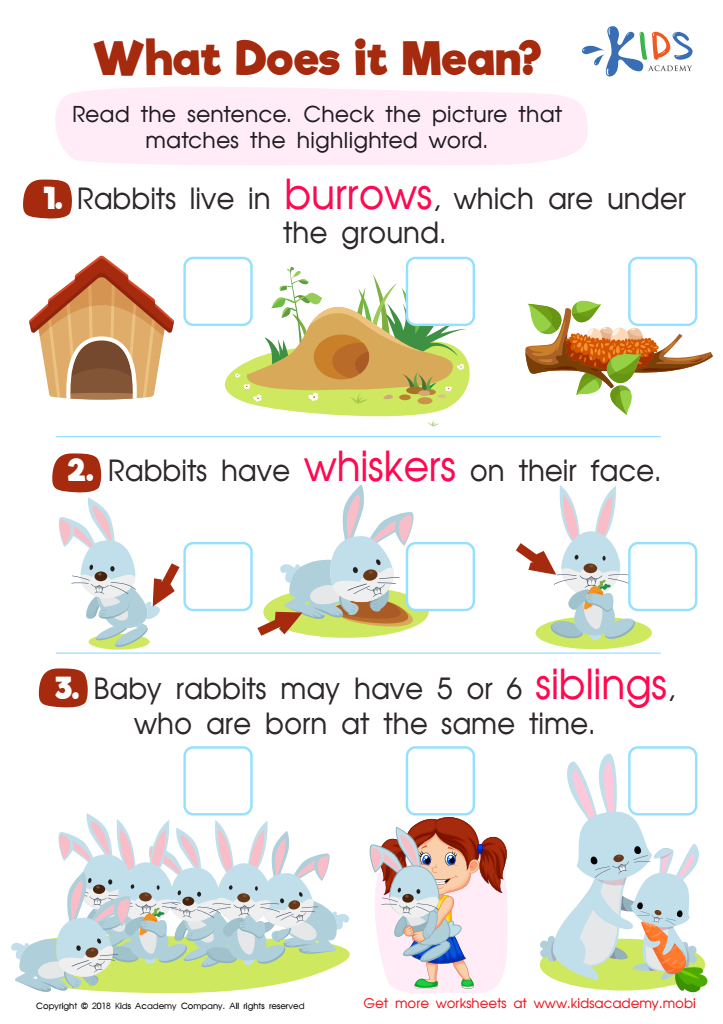
What Does It Mean? Worksheet
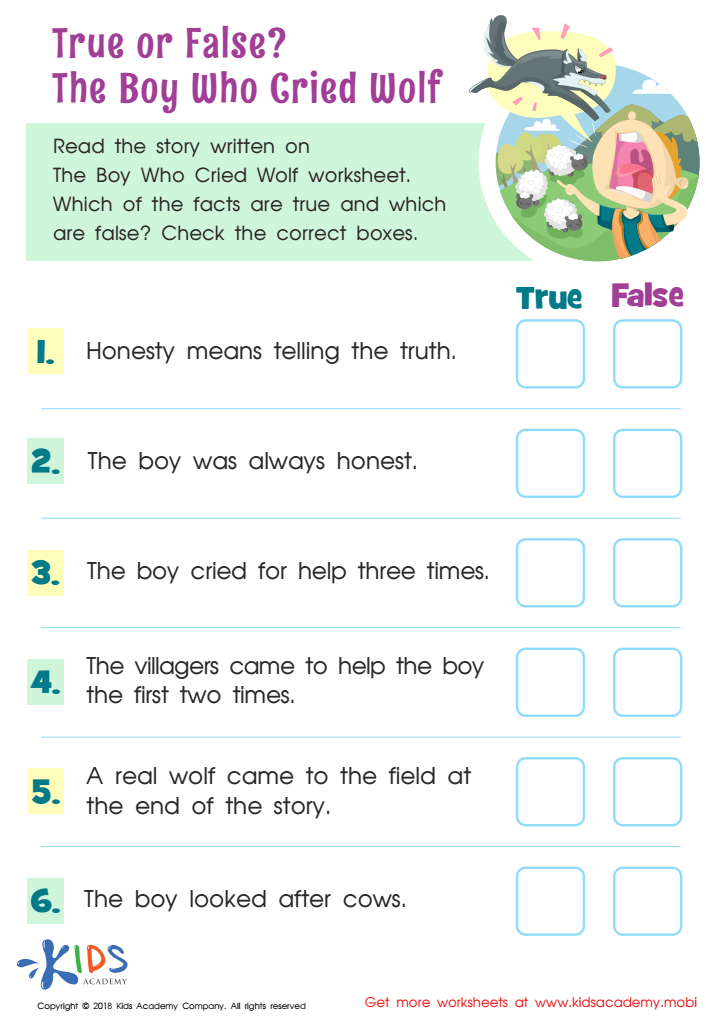
True or False? The Boy Who Cried Wolf Worksheet
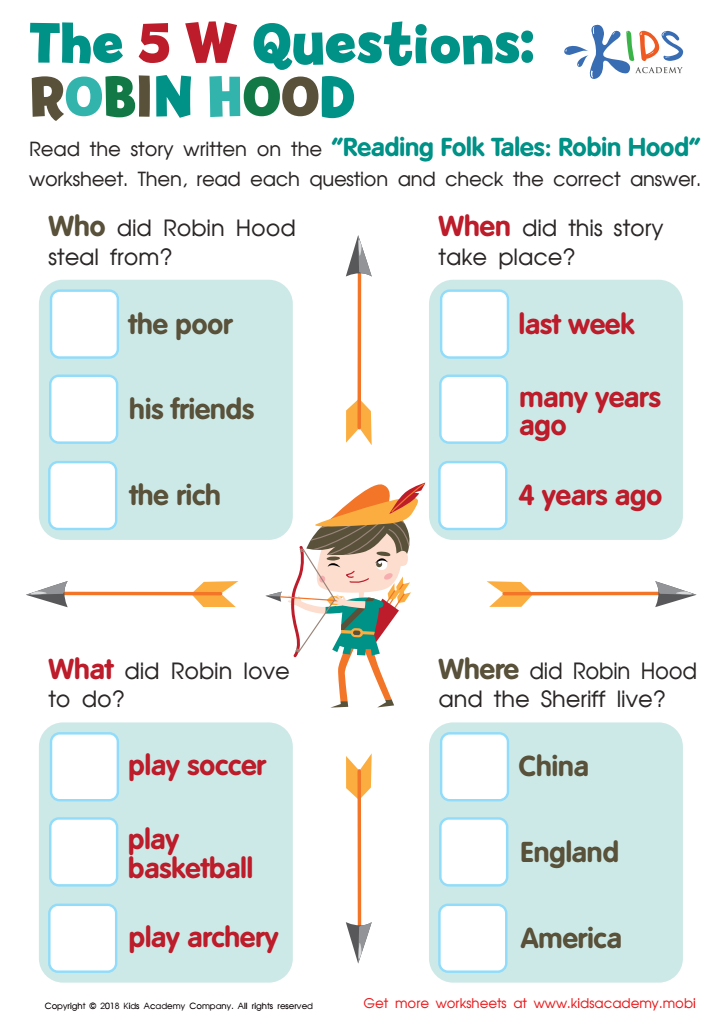
The 5 W Questions: Robin Hood Worksheet
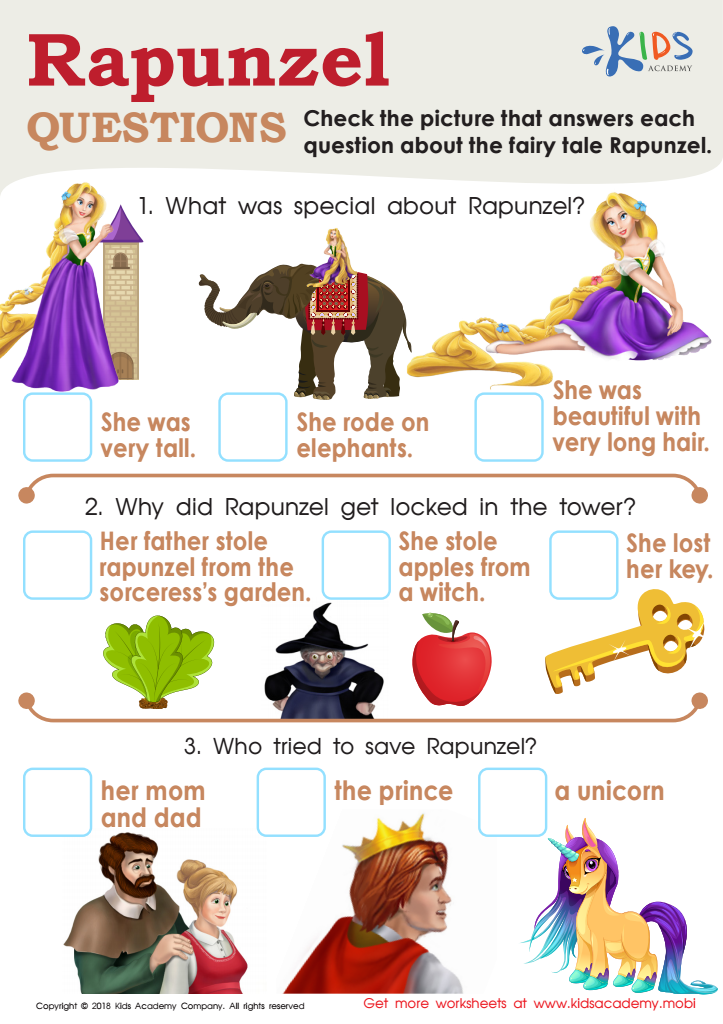
Rapunzel Questions Worksheet
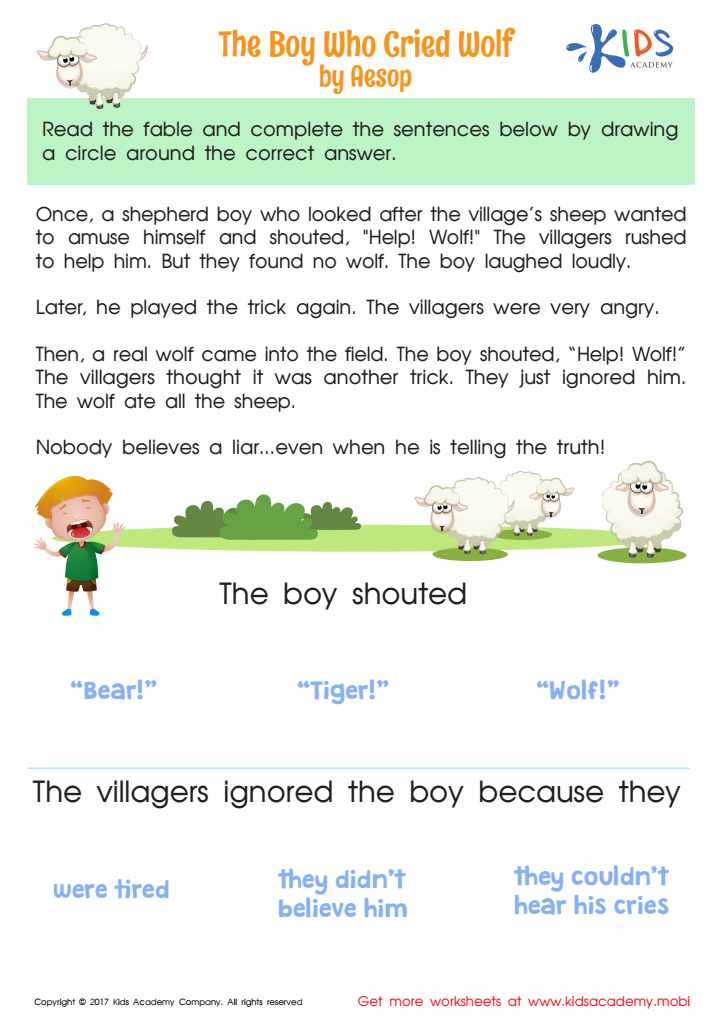
The Boy Who Cried Wolf Worksheet
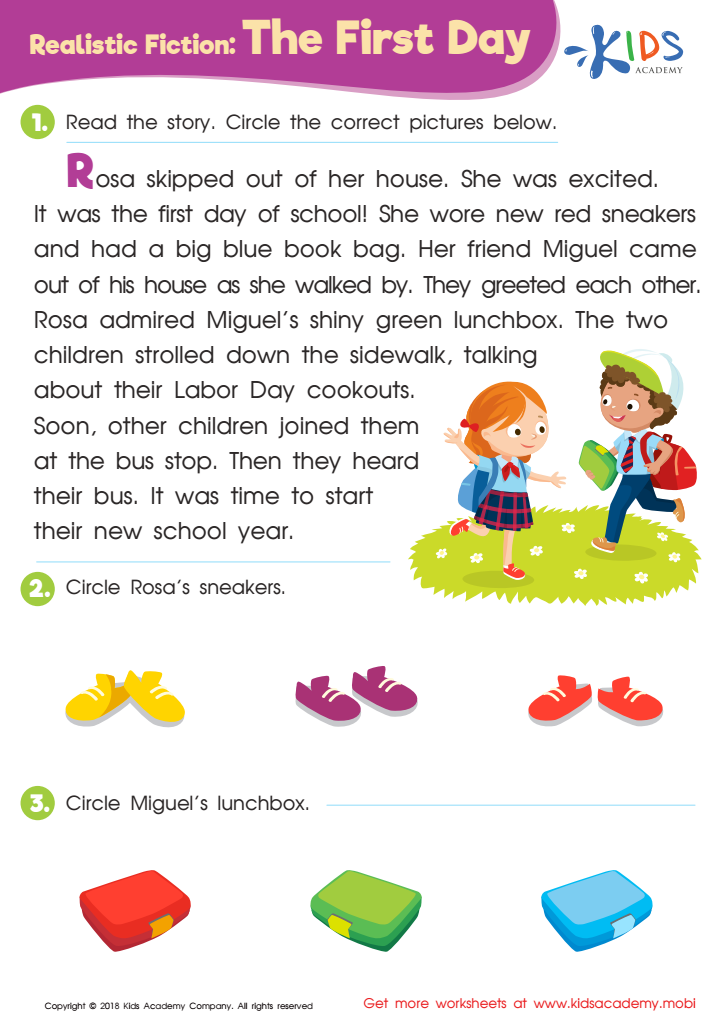
Realistic Fiction: The First Day Worksheet
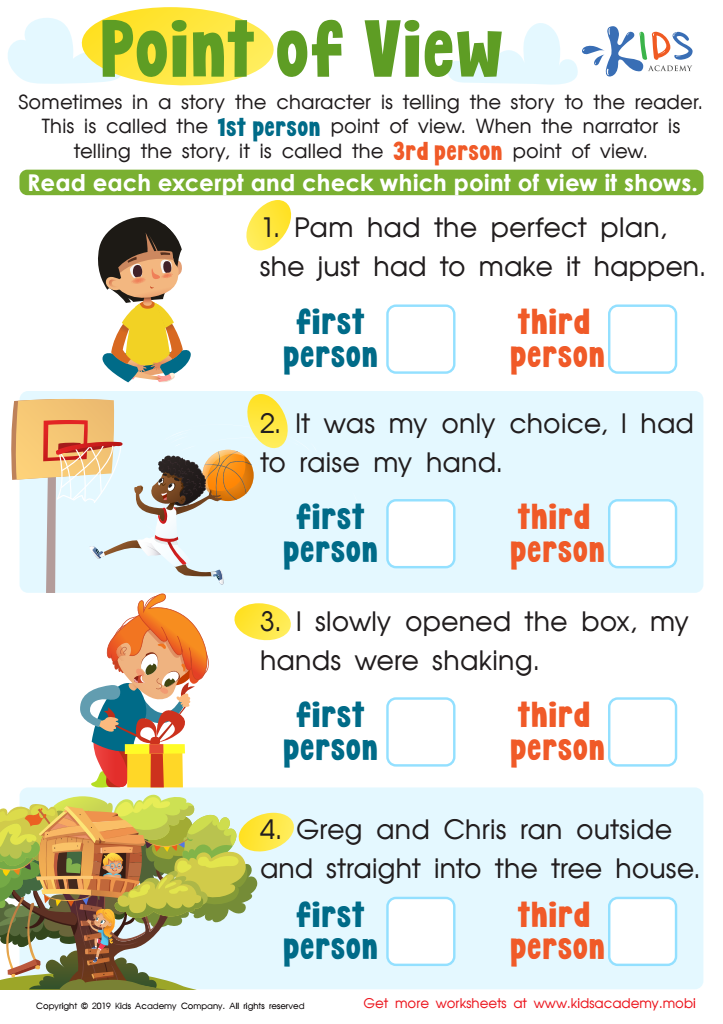
Point of View Printable
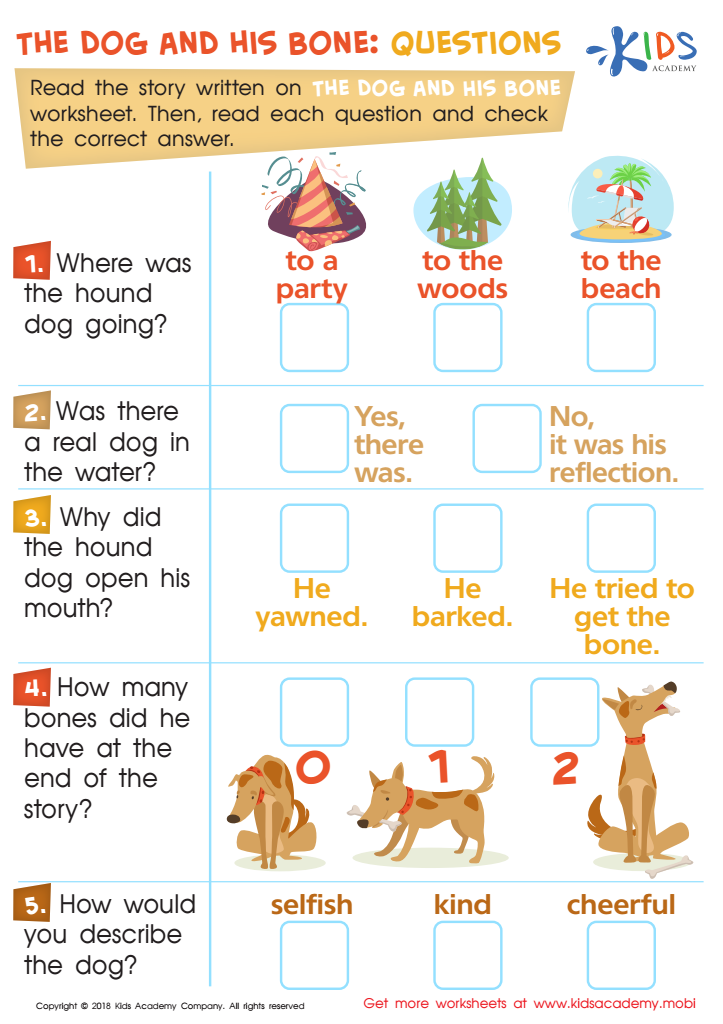
The Dog and His Bone: Questions Worksheet
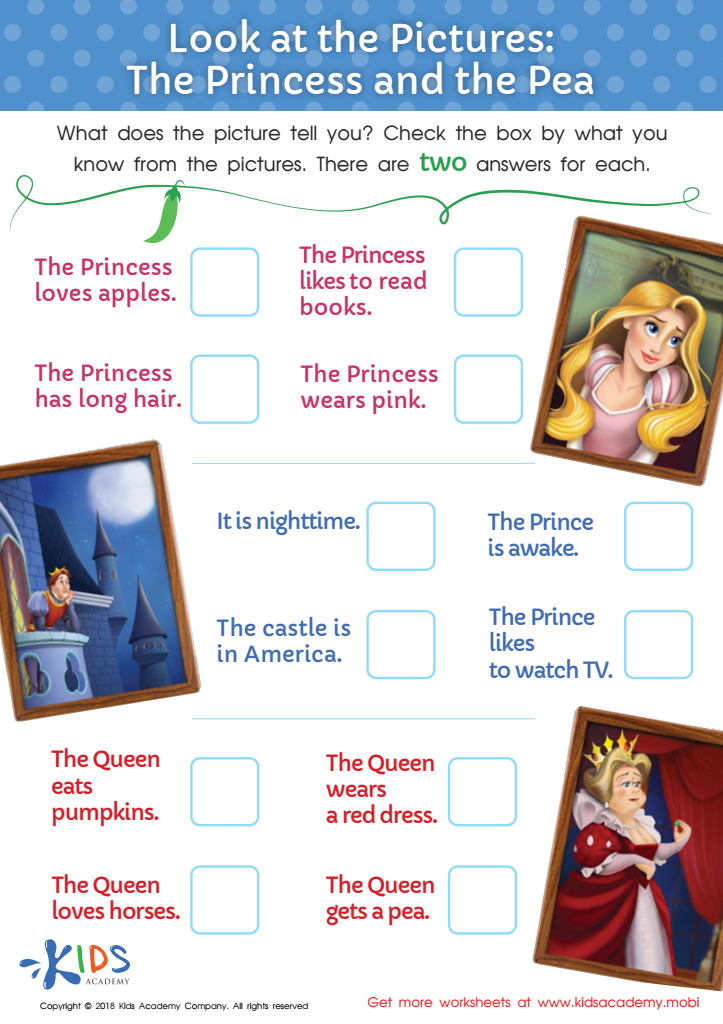
Look at the Pictures: The Princess and the Pea Worksheet
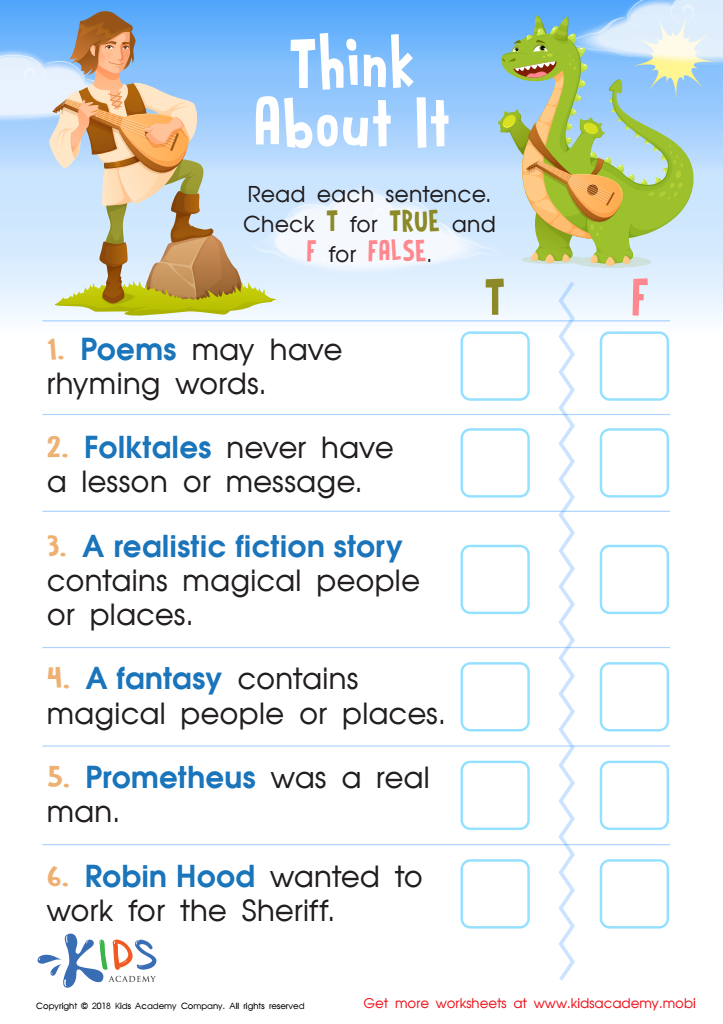
Think About It: Assessment Worksheet
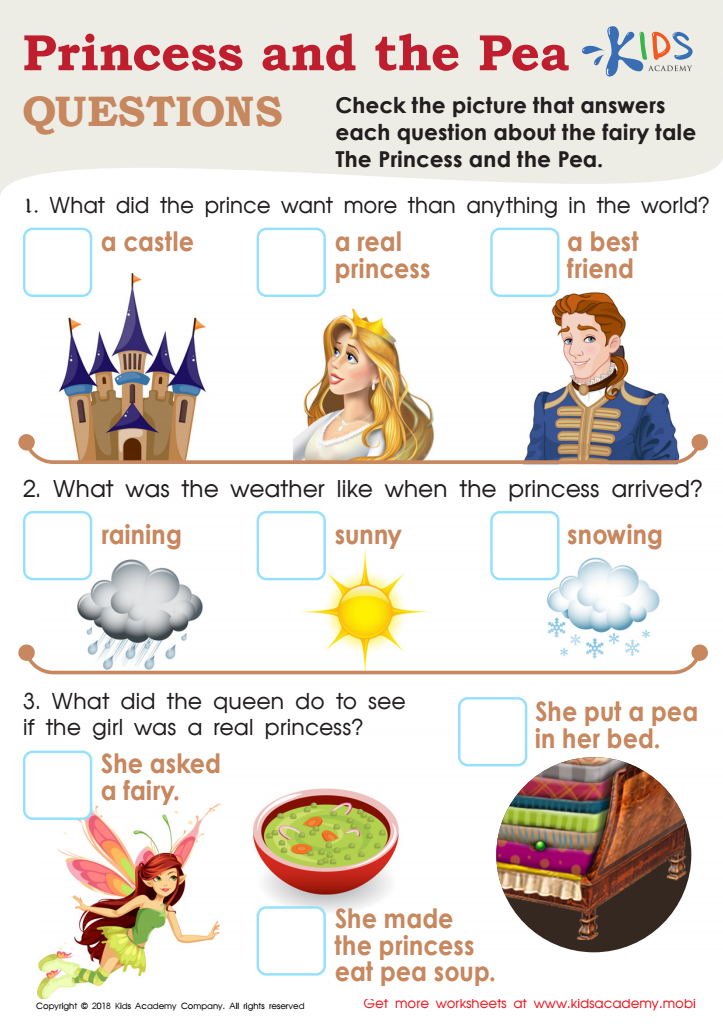
Princess and the Pea Questions Worksheet







Critical thinking in reading fiction is essential for children aged 6-8 as it fosters cognitive development, enhances comprehension, and nurtures a love for literature. At this crucial stage of development, children are not just learning to read; they are learning to think deeply about the stories and characters. Engaging with fiction allows young readers to reflect on various perspectives, to analyze motives, and to engage with complex themes such as empathy and morality.
When parents and teachers encourage critical thinking while reading fiction, they support students in developing essential skills such as reasoning, problem-solving, and hypothesis testing. These skills are foundational for academic success and are applicable in everyday life. For instance, discussing a character's choices encourages children to think critically about their actions and their consequences, linking literature to real-world scenarios.
Furthermore, nurturing critical thinking helps children articulate their thoughts and opinions, fostering communication skills. In sum, focusing on critical thinking in fictional reading empowers children to become independent, thoughtful learners, prepared for the challenges of both school and life. Investing in these skills at a young age lays the groundwork for lifelong learning and intellectual curiosity.








