Information retention Reading Non-Fiction Worksheets for Ages 6-8
4 filtered results
-
From - To
Boost your child's comprehension skills with our specialized Information Retention Reading Non-Fiction Worksheets, designed for ages 6-8! These engaging exercises focus on enhancing young learners' ability to recall and retain crucial details from non-fiction texts. Developing these skills early sets a solid foundation for academic success, fostering critical thinking and memory. With a variety of themed worksheets available, children can explore intriguing topics while honing their reading skills. Our worksheets are perfect for classroom use or at-home learning, providing a fun and educational way to improve comprehension and encourage a lifelong love of learning. Discover our collection today at Kids Academy!
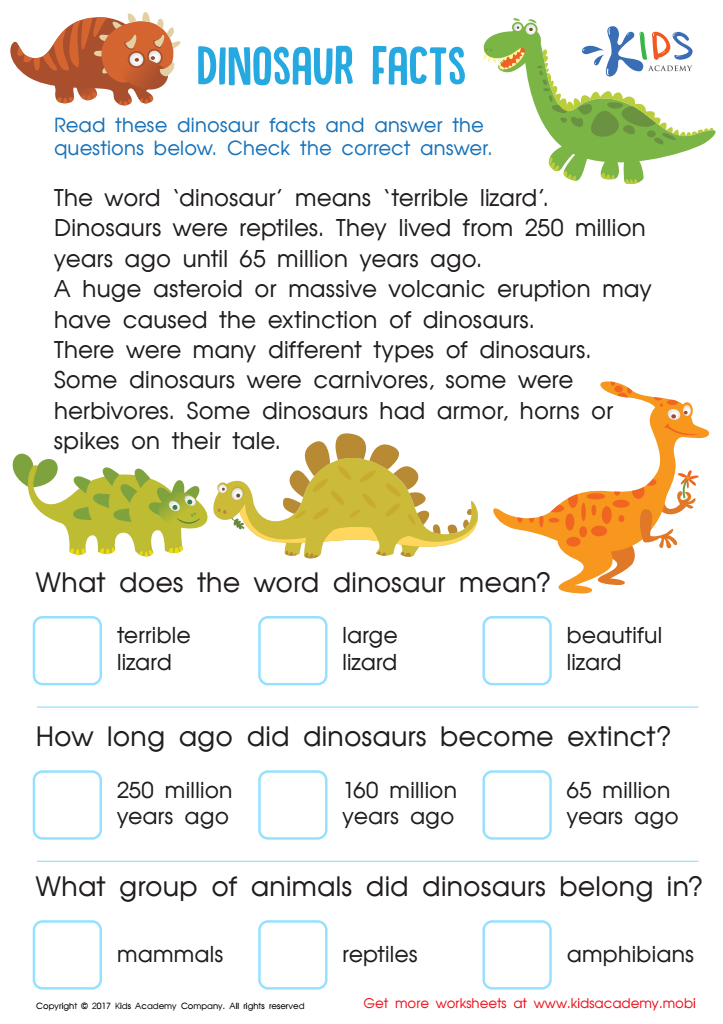
Dinosaur Facts Worksheet
 Assign to My Students
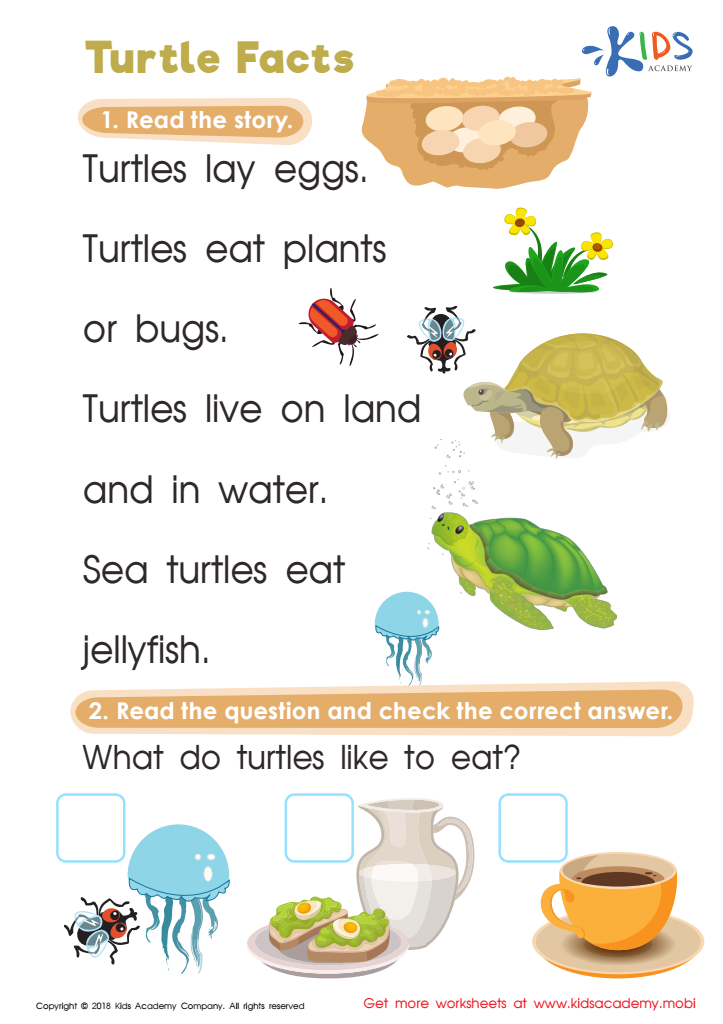
Turtle Facts Worksheet
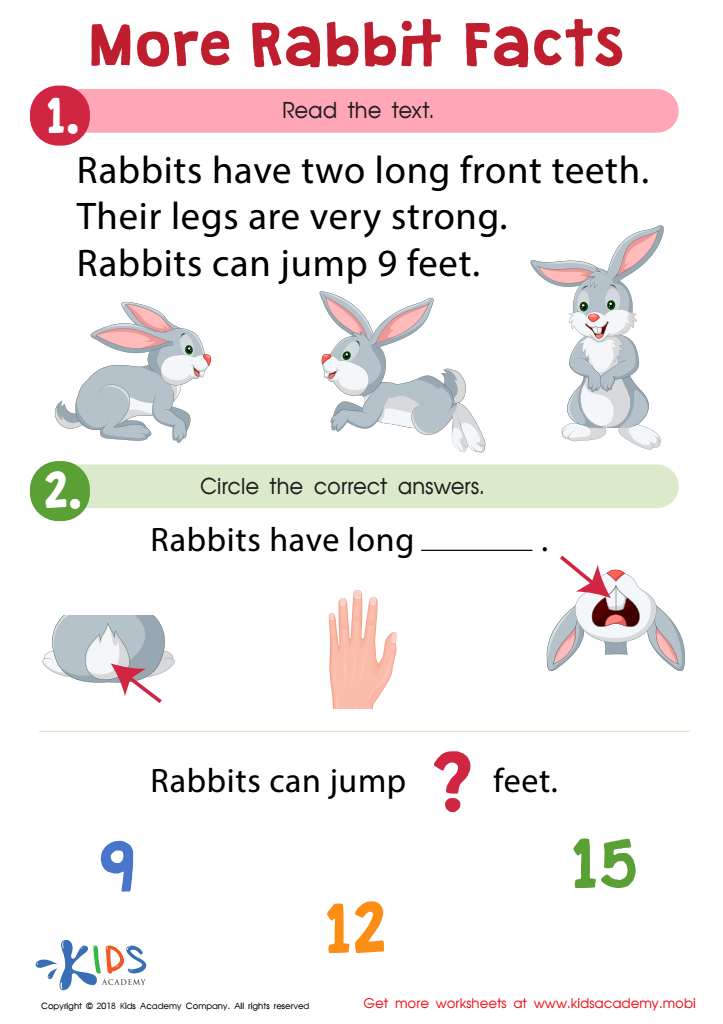
More Rabbit Facts Worksheet
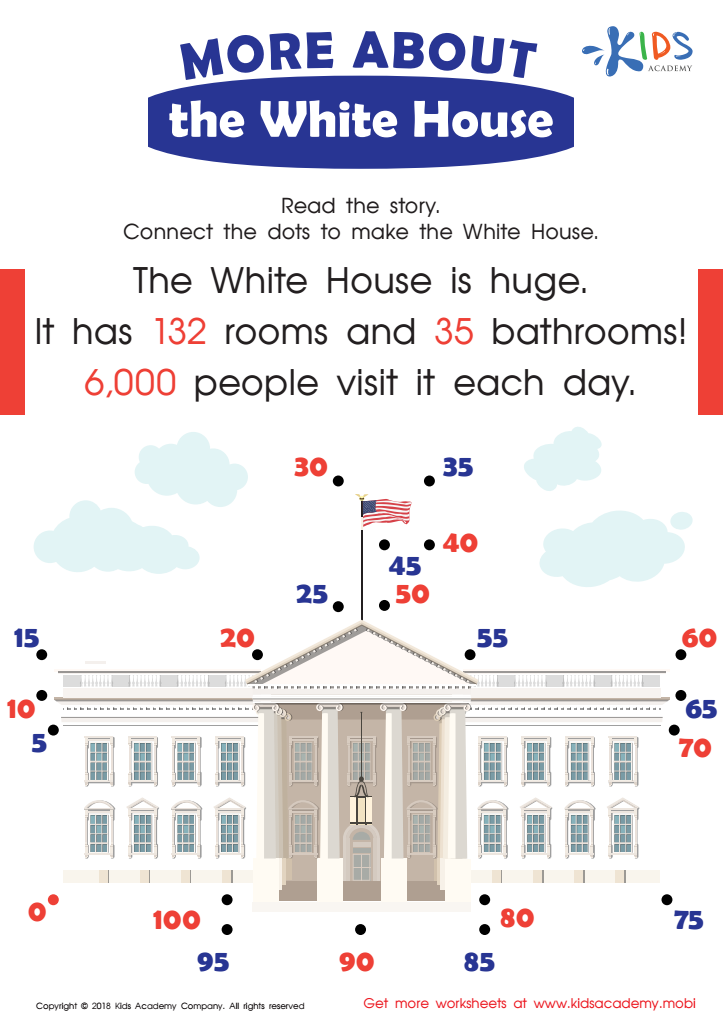
More About the White House Worksheet








Understanding the importance of information retention when reading non-fiction for children aged 6-8 is essential for parents and teachers. During these formative years, children's brains are developing rapidly, laying down the foundation for future learning and intellectual development. Non-fiction books introduce young readers to factual information, expanding their knowledge about the world around them. By focusing on retention, children can absorb this wealth of information effectively, helping them build a robust knowledge base, critical for their academic growth.
When children retain information from non-fiction texts, they enhance their vocabulary, comprehension skills, and critical thinking abilities. These skills are not only crucial for their current learning but also for their lifelong educational journey. Non-fiction reading fosters curiosity, encouraging children to ask questions and seek answers, cultivating a love for learning. Parents and teachers should care about this because information retention ensures that children retain essential facts and concepts that support their learning across various subjects.
Moreover, good retention habits will help children with future academic tasks like approaching standardized tests or engaging with complex materials. Implementing strategies to support information retention, such as discussing reading material, using graphic organizers, and encouraging active reading, can make a significant positive impact on a child's educational success and enjoyment of learning.








