Problem-Solving Skills Physical Science Worksheets for Ages 6-8
4 filtered results
-
From - To
Unlock your child's potential with our Problem-Solving Skills Physical Science Worksheets designed for ages 6-8! These engaging worksheets introduce young learners to fundamental concepts in physical science while enhancing critical thinking and problem-solving abilities. Each activity encourages exploration and hands-on learning, enabling students to experiment with scientific principles in a fun, interactive way. From puzzles to practical scenarios, our worksheets are perfect for both classroom and home use. Foster curiosity and inspire a love for science as your child develops essential skills that will serve them well throughout their academic journey. Dive into a world of discovery and learning today!
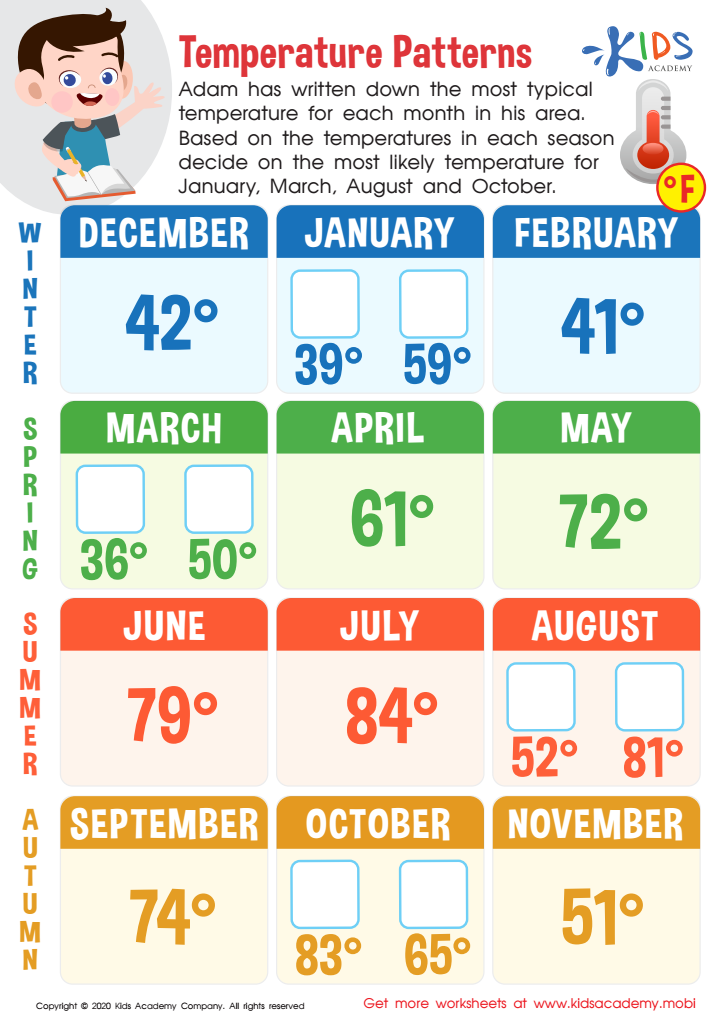
Temperature Patterns Worksheet
 Assign to My Students
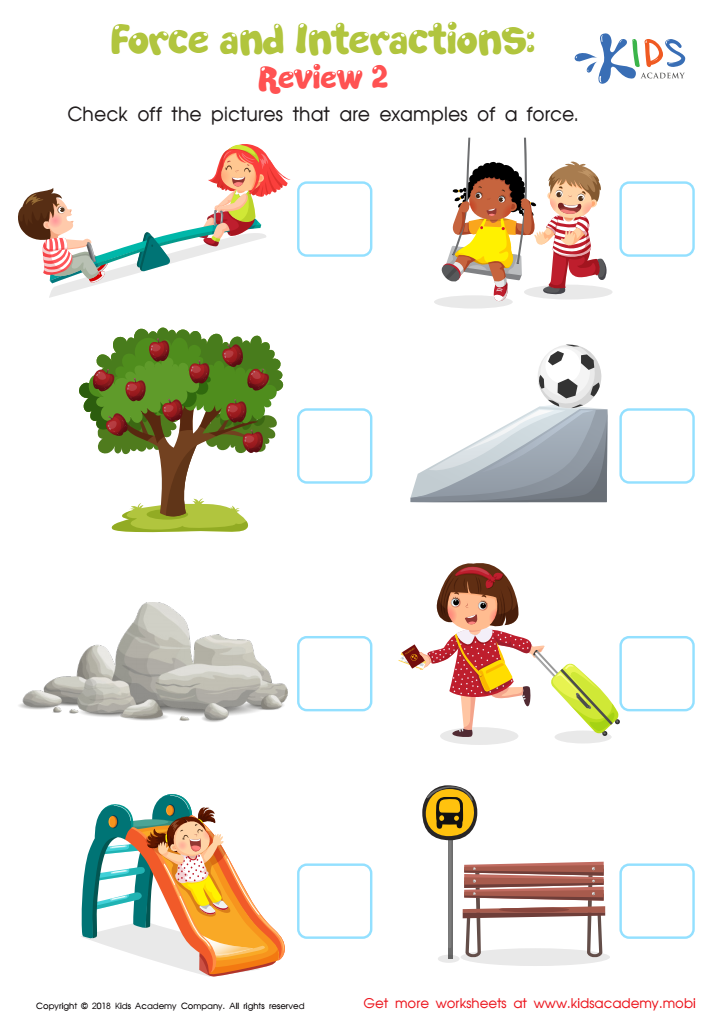
Force and Interactions: Review 2 Worksheet
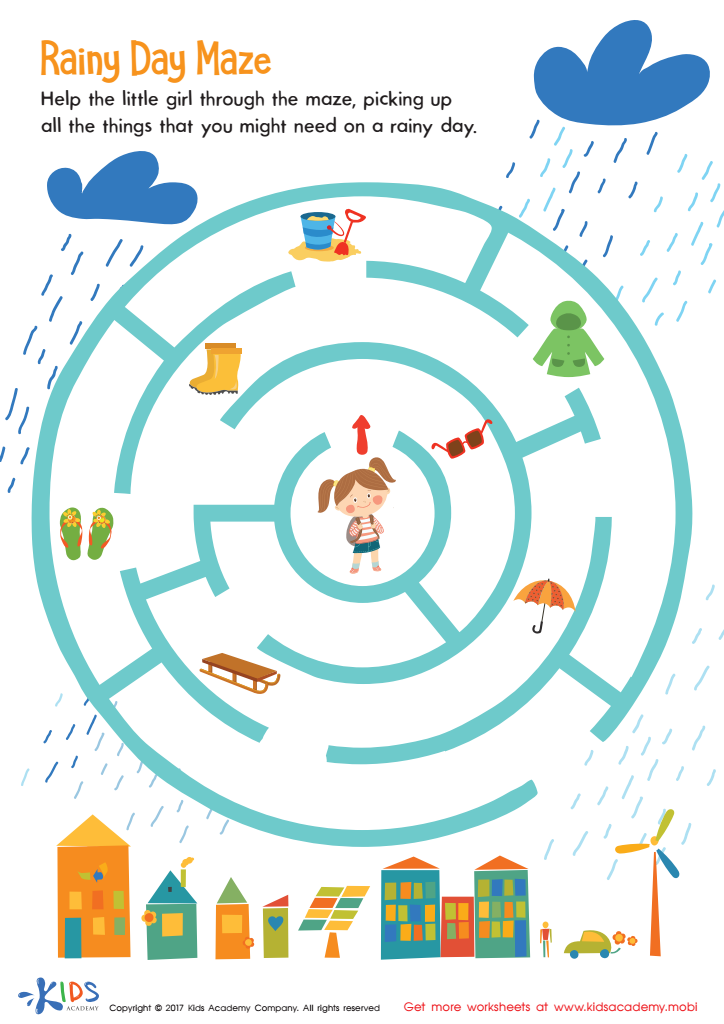
Rainy Day Maze Worksheet
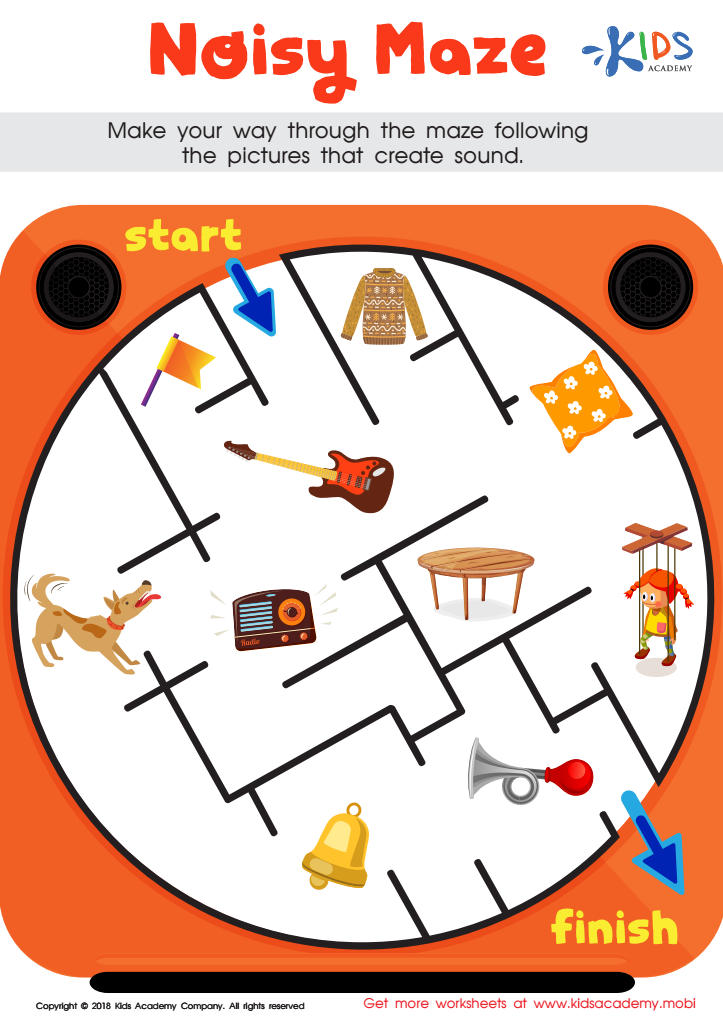
Noisy Maze Worksheet








Problem-solving skills in physical science are crucial for children aged 6-8, and parents and teachers should prioritize their development. At this age, children are naturally curious and eager to learn about the world around them. Encouraging problem-solving in physical science helps them understand fundamental concepts such as matter, force, motion, and basic environmental principles. These concepts can be linked to real-life situations, fostering a sense of relevance and urgency in learning.
Moreover, problem-solving in science builds critical thinking and analytical skills. By engaging with hands-on activities and experiments, children learn to ask questions, make observations, explore possibilities, and draw conclusions. This process instills a sense of confidence and independence, essential qualities that extend beyond the classroom.
Additionally, early exposure to scientific thinking nurtures a passion for STEM (Science, Technology, Engineering, Math) subjects, which are vital in our rapidly evolving world. Empowering children with these skills not only prepares them for future academic challenges but also equips them to navigate problems they will encounter in their daily lives.
Ultimately, fostering problem-solving skills in physical science lays the groundwork for lifelong learning, curiosity, and informed decision-making, making it imperative for parents and teachers alike to recognize and support this developmental area.







