
Vocabulary enhancement Physical Science Worksheets for Ages 6-8
7 filtered results
Difficulty Level
Grade
Age
-
From - To
Subject
Activity
Standards
Welcome to our Vocabulary Enhancement Physical Science Worksheets for ages 6-8! These engaging, carefully designed worksheets help young learners expand their scientific vocabulary while exploring essential physical science concepts. Tailored to align with educational standards, our resources promote interactive learning through fun activities such as matching words, fill-in-the-blanks, and visual aids. Each worksheet encourages curiosity and critical thinking, making complex topics accessible for early learners. Perfect for classroom or home use, our physical science worksheets support vocabulary development vital for academic success. Empower your child's understanding of science today and foster a love for learning with our dynamic, age-appropriate resources!
Favorites
With answer key
Interactive
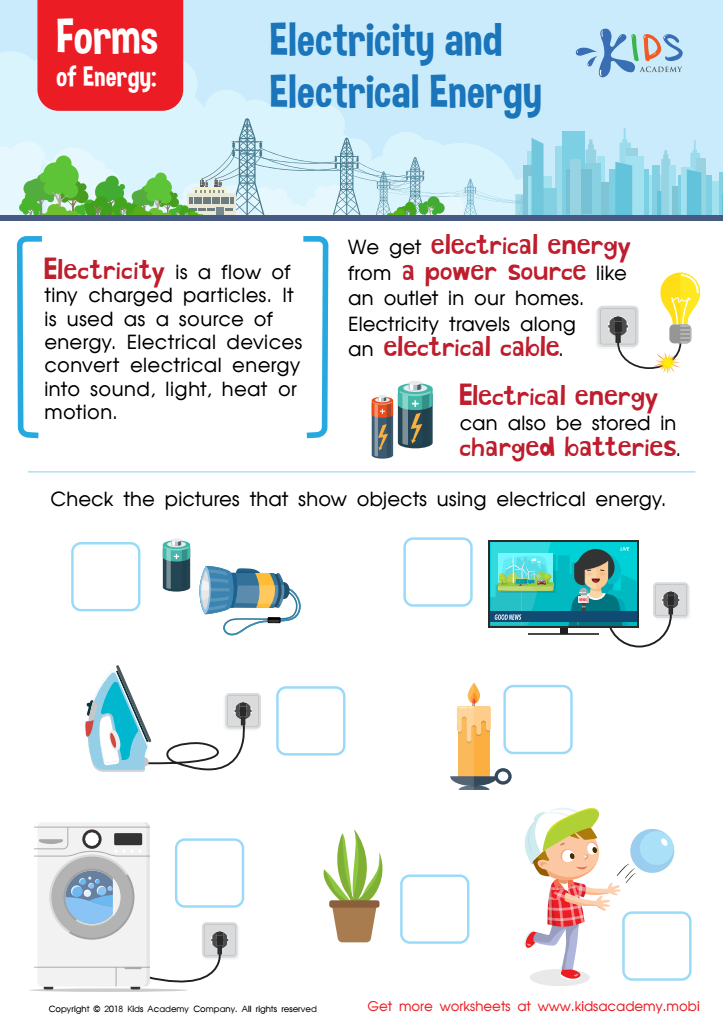
Forms of Energy Worksheet
This fun worksheet will help kids understand electricity. Kids identify objects powered by batteries or outlets. Perfect for 3rd Grade, this worksheet will fascinate them as they learn about this form of energy.
 Assign to My Students
Forms of Energy Worksheet
Worksheet
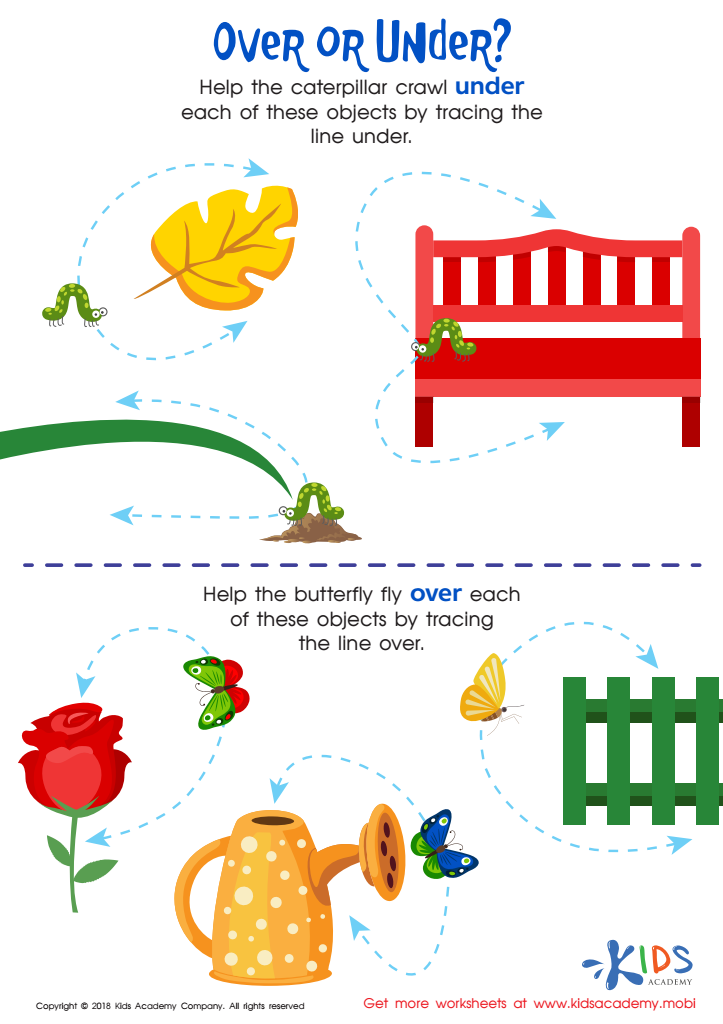
Over or Under? Worksheet
Math for young kids isn't just about numbers and counting, but also spatial concepts like geometry. This worksheet helps students learn "over" and "under" by tracing the movement of caterpillars and butterflies. Downloadable for free, it's an effective teaching tool for early learners.
Over or Under? Worksheet
Worksheet
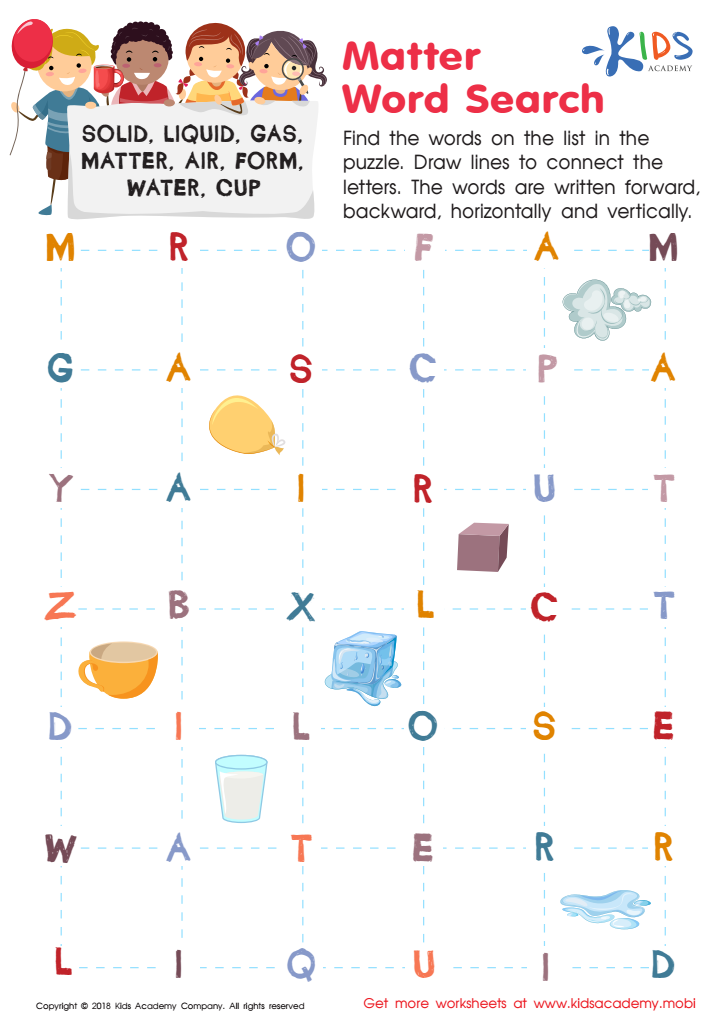
Matter Word Search Worksheet
Matter is anything with weight and taking up space. It exists in three forms: solid, gas and liquid. Examples of these are ice, air and water. Help kids find the words in the puzzle, which are written forward, backward, horizontally and vertically. Connect the letters!
Matter Word Search Worksheet
Worksheet
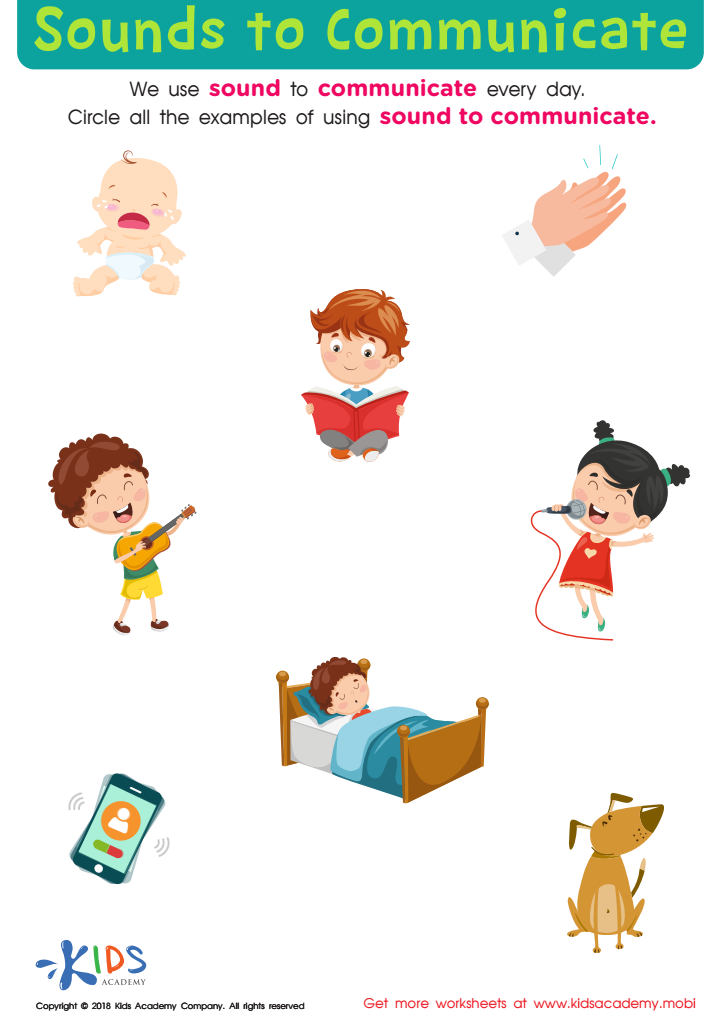
Sounds to Communicate Worksheet
Sounds are important for communication. Ask your students to name sounds people, animals and things make. Then, review this worksheet with them and see if they can identify the activities. Ask them to circle examples of sounds used to communicate.
Sounds to Communicate Worksheet
Worksheet
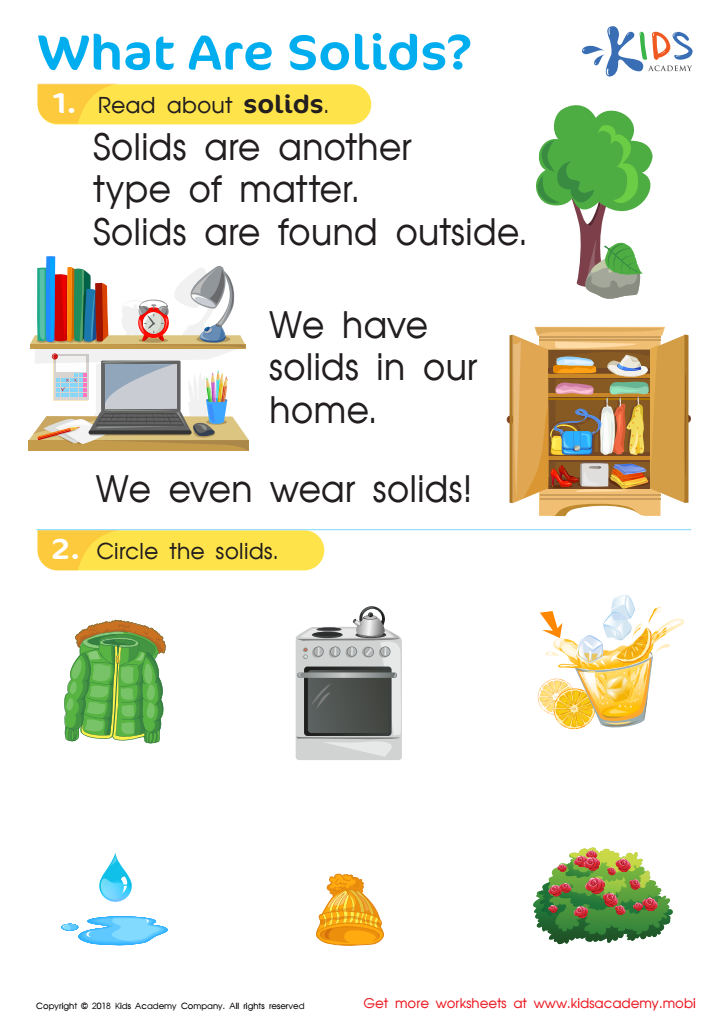
What Are Solids? Worksheet
Help your kids understand matter's three forms - solid, liquid, and gas - with examples. Ask them to give their own and where to find them. Then, read and discuss the worksheet's facts about solids. Afterward, have them circle the solids among the provided objects.
What Are Solids? Worksheet
Worksheet
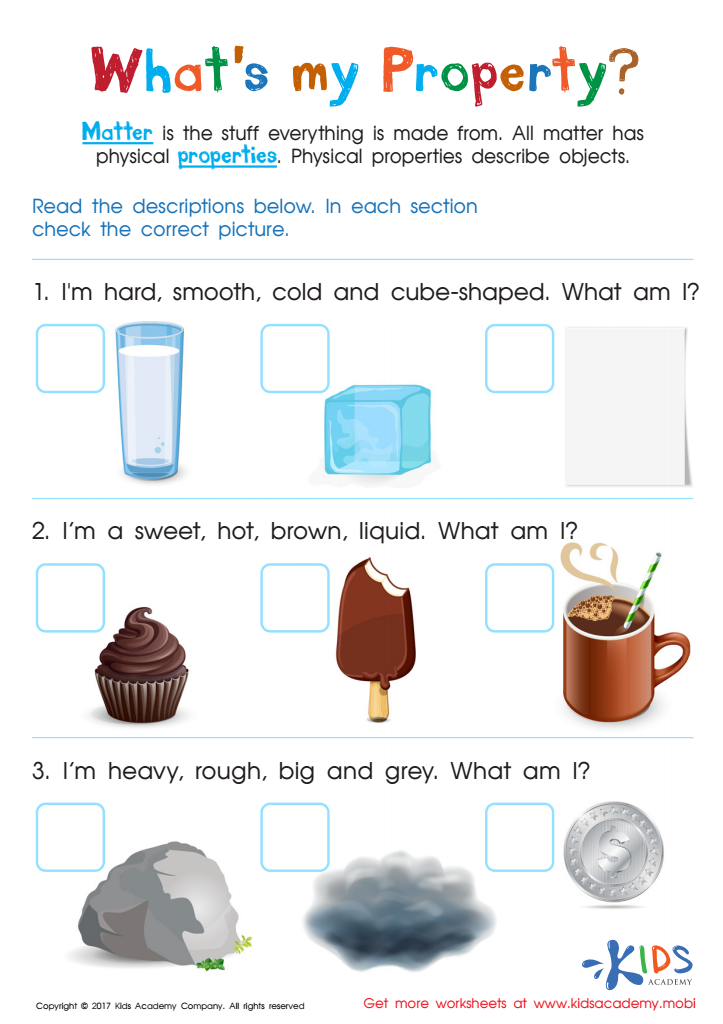
Physical Properties Of Matter Worksheet
This physical properties of matter worksheet helps them explore liquids, gases and solids in an engaging way. Try it today! (80 words)
Physical Properties Of Matter Worksheet
Worksheet
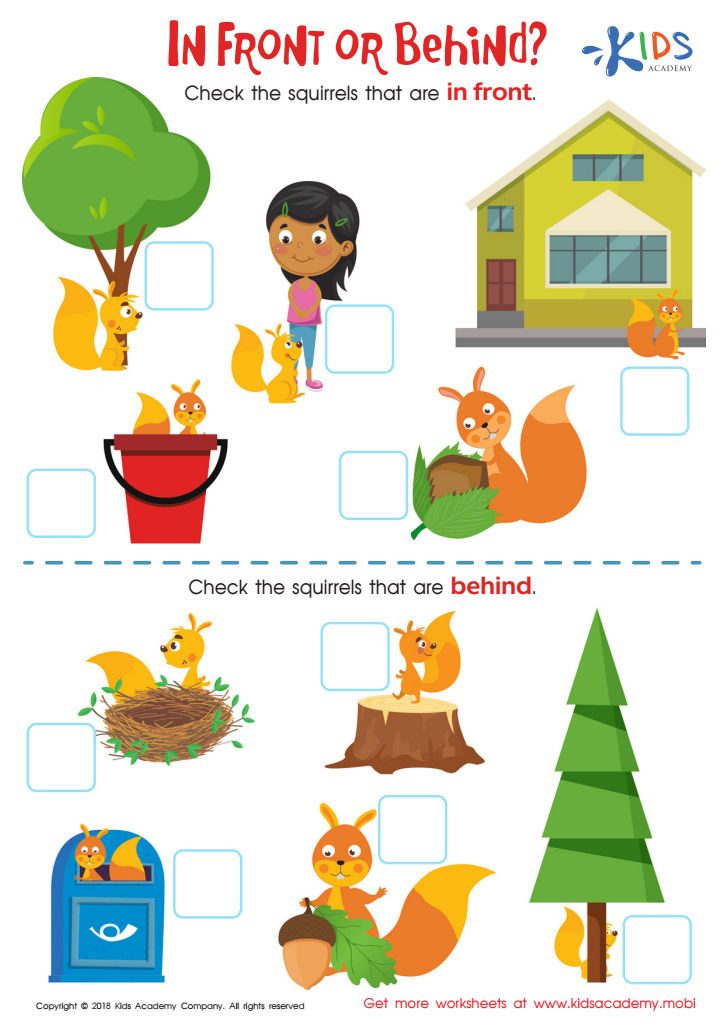
In Front or Behind: Part 2 Worksheet
Teach positional words "front" and "behind" with this fun worksheet! Students identify where the squirrel is in relation to the object - in front or behind. It's a great exercise to practice early geometry skills and understanding object movement.
In Front or Behind: Part 2 Worksheet
Worksheet
Join Kids Academy for Free
Who is primarily going to use this learning content?








Vocabulary enhancement in Physical Science for ages 6-8 is crucial for several reasons. First, a strong vocabulary lays the foundation for understanding complex scientific concepts. Children who are fluent in scientific terminology can better grasp fundamental ideas such as force, energy, matter, and changes in states, which are all vital for early science literacy.
Second, vocabulary development fosters critical thinking skills. Young learners equipped with the right words can articulate their thoughts, ask meaningful questions, and engage in discussions about scientific phenomena. This engagement builds curiosity and interest in science, encouraging further exploration.
Moreover, introducing specific vocabulary related to Physical Science nurtures a student's confidence and ability to communicate ideas clearly. When children can express themselves regarding scientific concepts, they are more likely to participate in experiments and collaborative learning, enhancing their overall educational experience.
Finally, vocabulary enhancement aligns with broader educational goals, promoting literacy and comprehension in all subject areas. Teachers and parents who emphasize vocabulary development help children develop essential skills needed not only for science but also for academic success in the future. In essence, vocabulary enhancement is a stepping stone towards fostering a lifelong interest and competency in science.







