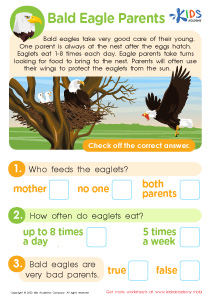
Comprehension skills Plants Worksheets for Ages 6-8
3 filtered results
-
From - To
Enhance your child's understanding of plants with our engaging Comprehension Skills Worksheets designed for ages 6-8! These interactive resources encourage young learners to explore various aspects of plant life, fostering both curiosity and critical thinking. Each worksheet is tailored to build reading comprehension and interpretive skills, featuring fun facts, vivid illustrations, and thought-provoking questions. As children delve into topics like plant anatomy, growth, and habitats, they cultivate a deeper appreciation for nature while becoming proficient readers. Perfect for classroom or home use, these worksheets will empower your child to connect with the world of plants—in an enjoyable and educational way!
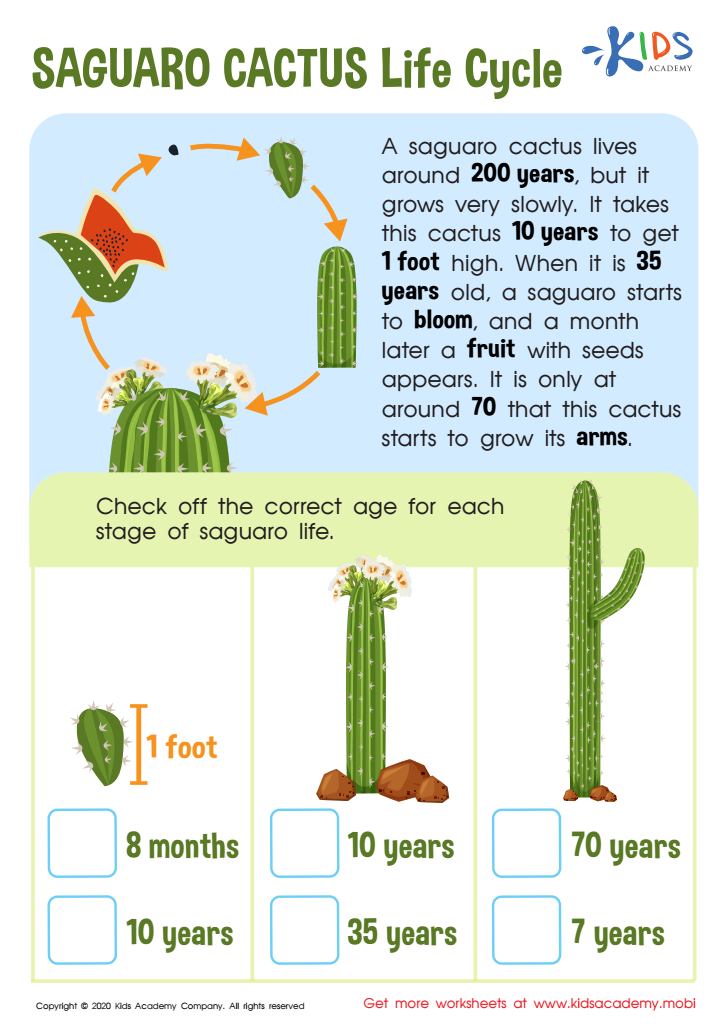
Saguaro Cactus Life Cycle Worksheet
 Assign to My Students


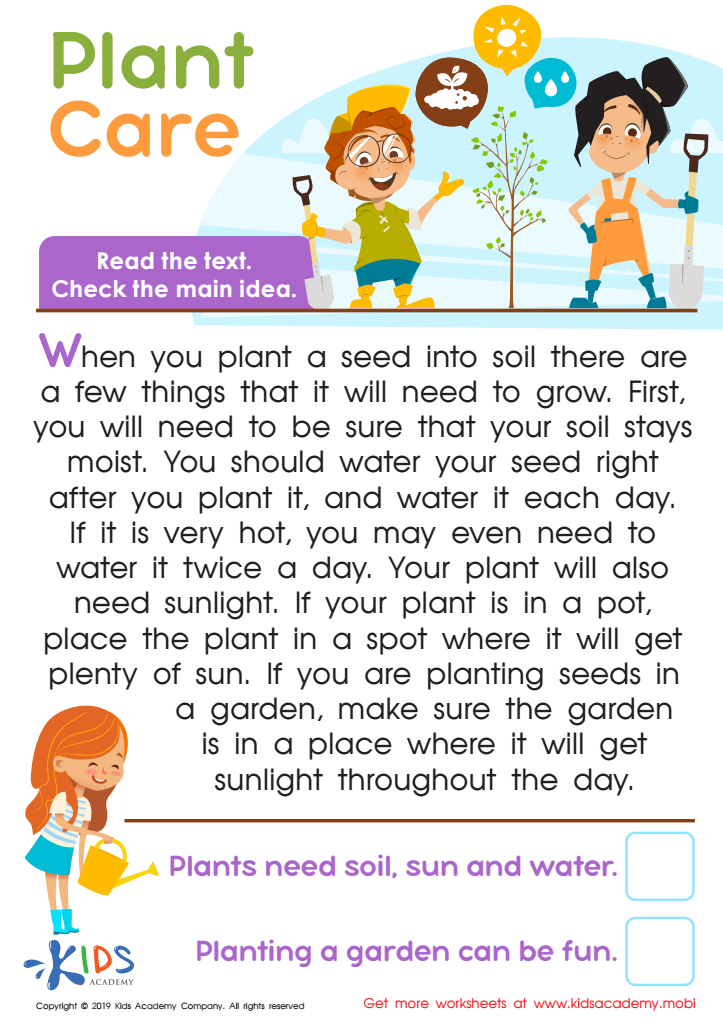
Plant Care Worksheet
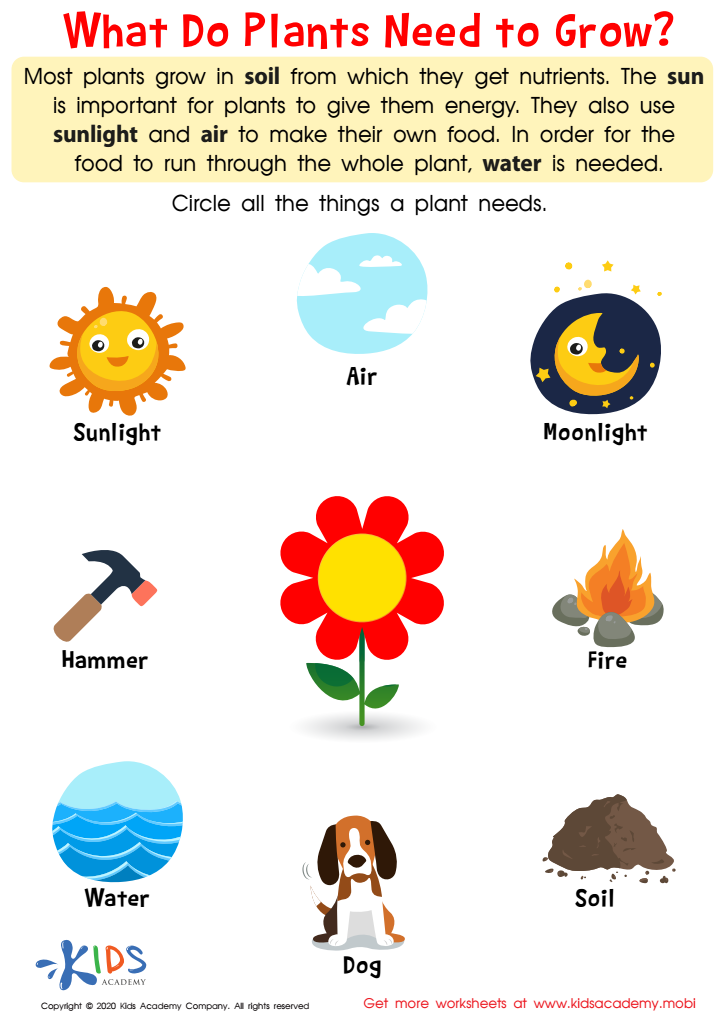
What Do Plants Need to Grow Worksheet








Comprehension skills are crucial for children aged 6-8, particularly when it comes to understanding texts about plants and the environment. At this age, students are developing the foundational abilities to interpret information and make connections, which are essential for academic success.
Teaching comprehension in the context of plant studies allows children to engage with texts that are both educational and captivating. Understanding the lifecycle of plants, their habitats, and roles in ecosystems enhances their knowledge of the world, fosters a sense of curiosity, and encourages inquiry. It also cultivates critical thinking as children learn to analyze information, differentiate between facts and opinions, and draw conclusions based on their observations and readings.
Additionally, enhanced comprehension skills promote vocabulary development, which is essential for overall literacy. By exploring materials related to plants, children encounter specialized terminology, which not only enriches their language skills but also builds confidence to engage in discussions about science and nature.
Finally, fostering strong comprehension skills related to plants instills an appreciation for environmental stewardship. Educated children are more likely to care for the world around them, leading to responsible actions in their communities as they grow. Thus, focusing on comprehension skills in this context helps develop informed, thoughtful individuals.