Vocabulary expansion Geography Worksheets for Ages 6-8
4 filtered results
-
From - To
Expand young learners' geographical vocabulary with our specially designed Geography Worksheets for Ages 6-8 from Kids Academy. Our engaging and educational worksheets help children grasp essential geographical terms through fun activities and colorful illustrations. Carefully curated to enhance learning, these printables introduce key vocabulary while developing critical thinking and comprehension skills. Perfect for classroom settings or at-home practice, they ensure kids not only learn geography but also build a robust vocabulary. Help your child or students embark on a thrilling educational adventure with our expertly crafted geography worksheets. Start exploring today for smarter tomorrow!
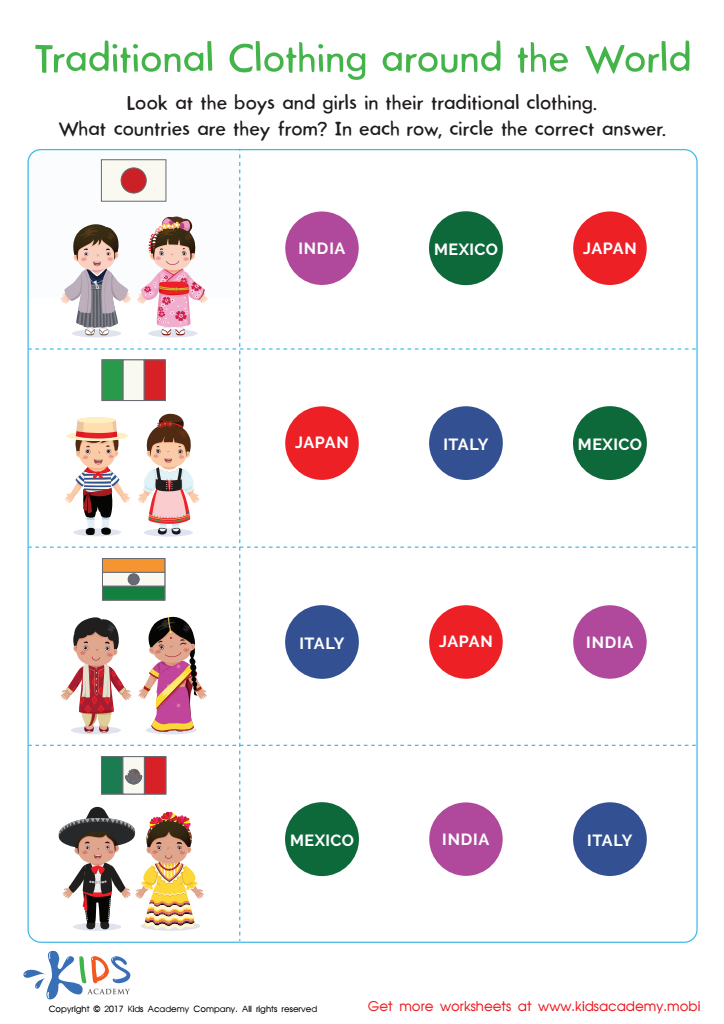
Traditional Clothing Worksheet
 Assign to My Students
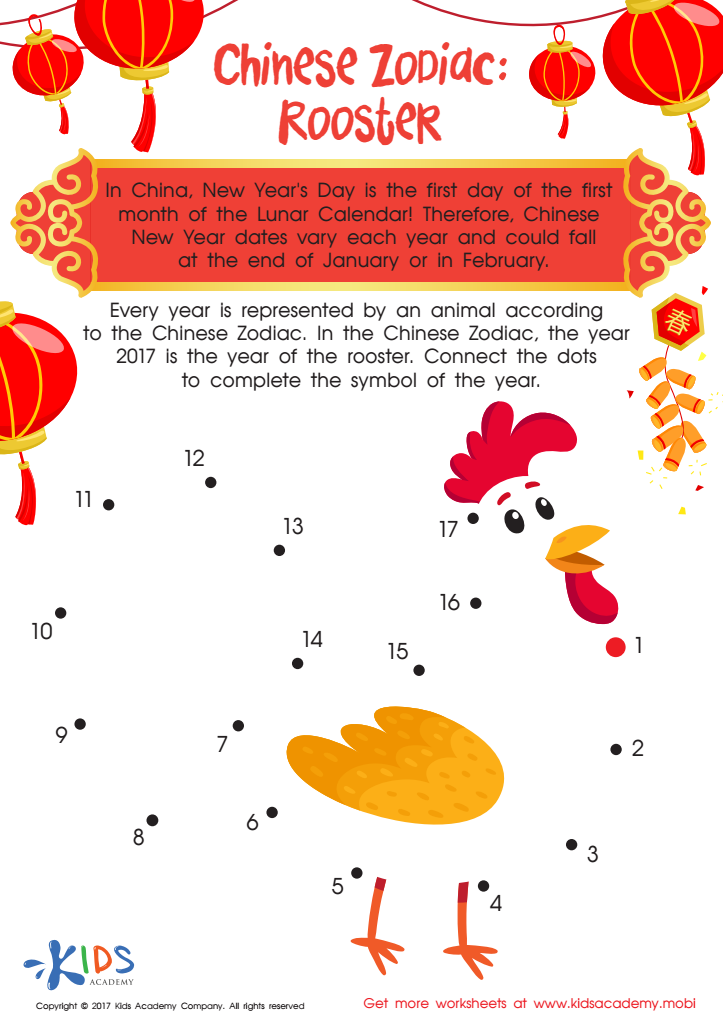
Chinese Zodiac Printable
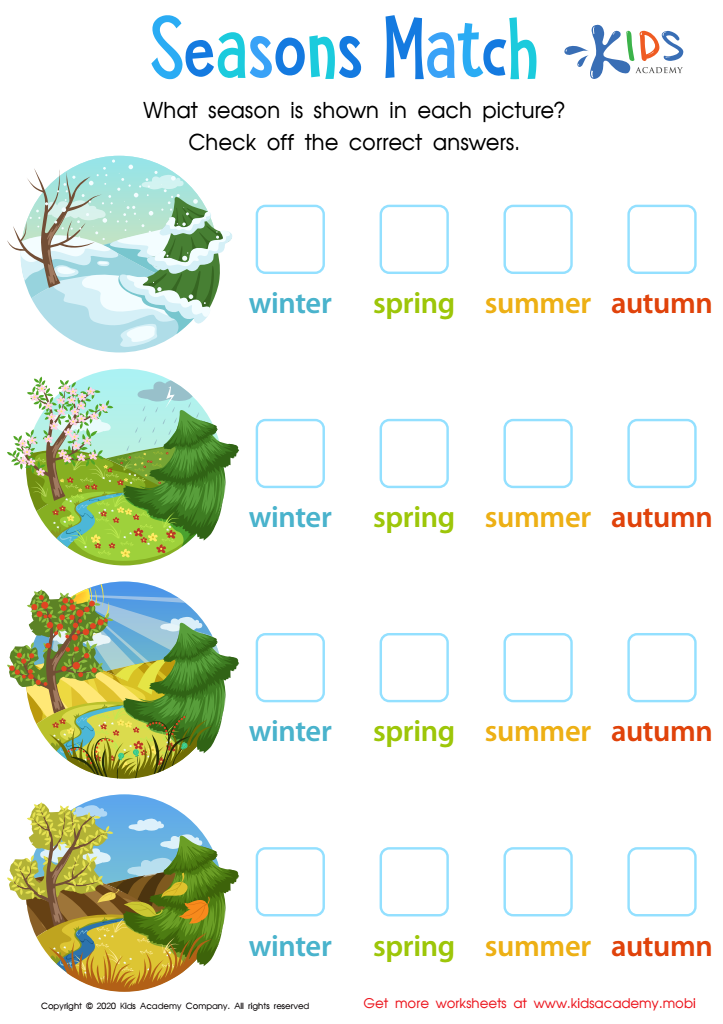
Seasons Match Worksheet
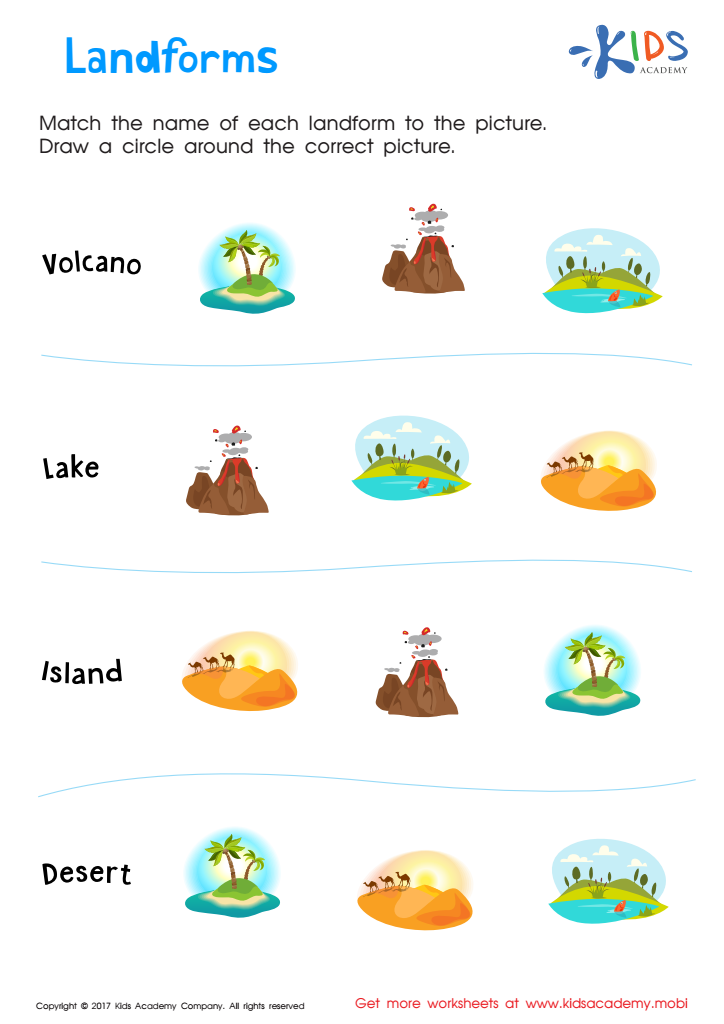
Landforms Printable







Vocabulary expansion in geography for children ages 6-8 is crucial for several reasons. Firstly, this age range is a prime period for cognitive development, where children are highly receptive to learning new words and concepts. Introducing geographical terms helps cultivate children's language and comprehension skills, making them better equipped to understand the world around them.
Moreover, geographical vocabulary provides children with the tools to describe and make sense of their environment. Knowing terms such as "continent," "ocean," "weather," and "mountain" enhances their ability to communicate about locations and physical phenomena precisely. These skills are essential not only in academic settings but in everyday life as well, fostering curiosity and critical thinking.
Understanding geographical terms also lays the groundwork for interdisciplinary learning. Geography is interconnected with subjects like history, science, and social studies. For example, discussions about the Earth's features can lead to explorations of ecosystems, climate change, and cultural diversity. This holistic approach promotes a well-rounded education.
For teachers and parents, prioritizing vocabulary expansion in geography can enhance children's learning experiences, making them more engaging and meaningful. It prepares them for future academic challenges and helps them develop a lifelong appreciation for the complexity of the world they live in. Therefore, investing effort in building a robust geographical vocabulary is invaluable for young learners' overall development.