Phonics recognition Grammar Worksheets for Ages 6-8
5 filtered results
-
From - To
Discover our engaging Phonics Recognition Grammar Worksheets, specially designed for children ages 6-8. These interactive resources help young learners master essential phonics skills and enhance their grammar foundations. Each worksheet encourages students to identify sounds, connect letters to words, and use phonetic principles in writing. Accompanied by fun activities and illustrations, children will build confidence in reading and spelling. Perfect for classroom use or at-home learning, our phonics and grammar worksheets promote language proficiency while making learning enjoyable. Explore our collection today to support your child’s literacy journey and unlock their potential in early education!
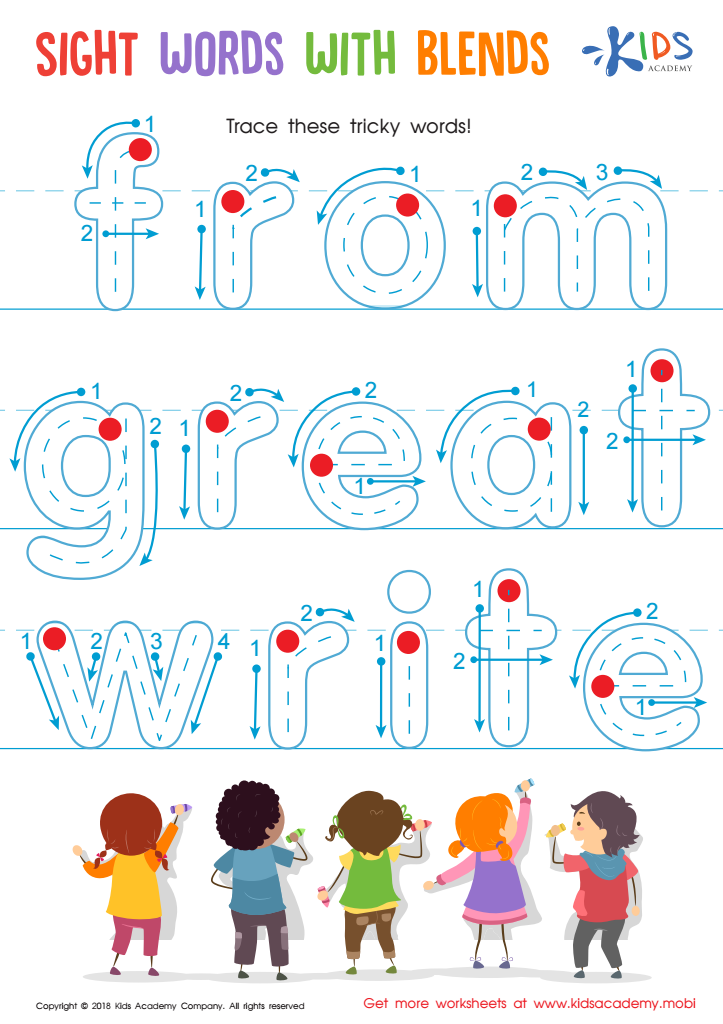
Sight Words with Blends Worksheet
 Assign to My Students
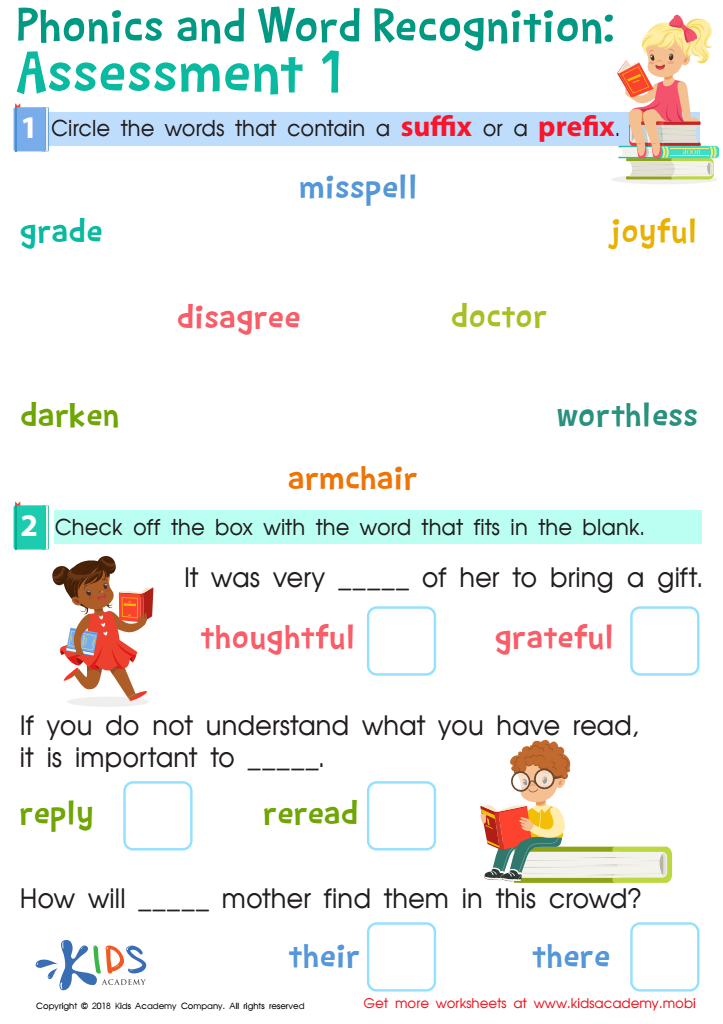
Phonics and Word Recognition: Assessment 1 Worksheet
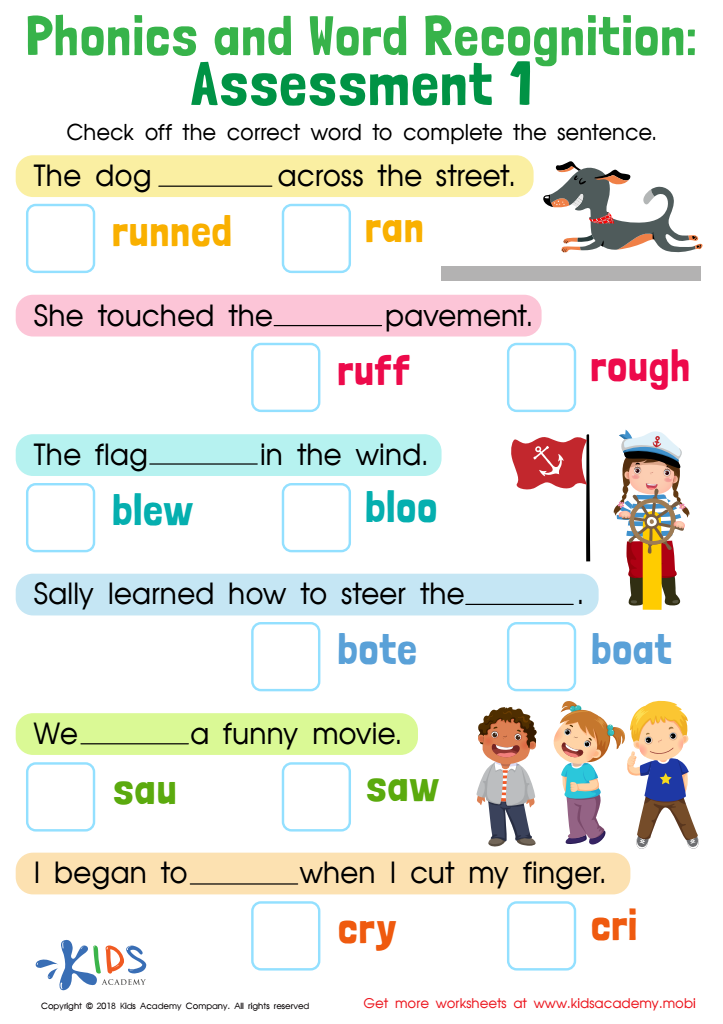
Phonics and Word Recognition: Assessment 1 Worksheet
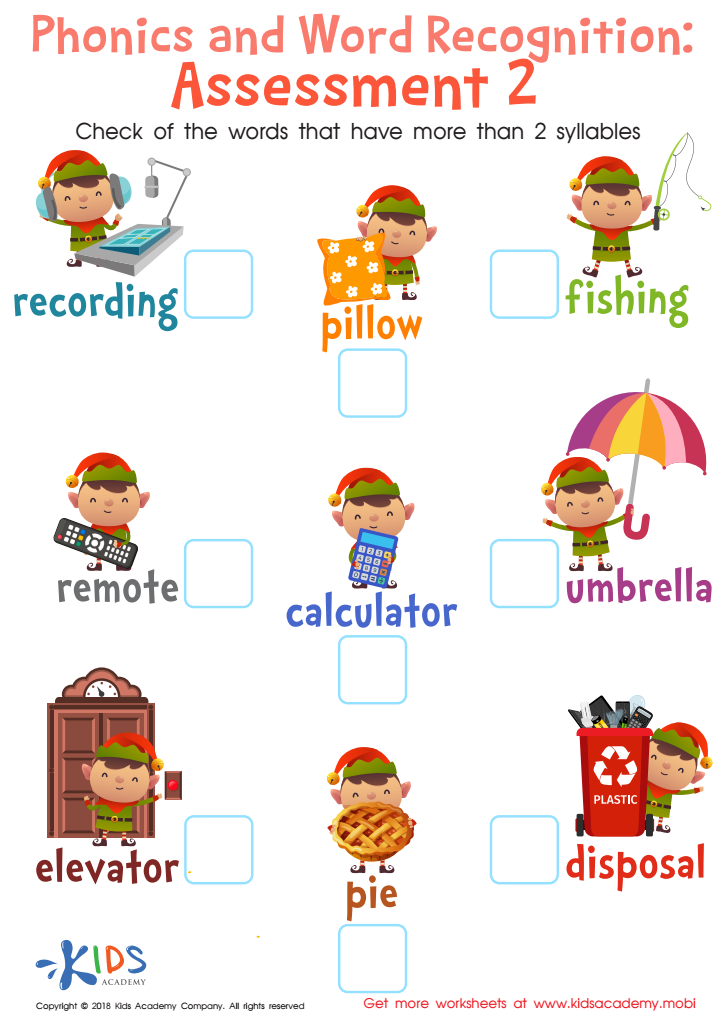
Phonics and Word Recognition: Assessment 2 Worksheet
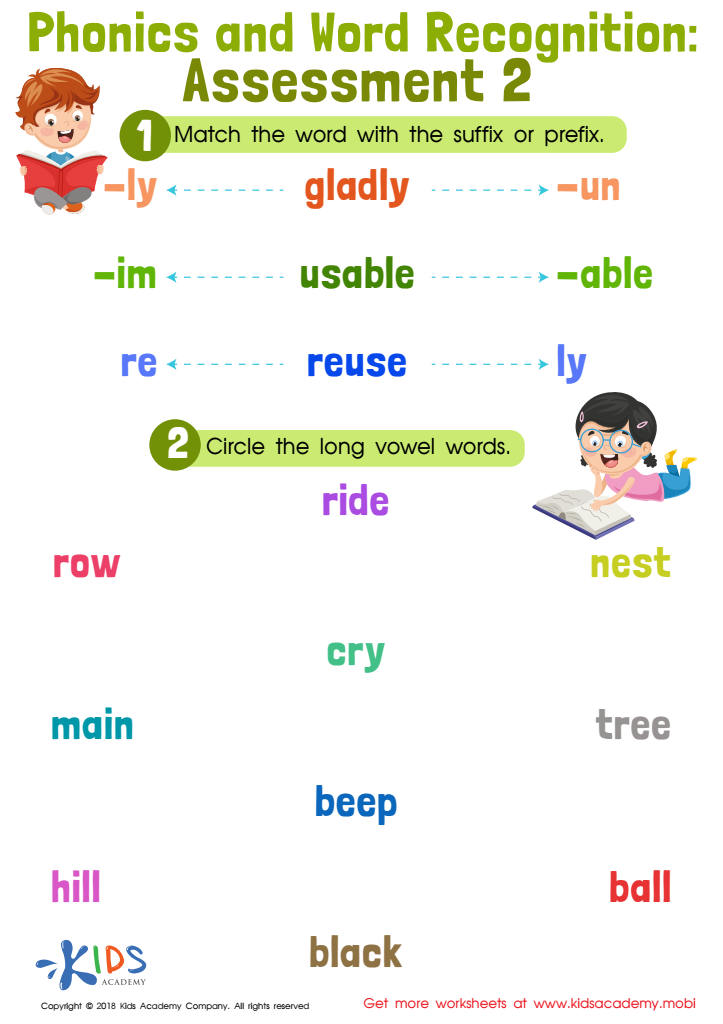
Phonics and Word Recognition: Assessment 2



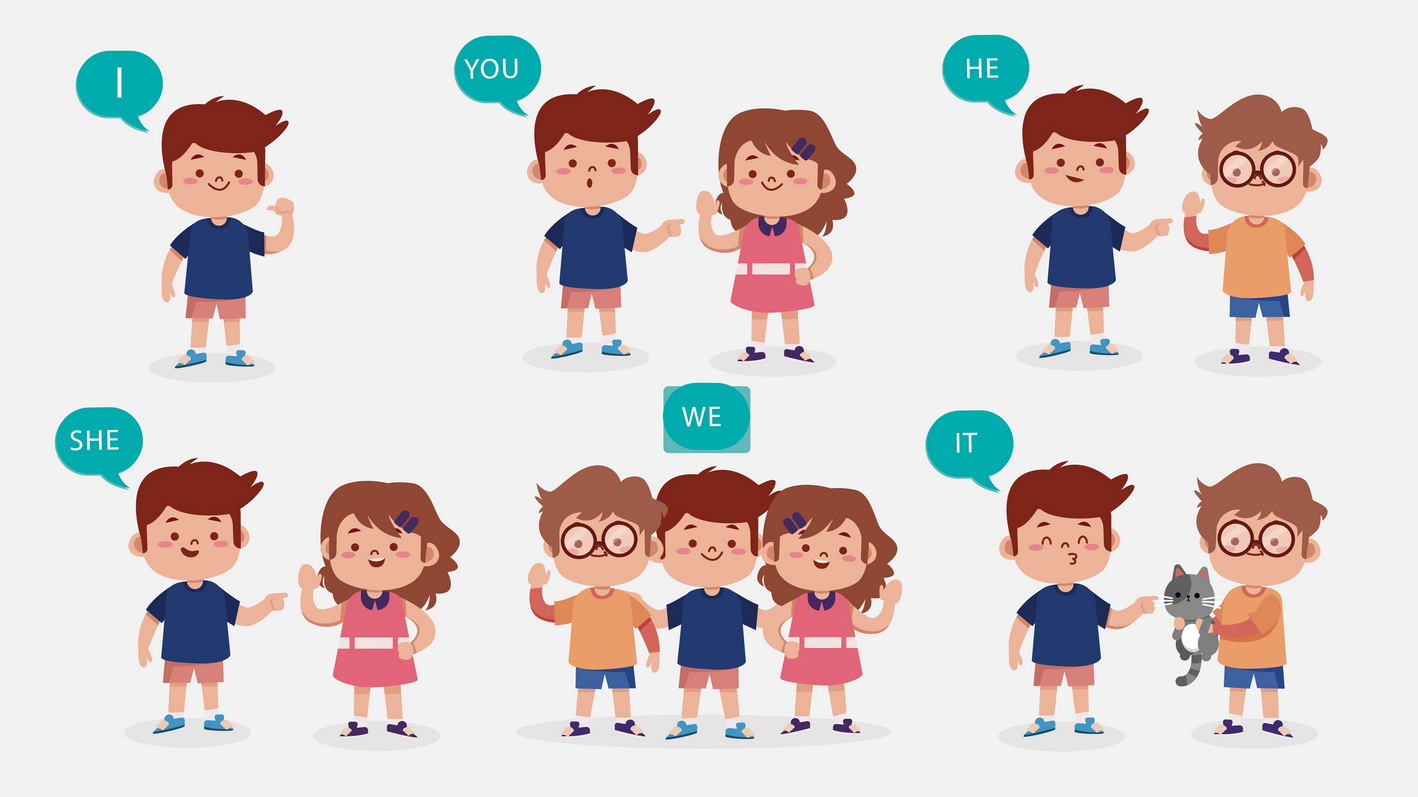




Phonics recognition and grammar are essential components of early literacy development for children aged 6-8. During this critical period, children transition from learning to read to reading to learn. Understanding phonics helps them decode words, establishing a foundation for smooth reading. When children grasp phonics, they can recognize familiar patterns in new words, boosting their confidence and enthusiasm for exploring literature.
Additionally, knowledge of grammar aids children in constructing clear and coherent sentences. Awareness of basic grammatical structures—such as nouns, verbs, and punctuation—enables young learners to express their thoughts and ideas effectively. This foundation nurtures both written and oral communication skills, crucial for their academic growth.
Supporting phonics and grammar education fosters a love for reading and writing, which can cultivate a positive lifelong relationship with language. Furthermore, proficient literacy skills correlate strongly with academic success in all subjects, not just language arts. By prioritizing phonics recognition and grammar, parents and teachers can provide children with the essential tools they need for successful communication, critical thinking, and a deeper understanding of the world around them. Investing in these foundational skills today paves the way for a bright and successful future in learning and life.








