Grammar skills Writing Worksheets for Ages 6-8
5 filtered results
-
From - To
Enhance your child’s writing abilities with our engaging Grammar Skills Writing Worksheets tailored for ages 6-8. These worksheets provide interactive exercises designed to reinforce fundamental grammar concepts, including sentence structure, parts of speech, and punctuation. Fun and age-appropriate activities encourage kids to practice and apply their knowledge, making learning enjoyable. Our printable resources are perfect for in-class assignments or at-home practice to support your child's literacy development. Help your young learner build a strong foundation in grammar while fostering a love for writing. Explore our diverse selection of worksheets today and watch their confidence soar as they master essential writing skills!
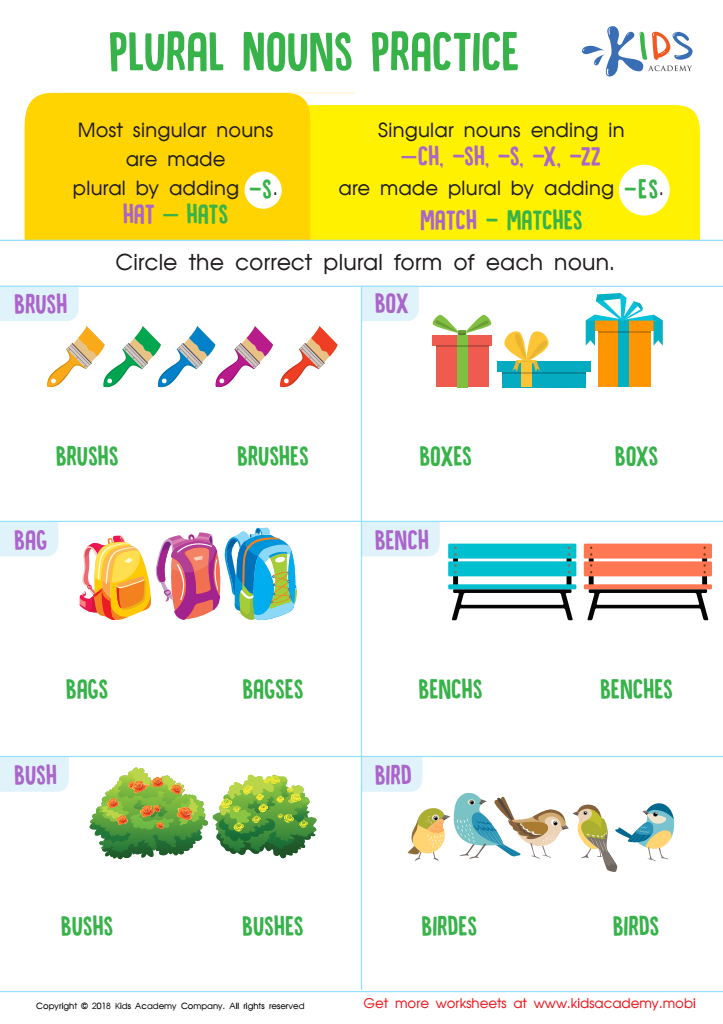
Plural Nouns Practice Worksheet
 Assign to My Students
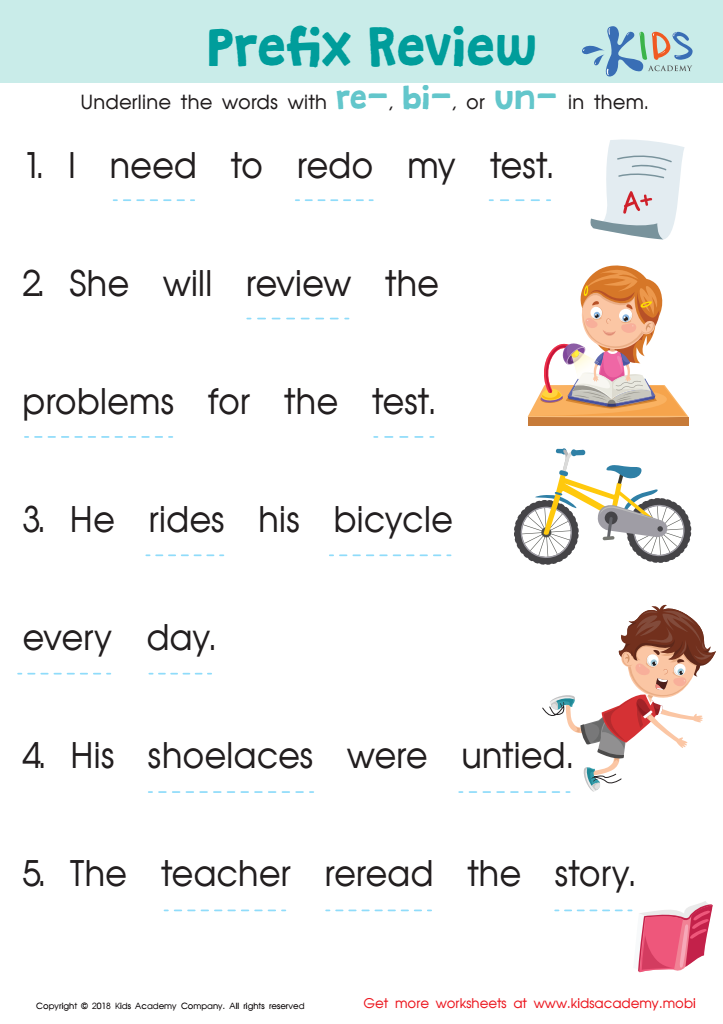
Prefix Review Worksheet
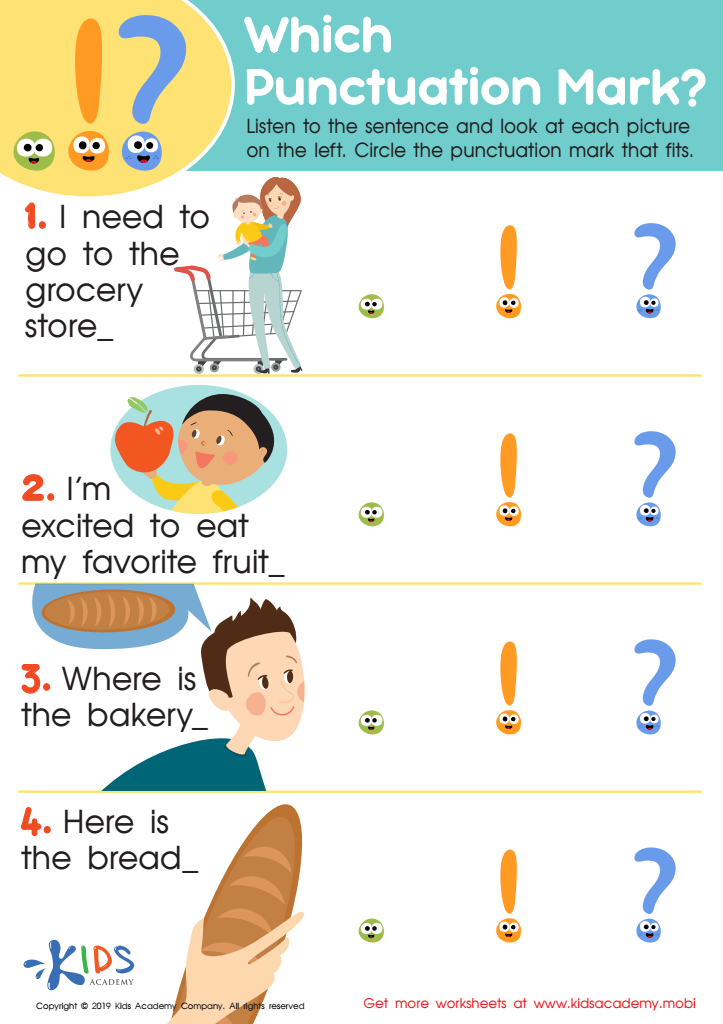
Which Punctuation Mark Worksheet
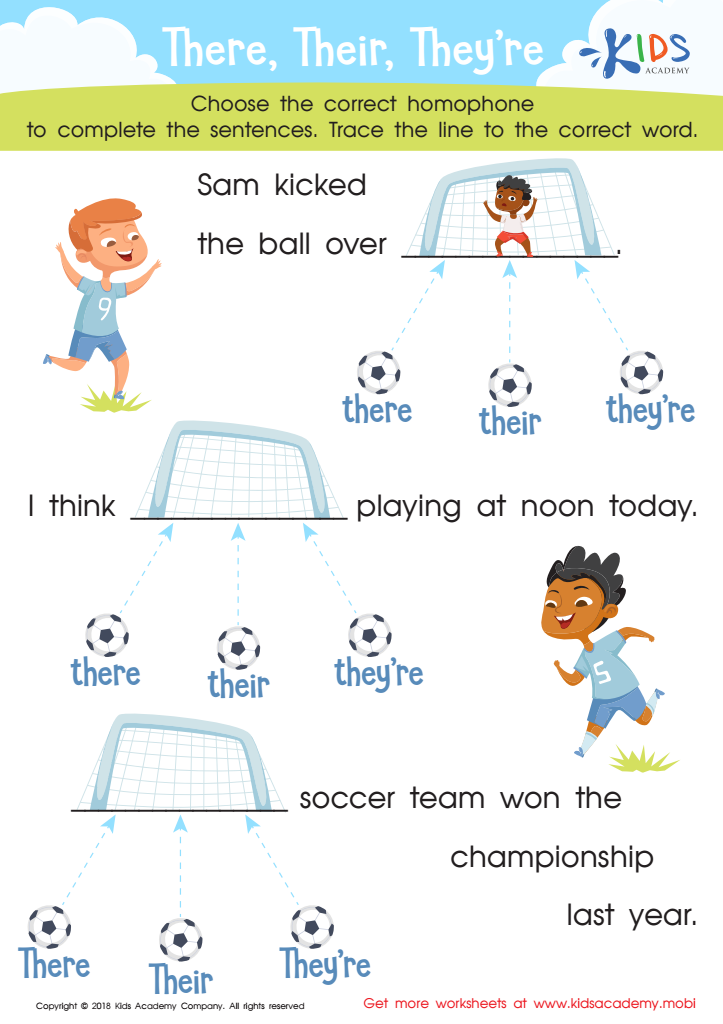
There, Their, They're Worksheet
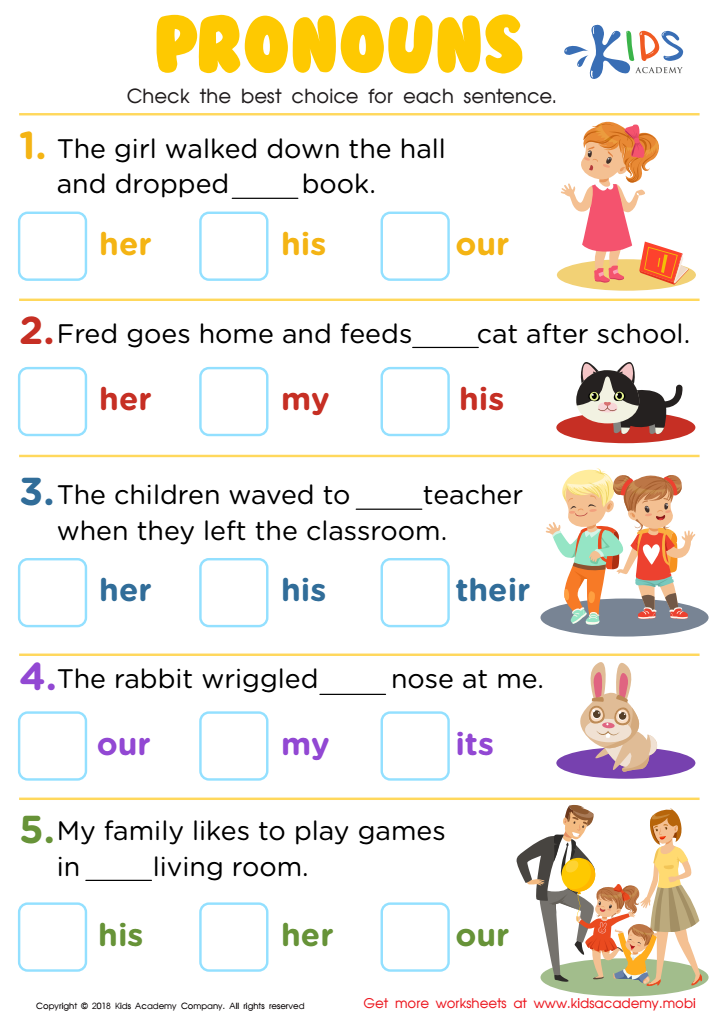
Pronouns Worksheet




.jpg)

Grammar skills are essential for children aged 6-8 as they lay the foundation for effective communication and academic success. At this age, children are developing their writing abilities, and understanding grammar helps them express their thoughts clearly and coherently. Proper grammar enhances a child's ability to construct sentences, facilitating stronger storytelling and clearer expression in assignments.
Furthermore, grammar skills encourage critical thinking. When children learn the rules of language, they become more aware of how to convey meaning, leading them to analyze their own writing critically and revise accordingly. This practice nurtures problem-solving skills and enhances their cognitive development.
Additionally, strong grammar skills foster confidence. Mastery of language rules empowers children to partake in discussions, presentations, and collaborative projects, boosting their self-esteem in both academic and social settings. These skills are crucial for future literacy, as strong writing correlates with improved reading comprehension.
For parents and teachers, prioritizing grammar education not only supports a child's current learning but also prepares them for future educational challenges. Investing time in grammar skills at this formative stage can significantly influence a child's lifelong love of language and learning.








