Logical thinking Writing Worksheets for Ages 6-8
3 filtered results
-
From - To
Enhance your child's logical thinking skills with our engaging writing worksheets tailored for ages 6-8! Designed to stimulate young minds, these worksheets encourage children to explore problem-solving, reasoning, and critical thinking through fun writing activities. Each worksheet challenges kids to use logic in storytelling, sequencing events, and making connections between ideas, fostering creativity and cognitive development. Perfect for home or classroom use, these resources promote vocabulary building and sentence structure while keeping learning enjoyable. Empower your child with the essential skills needed for academic success and confident expression. Discover the joy of logical writing today!
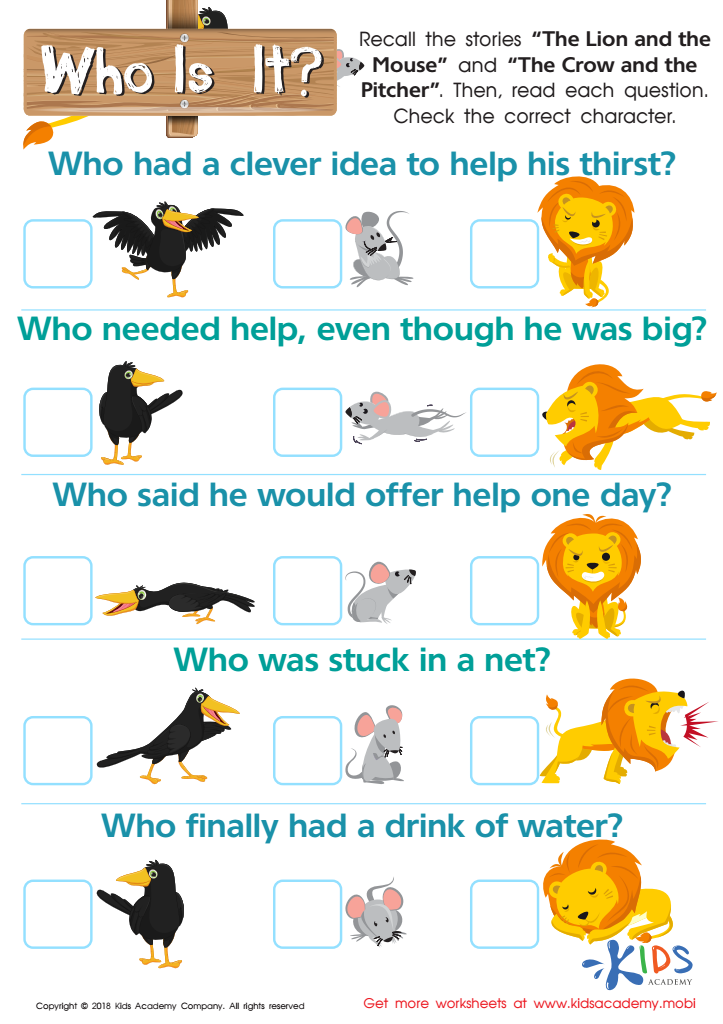
Who Is It? Worksheet
 Assign to My Students
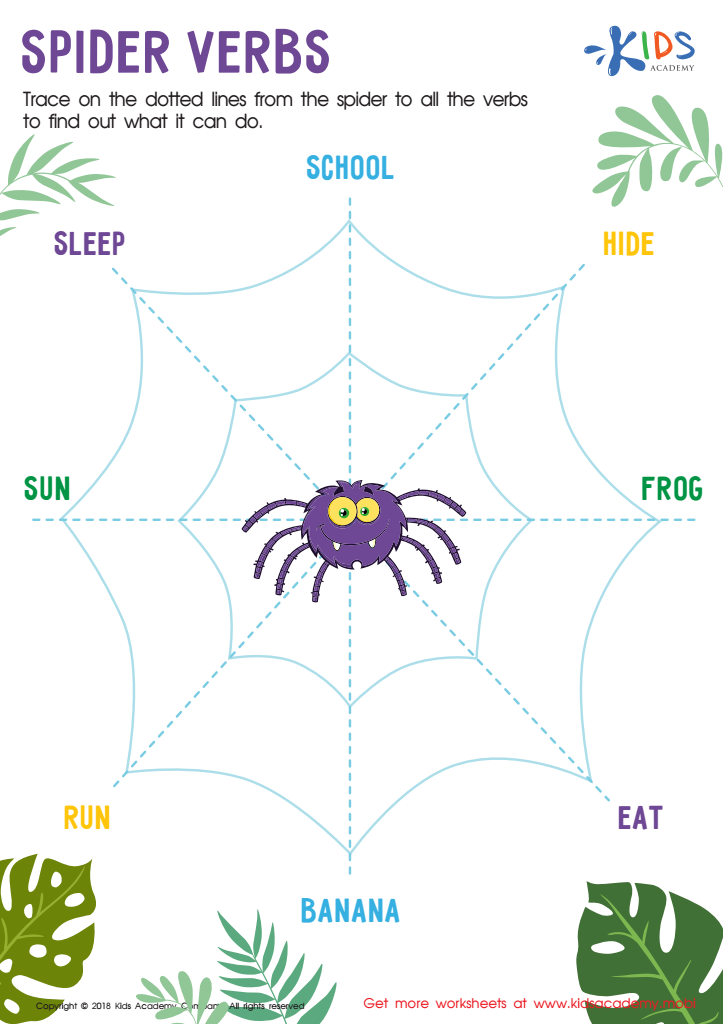
Spider Verbs Worksheet
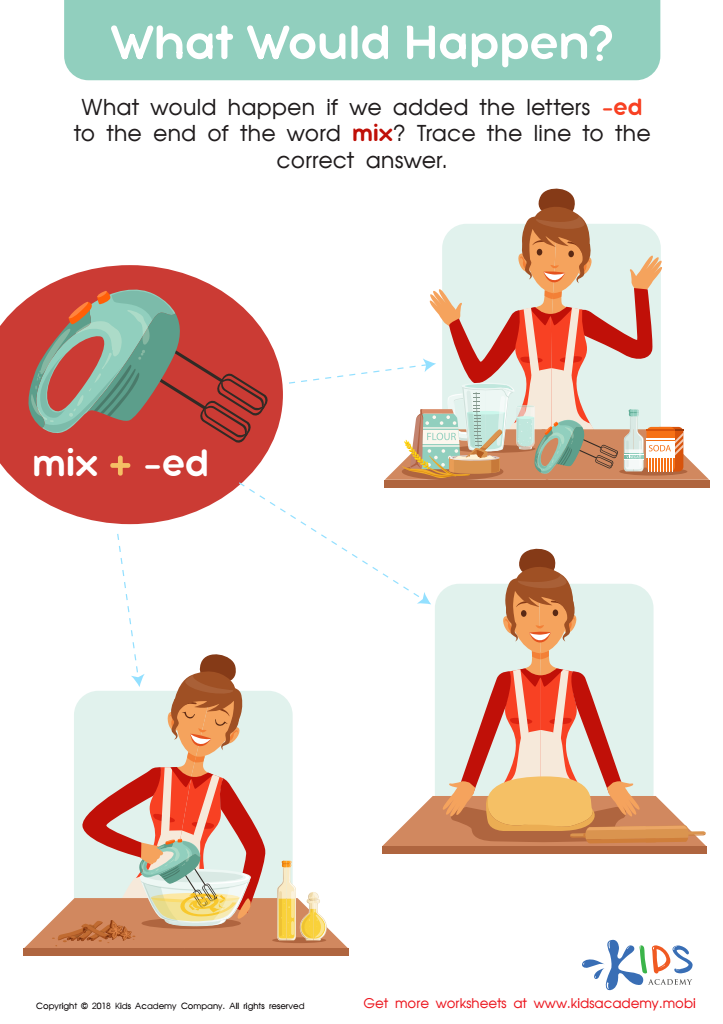
What Would Happen? Worksheet







Logical thinking writing is crucial for children aged 6-8, as it lays the foundation for critical thinking skills that are essential for academic and life success. At this age, children are beginning to refine their reasoning abilities, and encouraging logical thinking in writing helps them articulate their thoughts clearly and coherently. This not only enhances their writing skills but also aids in their comprehension of complex ideas.
When children learn to organize their thoughts logically, they are better equipped to analyze information and solve problems. This practice promotes creativity as they see relationships between concepts and explore various perspectives. Additionally, fostering logical thinking writing encourages effective communication, enabling children to express their ideas, opinions, and conclusions in a structured way.
Parents and teachers play a pivotal role in this development. By introducing activities that promote logical writing—such as storytelling with a clear cause-and-effect structure or creating persuasive arguments—adults can help children develop a strong foundation. Ultimately, enhancing logical thinking writing not only boosts children's academic performance but also prepares them for future challenges in an increasingly complex world. By prioritizing this skill, adults can empower children to become confident, articulate, and independent thinkers.








