Phonics skills improvement Writing Worksheets for Ages 6-8
3 filtered results
-
From - To
Enhance your child's literacy with our Phonics Skills Improvement Writing Worksheets designed for ages 6-8! These engaging and interactive worksheets foster essential phonics skills, helping young learners sound out words, recognize letter patterns, and improve their writing abilities. Each worksheet is thoughtfully crafted to provide fun practice through tracing, completing sentences, and word-building activities, making learning enjoyable. Ideal for reinforcing classroom lessons or practicing at home, our worksheets support diverse learning styles, ensuring every child progresses at their own pace. Equip your child with the tools they need to succeed in reading and writing today with our phonics worksheets!
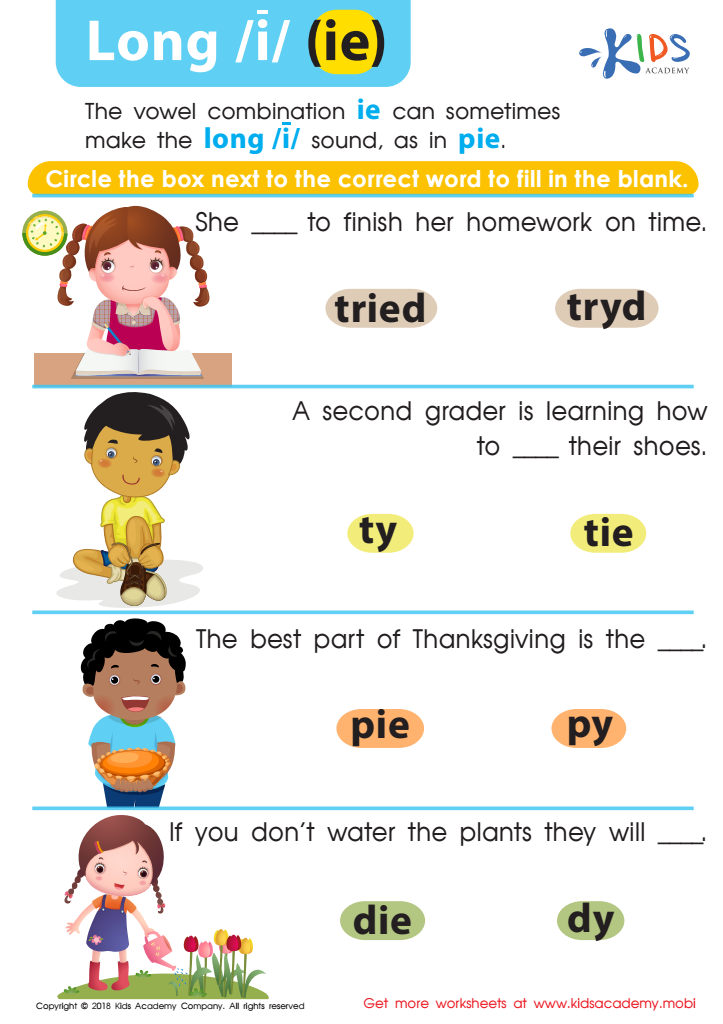
Reading: Long I and IE Worksheet
 Assign to My Students
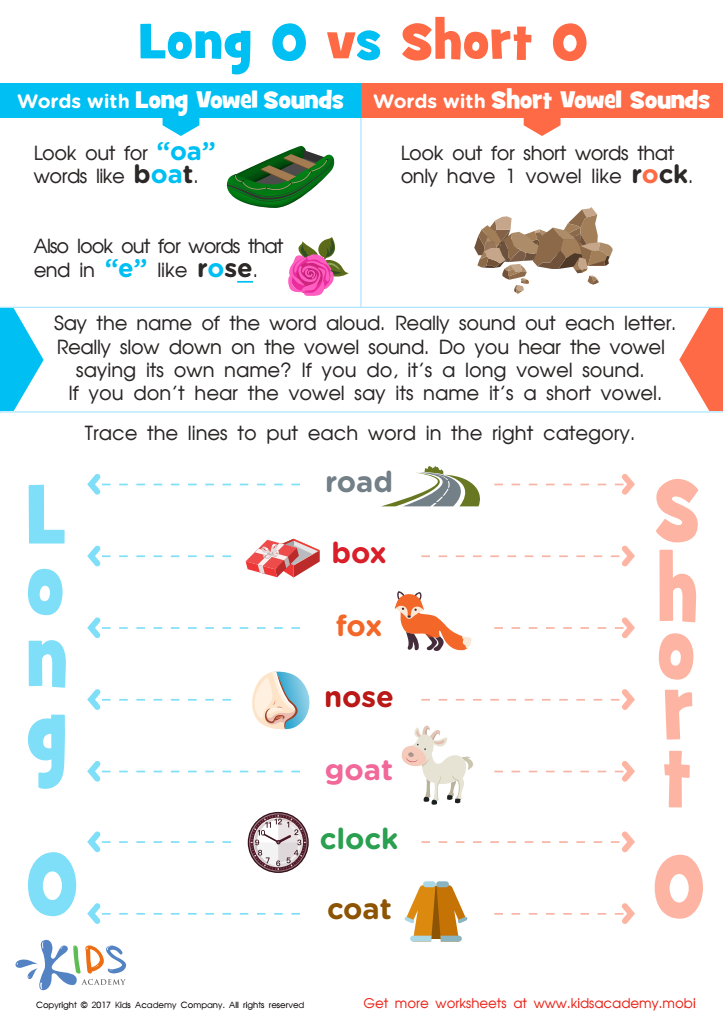
Long and Short Vowel O Spelling Worksheet
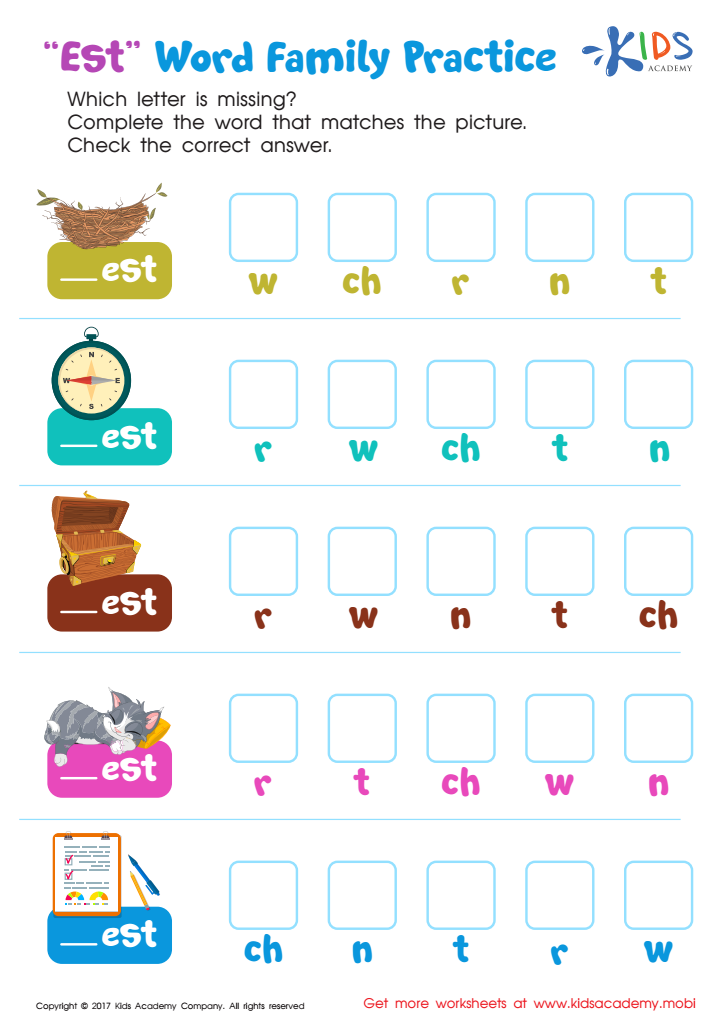
Words Family "est" Spelling Worksheet





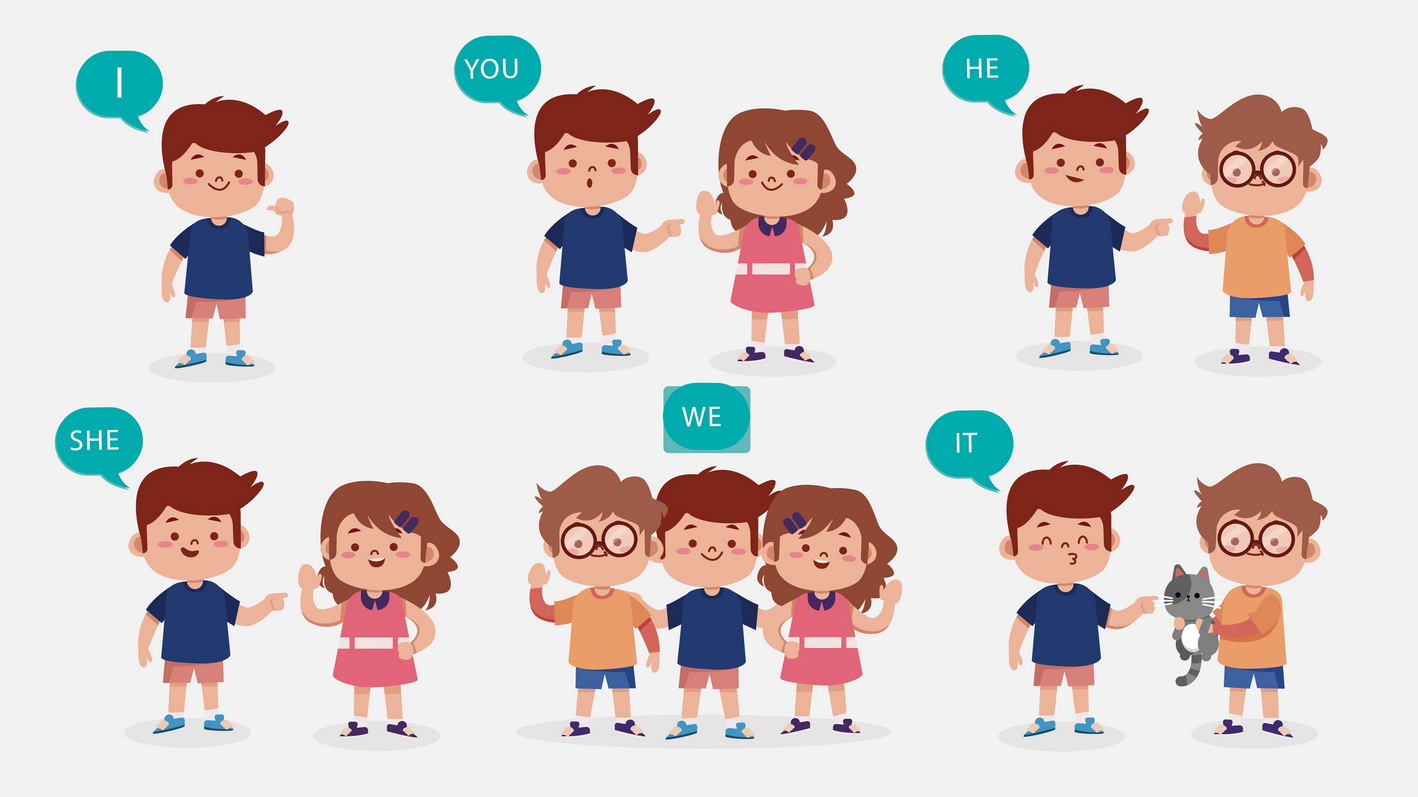


Phonics skills are crucial for children aged 6-8, as these foundational abilities directly influence their reading and writing proficiency. First, phonics helps children understand the relationships between letters and sounds, empowering them to decode words effectively. This skill is essential in fostering a love for reading, as confident readers are more likely to enjoy and engage with literature.
Moreover, strong phonics skills support spelling and writing development. When children grasp phonics, they can sound out words and write them more accurately, facilitating clearer expression of ideas. This enhances their overall communication skills, which are vital not only academically but also socially.
Consider the long-term impact: children with solid phonics knowledge are better positioned for academic success, as reading is fundamental across all subjects. Therefore, parents and teachers should prioritize phonics skill improvement to ensure that children are well-supported in their learning journeys.
By providing targeted phonics instruction and engaging activities, adults can nurture confident, skilled readers and writers. Ultimately, cultivating phonics skills in young learners paves the way for lifelong literacy, critical thinking, and a positive educational experience, making it a worthwhile focus for both parents and educators.








