Understanding punctuation Punctuation Worksheets for Ages 6-8
3 filtered results
-
From - To
Discover our comprehensive "Understanding Punctuation Worksheets" designed specifically for children aged 6-8. These engaging worksheets help young learners master essential punctuation marks, including periods, commas, question marks, and exclamation points. Through a variety of fun and interactive exercises, kids will develop their writing skills and improve their comprehension. Our material encourages creativity while reinforcing the rules of punctuation that are crucial for effective communication. Perfect for both classroom and home learning, these worksheets are perfect for supporting early literacy development. Transform learning into a playful experience and watch your child's confidence soar as they understand the importance of punctuation!
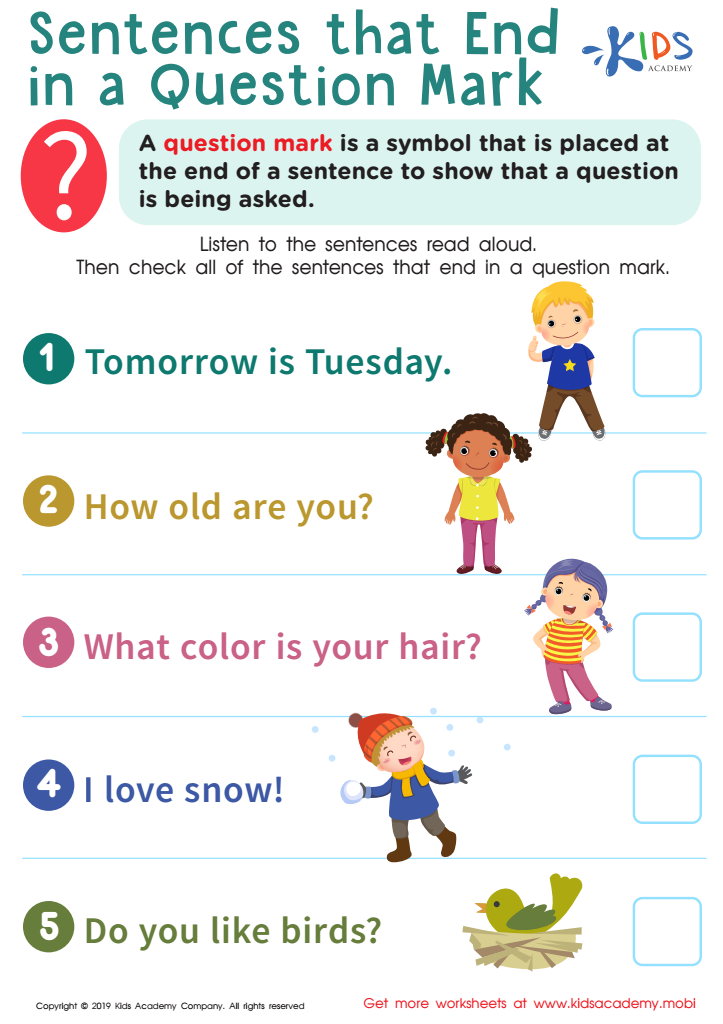
Sentences That End in an Question Mark Worksheet
 Assign to My Students
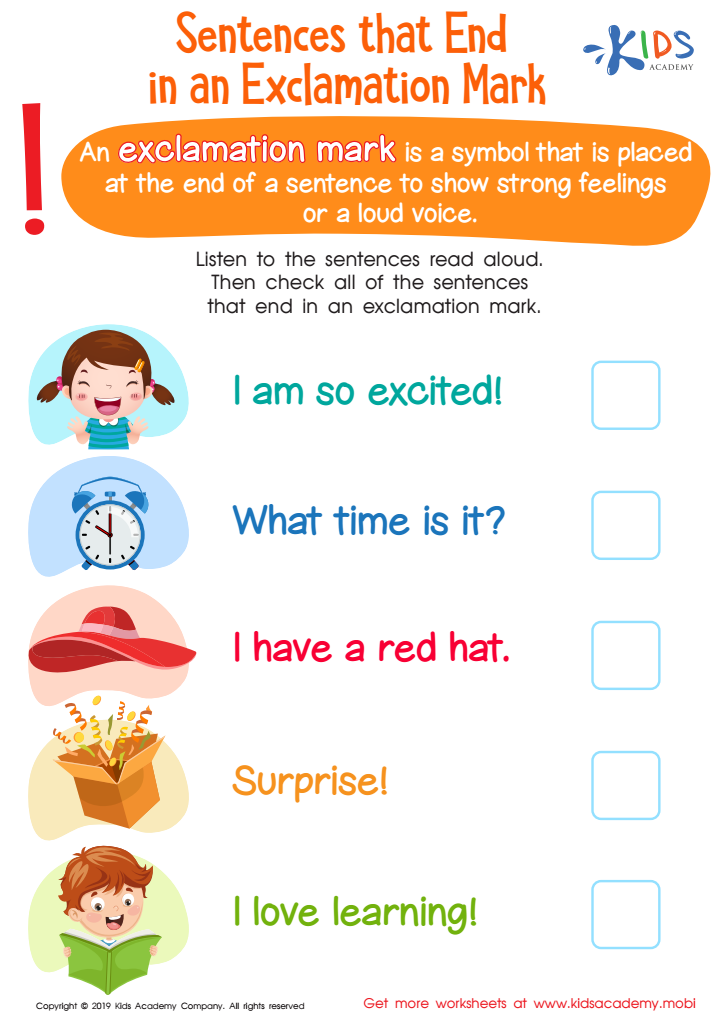
Sentences That End in an Exclamation Mark Worksheet
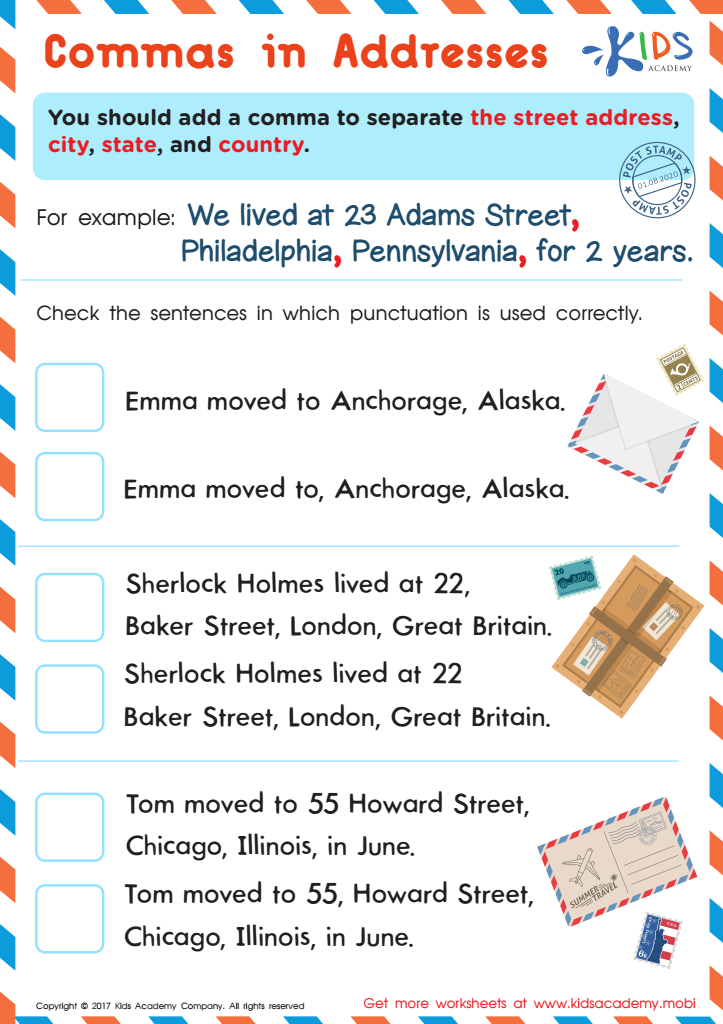
Commas in Addresses Worksheet




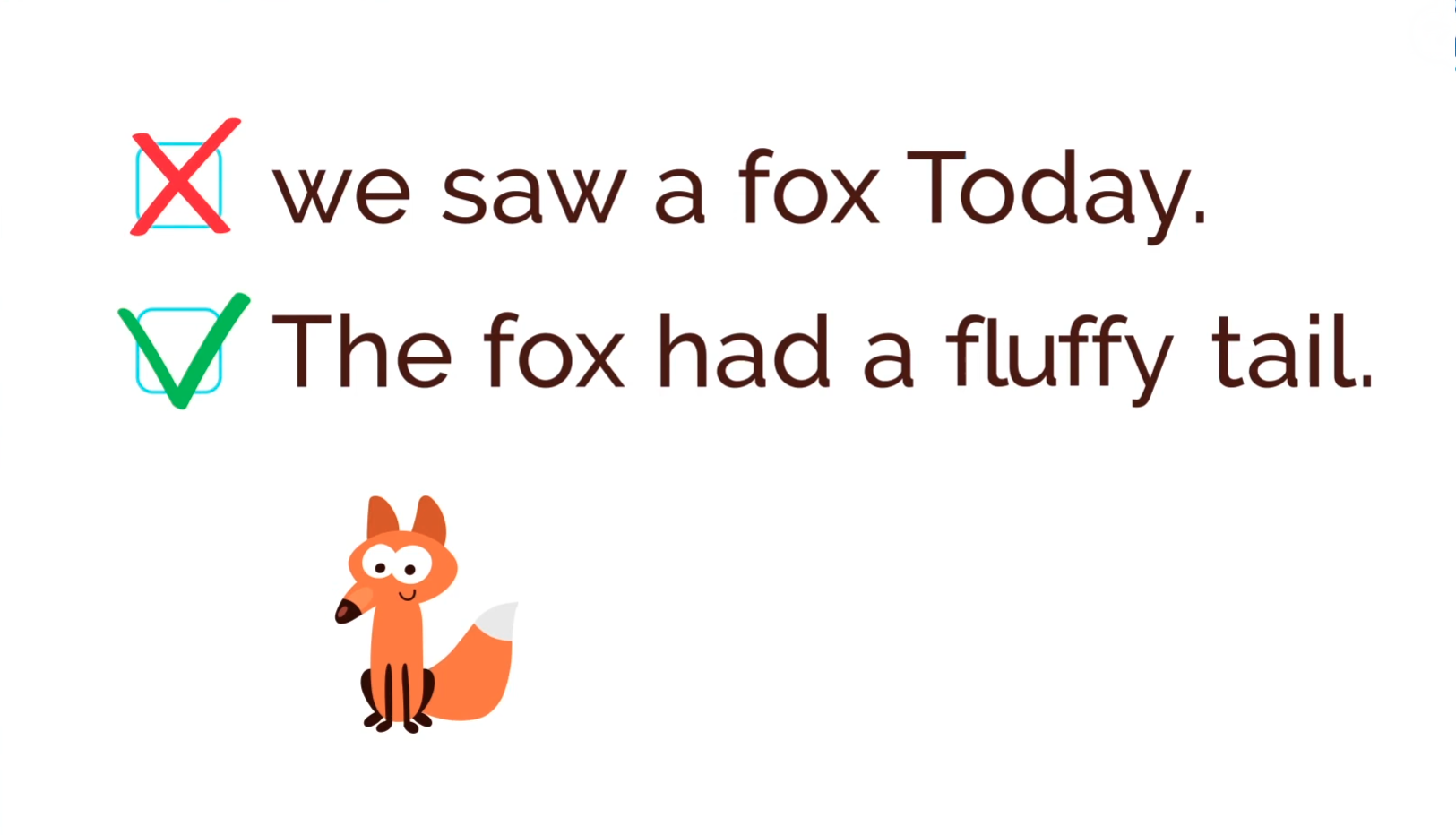

Understanding punctuation is crucial for children aged 6-8, as it serves as the framework for effective communication. At this formative stage, children are beginning to develop their reading and writing skills, and proper punctuation plays a vital role in these processes. Parents and teachers should prioritize teaching punctuation to help children convey their thoughts clearly and accurately.
Punctuation marks, such as periods, commas, and question marks, guide readers in understanding the meaning and tone of sentences. For instance, a simple change in punctuation can alter the interpretation of a sentence entirely, which underscores its importance in daily communication. Furthermore, being proficient in punctuation empowers children to express themselves creatively and understand the nuances of language.
An early grasp of punctuation equips students with the skills needed for academic success. As they progress through school, effective writing becomes increasingly essential, and children who understand punctuation will find it easier to construct coherent sentences and paragraphs. By fostering a solid foundation in punctuation at a young age, parents and teachers can enhance literacy development, leading to improved reading comprehension and writing abilities that will benefit students throughout their educational journey and beyond.








