Hand-eye Coordination Alphabet Worksheets for Ages 6-9
21 filtered results
-
From - To
Discover our engaging Hand-eye Coordination Alphabet Worksheets designed for children aged 6-9! These printable activities seamlessly blend fun and learning, helping young learners enhance their motor skills while mastering the alphabet. Each worksheet is crafted to reinforce hand-eye coordination through activities such as tracing, connecting dots, and identifying letters. Perfect for parents and teachers, these resources make learning both interactive and enjoyable. Watch your children build confidence in their writing abilities as they practice letter recognition and formation. Explore our collection today and nurture your child's developmental skills with playful, educational exercises that make a lasting impact!
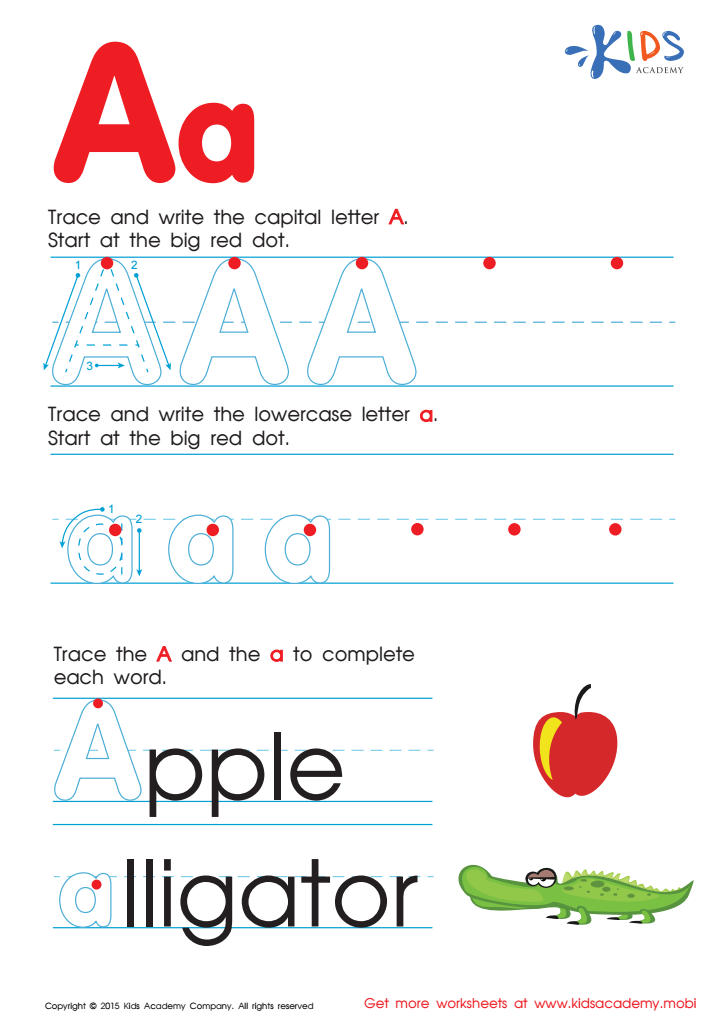
Letter A Tracing Page
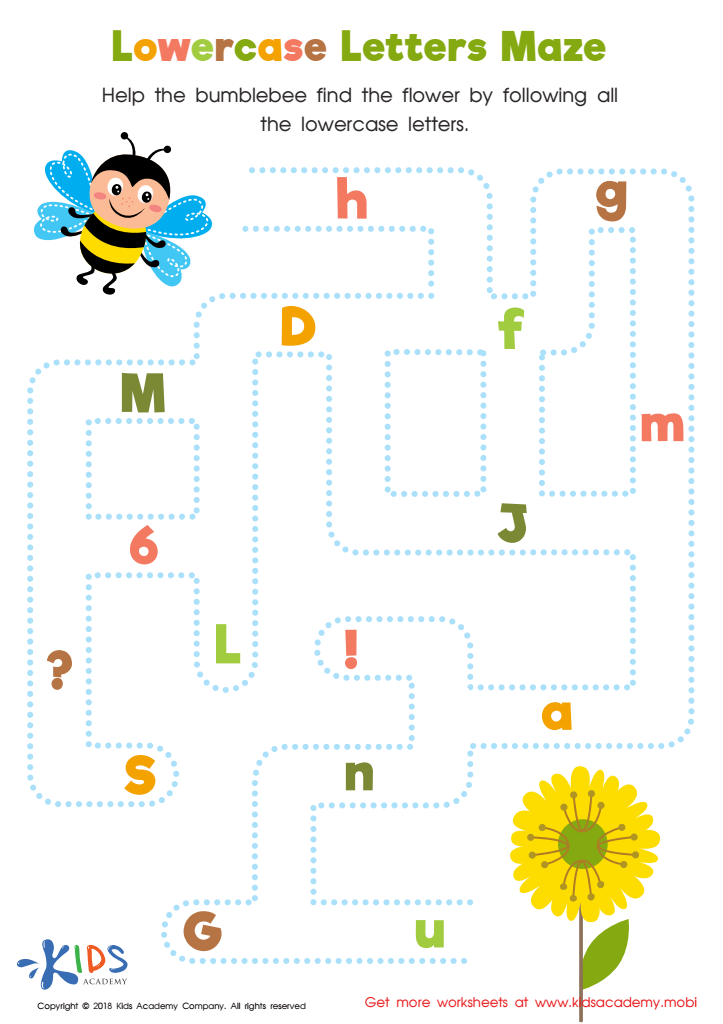
Lowercase Letters Maze Worksheet
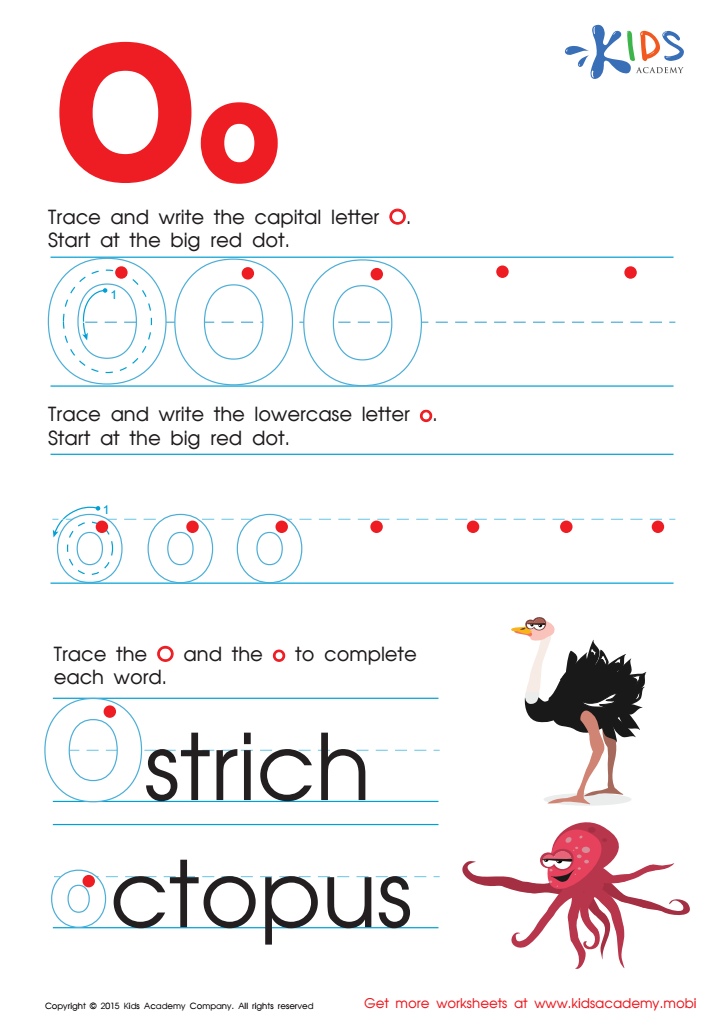
Letter O Tracing Page
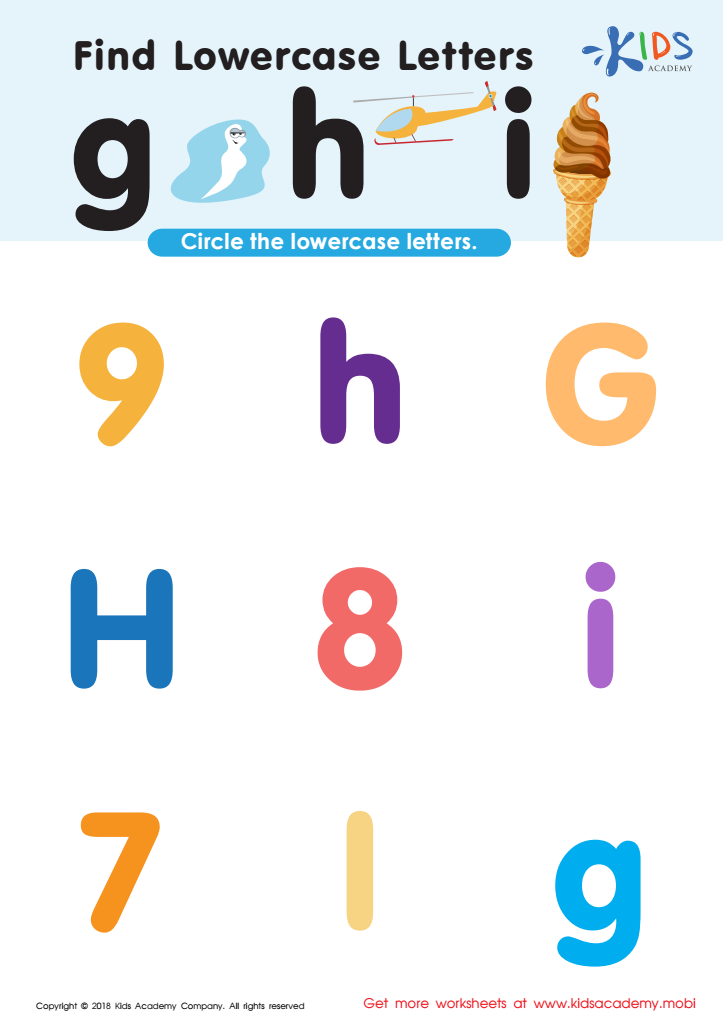
Find Lowercase Letters g h i Worksheet

Letter P Tracing Page
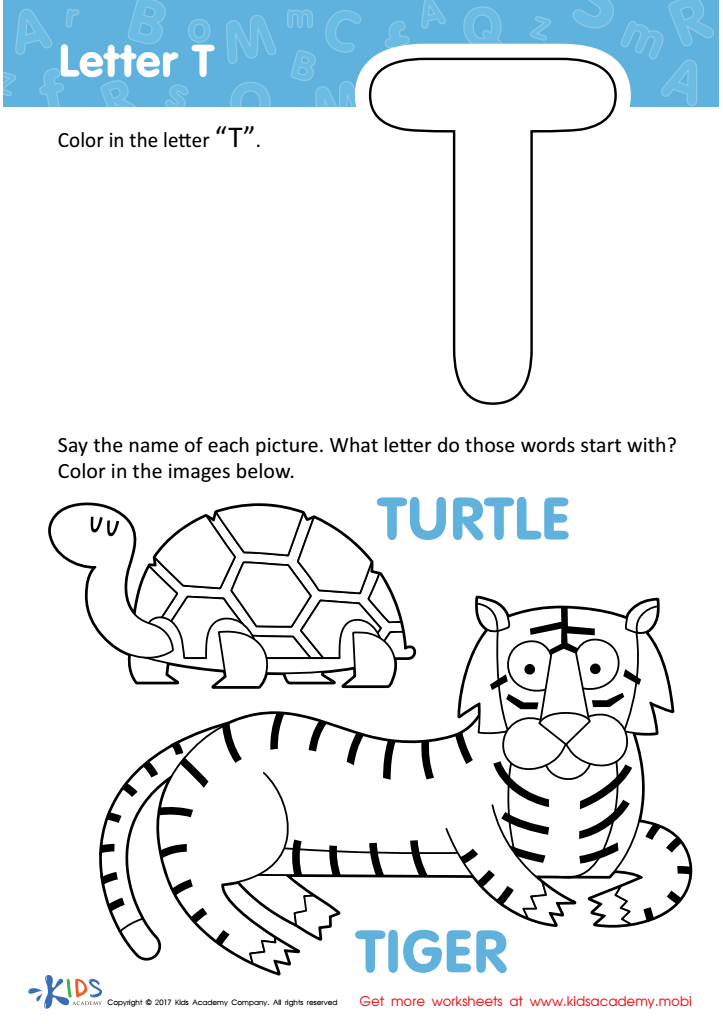
Letter T Coloring Sheet
 Assign to My Students

Letter H Tracing Page
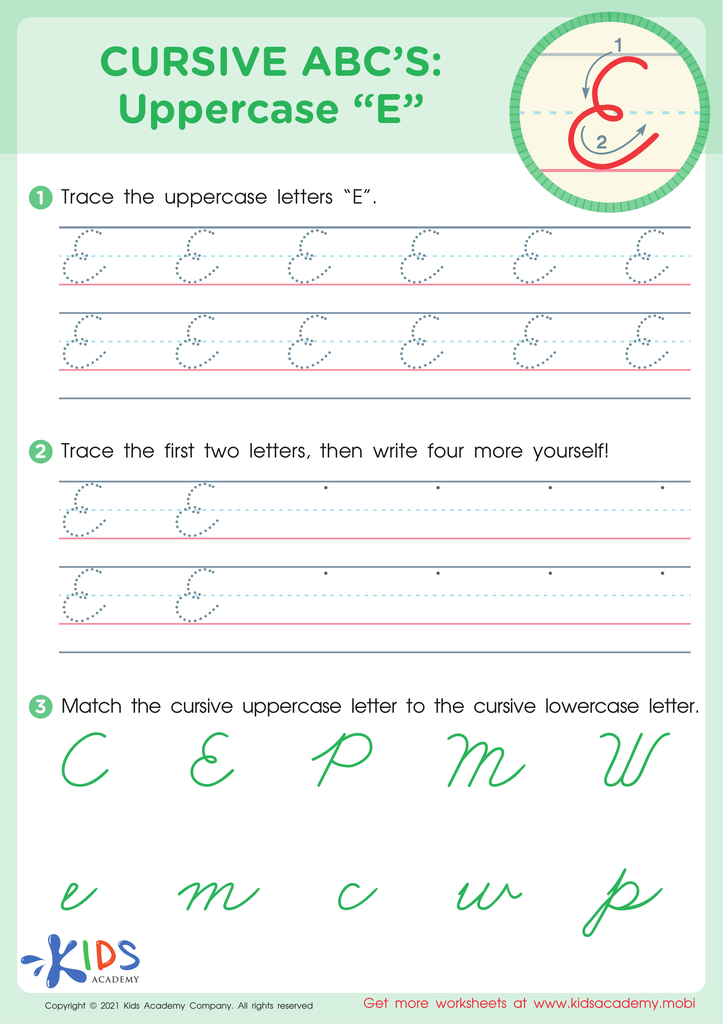
Cursive ABCs: Uppercase E
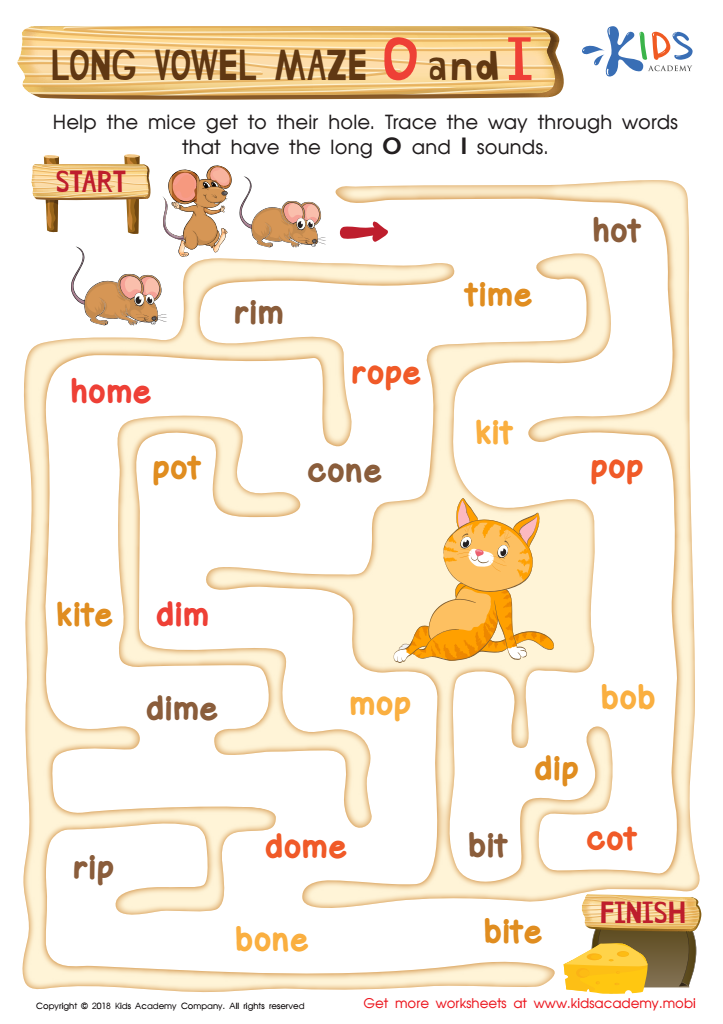
Long Vowel Maze /o/ and /i/ Worksheet
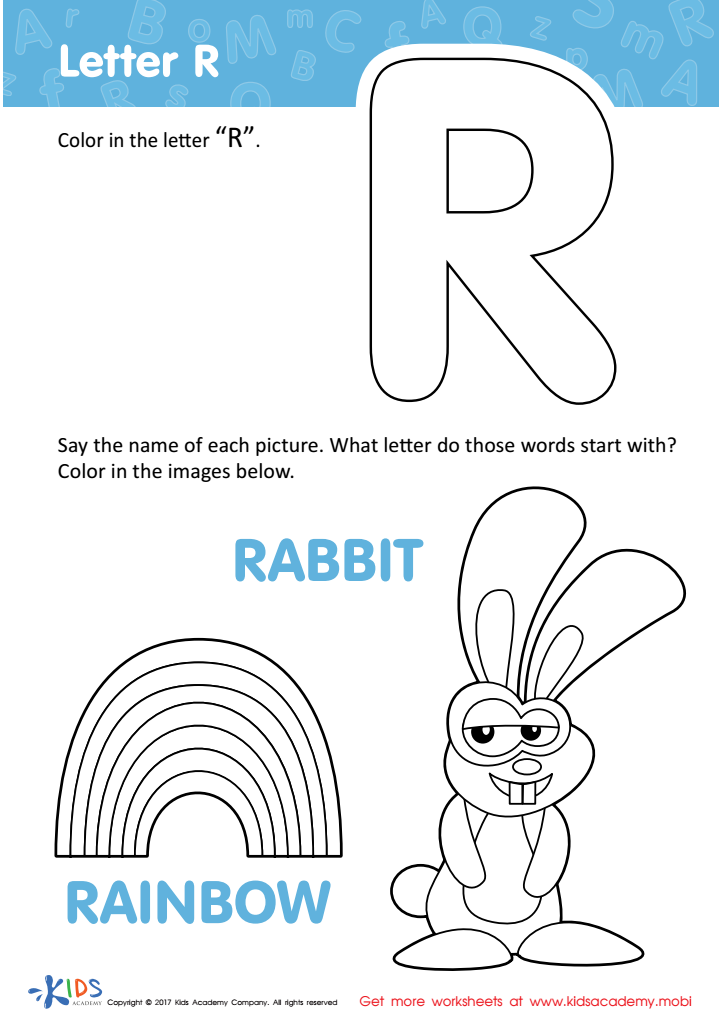
Letter R Coloring Sheet
Assign to My Students
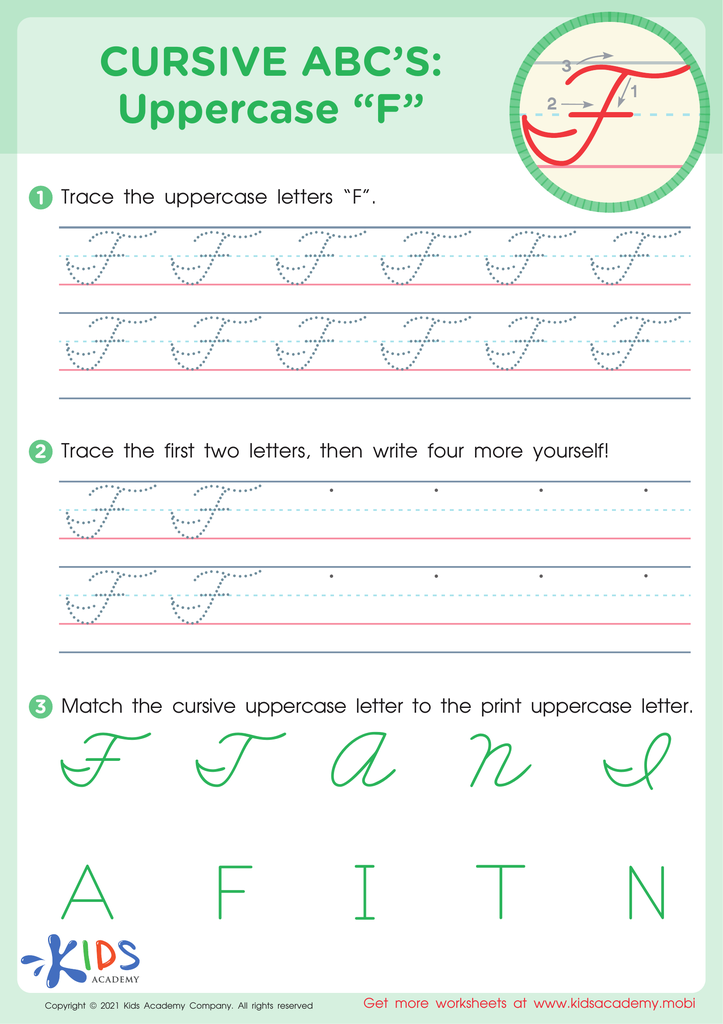
Cursive ABCs: Uppercase F
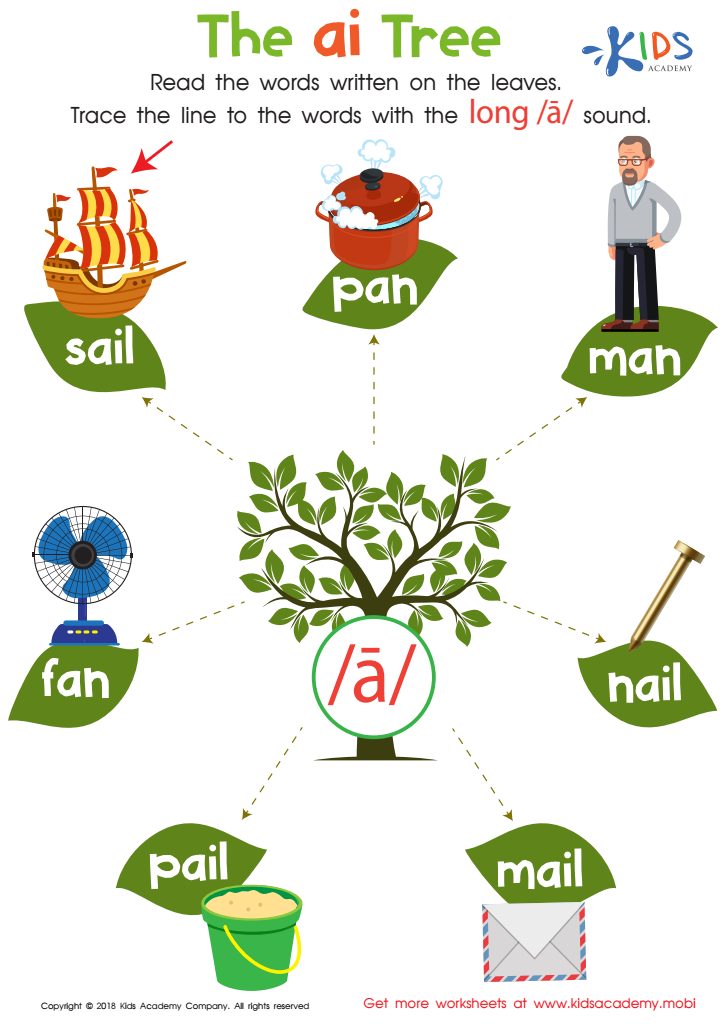
The AI Tree Worksheet
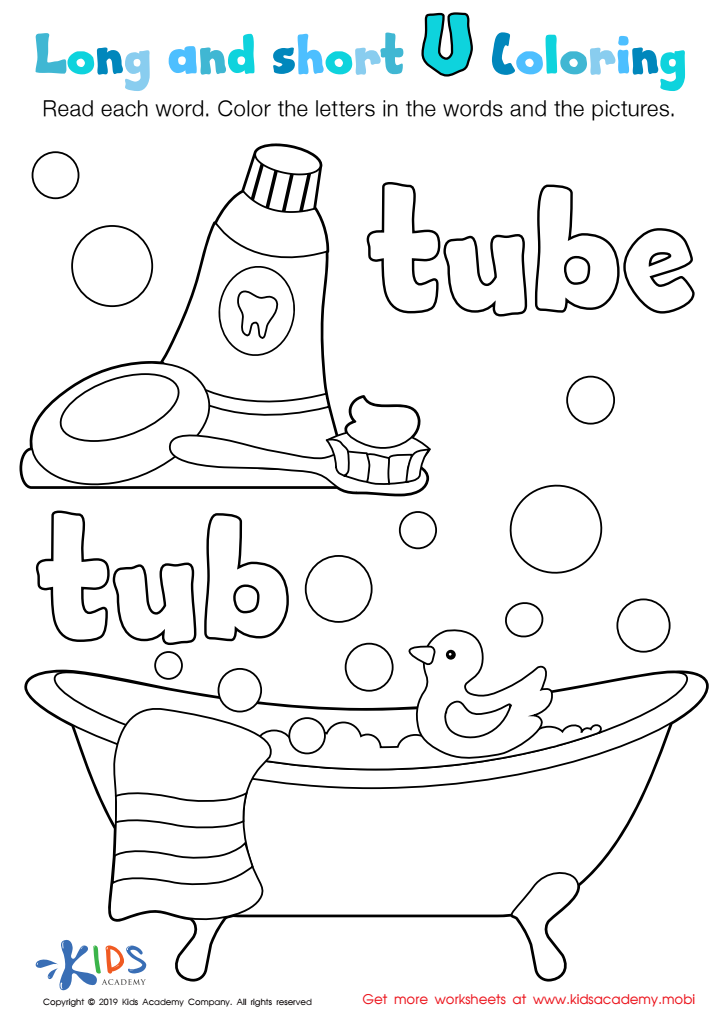
Long and Short U Worksheet
Assign to My Students
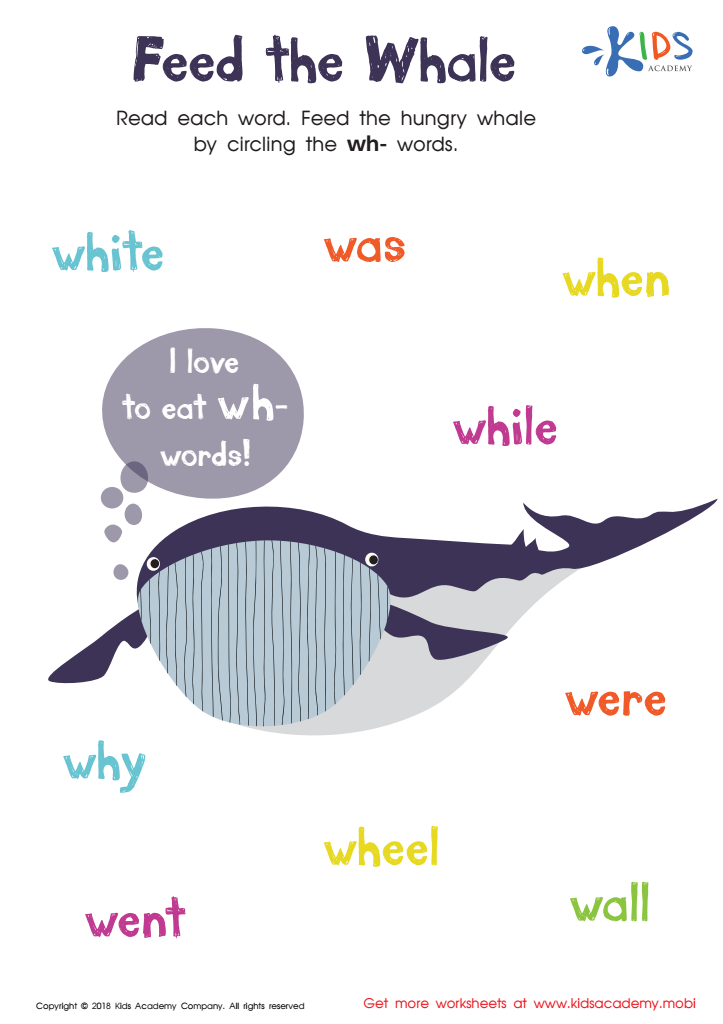
Feed the Whale Worksheet
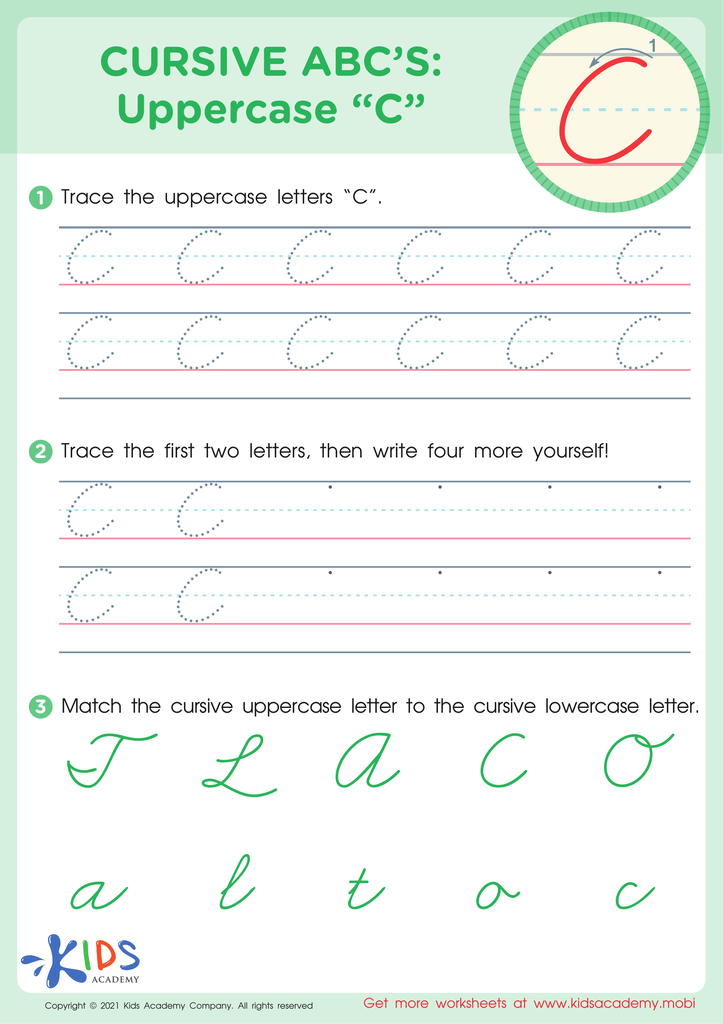
Cursive ABCs: Uppercase C
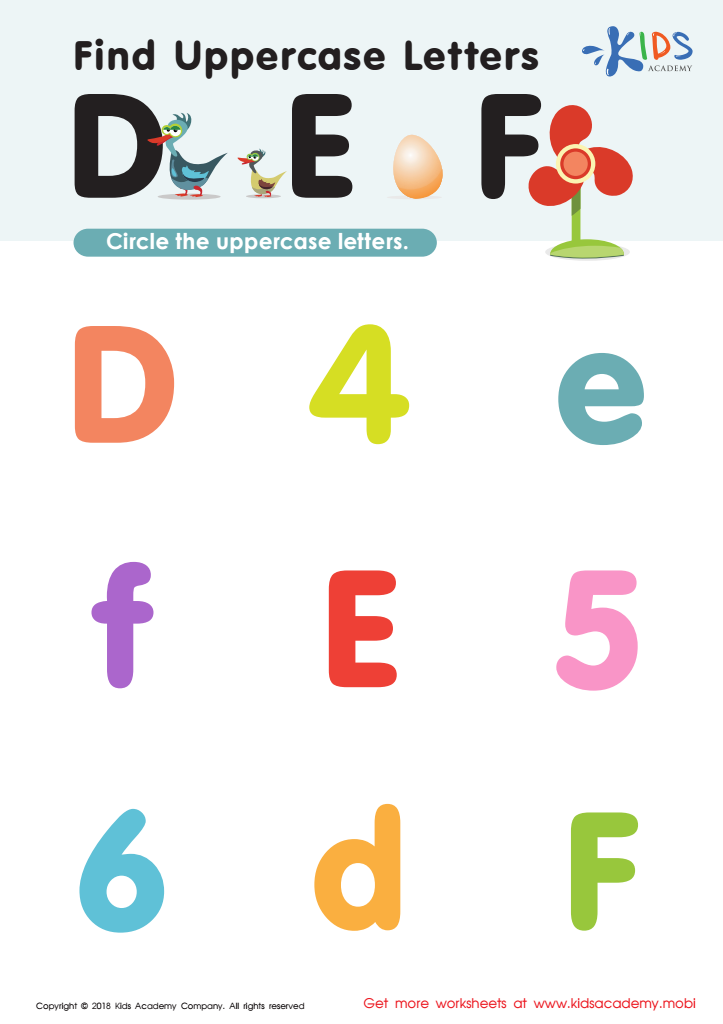
Find Uppercase Letters D, E, and F Worksheet
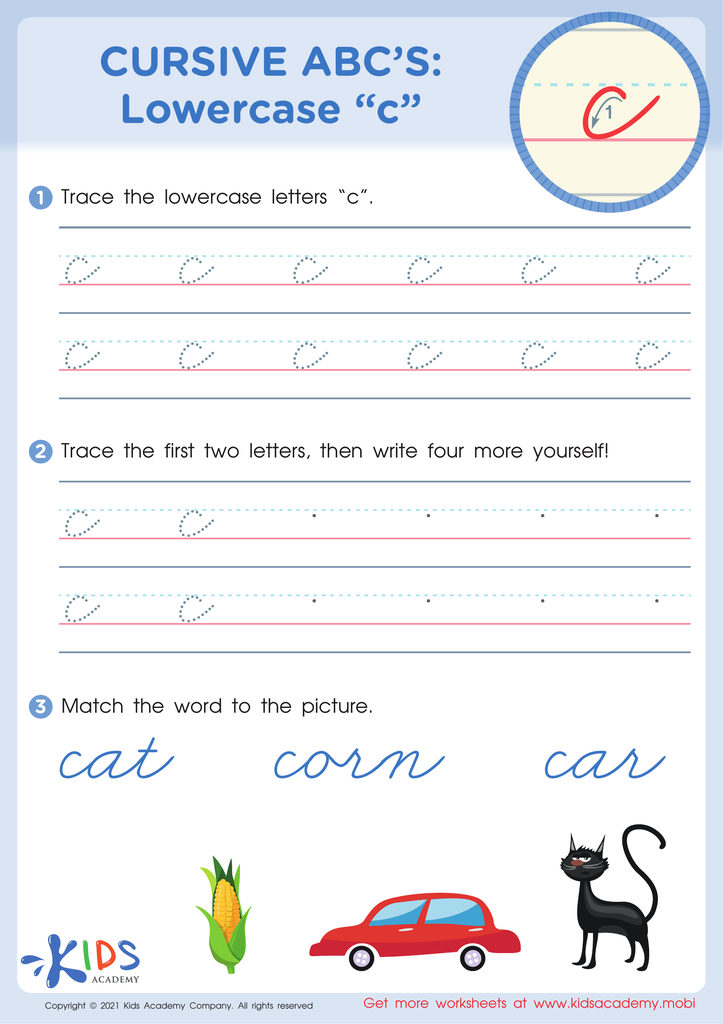
Cursive ABCs: Lowercase c
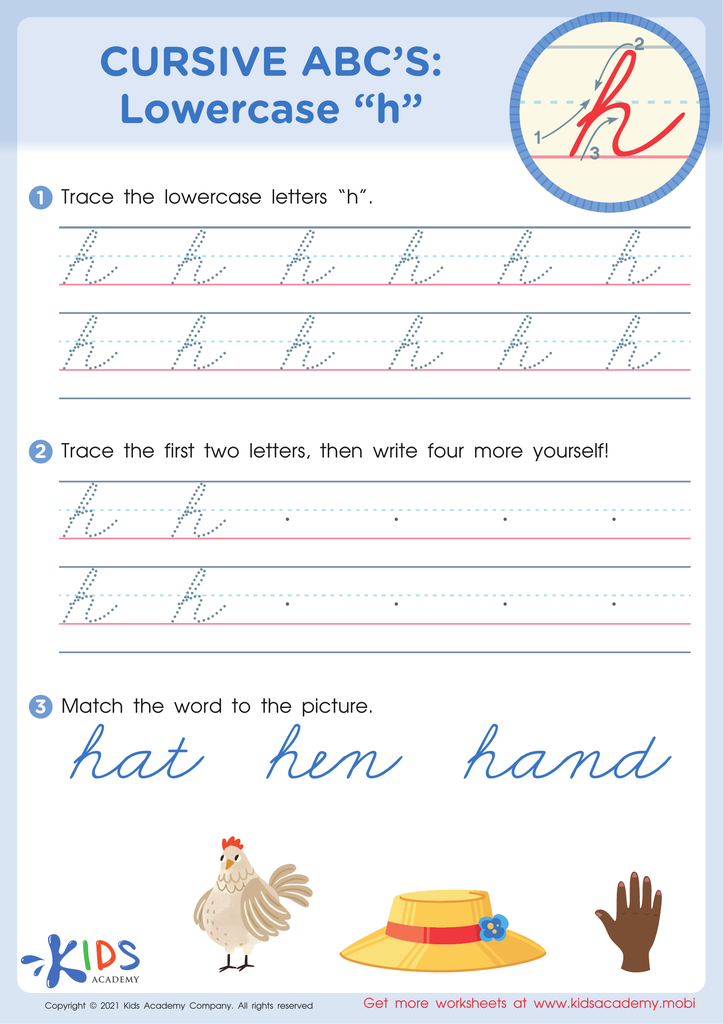
Cursive ABCs: Lowercase h

Long and Short E Worksheet
Assign to My Students

Letter D Tracing Page
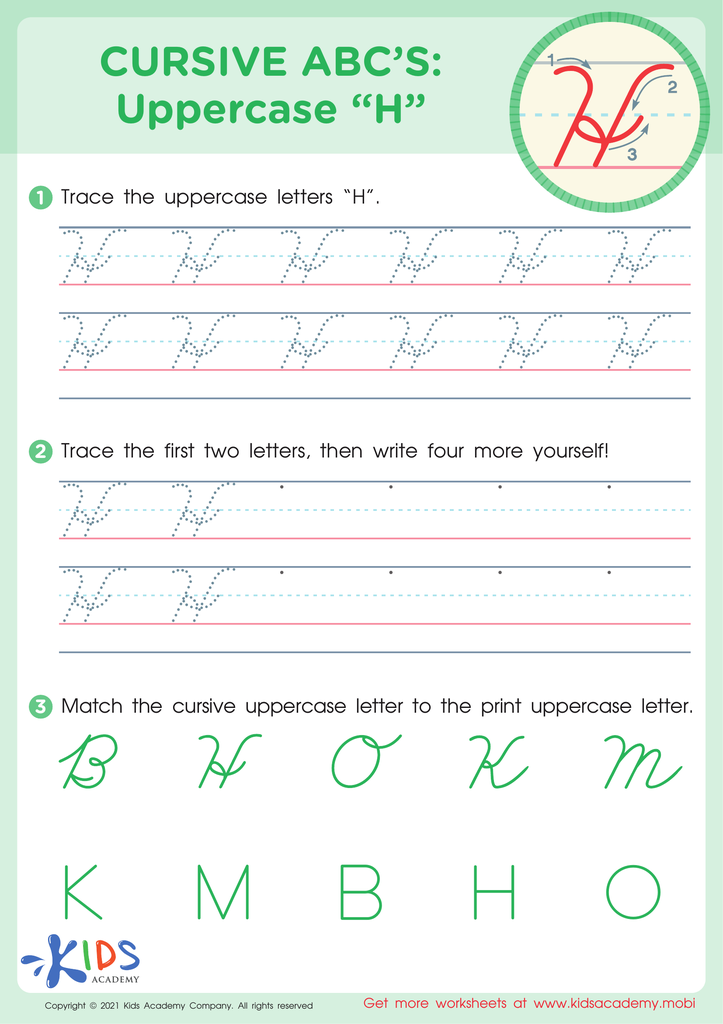
Cursive ABCs: Uppercase H





.jpg)

Hand-eye coordination is a crucial skill for children, particularly for those in the age group of 6-9 years. During this developmental stage, children engage in various activities that require precise movements, such as writing, drawing, and playing sports. The Hand-eye Coordination Alphabet aligns with these activities by promoting essential motor skills through creative exercises.
Parents and teachers should care about this concept because strong hand-eye coordination is foundational for academic success and overall physical development. Children who have well-developed coordination are more adept at tasks that involve fine motor skills, which are critical for early literacy, such as holding a pencil correctly and forming letters accurately.
Moreover, improving hand-eye coordination can enhance a child’s confidence and motivation. Mastering these skills through engaging games, crafts, or activities fosters a sense of accomplishment. It also encourages teamwork and social interaction when practiced in group settings, contributing to emotional and social development.
By prioritizing hand-eye coordination during these formative years, parents and teachers can support rounded growth, laying the groundwork for future learning and physical pursuits. Ultimately, developing these skills in children aids in bridging the gap between physical activity and cognitive engagement, which is vital for lifelong well-being.







