Vocabulary Enrichment Alphabet Worksheets for Ages 6-9
9 filtered results
-
From - To
Discover our engaging Vocabulary Enrichment Alphabet Worksheets designed for children ages 6-9! These worksheets are perfect for enhancing language skills and expanding vocabulary. Each activity incorporates fun illustrations and easy-to-follow prompts, making learning enjoyable. Kids will explore words related to each letter of the alphabet, develop their spelling and writing abilities, and improve comprehension through interactive exercises. Our resources are tailored to meet the developmental needs of early learners while fostering a love for reading and language. Perfect for classroom use or at-home practice, our worksheets provide a solid foundation for literacy success while encouraging creativity and critical thinking!
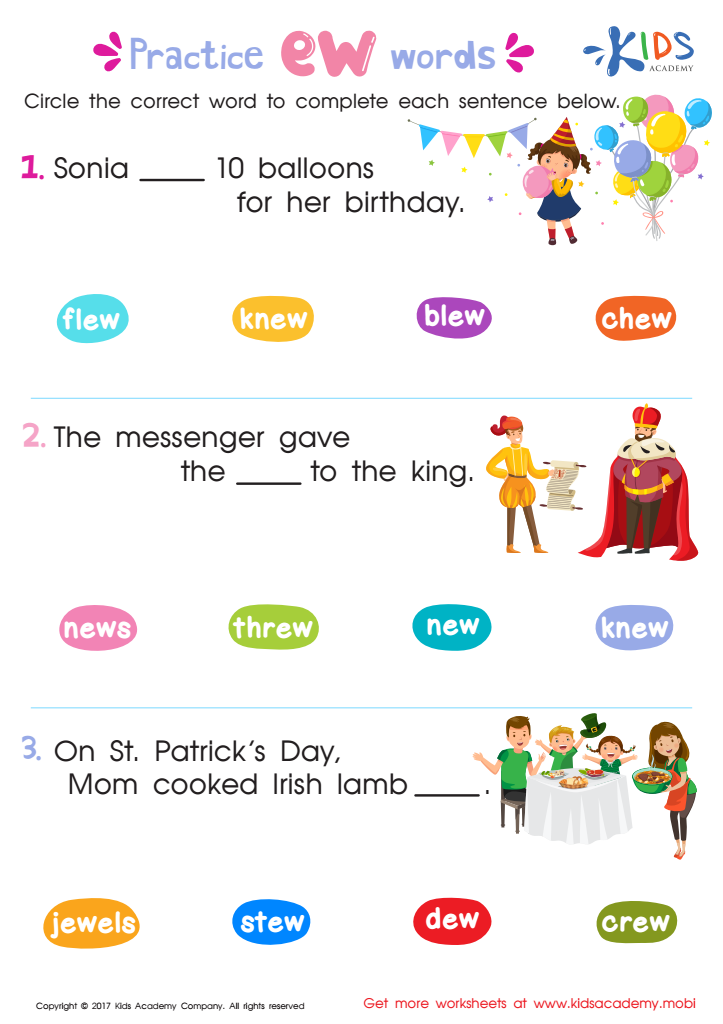
EW Words Worksheet
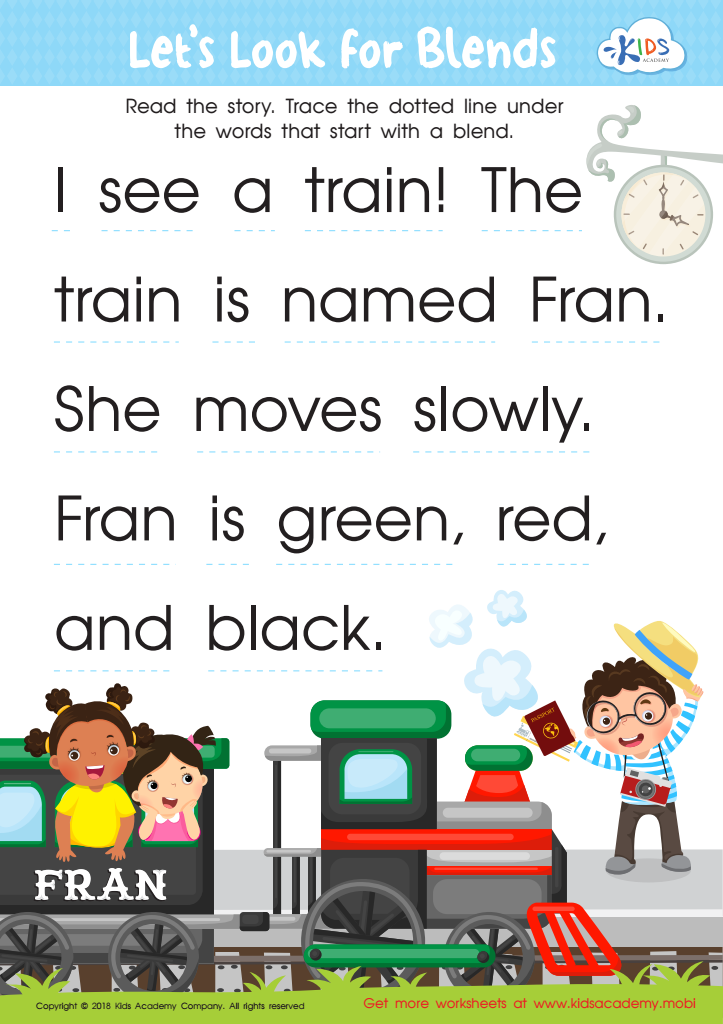
Let's Look for Blends Worksheet
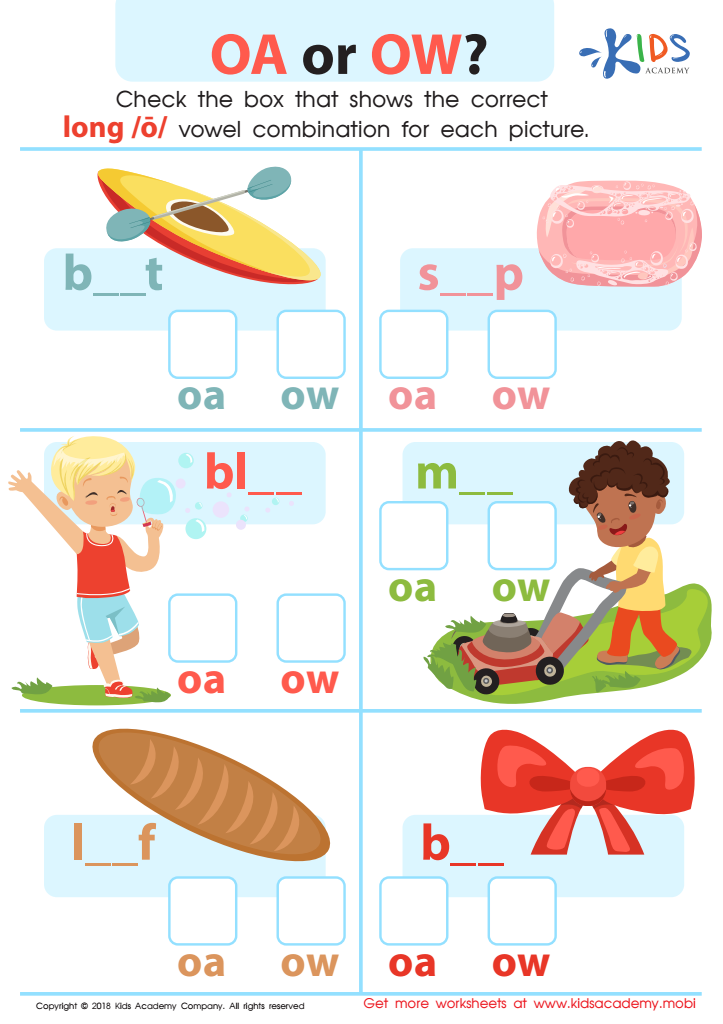
Reading: OA or OW Worksheet
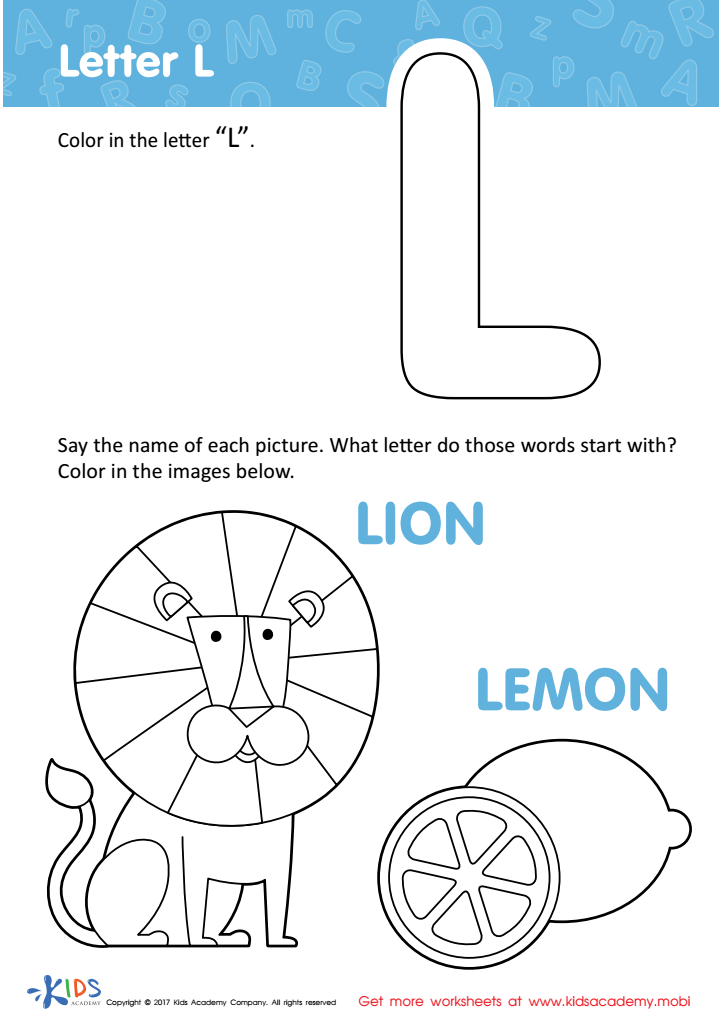
Letter L Coloring Sheet
 Assign to My Students
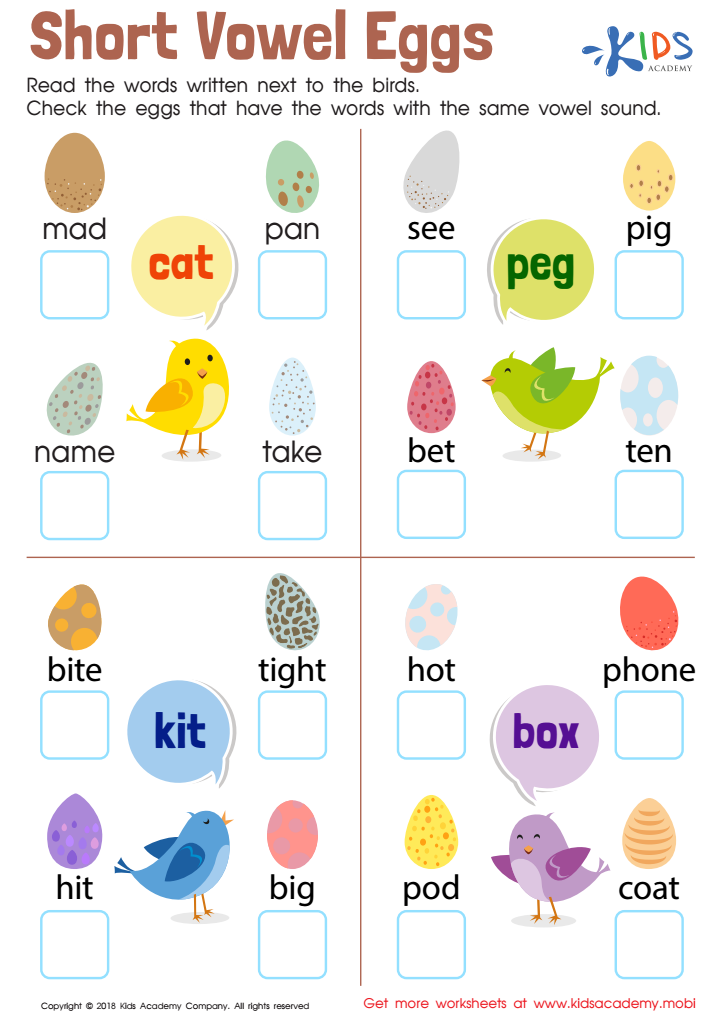
Short Vowel Eggs Worksheet
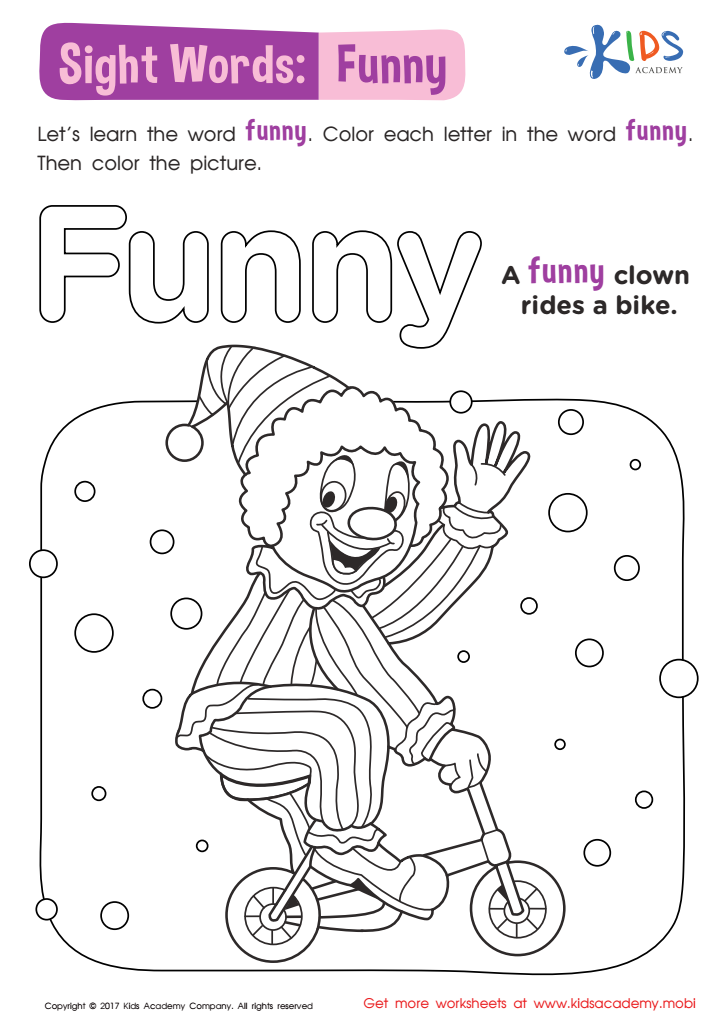
Funny Worksheet Sight Words Worksheet
Assign to My Students
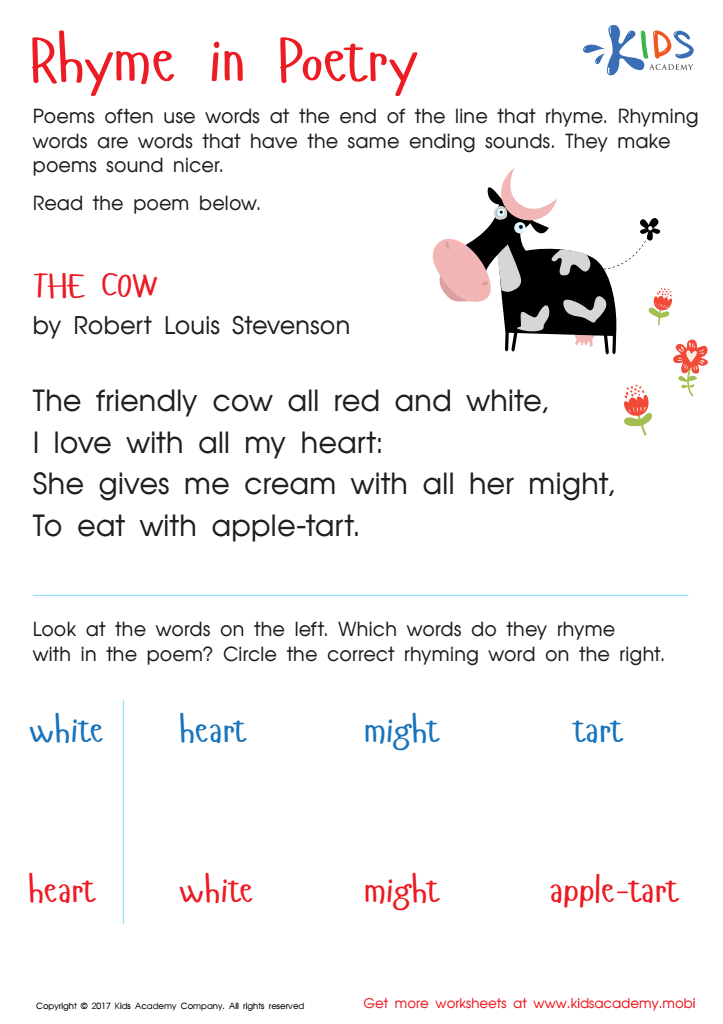
Rhyme In Poetry Worksheet
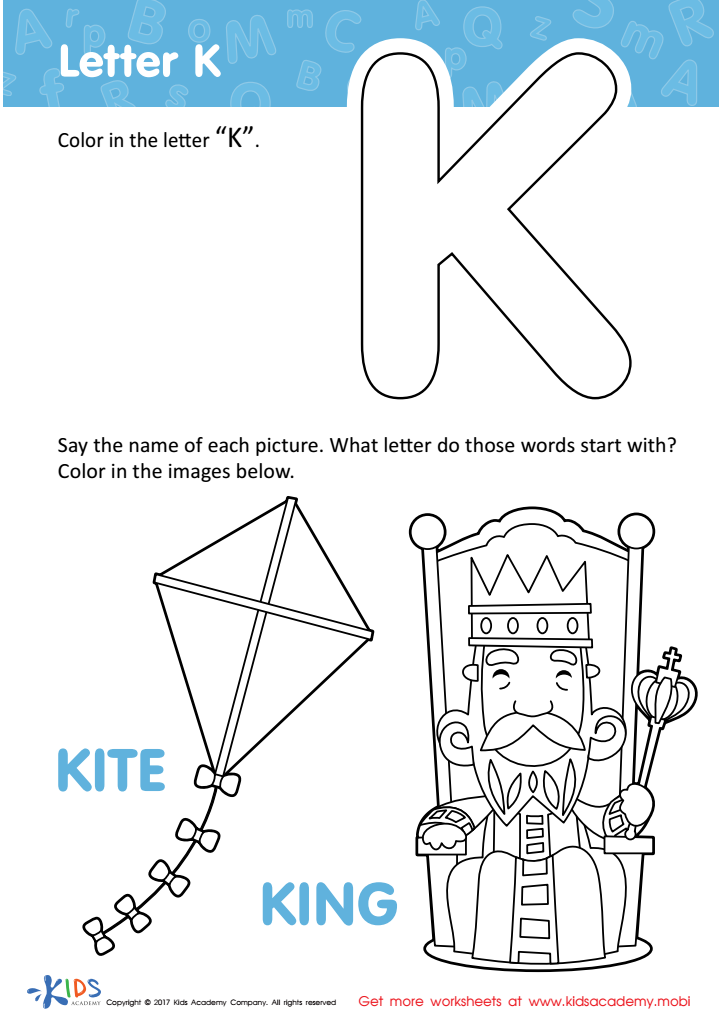
Letter K Coloring Sheet
Assign to My Students
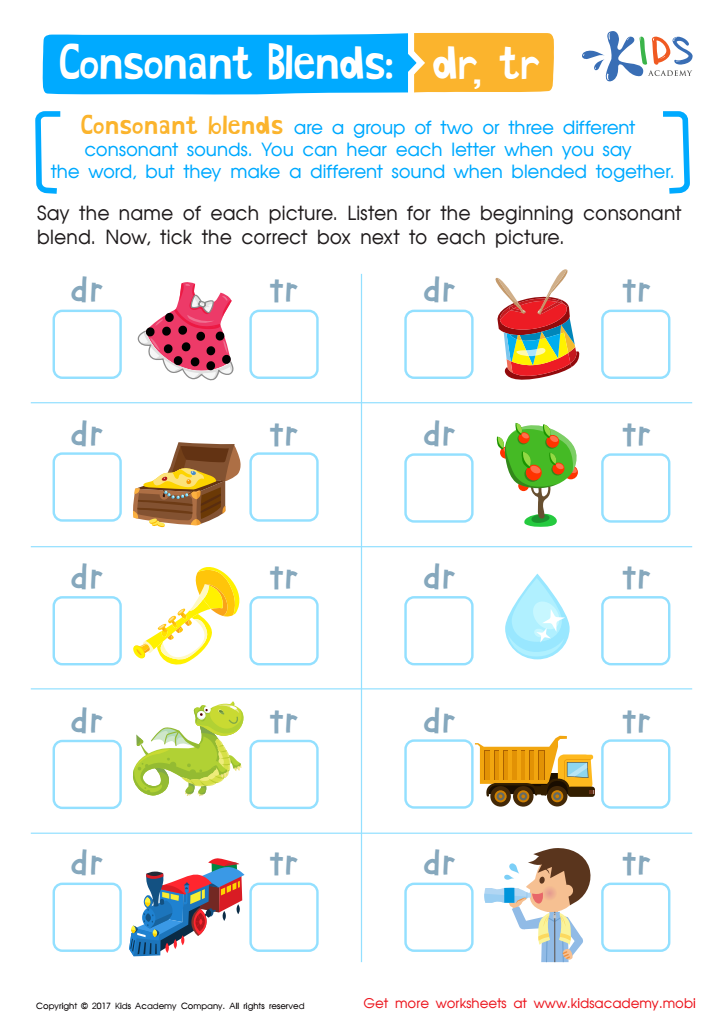
Consonant Blends: "Dr" and "Tr" Printable







Vocabulary Enrichment Alphabet for Ages 6-9 is a vital tool for fostering language development in young learners. During these formative years, children's cognitive and communicative skills flourish. By introducing an engaging Alphabet approach, educators and parents can elevate vocabulary acquisition in fun and memorable ways.
From an educational perspective, a rich vocabulary is essential for comprehension and communication. Children with a broad vocabulary are better equipped to express their thoughts, understand diverse texts, and engage in meaningful conversations. This foundational skill enhances overall literacy, academic performance, and social interactions.
Moreover, vocabulary enrichment contributes to emotional and social development. It empowers children to articulate feelings and opinions, fostering empathy and collaboration with peers.
For parents, supporting vocabulary enrichment connects them to their child's learning journey, providing opportunities for meaningful discussions and shared reading experiences. Teachers can use creative methods, such as games, storytelling, and interactive activities, to make learning enjoyable and effective.
In summary, utilizing a Vocabulary Enrichment Alphabet cultivates essential language skills, yielding long-term benefits in communication, education, and interpersonal relationships. Therefore, both parents and teachers should actively engage in and promote such enriching practices in children's early education.







