Phonics practice Phonics Worksheets for Ages 6-9
17 filtered results
-
From - To
Welcome to our engaging Phonics Worksheets for Ages 6-9, designed to enhance your child’s phonetic skills in a fun and interactive way! Our carefully crafted resources focus on essential phonics concepts, helping young learners develop vital reading skills. Each worksheet encourages practice in letter sounds, blending, and word formation, fostering confidence and literacy growth. Ideal for both classroom and home use, these worksheets provide diverse activities tailored to varying skill levels—ensuring a comprehensive phonics education. Give your child the tools they need to excel in reading with our Phonics Worksheets, making learning an enjoyable adventure! Explore our collection today!
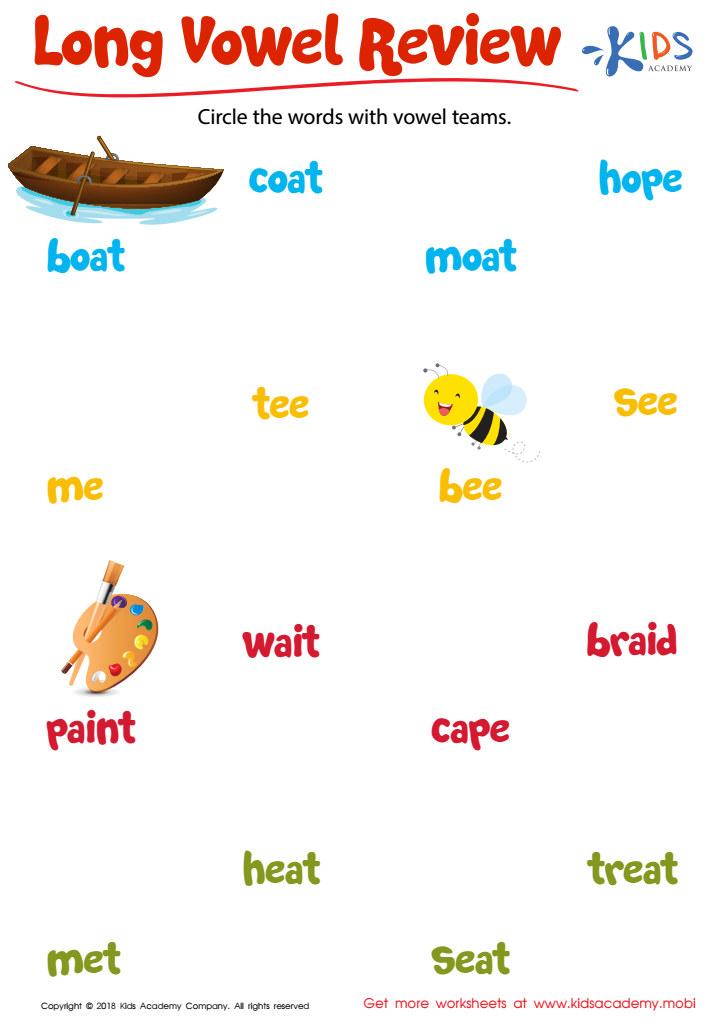
Long Vowel Review Worksheet
 Assign to My Students
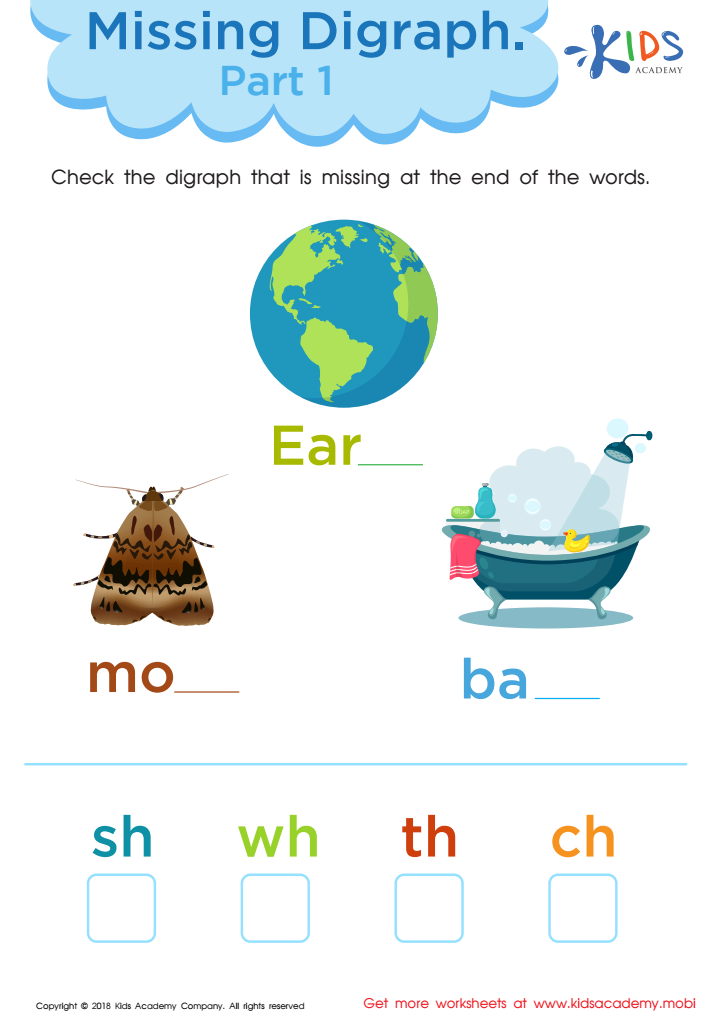
Missing Digraph: Part 1 Worksheet
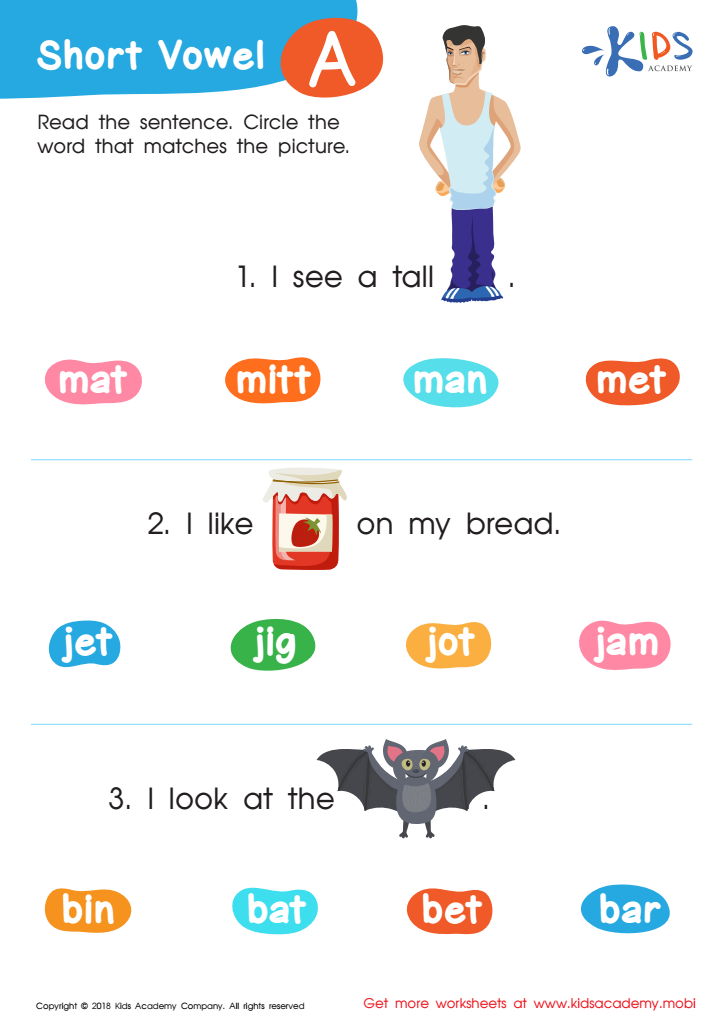
Short Vowel /a/ Worksheet
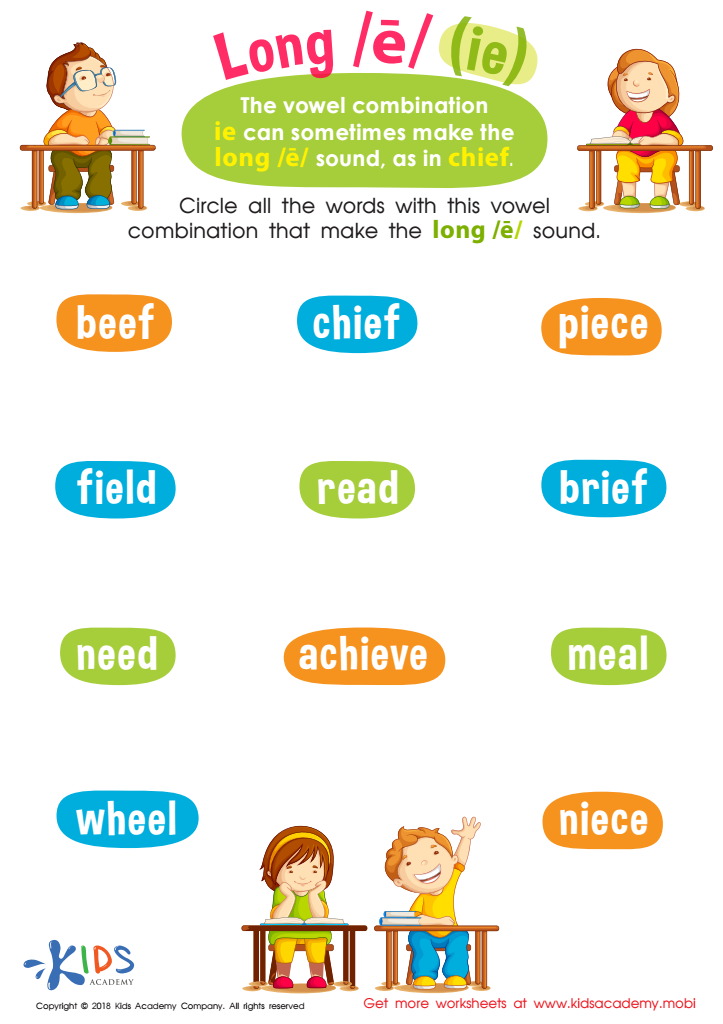
Reading: Long E and IE Worksheet
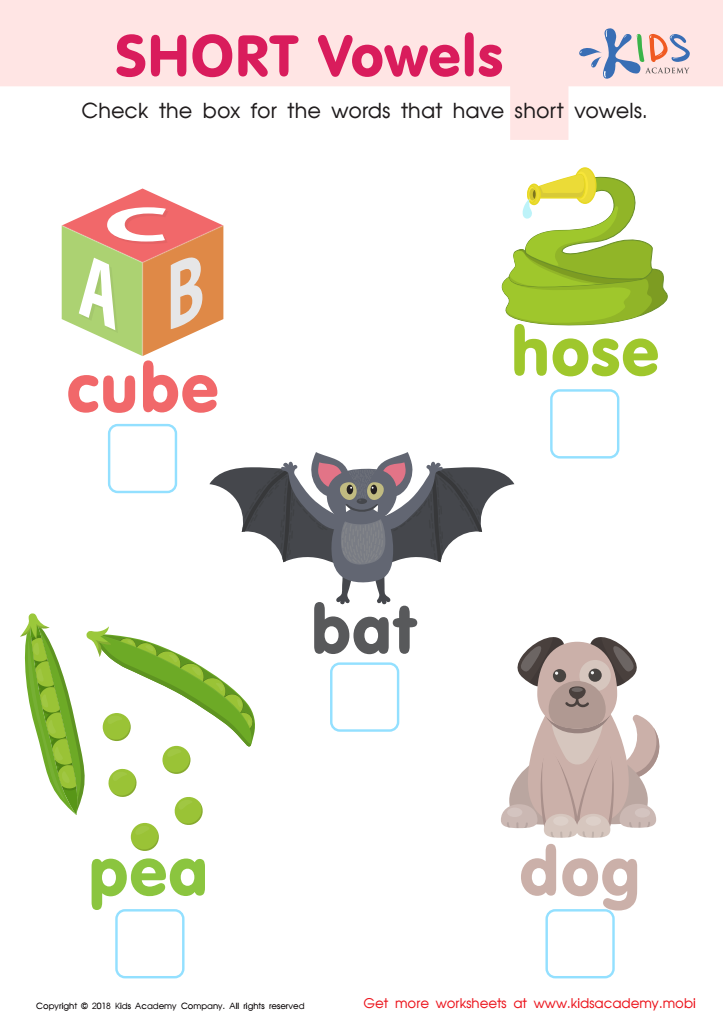
short vowels Worksheet
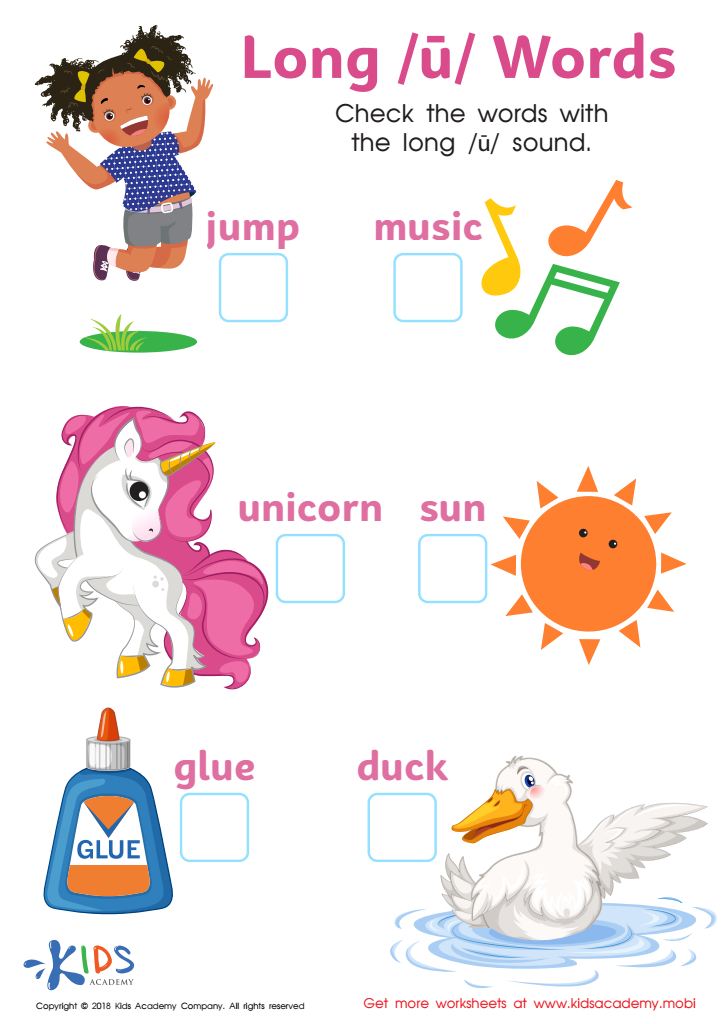
Long U Words Reading Worksheet
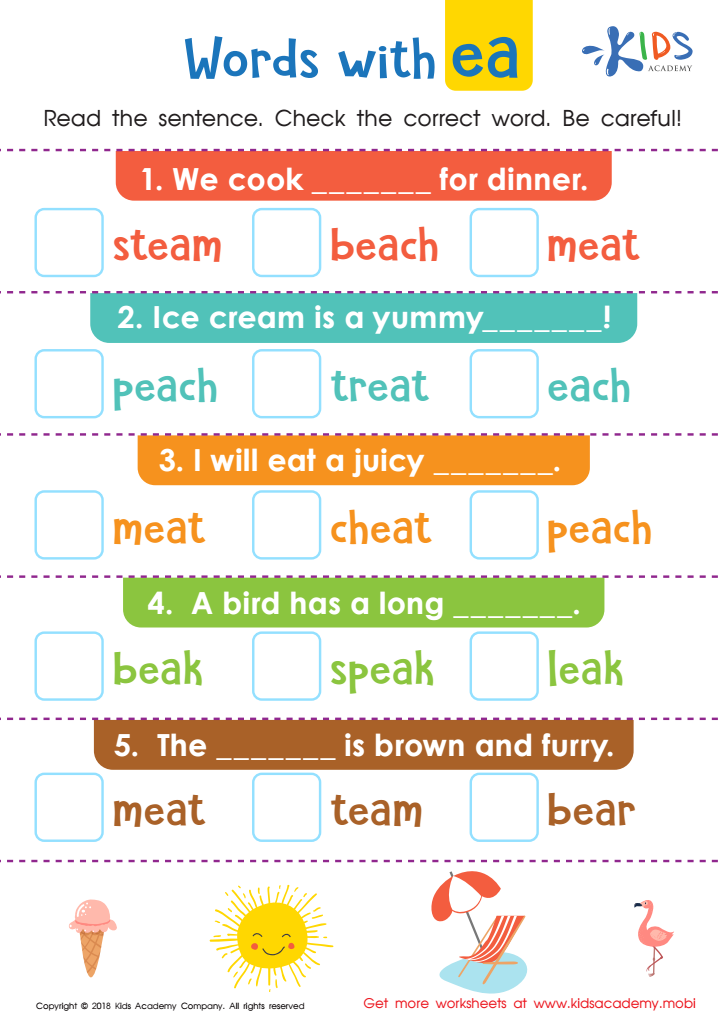
Words with ea Worksheet
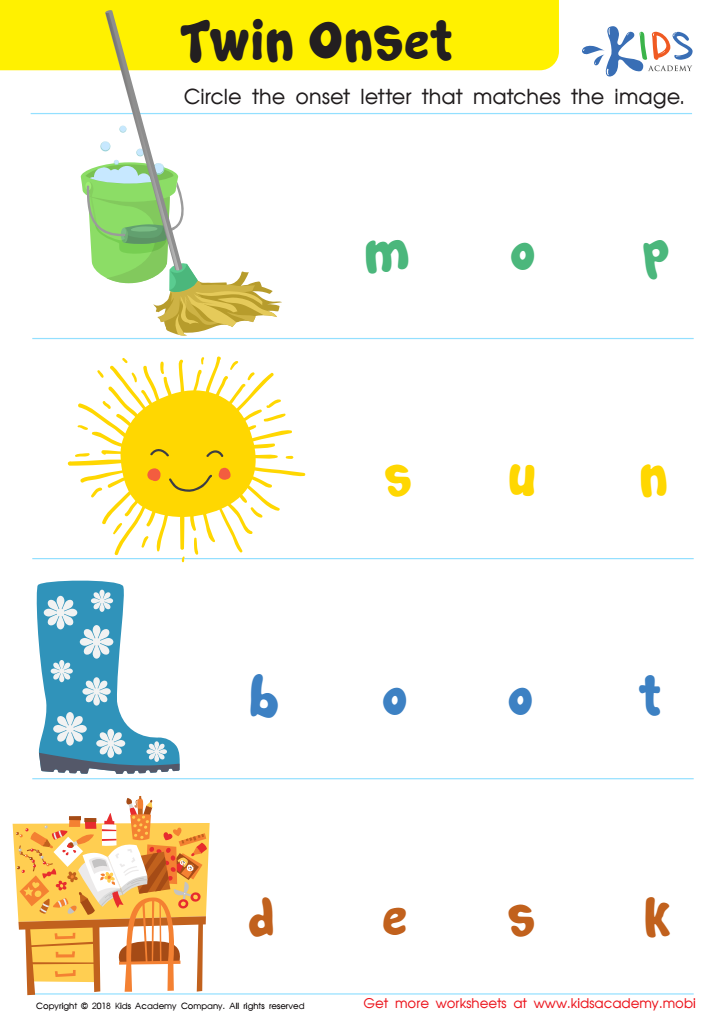
Twin Onset Worksheet
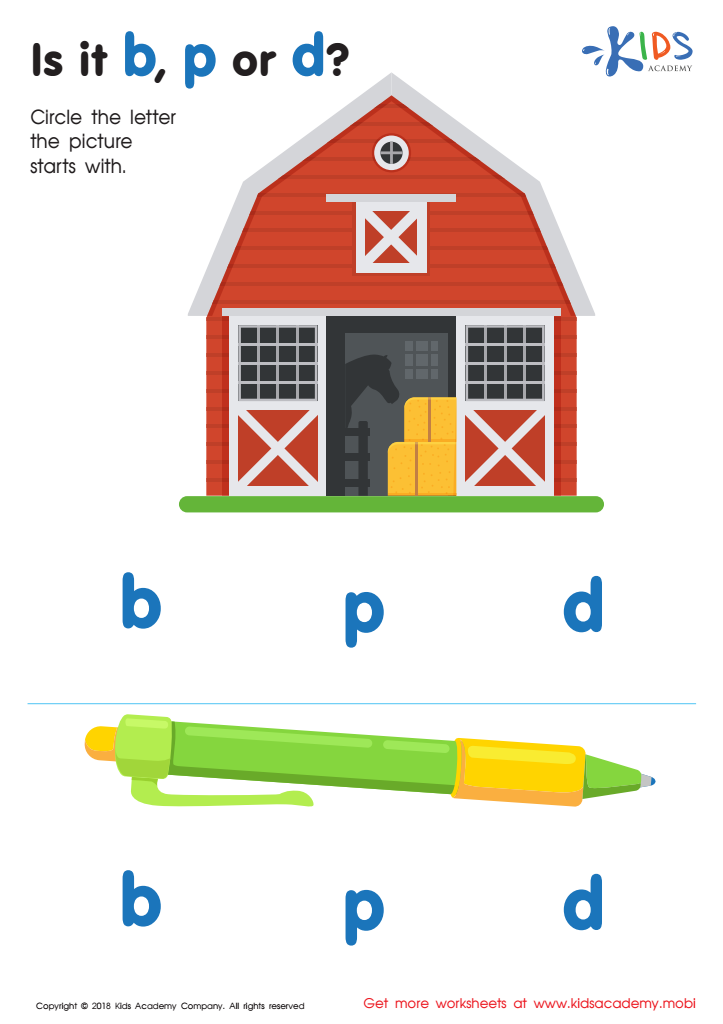
Is it b, p or d? Worksheet
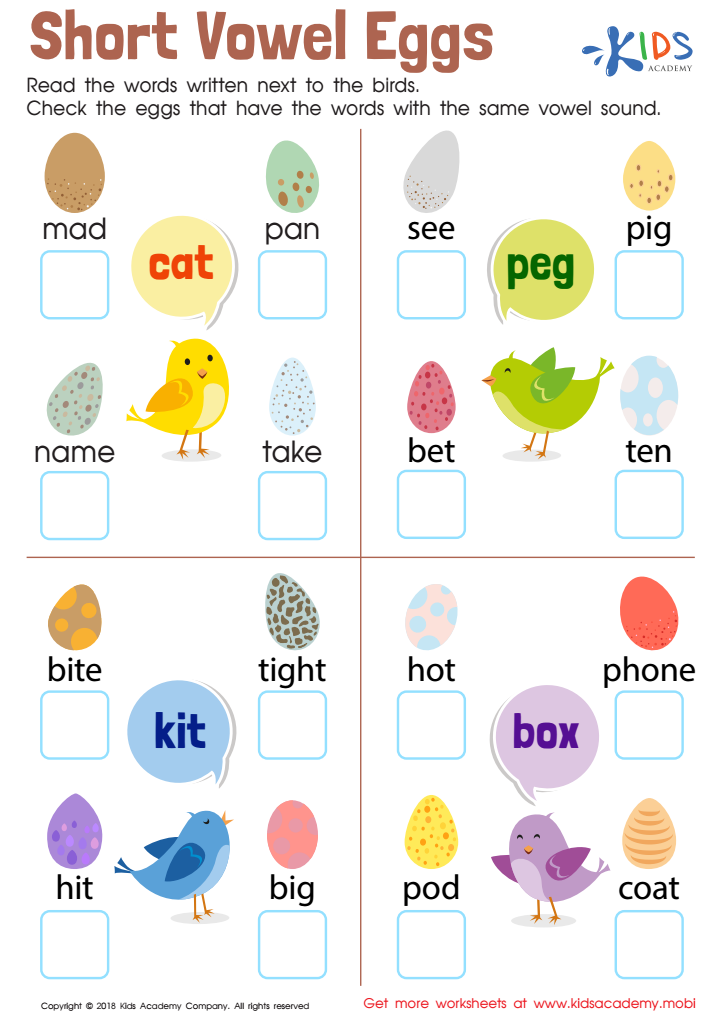
Short Vowel Eggs Worksheet
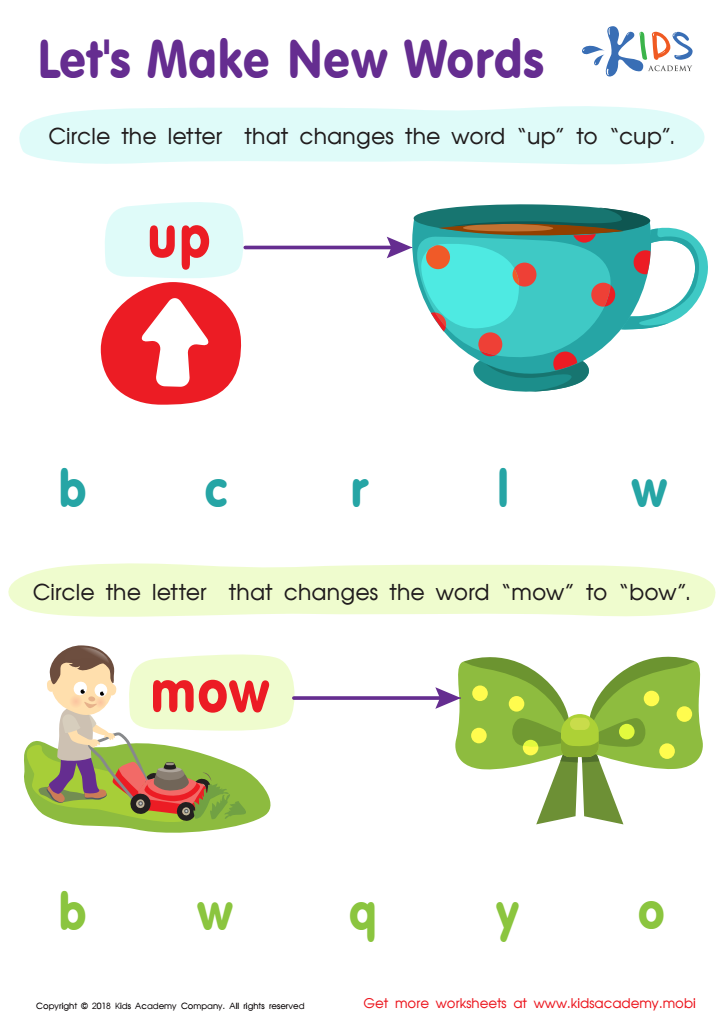
Let's Make New Words Worksheet
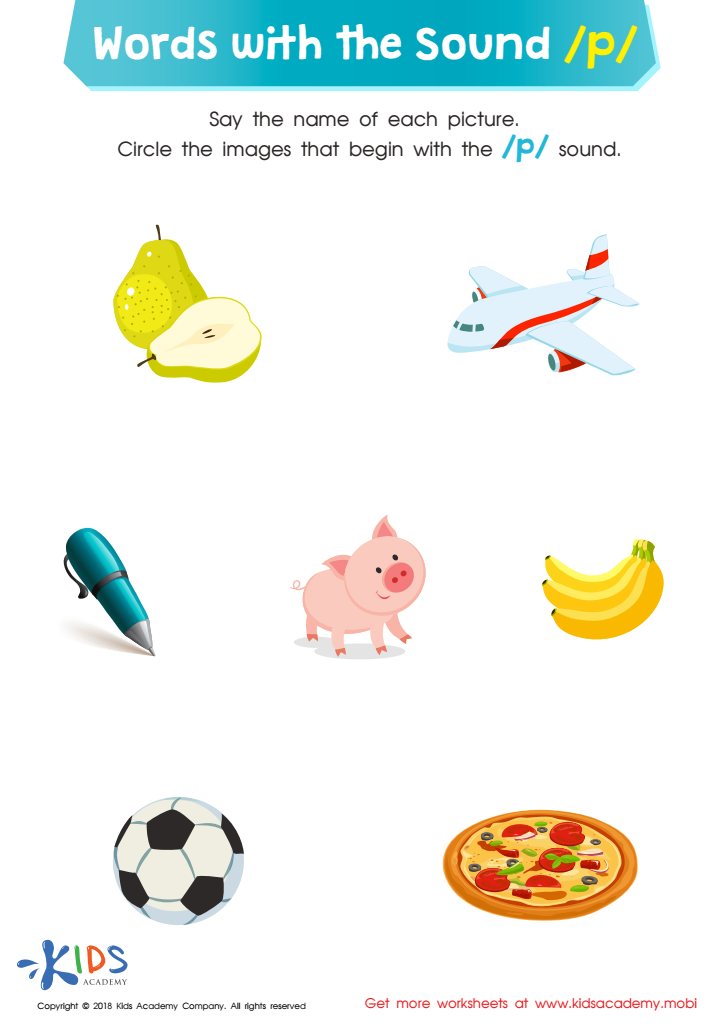
Words with sound p Reading Worksheet
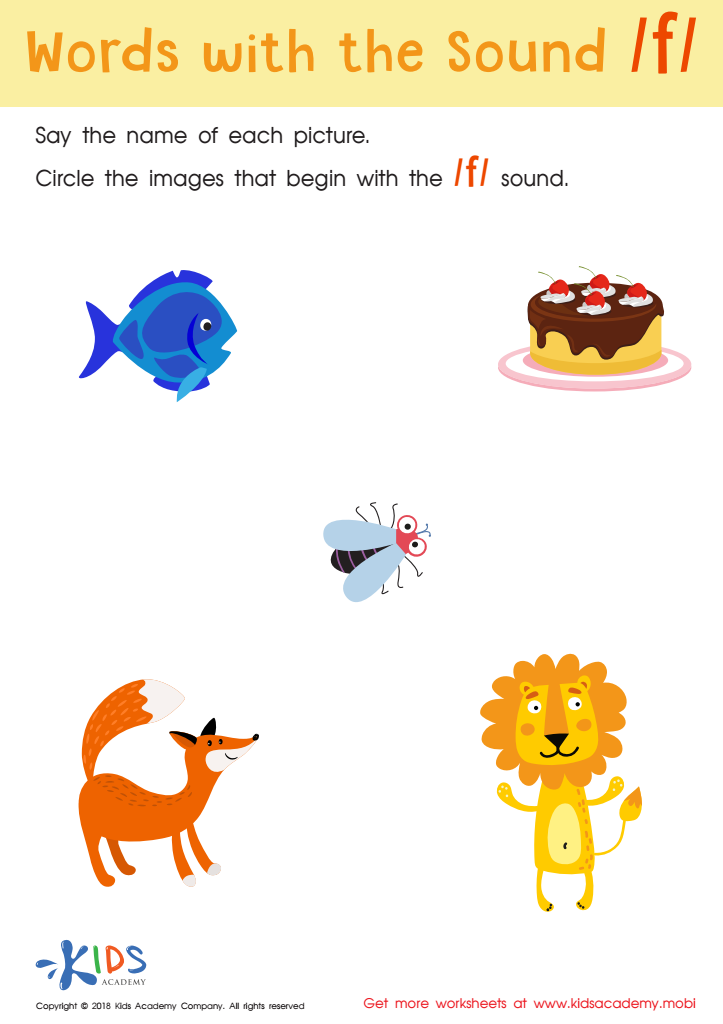
Words with sound f Reading Worksheet
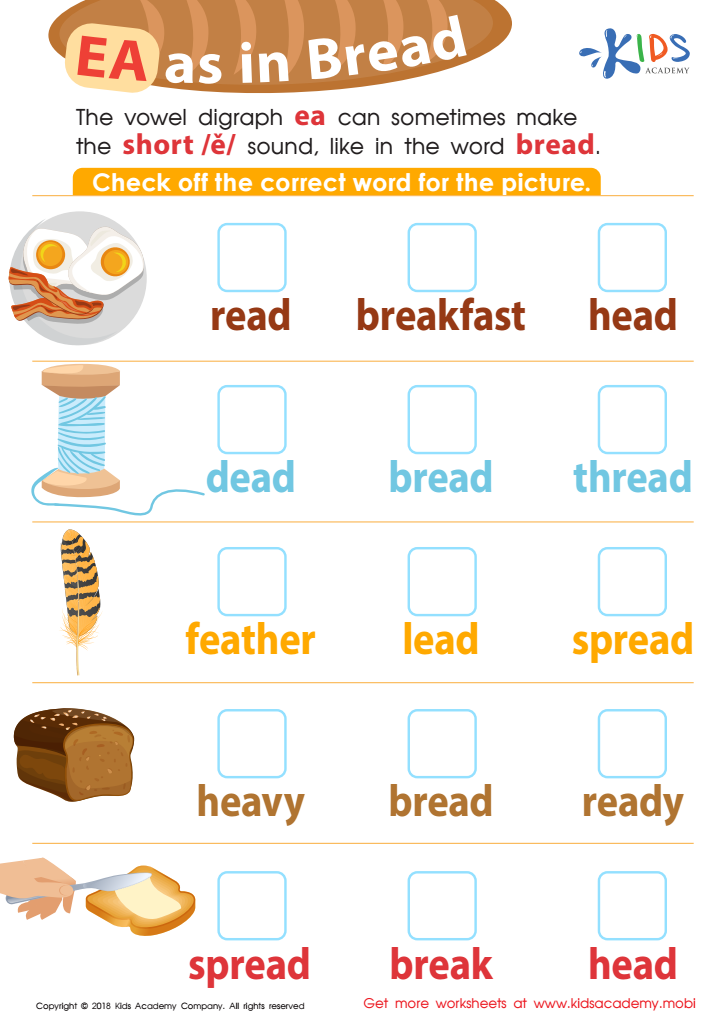
Reading: EA as in Bread Worksheet
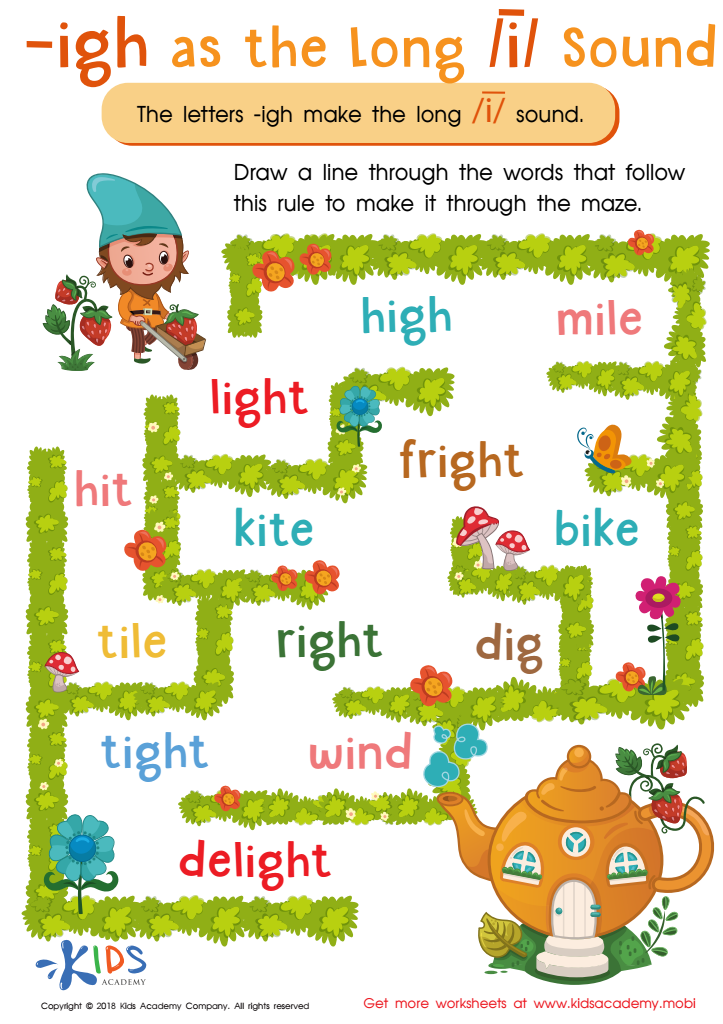
Reading: IGH as Long I Worksheet
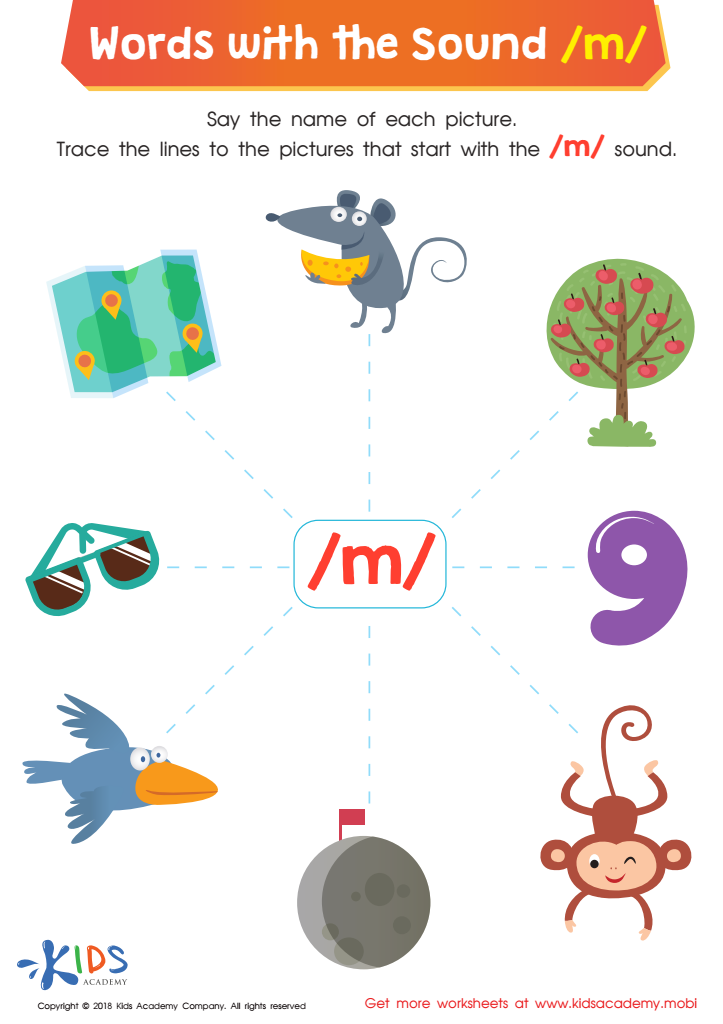
Words with Sound M Reading Worksheet
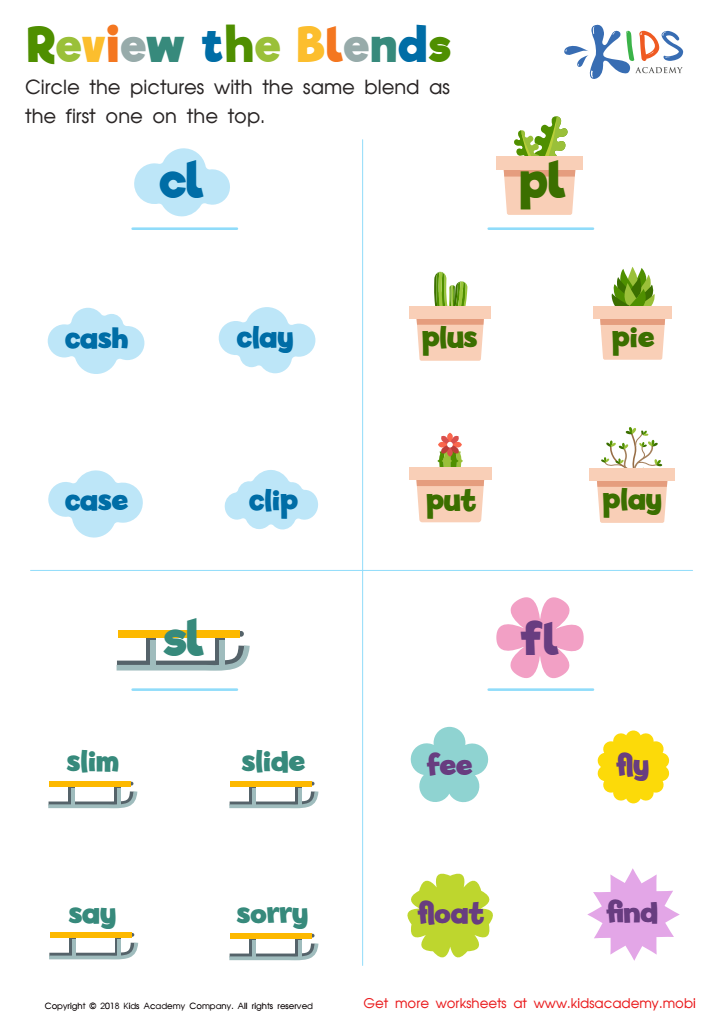
Review the Blends Worksheet








Phonics practice is crucial for children aged 6-9 as it provides the foundational skills necessary for reading success. This age group is typically transitioning from learning to read to reading to learn, making effective phonics instruction essential for developing fluent and confident readers. By understanding the relationship between letters and sounds, children learn to decode words, which is critical for reading comprehension and vocabulary expansion.
Moreover, strong phonics skills boost a child's self-esteem and motivation to read. When children can successfully sound out words, they experience a sense of achievement that encourages them to explore more complex texts. This not only fosters a love for reading but also enhances their overall academic performance across subjects.
Furthermore, phonics practice can help identify and support children with reading difficulties early on. By recognizing struggles with phonemic awareness, parents and teachers can implement targeted interventions, preventing long-term academic challenges.
Investing time and resources in phonics education ultimately equips children with essential literacy skills, setting the stage for lifelong learning and success. It empowers parents and teachers to support children's individual learning journeys, ensuring they thrive academically and personally as they advance through their educational experiences.







