Vocabulary development Phonics Worksheets for Ages 6-9
12 filtered results
-
From - To
Enhance your child's vocabulary with our engaging Phonics Worksheets designed for ages 6-9! These worksheets focus on building essential language skills through fun, interactive activities. Tailored to help young learners connect letters, sounds, and meanings, our resources foster a love for reading and support phonics mastery. Each worksheet is crafted to strengthen vocabulary and comprehension, ensuring your child grasps word usage in various contexts. Parents and educators can easily integrate these worksheets into daily learning routines, promoting literacy development in an enjoyable way. Dive into a world of words and prepare your child for reading success with our captivating phonics resources!
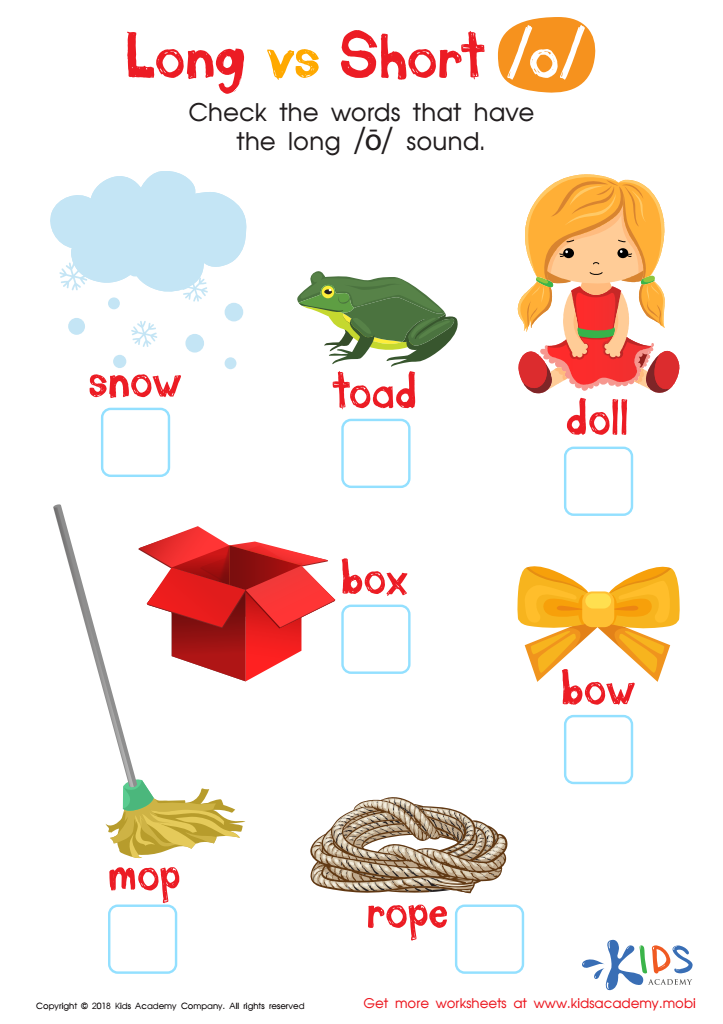
Long vs Short O Reading Worksheet
 Assign to My Students
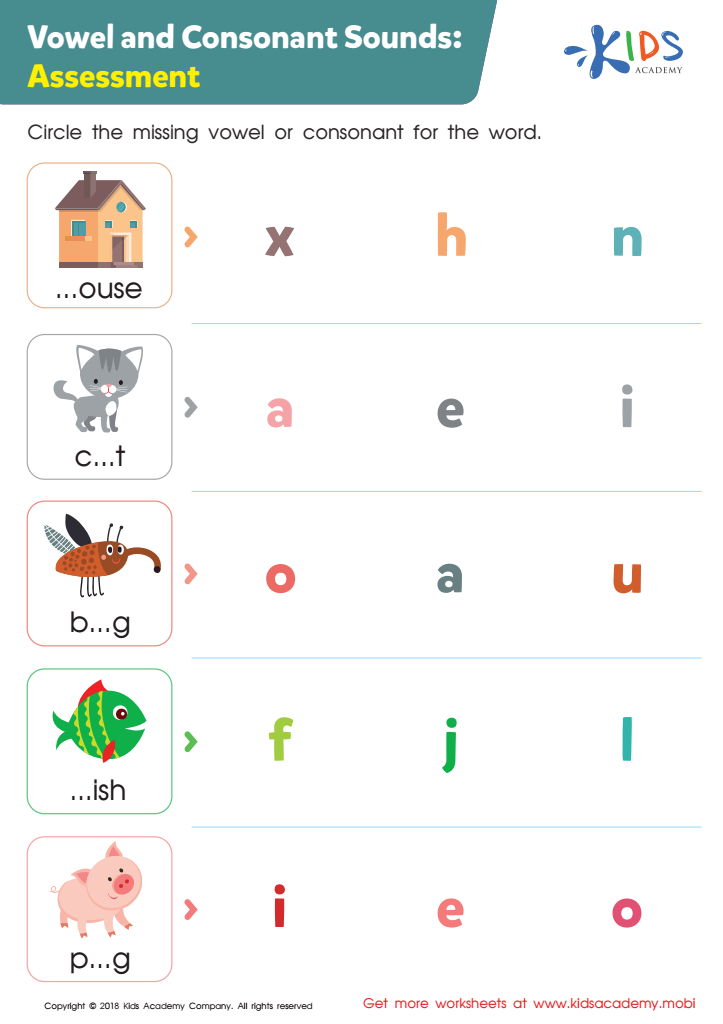
Vowel and Consonant Sounds: Assessment Worksheet
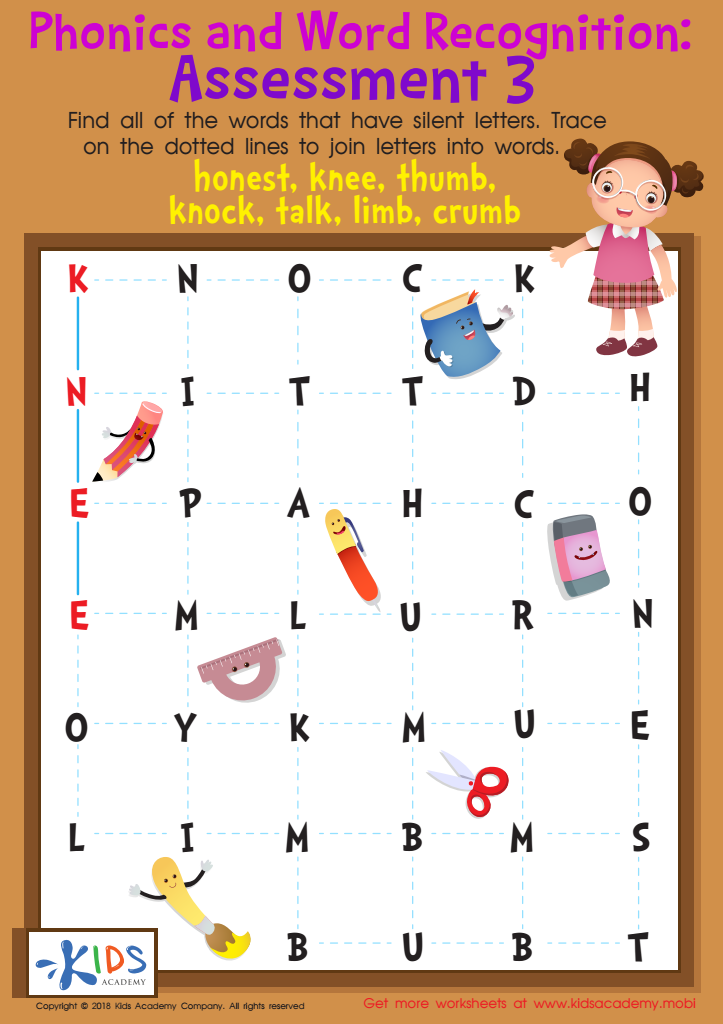
Phonics and Word Recognition: Assessment 3 Worksheet
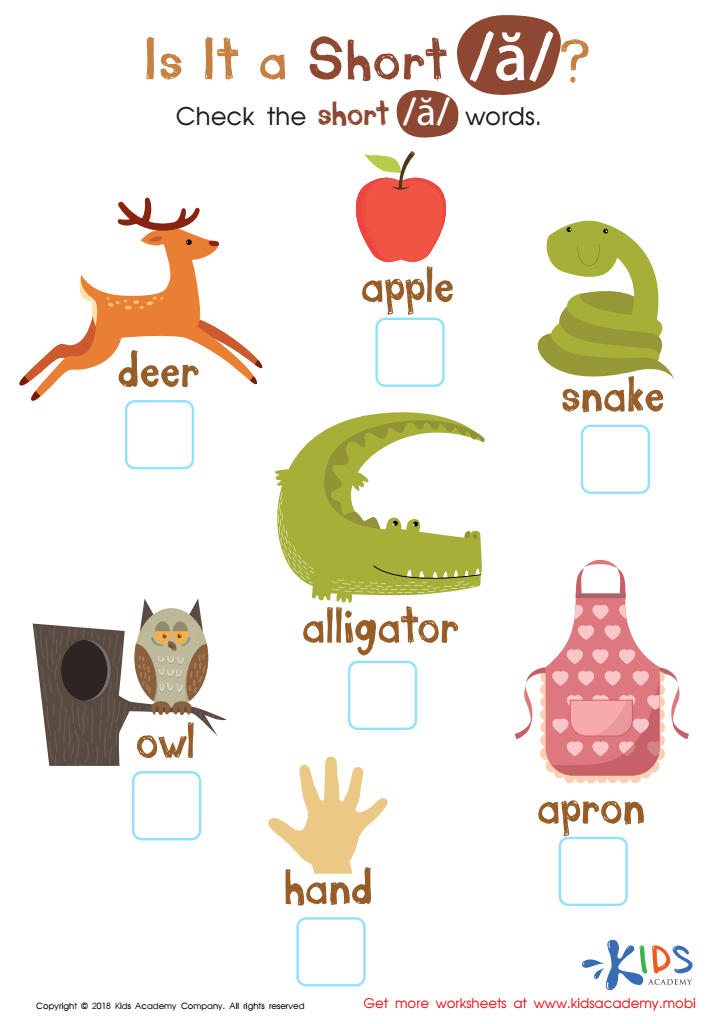
Is It Short A? Reading Worksheet
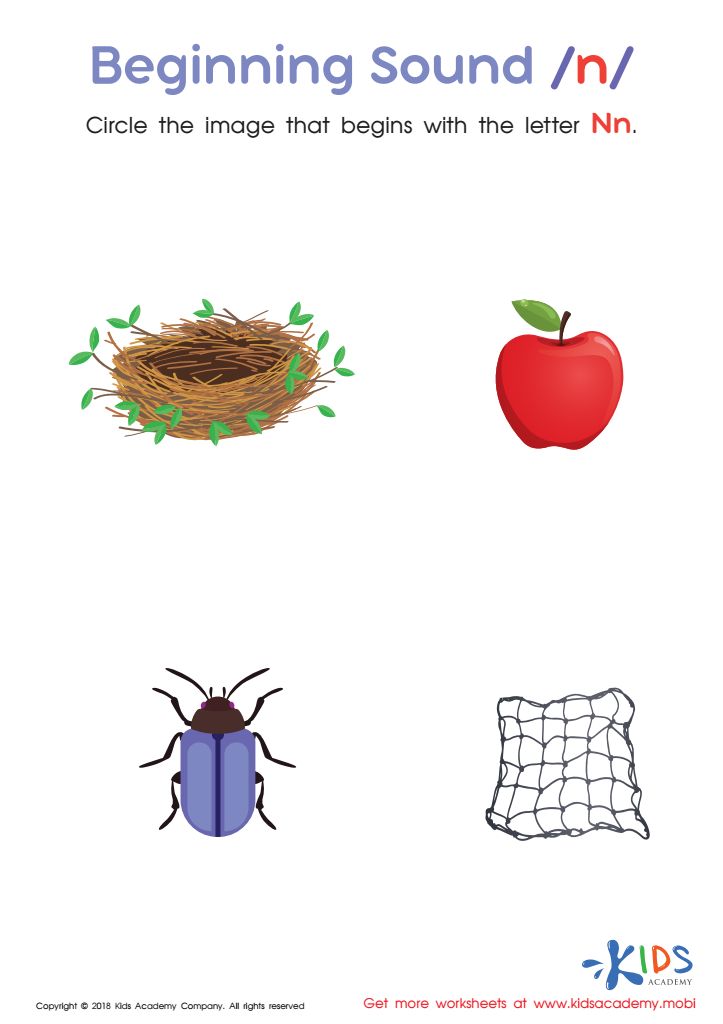
Beginning Sound «n» Worksheet
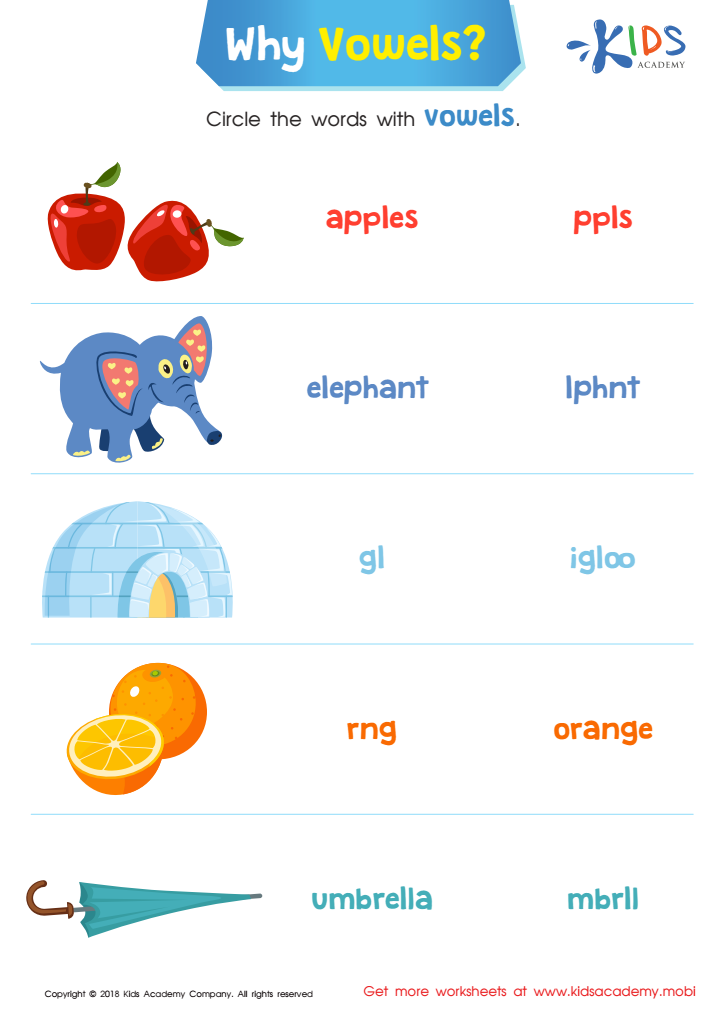
Why Vowels? Reading Worksheet
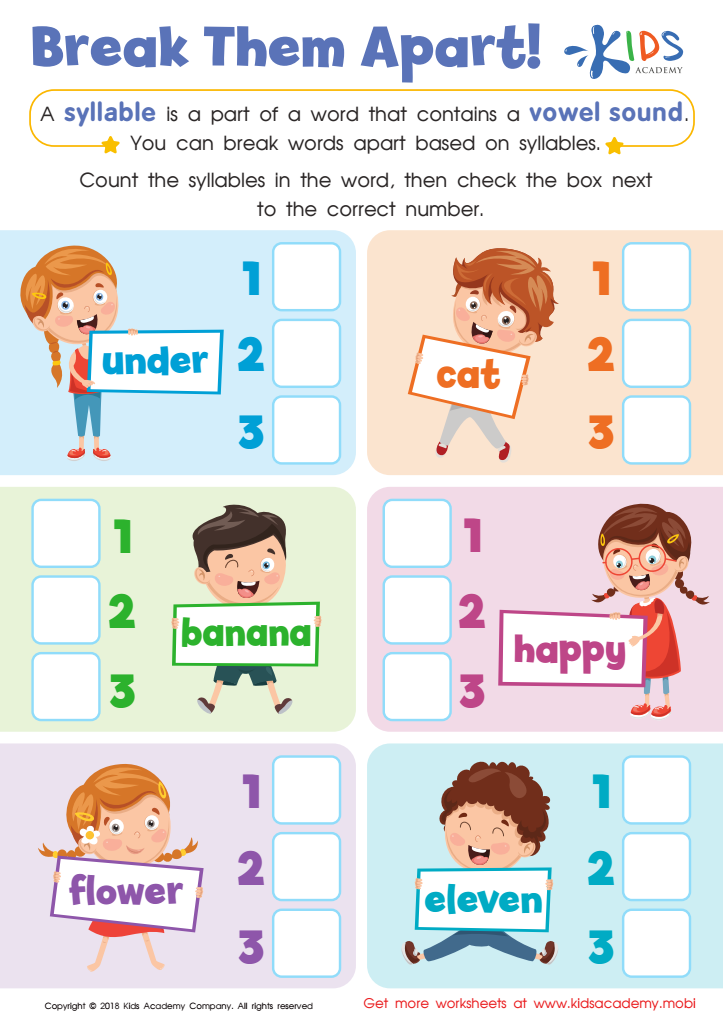
Reading: Break Them Apart Worksheet
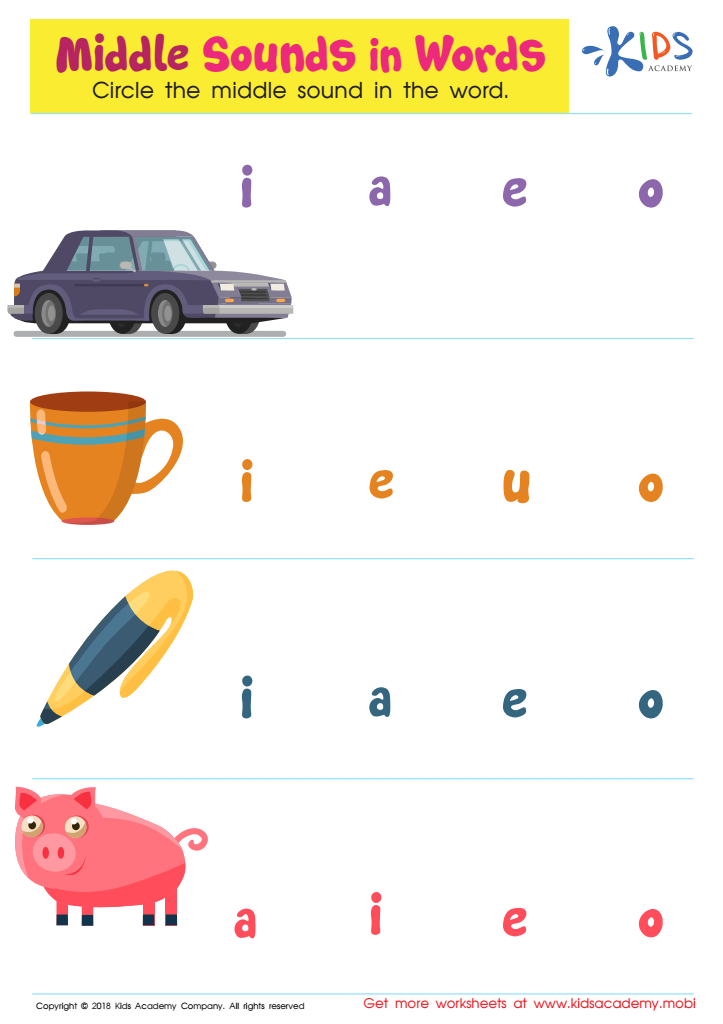
Middle Sounds in Words Worksheet
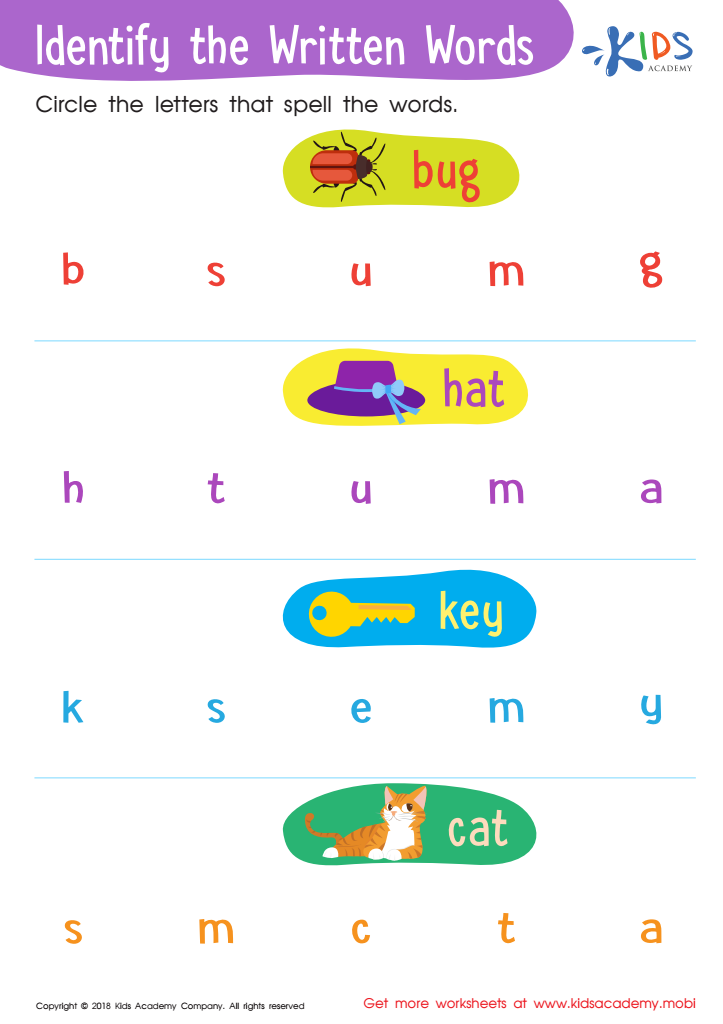
Identify the Written Words Worksheet
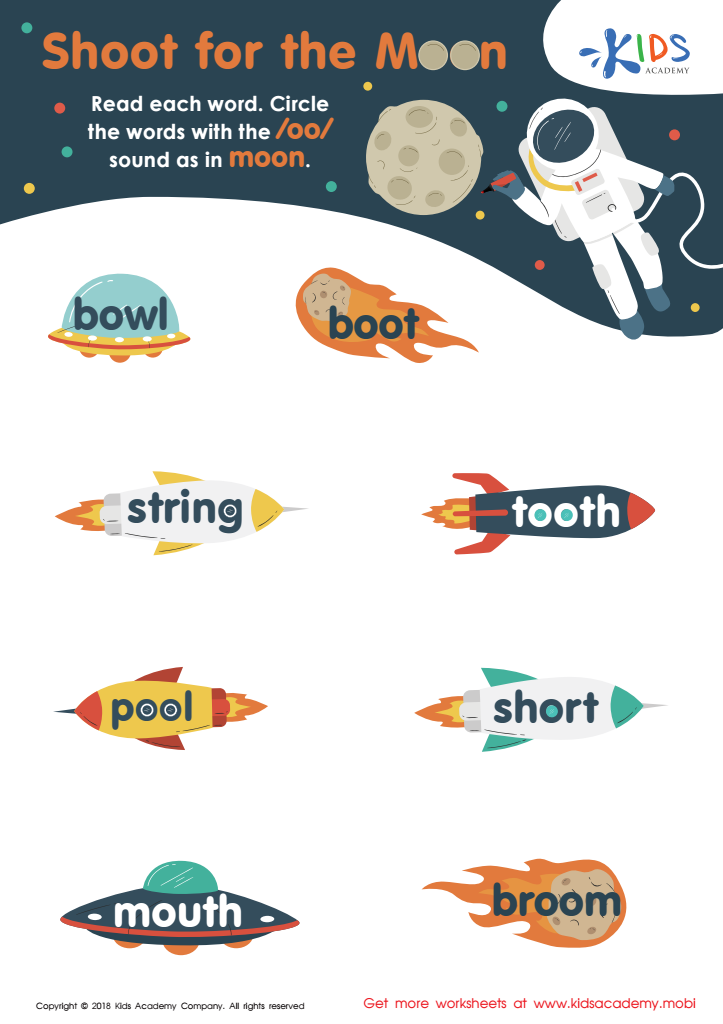
Reading: Shoot for the Moon Worksheet
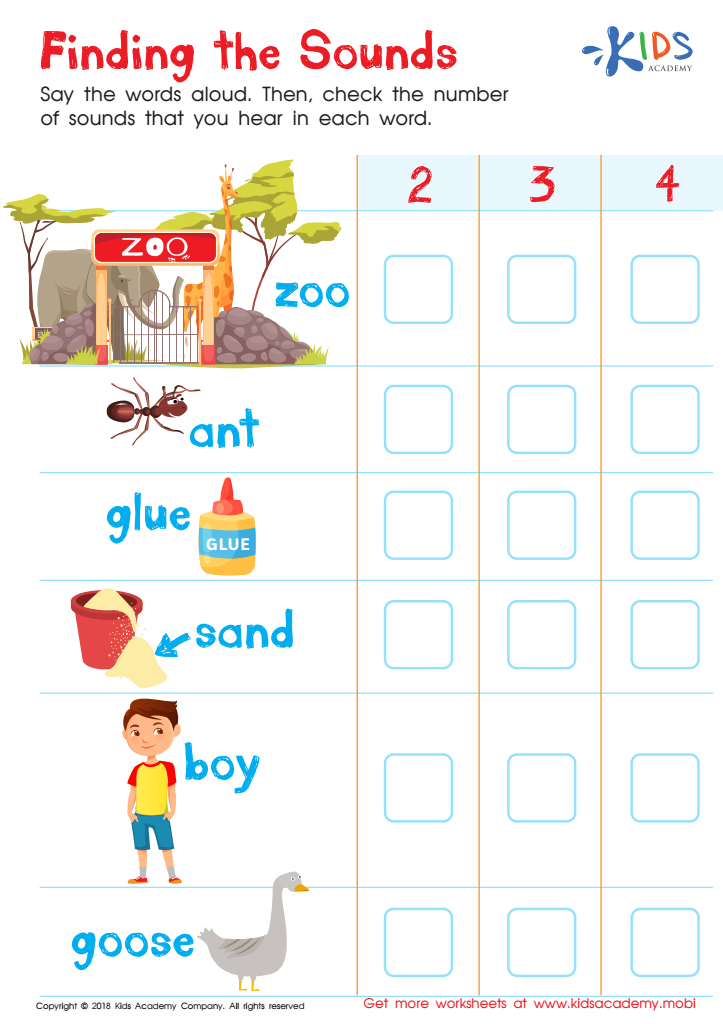
Finding the Sounds Worksheet
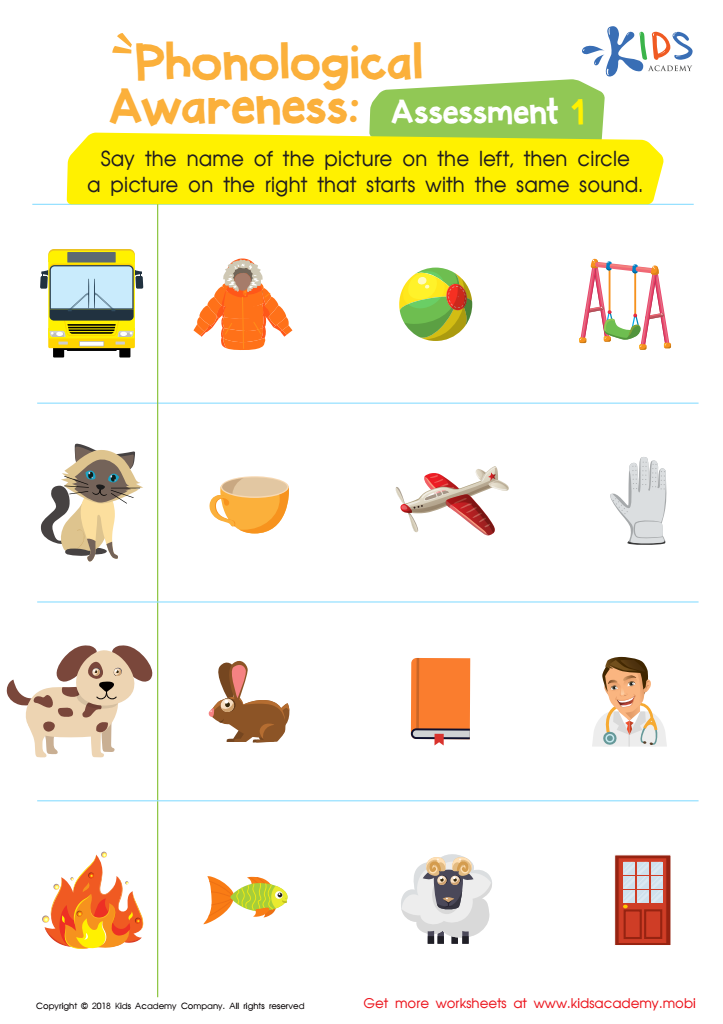
Phonological Awareness: Assessment 1 Worksheet








Vocabulary development and phonics are crucial for children aged 6-9 as they lay the foundation for literacy skills essential in all aspects of learning. At this age, children are transitioning from learning to read to reading to learn. A robust vocabulary enriches their comprehension and expression, allowing them to articulate thoughts clearly and understand more complex texts.
Phonics, the relationship between sounds and their corresponding letters, is vital for developing reading skills. It equips children with the tools to decode new words, boosting their confidence and encouraging a love for reading. Strong phonics skills enable children to tackle unfamiliar vocabulary, broadening their exposure to rich language and enhancing their cognitive development.
Moreover, effective vocabulary and phonics instruction can positively impact academic achievement, as these skills are integral across disciplines. Understanding and using a wide range of vocabulary assists students in writing and communication, while phonics supports their ability to read fluently.
Parents and teachers should prioritize vocabulary development and phonics through engaging activities and consistent practice, fostering a supportive environment that nurtures a child's linguistic curiosity and cognitive growth. Investing in these areas is essential for equipping children with the skills necessary for lifelong learning and success.







