Fine Motor Skills Tracing Letters Worksheets for Ages 6-9 - Page 2
34 filtered results
-
From - To
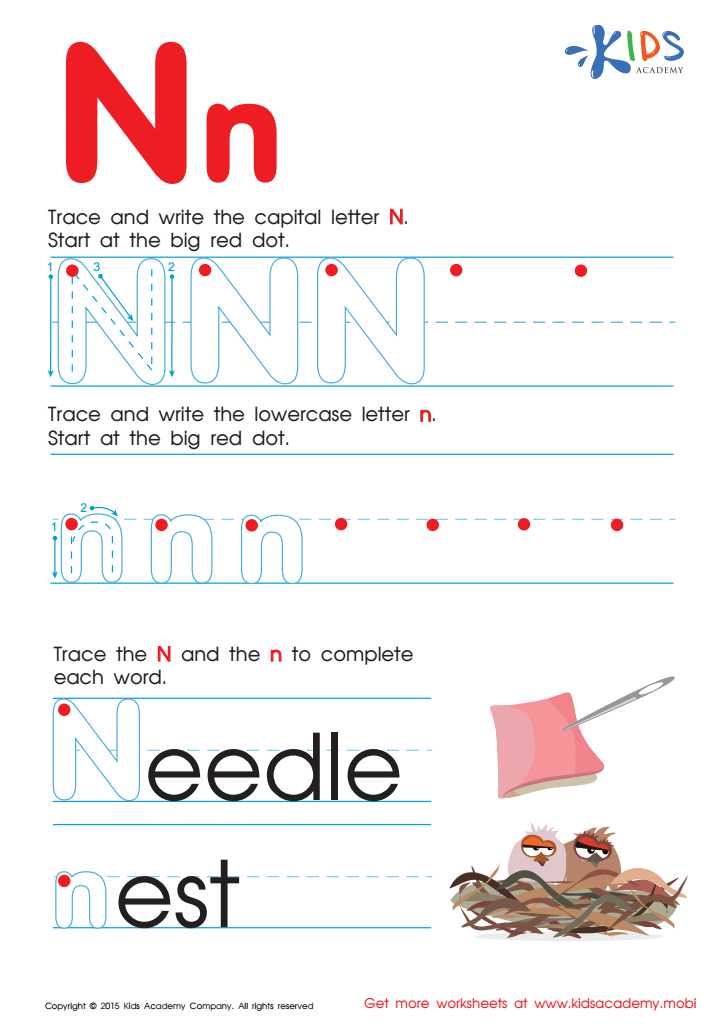
Letter N Tracing Page
 Assign to My Students
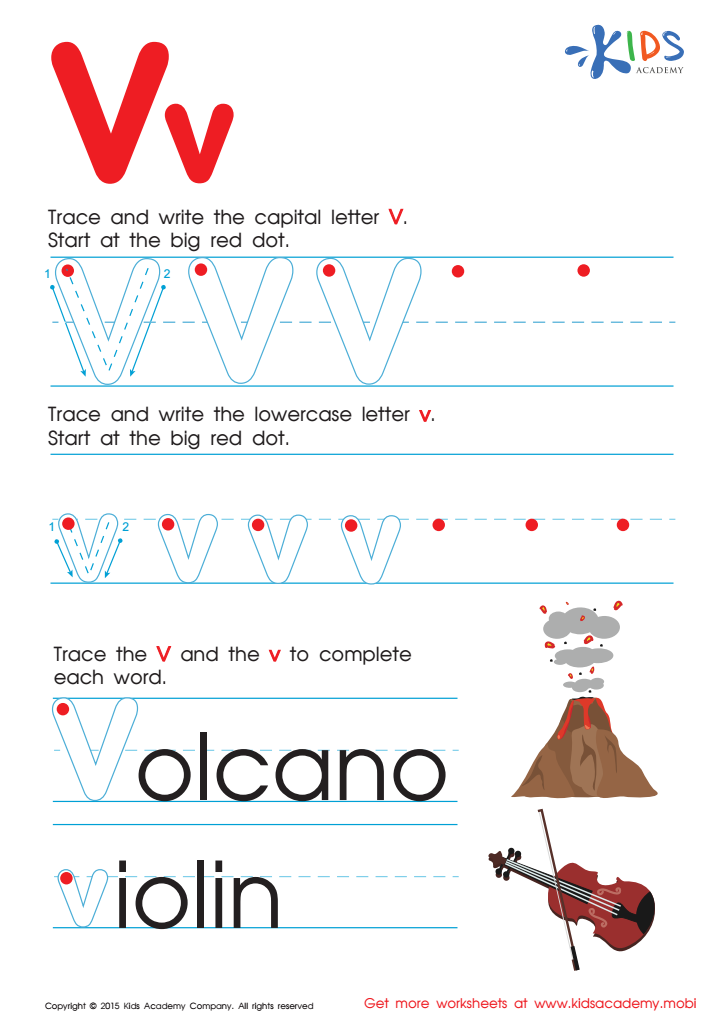
Letter V Tracing Page
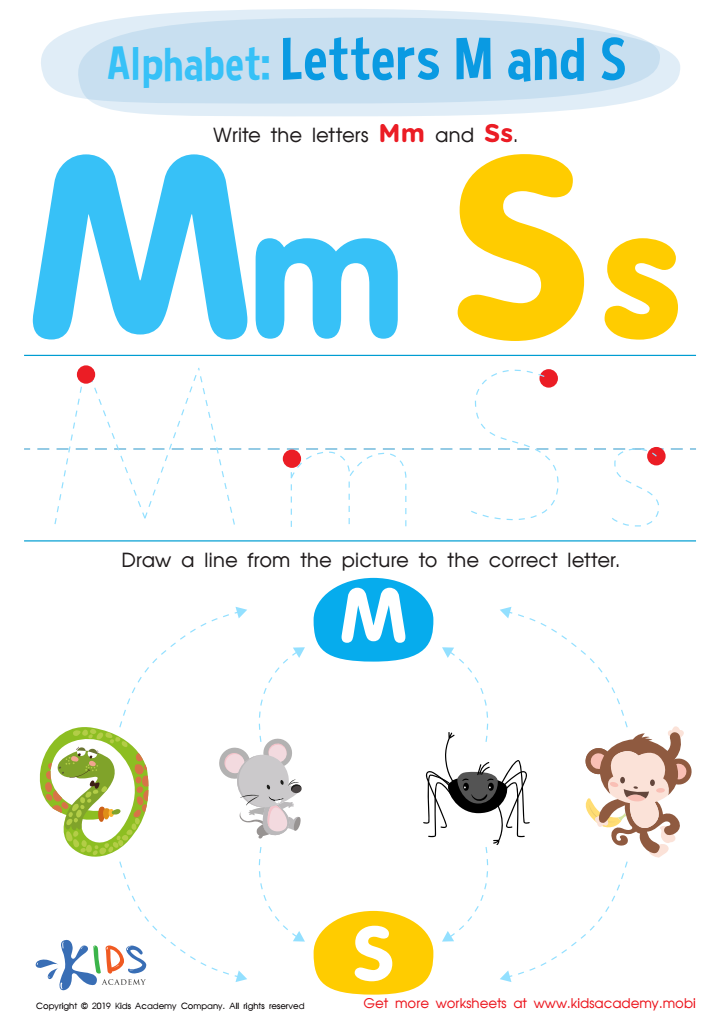
Letters M and S Tracing Worksheet
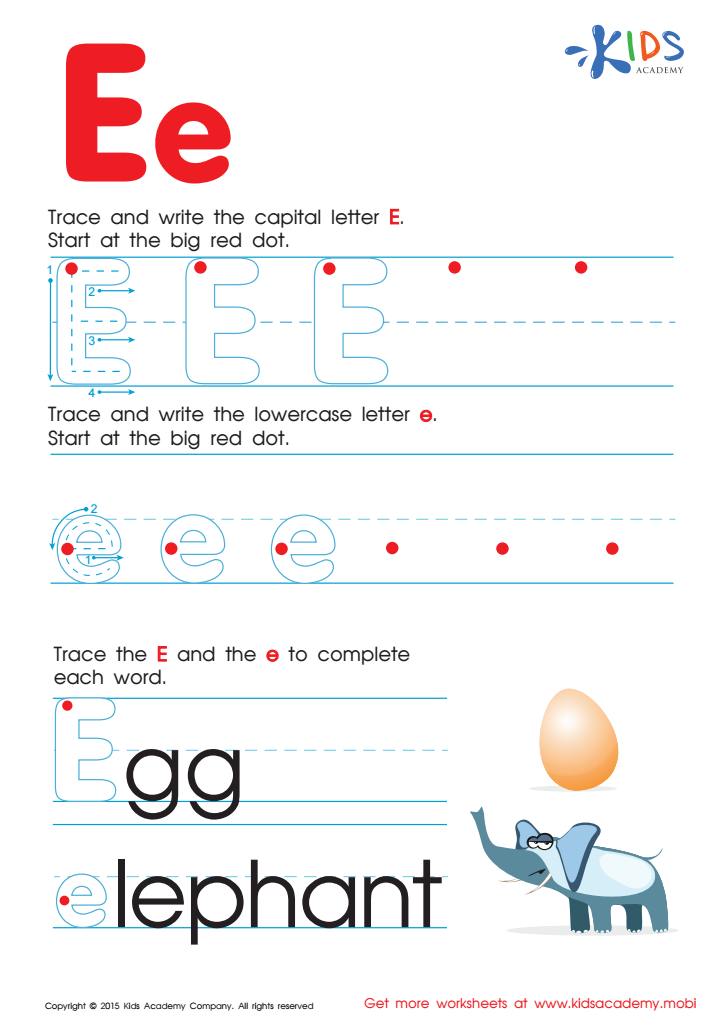
Letter E Tracing Page
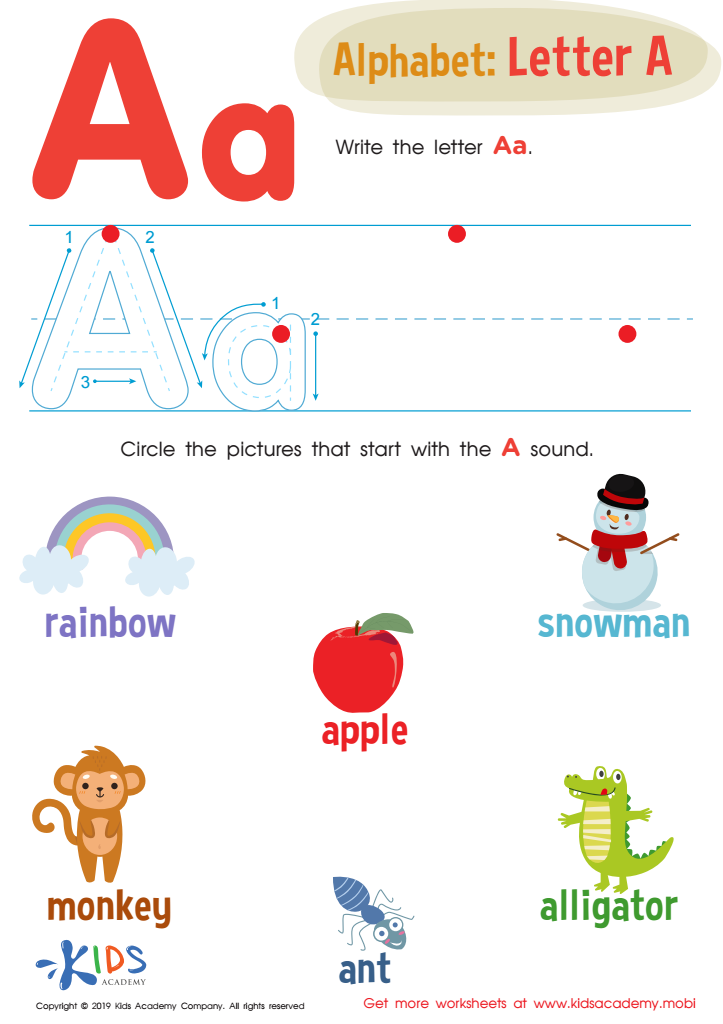
Letter A Tracing Worksheet
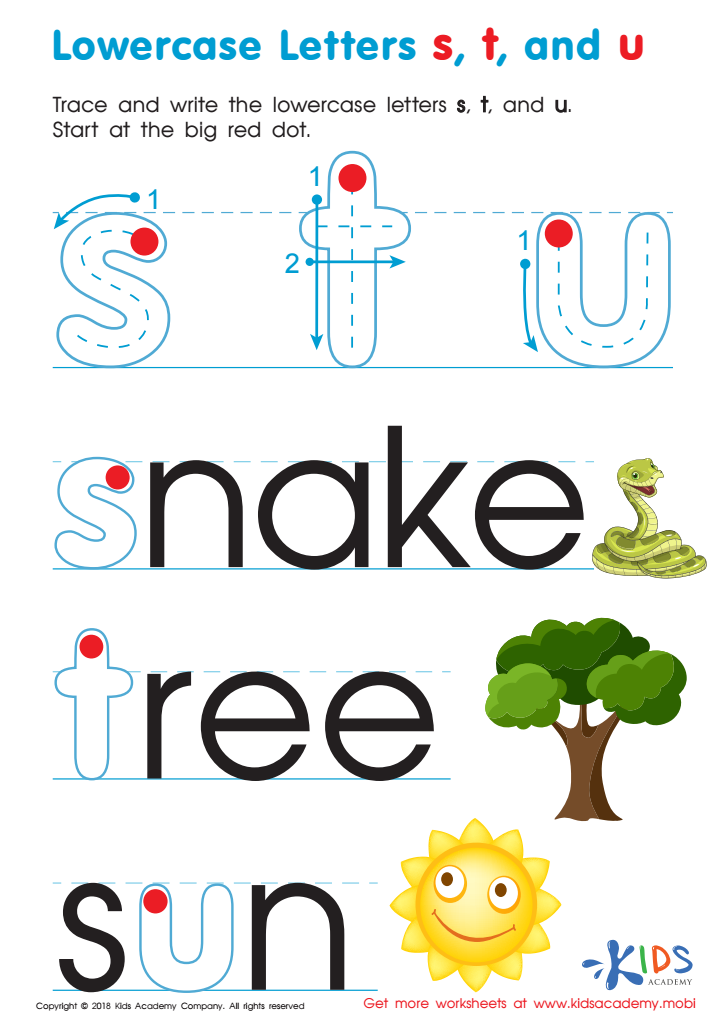
Lowercase Letters s t u Worksheet
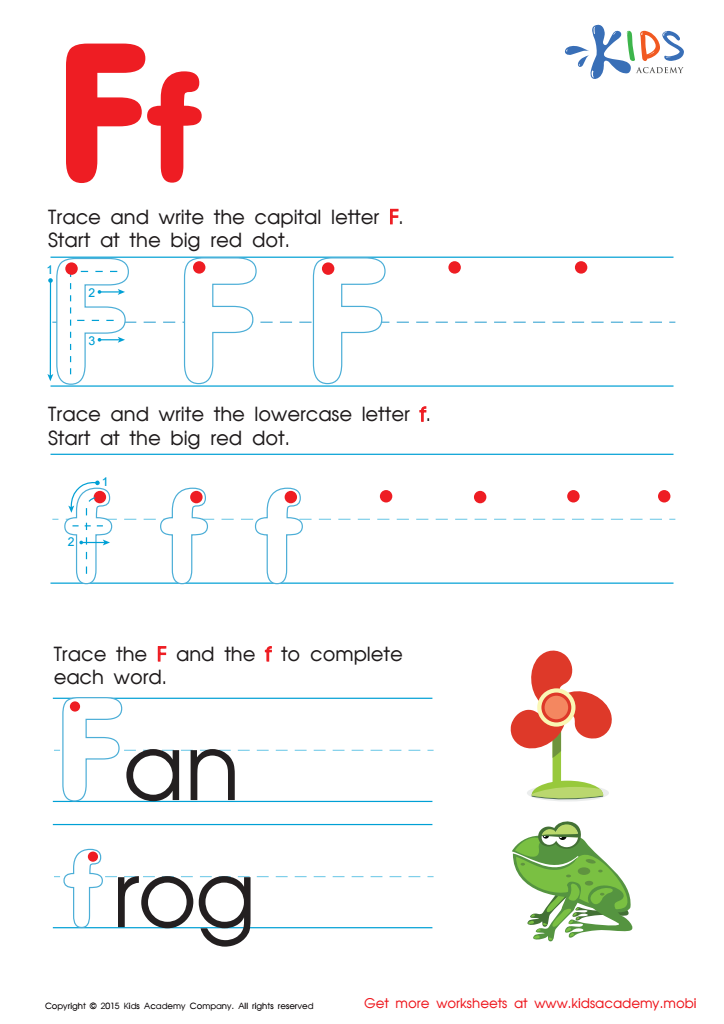
Letter F Tracing Page
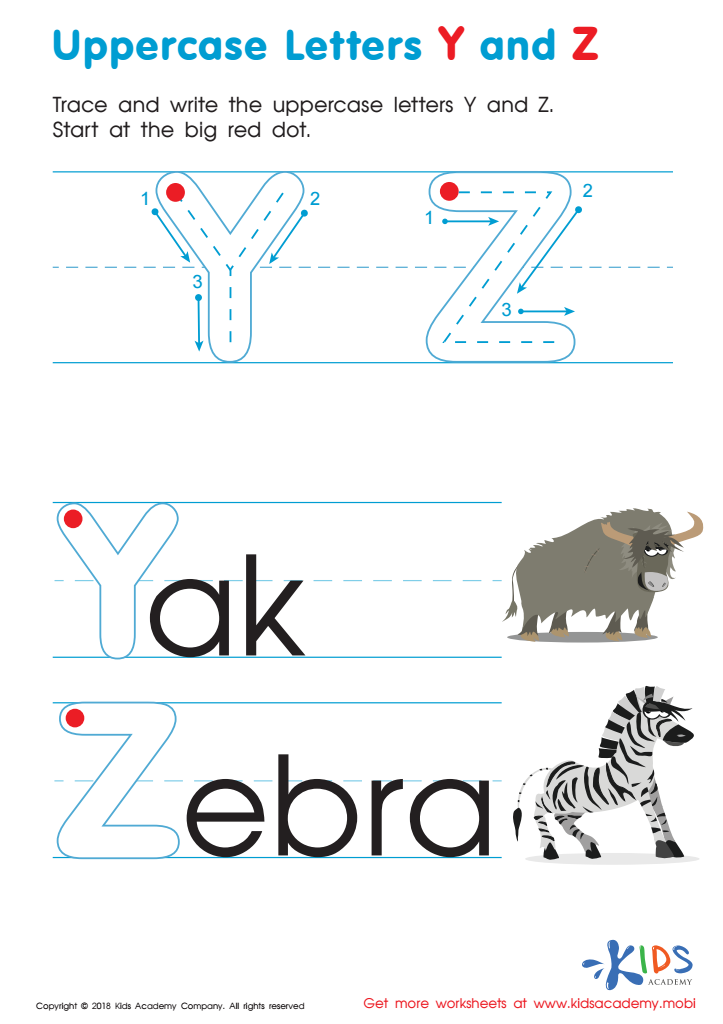
Uppercase Letters Y Z Worksheet
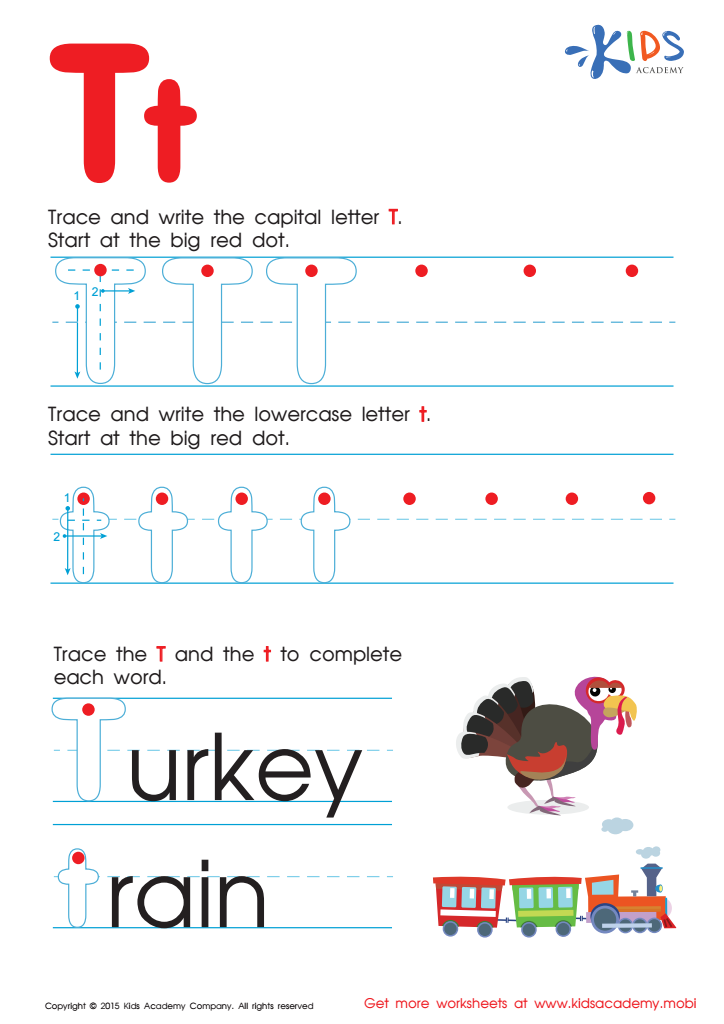
Letter T Tracing Page
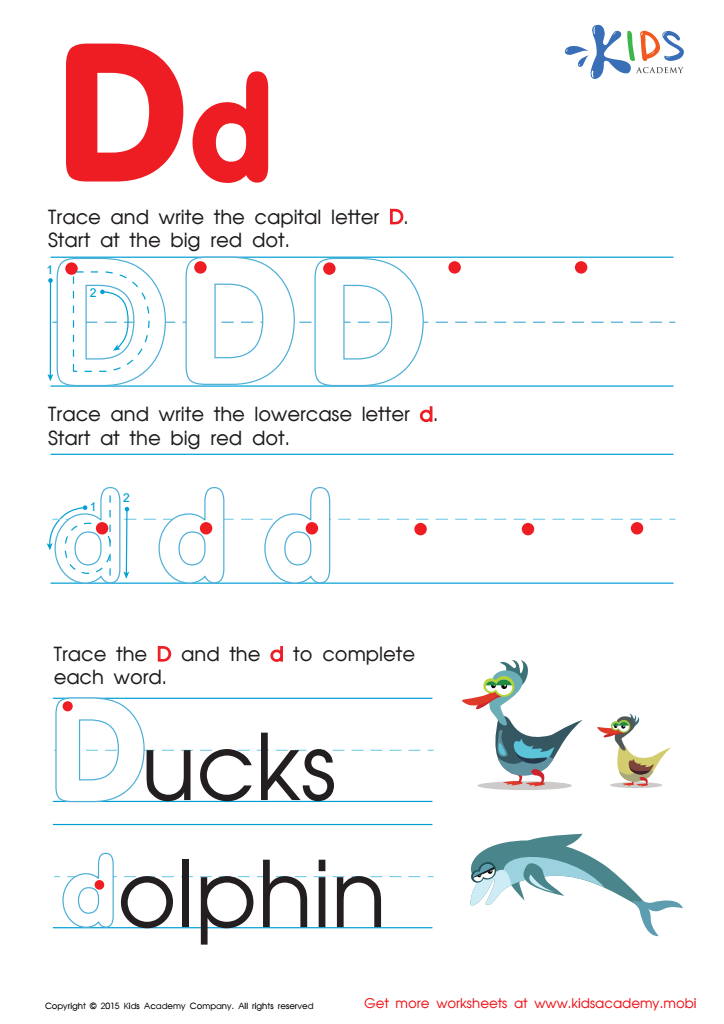
Letter D Tracing Page








Fine motor skills are essential for children's overall development, particularly for ages 6-9 when they are learning to write and read. Tracing letters is one of the most effective ways to enhance these skills, as it helps children refine their hand-eye coordination, finger dexterity, and control. These skills are critical not only for writing, but also for everyday tasks such as buttoning shirts, using utensils, and performing crafts.
Teachers and parents should prioritize engaging children in tracing activities because it fosters independence and confidence. As children practice writing letters, they receive immediate feedback on their progress, which motivates them to improve and persevere. This also lays the foundation for better handwriting, a vital component in academic success.
Furthermore, working on letter tracing can strengthen cognitive skills by reinforcing letter recognition and phonological awareness, which are key for literacy development. Fine motor skills connect directly to cognitive growth; thus, supporting children in this area can enhance their overall learning experience.
Lastly, incorporating tracing activities into daily routines can provide valuable sensory experiences, making learning enjoyable and interactive. By engaging with these skills, parents and teachers can significantly contribute to children’s long-term educational achievements and everyday life skills.








