Letter recognition Tracing Letters Worksheets for Ages 6-9
26 filtered results
-
From - To
Boost your child’s letter recognition skills with our exciting Tracing Letters Worksheets, designed specifically for ages 6-9! These printables offer engaging activities that promote fine motor skills and solidify foundational literacy competencies. Each worksheet allows children to practice letter shapes, proper stroke order, and enhance their familiarity with the alphabet. Our carefully structured exercises not only make learning fun but also ensure children master both uppercase and lowercase letters with ease. Ideal for both classroom and home learning, these worksheets provide a comprehensive approach to developing your child's letter recognition and handwriting proficiency. Start tracing towards success today!
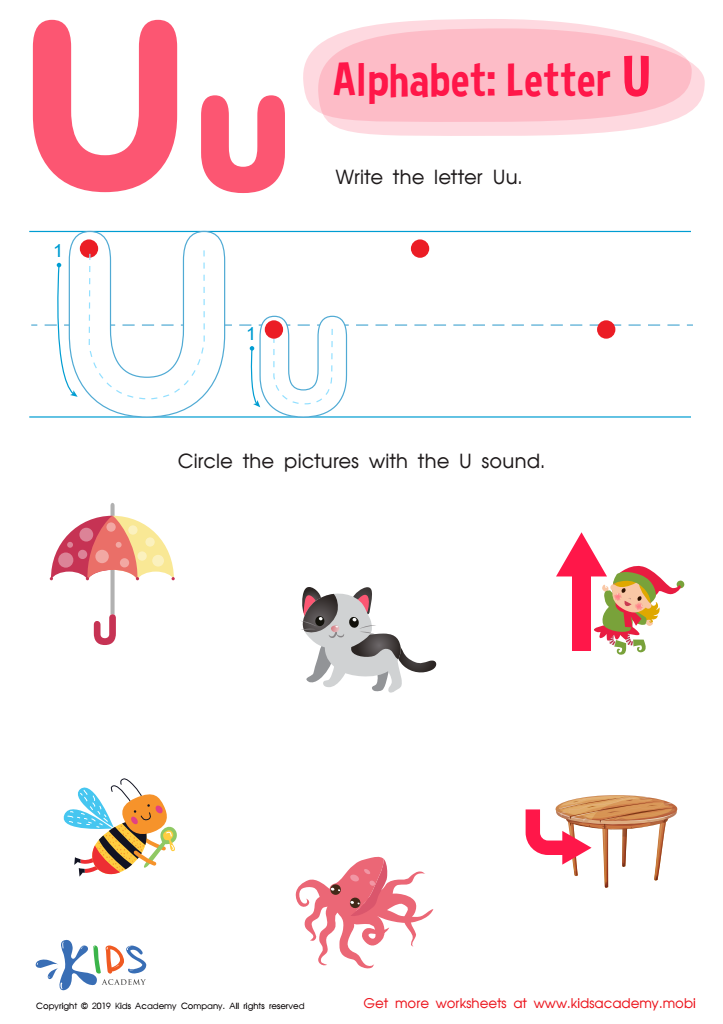
Letter U Tracing Worksheet
 Assign to My Students
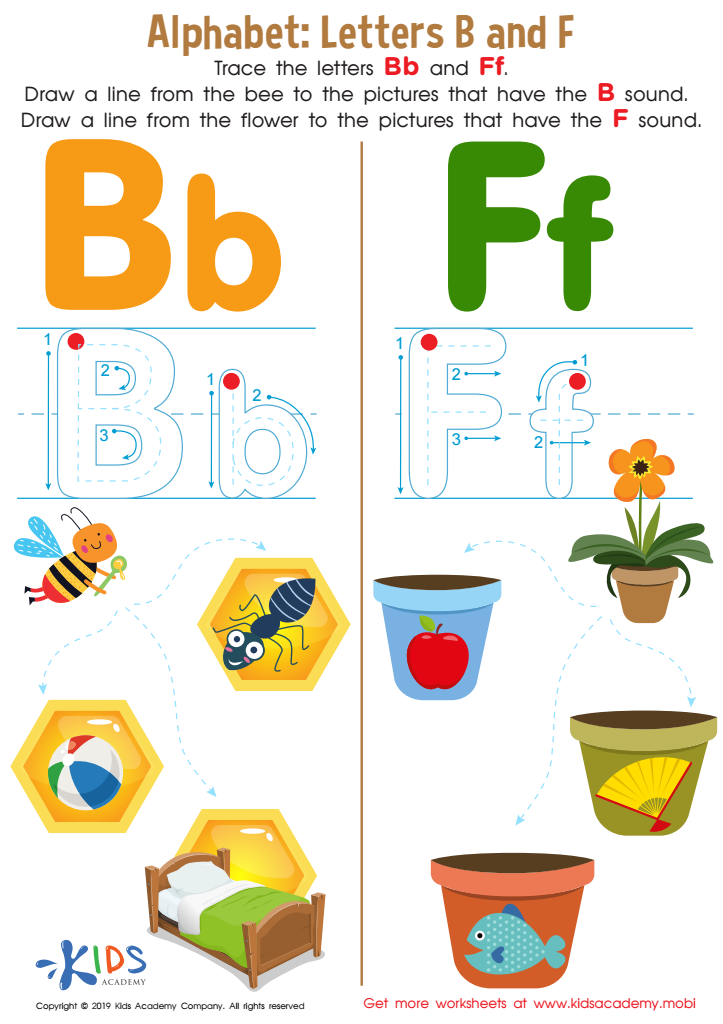
Letters B and F Tracing Worksheet
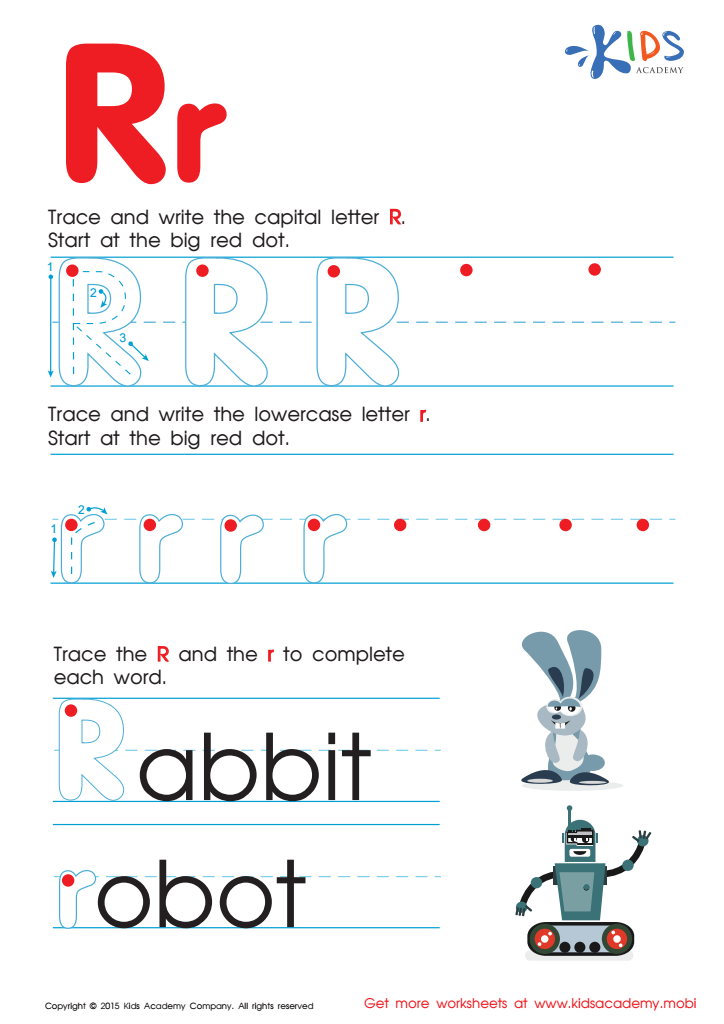
Letter R Tracing Page
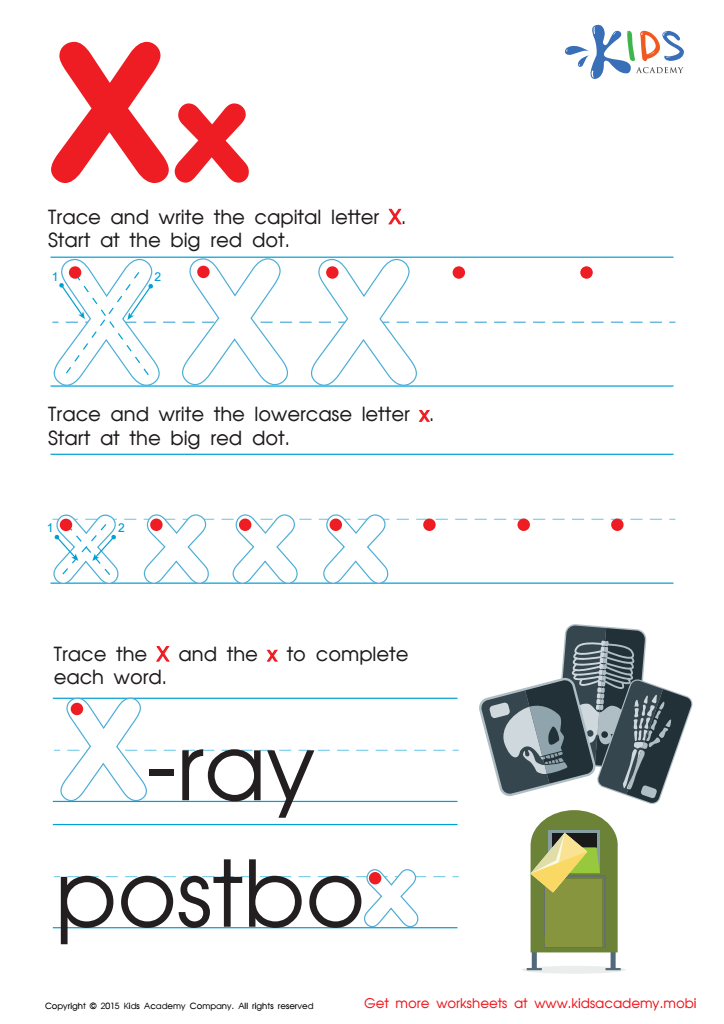
Letter X Tracing Page
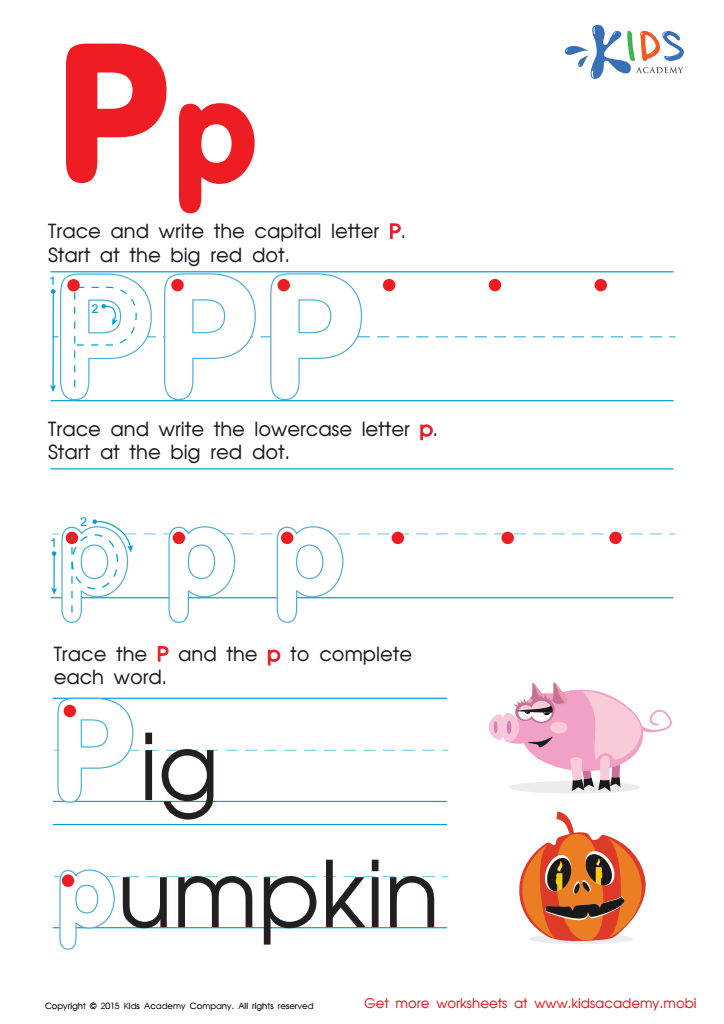
Letter P Tracing Page
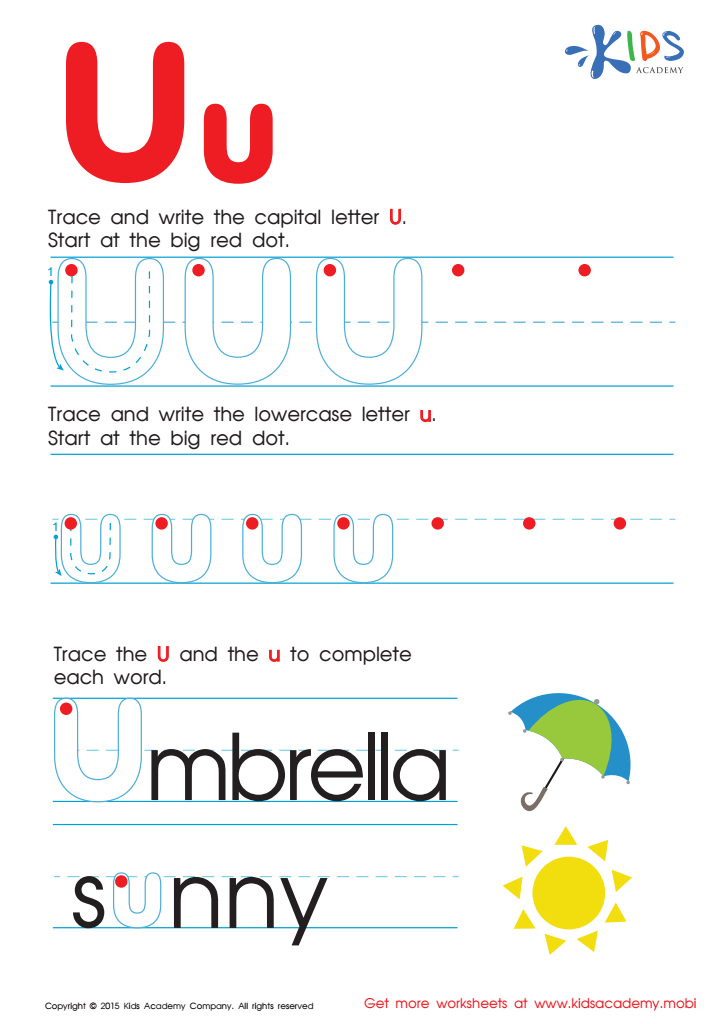
Letter U Tracing Page
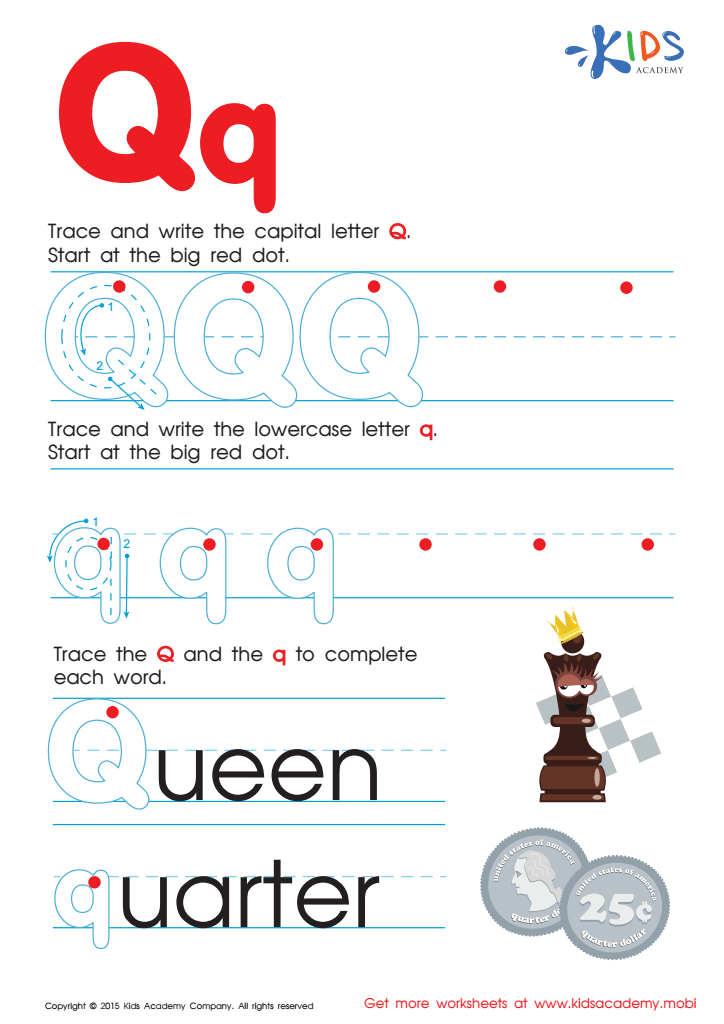
Letter Q Tracing Page
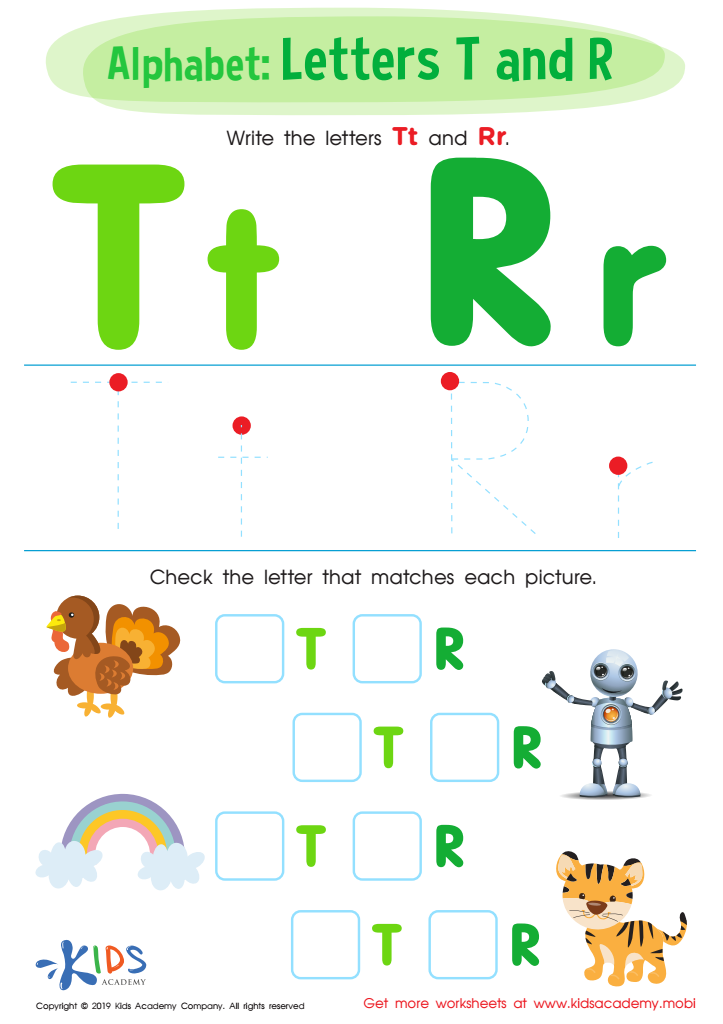
Letters T and R Worksheet
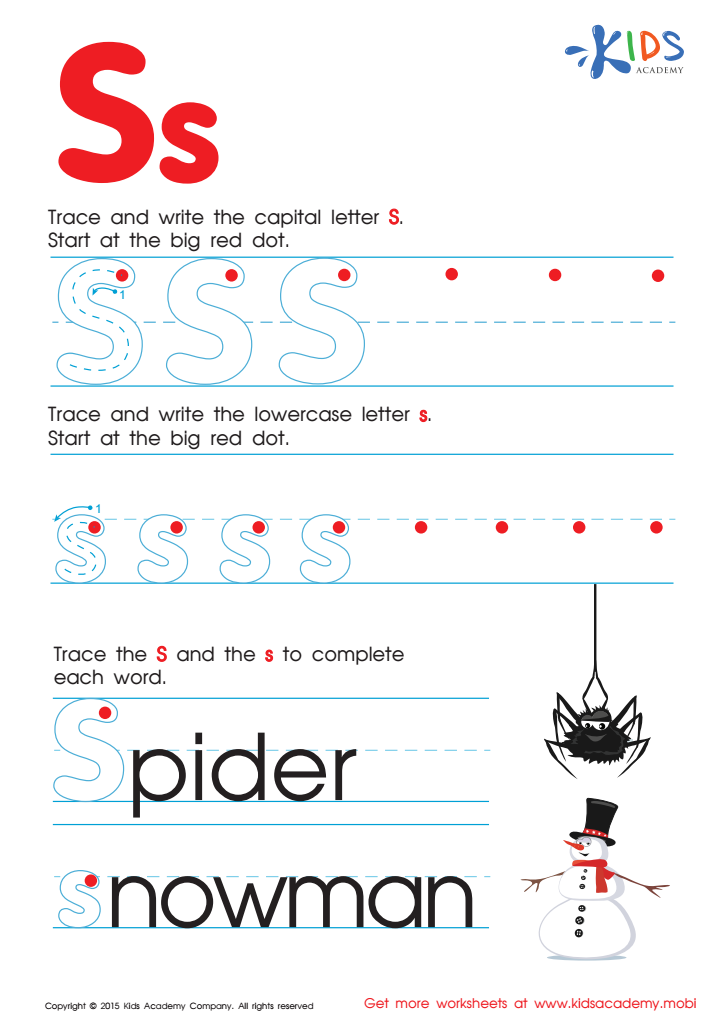
Letter S Tracing Page
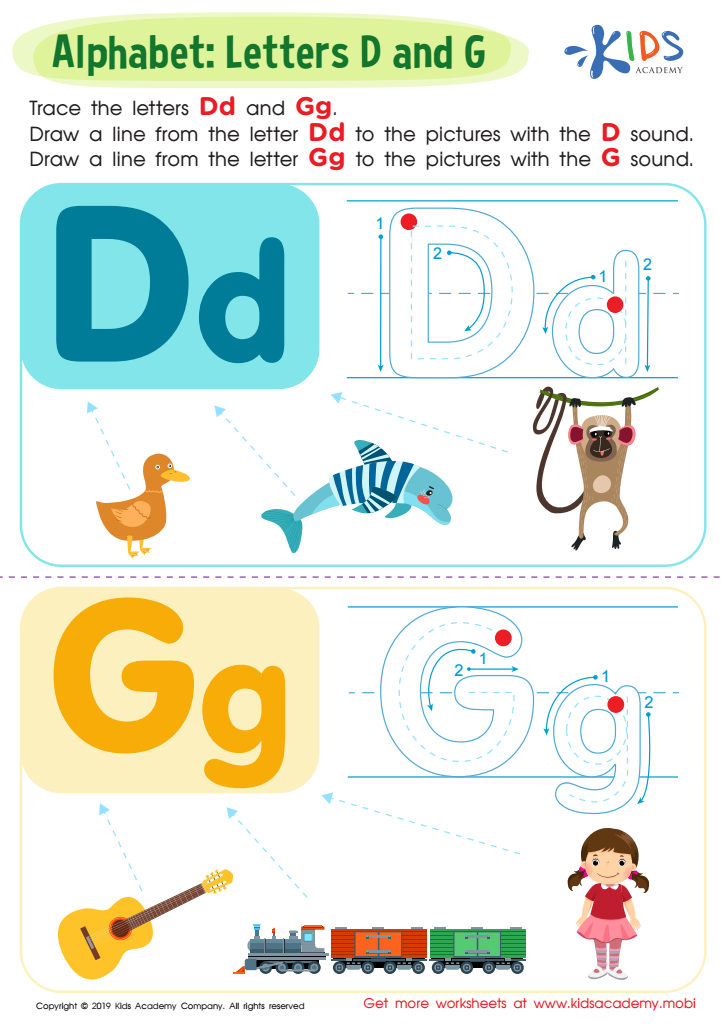
Letter D and G Tracing Worksheet
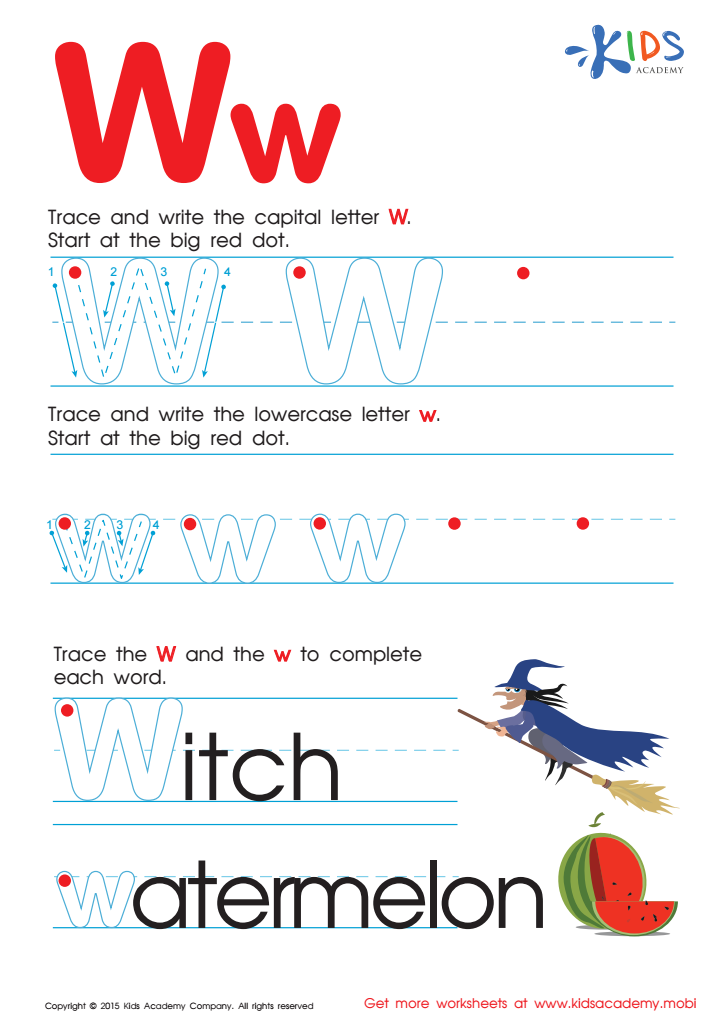
Letter W Tracing Page

Letter H Tracing Page
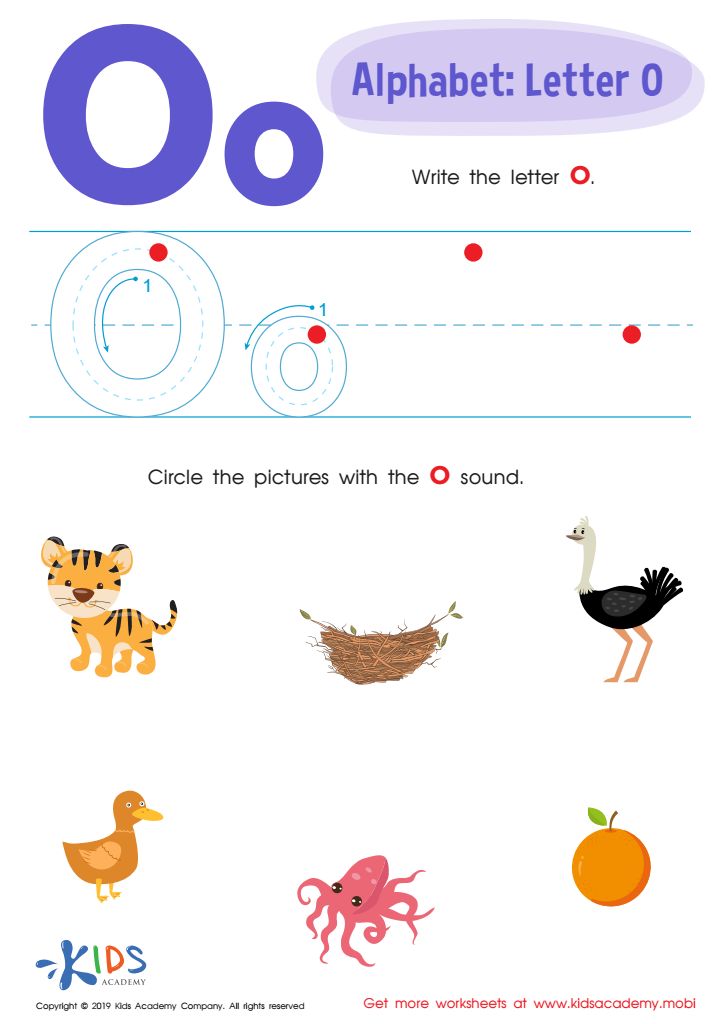
Letter O Tracing Worksheet

Letter G Tracing Page
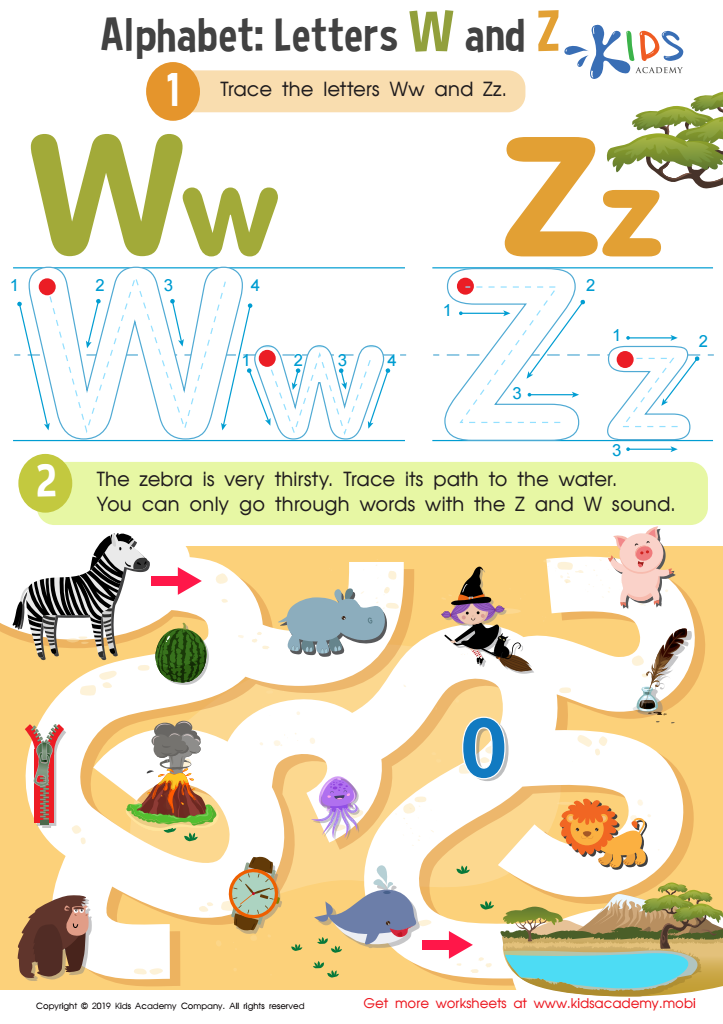
Letters W and Z Tracing Worksheet
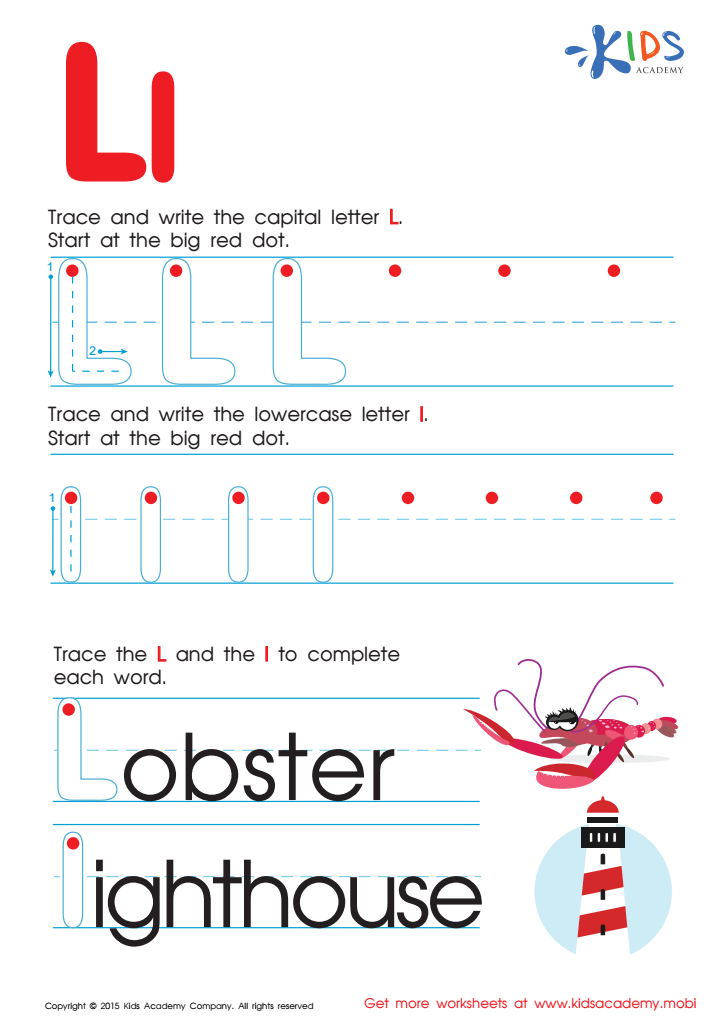
Letter L Tracing Page
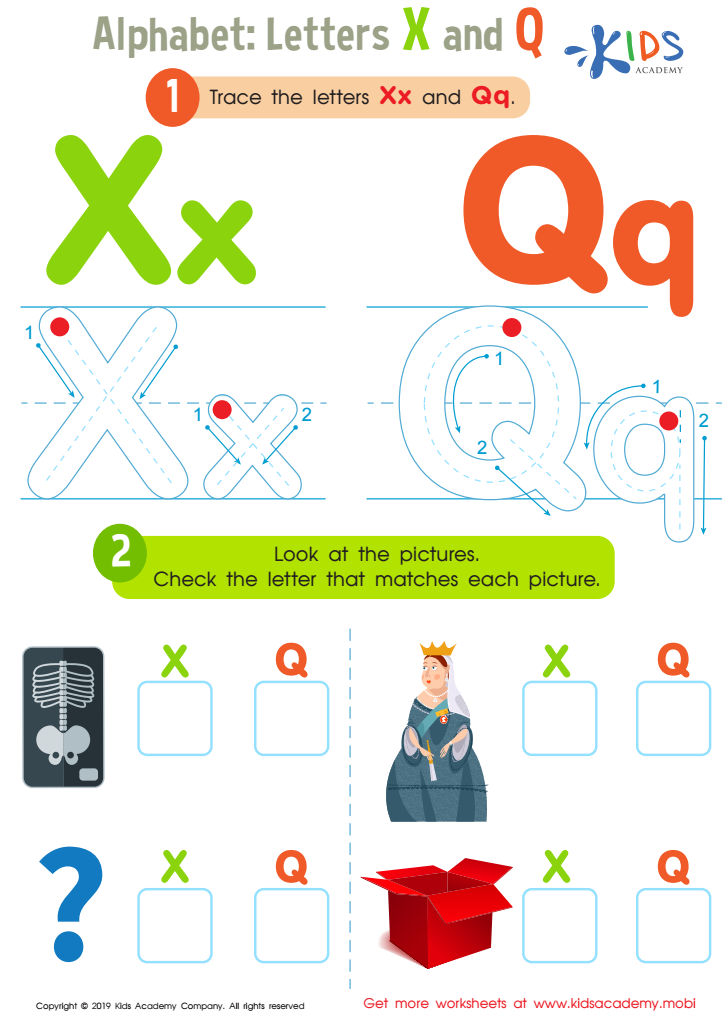
Letters X and Q Tracing Worksheet
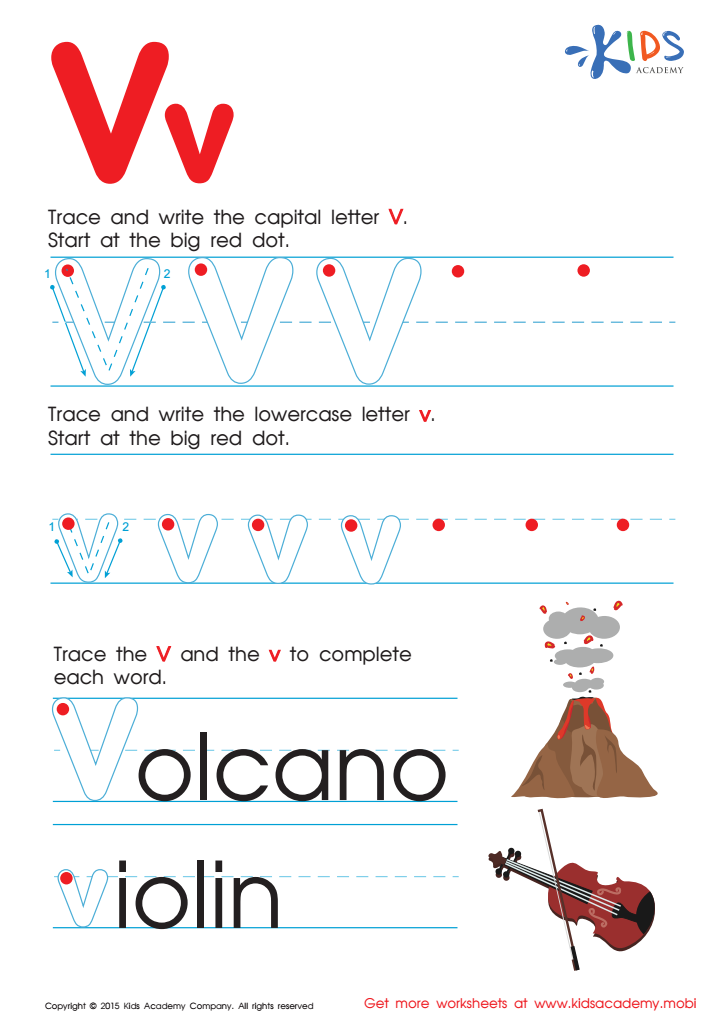
Letter V Tracing Page
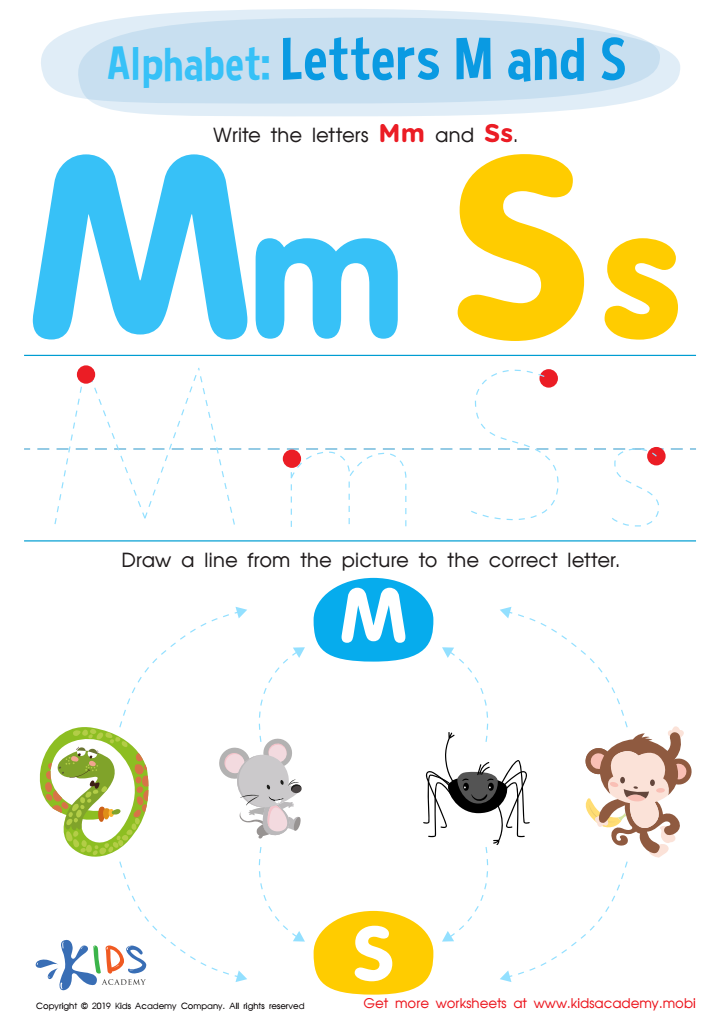
Letters M and S Tracing Worksheet
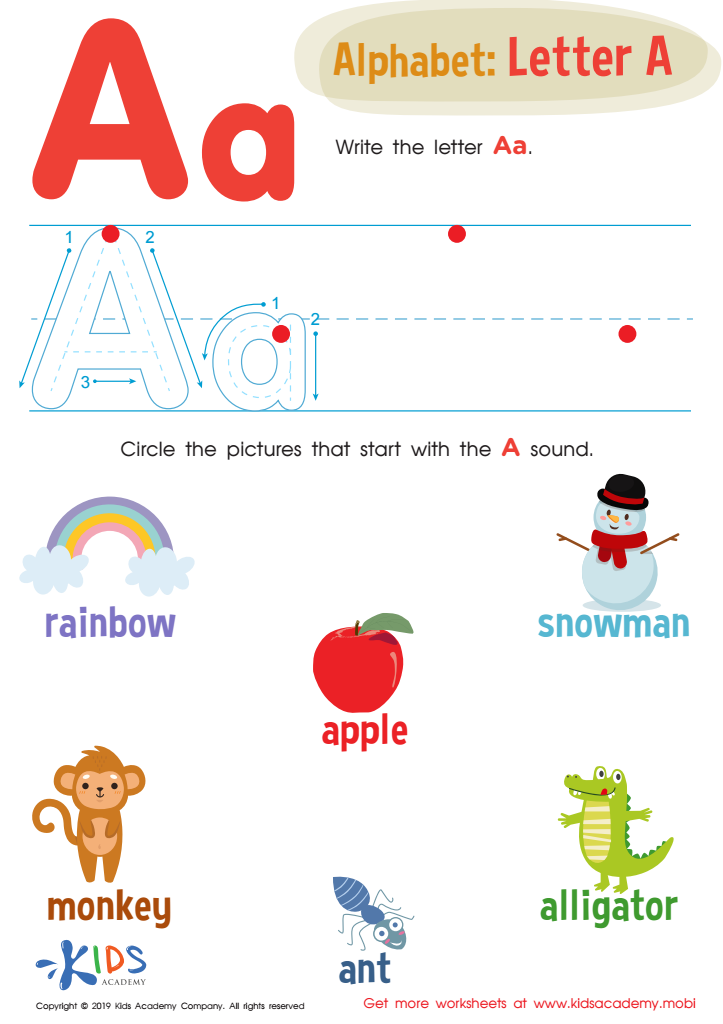
Letter A Tracing Worksheet
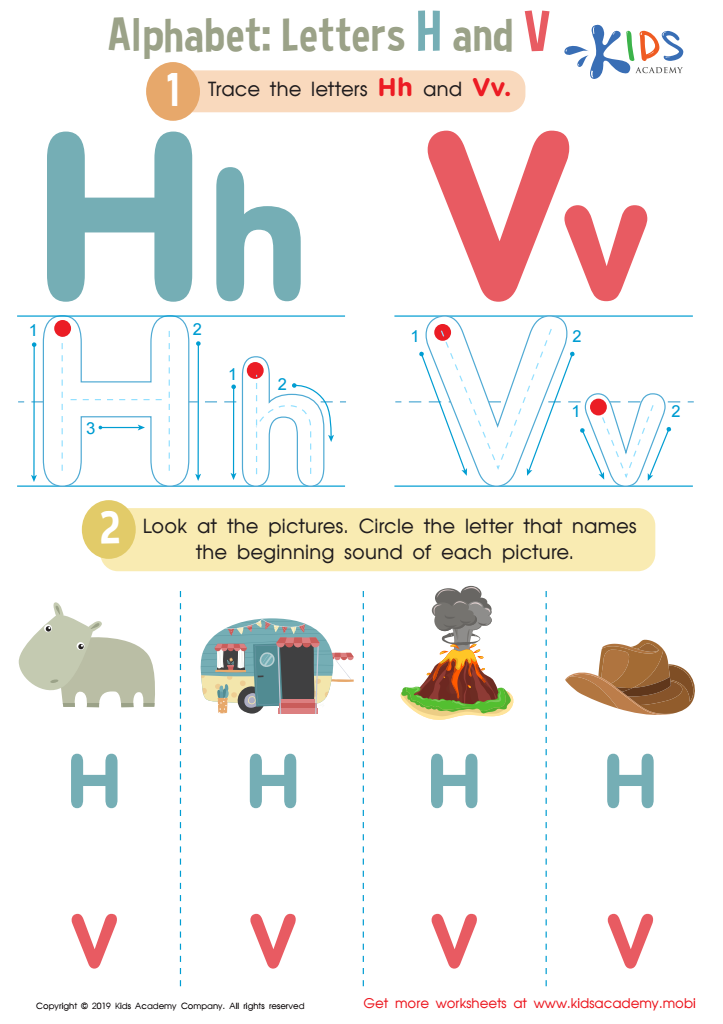
Letters H and V Tracing Worksheet
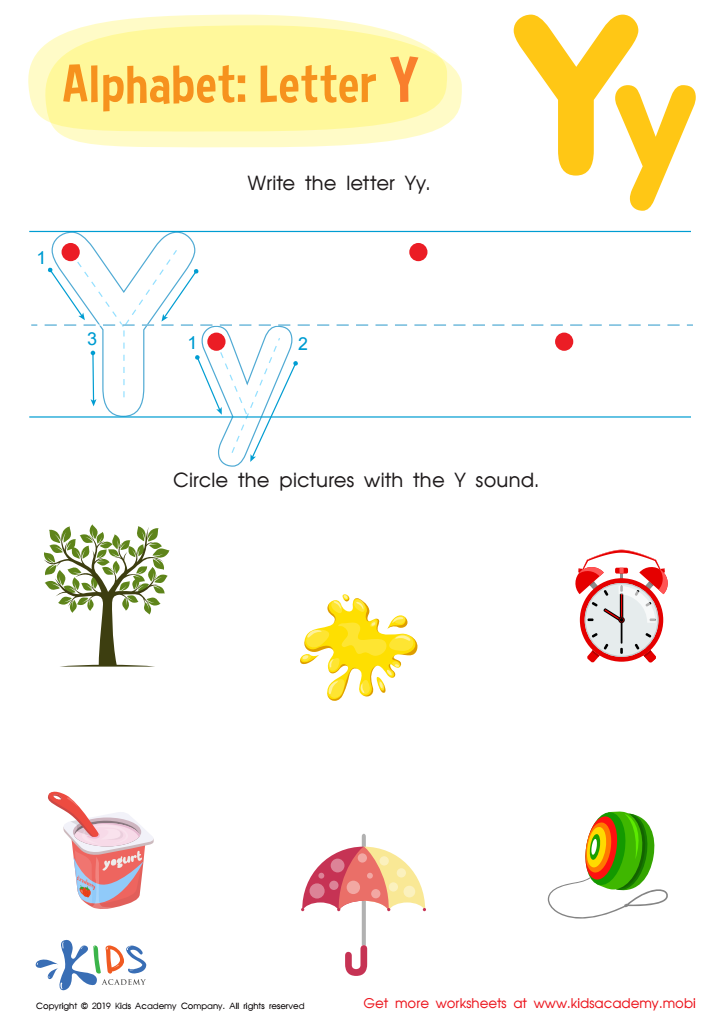
Letter Y Tracing Worksheet
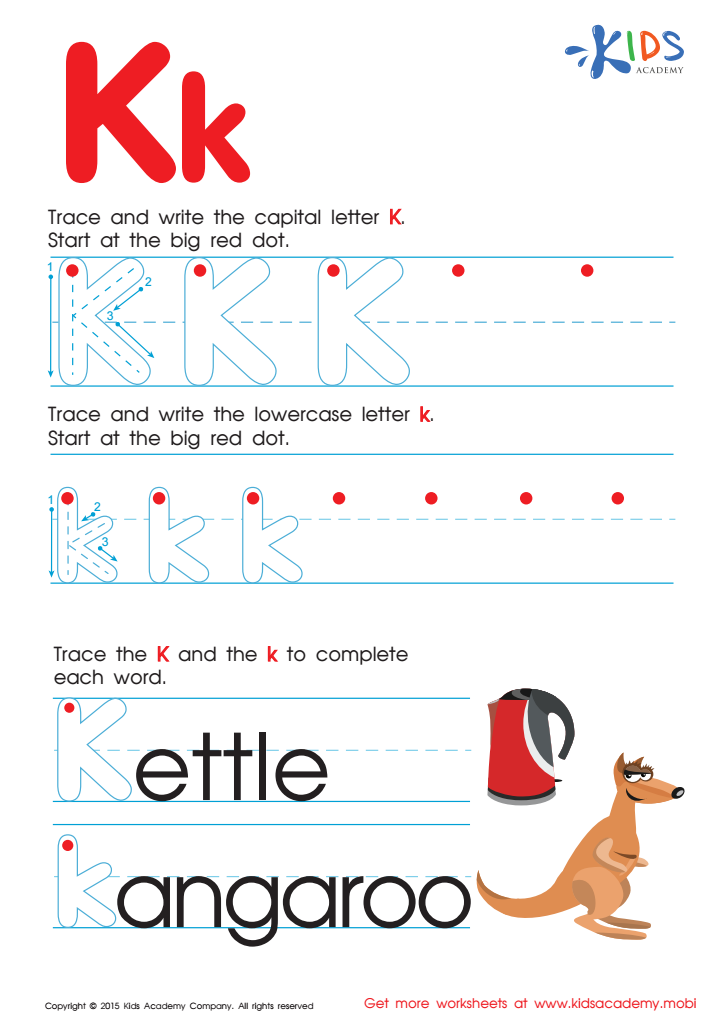
Letter K Tracing Page
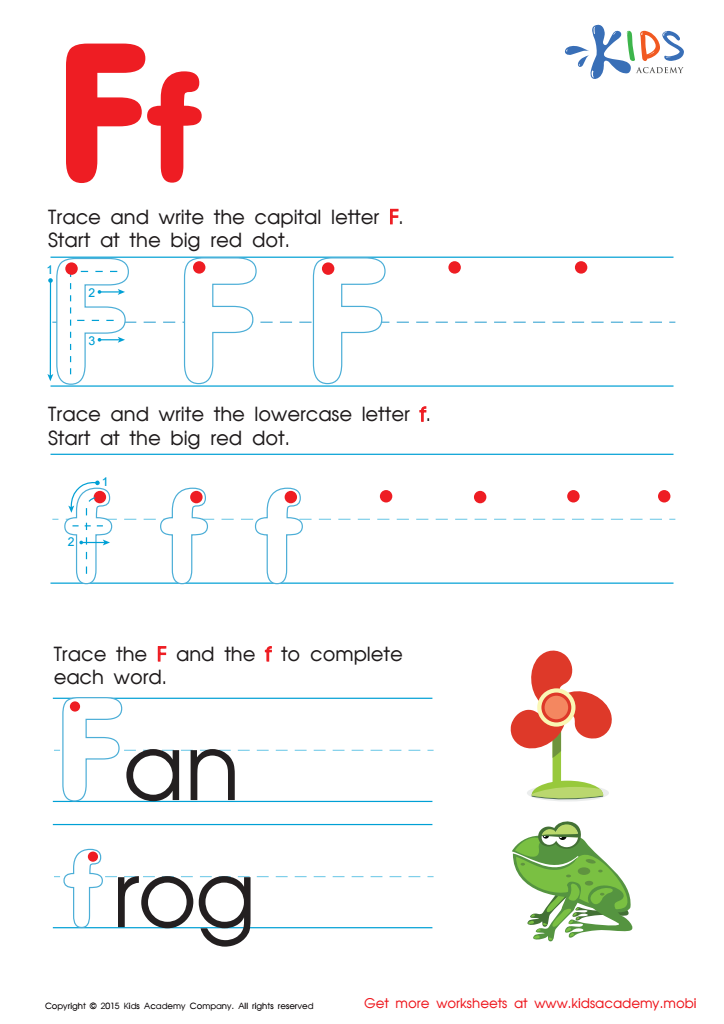
Letter F Tracing Page







Letter recognition and tracing letters are foundational activities for young children, particularly those aged 6-9, as they serve as building blocks for literacy and academic success. At this age, children are at a critical stage in their cognitive development when they are transitioning from understanding the alphabet to applying it in reading and writing contexts.
For parents and teachers, focusing on letter recognition ensures children can identify and differentiate between letters. This skill is essential for reading fluency—the better a child can recognize letters, the easier it is for them to decode words and comprehend texts. Letter recognition also impacts spelling ability and supports the development of vocabulary as children start to understand that different letters represent different sounds, paving the way for phonetic awareness.
Tracing letters, on the other hand, reinforces fine motor skills and hand-eye coordination. These activities help children learn to control writing instruments while simultaneously reinforcing the shape and form of each letter through muscle memory. This is particularly beneficial for children who are developing handwriting skills and learning to write both neatly and legibly.
Together, letter recognition and tracing letters provide a comprehensive approach towards literacy, combining cognitive, psychomotor, and proprioceptive skills. By mastering these competencies, children build the confidence and tools they need to succeed academically. Therefore, parents and teachers should prioritize these activities to lay a strong foundation for lifelong learning.








