Shape Recognition Coloring Pages Worksheets for Ages 6-9
4 filtered results
-
From - To
Unlock the world of shapes with our engaging Shape Recognition Coloring Pages Worksheets, designed especially for ages 6-9! These printable activities combine fun and learning, helping children enhance their recognition of different shapes while boosting their motor skills. Our worksheets feature a variety of captivating drawings, where kids can identify and color shapes like circles, squares, triangles, and more. As students enjoy these creative tasks, they also develop critical thinking and problem-solving abilities. Perfect for parents and teachers seeking creative educational resources, our shape recognition coloring pages are a delightful way to strengthen foundational math skills. Dive in and shape up learning adventures!
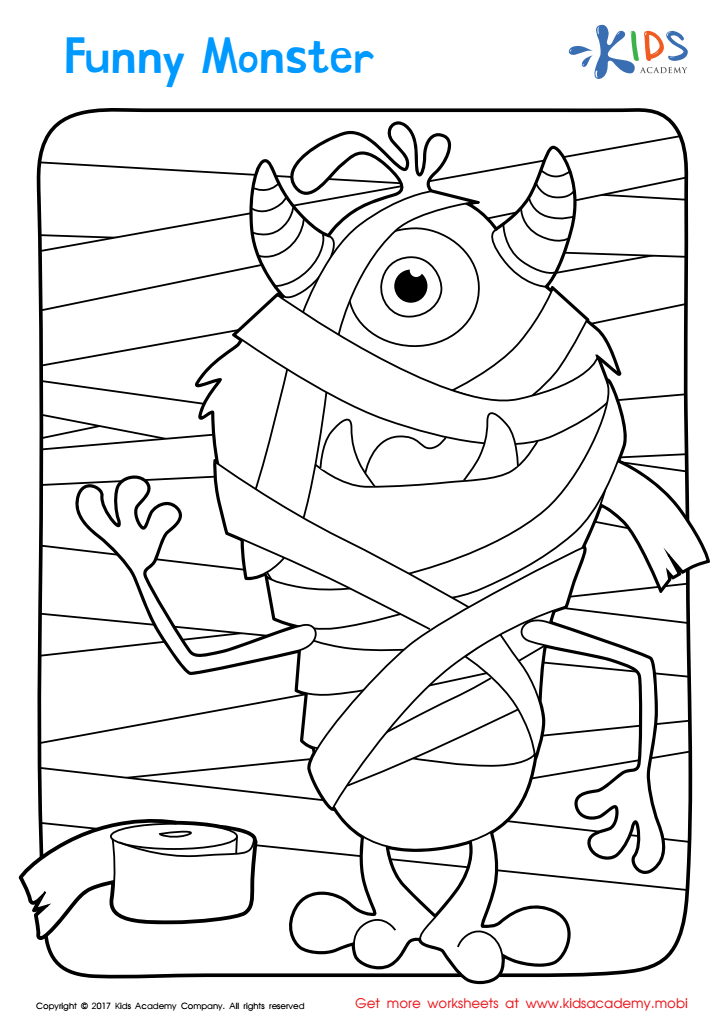
Halloween: A Funny Monster Worksheet
 Assign to My Students
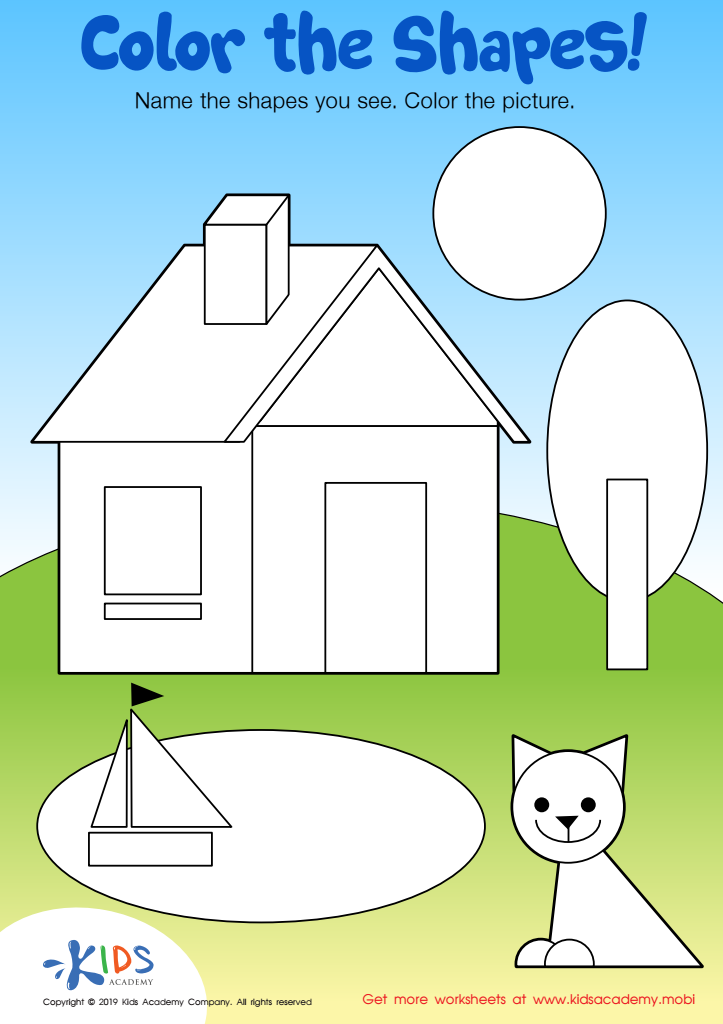
Color the Shapes Worksheet
Assign to My Students
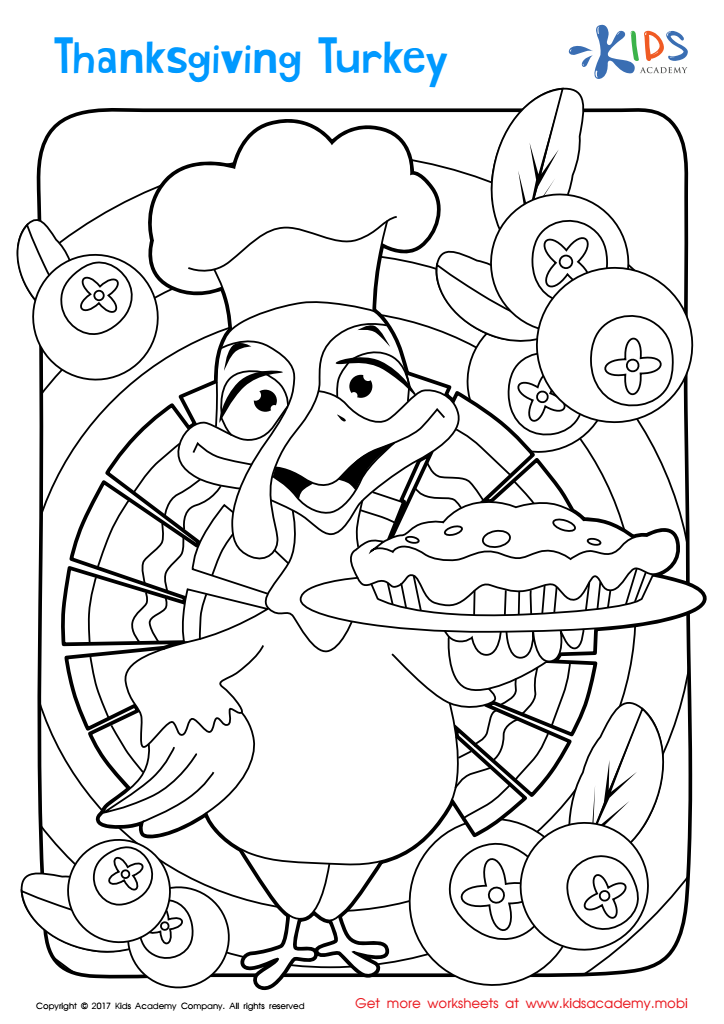
Turkey Thanksgiving Day Worksheet
Assign to My Students
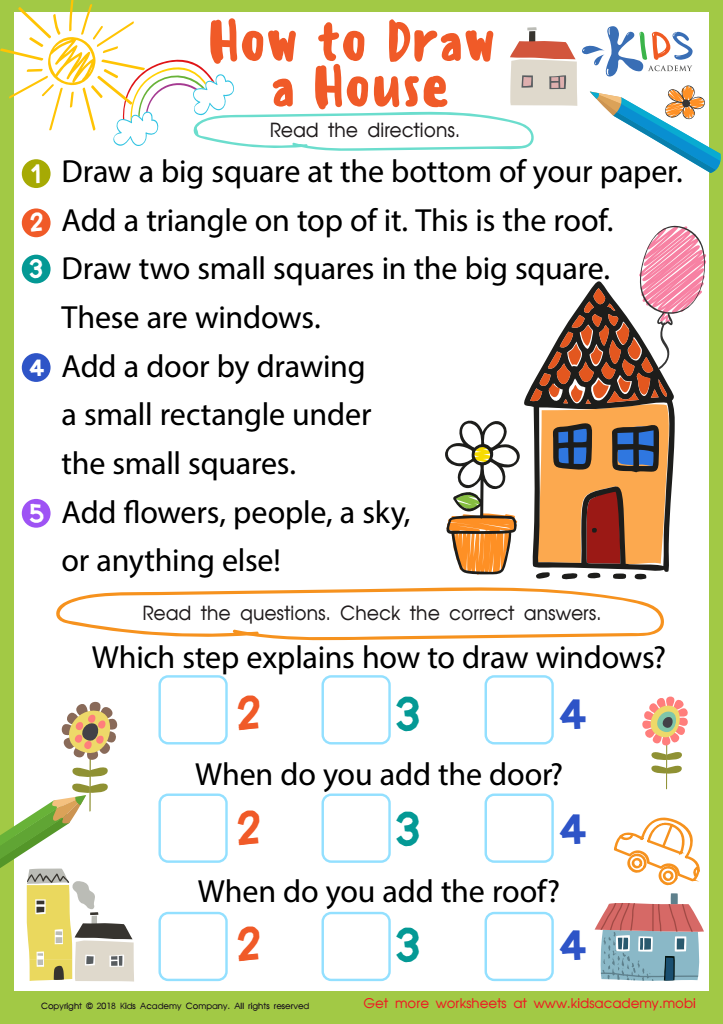
How to Draw House Worksheet







Shape recognition coloring pages are invaluable for children aged 6-9, bridging creativity and crucial cognitive development. Parents and teachers should prioritize these engaging activities for multiple reasons:
First, shape recognition is a foundational geometry skill. By identifying and coloring circles, squares, triangles, and other shapes, children sharpen their visual perception and spatial awareness. This early practice fosters mathematical readiness, aiding comprehension in more advanced topics like fractions and symmetry later on.
Second, coloring pages enhance fine motor skills and hand-eye coordination. The act of coloring within lines develops control and precision, essential for writing and detailed artwork. It promotes better handwriting and improved dexterity, which are imperative for everyday tasks.
Third, these activities support cognitive development by encouraging the brain to categorize and differentiate shapes. This ability translates into better problem-solving skills and logical reasoning.
Furthermore, shape recognition coloring pages also introduce colors and patterns, amplifying their creative scope. They act as calming activities that can reduce stress, enhance concentration, and stimulate imagination.
Ultimately, these pages are simple, enjoyable tools combining education with play. They offer a myriad of cognitive, motor, and emotional benefits, making them a powerful resource for holistic development in early childhood. So whether at home or in school, incorporating them into daily activities reaps significant rewards.