Color recognition English for Beginners Worksheets for Ages 6-9
21 filtered results
-
From - To
Enhance your child's color recognition and English skills with our "Color Recognition English for Beginners Worksheets" designed for ages 6-9. These fun and engaging printable worksheets help young learners identify and name colors while expanding their English vocabulary. Each activity incorporates colorful images and simple instructions to make learning enjoyable and effective. Perfect for ESL students, these resources support early learning skills and language development. Boost your child's confidence and prepare them for more advanced studies with our expertly crafted materials at Kids Academy. Explore our collection today and watch your child excel!
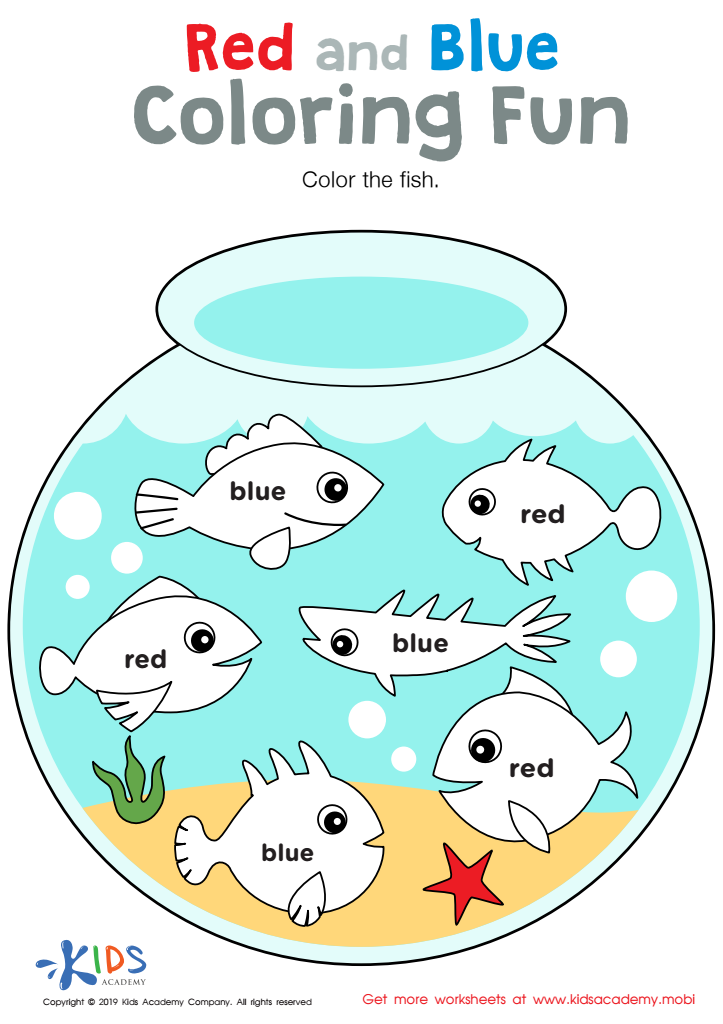
Red and Blue Coloring Fun Worksheet
 Assign to My Students
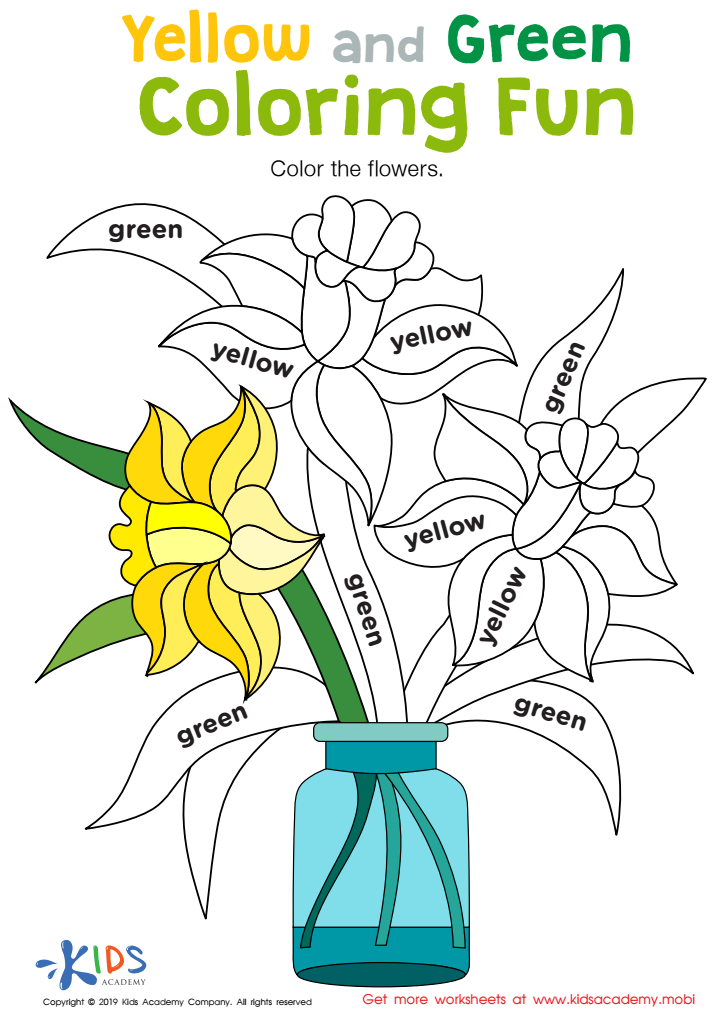
Yellow and Green Coloring Fun Worksheet
Assign to My Students
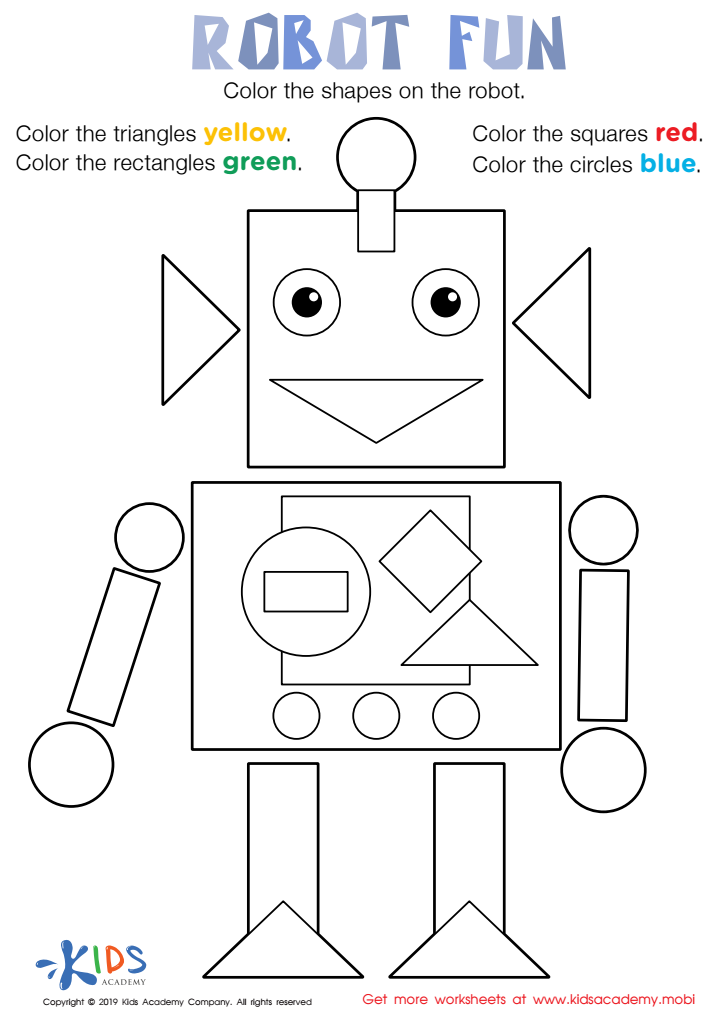
Robot Fun Worksheet
Assign to My Students
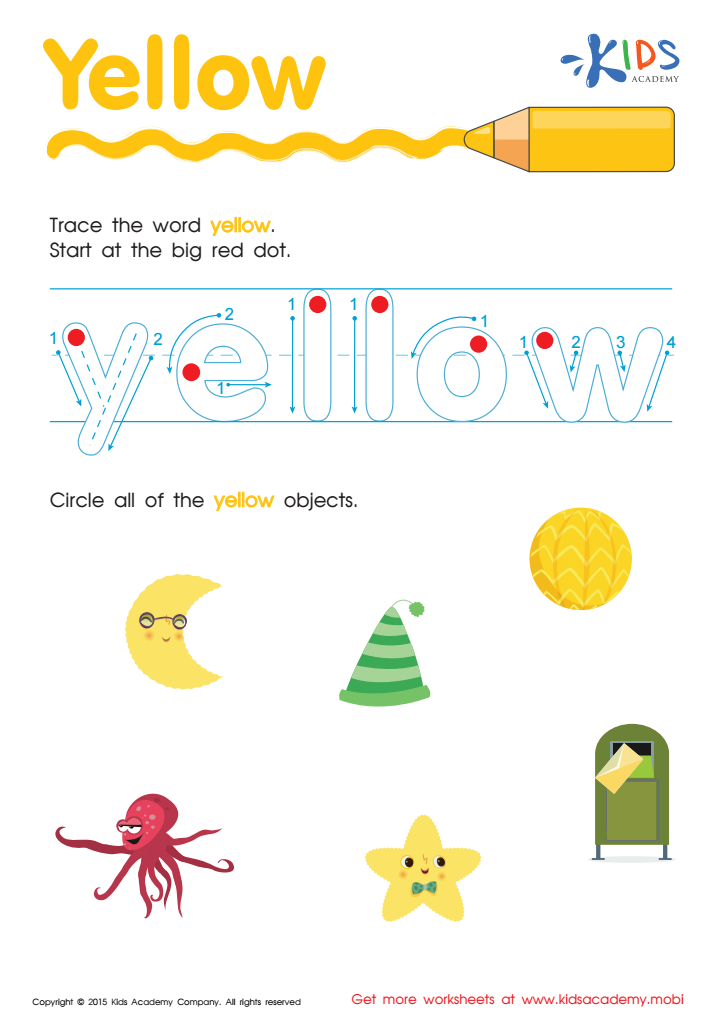
Yellow Tracing Color Words Worksheet
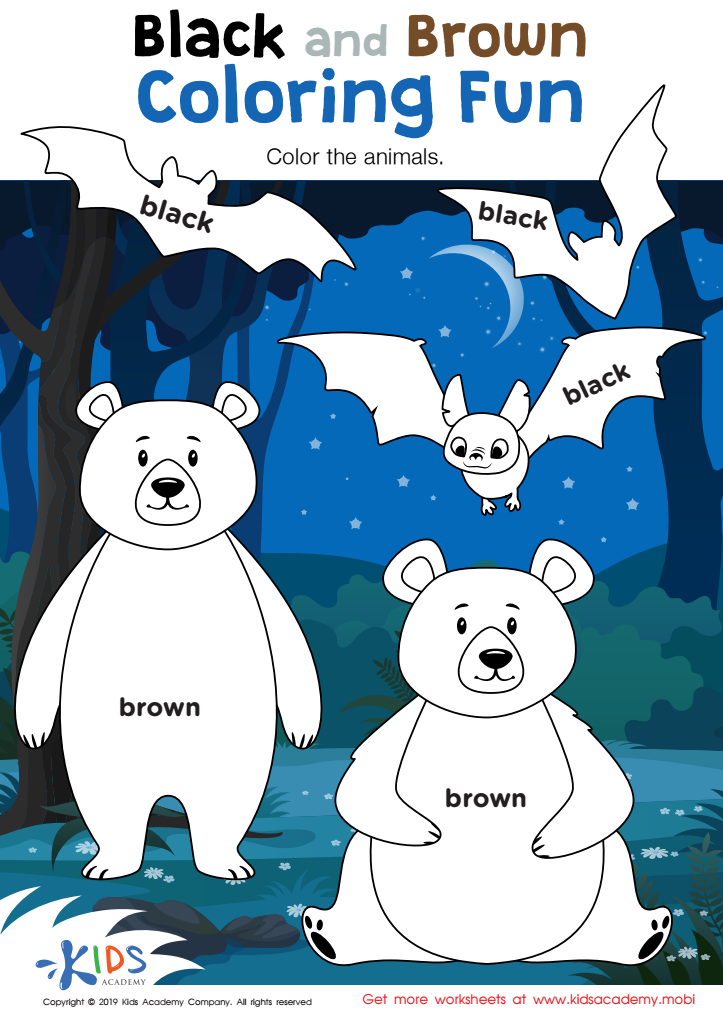
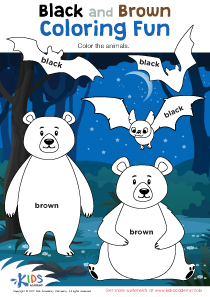
Black and Brown Coloring Fun Worksheet
Assign to My Students
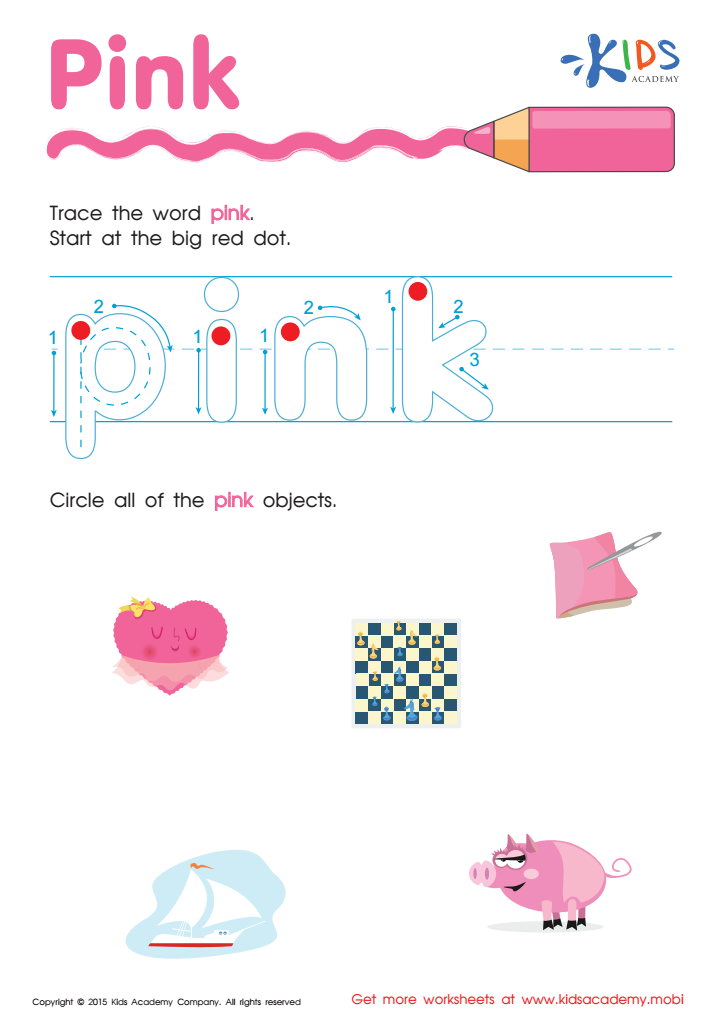
Pink Tracing Color Words Worksheet
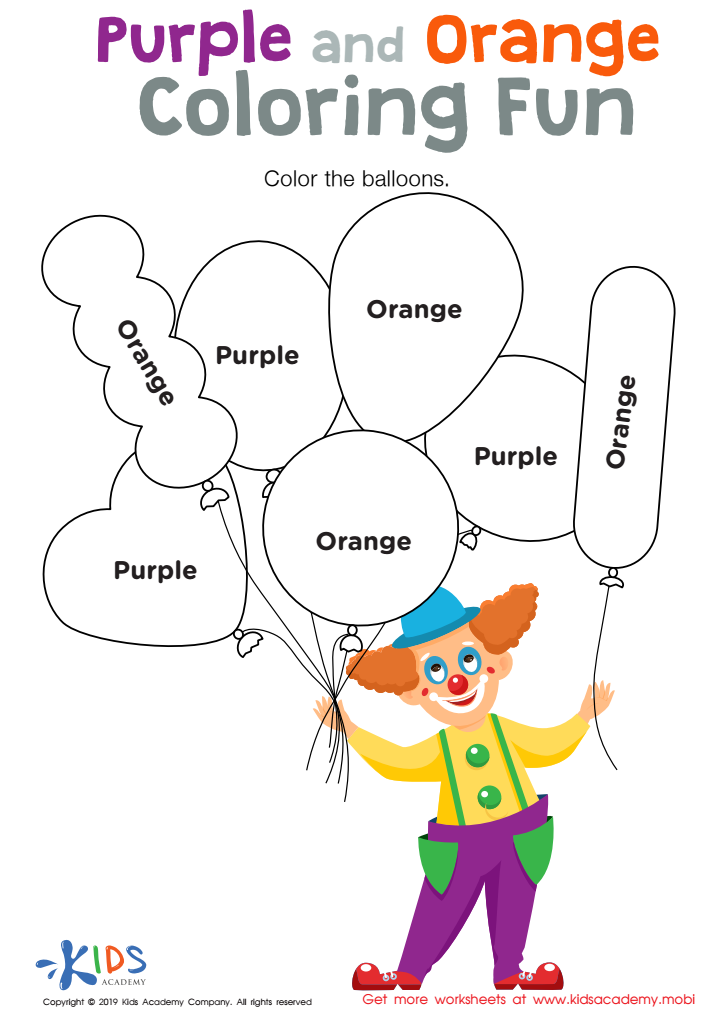
Purple and Orange Coloring Fun Worksheet
Assign to My Students
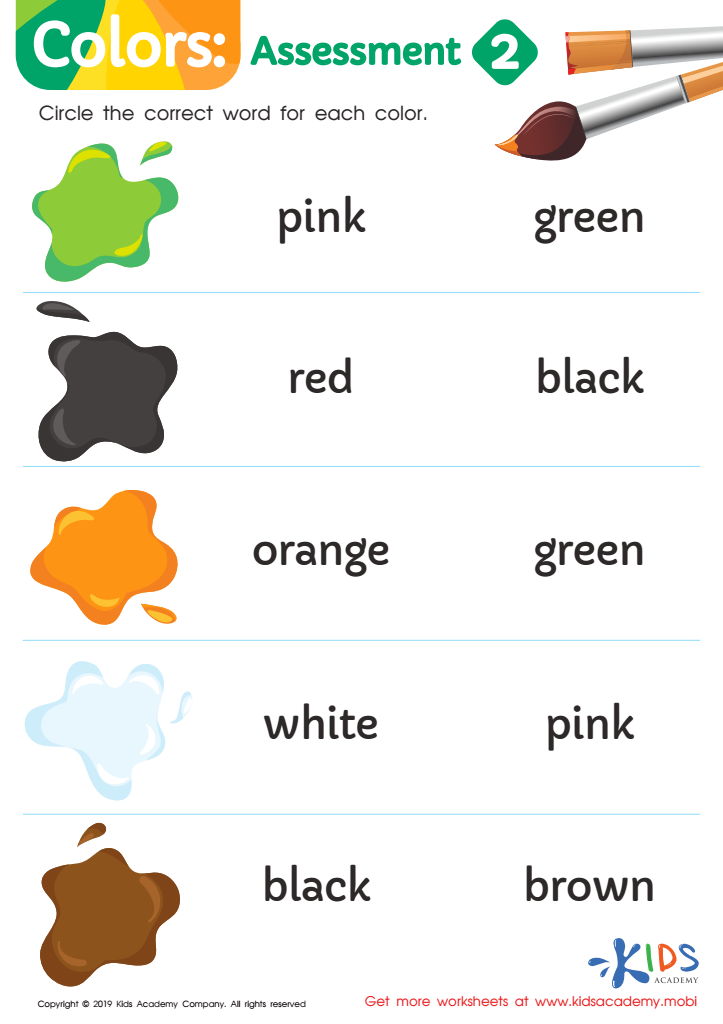
Colors: Assessment 2 Worksheet
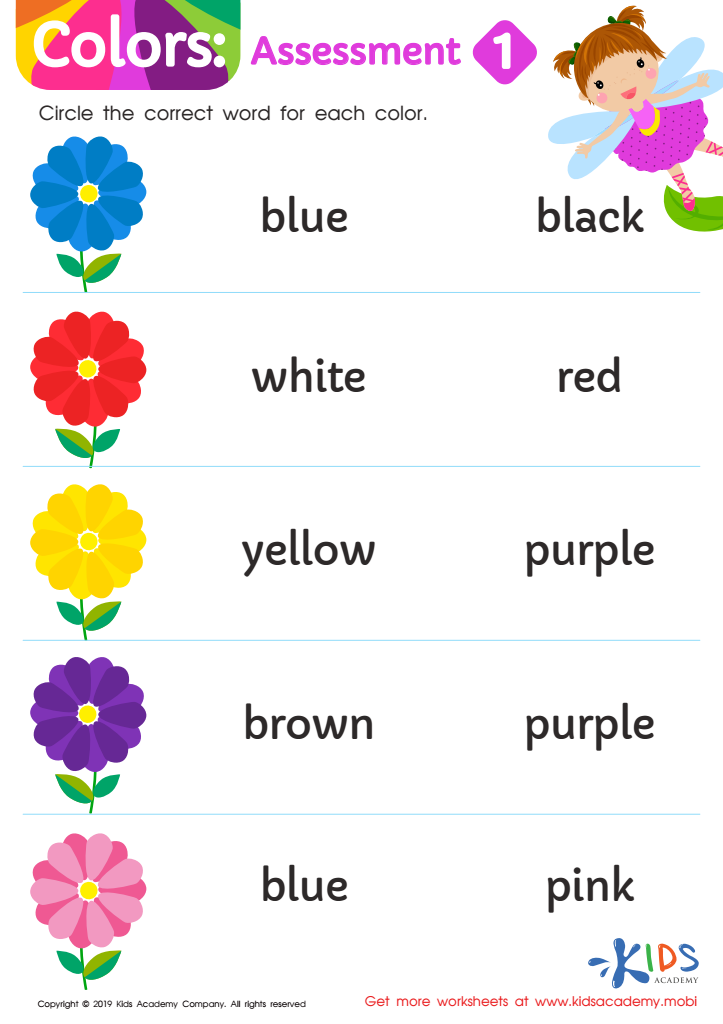
Colors: Assessment 1 Worksheet
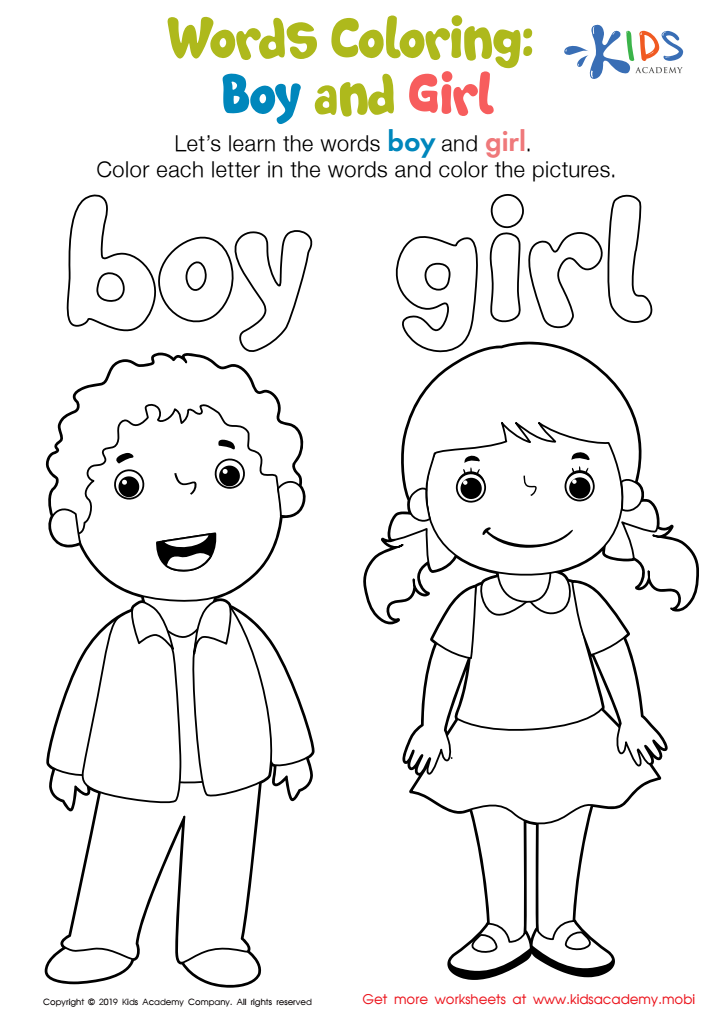
Boy and Girl Words Coloring Worksheet
Assign to My Students
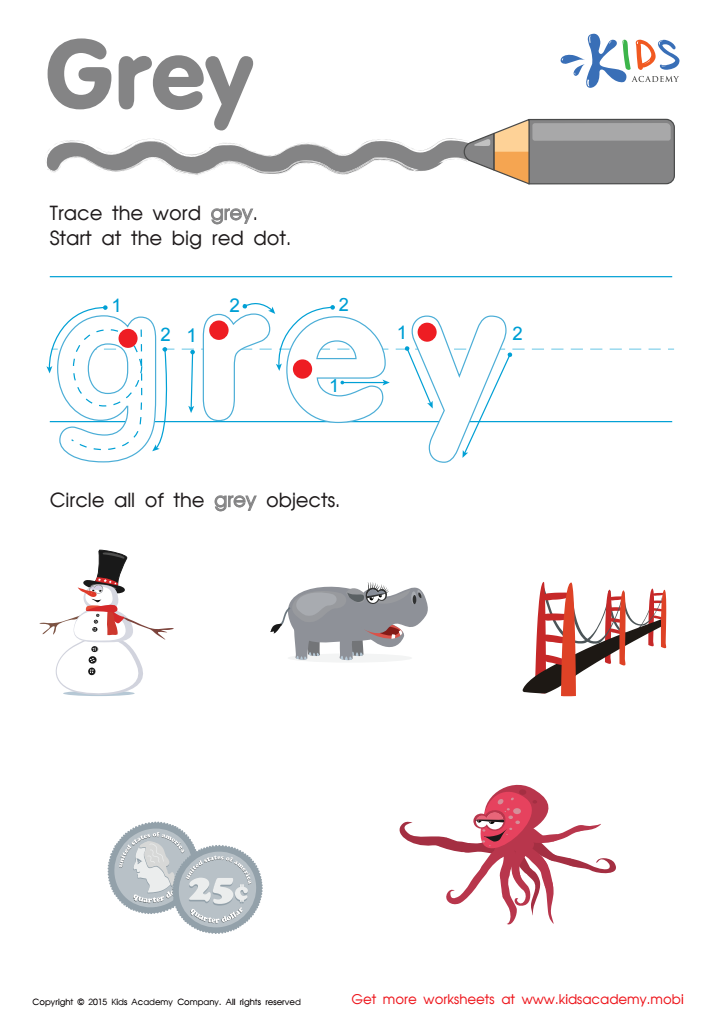
Grey Tracing Color Words Worksheet
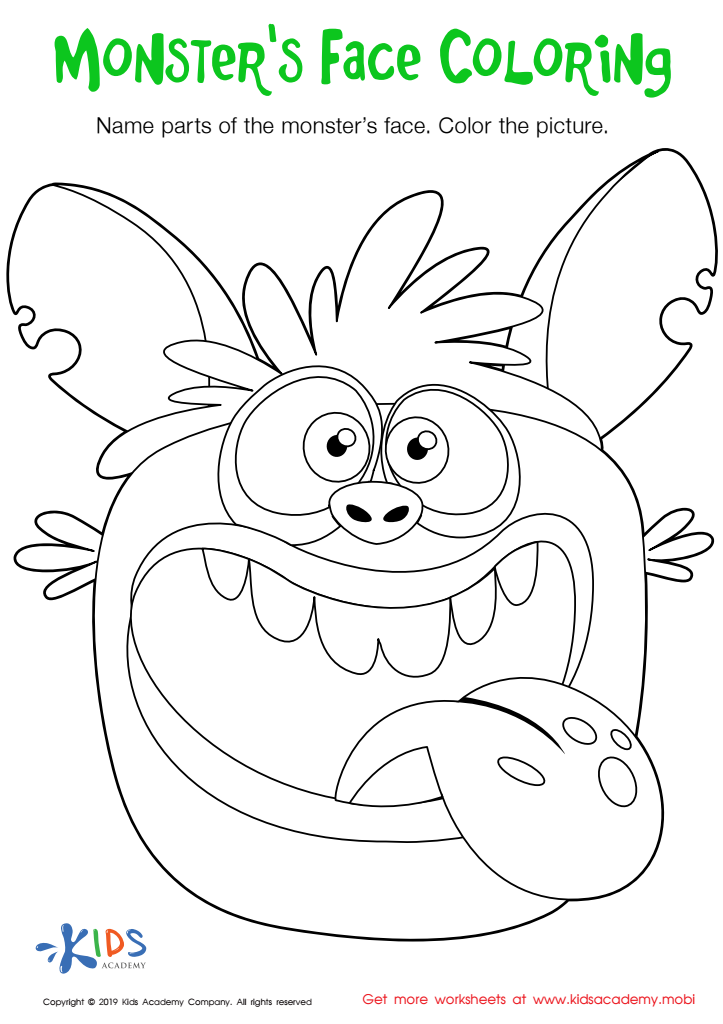
Monster's Face Coloring Worksheet
Assign to My Students
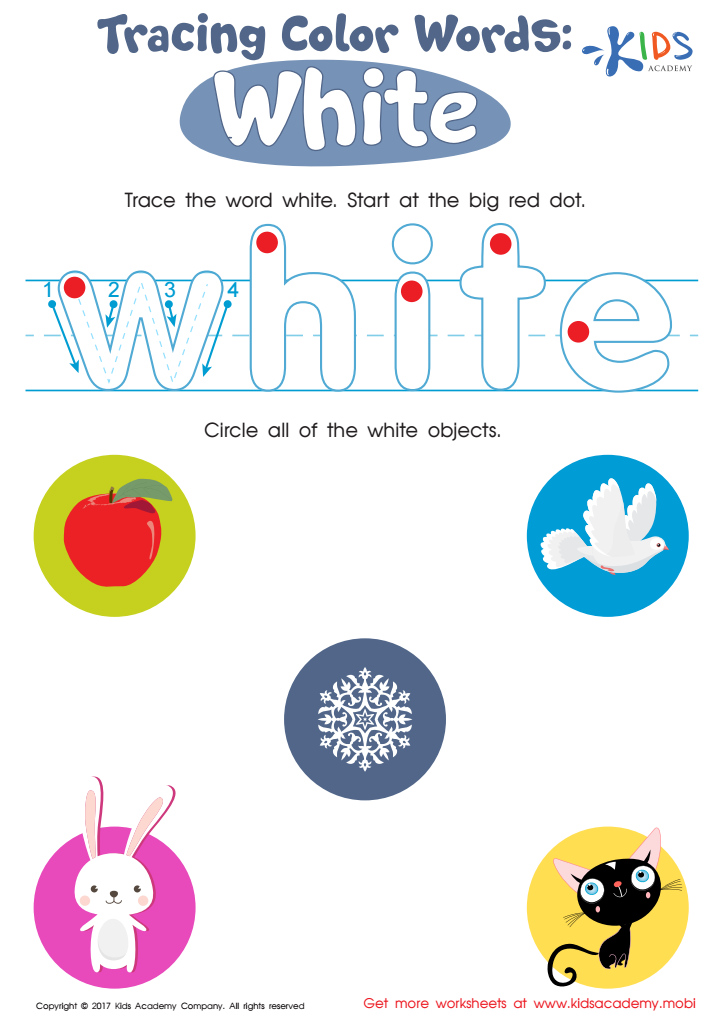
White Tracing Color Words Worksheet
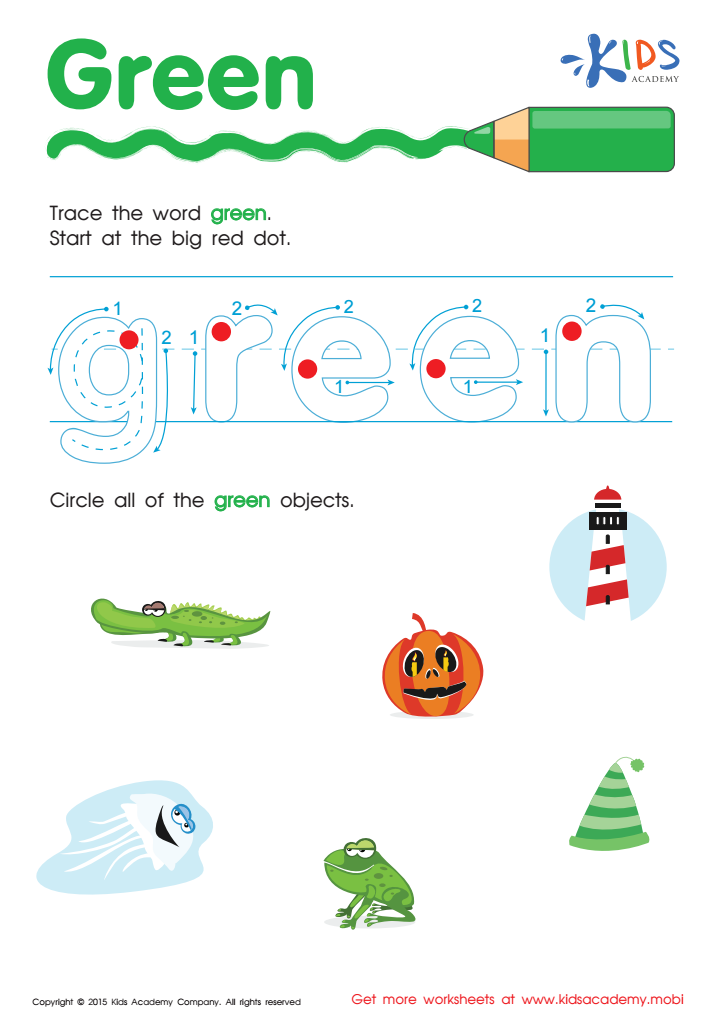
Green Tracing Color Words Worksheet
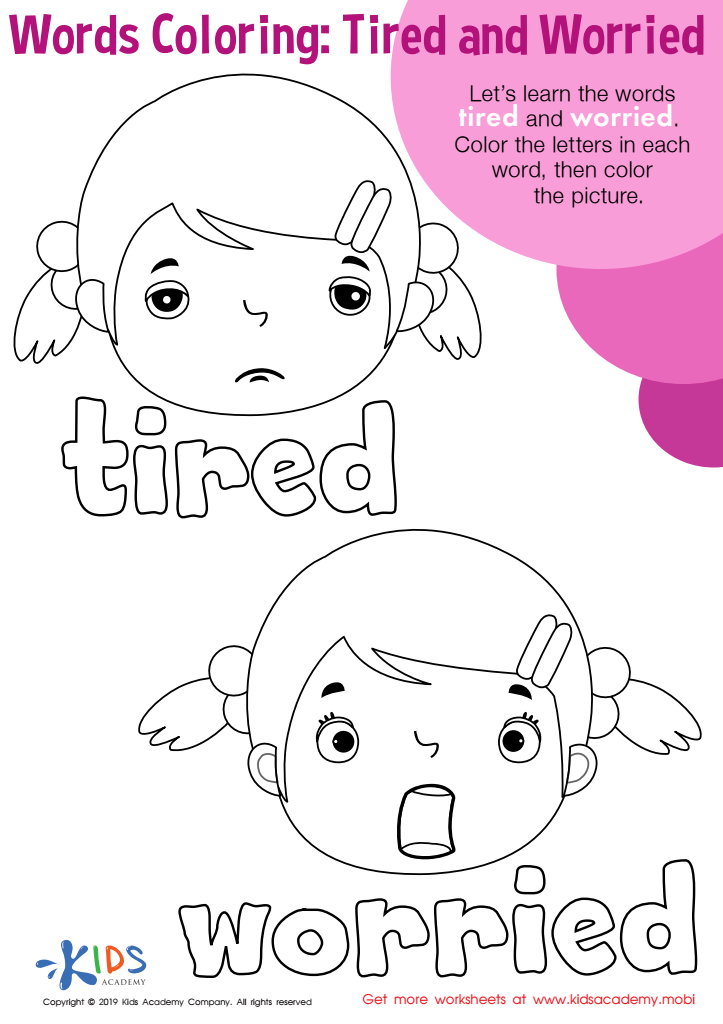
Tired and Worried Words Coloring Worksheet
Assign to My Students
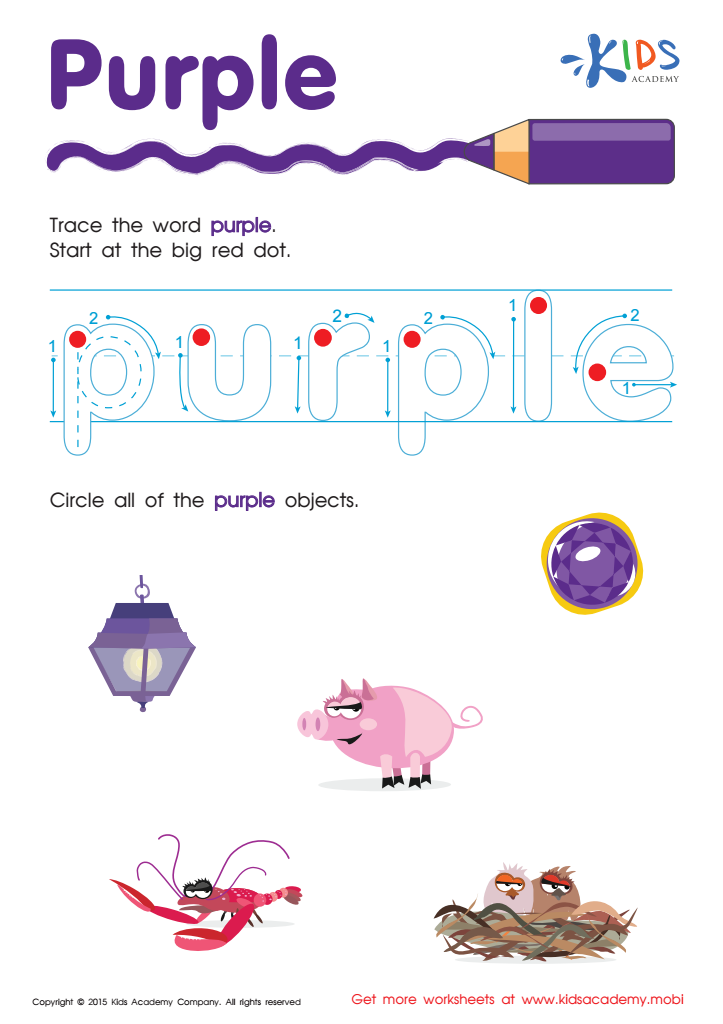
Purple Tracing Color Words Worksheet
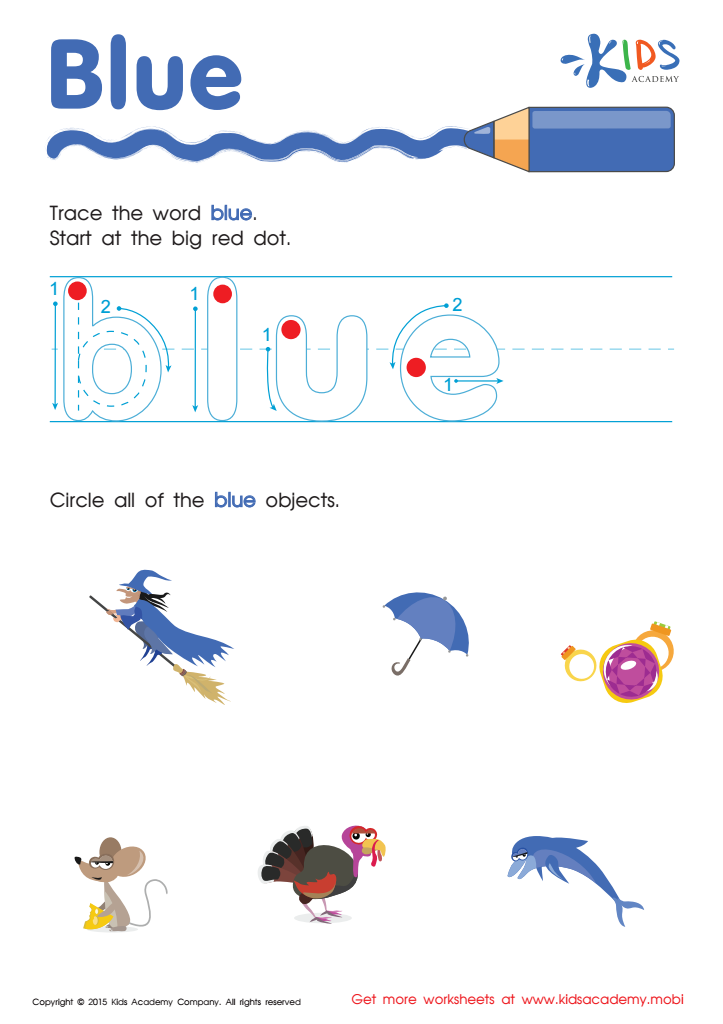
Blue Tracing Color Words Printable
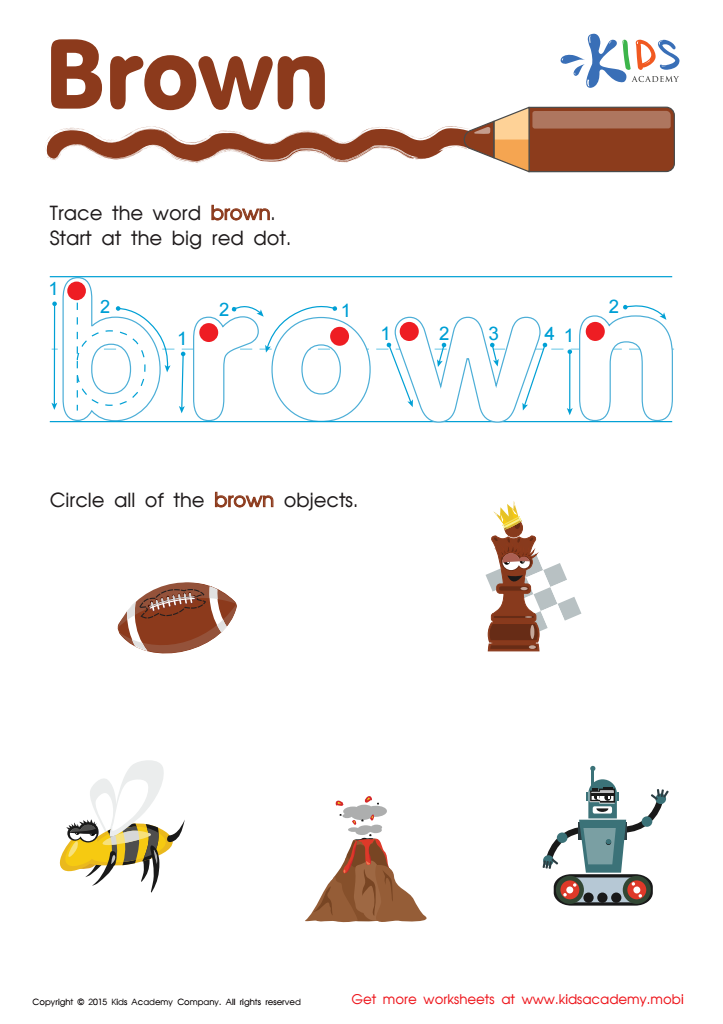
Brown Tracing Color Words Worksheet
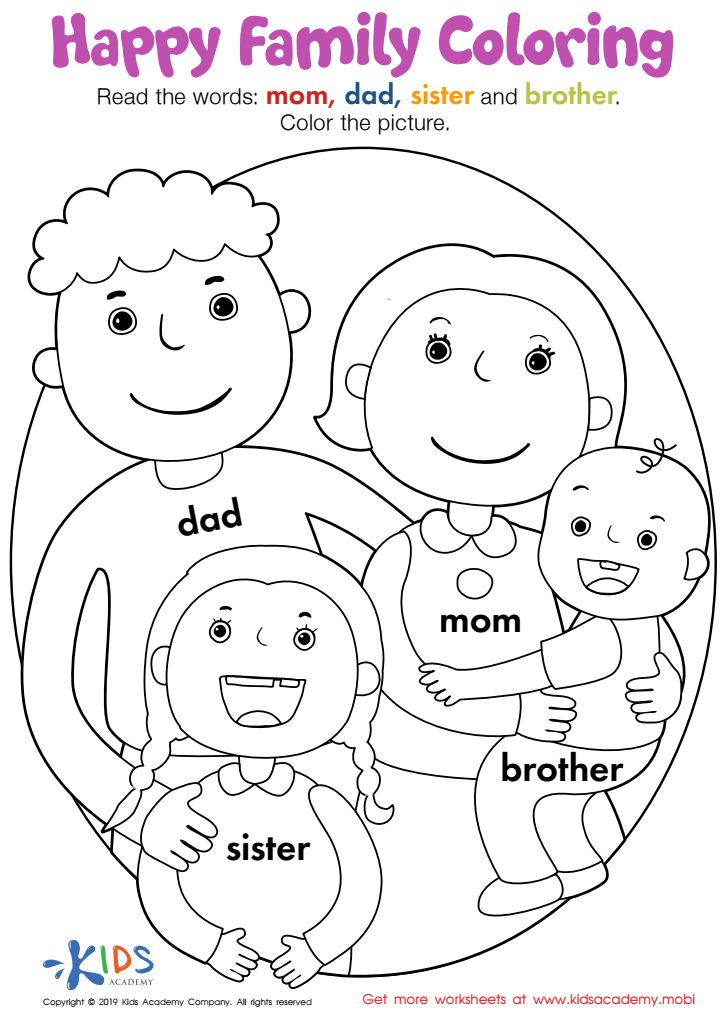
Happy Family Coloring Worksheet
Assign to My Students
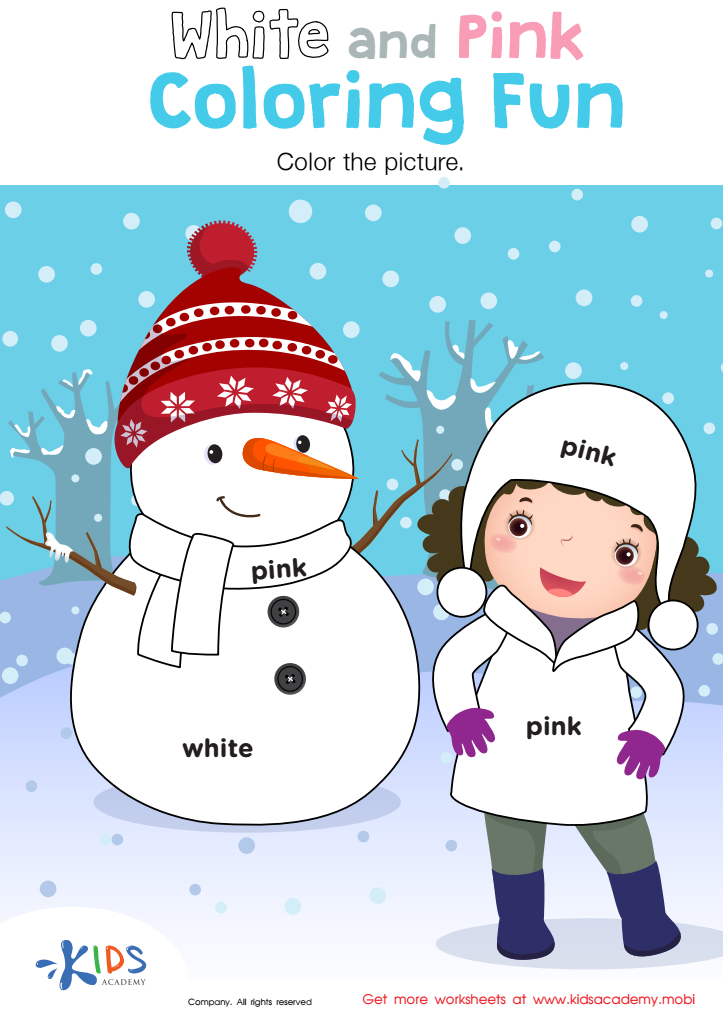
White and Pink Coloring Fun Worksheet
Assign to My Students
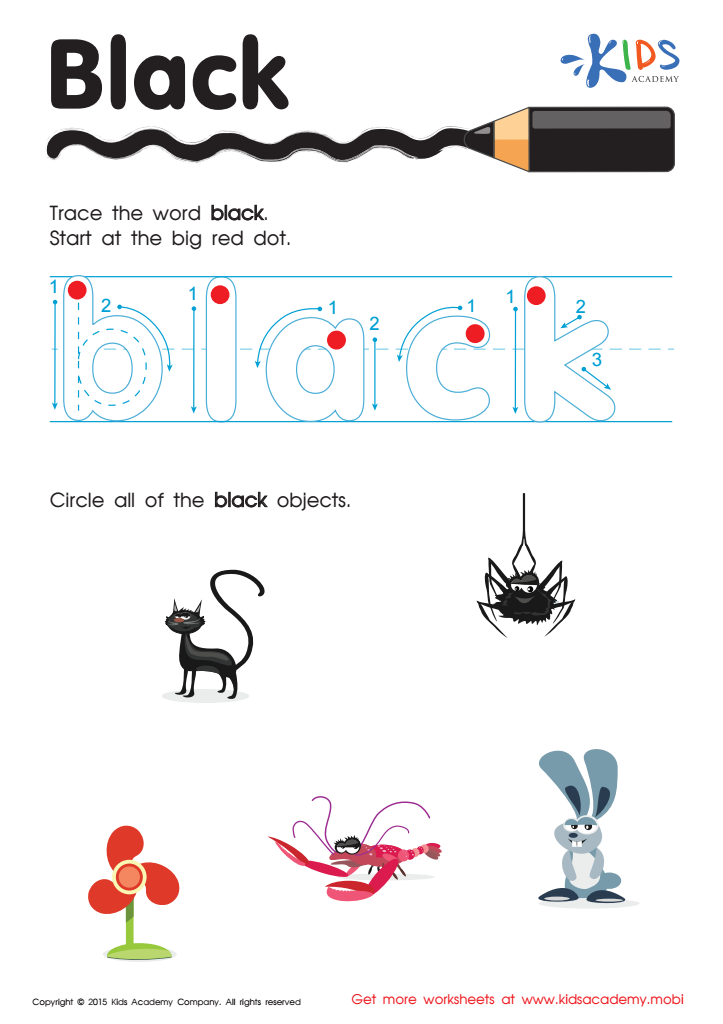
Black Tracing Color Words Printable





Color recognition is a fundamental skill that significantly impacts a child's cognitive and language development, especially for ages 6-9. Parents and teachers should prioritize this aspect of learning as it lays a crucial foundation for various academic and life skills.
Firstly, color recognition enhances vocabulary, an essential aspect of learning English for beginners. By learning the names of different colors, children expand their word bank, improve their descriptive capabilities, and become more articulate. For instance, instead of saying "the ball," they can specify "the red ball," fostering precision in communication.
Additionally, understanding colors aids in distinguishing similarities and differences among objects, which is a key aspect of logical thinking and categorization. This foundational skill paves the way for more complex problem-solving and analytical tasks, essential in all areas of learning.
Color activities can make learning more engaging and interactive. Games, drawing, and crafts that focus on colors captivate children's interest and make the learning process enjoyable. This increased engagement often leads to higher retention rates and a stronger grasp of both color terminology and basic language skills.
In essence, focusing on color recognition not only bolsters language acquisition and cognitive development but also enhances overall learning experiences, making it highly beneficial for children in the 6-9 age bracket.