Alphabet Recognition Worksheets for Ages 6-9 - Page 2
70 filtered results
-
From - To
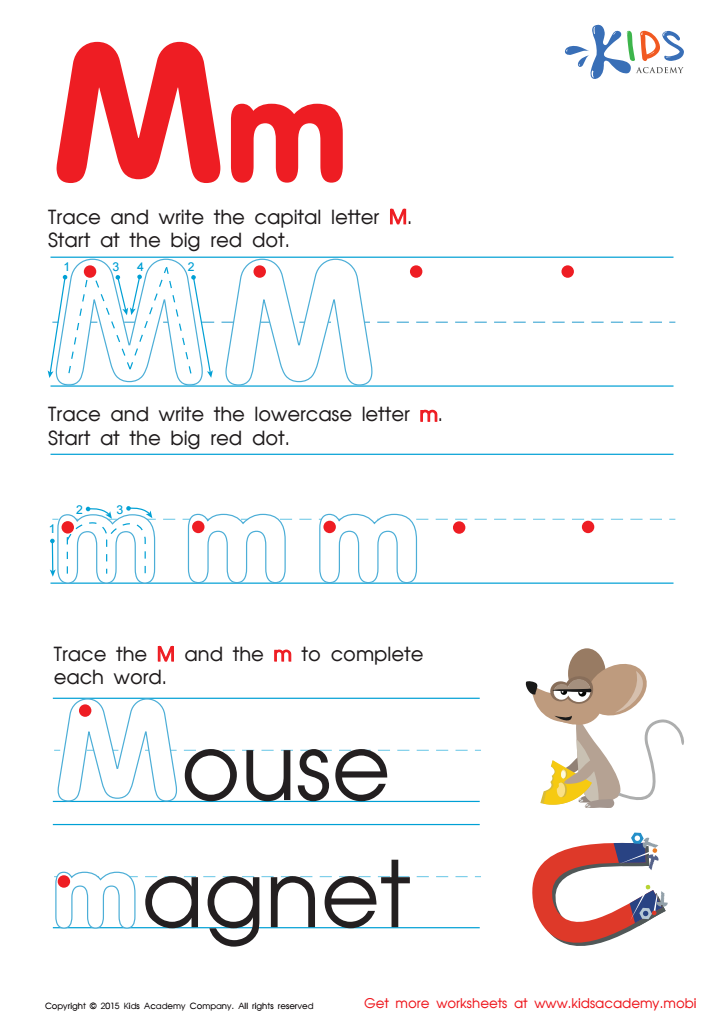
Letter M Tracing Page
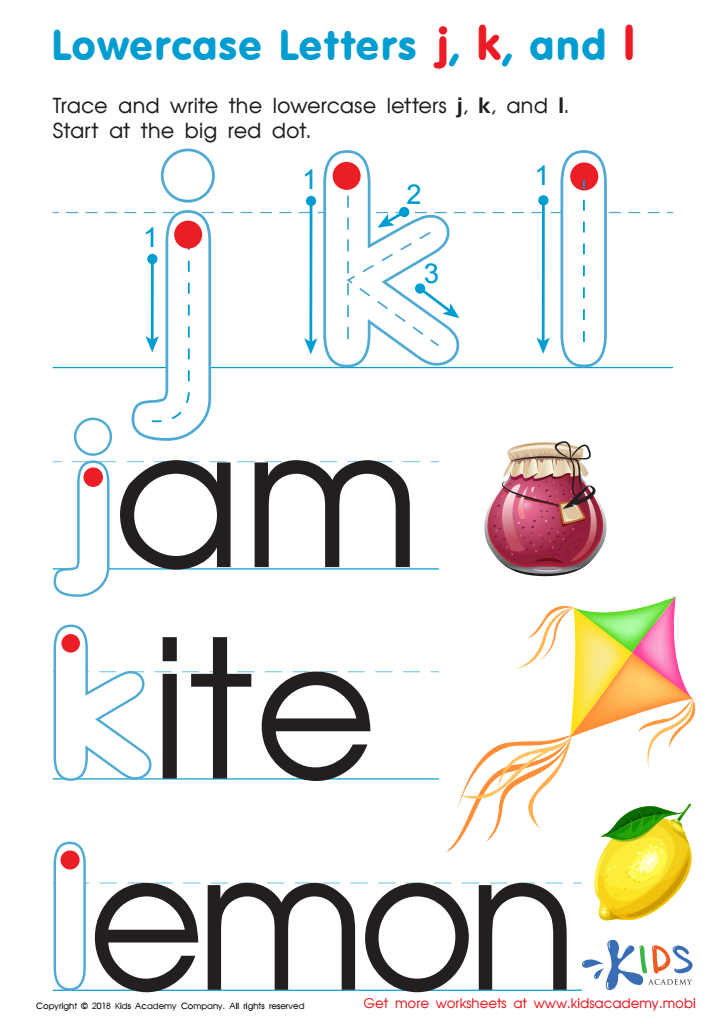
Lowercase Letters j k l Worksheet
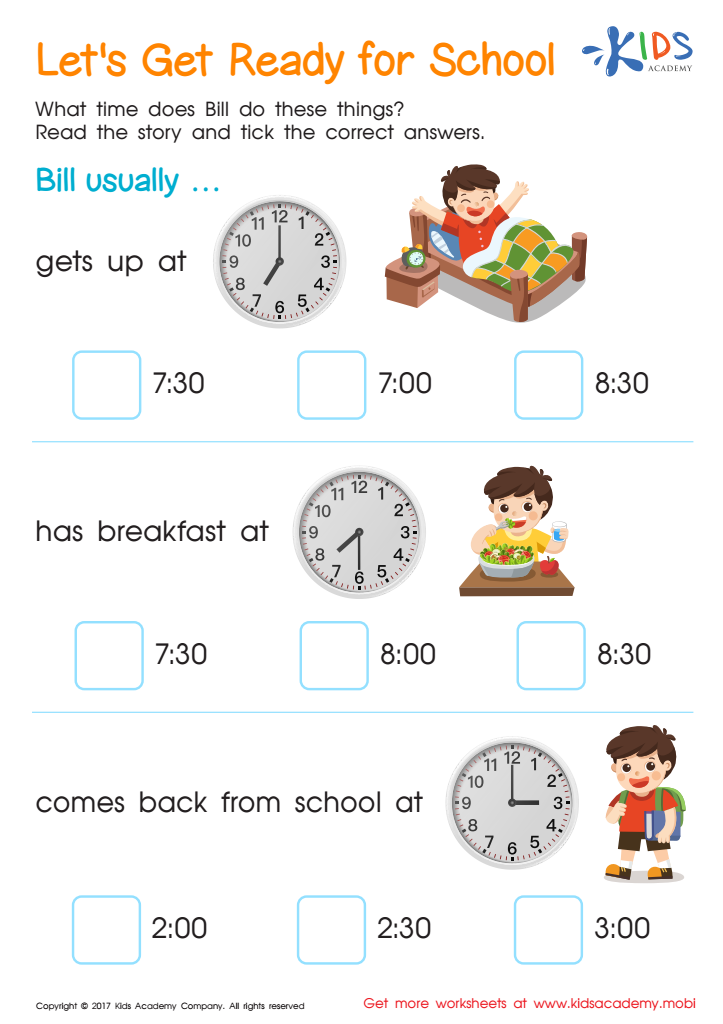
Lets Get Ready For School Time Printable
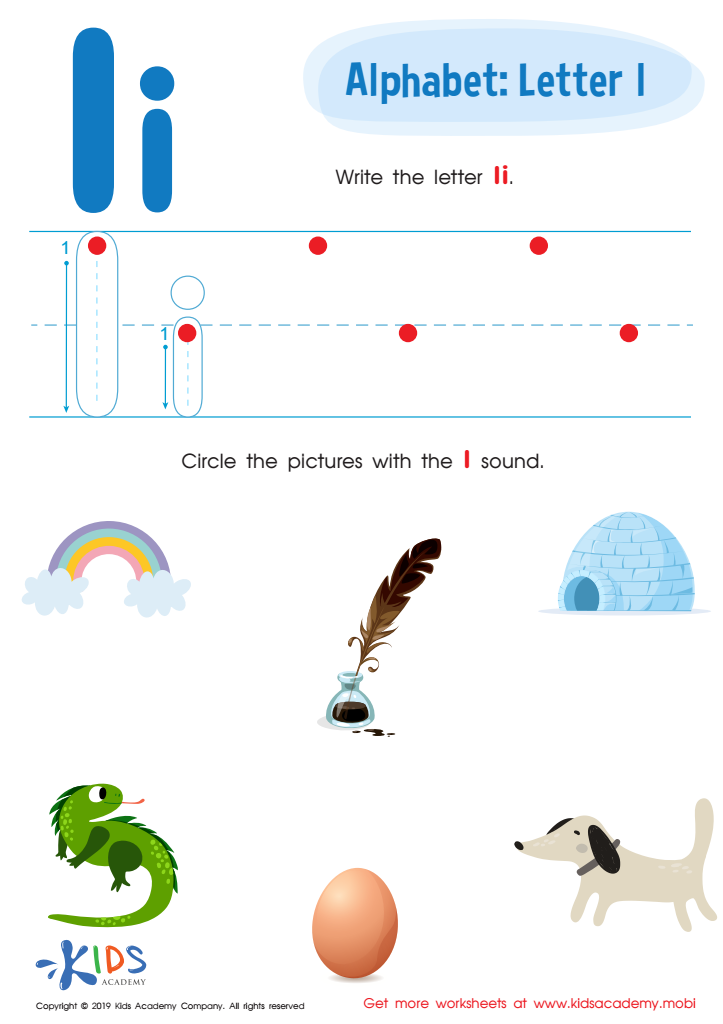
Letter I Tracing Worksheet
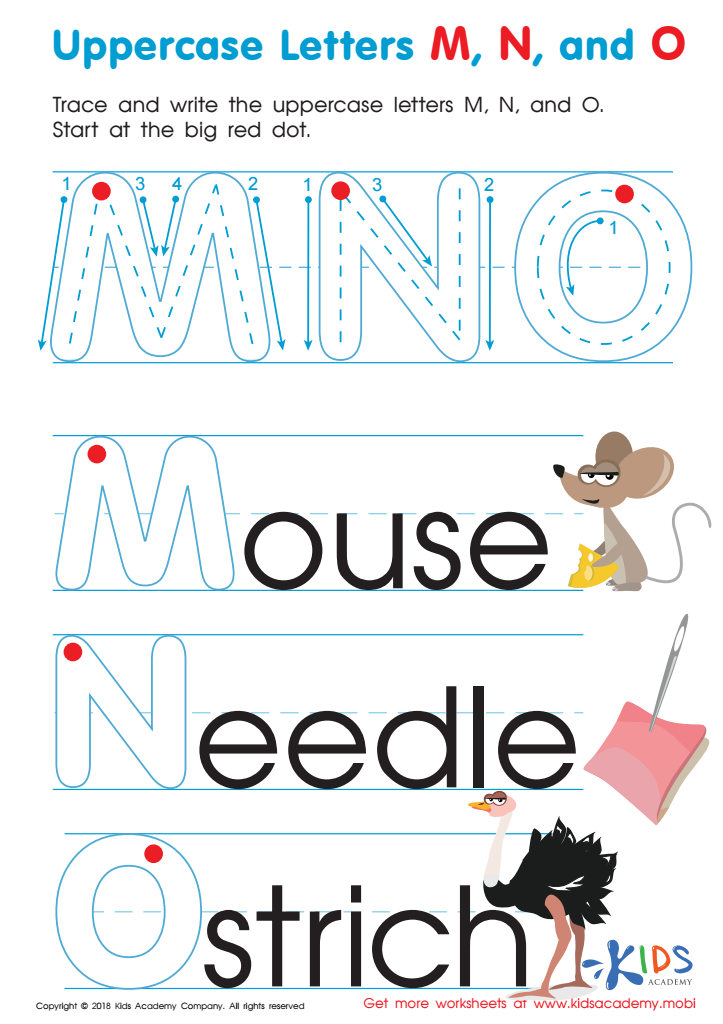
Uppercase Letters M, N, and O Worksheet
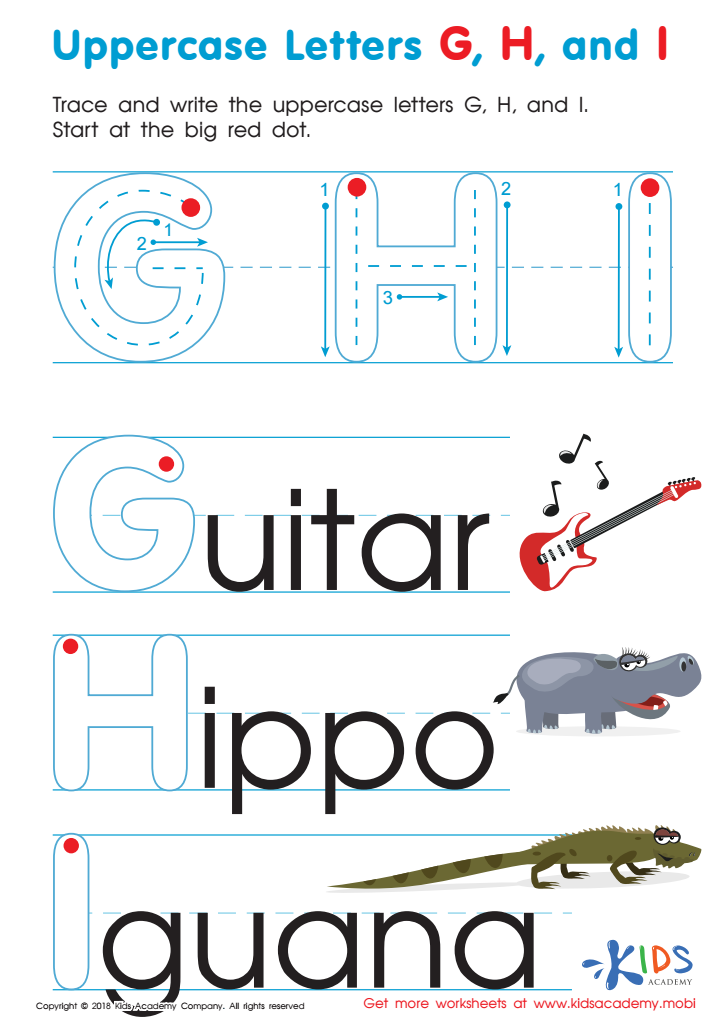
Uppercase Letters G, H, and I Worksheet
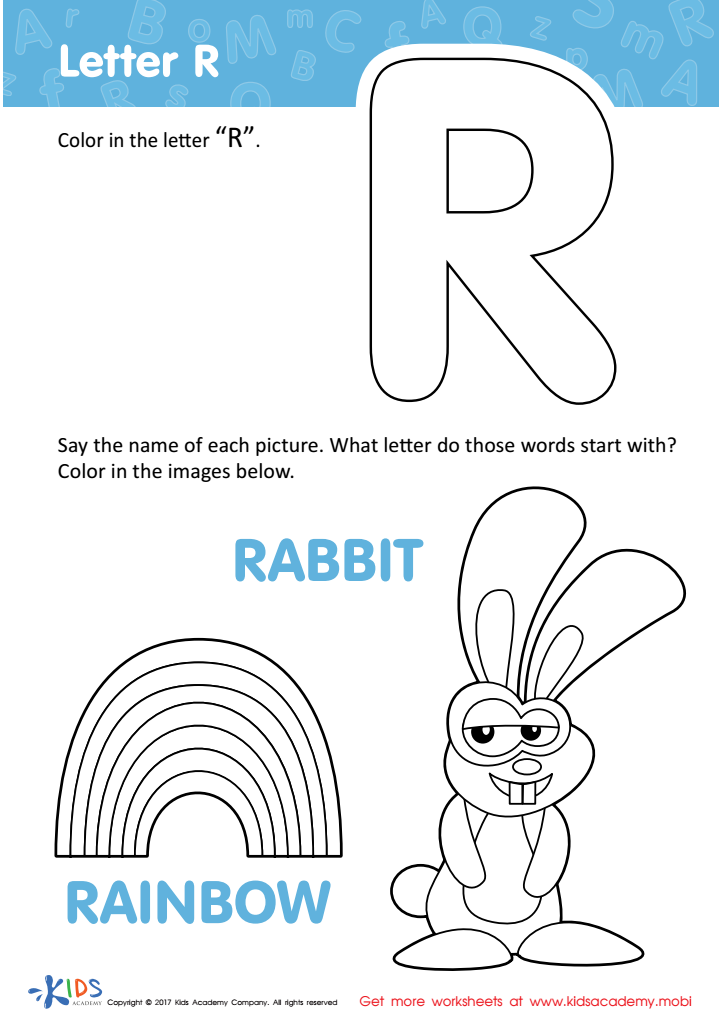
Letter R Coloring Sheet
 Assign to My Students
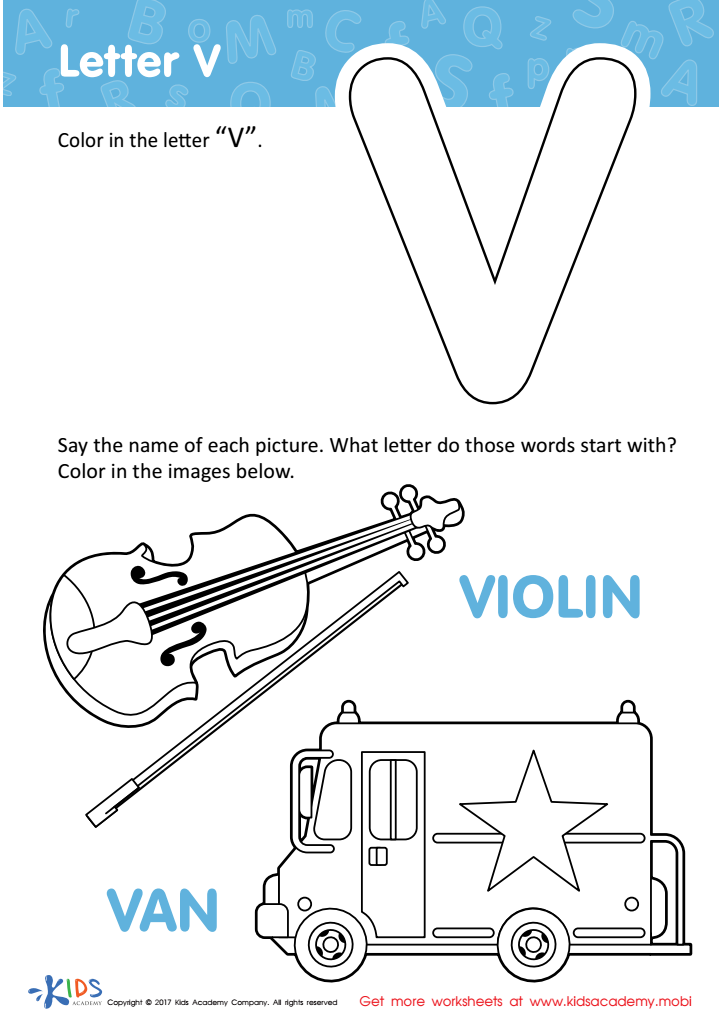
Letter V Coloring Sheet
Assign to My Students
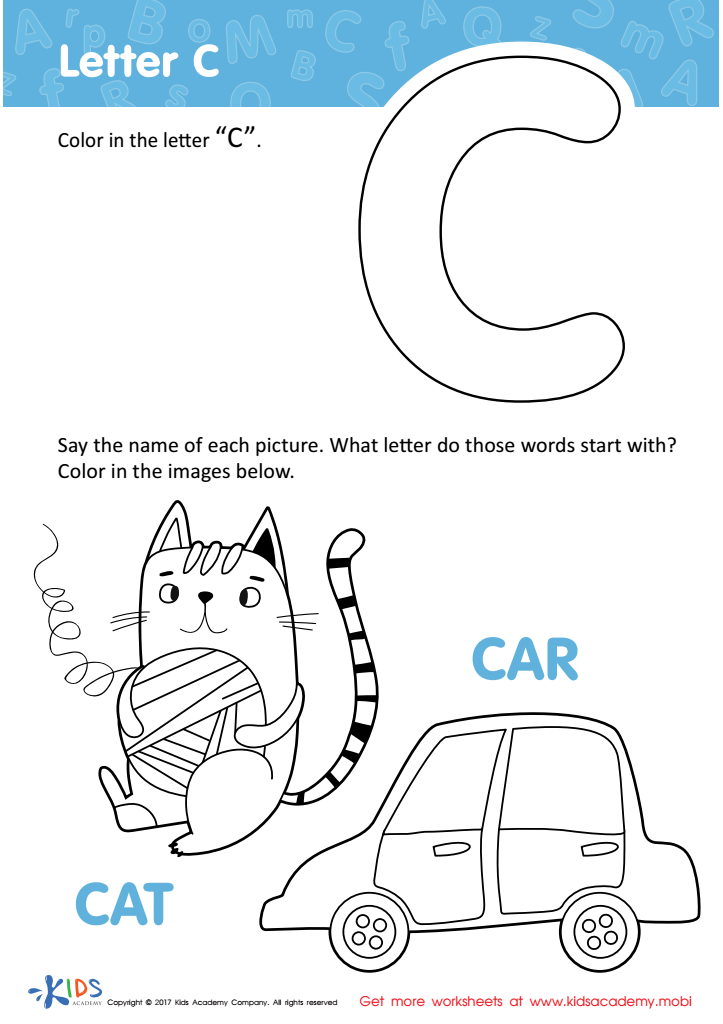
Letter C Coloring Sheet
Assign to My Students
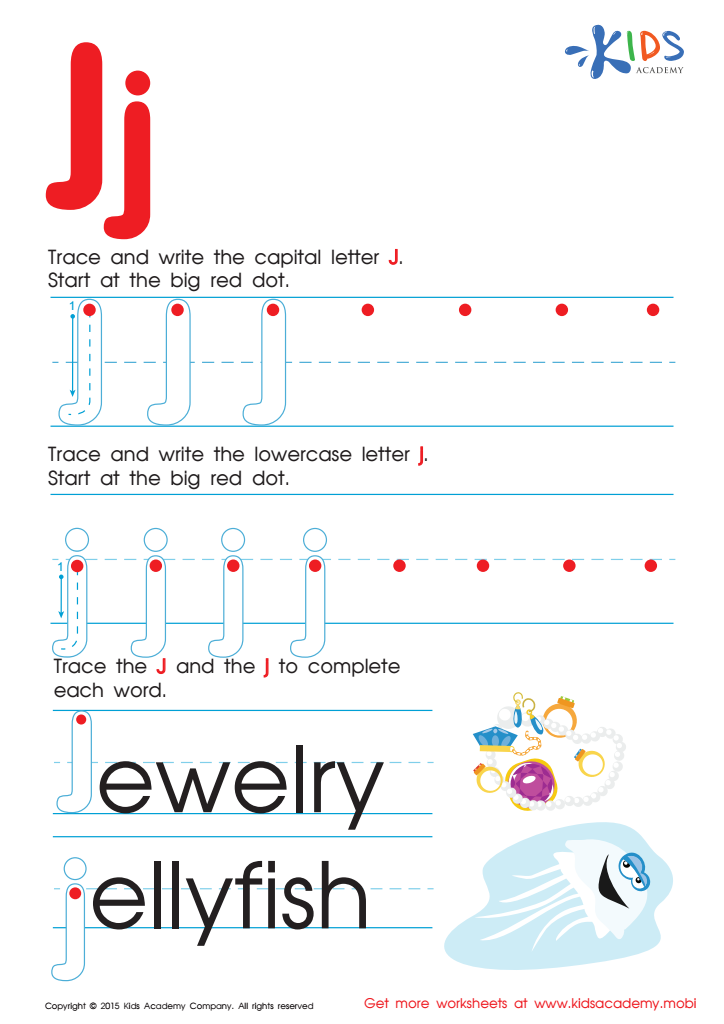
Letter J Tracing Page
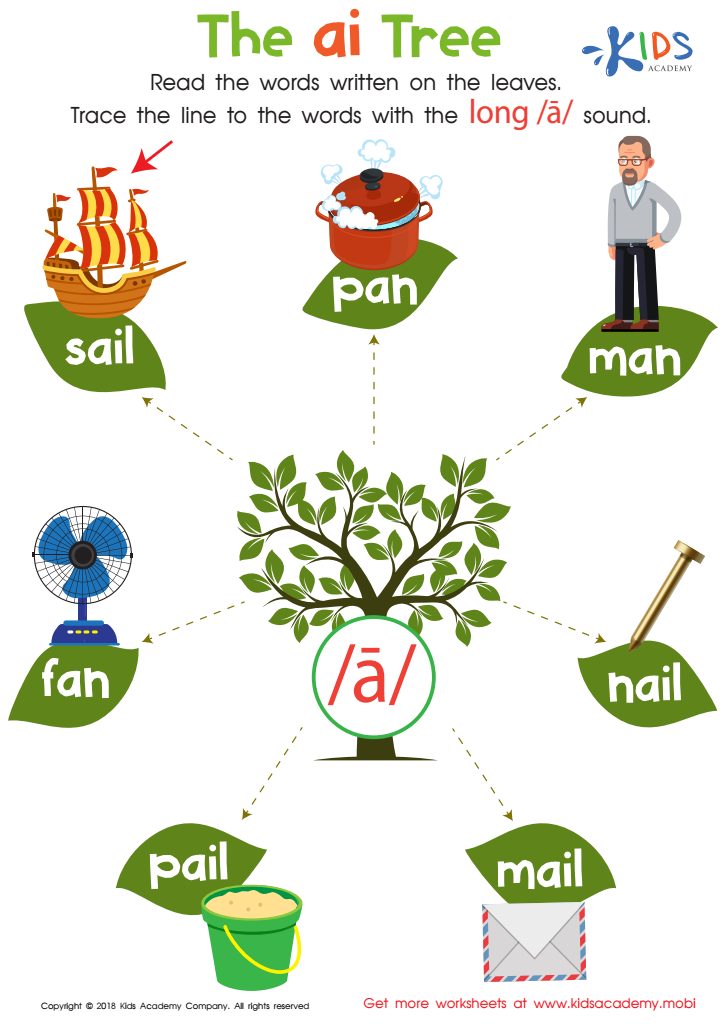
The AI Tree Worksheet
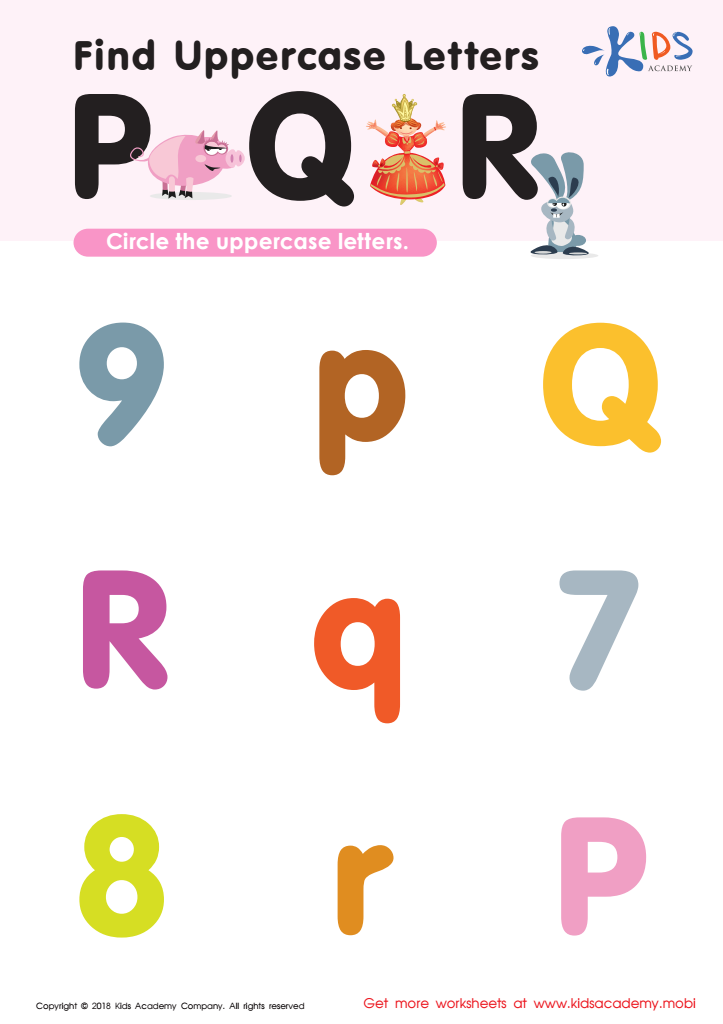
Find Uppercase Letters P, Q, and R Worksheet
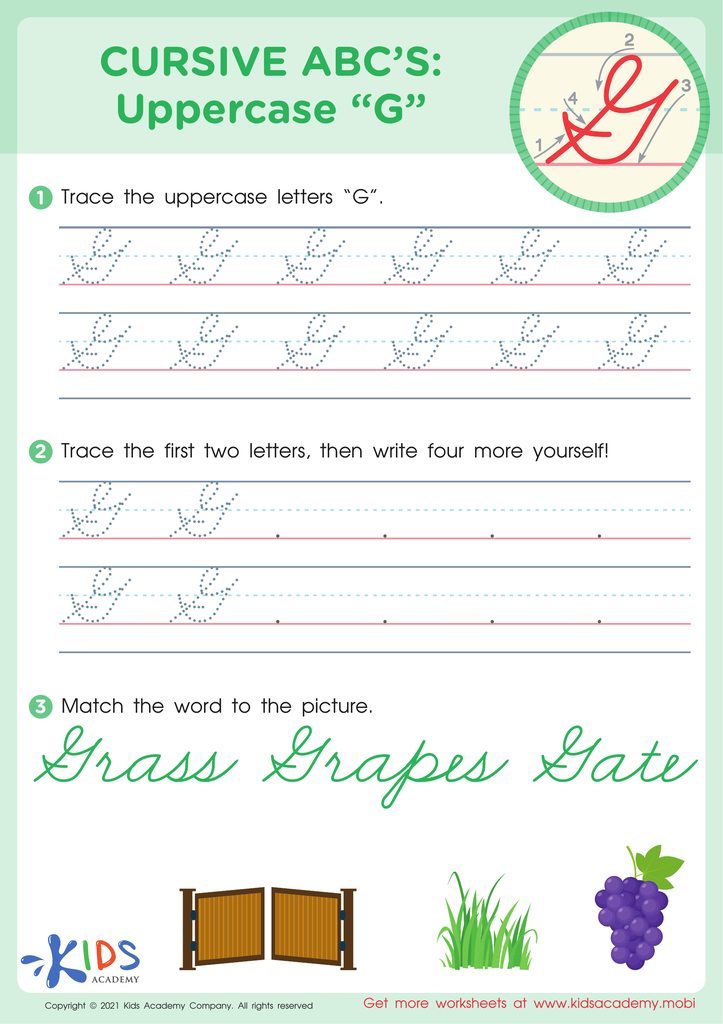
Cursive ABCs: Uppercase G
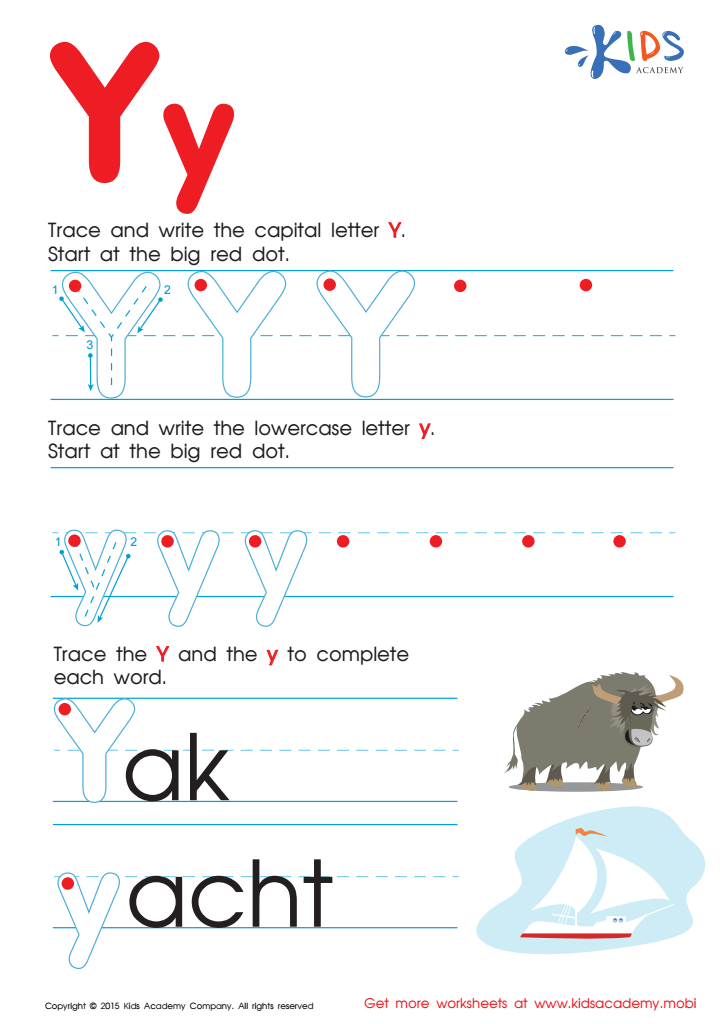
Letter Y Tracing Page
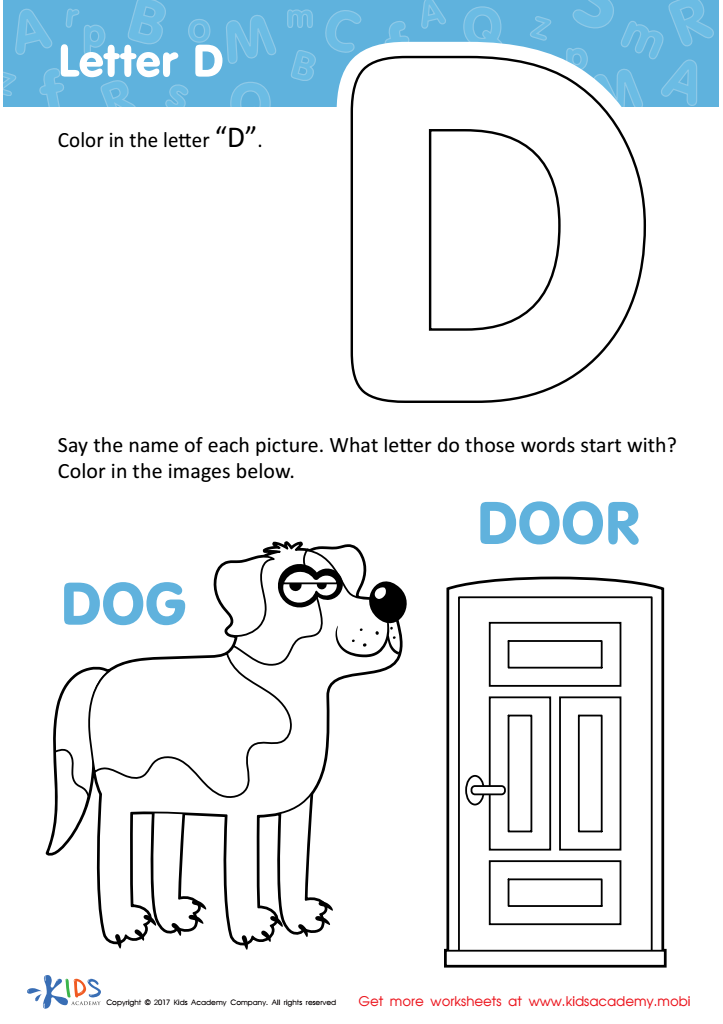
Letter D Coloring Sheet
Assign to My Students
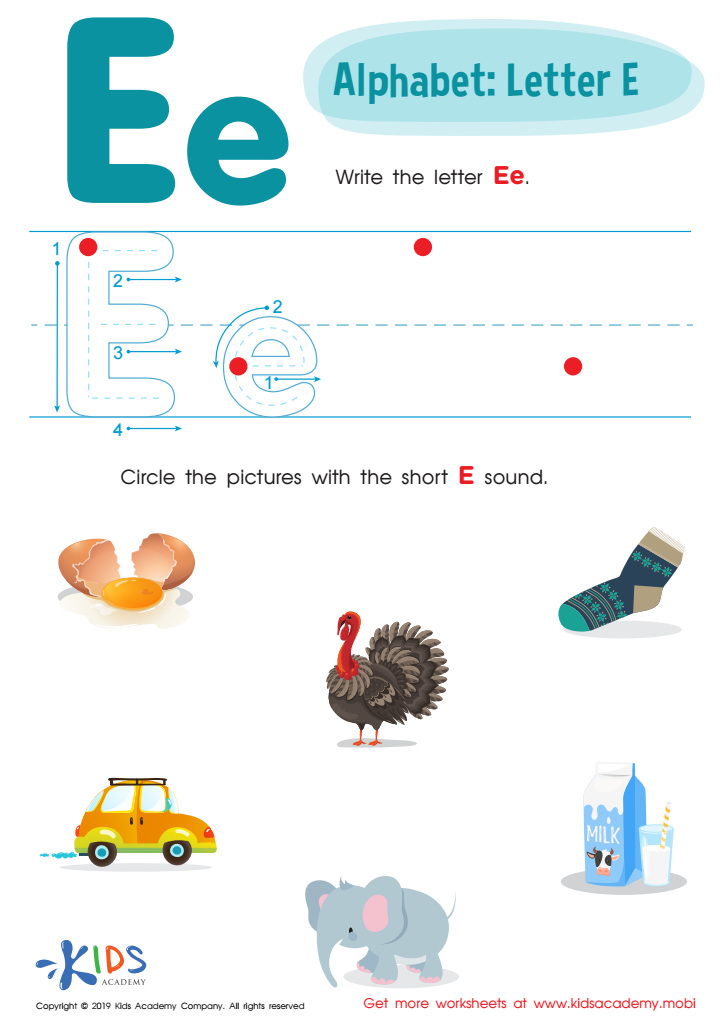
Letter E Tracing Worksheet
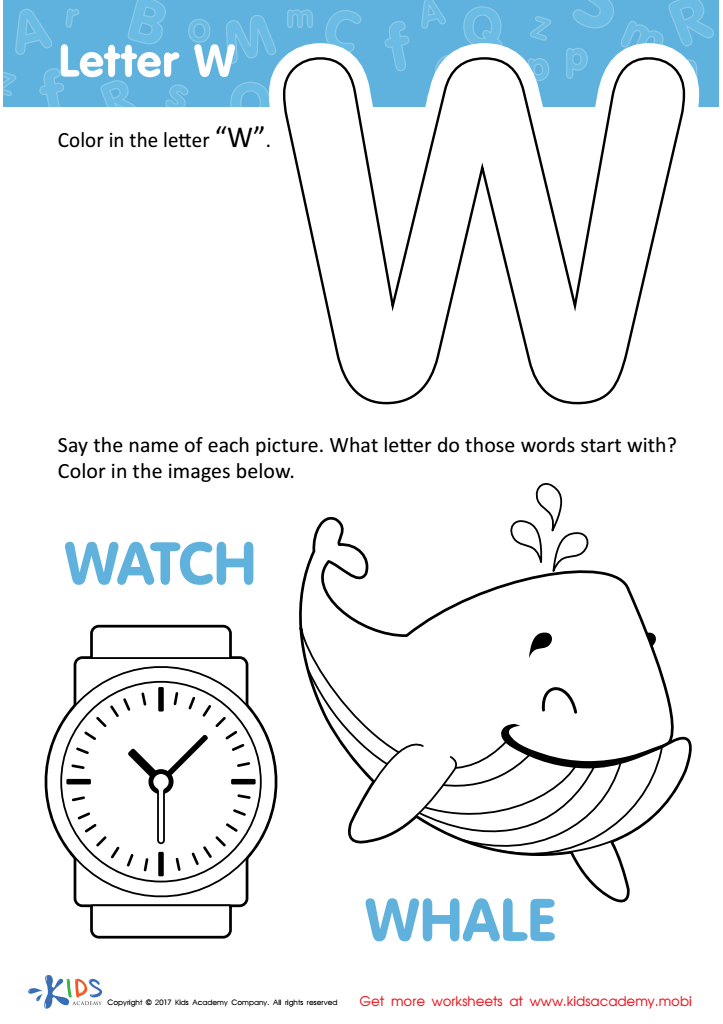
Letter W Coloring Sheet
Assign to My Students
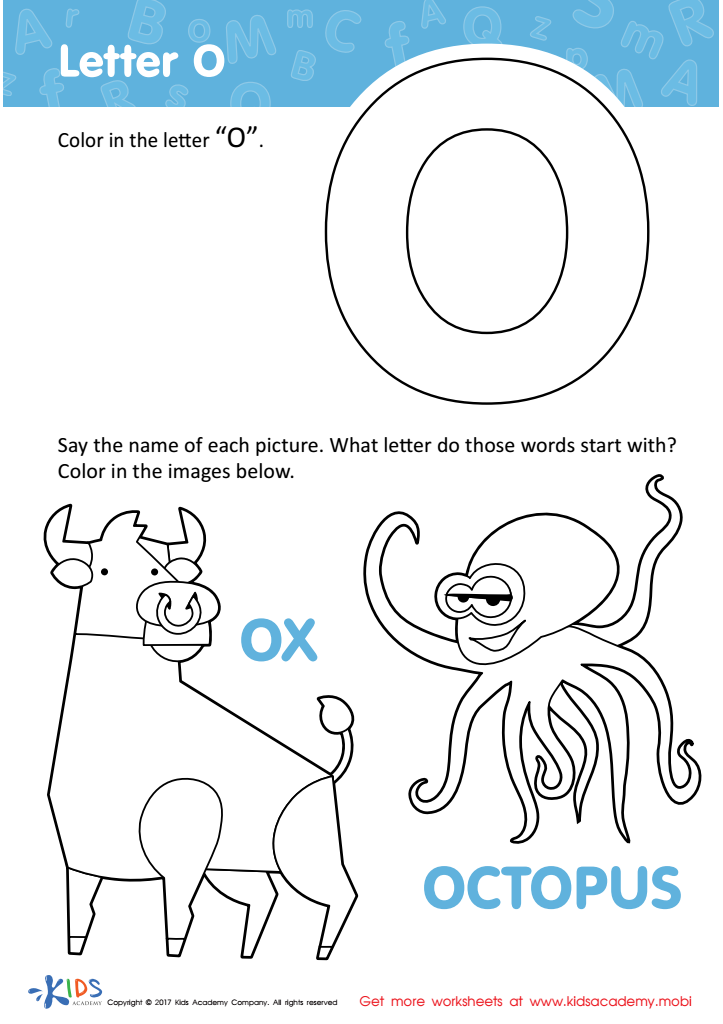
Letter O Coloring Sheet
Assign to My Students

Lowercase Letters m n o Worksheet
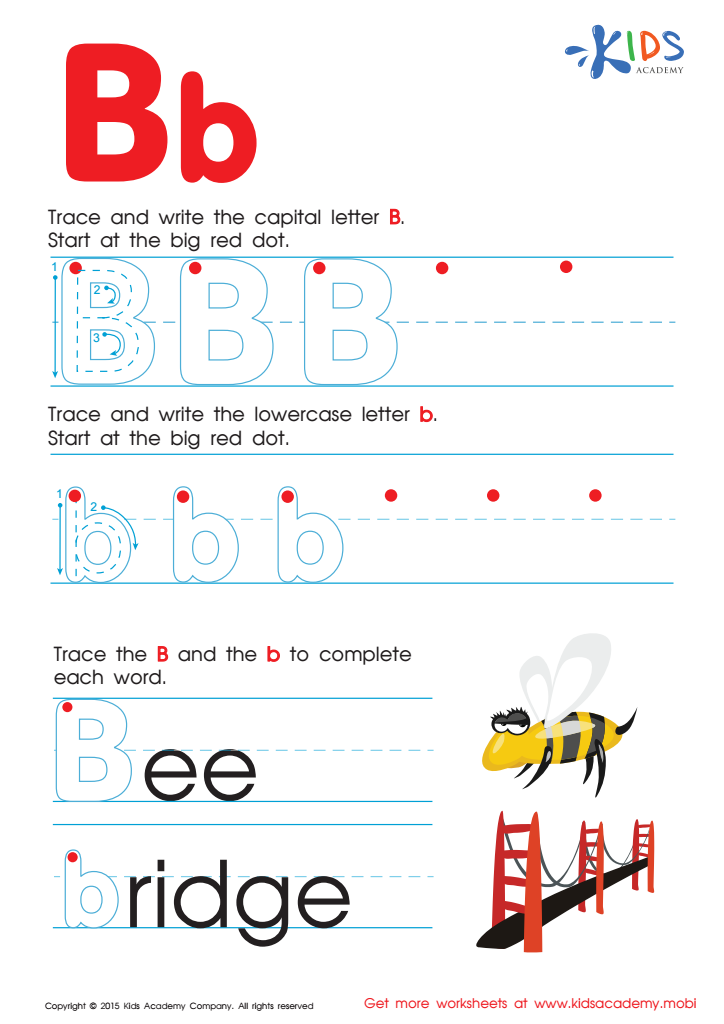
Letter B Tracing Page
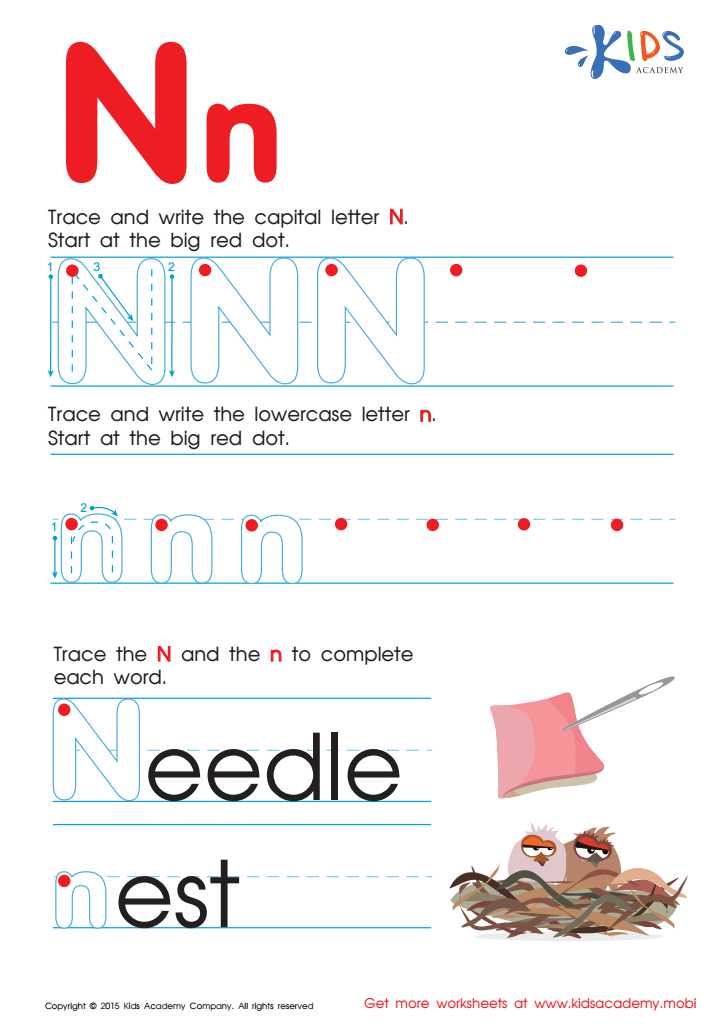
Letter N Tracing Page
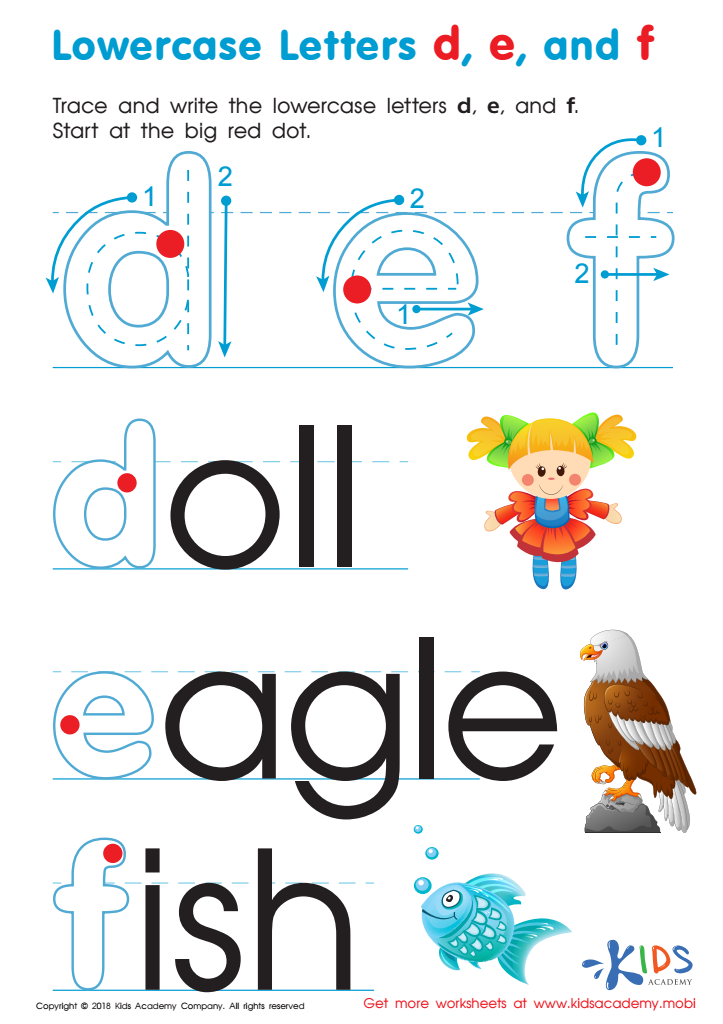
Lowercase Letters d e f Worksheet
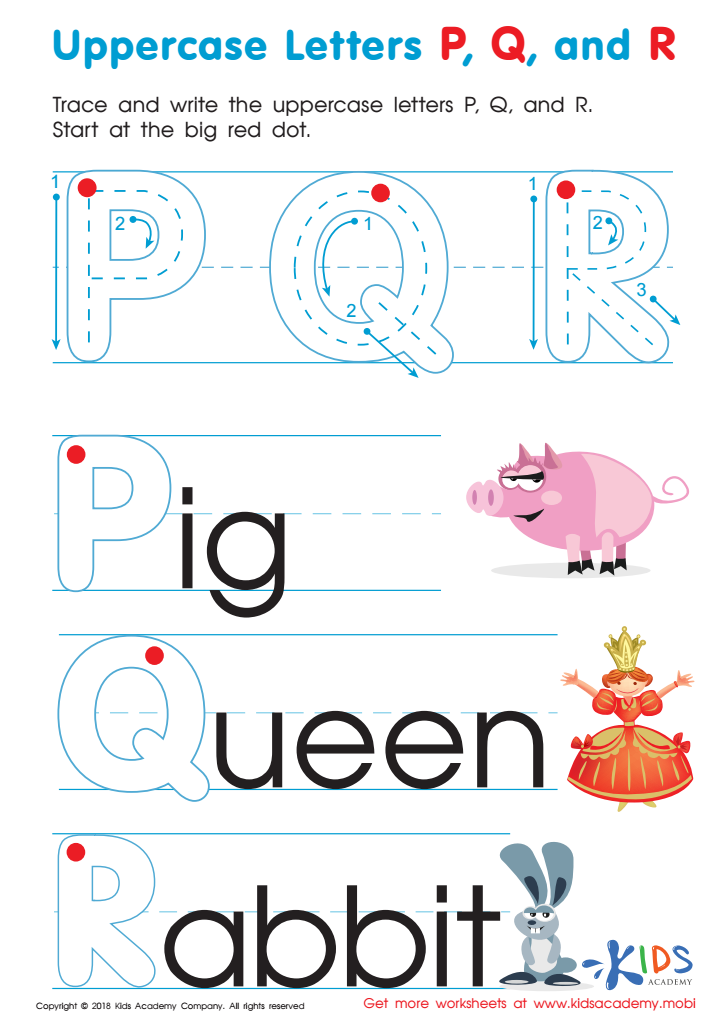
Uppercase Letters P, Q, and R Worksheet








Alphabet recognition is a fundamental skill for children ages 6-9, forming the foundation for literacy and successful communication. Parents and teachers should care about this skill for several key reasons. First, recognizing letters is the gateway to reading; it equips children with the ability to decode words, leading to improved reading fluency and comprehension. As children learn to read, they also develop a richer vocabulary, essential for effective expression and critical thinking.
Further, alphabet recognition enhances spelling skills, allowing children to understand the sound-letter relationships that are vital for writing. In an increasingly digital age, where communication relies heavily on text, strong alphabet recognition ensures that children are not left behind in a world centered around literacy.
Moreover, this skill contributes to overall cognitive development. Engaging with letters and words can foster curiosity, creativity, and problem-solving abilities in young learners. Through fun games and interactive activities focused on letters, both parents and teachers can cultivate a positive learning environment that reinforces a child's confidence and enthusiasm for reading and writing.
In summary, nurturing alphabet recognition in early learners is crucial for their academic success and personal growth, making it a priority for both parents and educators.








