Alphabetical understanding Worksheets for Ages 6-9
4 filtered results
-
From - To
Boost your child's literacy skills with our engaging Alphabetical Understanding Worksheets designed specifically for ages 6-9! These worksheets make learning the alphabet fun and interactive, helping kids recognize letters, practice alphabetical order, and enhance their reading capabilities. Practicing with various activities, like matching letters and identifying words, your young learners will process and recall information more effectively. Each worksheet is tailored to foster confidence in their knowledge of letters and their sounds, ensuring a solid foundation for future reading skills. Discover the joy of learning through our vibrant and stimulating worksheets that turn education into an adventure for your child!
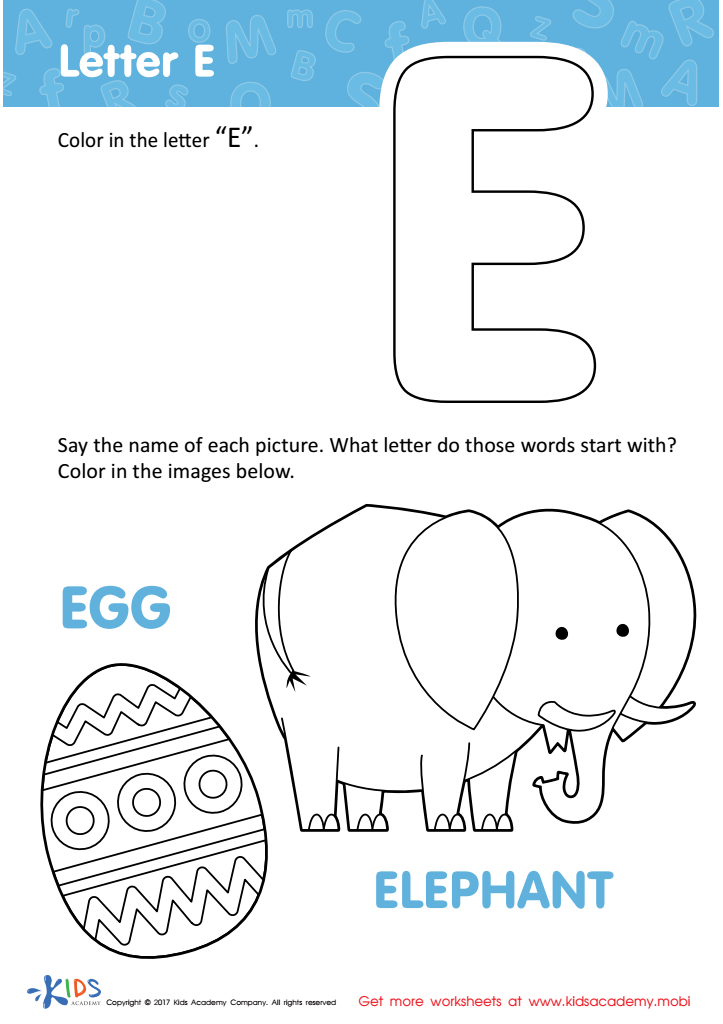
Letter E Coloring Sheet
 Assign to My Students
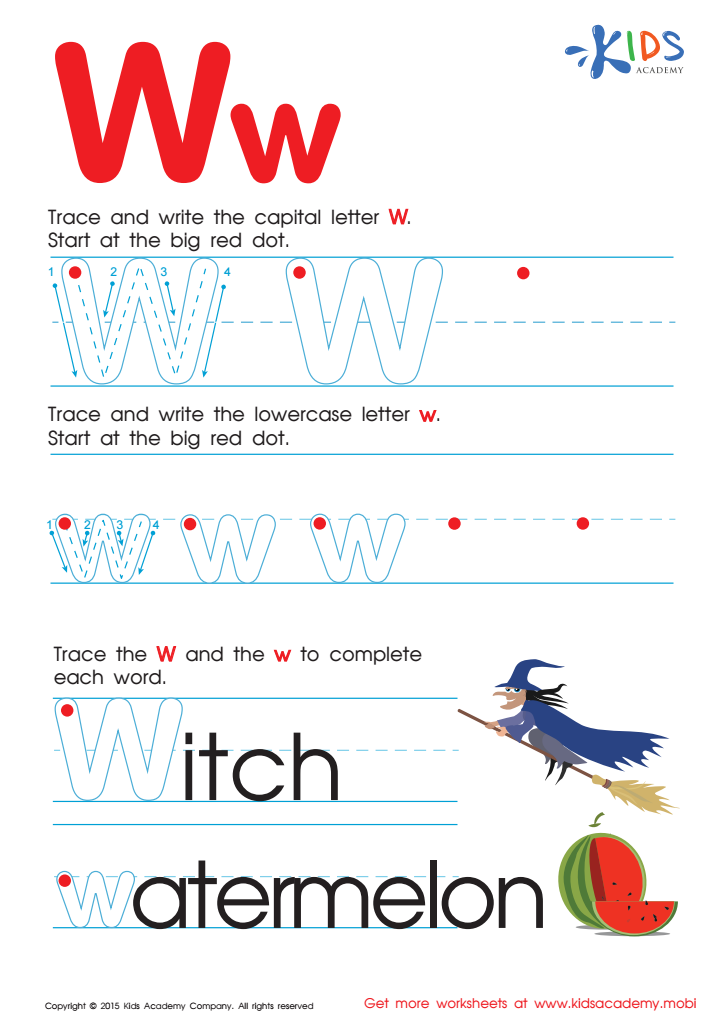
Letter W Tracing Page
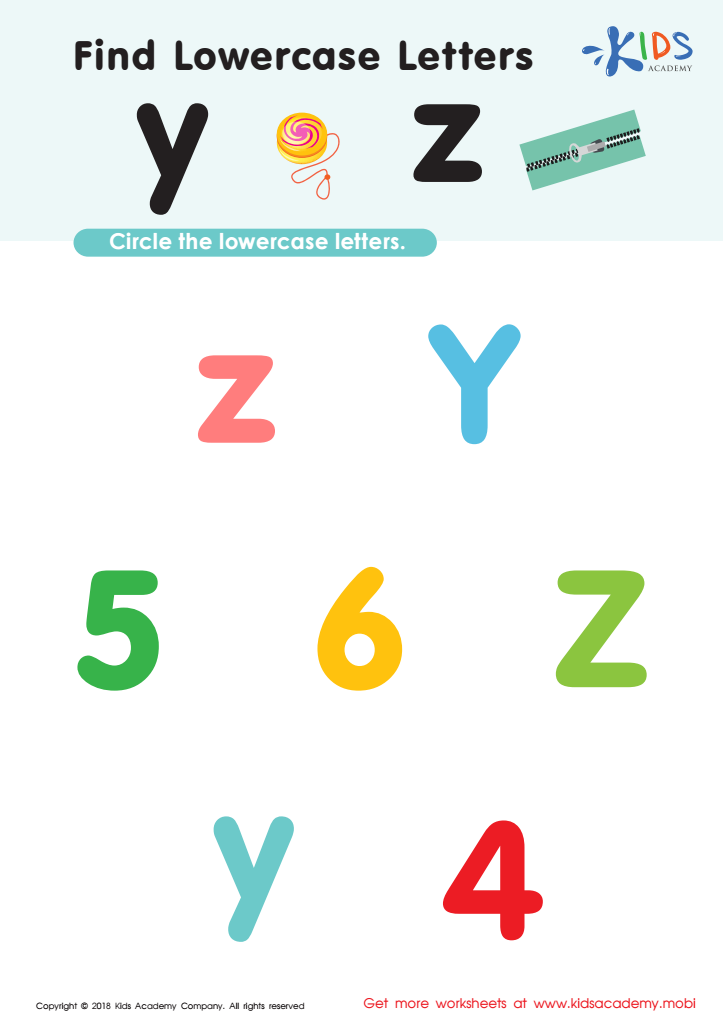
Find Lowercase Letters y z Worksheet
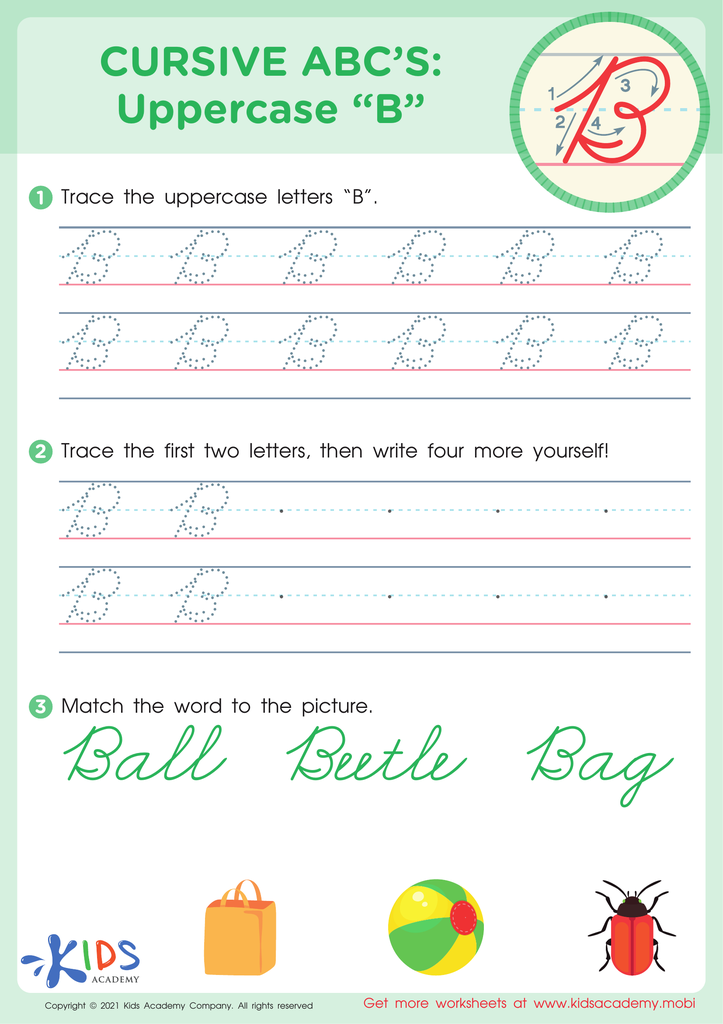
Cursive ABCs: Uppercase B







Alphabetical understanding is crucial for children aged 6-9 as it lays the foundation for literacy and overall academic success. During this developmental stage, children are transitioning from learning letters and sounds to reading and writing meaningful words and sentences. Mastery of the alphabet helps them decode language, strengthen phonemic awareness, and enhance spelling skills.
When children recognize and understand the structure of the alphabet, they gain confidence in their reading abilities, which fosters a love for books and learning. Additionally, alphabetical understanding contributes to improved comprehension skills. By grasping the order and functions of letters, children can better categorize information, recognize patterns in text, and improve their vocabulary.
For educators and parents, supporting alphabetical understanding is vital in creating an engaging learning environment. Incorporating games, songs, and hands-on activities can make the learning process enjoyable and effective. Furthermore, a strong foundation in the alphabet supports future academic endeavors, from writing essays to participating actively in discussions.
Ultimately, parents and teachers play a crucial role in nurturing a child’s love for language and literacy, making alphabetical understanding an essential focus during these formative years. This skill not only boosts immediate educational outcomes but prepares children for lifelong learning.








