Analyzing data Worksheets for Ages 6-9
12 filtered results
-
From - To
Discover our engaging "Analyzing Data Worksheets" designed for children ages 6-9! These worksheets provide a fun and interactive way for young learners to develop essential skills in data interpretation. Through colorful graphics and relatable scenarios, kids will explore graphs, charts, and basic statistics. Our comprehensive resources encourage critical thinking as students learn to analyze information and make informed conclusions. Ideal for teachers and parents alike, these worksheets align with educational standards and promote essential math skills while keeping the learning experience enjoyable. Help your child become a confident data analyst today!
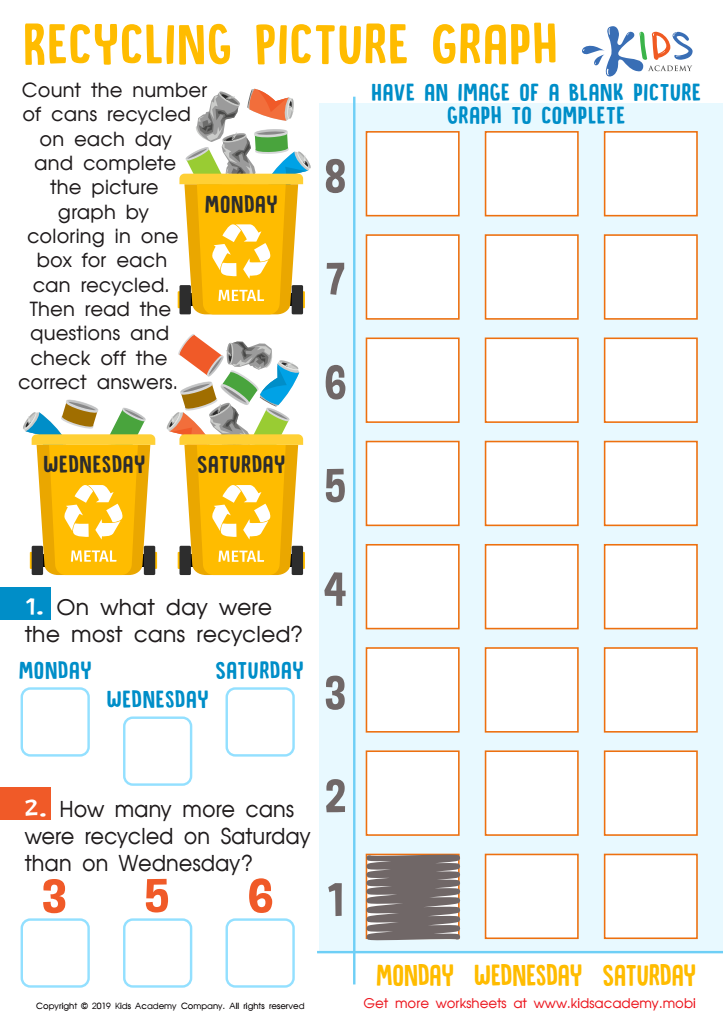
Recycling Picture Graph Worksheet
 Assign to My Students

Planets Bar Graph Worksheet
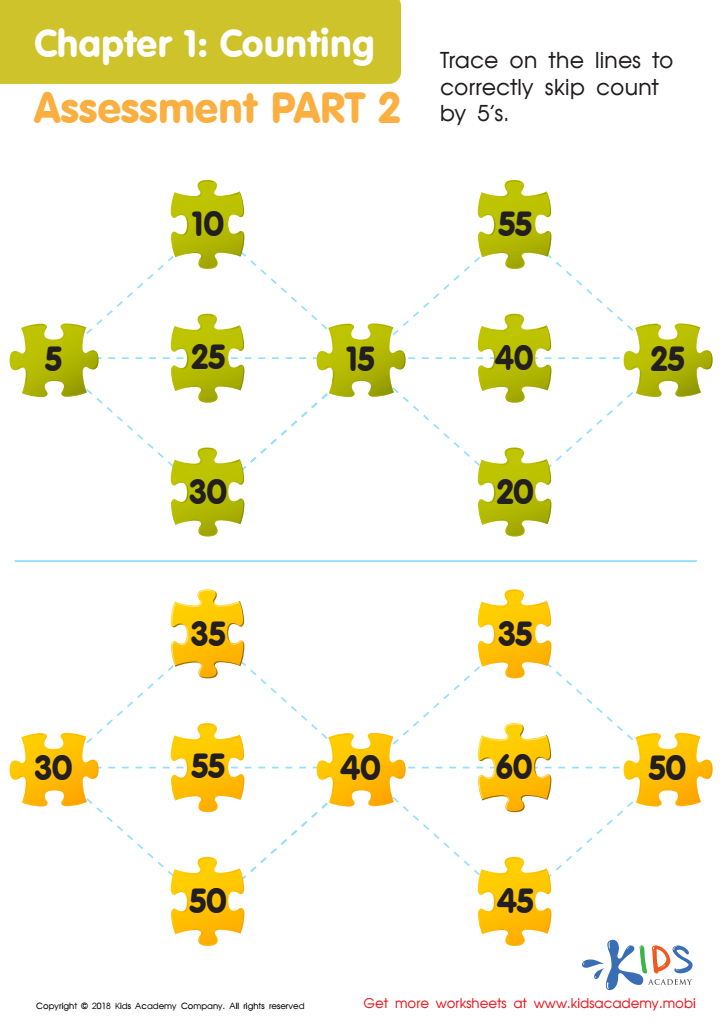
Counting: Assessment 2 Worksheet
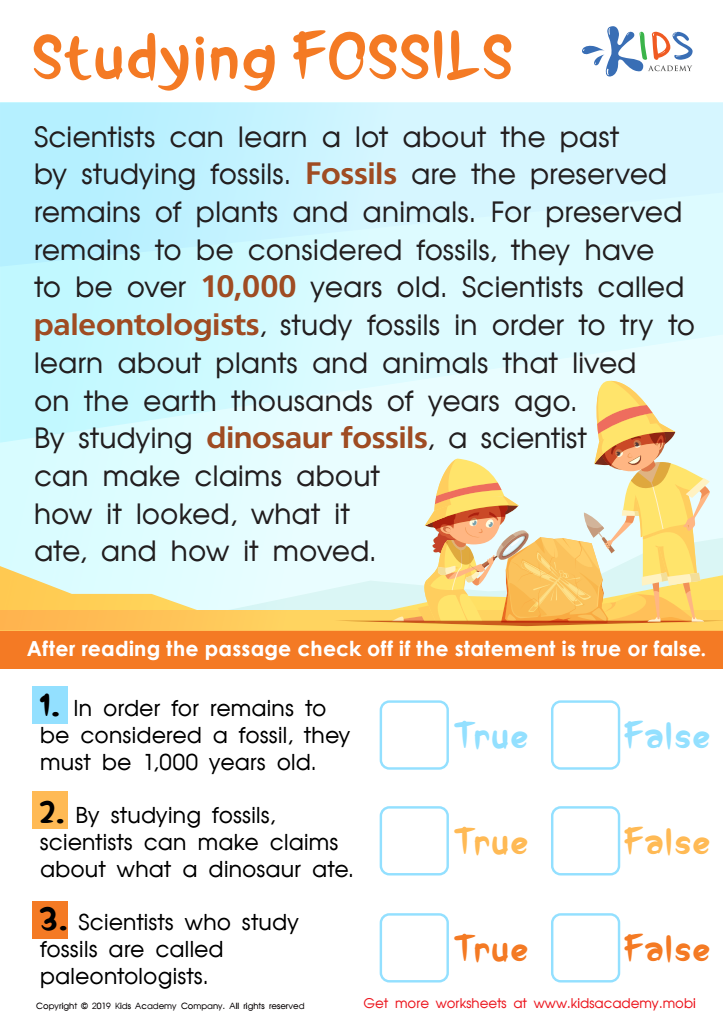
Studying Fossils Worksheet
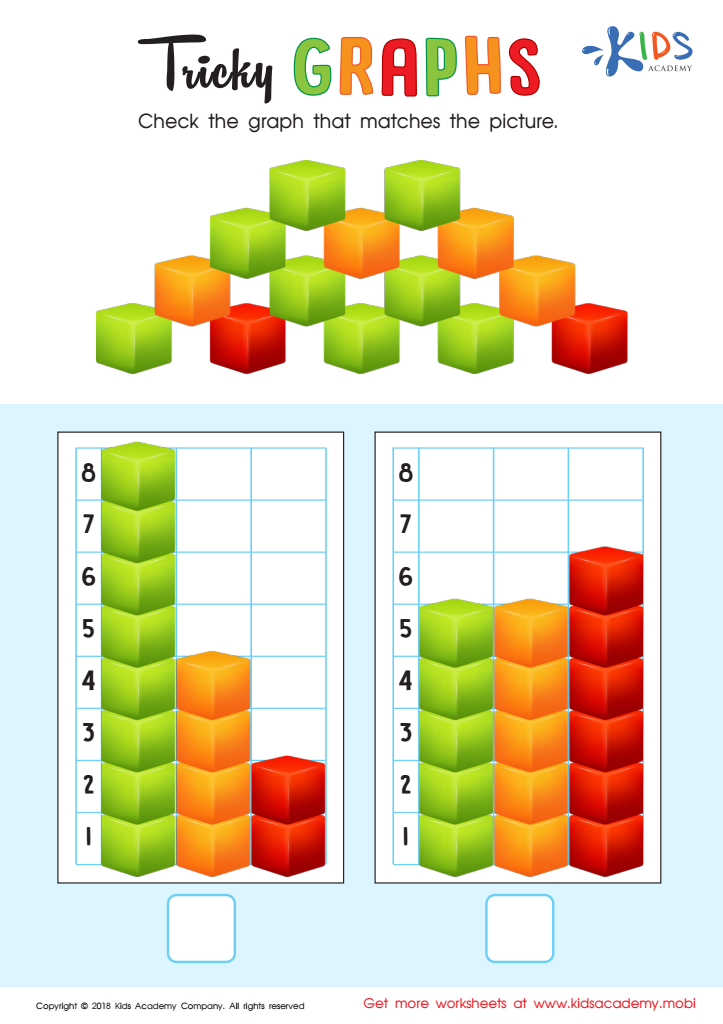
Tricky Graphs Worksheet

Water Scarcity Worksheet
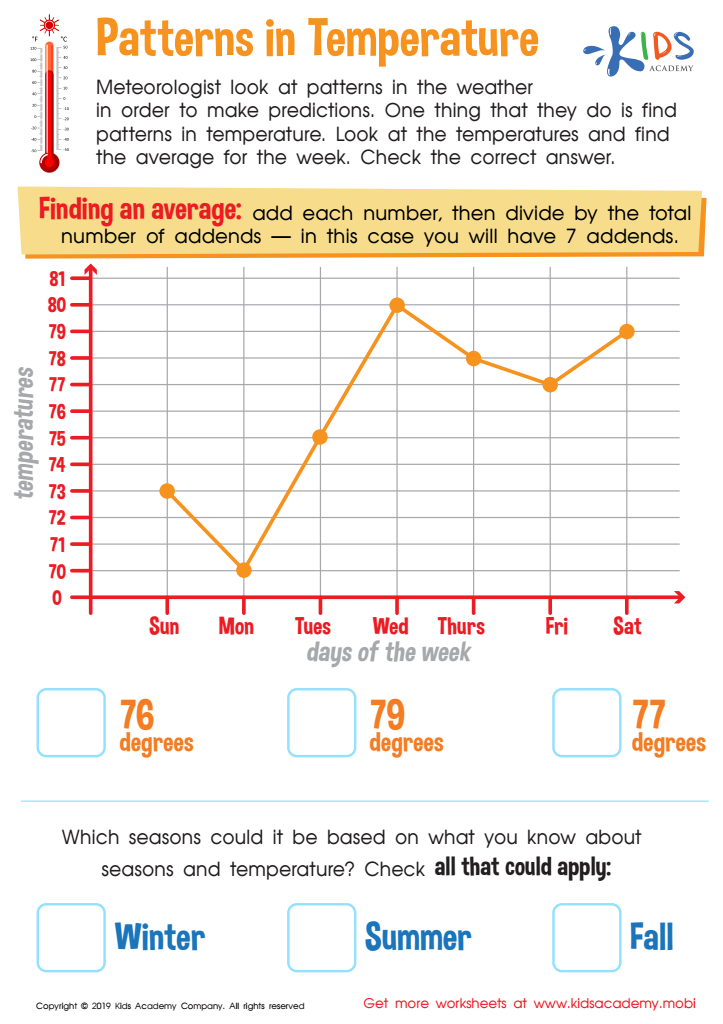
Patterns in Temperature Worksheet
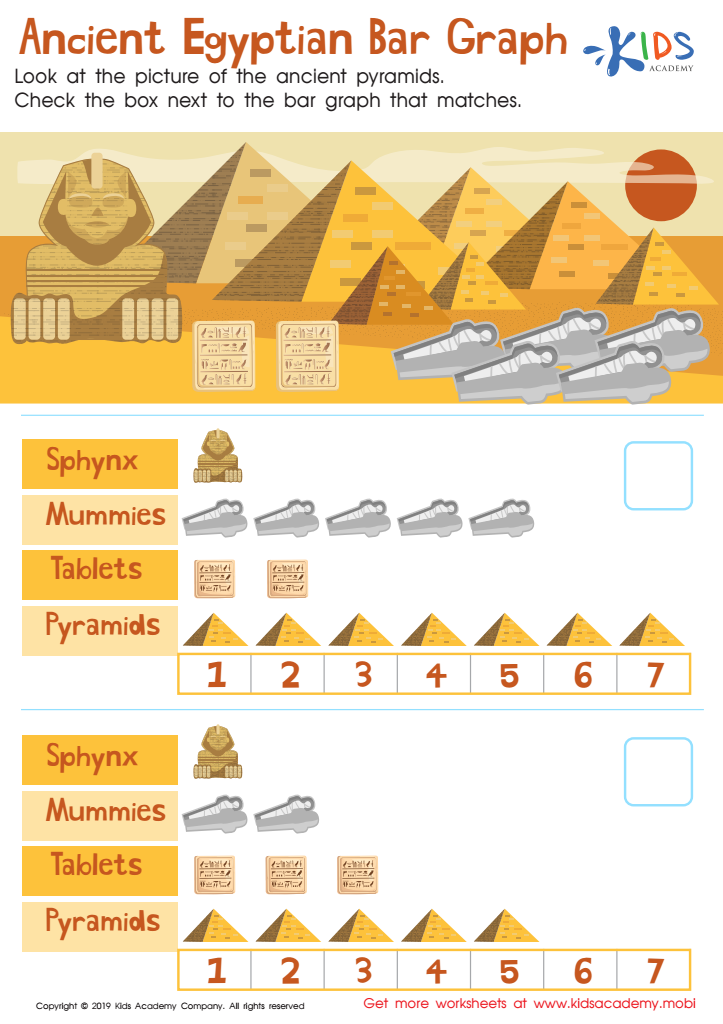
Egyptian Bar Graph Worksheet
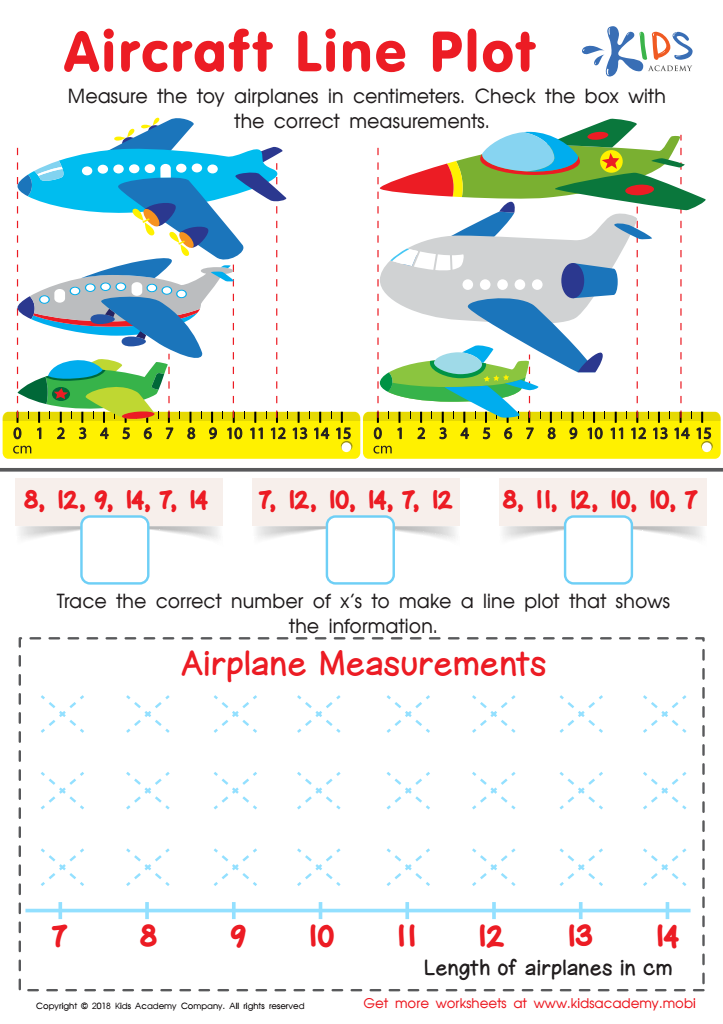
Aircraft Line Plot Worksheet
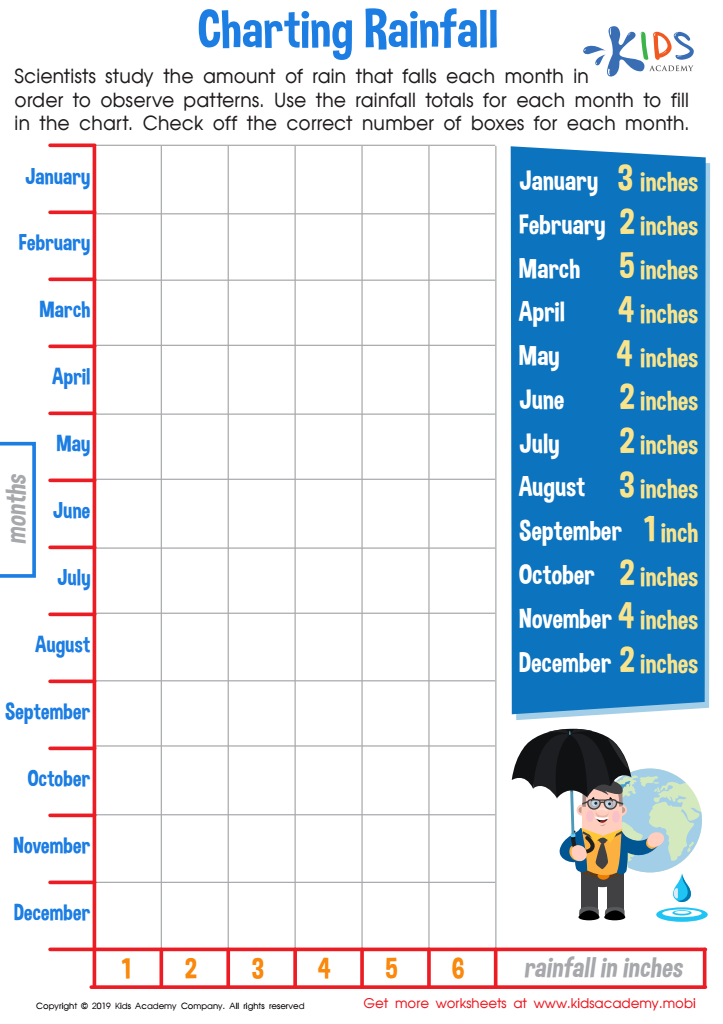
Charting Rainfall Worksheet
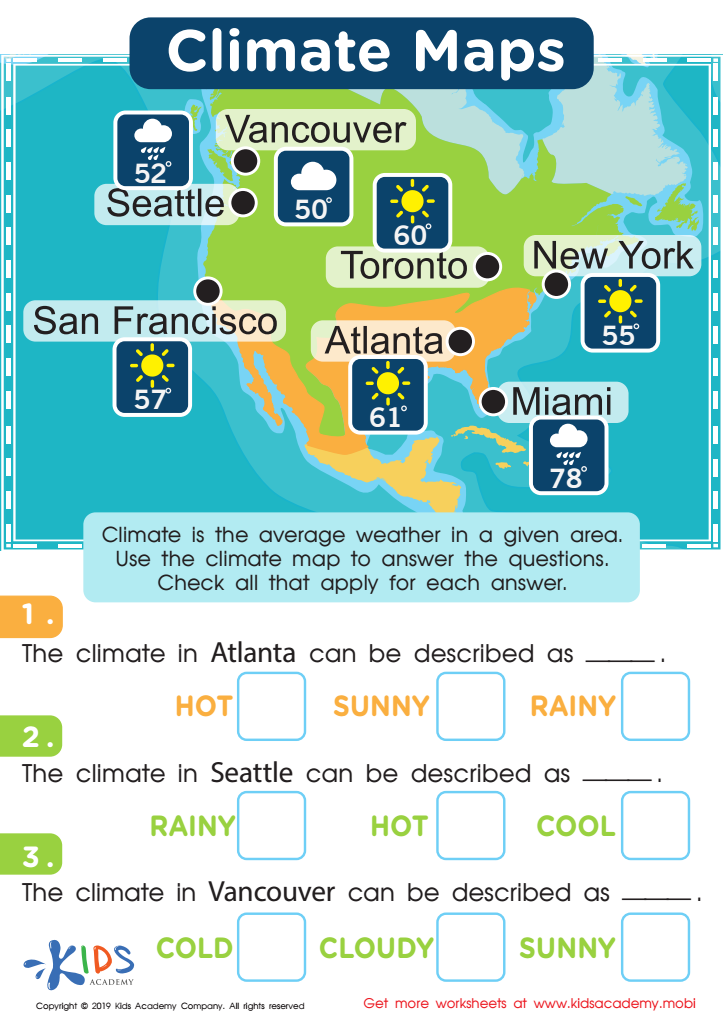
Climate Maps Worksheet








Analyzing data for children aged 6-9 is crucial for both parents and teachers, as it provides valuable insights into their developmental progress and learning outcomes. During these formative years, children are building foundational skills in literacy, numeracy, and social interactions. By evaluating academic performance and behavioral trends through data, educators can identify each child’s strengths, weaknesses, and learning preferences, allowing for tailored instruction that meets their individual needs.
For parents, understanding data can highlight areas where their child excels or may require additional support. This engagement helps in fostering a collaborative relationship with teachers and contributes to creating a supportive home environment for learning. Moreover, data analysis can showcase progress over time, reassuring parents of their child's development or prompting necessary adjustments when challenges arise.
For teachers, data-driven decision-making enhances curriculum effectiveness and informs instructional strategies. It allows educators to implement evidence-based practices that boost student engagement and achievement. Collectively, when parents and teachers understand and utilize data insights, they can work together more effectively, ensuring that every child receives the support they need to thrive academically and socially during these critical early years. Ultimately, data analysis cultivates a proactive approach to education, fostering long-term success for young learners.








