Basic multiplication Worksheets for Ages 6-9
4 filtered results
-
From - To
Unlock the world of multiplication with our engaging and educational worksheets, perfect for children ages 6-9. These expertly designed materials help young learners grasp essential multiplication concepts through fun, interactive exercises. With colorful visuals and age-appropriate challenges, our worksheets make learning multiplication enjoyable and effective. Ideal for home or classroom use, they support foundational math skills and build confidence in students. Enhance your child's math journey with our comprehensive and thoughtfully crafted basic multiplication worksheets today! Visit [website link] to explore our full range of printable resources and give your child a head start in mathematics.
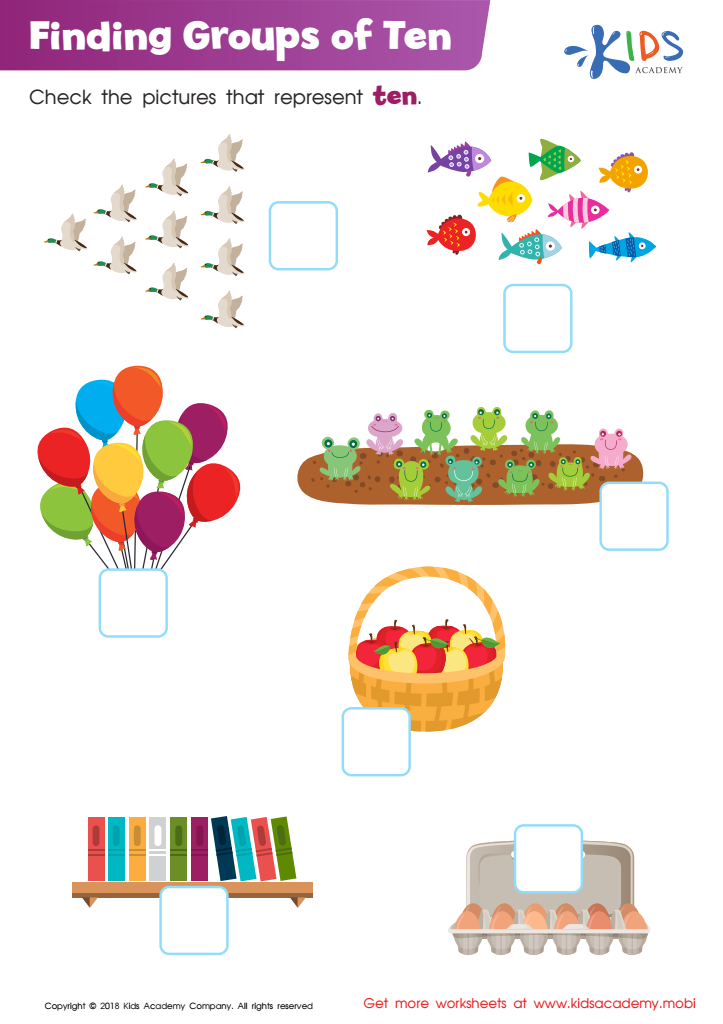
Finding Groups of Ten Worksheet
 Assign to My Students
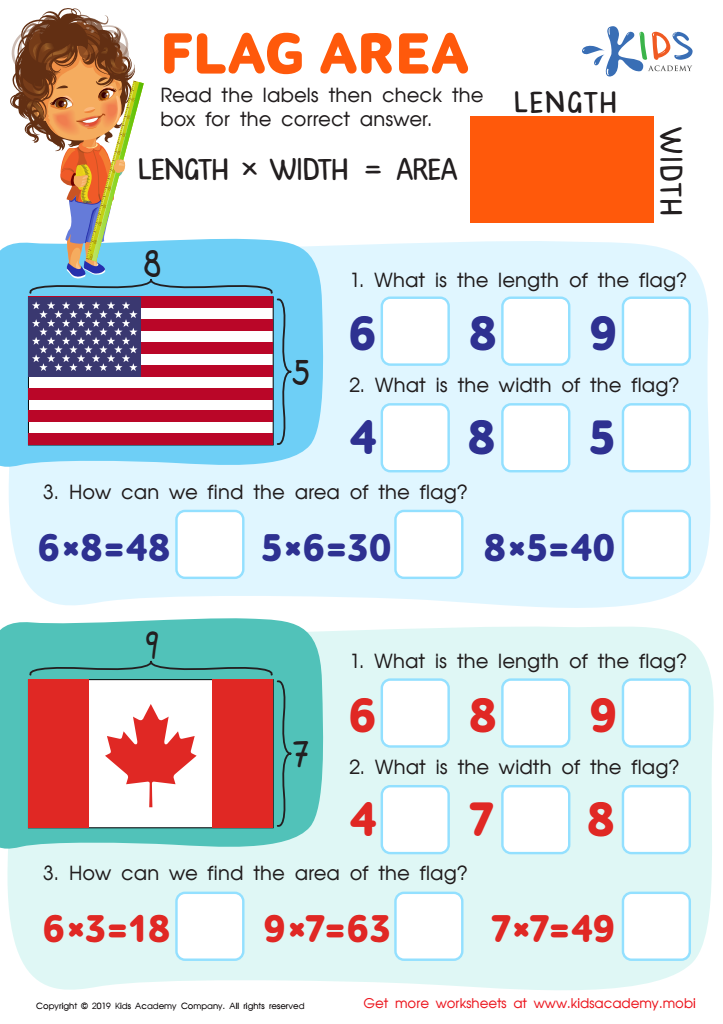
Flag Area Worksheet
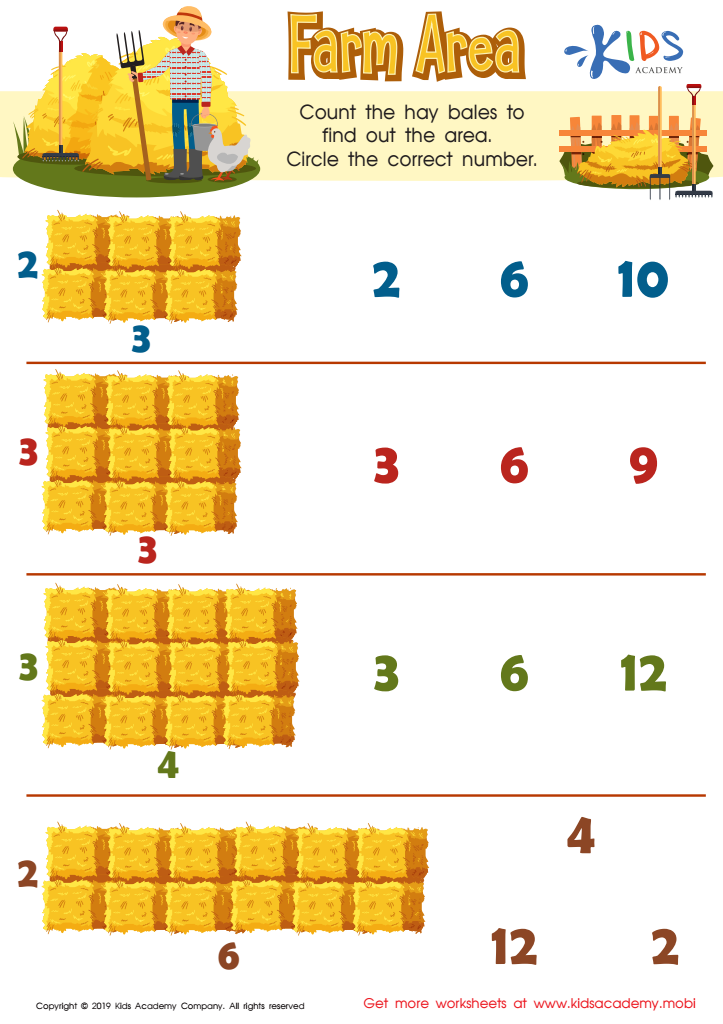
Farm Area Worksheet
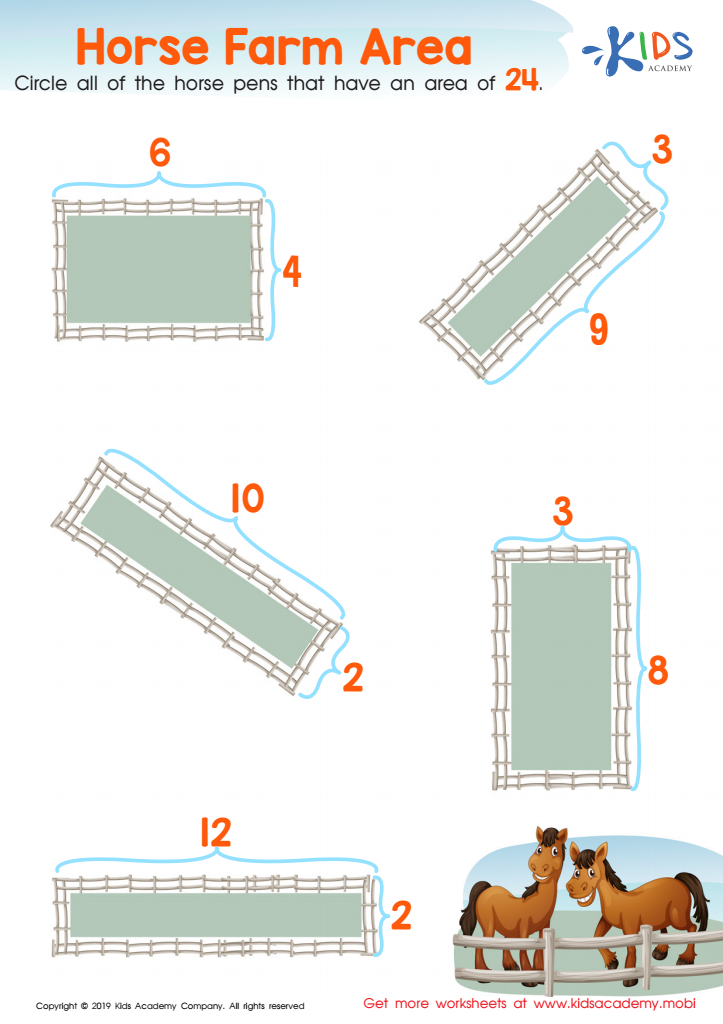
Horse Farm Area Worksheet







Basic multiplication is a cornerstone of elementary mathematics that sets the foundation for a child's future academic success. Parents and teachers should prioritize nurturing multiplication skills in children aged 6-9 for several compelling reasons. Firstly, multiplication is essential for mastering more advanced math topics, such as division, fractions, and algebra. By solidifying these early math skills, children are better prepared for the complexity of higher-grade concepts, making future learning more manageable and less stressful.
Secondly, multiplication fosters critical thinking and problem-solving abilities. When students learn to multiply, they often need to memorize times tables and apply this knowledge to everyday situations, helping to sharpen their cognitive capabilities. Thirdly, proficiency in multiplication can boost a child's confidence. Children who experience success in math tend to develop a positive attitude toward the subject, encouraging a lifelong appreciation and less math anxiety.
Moreover, understanding multiplication is vital for practical, real-world tasks, like calculating expenses, cooking measurements, or understanding time. This relevance to daily life underscores the subject's importance and applicability.
Ultimately, a strong grasp of basic multiplication supports not just academic achievement but also practical, lifelong skills. Parents and teachers play a crucial role in providing the learning tools and encouragement needed to master this fundamental skill.








