Color Identification Worksheets for Ages 6-9 - Page 3
69 filtered results
-
From - To
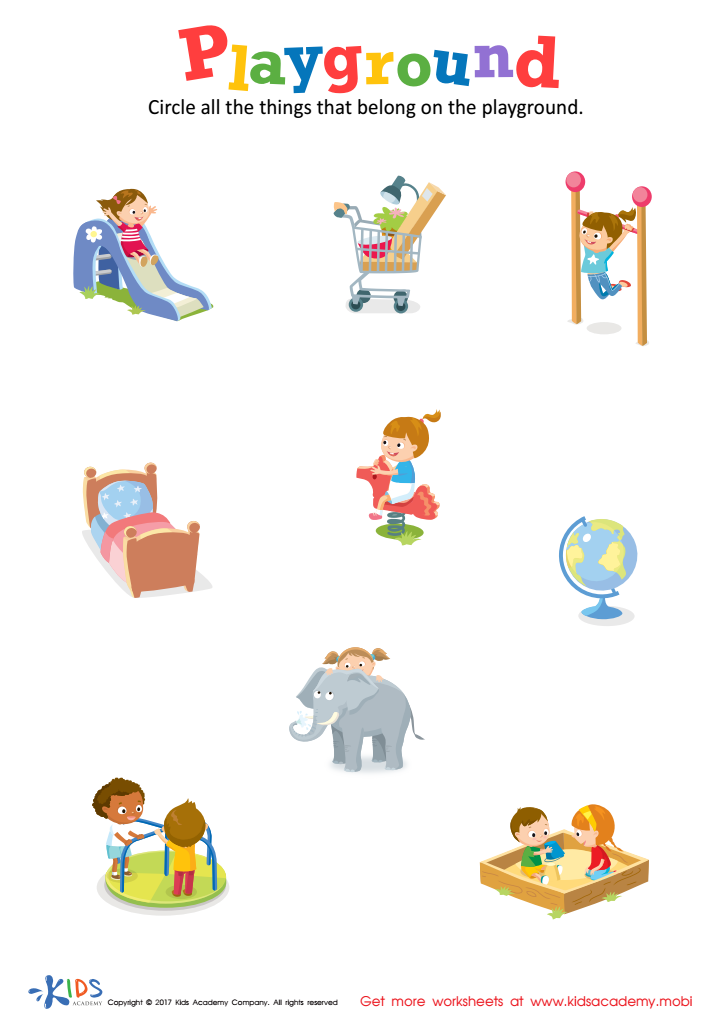
Playground Worksheet
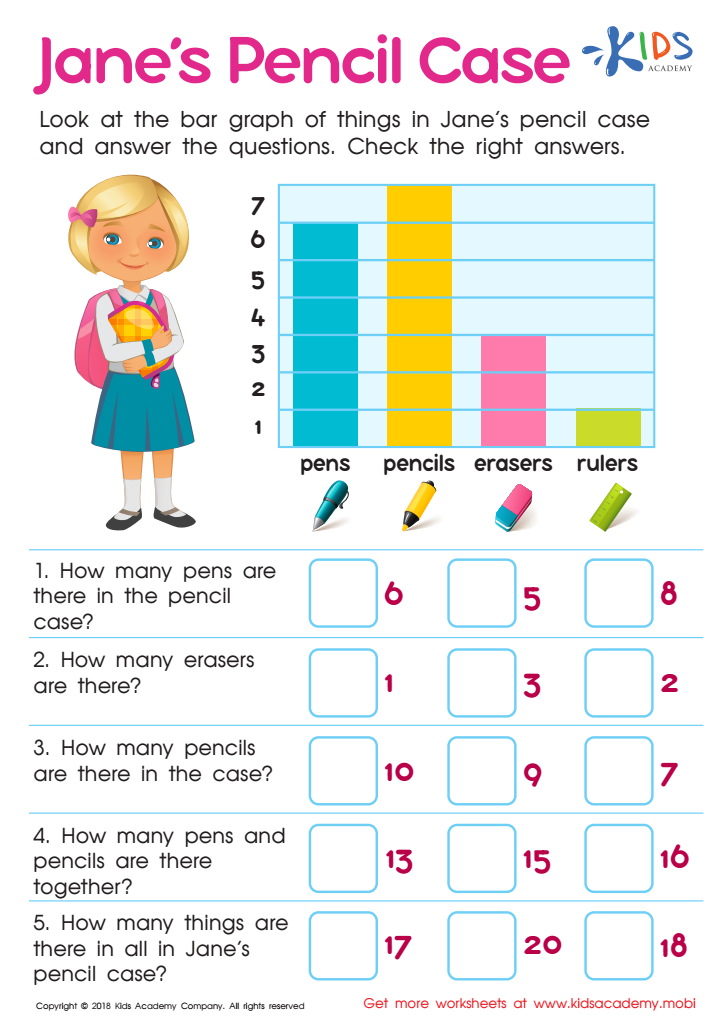
Jane's Pencil Case Worksheet
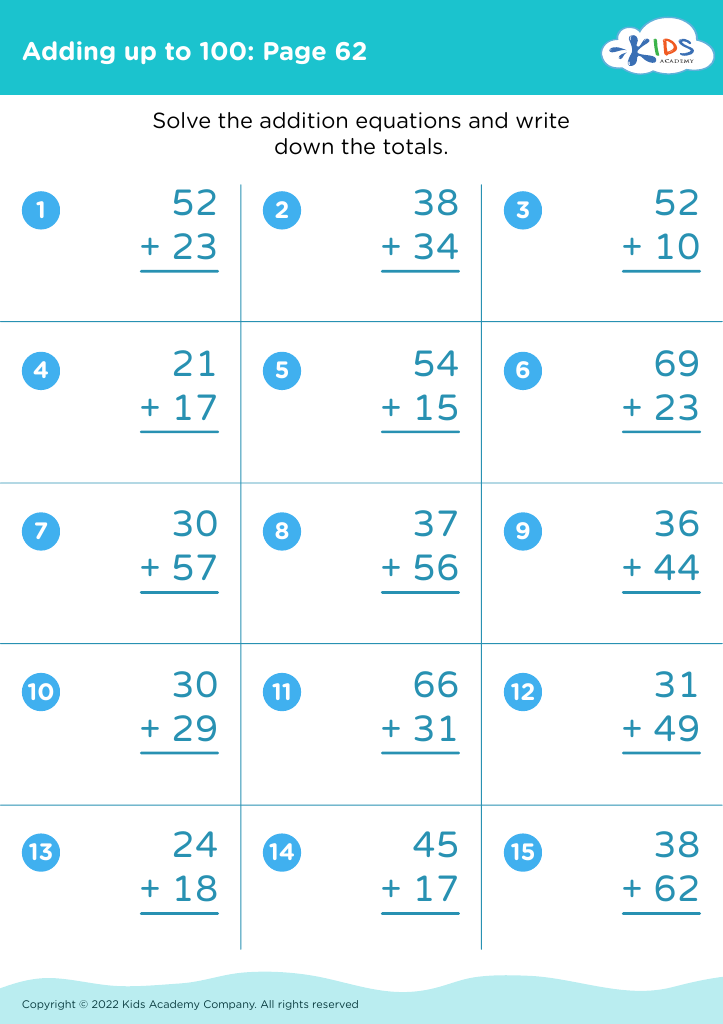
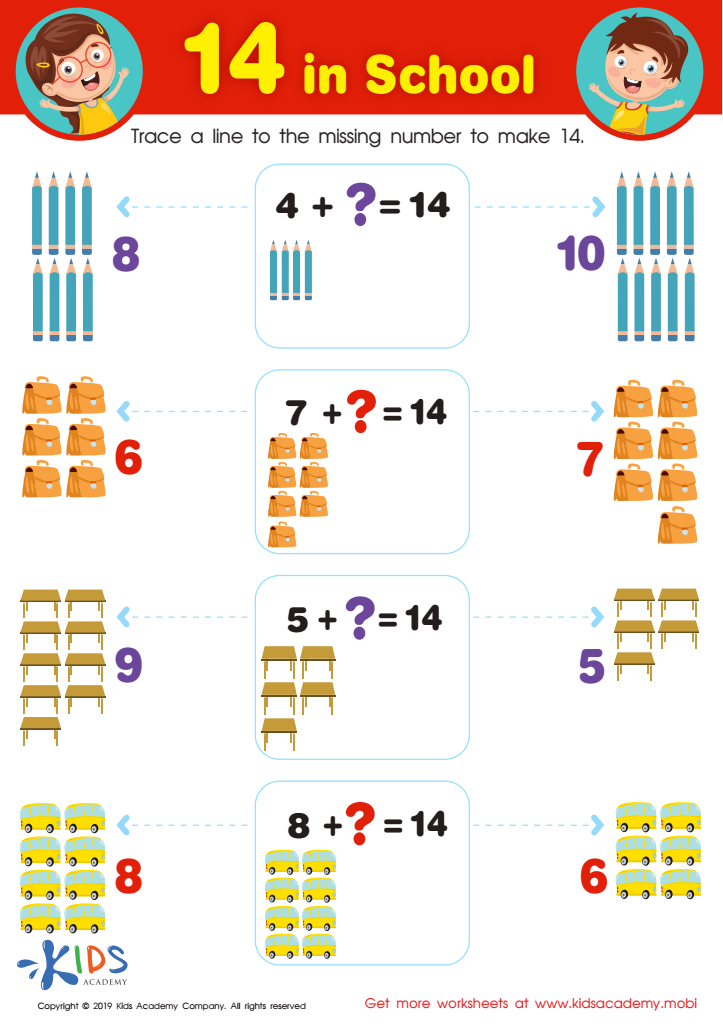
14 in School Worksheet
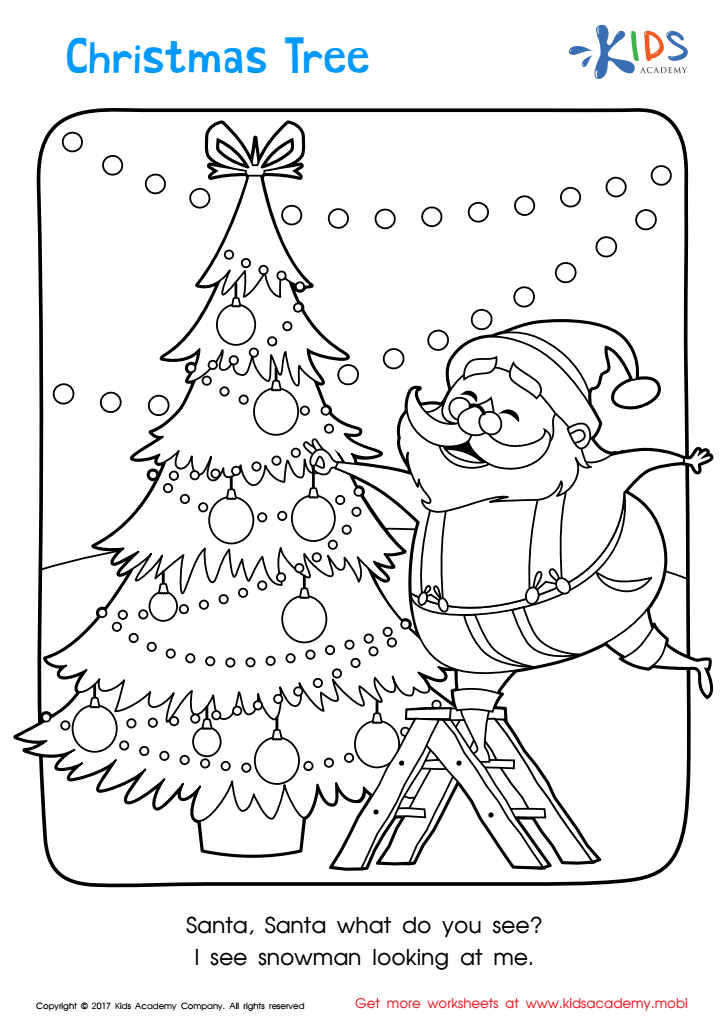
Christmas: Christmas Tree Printable
 Assign to My Students
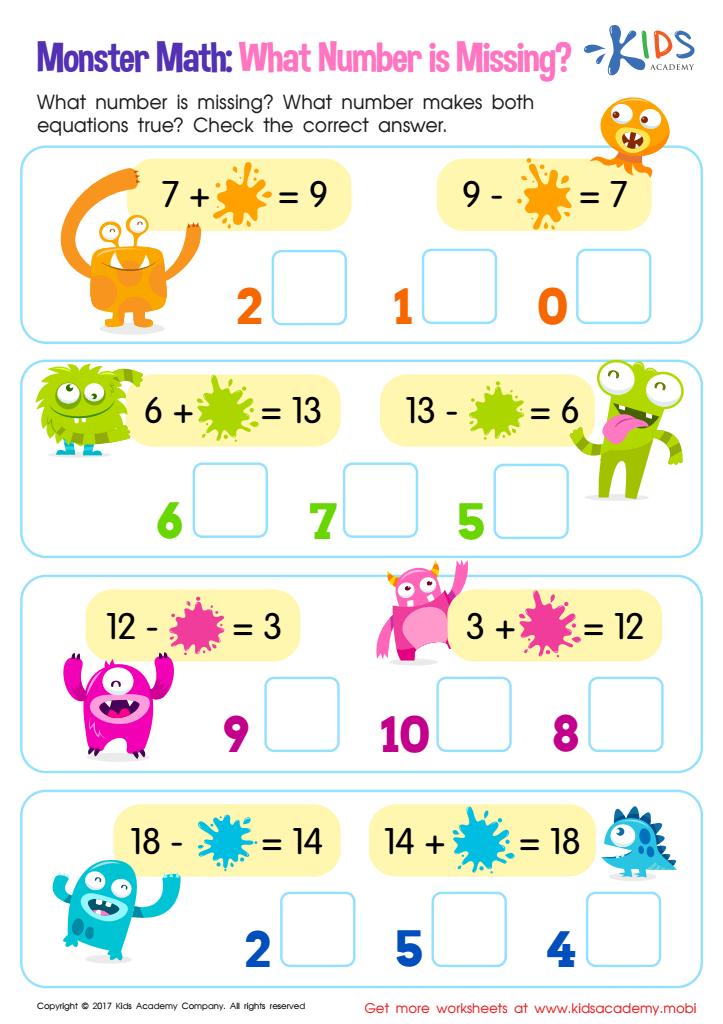
Missing Number: Monster Math Worksheet
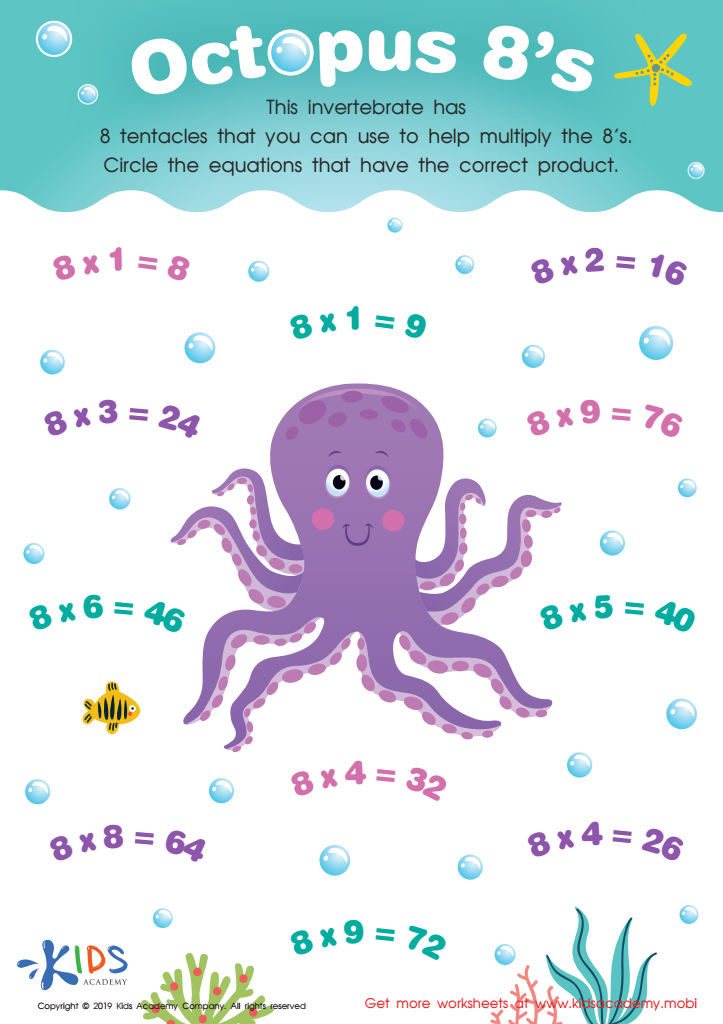
Octopus 8’s Worksheet
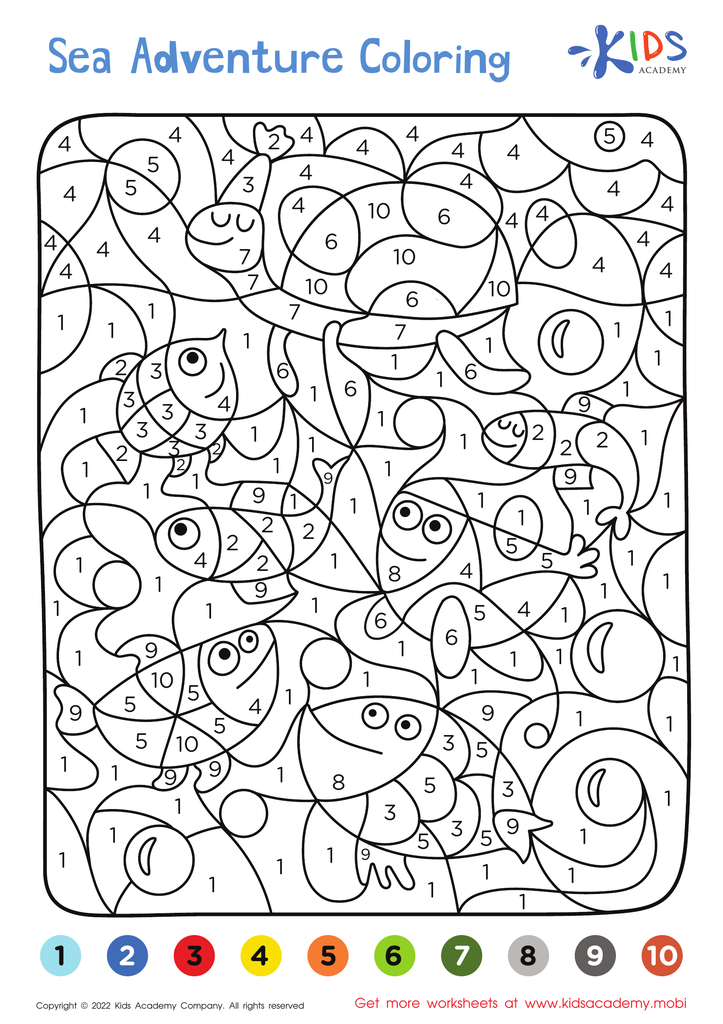
Sea Adventure – Coloring by Numbers
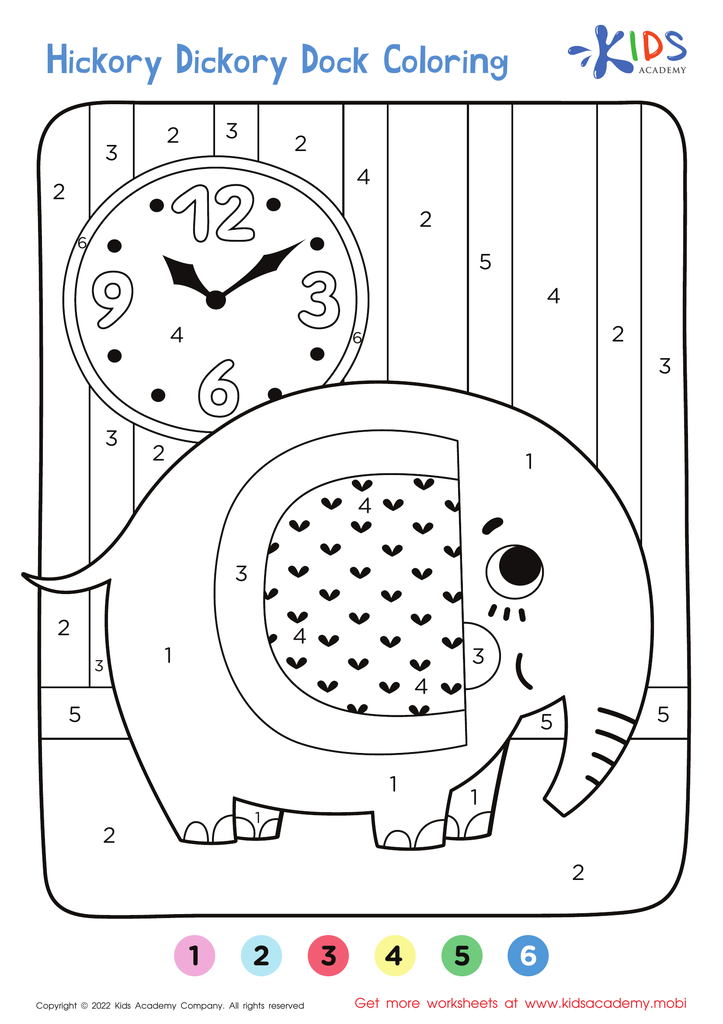
Hickory Dickory Dock – Coloring by Numbers
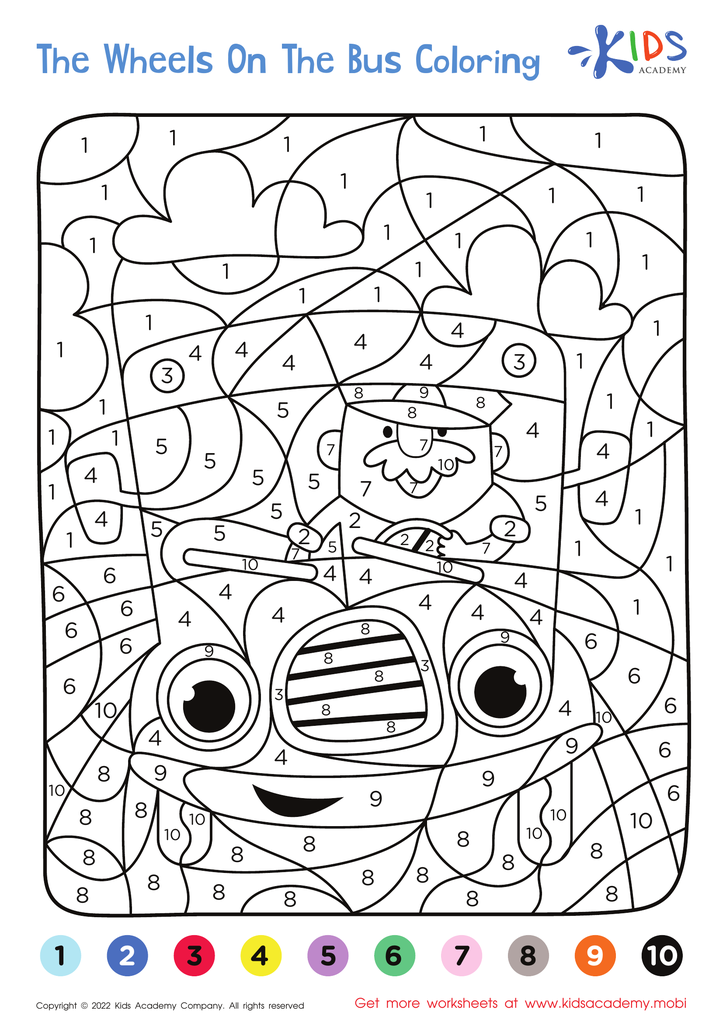
Wheels on the Bus – Coloring by Numbers
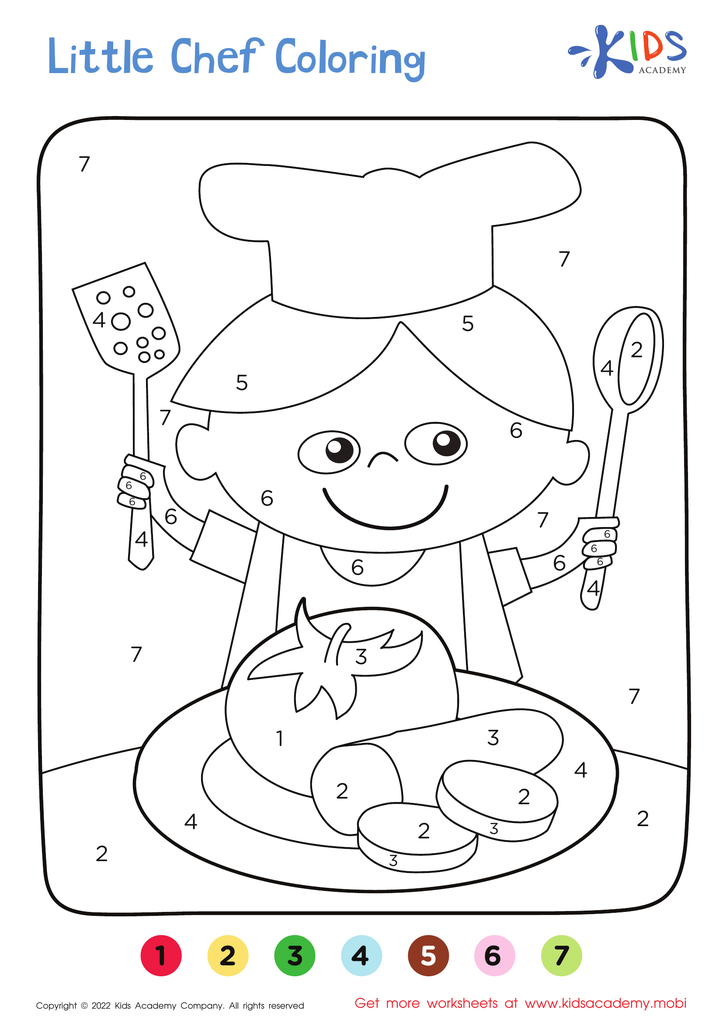
Little Chef – Coloring by Numbers
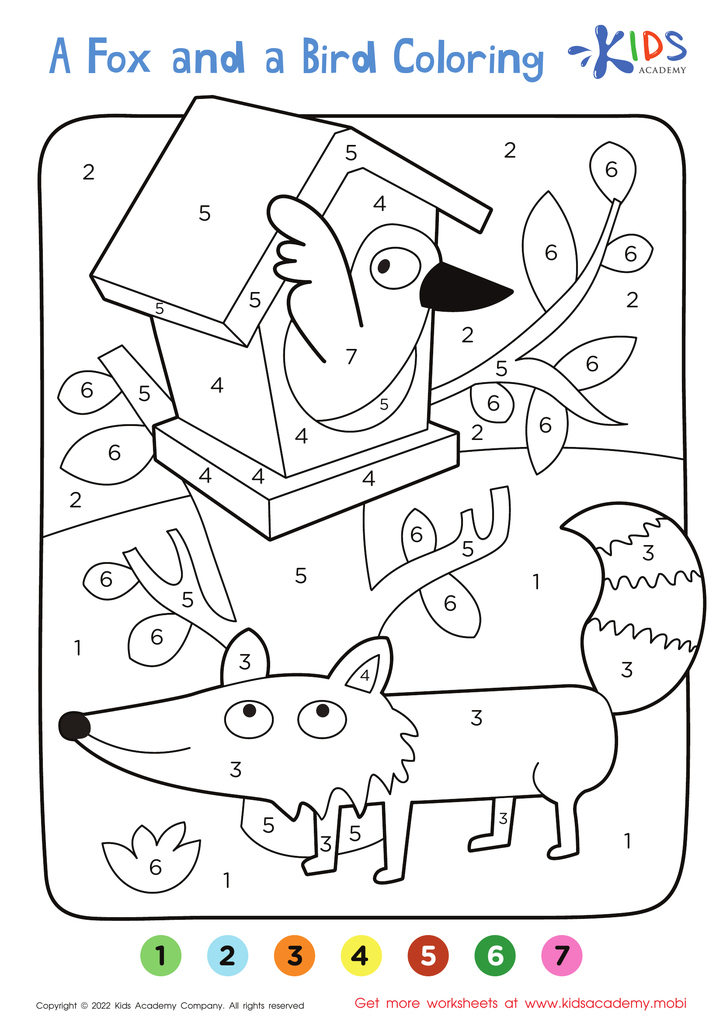
A Fox and a Bird – Coloring by Numbers








Color identification plays a crucial role in the cognitive and social development of children aged 6-9. At this stage, children's brains are like sponges, readily absorbing new information that forms the foundation for future learning. Understanding and naming colors helps improve a child’s communication skills, as describing objects becomes more precise and detailed. For instance, instead of saying "the apple," they can specify "the red apple," which enhances language skills and comprehension.
Additionally, mastering colors aids in the development of sorting and categorizing skills, important cognitive processes that help in problem-solving and logical thinking. In education, these skills translate into better performance in math and science, where categorization and pattern recognition are crucial.
Furthermore, recognizing colors fosters artistic exploration and expression. Art activities such as drawing and coloring allow children to creatively engage with their environment and express their emotions and ideas.
Strengthening color identification is also fundamental for safety. Children who recognize and understand the significance of colored signs and signals, like traffic lights and warning signs, can navigate their world more securely.
In summary, color identification is more than just a basic skill; it's a building block that supports broader educational and developmental milestones, making it essential for the well-rounded growth of children.








