Enhancing observational skills Worksheets for Ages 6-9
10 filtered results
-
From - To
Enhance your child's observational skills with our engaging worksheets designed for ages 6-9! Our carefully crafted activities promote critical thinking and curiosity by encouraging kids to observe, analyze, and interact with their surroundings. Through fun illustrations and interactive tasks, children learn to focus on details, improve their memory, and develop their ability to differentiate information. Each worksheet is aligned with educational standards, making learning both enjoyable and effective. Ideal for home or classroom use, these resources will empower young learners to become more attentive, aware, and confident observers. Unlock the power of observation and watch your child's learning journey flourish!
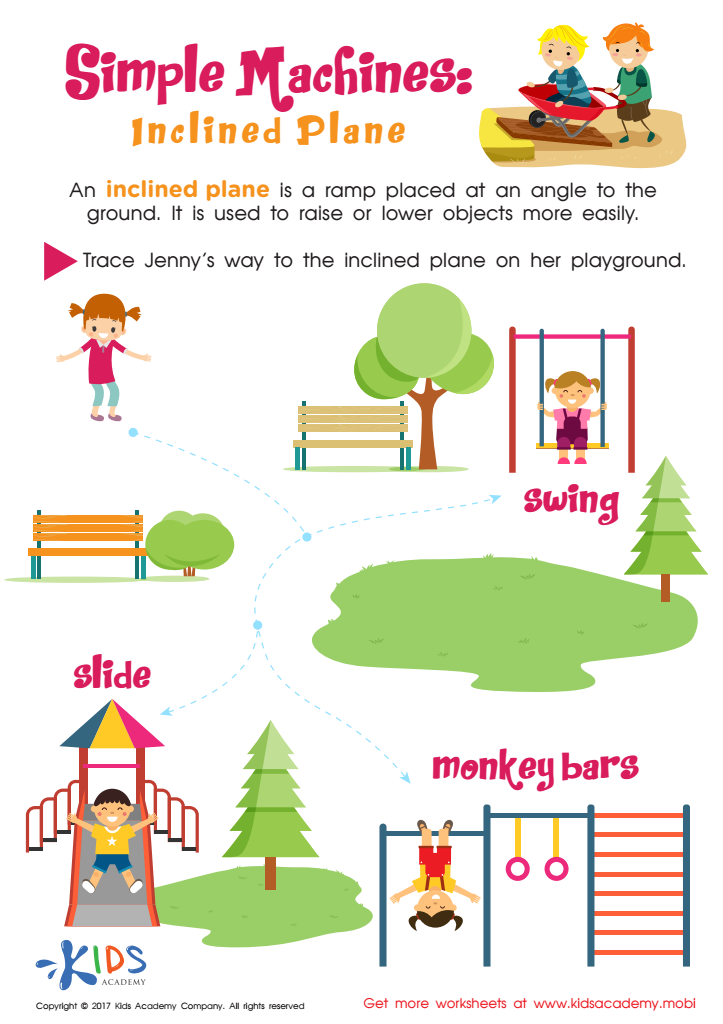
Simple Machines Inclined Plane Worksheet
 Assign to My Students
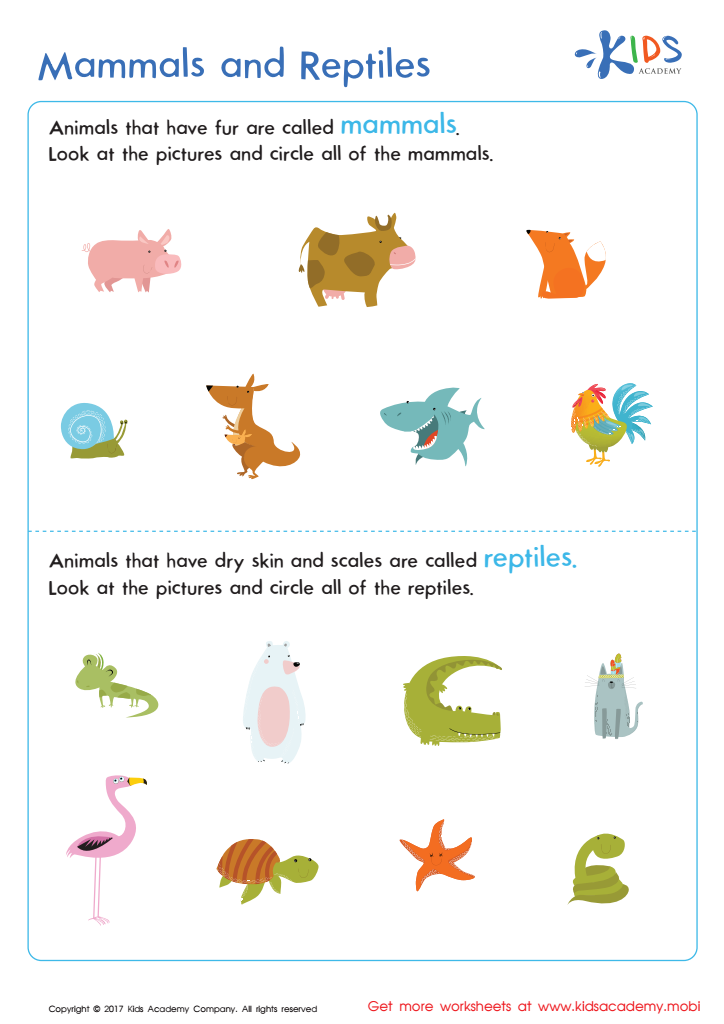
Mammals and Reptiles Worksheet
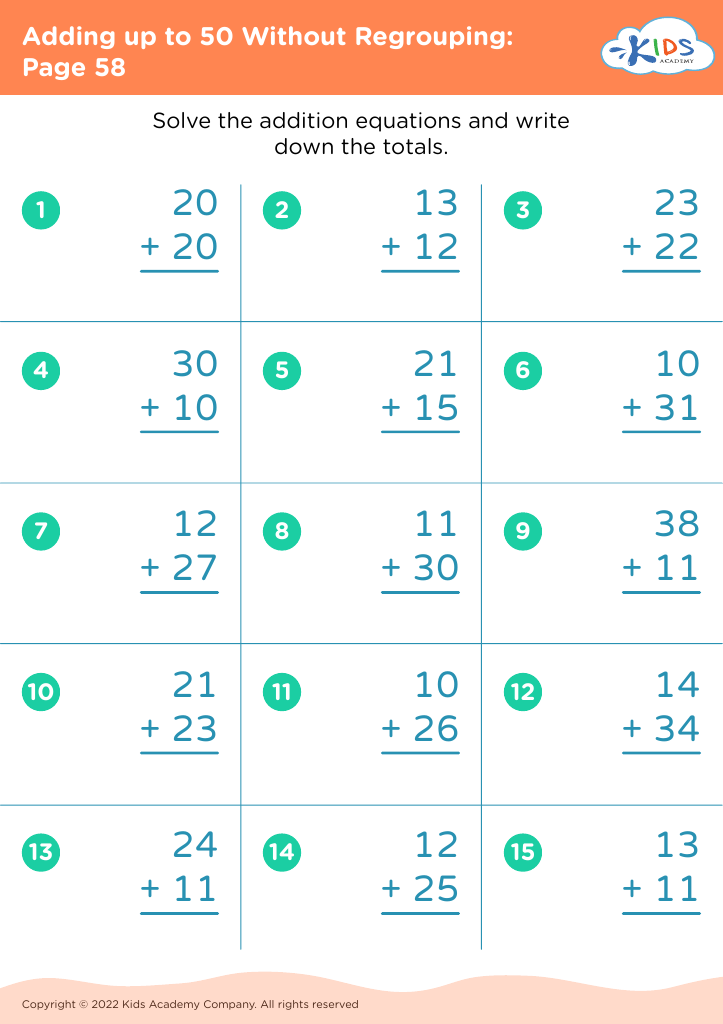
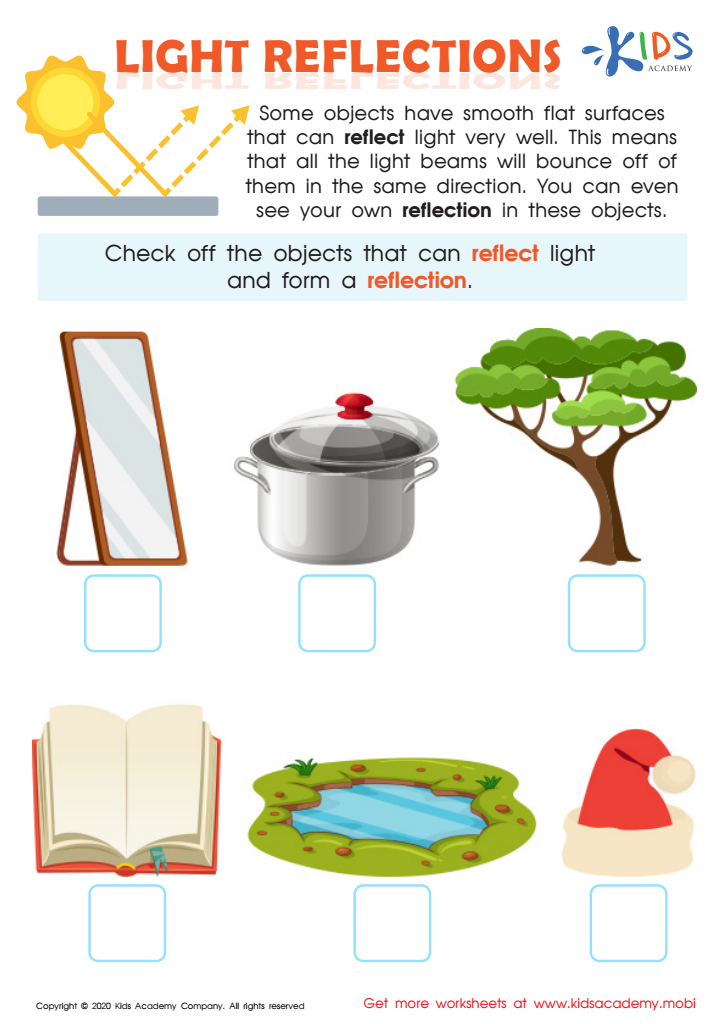
Light Reflections Worksheet
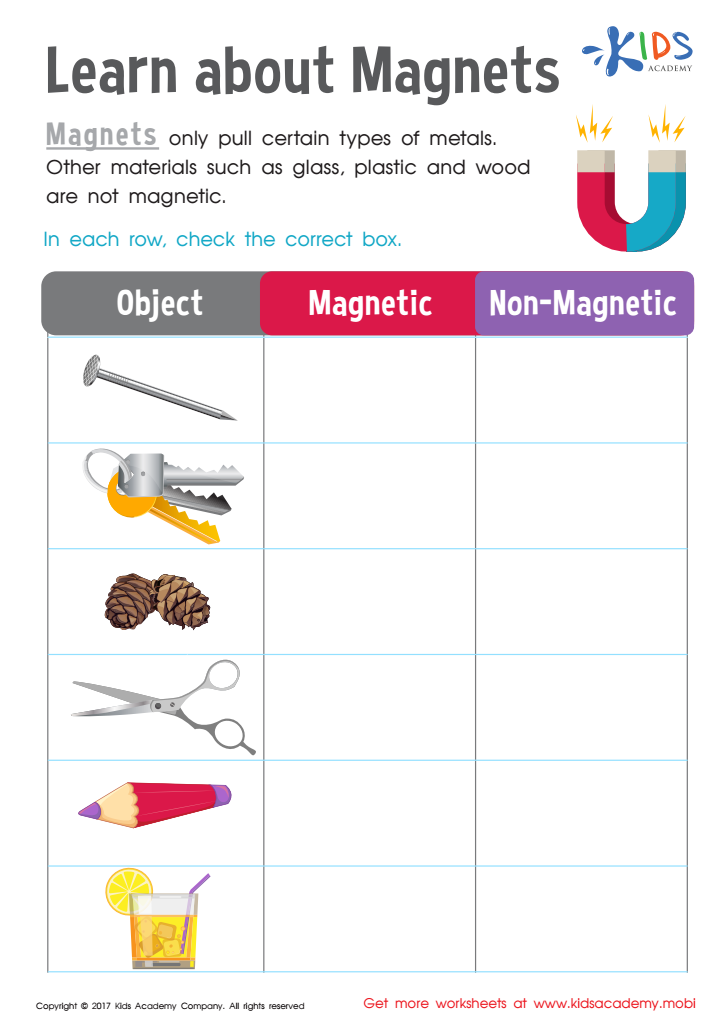
Magnetic Or Not Worksheet
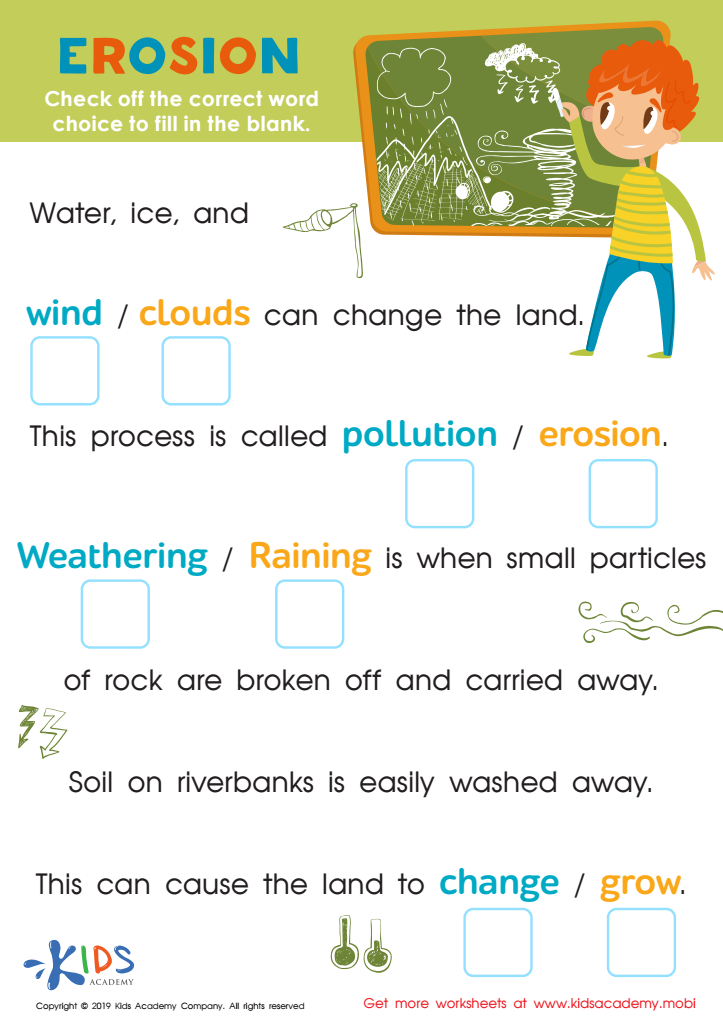
Erosion Worksheet
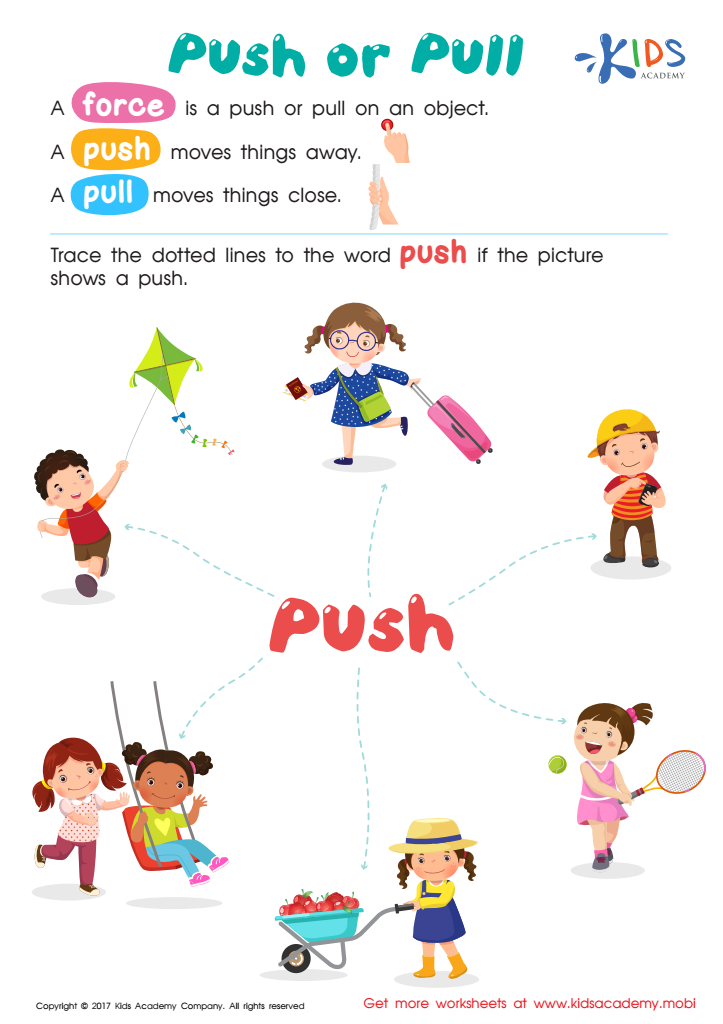
Push or Pull Worksheet
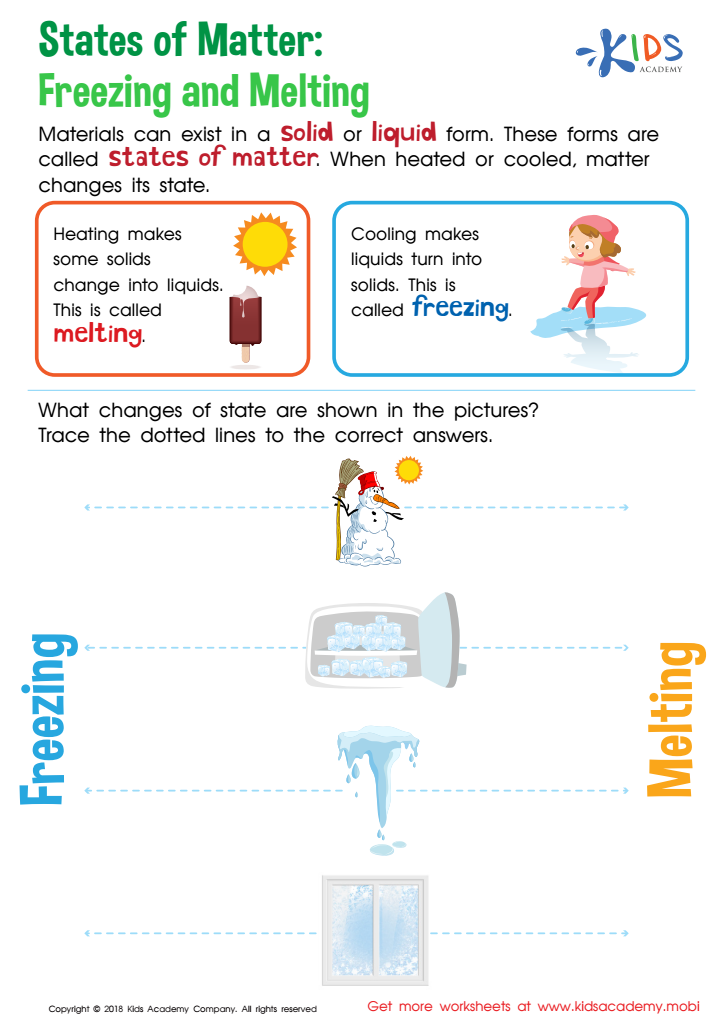
States of Matter: Freezing and Melting Worksheet
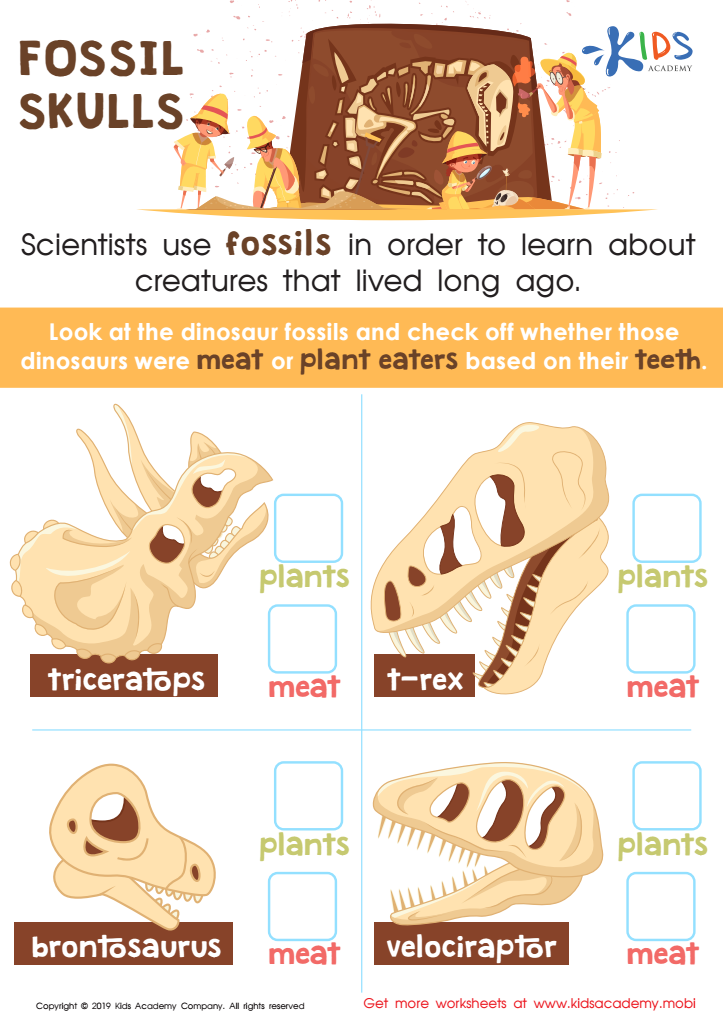
Fossil Skulls Worksheet






Enhancing observational skills for children ages 6-9 is crucial for their overall development and learning. During these formative years, children are naturally curious, and honing their observational abilities fosters critical thinking and problem-solving skills. When parents and teachers encourage children to notice details in their environment, they help them develop a deeper understanding of the world around them.
Observational skills support not only academic growth—such as reading comprehension and scientific inquiry—but also social-emotional development. Children who can observe nuanced social interactions are better equipped to understand emotions and communicate effectively with peers. This awareness contributes to the cultivation of empathy, helping them forge stronger relationships.
Additionally, enhancing observational skills helps children become active learners. Engaging with their surroundings leads to increased motivation and engagement in educational activities. Parents and teachers who emphasize observation can integrate hands-on experiences, such as nature walks or art exploration, into learning.
Ultimately, investing time in nurturing observational skills equips children with lifelong abilities that extend beyond academics, preparing them for the complexities of modern life. By fostering this foundational skill, caregivers contribute significantly to a child's intellectual, emotional, and social well-being, setting the stage for future successes.








