Enhance your child's fine motor skills with our engaging worksheets designed specifically for ages 6-9! These activities focus on developing hand-eye coordination, dexterity, and control through fun and interactive exercises. Children will enjoy various tasks, including cutting, coloring, tracing, and crafting, all aimed at improving their grasp and manipulation of tools. Perfect for both home and classroom use, our worksheets provide an excellent opportunity to strengthen essential skills while sparking creativity. Unlock your child's potential with our carefully crafted materials that make learning enjoyable and effective. Explore our collection to support your child's growth and development today!

Check out this FREE "Fine motor skills improvement" Trial Lesson for age 6-9!

S

Favorites
With answer key
Interactive
  • 6-9
  • Fine motor skills improvement
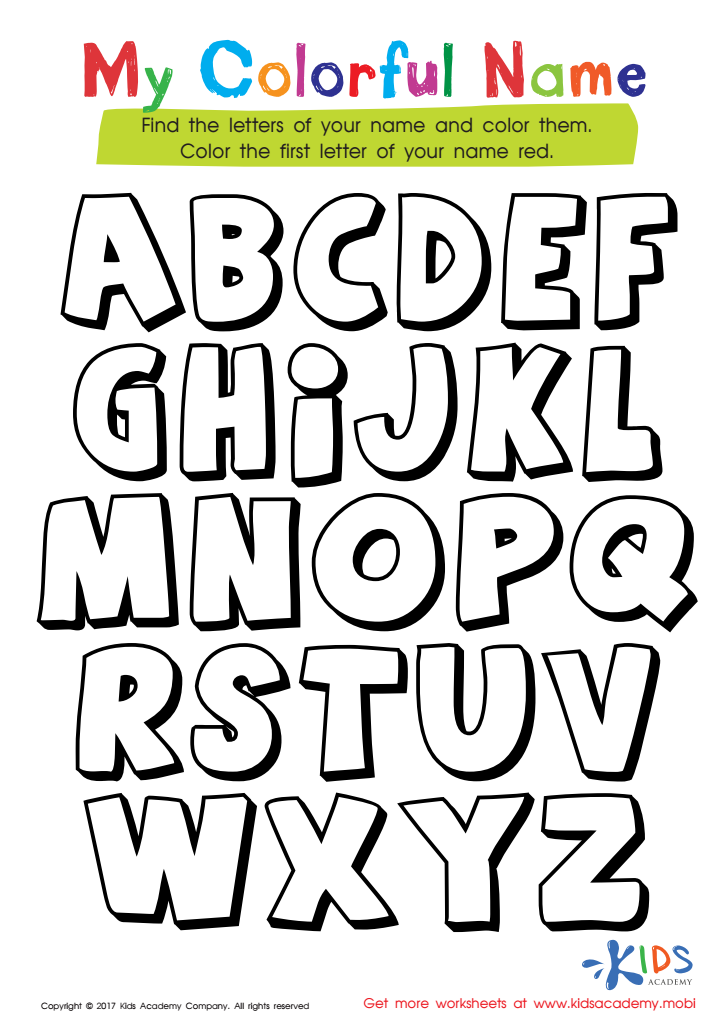
My Colorful Name Worksheet

My Colorful Name Worksheet

Writing their names is a milestone for children. With this worksheet, they recall the letters in their name and color the letters one at a time. Spelling and alphabet order are reinforced as they find each letter. Use this fun printable to help kids learn to write their names!
Download (PDF)
Assign to My Students
My Colorful Name Worksheet
Worksheet
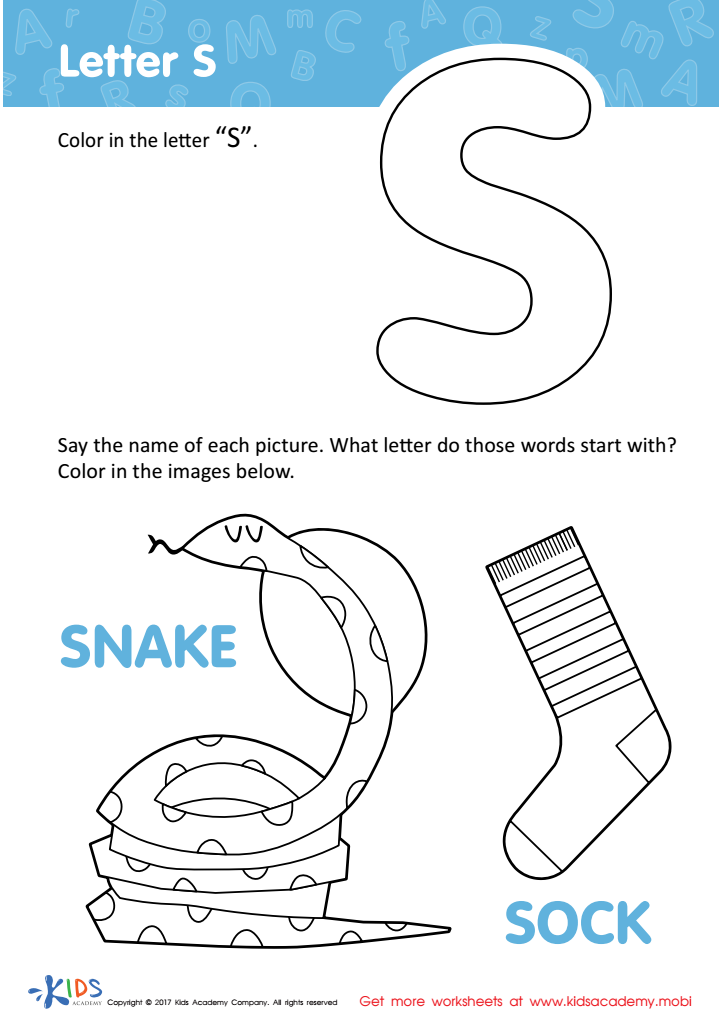
Letter S Coloring Page

Letter S Coloring Sheet

Help your child practice recognizing the letter "S" and the sound it makes with this fun coloring page. It features a slippery snake, smelly sock and more! Give them extra practice by coming up with more "S" sounds and words.
Download (PDF)
Assign to My Students
Letter S Coloring Sheet
Worksheet
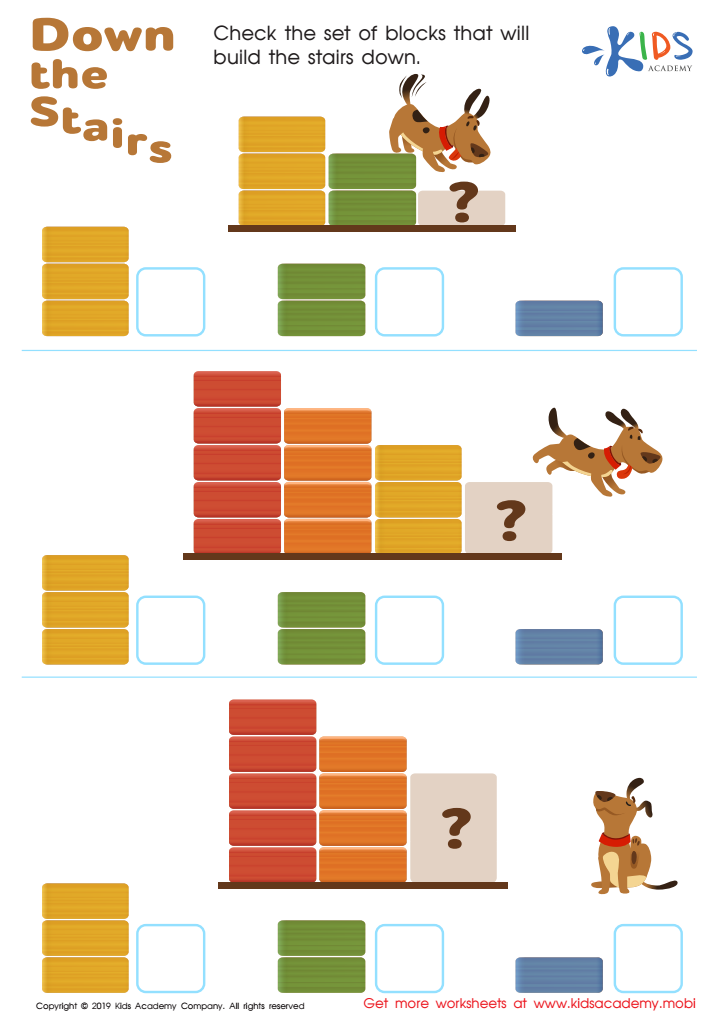
Down the Stairs Worksheet

Down the Stairs Worksheet

Let your kids' imaginations run wild with this worksheet featuring a cute and friendly dog! Ask them to point out the dog in the printout, then help count the blocks in each set. Aim to stack them in descending order and build stairs for the pup to get down. Count each block and check the set - it's that easy!
Down the Stairs Worksheet
Worksheet
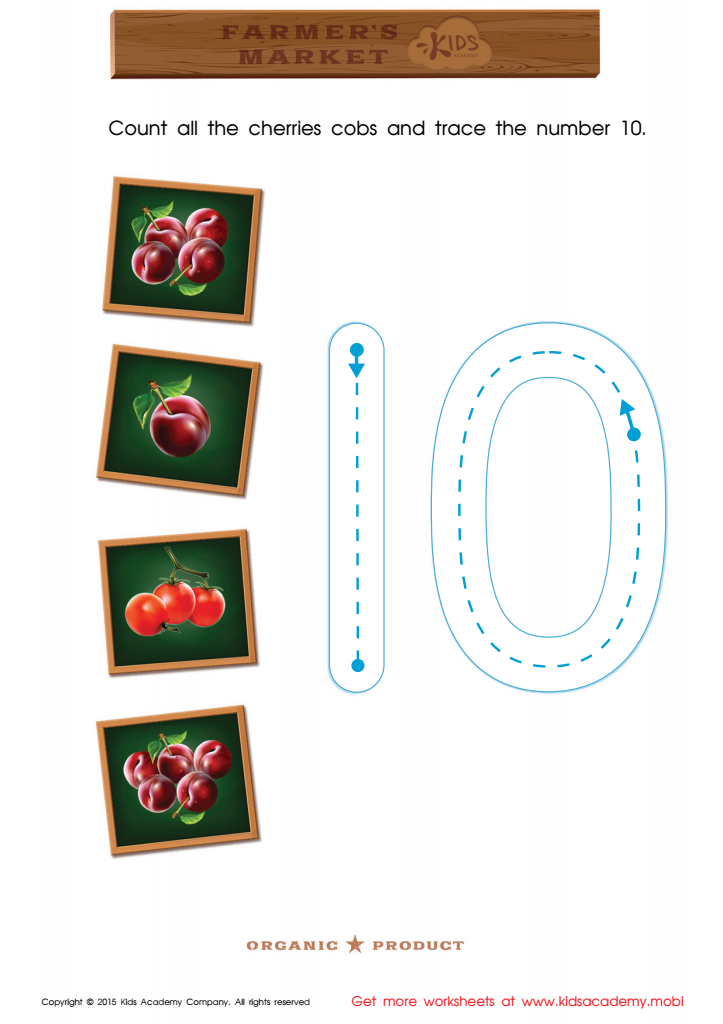
Math Game: Count the Cherries and Trace the Number 10

Count the Cherries and Trace the Number 10 Printable
Download this fun math and number worksheet to help your kid practice counting and tracing. Reinforce addition facts and handwriting skills while counting sweet cherries. Check out Kids Academy for more free printable worksheets by topic.
Count the Cherries and Trace the Number 10 Printable
Worksheet
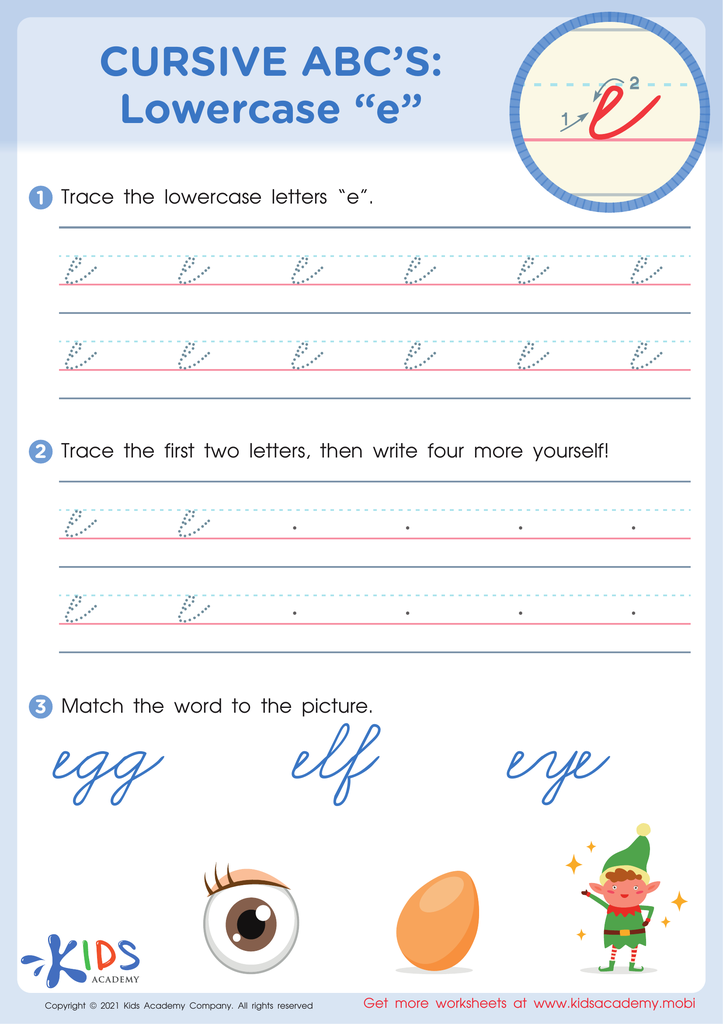
Cursive ABCs: Lowercase e

Cursive ABCs: Lowercase e

Traceable worksheets are great for kids wanting to practice writing alphabet letters. Help them improve their skills by tracing dotted lines to form 'e', then writing it on their own. They'll also learn new words beginning with letters of the alphabet.
Cursive ABCs: Lowercase e
Worksheet
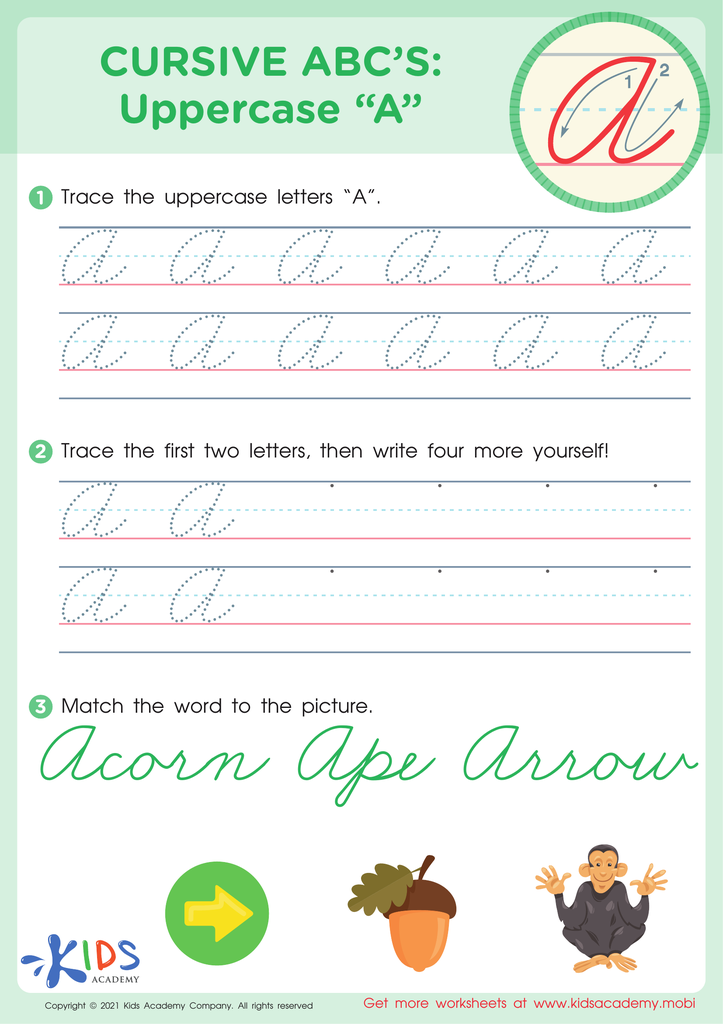
Cursive ABCs: Uppercase A

Cursive ABCs: Uppercase A

Help your kids develop their writing skills with our great tracing sheets. Improve their motor skills, as well as their vocabulary, by guiding them through tracing the dotted lines for the uppercase letters of the alphabet. When they are ready, let them practice writing the letters on their own for improved confidence.
Cursive ABCs: Uppercase A
Worksheet
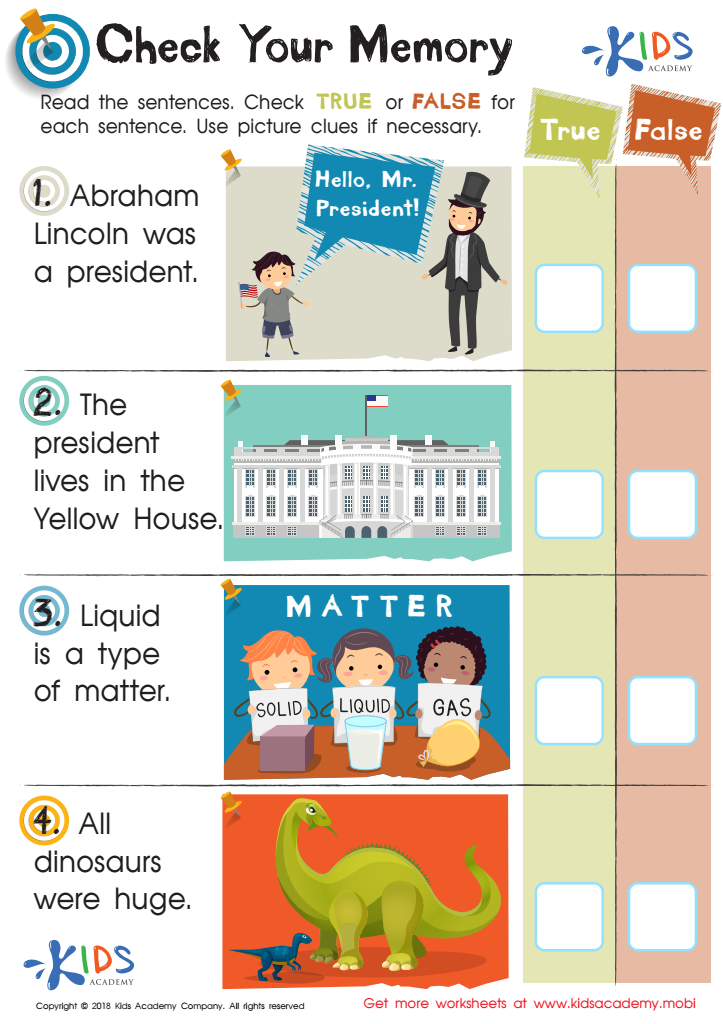
Check Memory Worksheet

Check Memory Worksheet

Assisting your kids with their homework and using worksheets is a great way for them to learn. The vibrant visuals in this printout can help stimulate the mind and motivate your child. Have them read the sentences and then point to the associated images. Afterwards, ask them to state True or False for each sentence. If they are still uncertain, offer them the picture clues to assist further.
Check Memory Worksheet
Worksheet


Fine motor skills are crucial for children aged 6-9 as they lay the foundational abilities necessary for a range of daily activities and academic tasks. At this age, children are refining their hand-eye coordination and dexterity, making it essential that parents and teachers prioritize fine motor skill development.

Improving these skills enhances children's ability to perform tasks such as writing, cutting with scissors, tying shoelaces, and manipulating small objects. Proficient fine motor skills lead to greater independence, which boosts self-esteem, allowing children to engage confidently in both academic and social settings.

Additionally, fine motor skills are closely linked to cognitive development. Activities that promote these skills, such as drawing, crafting, and playing with building blocks, also foster problem-solving and critical thinking. Parents and teachers can support this development through targeted activities that are fun and engaging, reinforcing learning in an enjoyable manner.

Ultimately, nurturing fine motor skills not only prepares children for academic success but also enriches their everyday lives, enabling them to navigate their environment more effectively. Positive experiences during this formative period can have lasting benefits, influencing both their future school performance and personal growth.