Following instructions Worksheets for Ages 6-9 - Page 2
84 filtered results
-
From - To

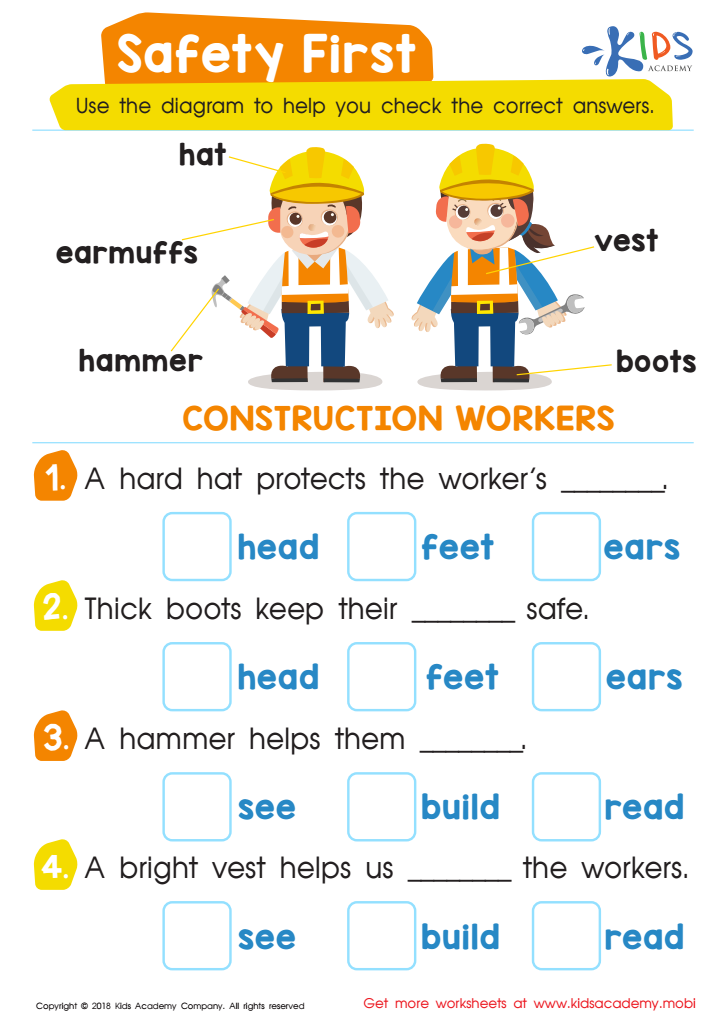
Safety First Worksheet
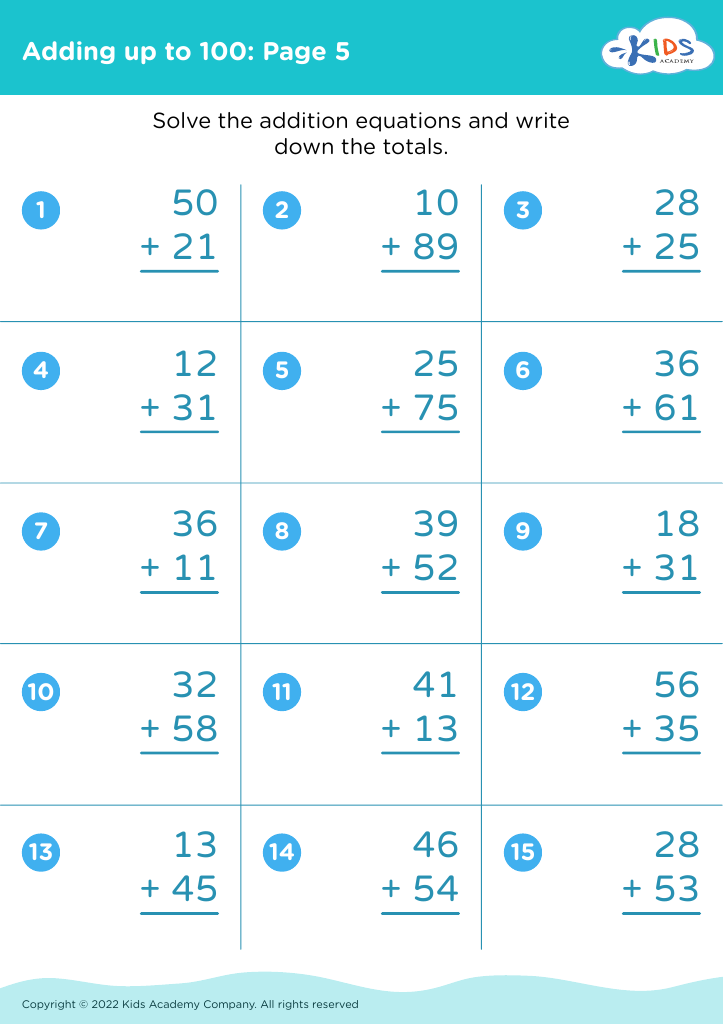
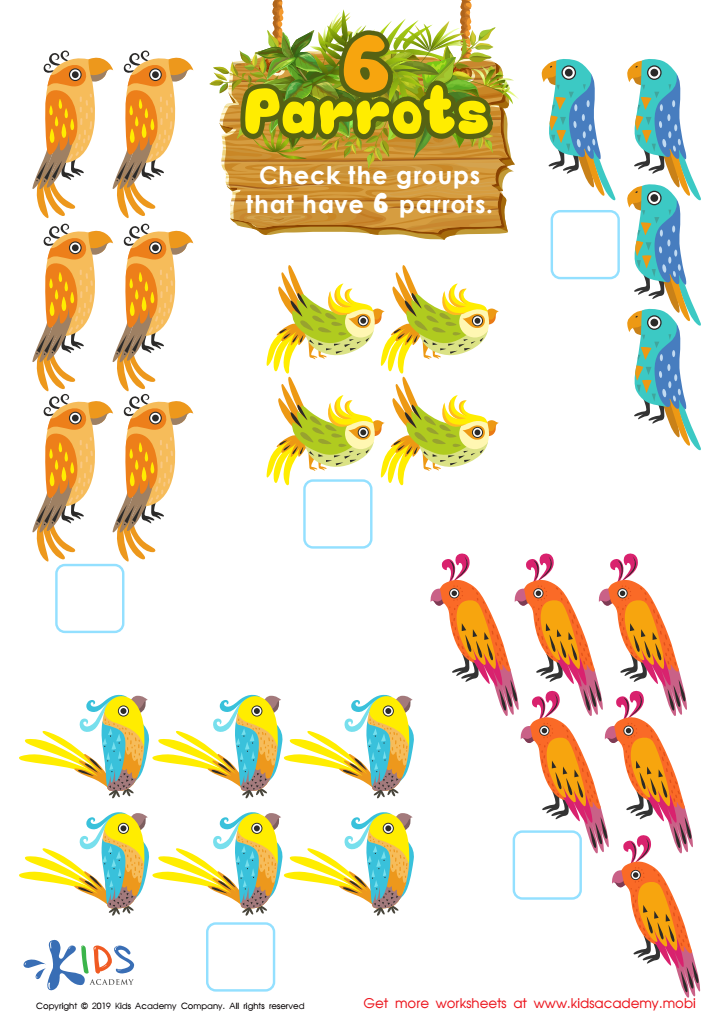
6 Parrots Worksheet
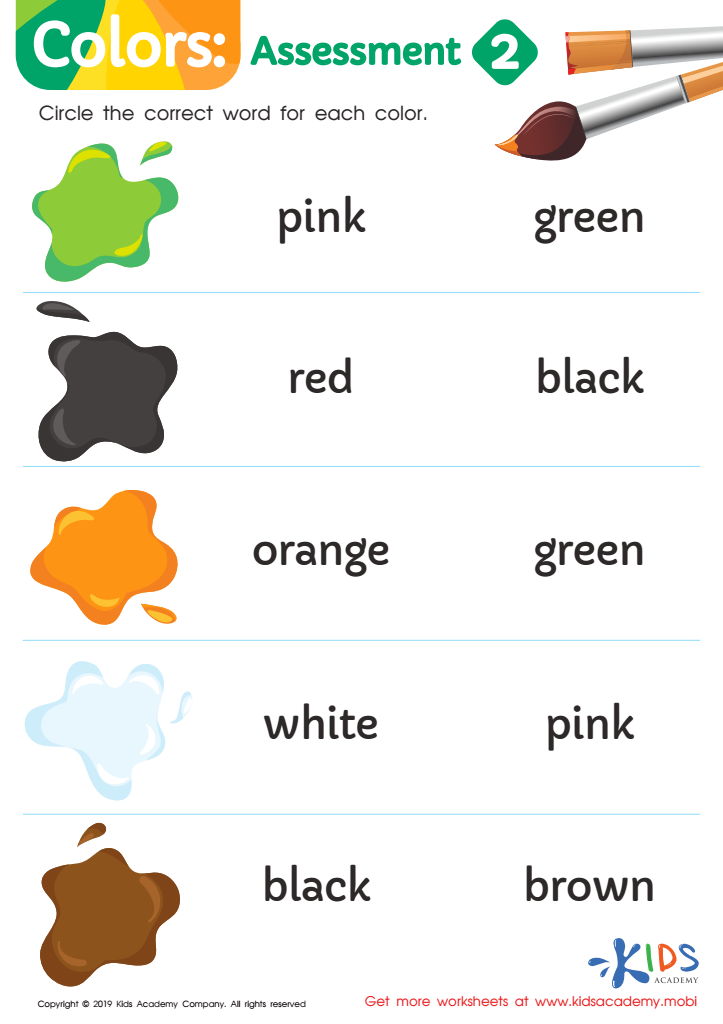
Colors: Assessment 2 Worksheet
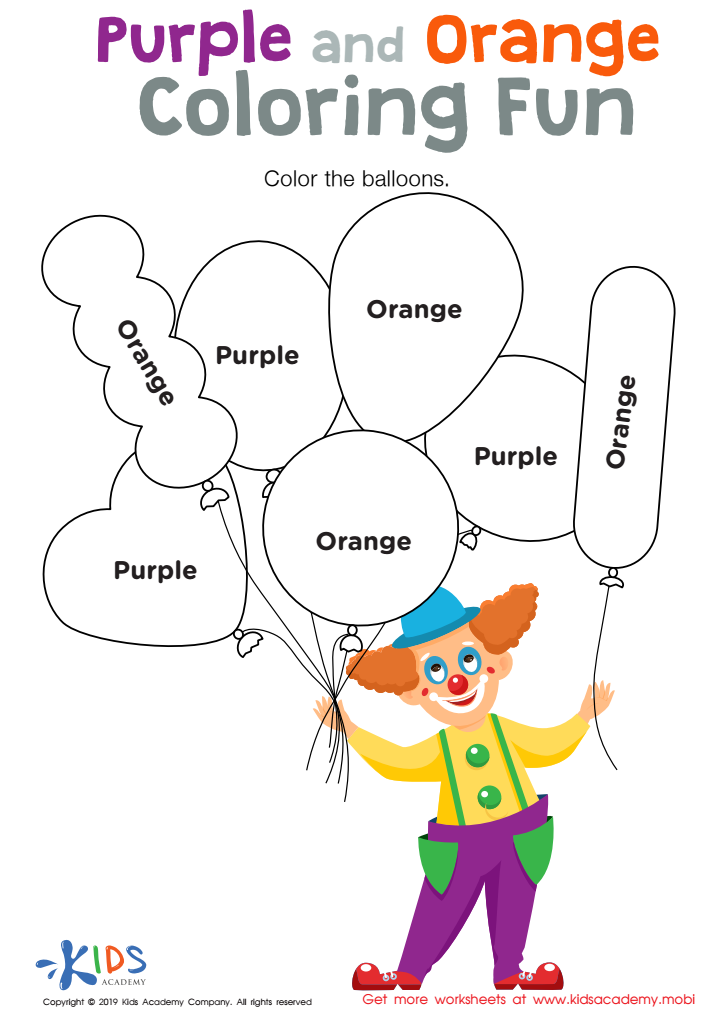
Purple and Orange Coloring Fun Worksheet
 Assign to My Students
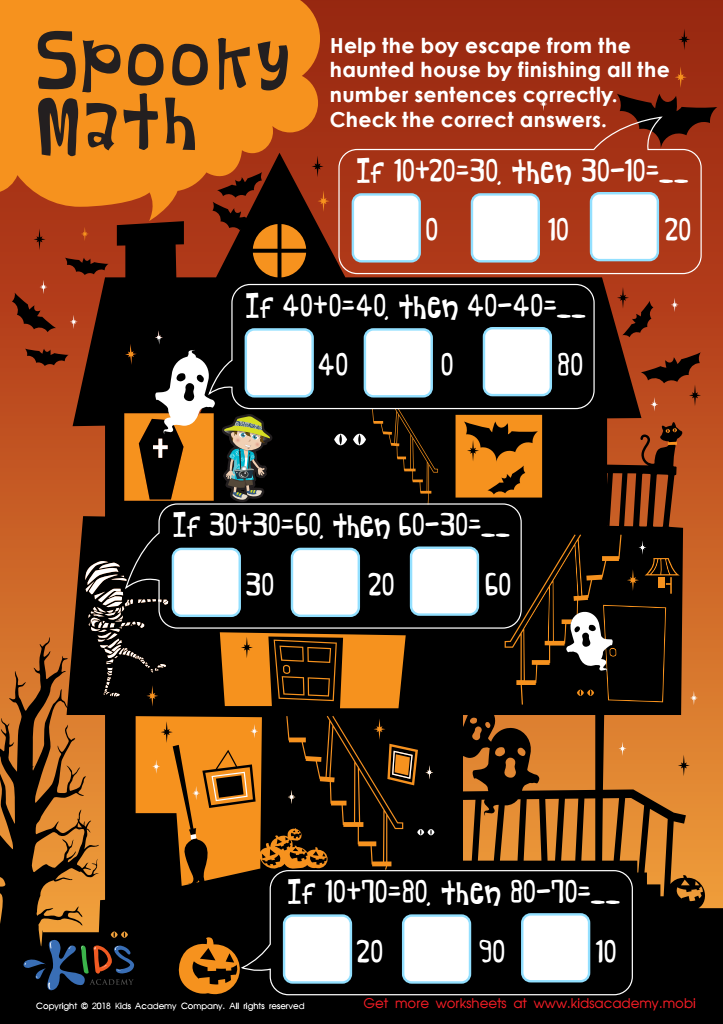
Subtract Tens: Spooky Math Worksheet

Let's Learn to Draw Hearts And Stars Printable

Recognizing Shape Sides Worksheet
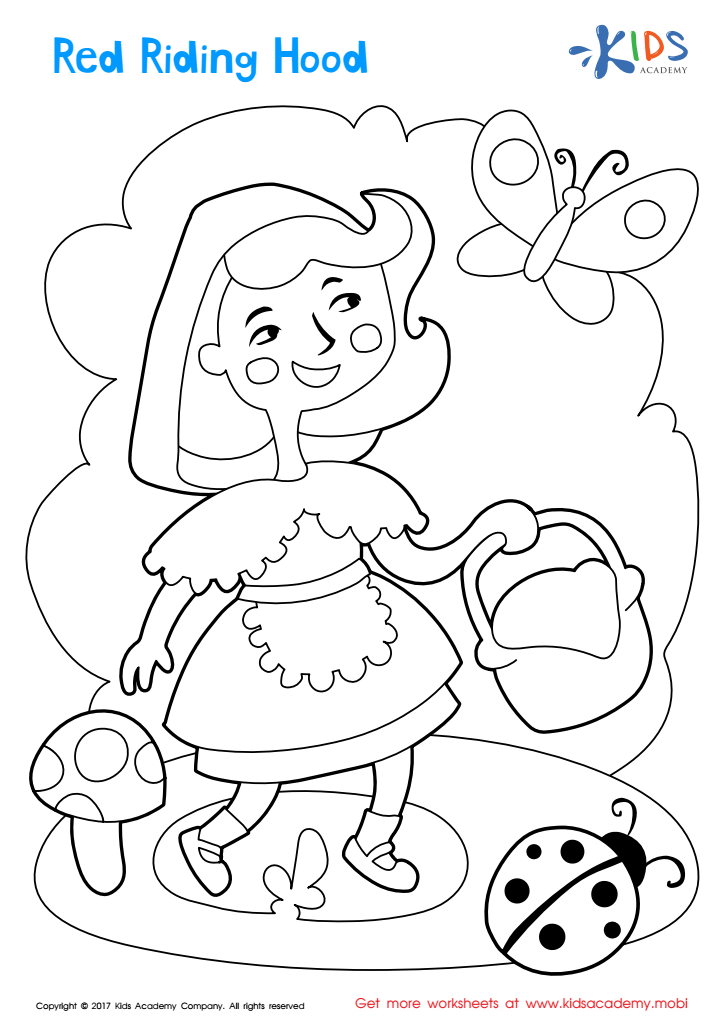
Red Riding Hood Coloring Page
Assign to My Students

Color the Pigs in the Yard Coloring Pages
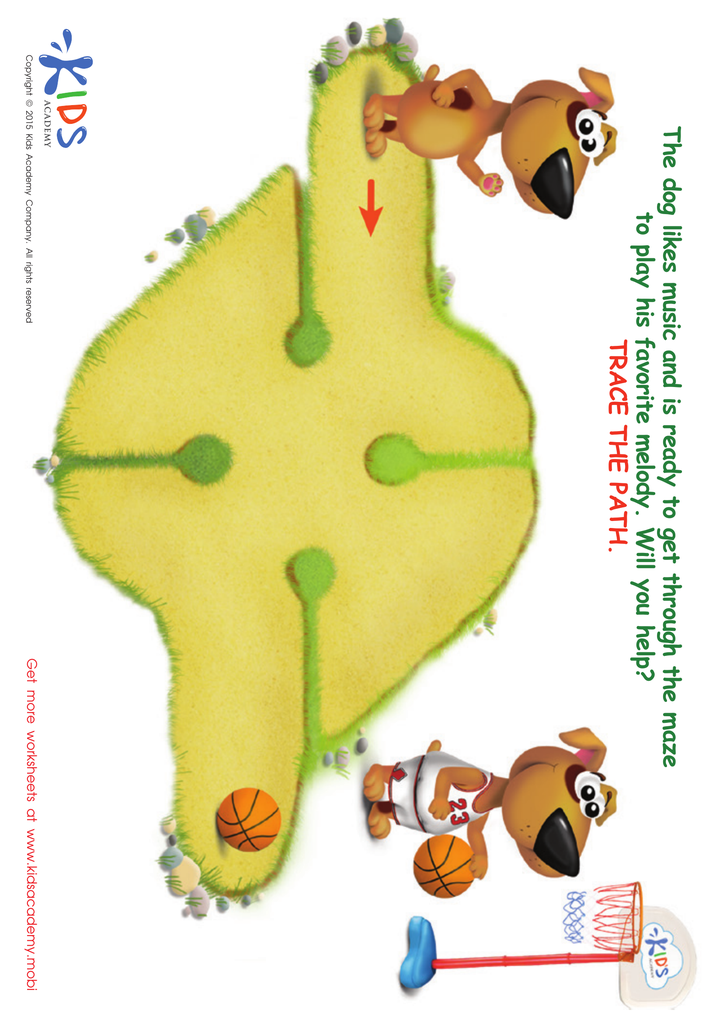
Basketball Player Maze Worksheet

Color the Shapes Worksheet
Assign to My Students

Monster's Face Coloring Worksheet
Assign to My Students
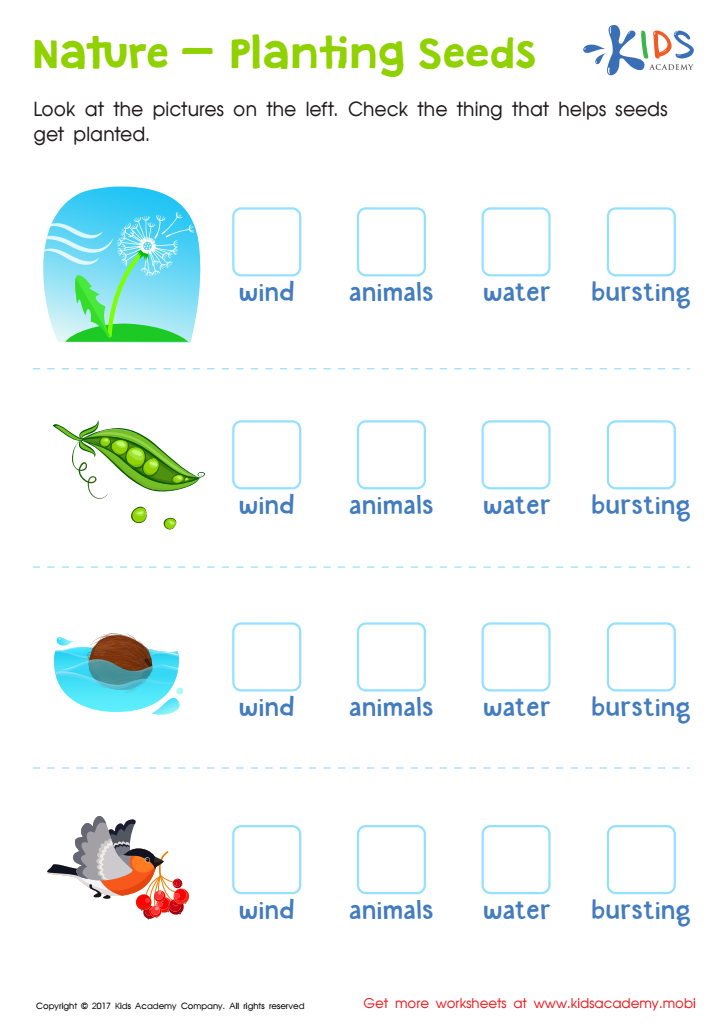
Nature Planting Seeds Worksheet
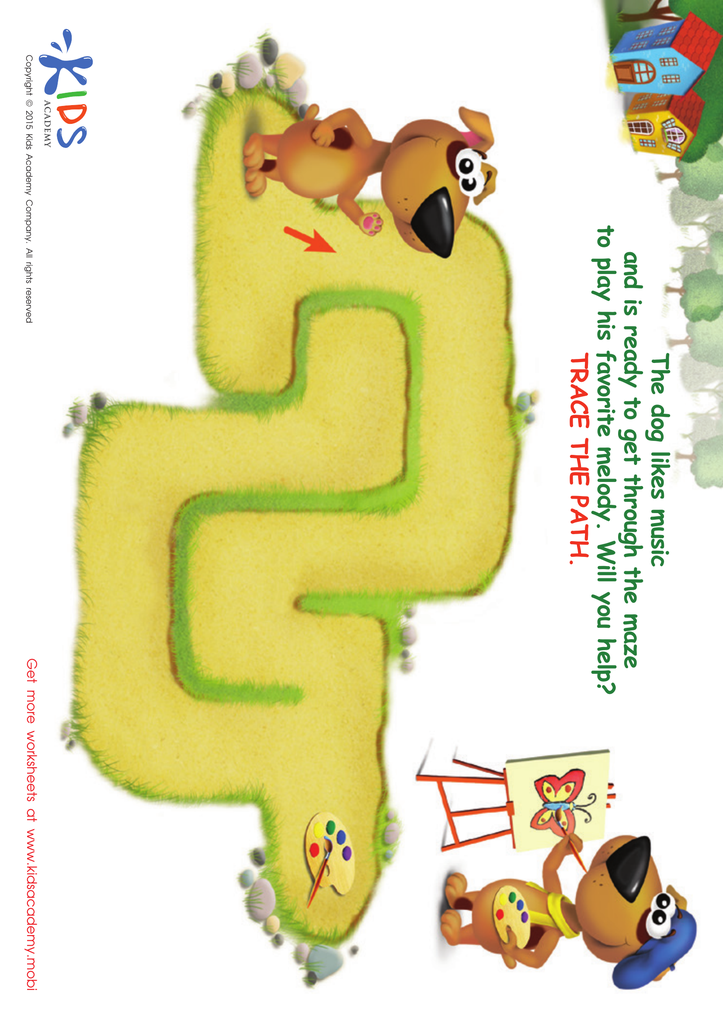
Artist Maze Worksheet

Santa Claus Tracing Winter Words Worksheet
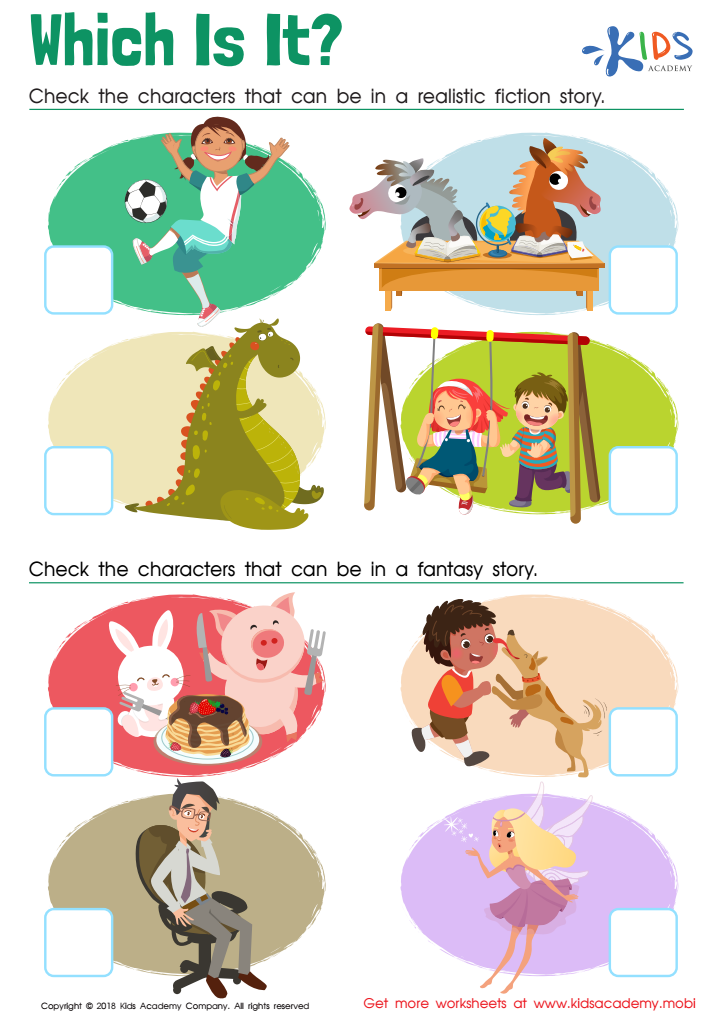
Which Is It? Worksheet
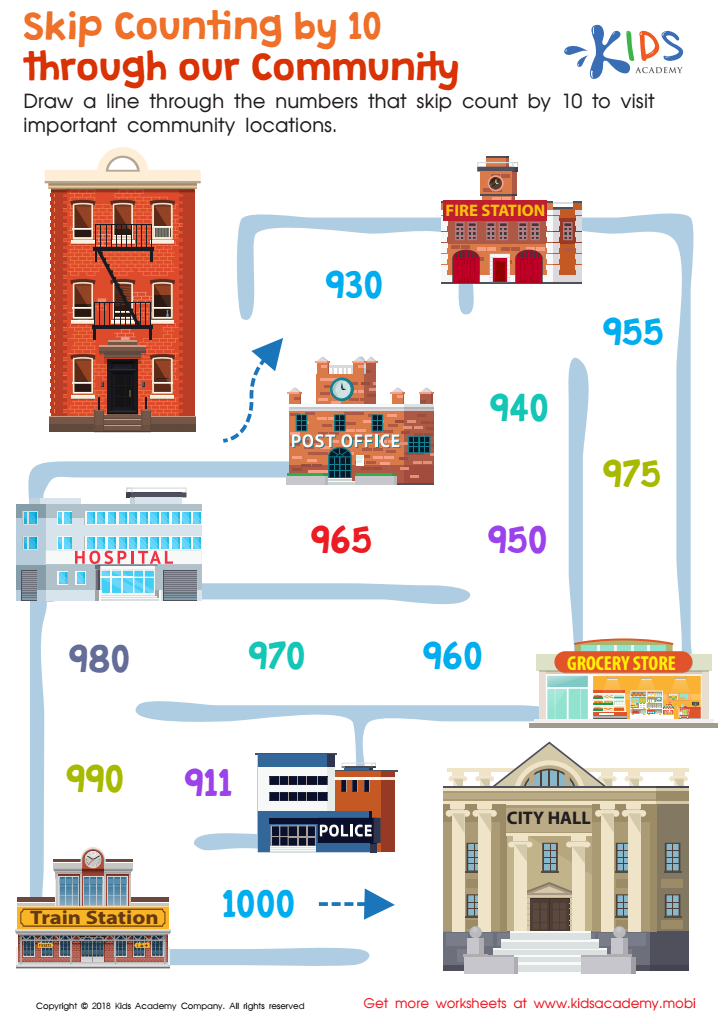
Skip Counting by 10 Through Our Community Worksheet
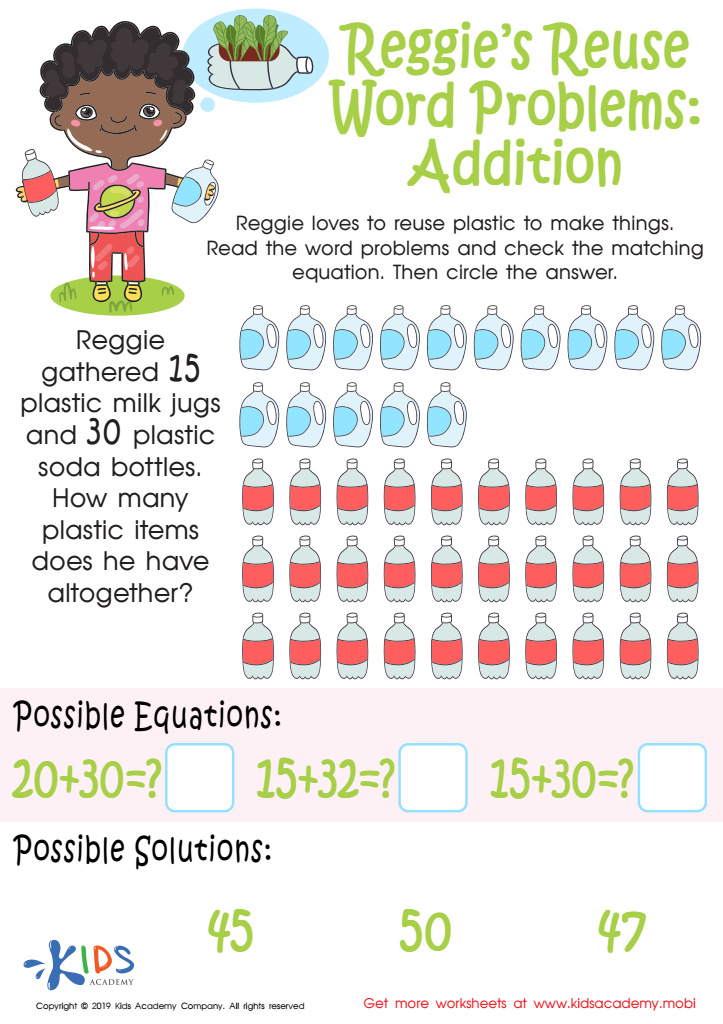
Reggie's Reuse Word Problems: Addition Worksheet
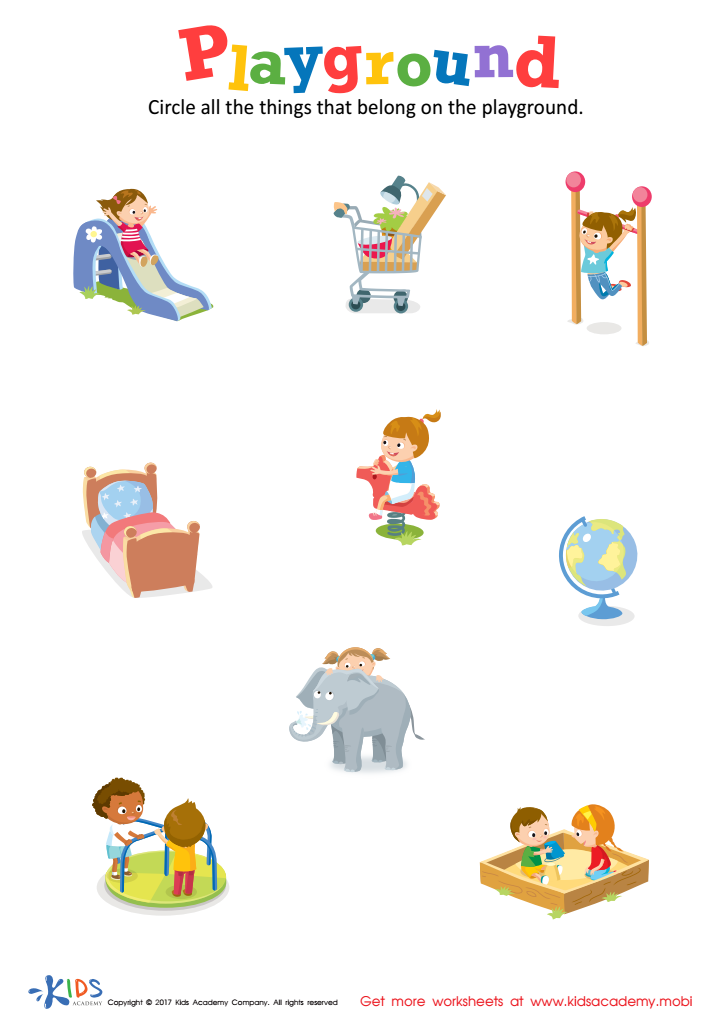
Playground Worksheet







Parents and teachers play a pivotal role in nurturing a child's development, especially in the critical ages of 6-9. During these formative years, the ability to follow instructions lays the groundwork for future academic success and personal growth. When children understand and execute directions accurately, they build essential skills in listening, comprehension, and focus.
For students, following instructions helps them grasp lesson objectives, adhere to classroom routines, and complete tasks efficiently. This ability significantly enhances their learning experience and reduces feelings of frustration or confusion. It also cultivates a sense of responsibility and independence.
From a collaborative perspective, children who can follow instructions contribute positively to group activities, fostering teamwork and social skills. This collaborative spirit is vital in helping them develop empathy and mutual respect.
Moreover, in daily life outside the classroom, being able to understand and act on parental guidance keeps children safe and disciplined. It reinforces the importance of obeying rules and respecting authority, values important for their social development.
Both teachers and parents benefit from less time spent on correcting mistakes due to misunderstood instructions, allowing more quality time to be dedicated to constructive activities. Thus, fostering the ability to follow instructions is foundational to a child’s overall development and success.








