Fraction comparison Worksheets for Ages 6-9
44 filtered results
-
From - To
Enhance your child's understanding of fractions with our engaging Fraction Comparison Worksheets specifically designed for ages 6-9. These worksheets introduce essential concepts of comparing fractions in a fun and interactive way, helping young learners build confidence in their math skills. Perfect for home practice or classroom use, our resources feature a variety of exercises, from visual aids to comparative challenges. Children will explore greater than, less than, and equal fractions through vibrant illustrations and relatable examples. Foster a strong mathematical foundation while making learning enjoyable. Download and print our comprehensive worksheets today to support your child’s journey in mastering fractions!
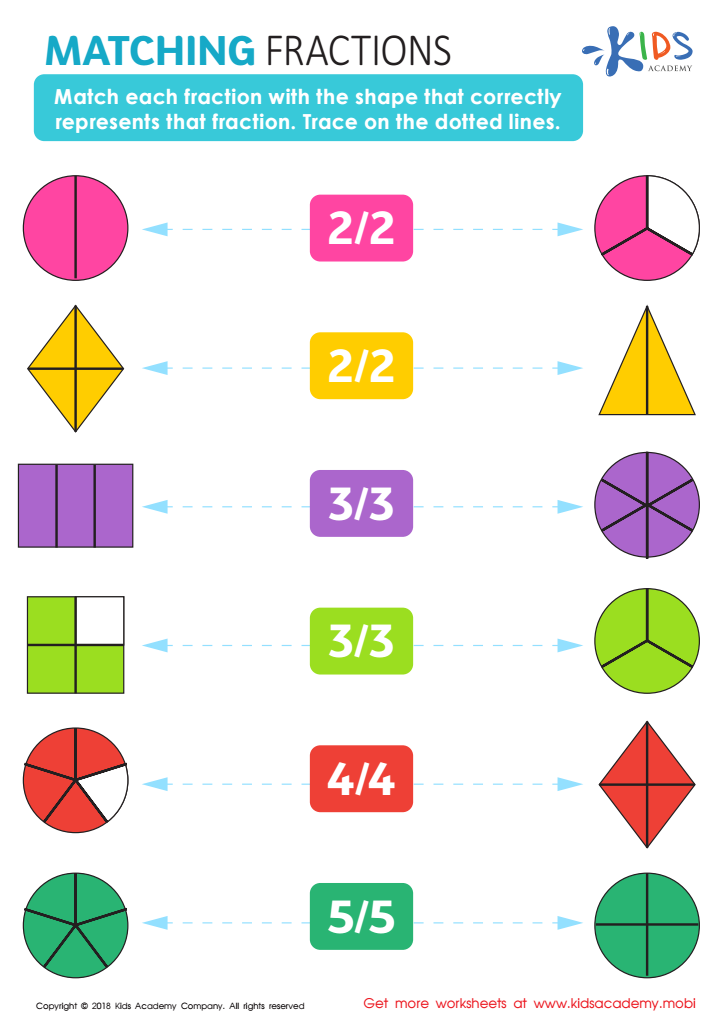
Matching Fractions Worksheet
 Assign to My Students
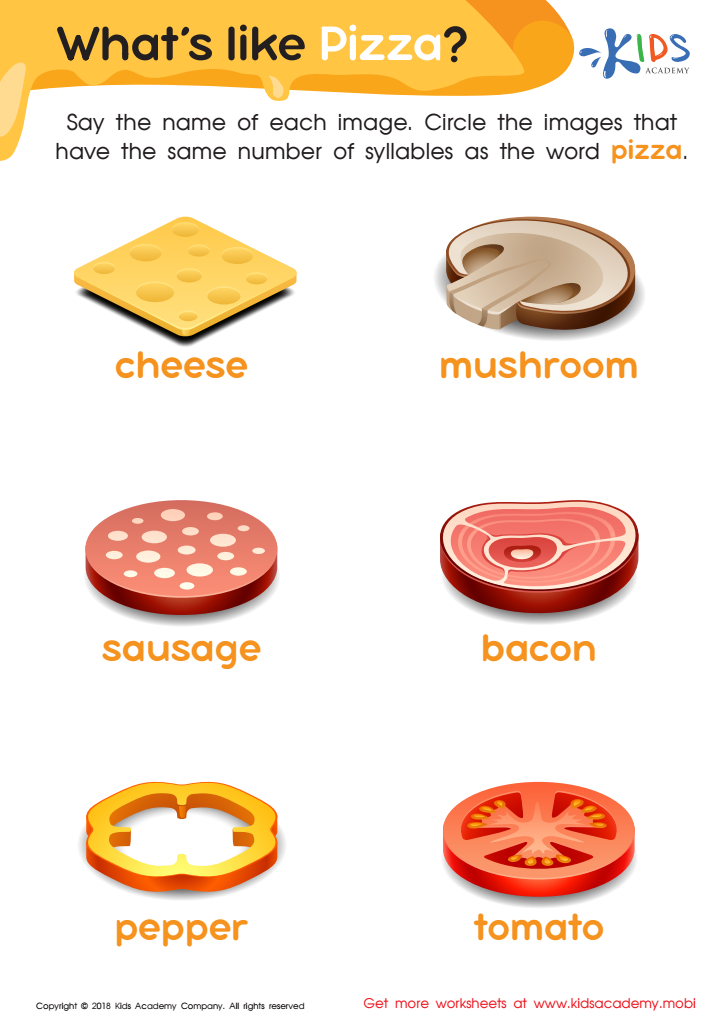
What's Like Pizza? Worksheet
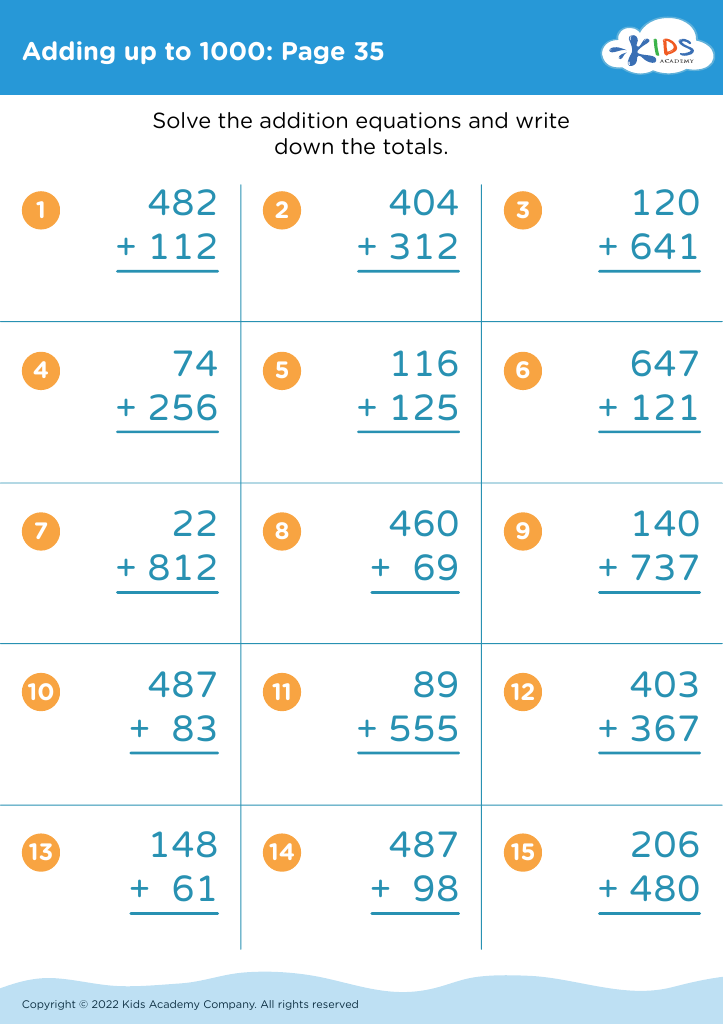
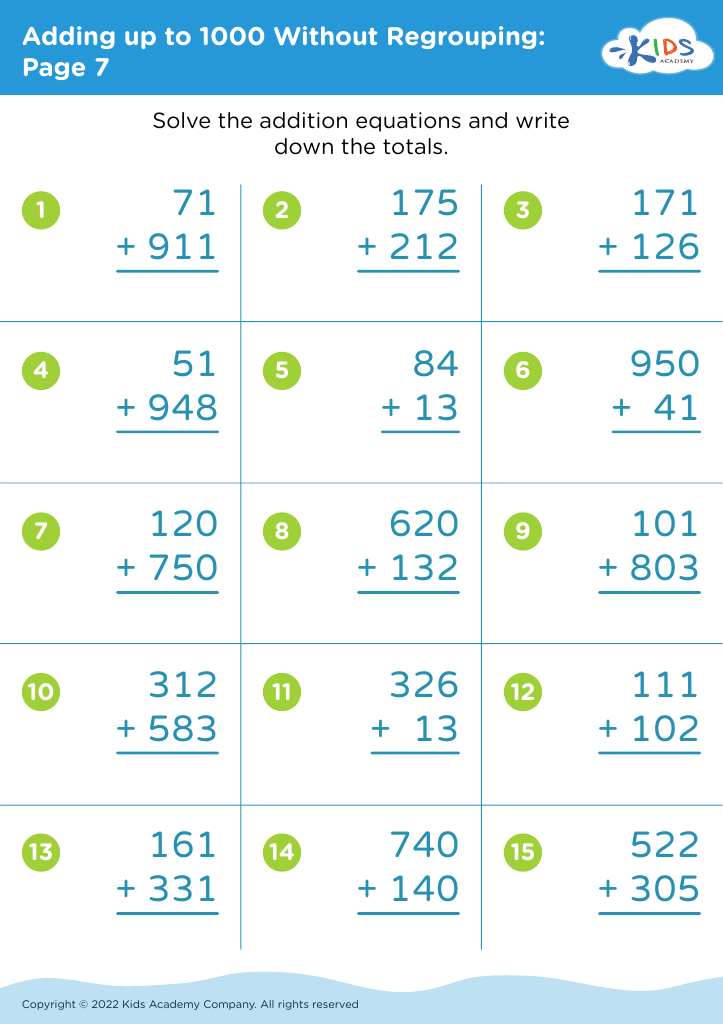
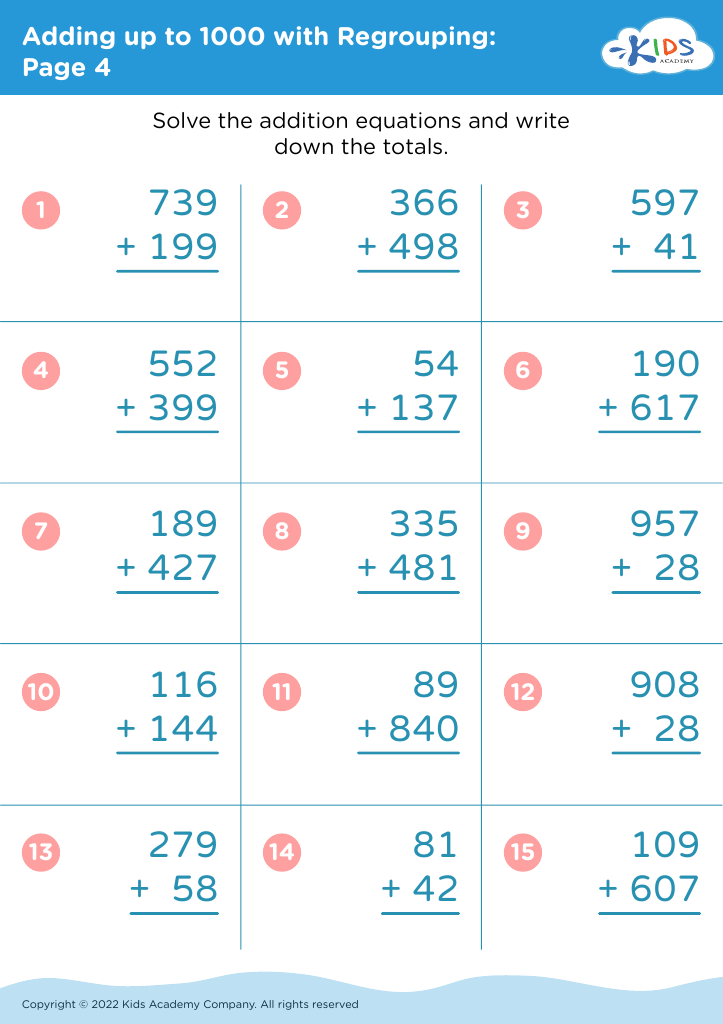
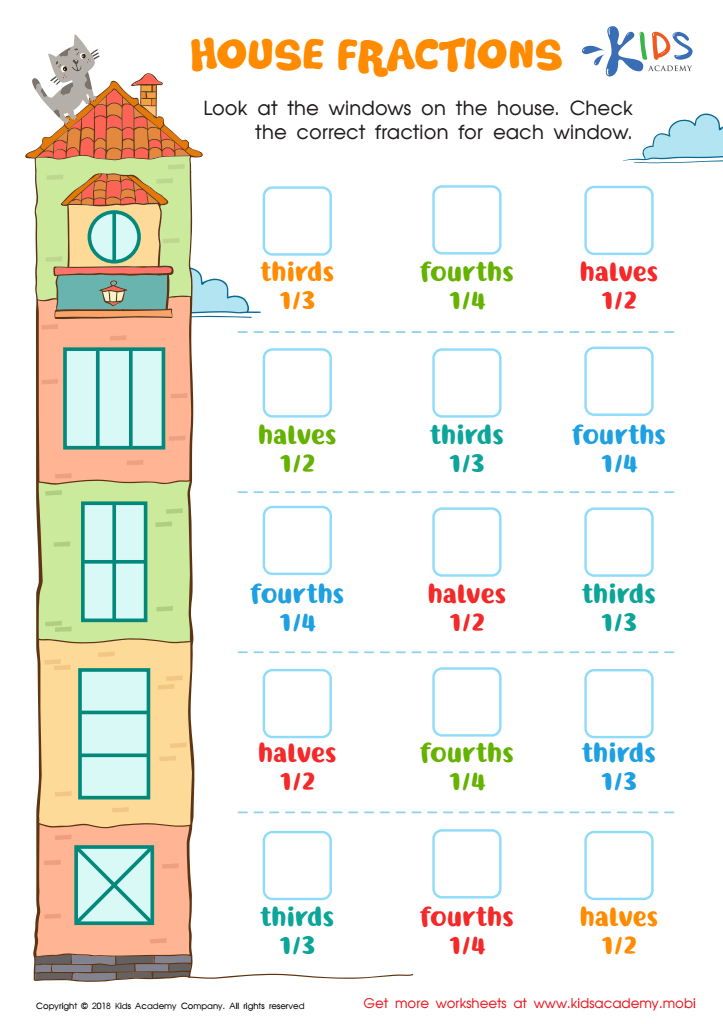
House Fractions Worksheet
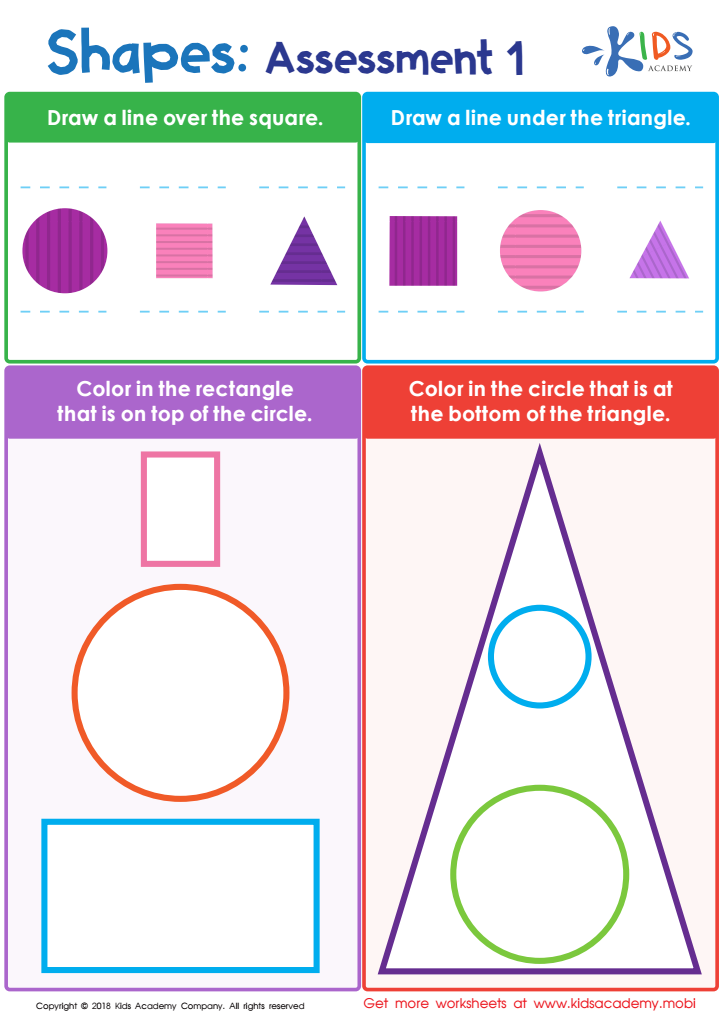
Shapes: Assessment 1 Worksheet
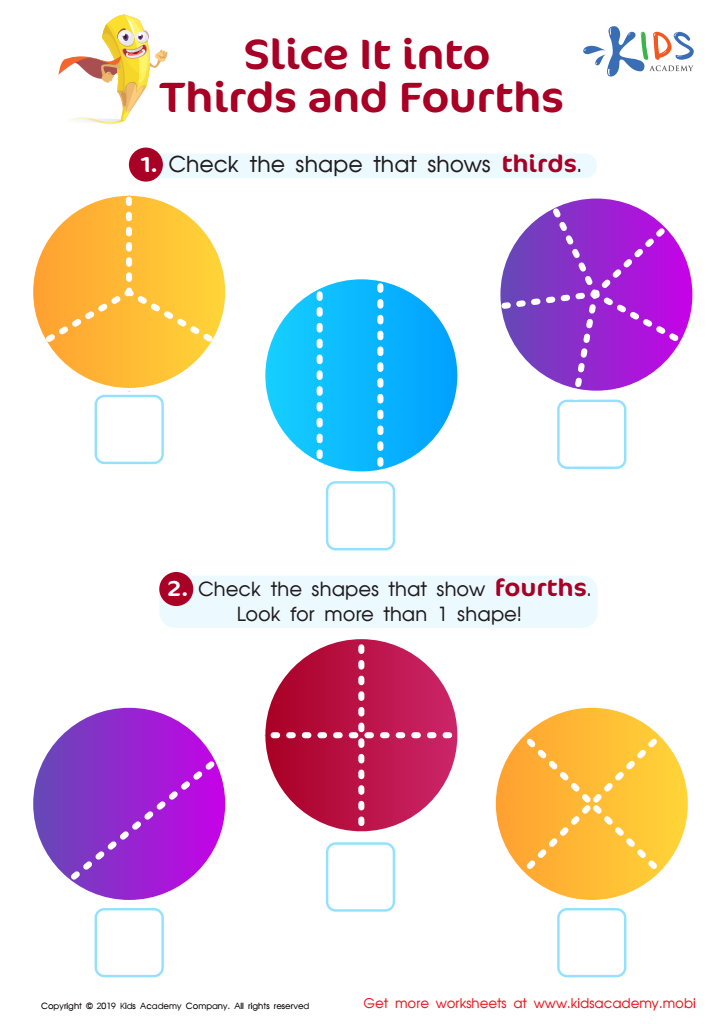
Slice in Thirds Fourths Worksheet





Fraction comparison is a fundamental skill for children aged 6-9, crucial for building their mathematical reasoning and understanding. At this age, students are introduced to fractions, and understanding how to compare them lays the groundwork for more complex math concepts later on, such as addition, subtraction, multiplication, and division of fractions.
Parents and teachers should care about fraction comparison because it enhances critical thinking and problem-solving skills. Learning to assess different fractions teaches children how to analyze information and make informed judgments, skills that extend beyond math into everyday life and future academic endeavors.
Additionally, a solid grasp of fractions helps with real-world applications, such as cooking, sharing, and measuring. When children can confidently compare fractions, they naturally build a sense of number sense, which forms a vital part of their overall math understanding.
Moreover, fostering a supportive learning environment for concepts like fraction comparison can boost children's confidence in math, making them more engaged and willing to take on new challenges. Ultimately, focusing on fraction comparison can lead to academic success, lifelong skills, and a positive attitude toward learning, making it a valuable area of concern for both parents and teachers.








