Handwriting practice Worksheets for Ages 6-9 - Page 4
88 filtered results
-
From - To
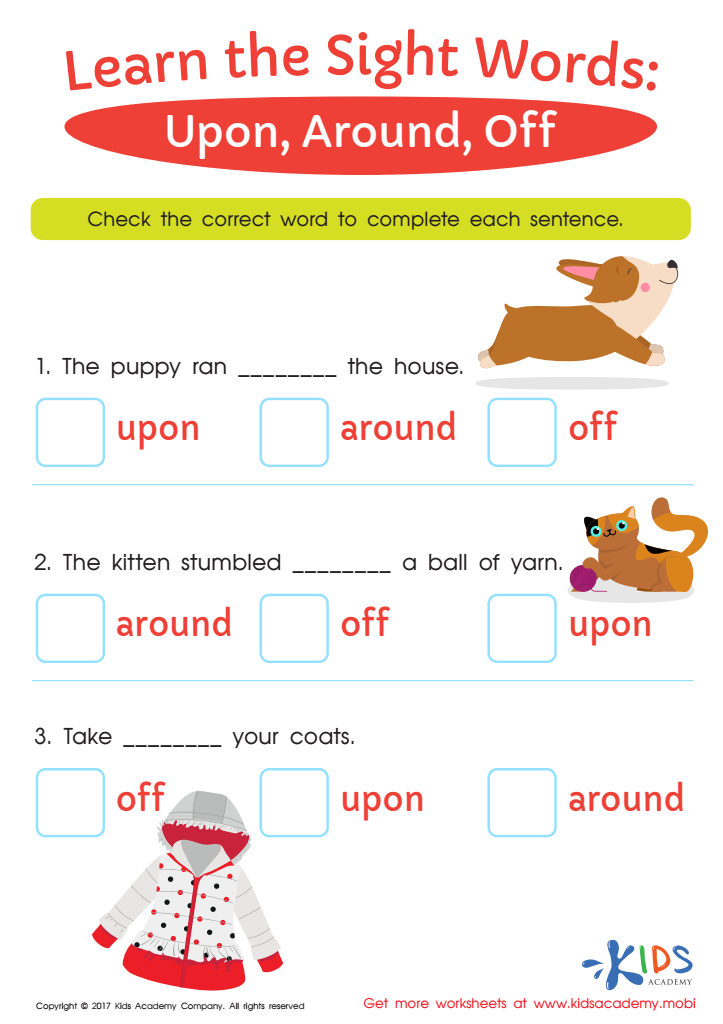
Upon, Around, Off Sight Words Worksheet
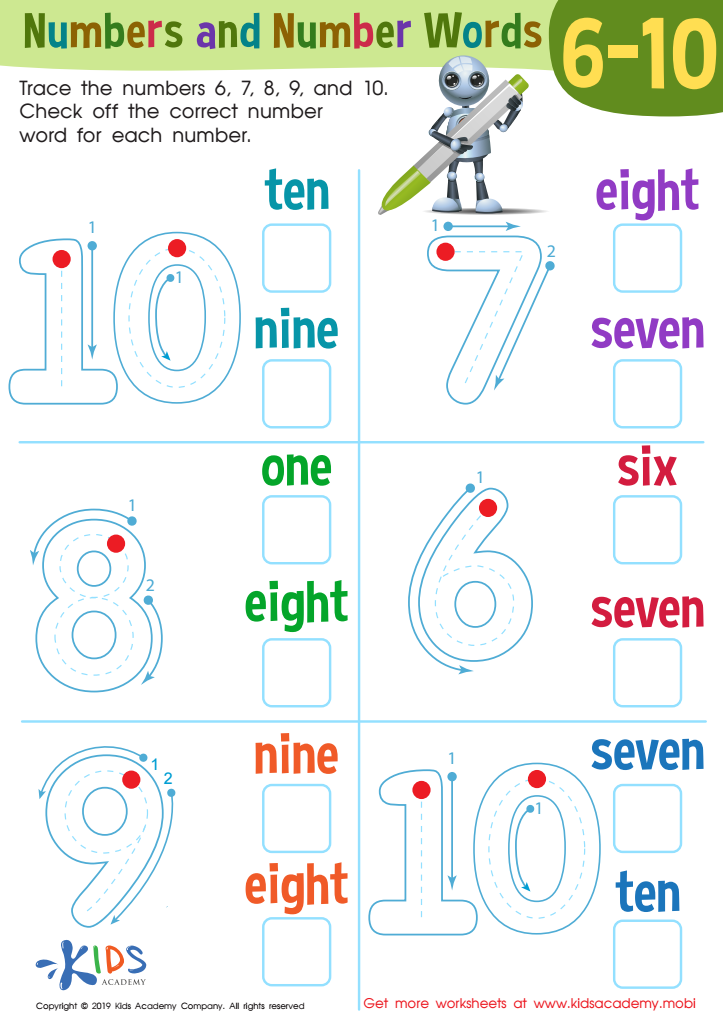
Numbers and Number Words 6–1 Worksheet
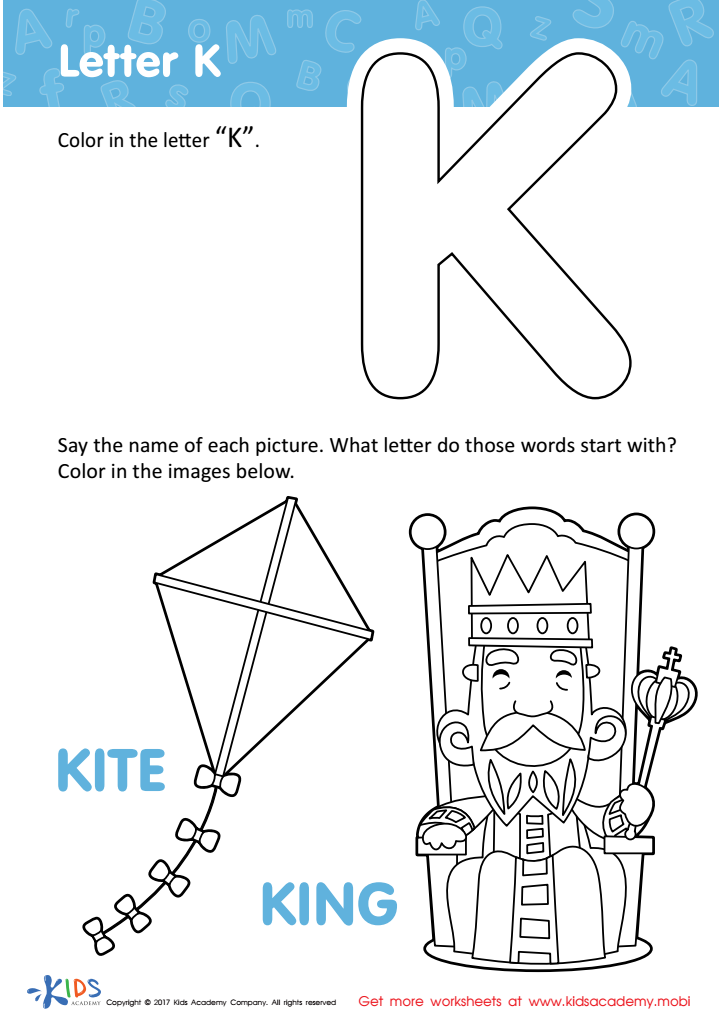
Letter K Coloring Sheet
 Assign to My Students
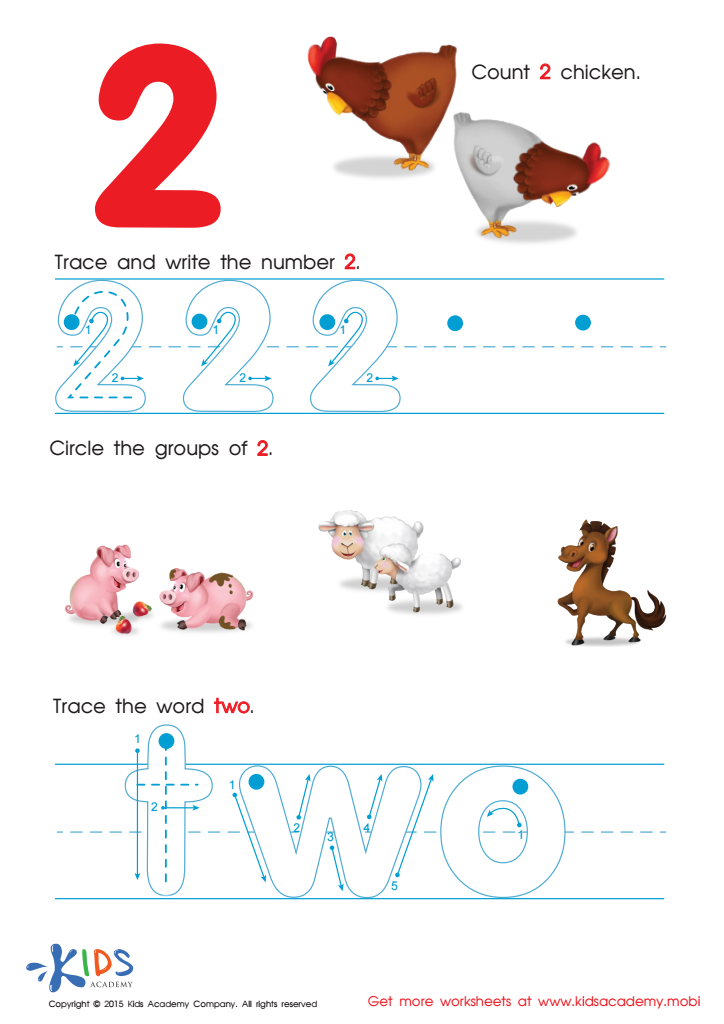
Learn to Write the Number 2 Worksheet

Count the Mushrooms and Trace the Number 3 Printable
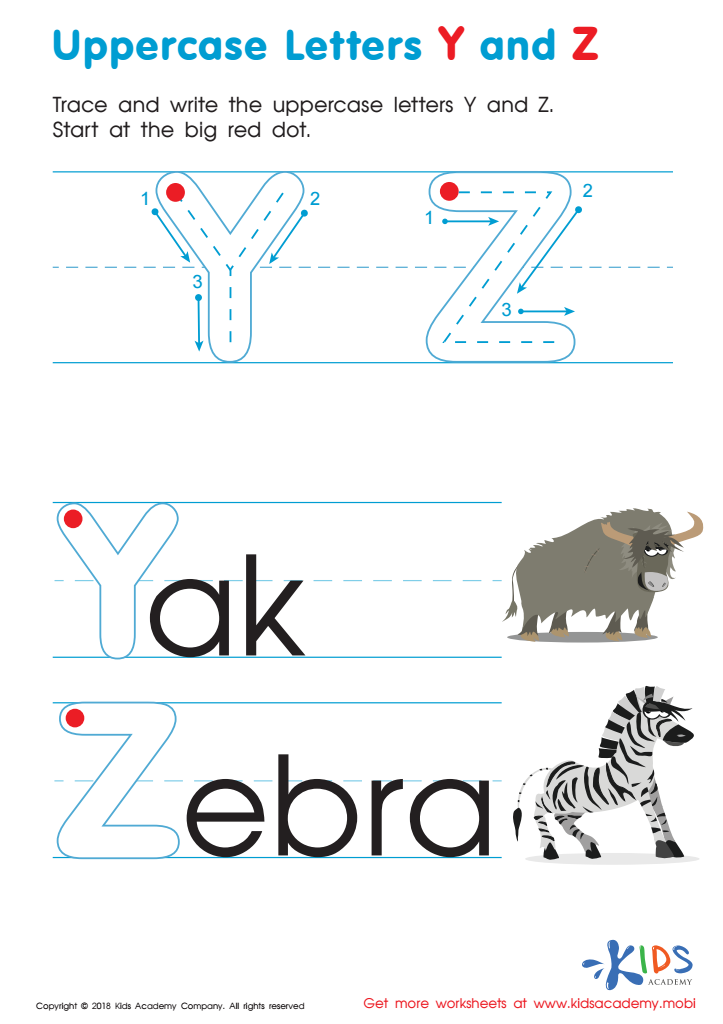
Uppercase Letters Y Z Worksheet
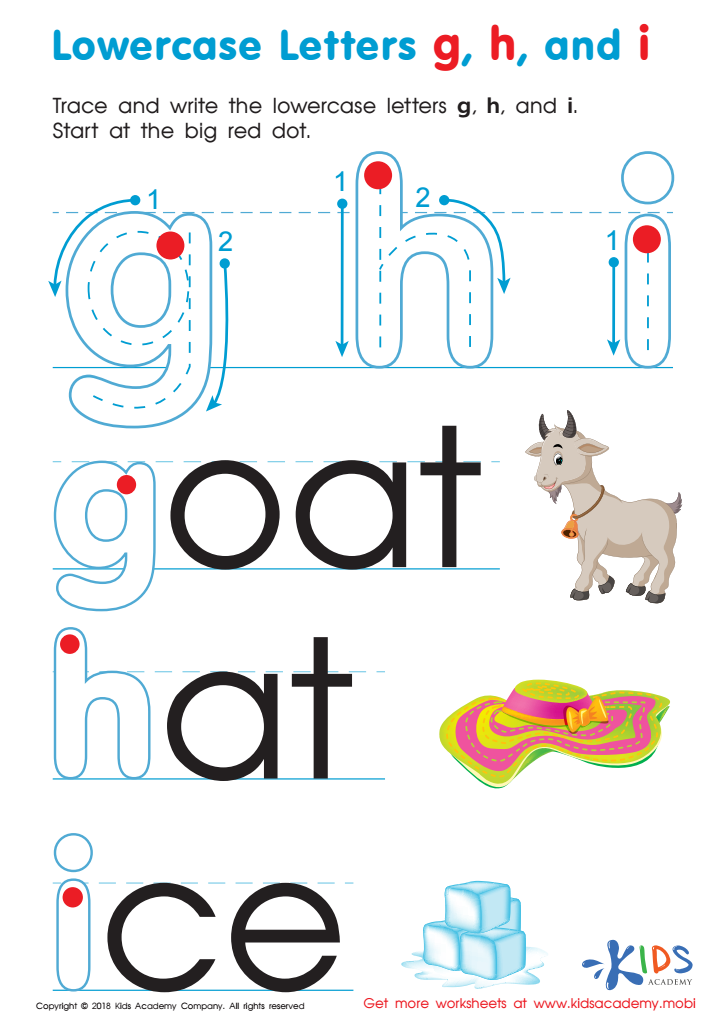
Lowercase Letters g h i Worksheet
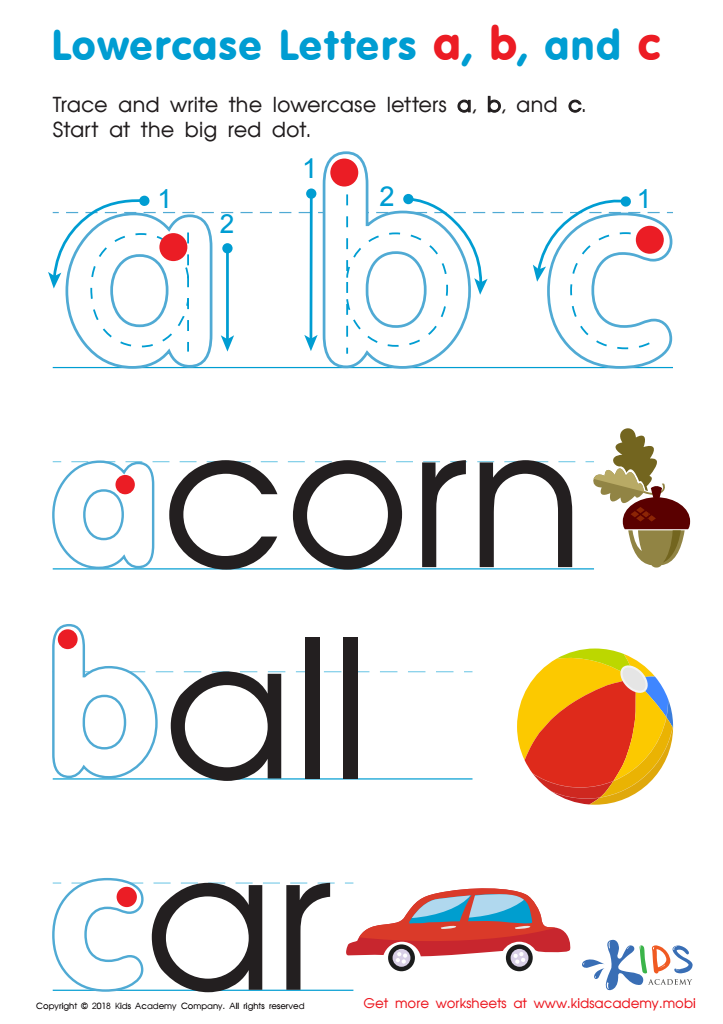
Lowercase Letters a b c Worksheet
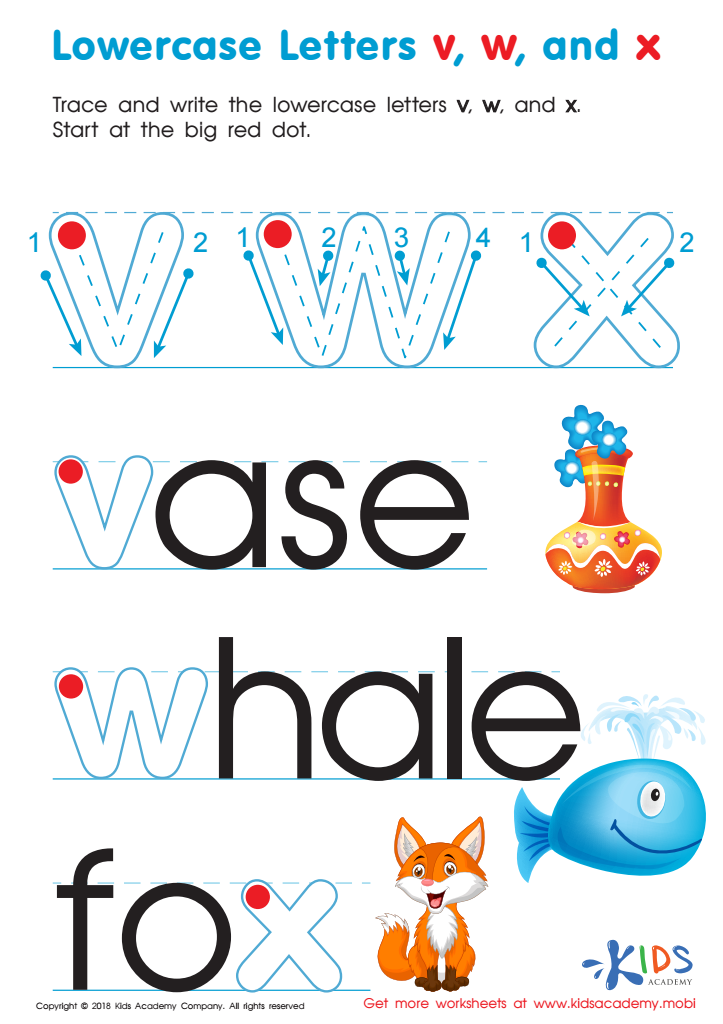
Lowercase Letters v w x Worksheet
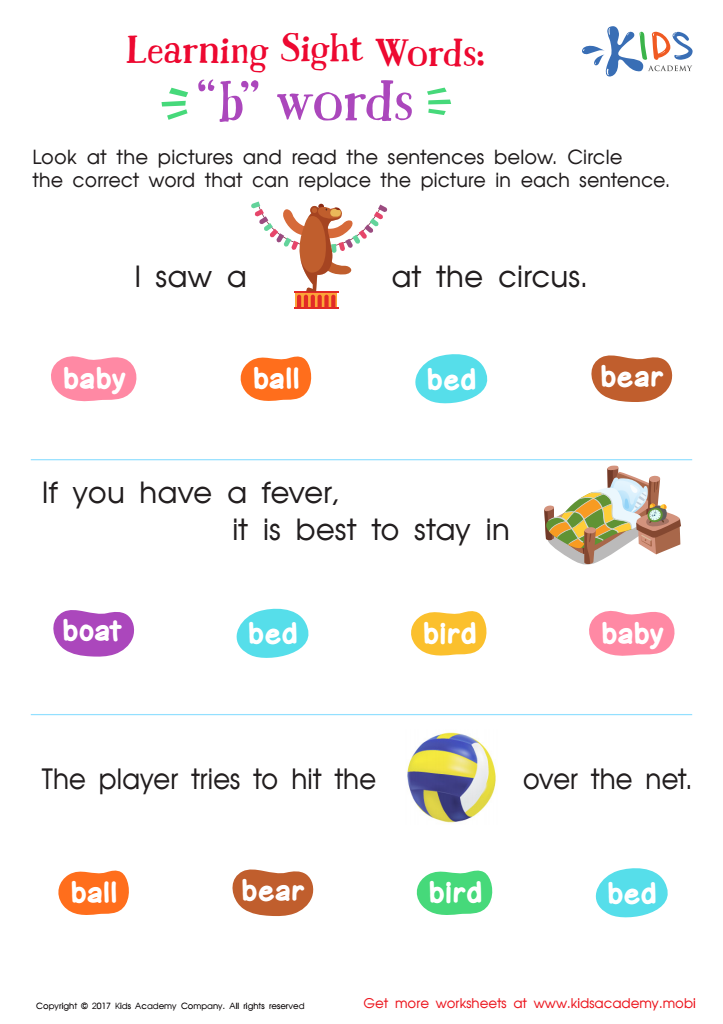
"B" Words Printable Sight Words Worksheet
Letter N Coloring Sheet
Assign to My Students
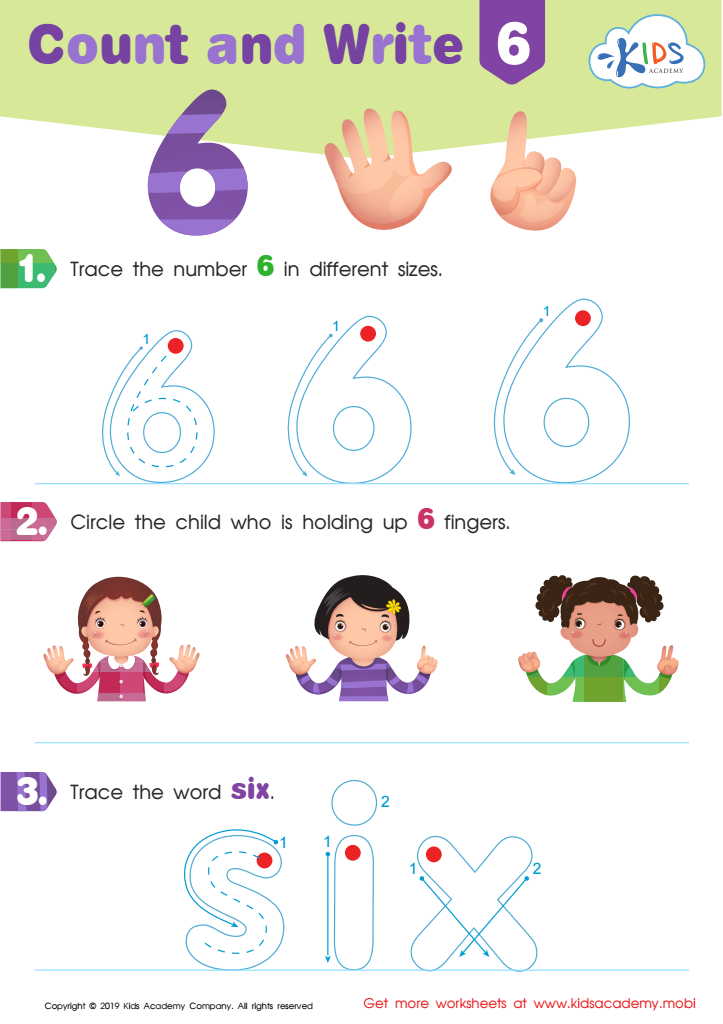
Count and Write 6 Worksheet
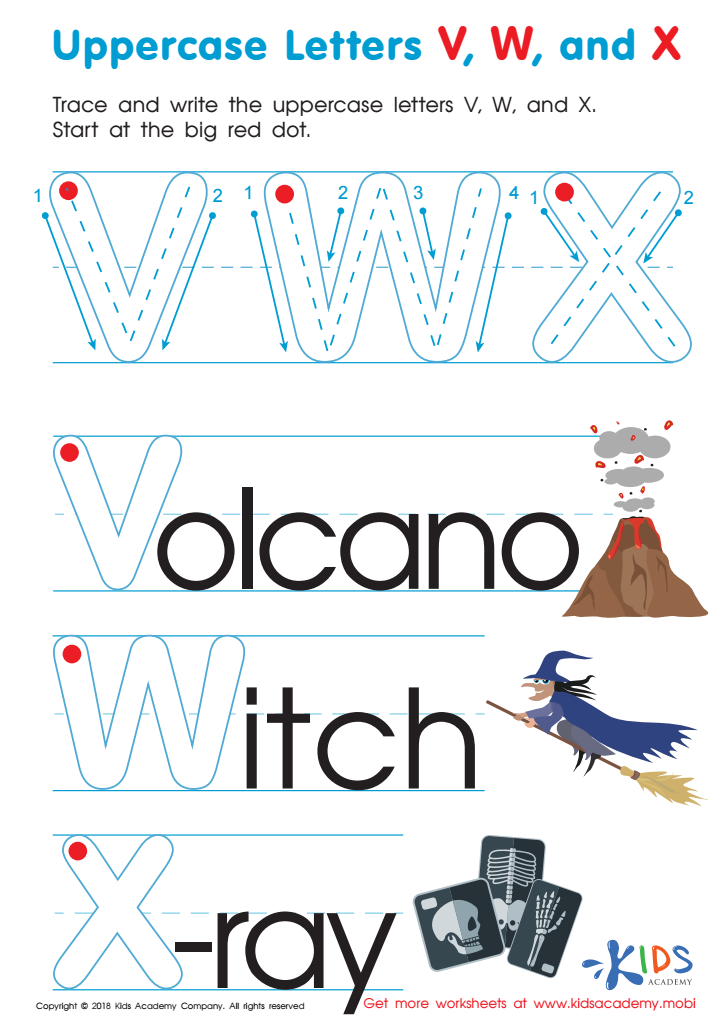
Uppercase Letters V, W, and X Worksheet
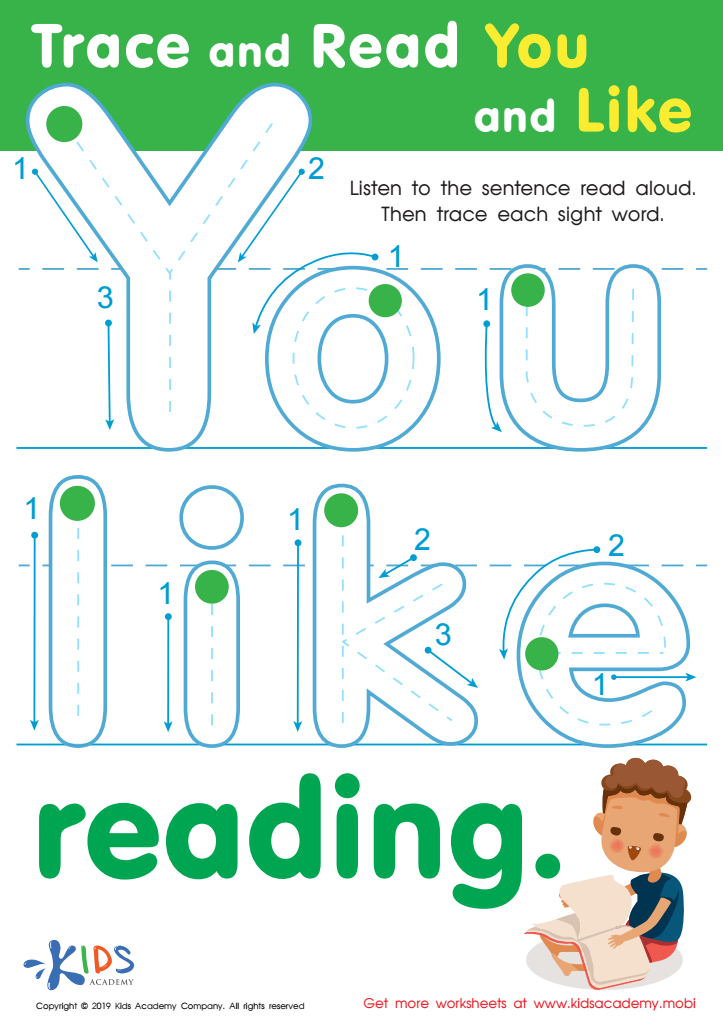
Trace Read You Like Worksheet
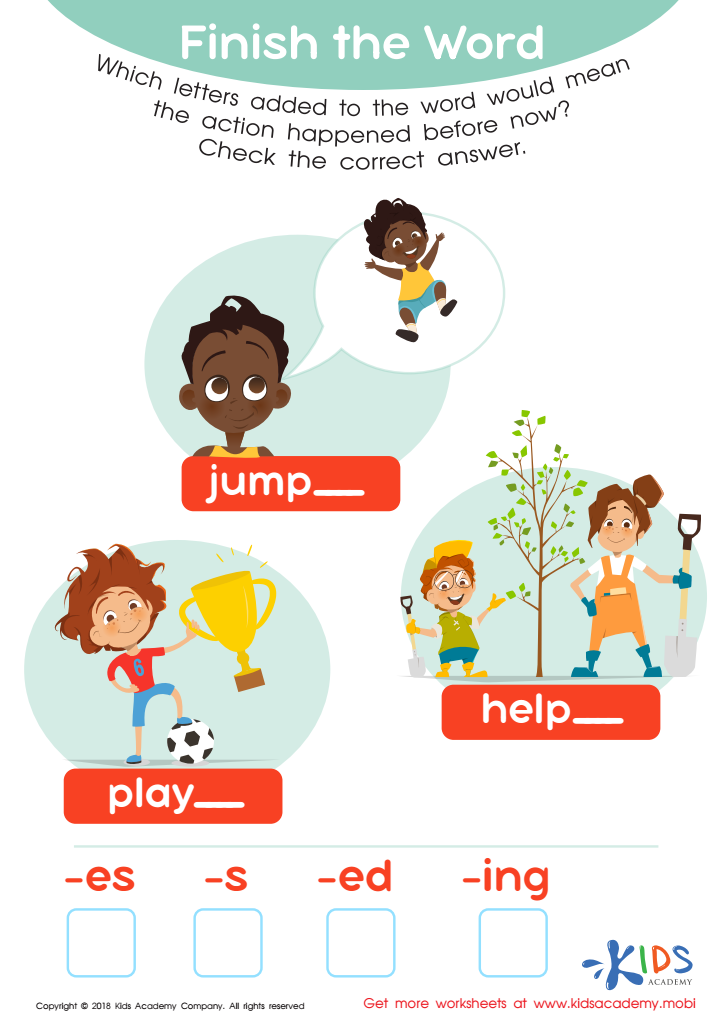
Finish the Word Worksheet







.jpg)
Handwriting practice is crucial for children aged 6-9 as it significantly influences their academic performance and overall development. At this age, children are not only refining their motor skills but are also building the foundation for effective communication. Practicing handwriting helps enhance fine motor skills and hand-eye coordination, which are essential for various daily tasks.
Moreover, strong handwriting skills contribute to a child's self-esteem and confidence in their academic abilities. Children who can write clearly and neatly find it easier to express their thoughts and ideas, fostering better engagement in classroom activities. Regular practice can also promote greater attention to detail and increase focus, valuable skills for their evolving cognitive abilities.
Beyond academics, handwriting serves as a personal expression of creativity. Children learn to develop their unique style while also adhering to grammar and structure, which lays the groundwork for future writing proficiency.
For parents and teachers, prioritizing handwriting practice means investing in children's holistic development. It paves the way for improved literacy, self-expression, and overall cognitive growth, ensuring that children are well-prepared for the various learning challenges they will face in their educational journey.








