Improving calculation skills Worksheets for Ages 6-9
7 filtered results
-
From - To
Enhance your child's mathematical foundation with our "Improving Calculation Skills Worksheets" designed for ages 6-9. These engaging and interactive worksheets cover a variety of essential counting, addition, and subtraction exercises tailored to develop early math skills. Each activity is crafted to keep young learners motivated while reinforcing key concepts through fun visuals and relatable themes. Ideal for both classroom settings and at-home practice, these worksheets promote confidence and foster a love for math in young minds. Explore our comprehensive collection and watch your child excel in their calculation abilities, paving the way for future mathematical success!
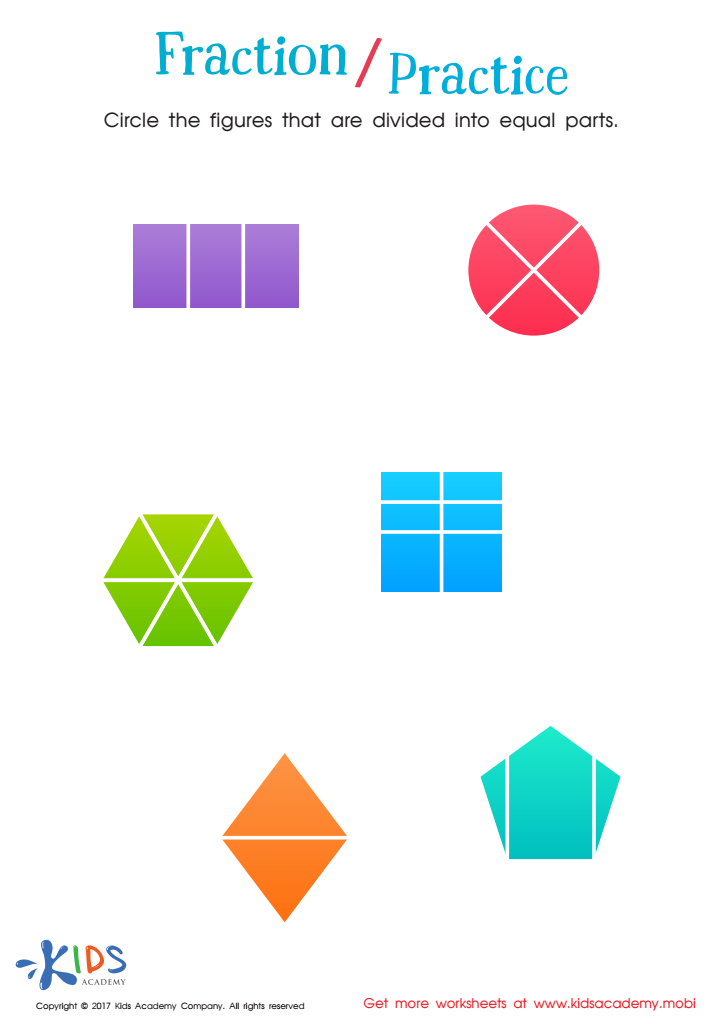
Fractions: Shapes Worksheet
 Assign to My Students
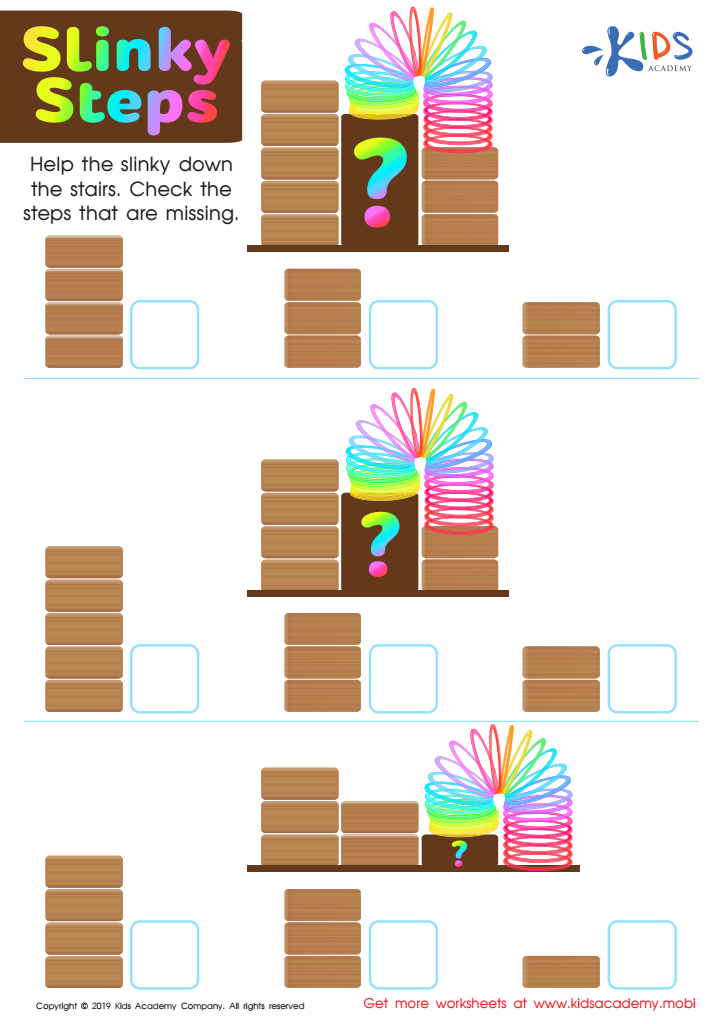
Slinky Steps Worksheet
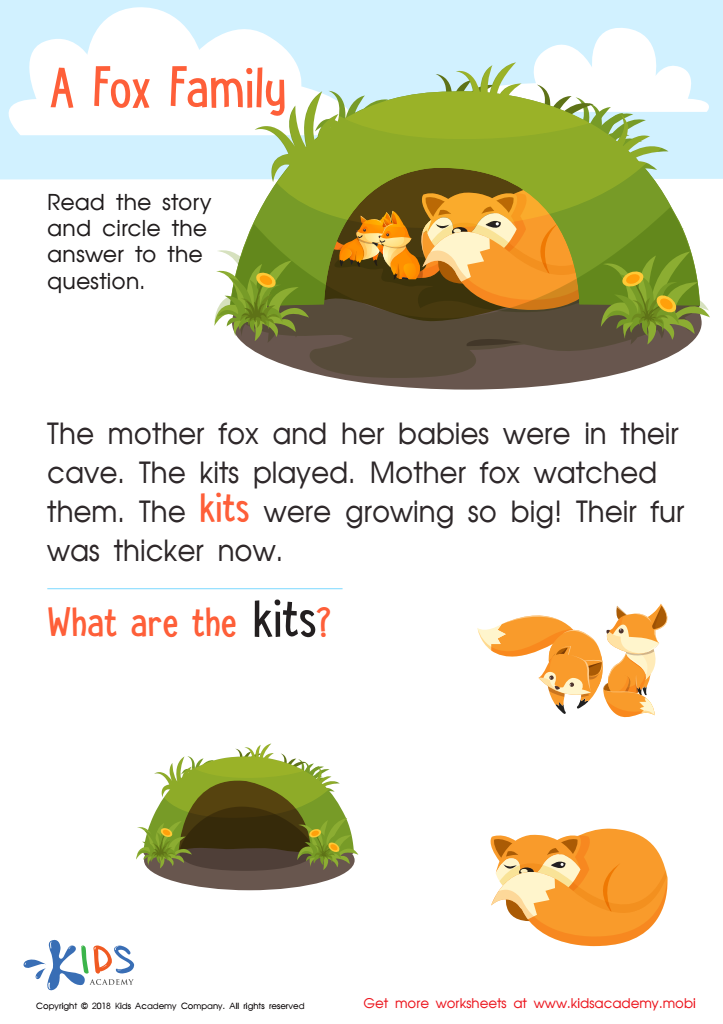
A Fox Family Worksheet
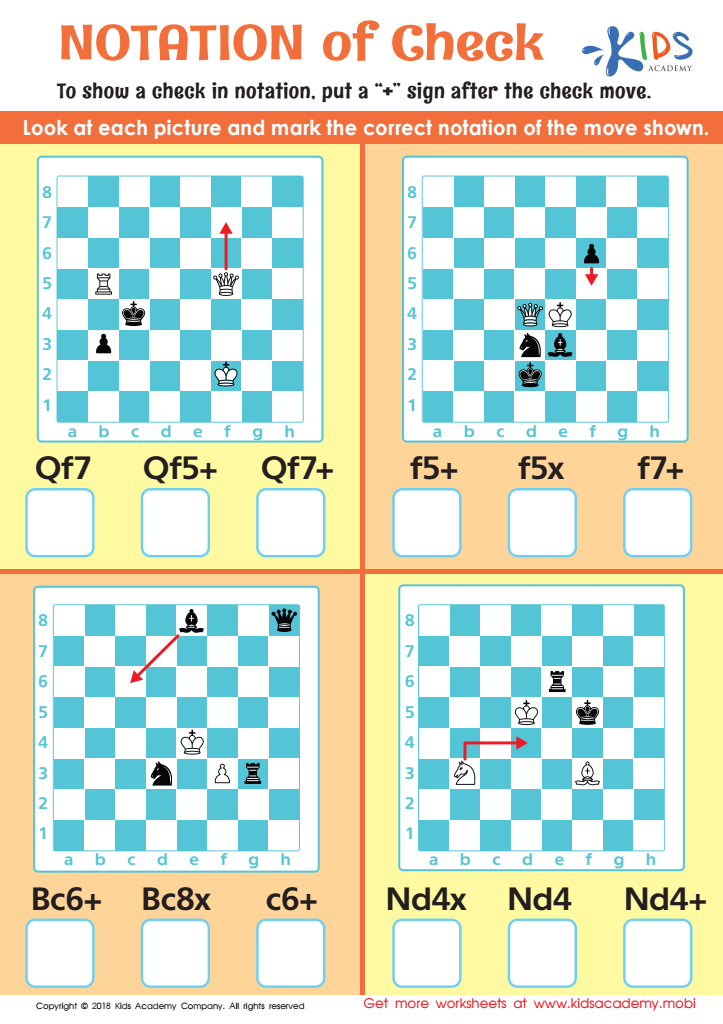
Notation of Check Worksheet
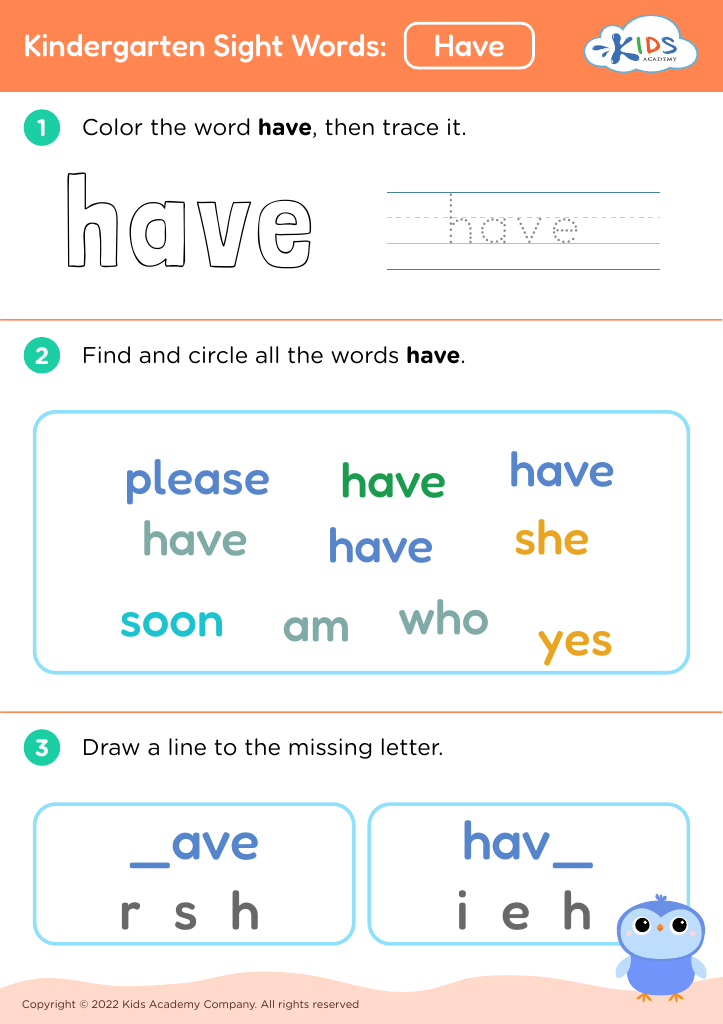








Improving calculation skills in children aged 6-9 is critical for their overall development and academic success. At this age, children are transitioning from basic number recognition to more advanced mathematical concepts. Strengthening their calculation abilities lays the foundation for future math learning, which is essential in various everyday situations, such as budgeting, cooking, and problem-solving.
Strong calculation skills can boost children's confidence in math and promote a positive attitude towards learning. As children master fundamental operations—addition, subtraction, multiplication, and division—they develop critical thinking and reasoning skills. These abilities not only help in math but also enhance cognitive processes crucial for subjects like science and even reading comprehension.
Moreover, early development of these skills can reduce math anxiety, enabling children to approach math with enthusiasm. When parents and teachers engage in fostering calculation skills through fun activities, real-world applications, and supportive environments, they help create resilient learners who are better prepared for academic challenges.
Ultimately, prioritizing calculation skills from ages 6-9 prepares children for a successful academic journey, instills a lifelong love of learning, and equips them with essential skills required in a rapidly changing world.








