Improving critical thinking Worksheets for Ages 6-9
6 filtered results
-
From - To
Unlock the power of critical thinking for children aged 6-9 with our engaging worksheets, designed to foster analytical skills and problem-solving abilities. Each worksheet features fun and interactive activities that encourage young minds to explore, ask questions, and think independently. Topics range from logic puzzles to creative reasoning tasks, ensuring that learning remains enjoyable and effective. Perfect for classrooms or at-home practice, these worksheets promote essential skills that lay the foundation for future educational success. Help your child become a confident thinker and prepare them for the challenges ahead with our carefully crafted resources tailored for early learners.
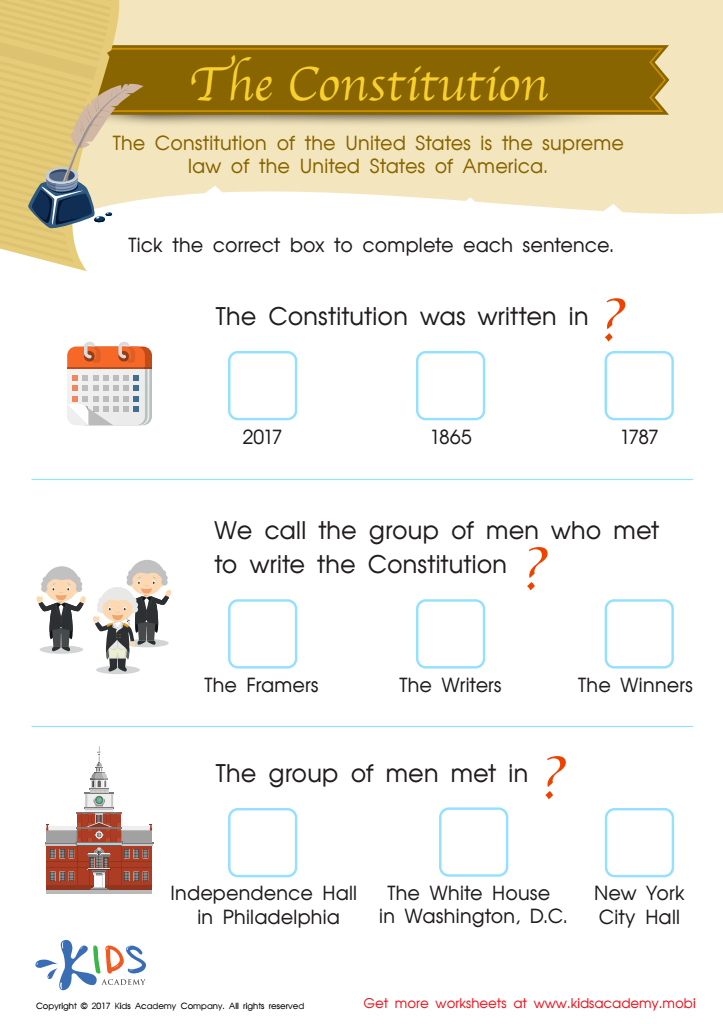
The Constitution Worksheet
 Assign to My Students
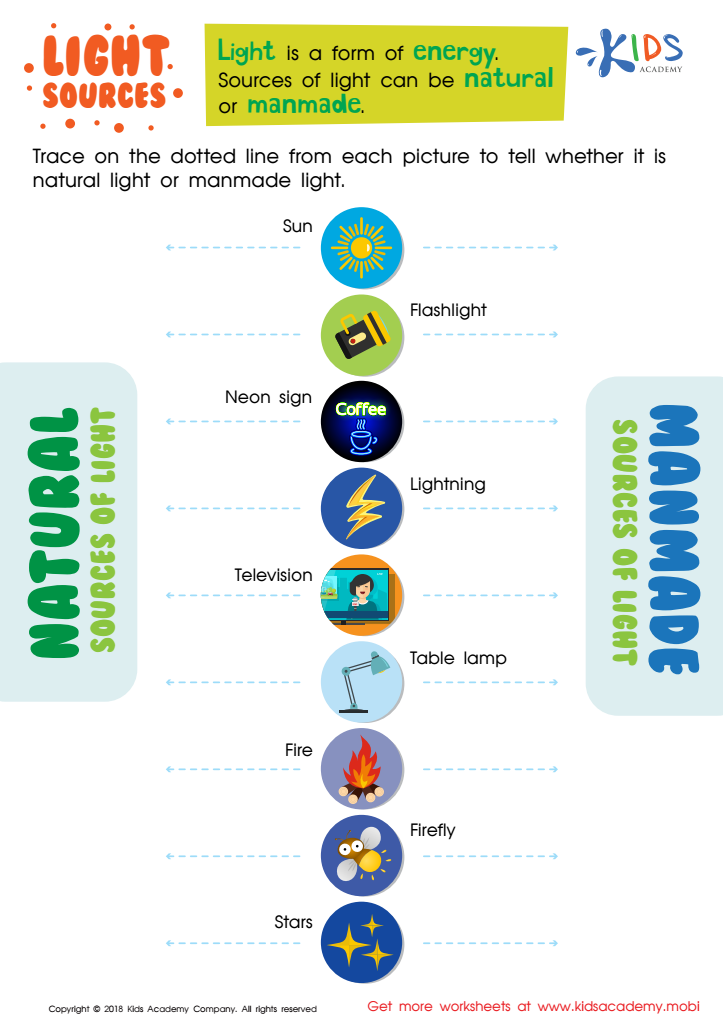
Natural and Manmade Light Sources Worksheet
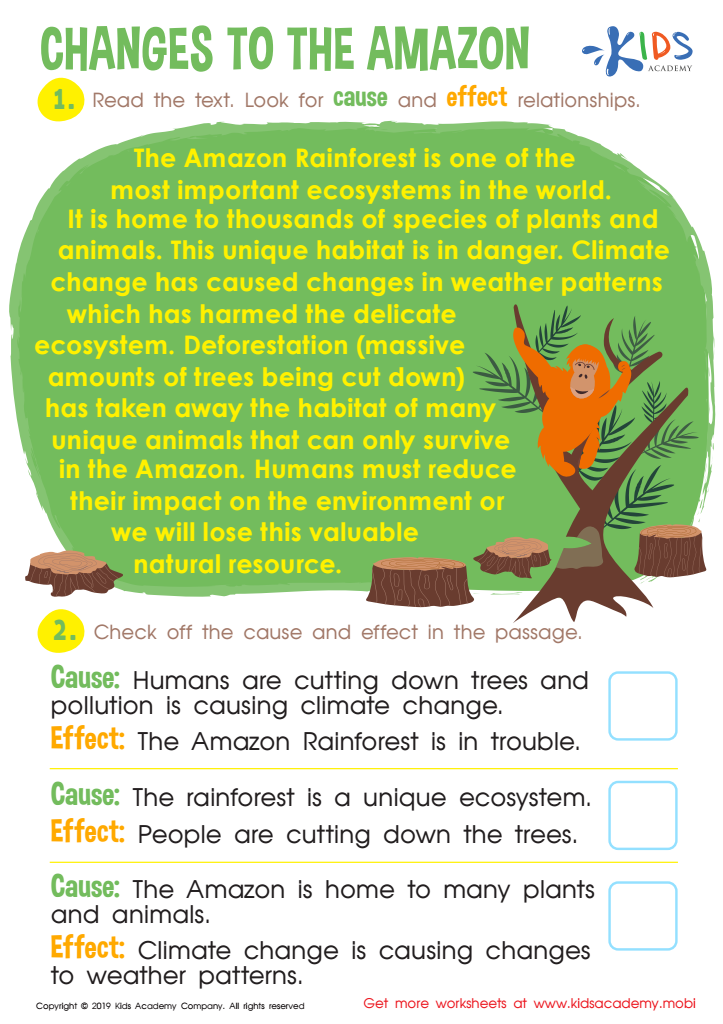
Changes to the Amazon Worksheet
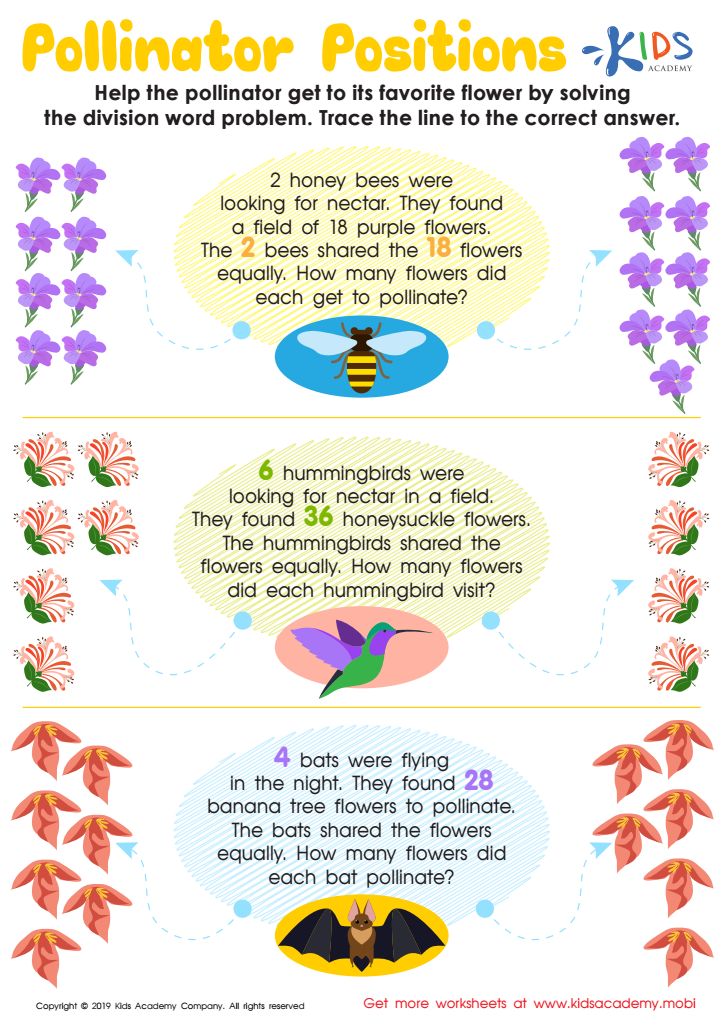
Pollinator Positions Worksheet
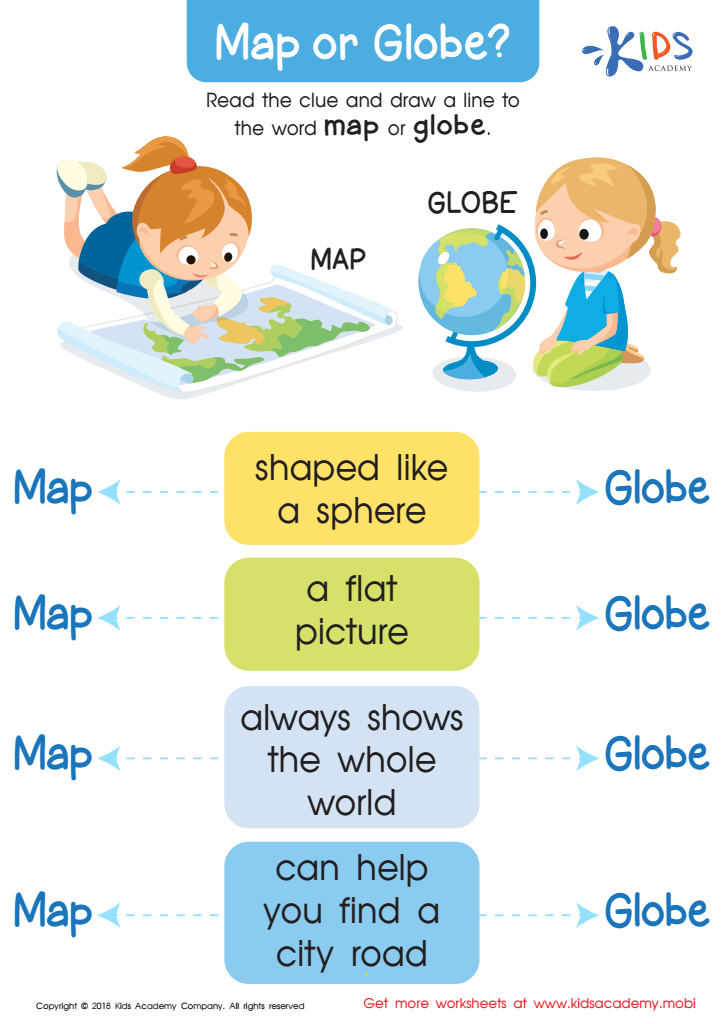
Map or Globe? Worksheet
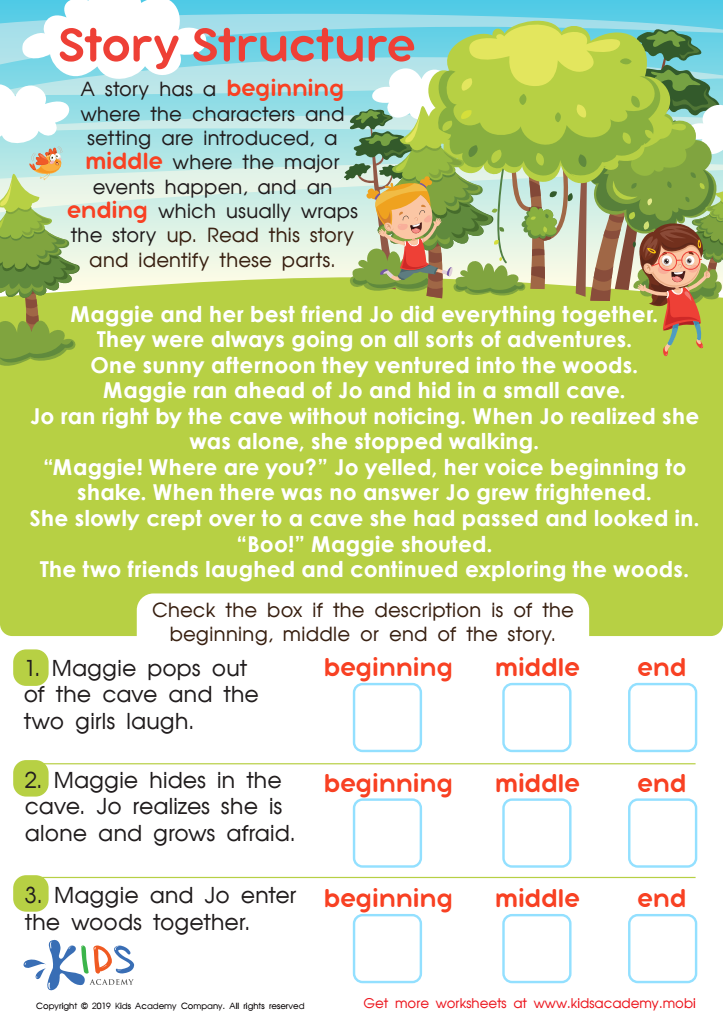
Story Structure Worksheet







Improving critical thinking in children aged 6 to 9 is vital because this developmental stage lays the groundwork for lifelong learning and decision-making. At this age, children are naturally curious and eager to explore the world around them. By fostering critical thinking skills, parents and teachers can help children learn how to analyze information, ask probing questions, and draw conclusions based on evidence rather than impulse or assumption.
Critical thinking enables children to navigate complex social situations, resolve problems independently, and understand diverse perspectives. These skills are increasingly essential in our rapidly changing, information-rich society. Children who can think critically are more equipped to assess the credibility of news sources, determine the validity of information, and make informed choices – skills that are crucial for their role as upcoming global citizens.
Moreover, integrating critical thinking into everyday learning encourages creativity and adaptability. Children who routinely engage in analytical thinking are more likely to excel academically and become effective collaborators in group settings. Engaging in critical thinking exercises fosters confidence, resilience, and a passion for learning, ultimately shaping well-rounded individuals ready to face future challenges effectively. Therefore, both parents and teachers play a crucial role in cultivating these essential skills in young learners.








