Phonics Skills Worksheets for Ages 6-9
72 filtered results
-
From - To
Unlock the power of reading with our Phonics Skills Worksheets designed for children ages 6-9! Tailored to enhance phonetic understanding, these engaging worksheets introduce essential sounds, blending, and decoding skills necessary for fluent reading. Each worksheet features fun, age-appropriate activities that captivate young learners, making practice enjoyable. With a variety of exercises, including matching sounds, word building, and decoding challenges, kids strengthen their literacy foundation while boosting confidence. Perfect for use at home or in the classroom, our resources provide educators and parents with effective tools to foster reading success. Start the phonics adventure today!
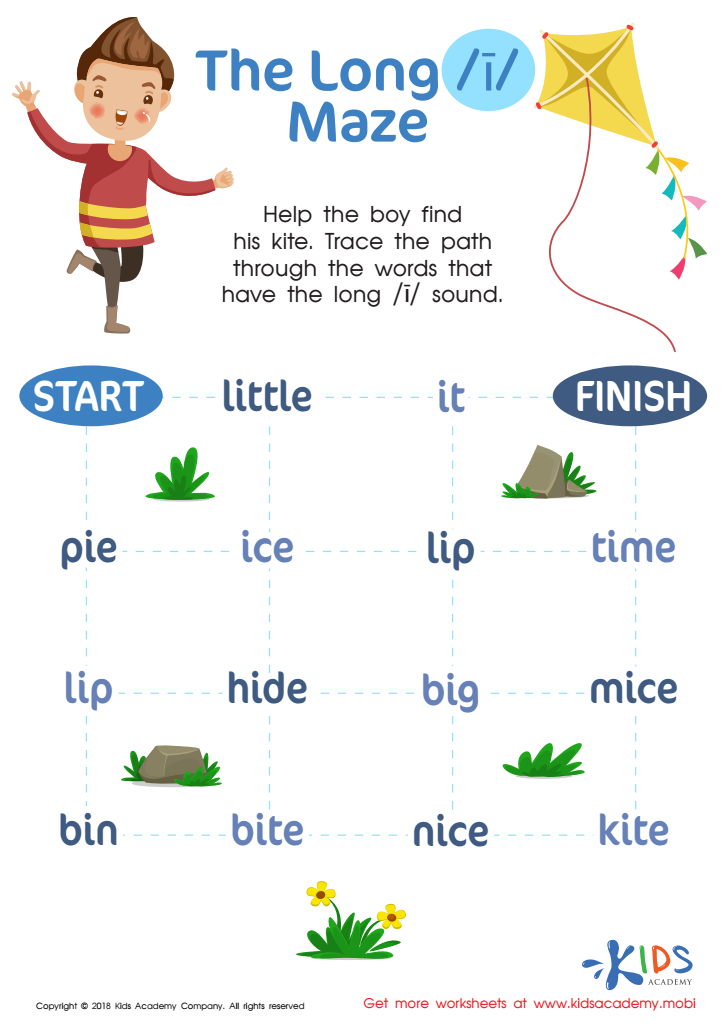
The Long I Maze Reading Worksheet
 Assign to My Students
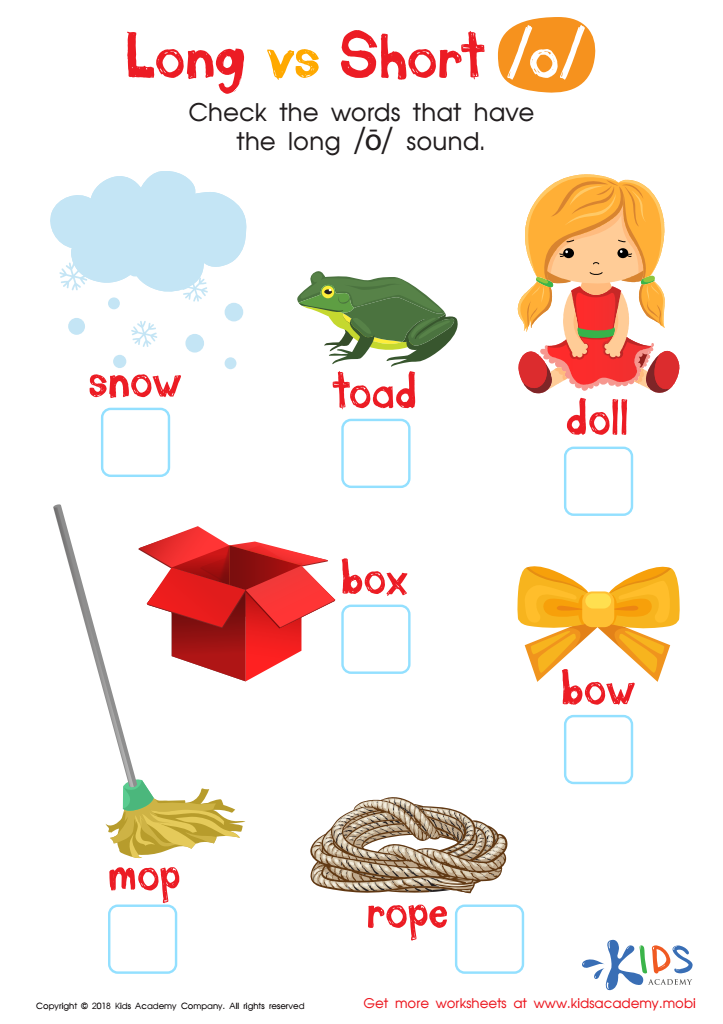
Long vs Short O Reading Worksheet
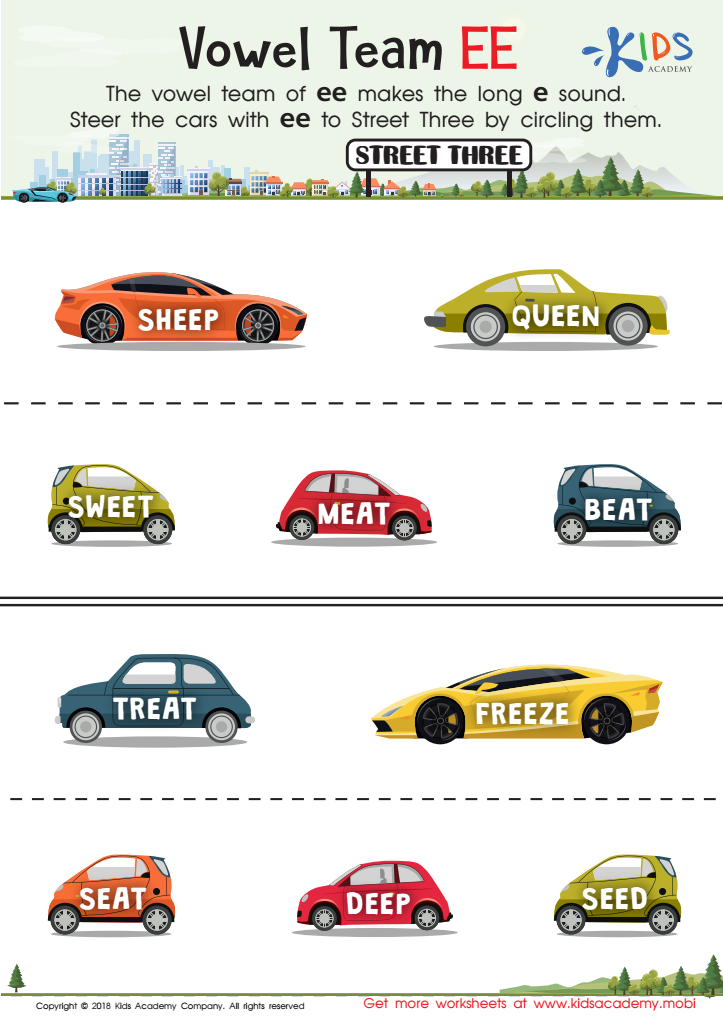
Vowel team ee Worksheet
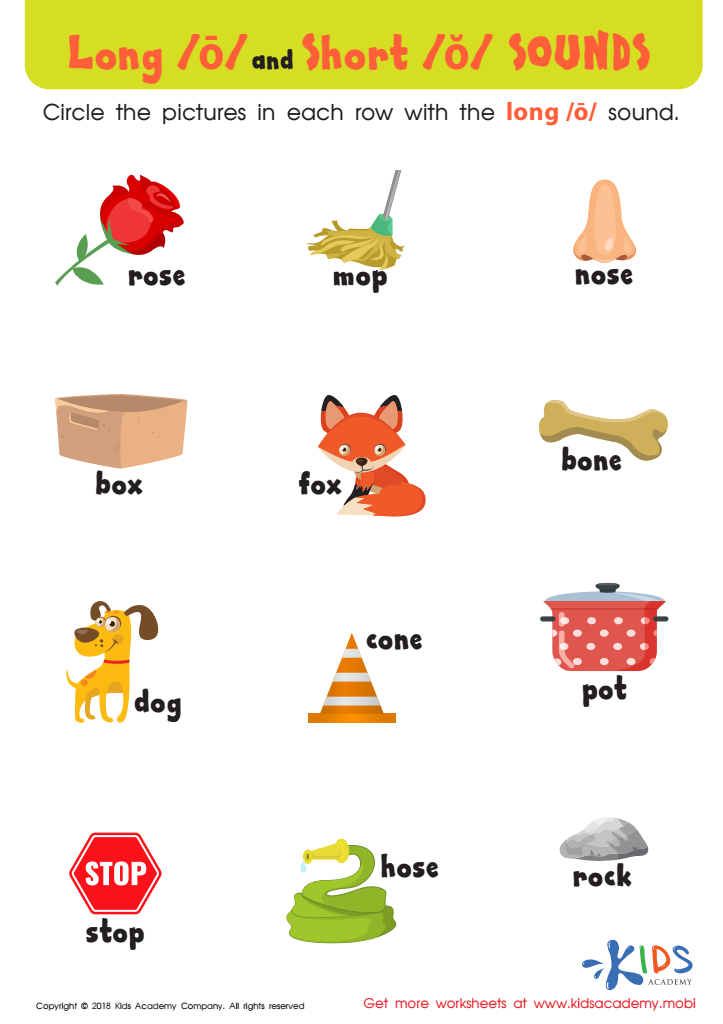
Reading: Long O and Short O Sounds Worksheet
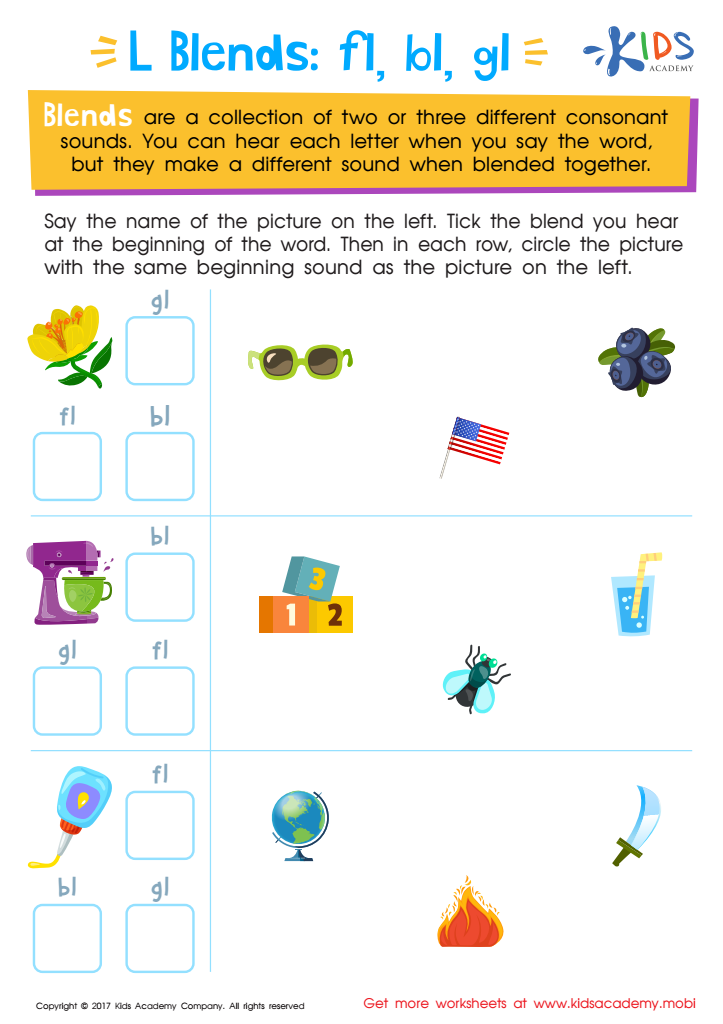
Blending Consonants: "Fl", "Bl" and "Gl" Printable
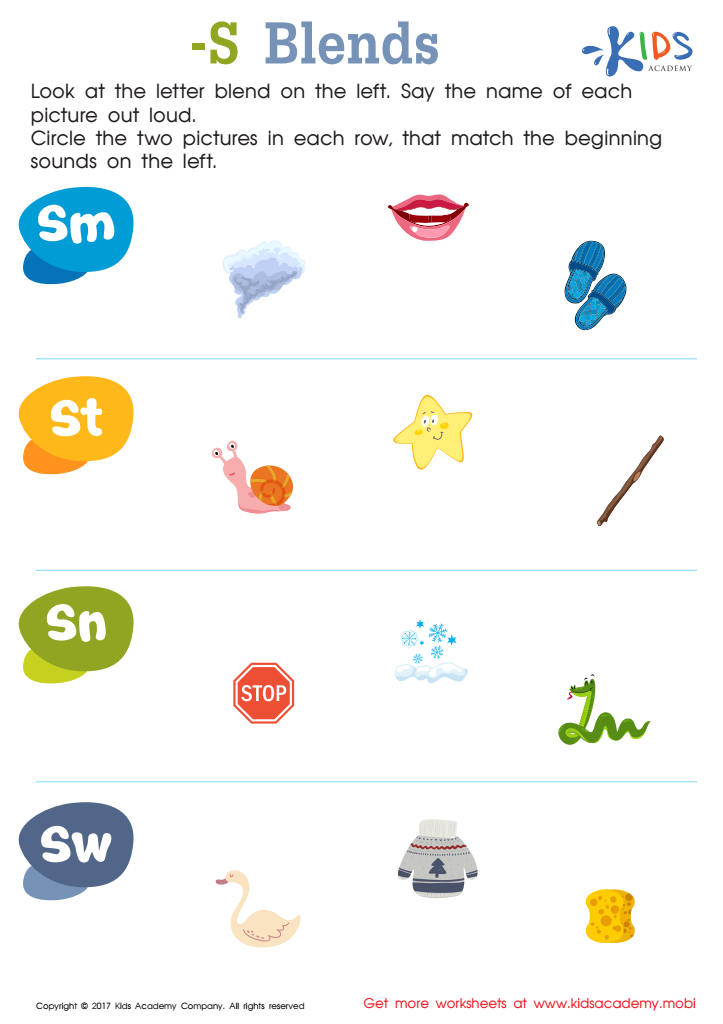
"s" Blends Spelling Printable
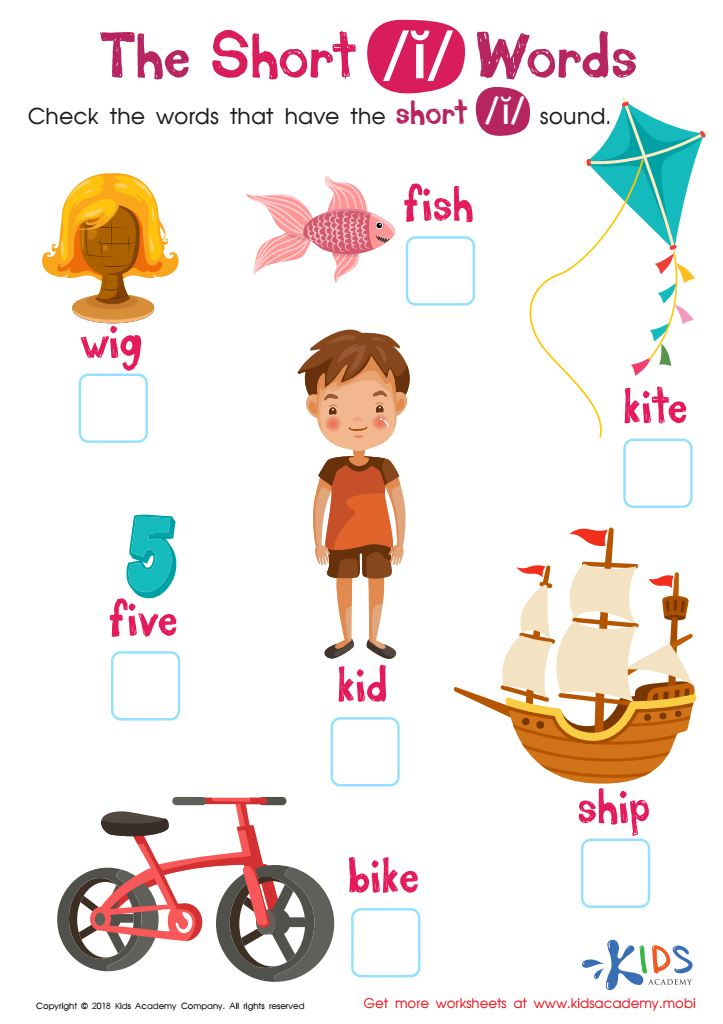
The Short I Words Reading Worksheet
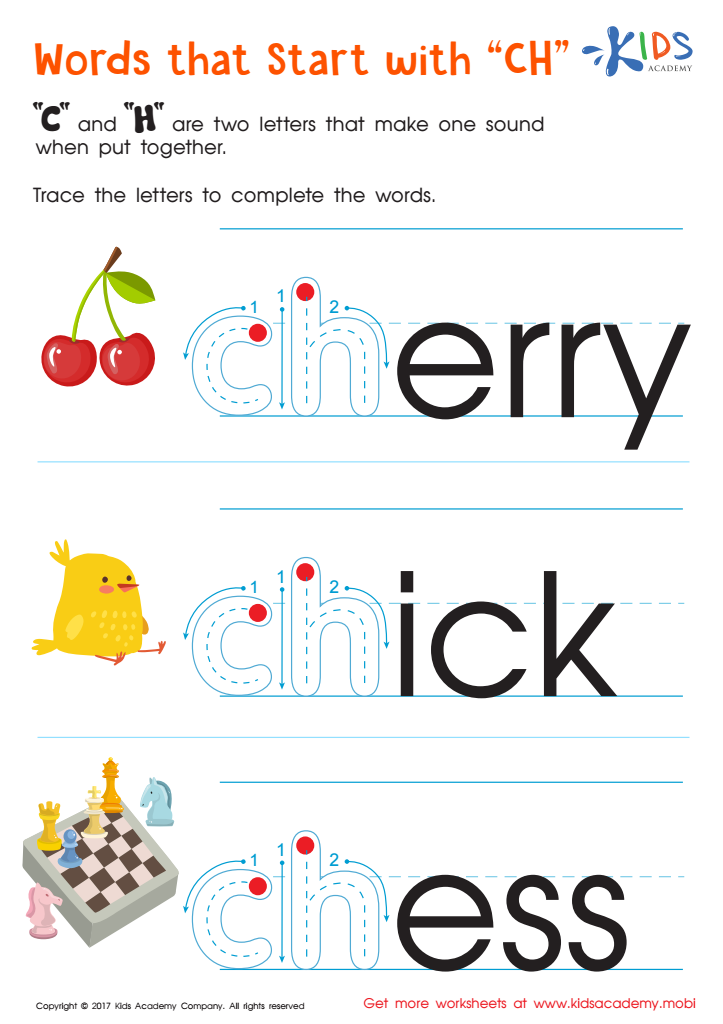
Words That Start with "ch" Spelling Worksheet
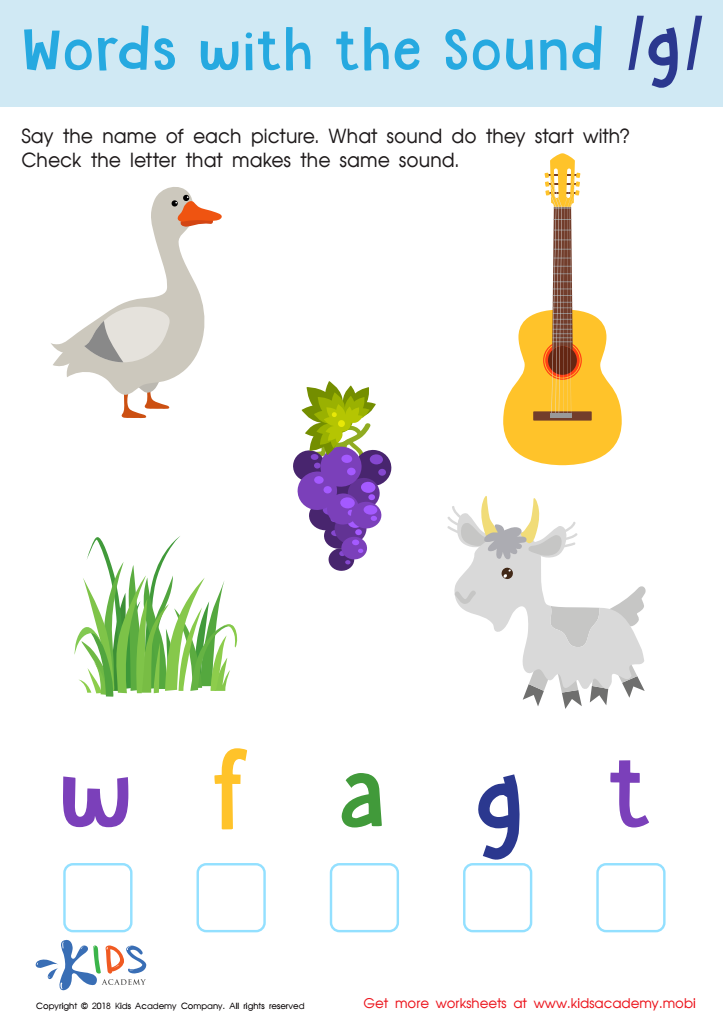
Words with sound g Reading Worksheet
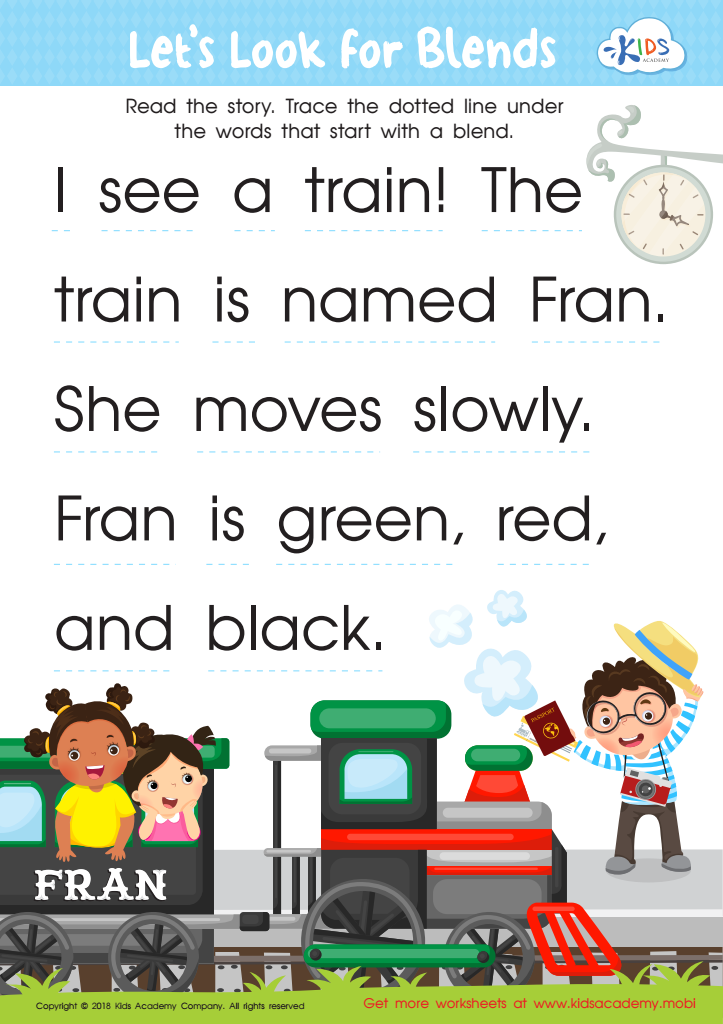
Let's Look for Blends Worksheet
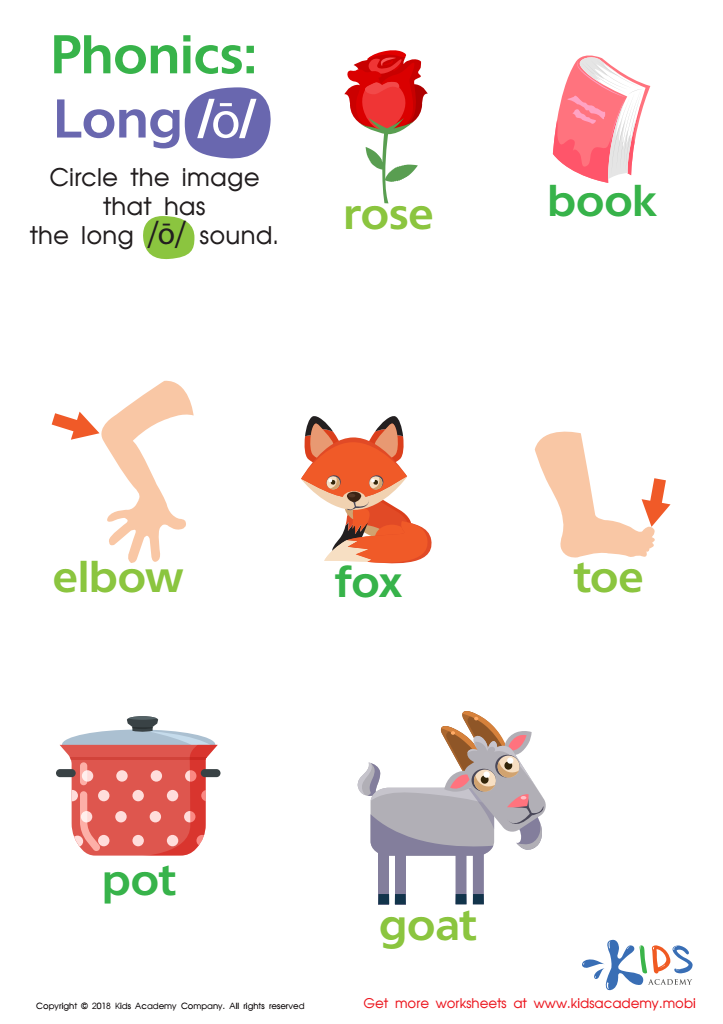
Phonics Long O Reading Worksheet
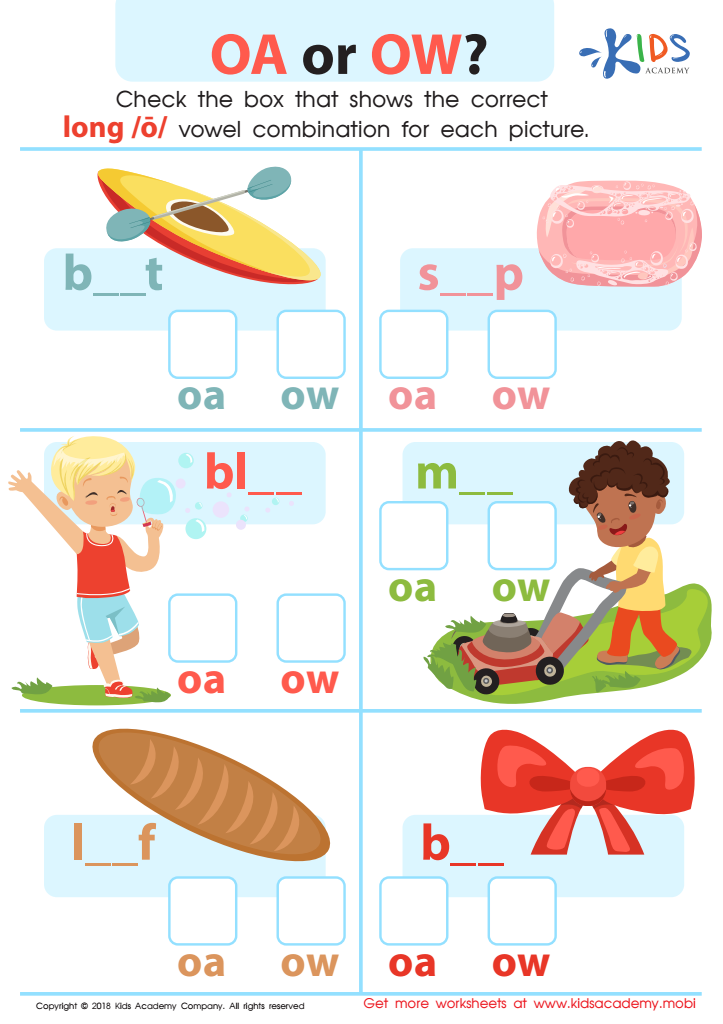
Reading: OA or OW Worksheet
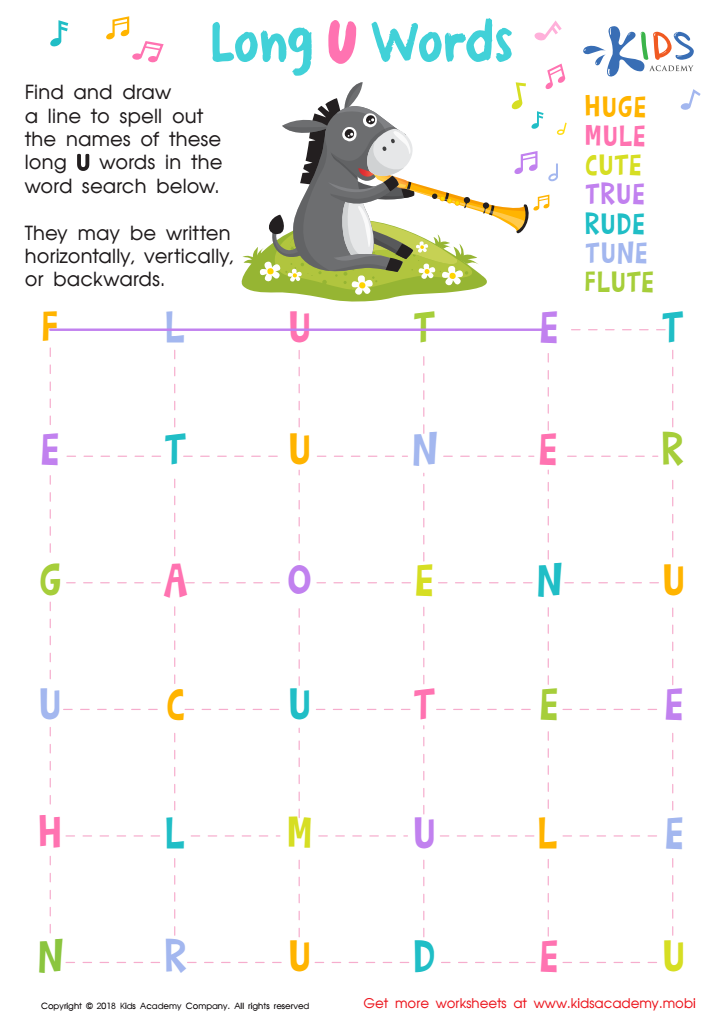
Long /u/ Words Worksheet
Short Vowel Sound U Worksheet Worksheet
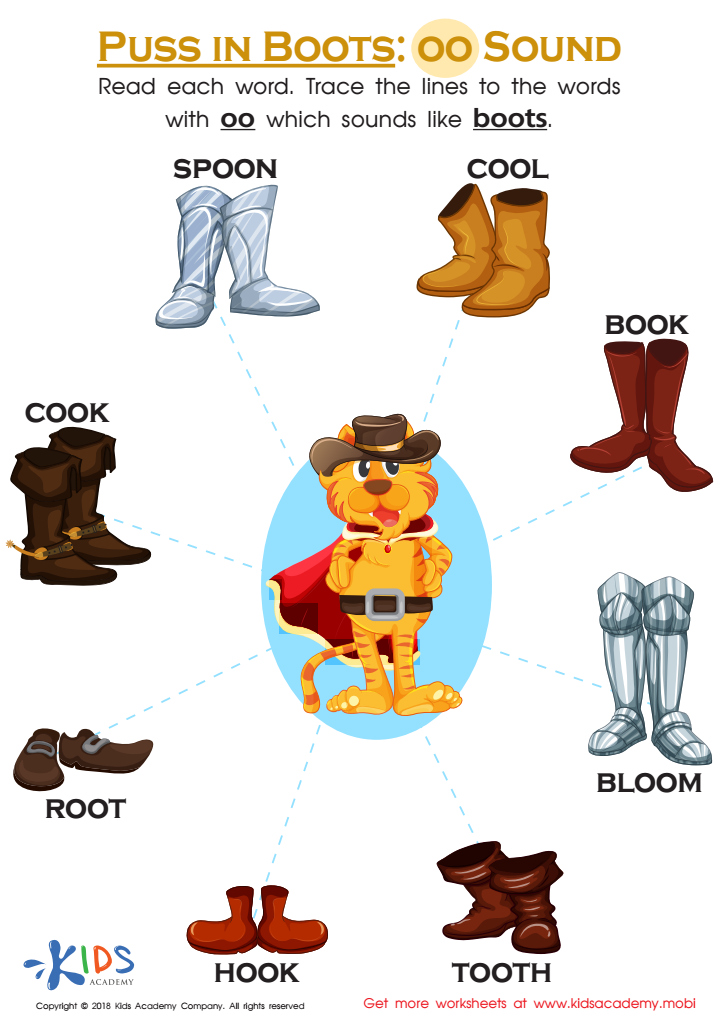
Puss in Boots: OO Sound Worksheet
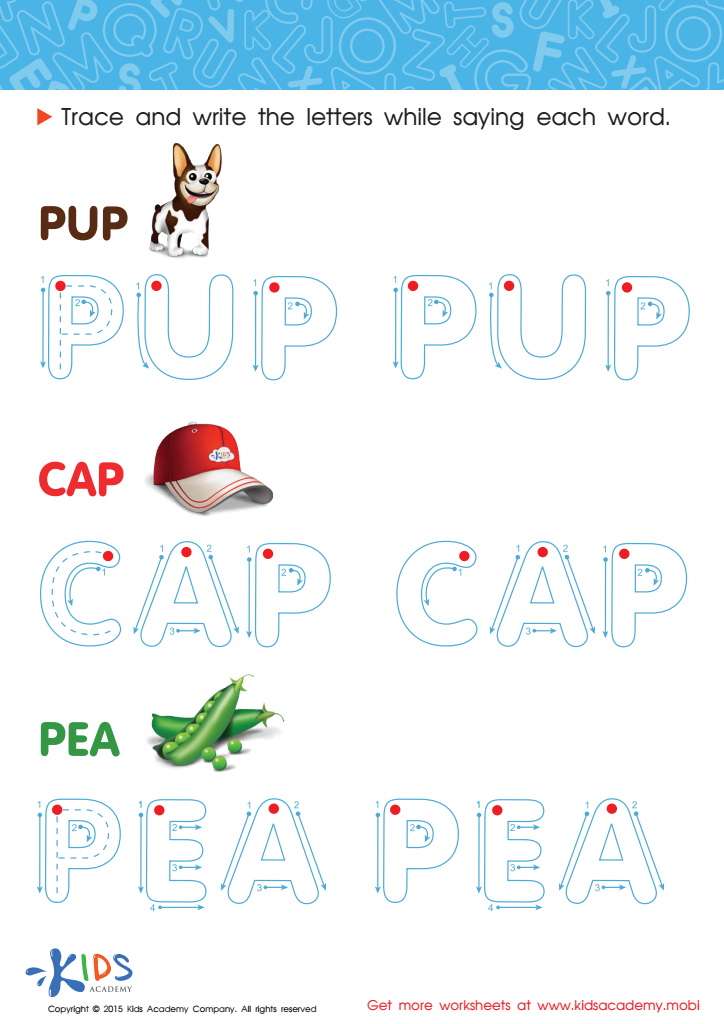
A Pup, a Cap and a Pea Spelling Worksheet
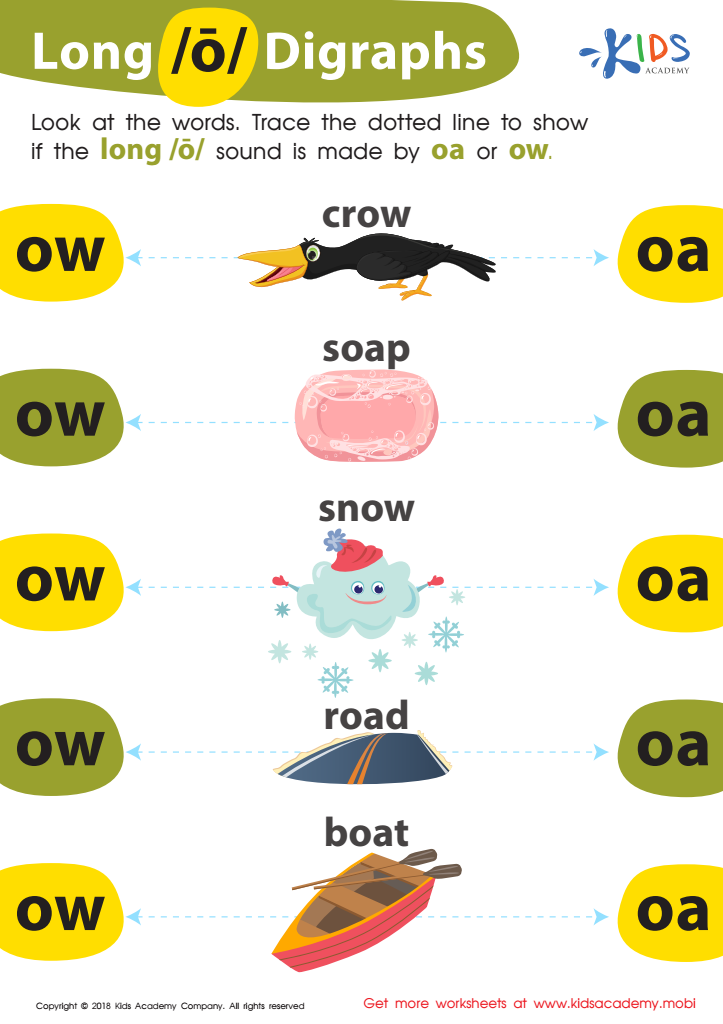
Reading: Long O Digraphs Worksheet
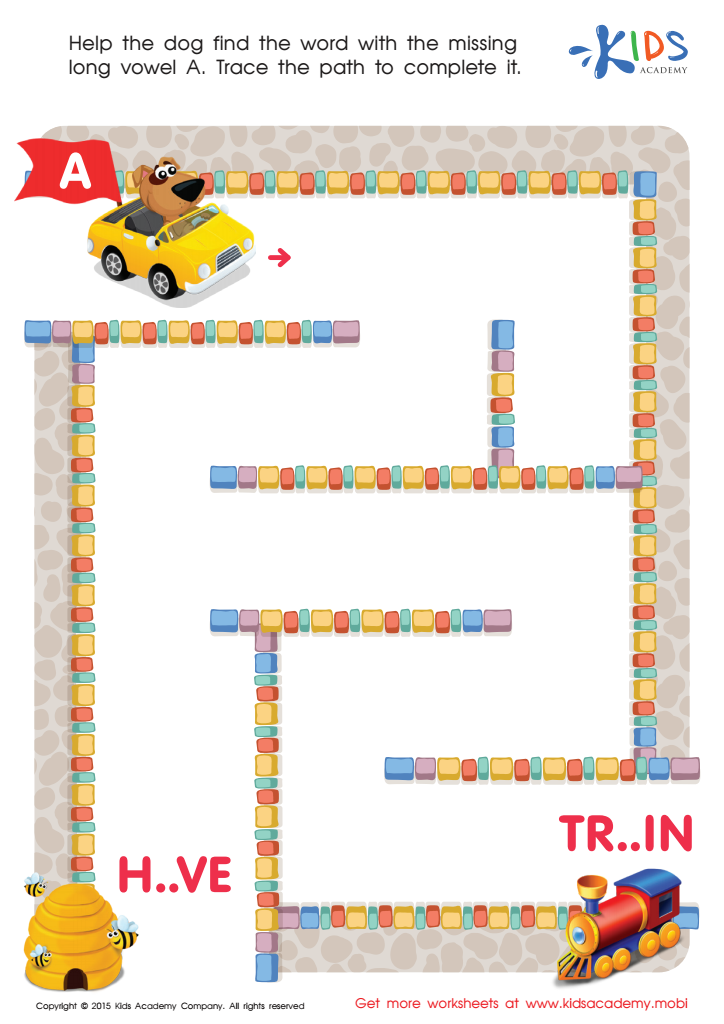
Long Vowel Sound A Worksheet
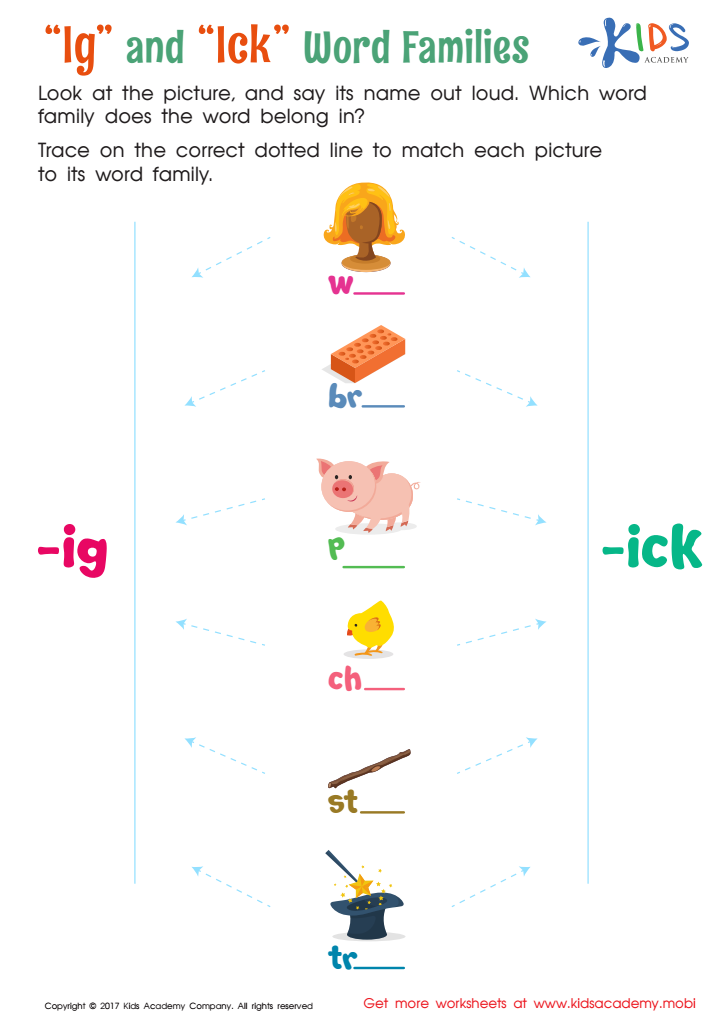
Words Families "ig" and "ick" Spelling Worksheet
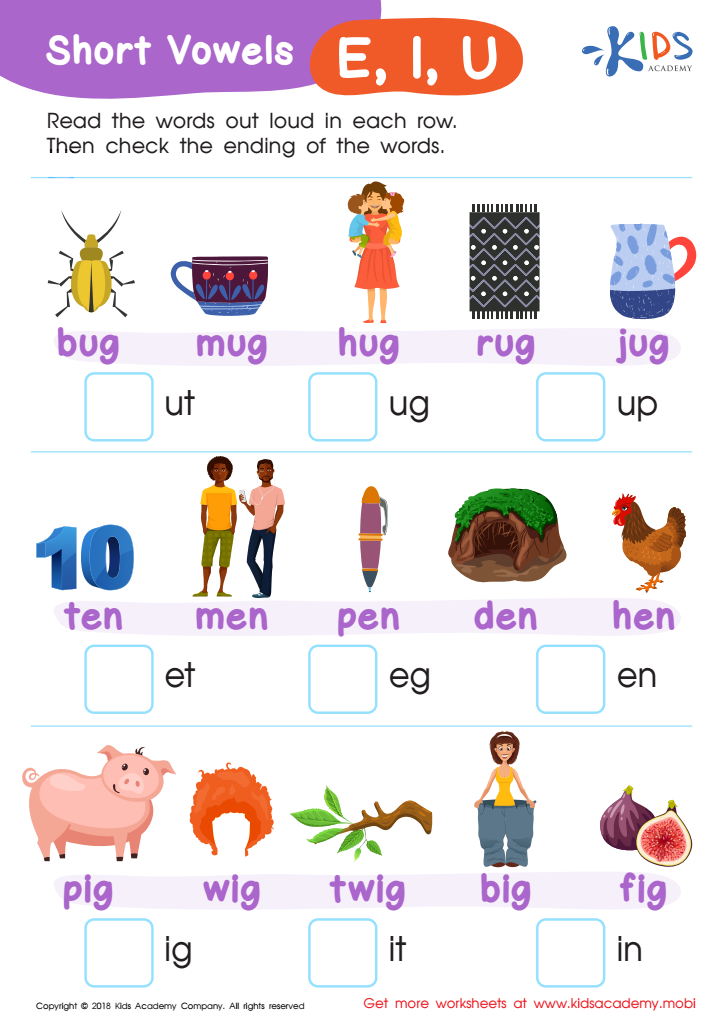
Short Vowels /e/, /i/, and /u/ Worksheet
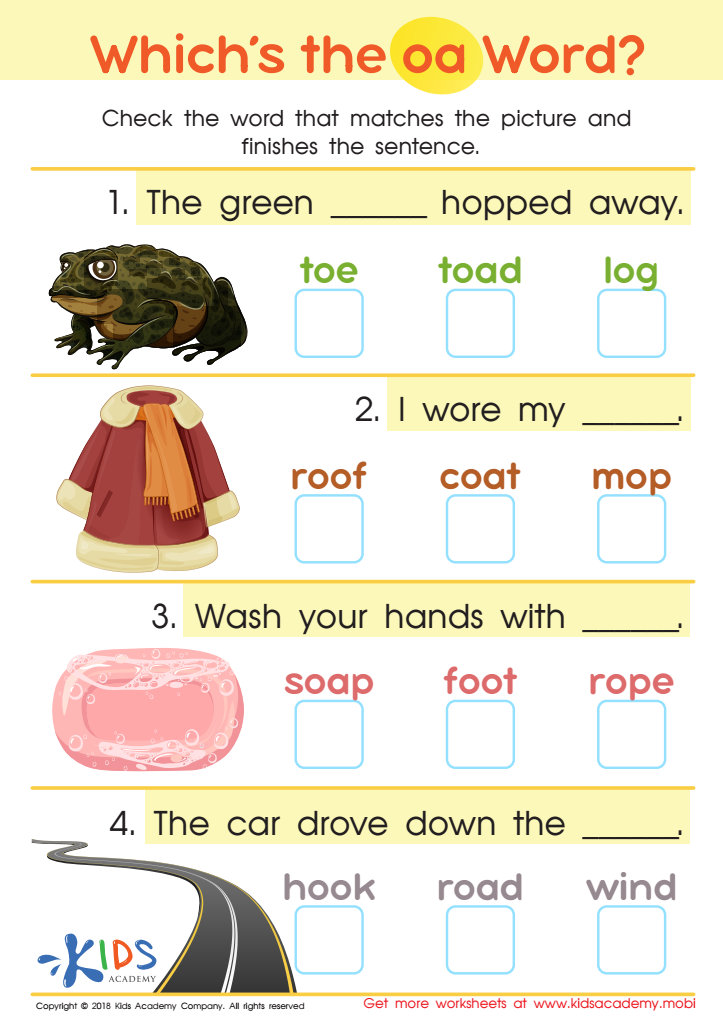
Which's the OA Word? Worksheet
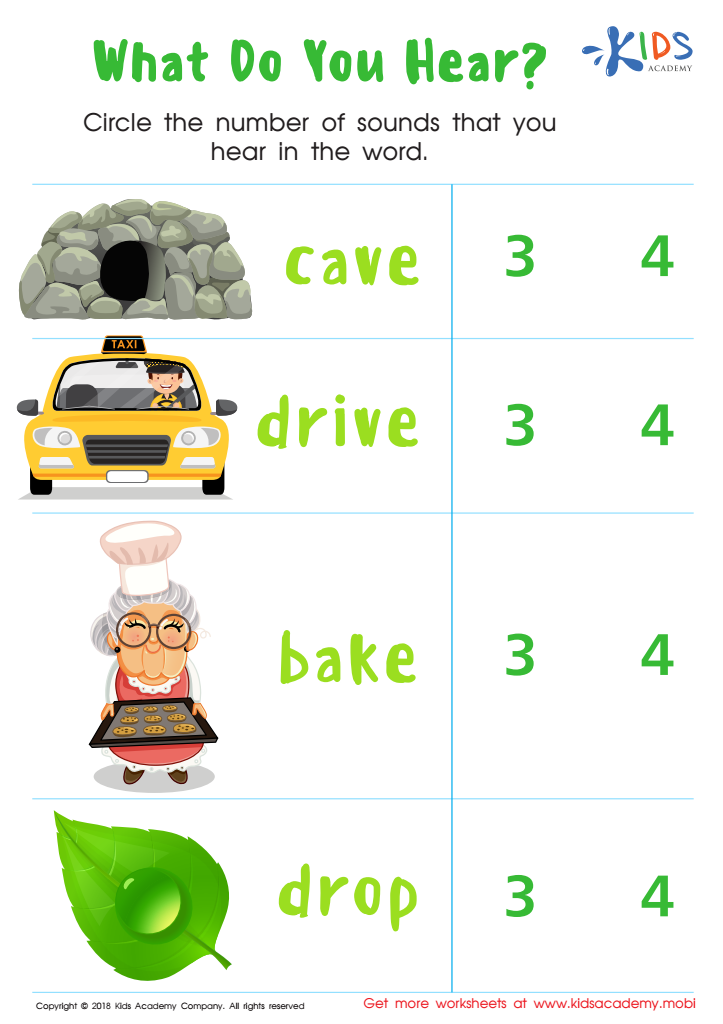
What Do You Hear? Worksheet
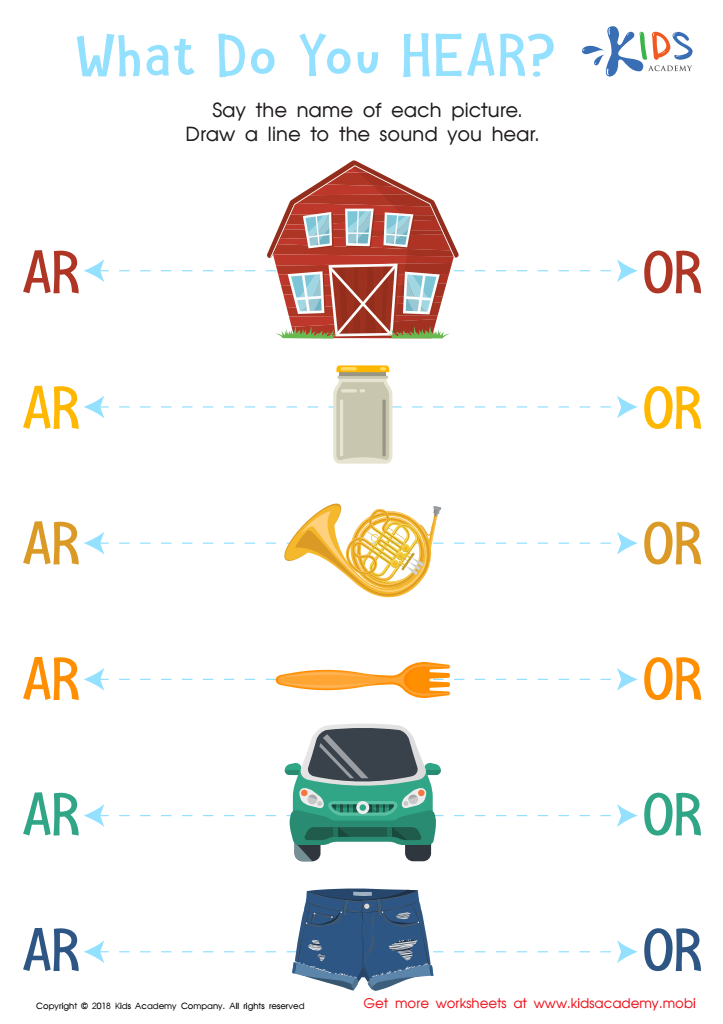
What do you hear Worksheet
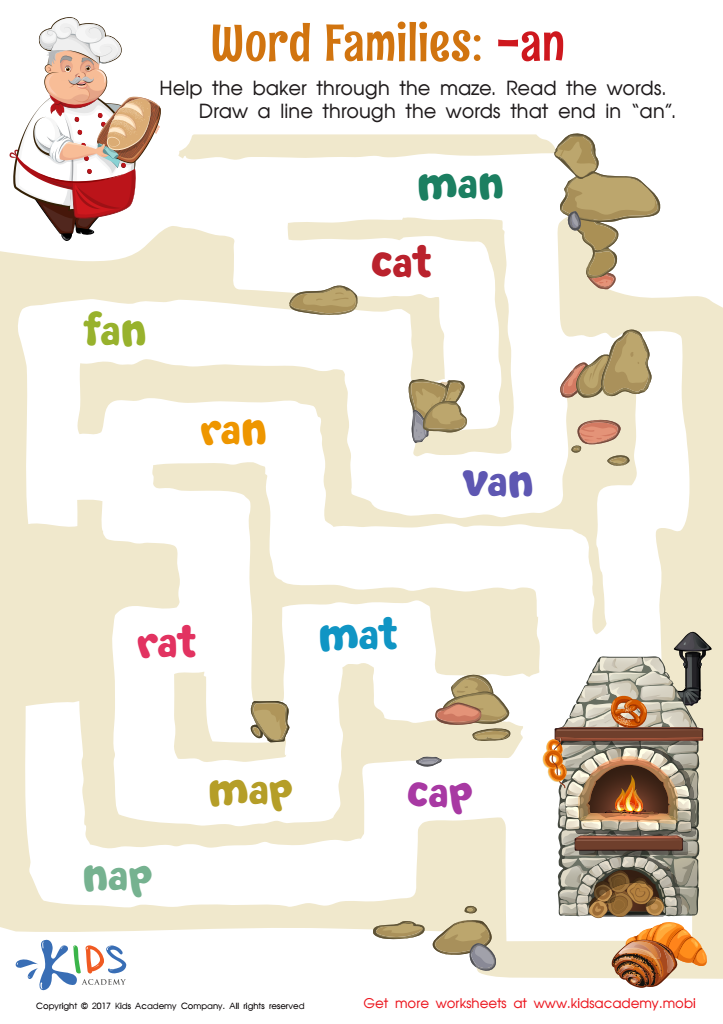
Words Families "an" Spelling Worksheet








Phonics skills are crucial for children aged 6-9 as they serve as the cornerstone for reading and writing. During this age range, children transition from learning to read to reading to learn, making phonics instruction essential. Phonics equips students with the knowledge of sound-letter relationships, helping them decode unfamiliar words. This skill not only boosts their reading competence but also fosters confidence in their literacy abilities.
Understanding phonics can significantly enhance vocabulary development, comprehension, and fluency. When children can decode words effectively, they are more likely to understand texts, which feeds their overall academic growth. For parents and teachers, promoting strong phonics skills means allowing children to thrive in all subjects, beyond just literacy. Furthermore, early competency in reading correlates with greater lifelong academic success.
Additionally, children's emotional and cognitive development benefits from engaging with texts, sparking imagination and critical thinking. By prioritizing phonics, parents and teachers support the creation of motivated readers who enjoy books, thus nurturing a lifelong love for learning. Ultimately, investing effort in phonics during these formative years lays a solid foundation for future educational achievement and personal self-efficacy, making it a vital focus in early education.








