Recognizing shapes Worksheets for Ages 6-9
45 filtered results
-
From - To
Discover our engaging "Recognizing Shapes Worksheets for Ages 6-9," designed to enhance your child's spatial awareness and shape identification skills! These fun, interactive worksheets help young learners explore basic geometric shapes, improving their cognitive abilities and critical thinking. It's an enjoyable way to reinforce learning at home or in the classroom! Featuring vibrant illustrations and various activities, these worksheets cater to different learning styles while promoting creativity. Ideal for homeschooling, tutoring, or supplemental practice, our resources make learning about shapes exciting and accessible. Download today and watch your child's confidence in recognizing shapes grow as they explore the world around them!
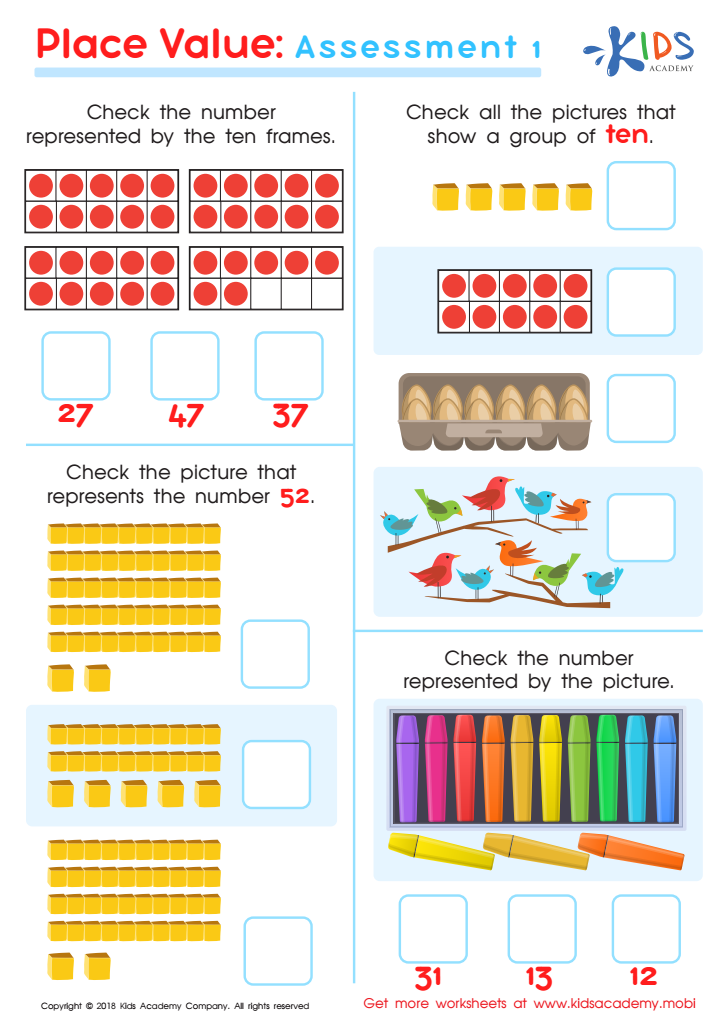
Place Value: Assessment 1 Worksheet
 Assign to My Students
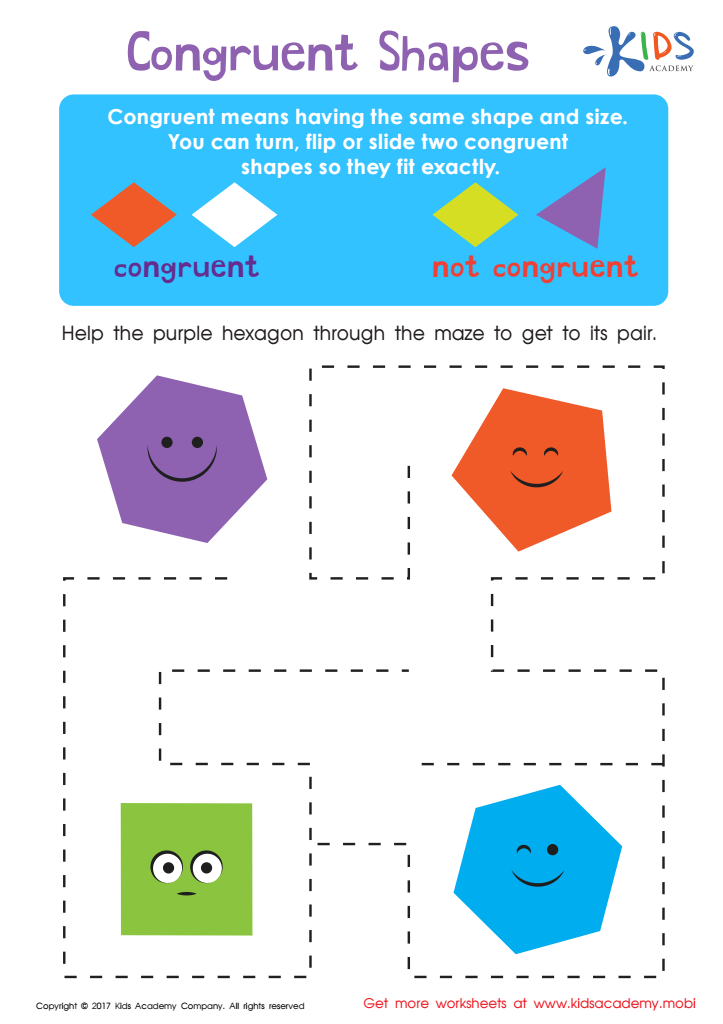
Congruent Shapes Worksheet
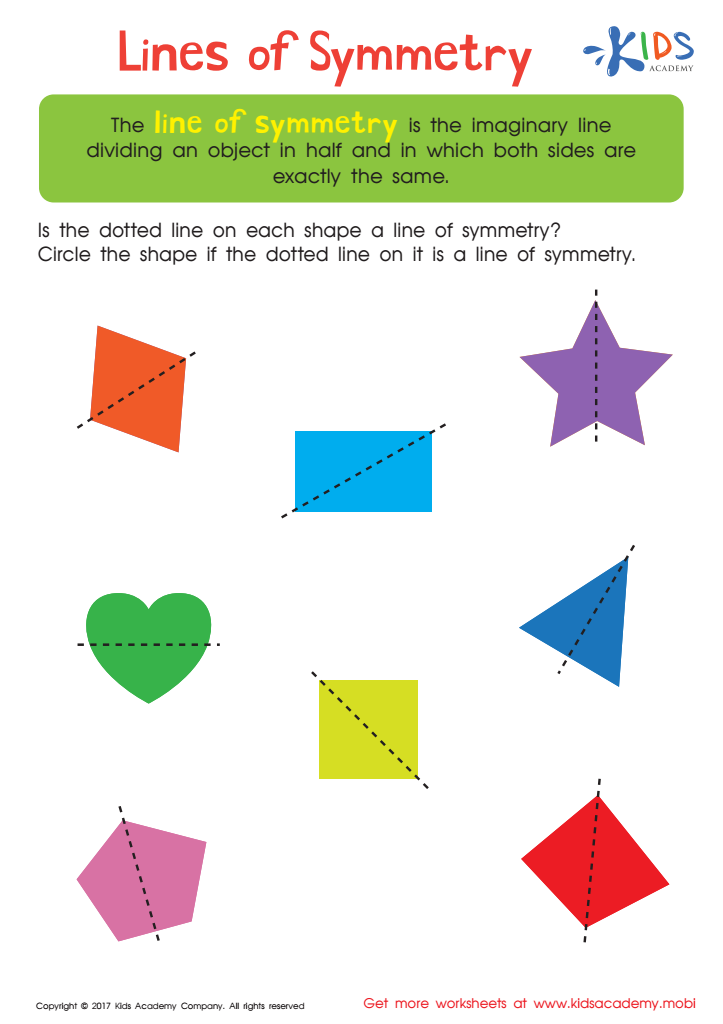
Lines of Symmetry Printable
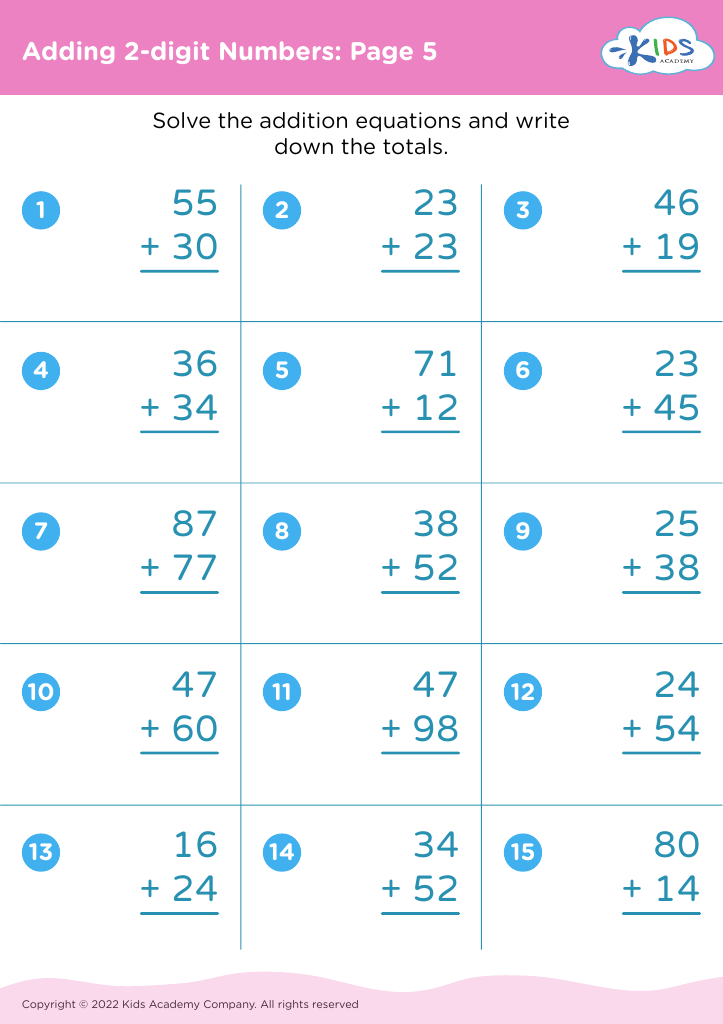
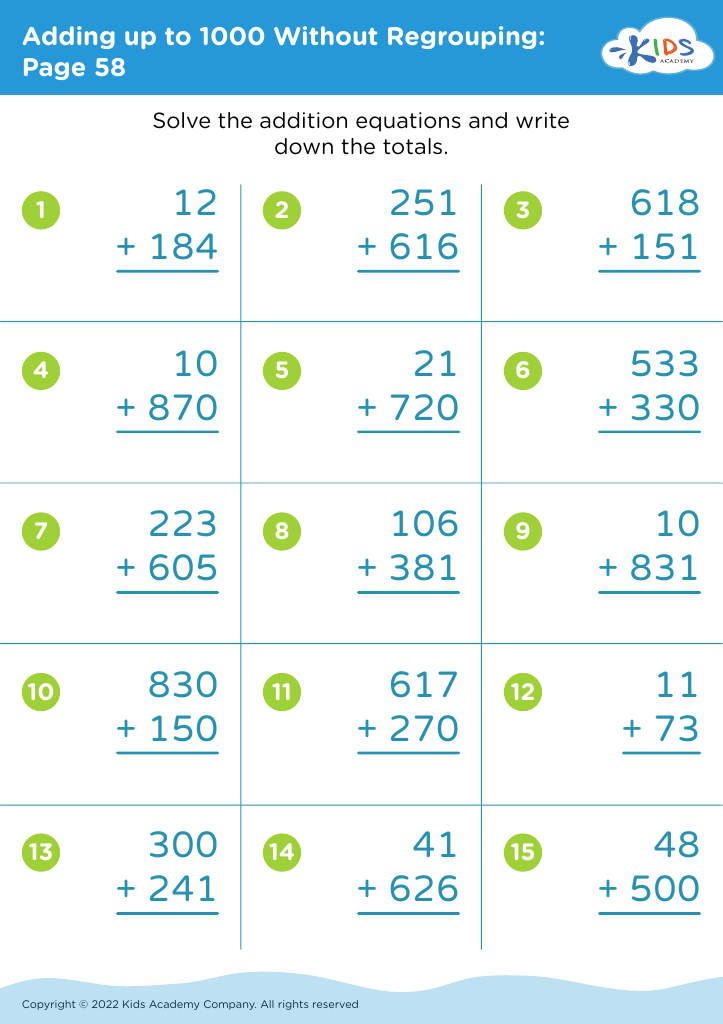
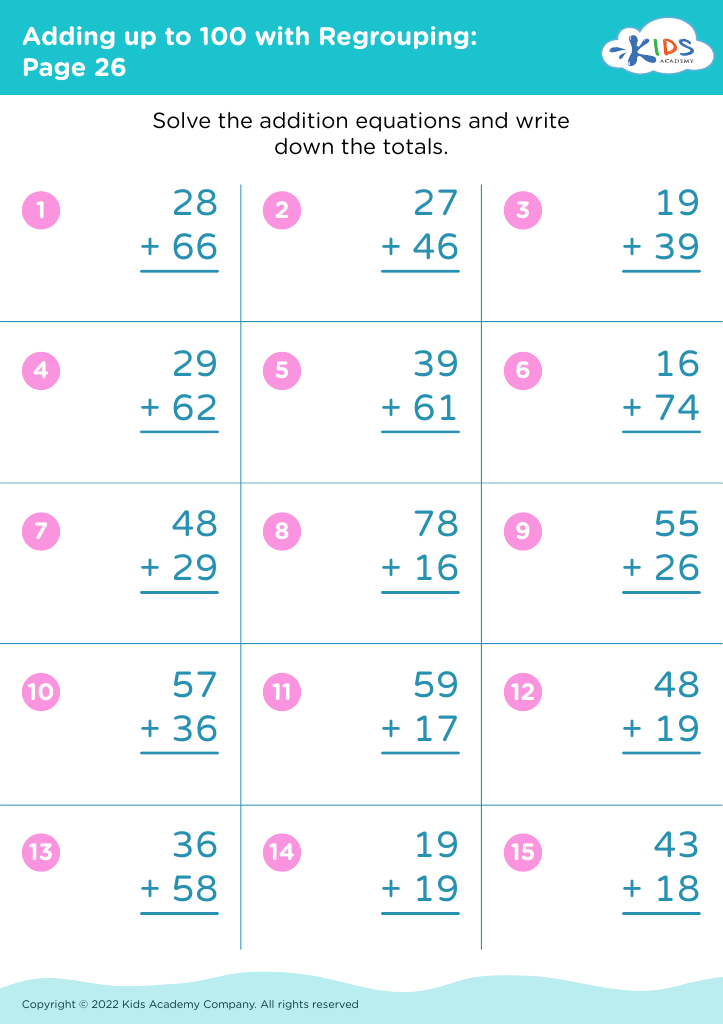
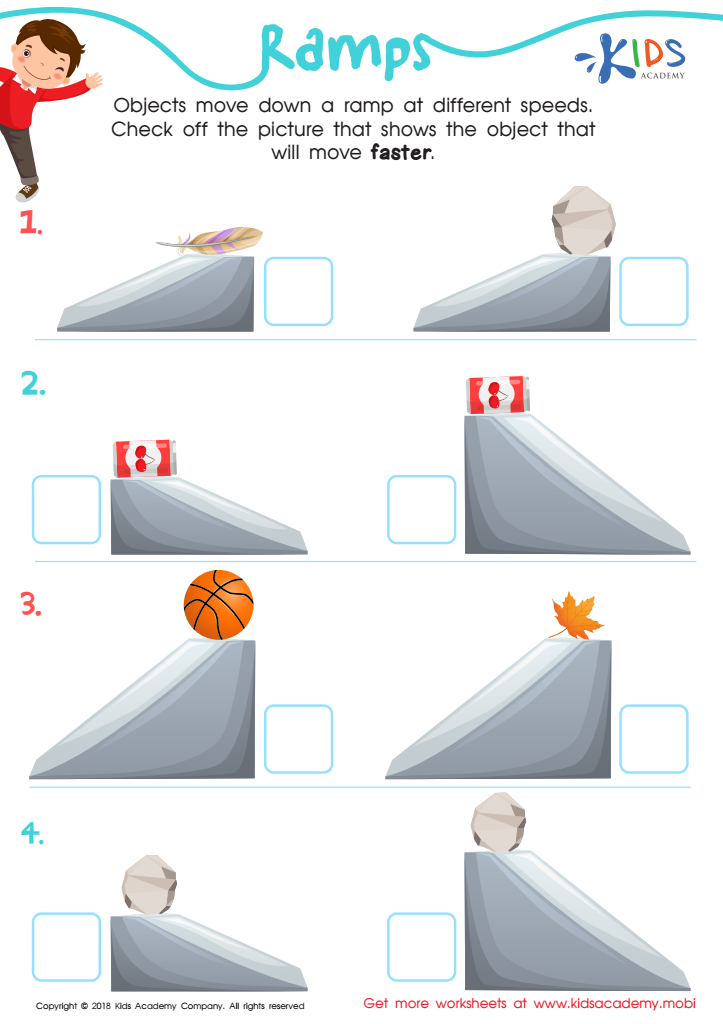
Ramps Worksheet
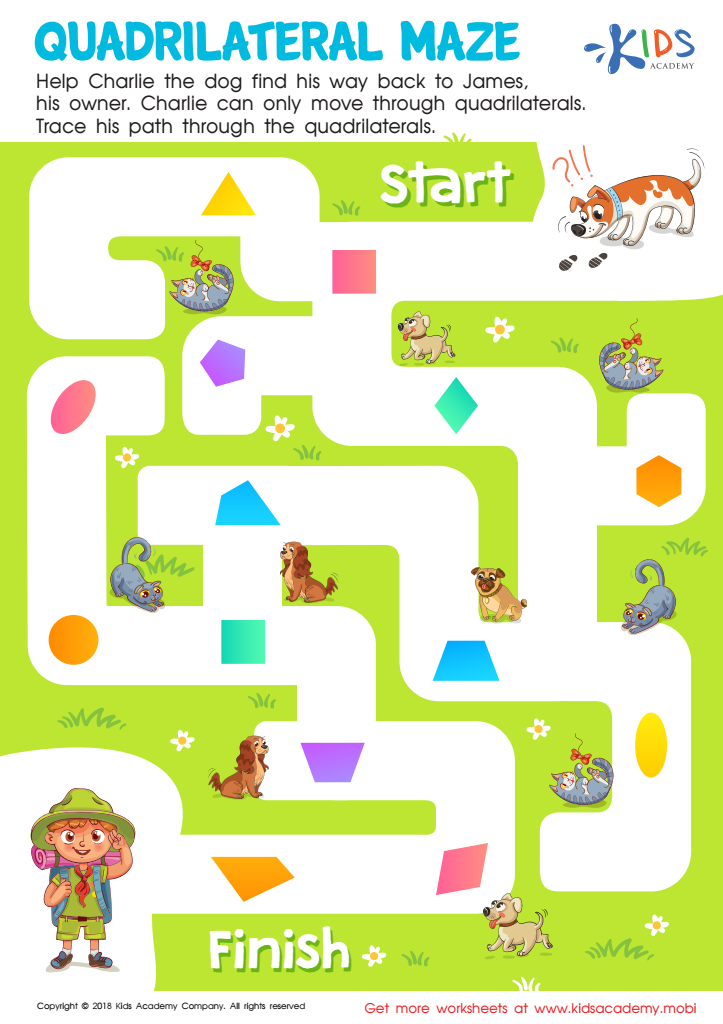
Quadrilateral Maze Worksheet
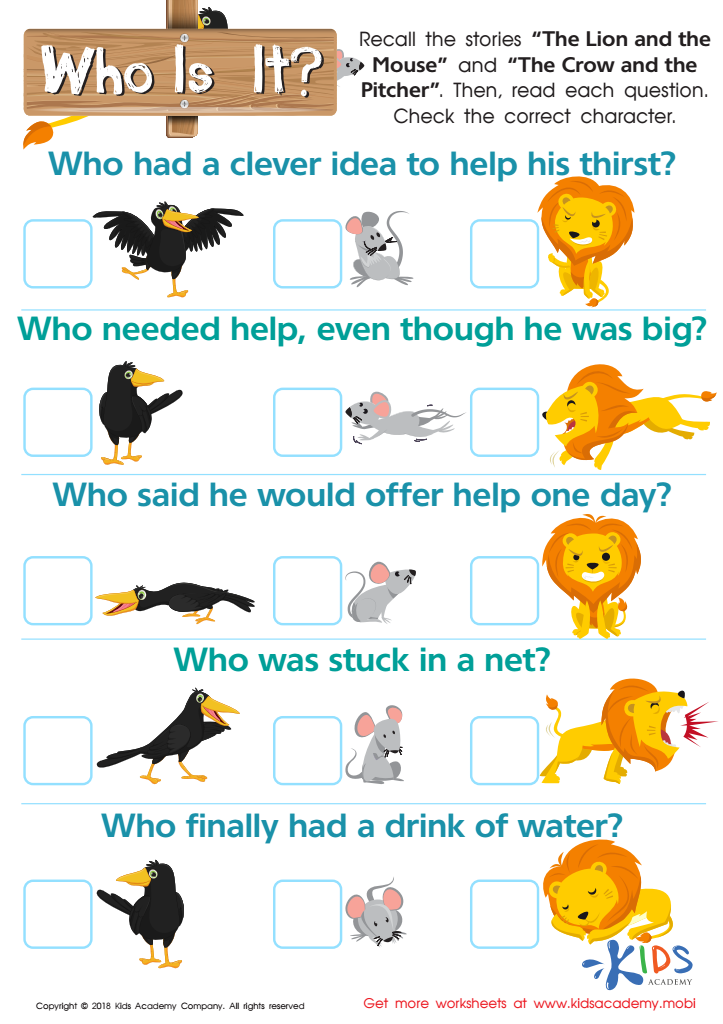
Who Is It? Worksheet
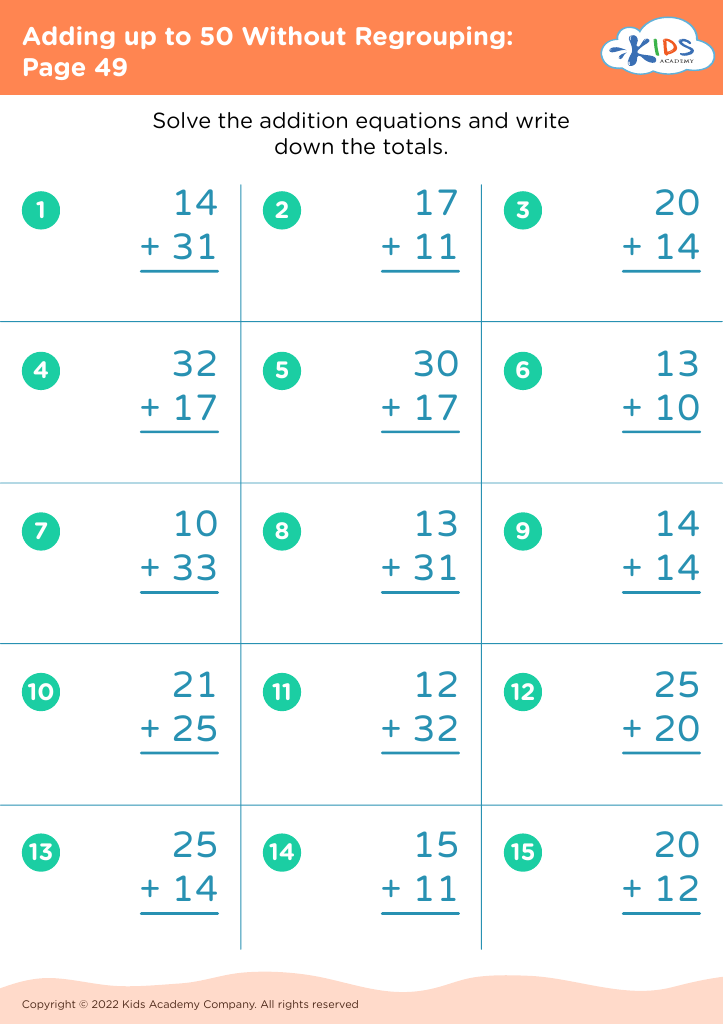






Recognizing shapes is a fundamental skill for children aged 6-9, serving as a building block for various academic and life skills. This cognitive milestone not only enhances geometric understanding but also contributes to critical thinking and problem-solving abilities. When parents and teachers prioritize shape recognition, they lay the groundwork for mathematical concepts such as addition, subtraction, and spatial reasoning. Understanding shapes helps children comprehend more complex ideas, like fractions and symmetry, as they progress in their education.
Beyond mathematics, shape recognition fosters creativity and innovation. Children learn to appreciate patterns in art and nature, which enriches their imaginative play and encourages them to visualize and create. Furthermore, identifying shapes promotes observational skills, allowing children to connect mathematical concepts to their everyday world, enhancing their situational awareness.
In the social arena, learning shapes aids in developing language skills, as children describe their surroundings, compare objects, and engage in group discussions about their findings. When adults engage with children during shape activities—whether through games, puzzles, or interactive lessons—they help nurture a love for learning and create engaging environments. Thus, recognizing shapes is not merely an academic exercise; it is a vital part of holistic development in young children.








