
Space knowledge Worksheets for Ages 6-9
7 filtered results
Difficulty Level
Grade
Age
-
From - To
Subject
Activity
Standards
Discover our engaging Space Knowledge Worksheets designed specifically for kids aged 6-9! These printable worksheets provide a fun and interactive way for young learners to explore the wonders of space. From identifying planets and understanding the solar system to learning about constellations and astronauts, each worksheet is crafted to spark curiosity and enhance STEM learning. Ideal for both classroom activities and at-home enrichment, our resources promote critical thinking and creativity while making learning enjoyable. Download our Space Knowledge Worksheets today and help your child embark on an exciting educational journey through the cosmos! Perfect for budding astronomers and curious minds alike!
Favorites
With answer key
Interactive
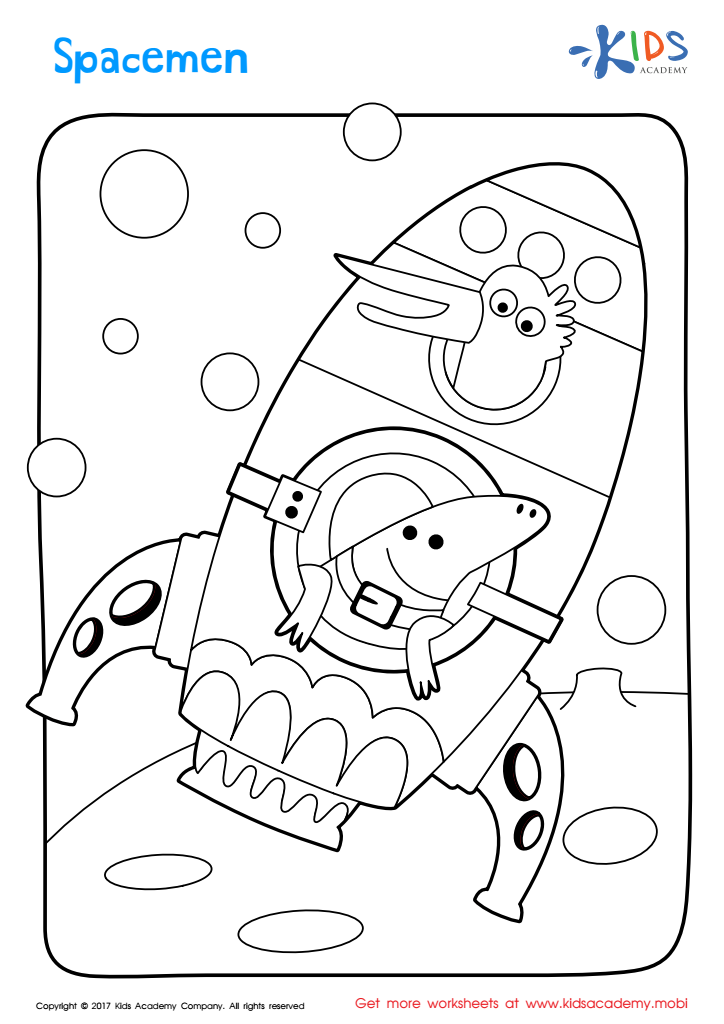
Spacemen Coloring Page
Let your child explore outer space with this fun coloring page featuring different spacemen shapes and sizes! From cute and funny creatures to distant planets and moons, this page is sure to spark your child’s imagination and interest!
Download (PDF)
 Assign to My Students
Assign to My Students
Spacemen Coloring Page
Worksheet
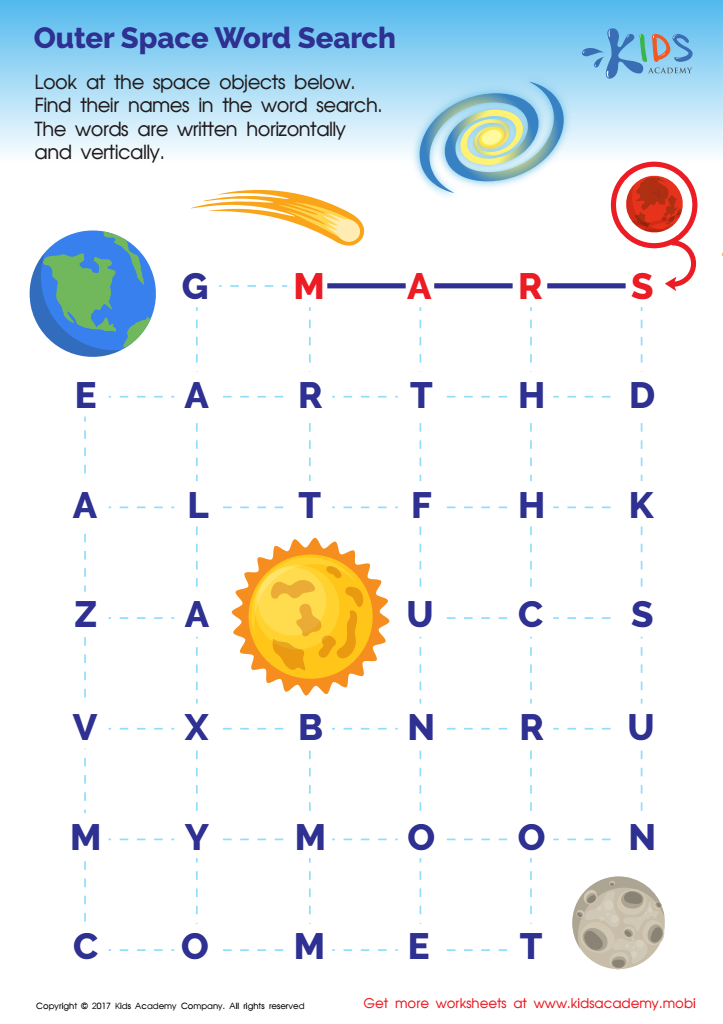
Outer Space Word Search Printable
Test your child's space knowledge with this fun outer space word search printable! With pictures as clues, they'll hardly realize they're learning and thinking hard. Let them have a blast finding each of the words!
Outer Space Word Search Printable
Worksheet
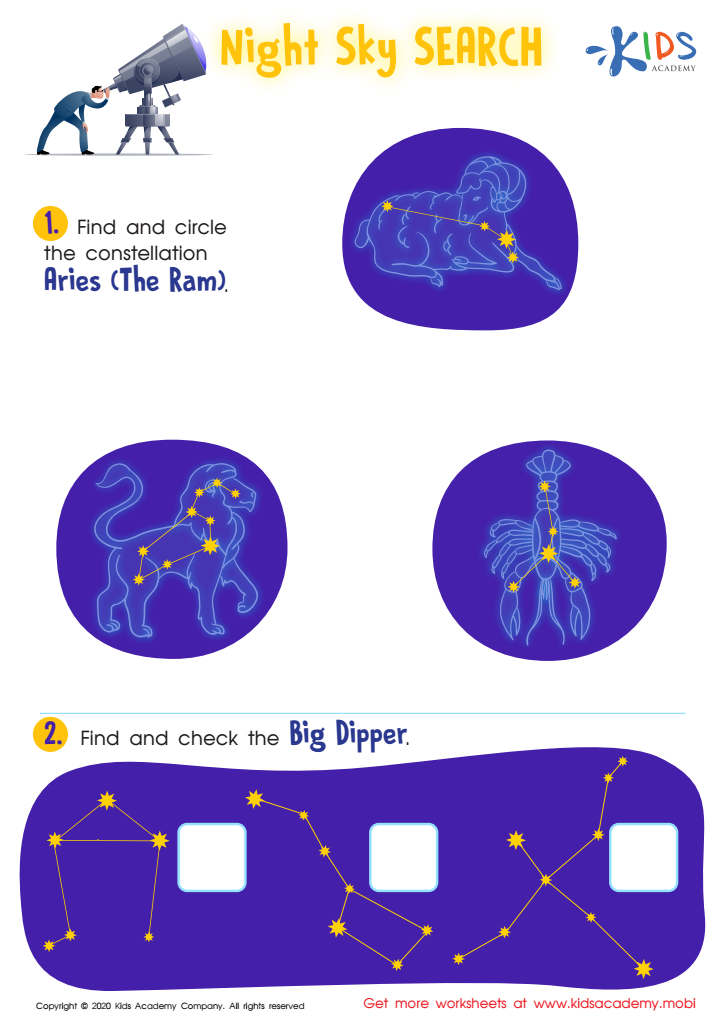
Night Sky Search Worksheet
Gaze up into the night sky and spot the stars! Your little astronomer can learn about Aries and Big Dipper constellations with this science worksheet. Simply find the ram for Aries and check the box for Big Dipper. Then, when the weather is right, go outside and look for them in the night sky!
Night Sky Search Worksheet
Worksheet
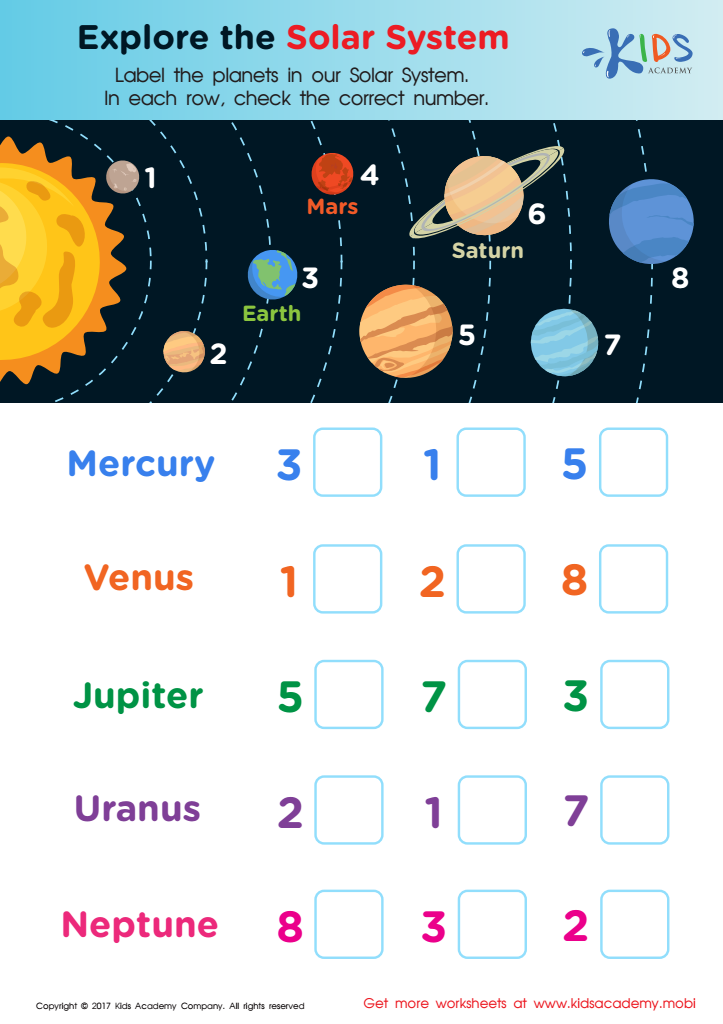
Solar System Planets Worksheet
Kids can explore outer space and learn the order of our solar system with this fun worksheet PDF! It features brilliantly colored illustrations to help them understand the third planet from the sun - Earth - and the rest. It's a great way to start learning about our galaxy!
Solar System Planets Worksheet
Worksheet
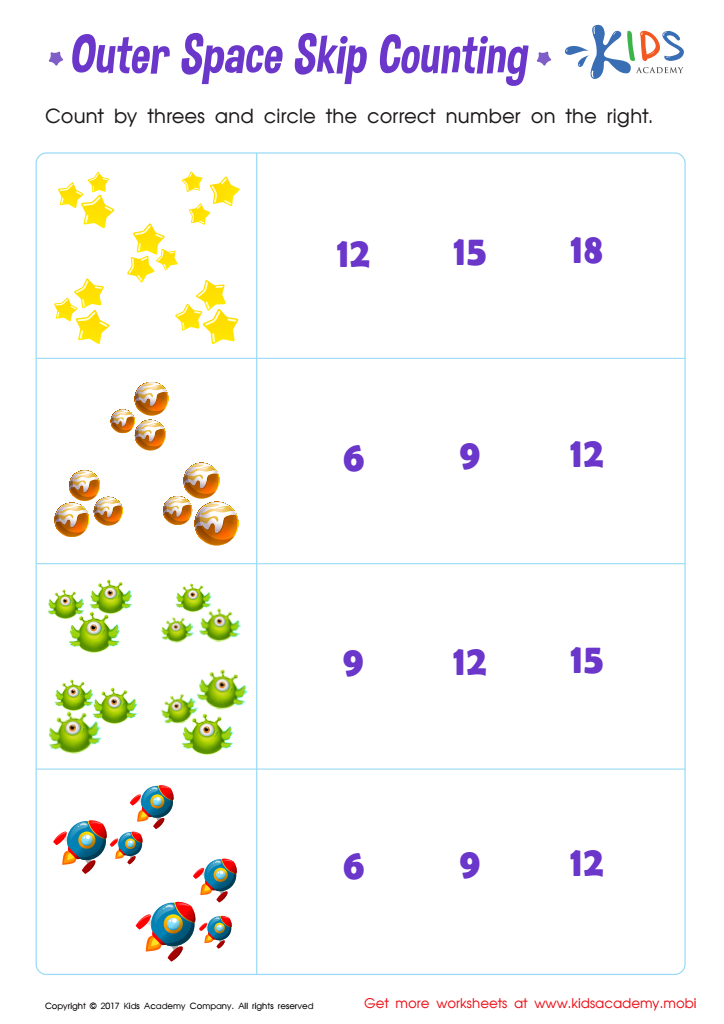
Skip Counting by 3s: Outer Space Skip Counting Printable
Want to set your child up for math success? Get them this printable worksheet that helps them practice counting in groups of 3’s, building a foundation for more advanced math skills. Skipping counting helps kids master logical reasoning and cognitive skills, making a connection between counting objects individually and in groups. The colorful images will keep them engaged and having fun - without realizing how hard they're working!
Skip Counting by 3s: Outer Space Skip Counting Printable
Worksheet
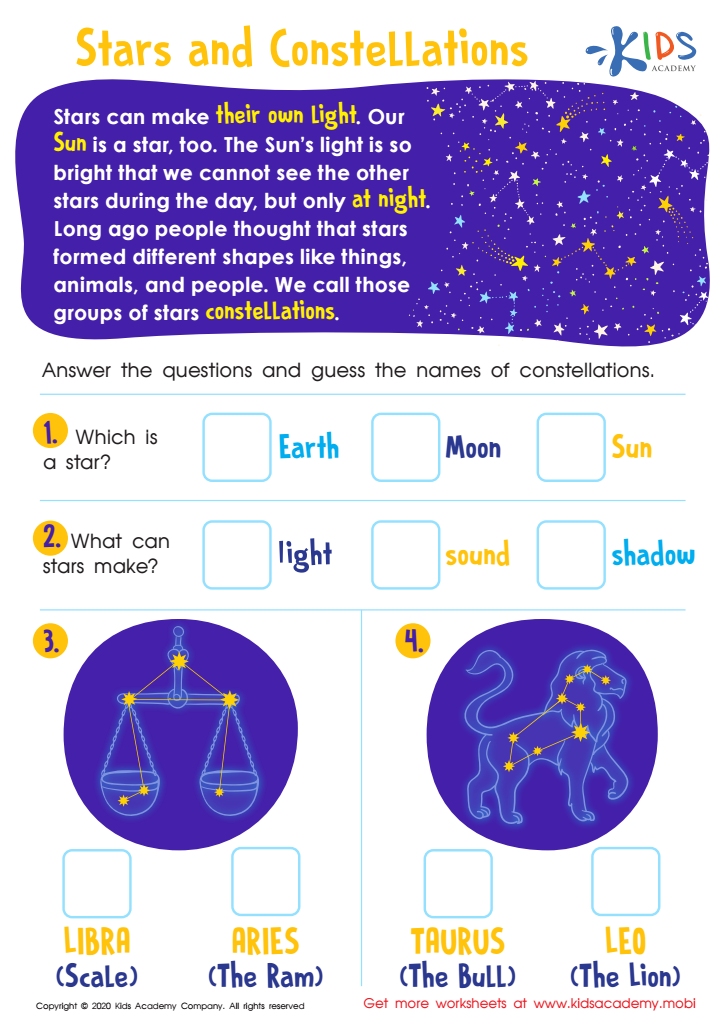
Stars and Constellations Worksheet
Learn about stars and constellations with this entertaining worksheet! Read the passage at the top of the page to gain an understanding of stars, then test your child's knowledge with the questions below. Check the right answers and finish this science worksheet with your child - they'll be amazed that stars can make their own light, just like the sun!
Stars and Constellations Worksheet
Worksheet
Join Kids Academy for Free
Who is primarily going to use this learning content?





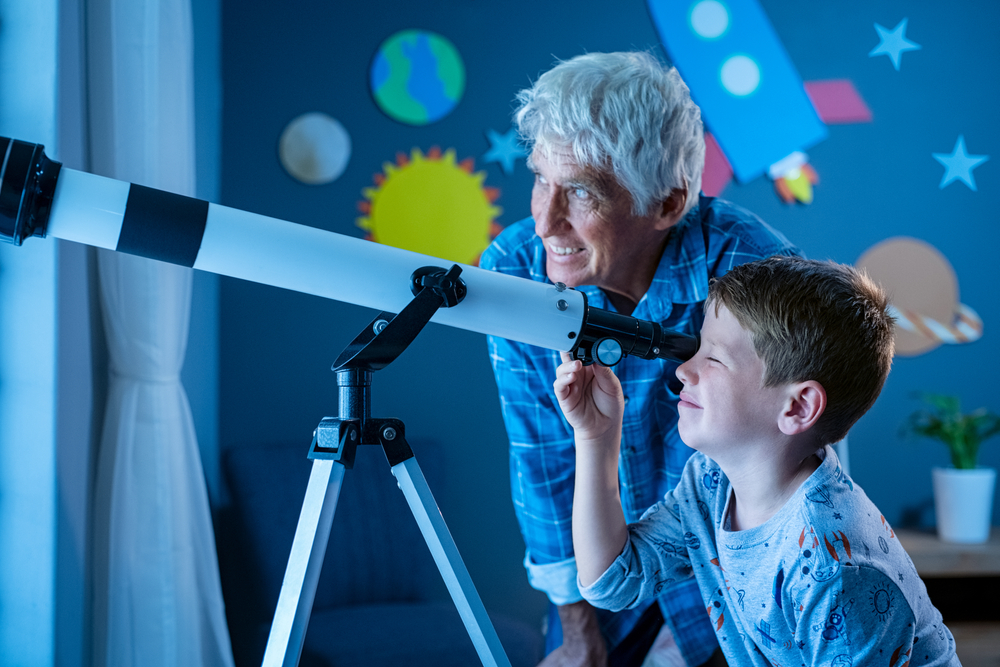


Understanding space is crucial for children aged 6-9 for several reasons, making it important for parents and teachers to foster this knowledge. Firstly, space exploration sparks curiosity and encourages critical thinking. At this age, children are naturally inquisitive, and introducing them to concepts like planets, stars, and galaxies helps satisfy their curiosity while nurturing their instincts to ask questions and seek answers.
Secondly, space science aligns with various subjects, including physics, geography, and even art. Integrating space topics can enhance interdisciplinary learning, helping students make connections across different domains. For instance, studying the planets can lead to discussions about distance, time, and the Earth's position in the universe—a foundation for basic scientific principles.
Moreover, understanding space fosters imagination and creativity. Learning about astronauts, rockets, and the vastness of the universe can inspire children to dream big and consider futures in science, technology, engineering, and mathematics (STEM) fields.
Lastly, in a world increasingly impacted by technology and scientific advancements, having a basic understanding of space evolves into an informed perspective on global issues like climate change and exploration efforts, making it relevant for their lives and future. Encouraging space knowledge helps cultivate informed, imaginative, and scientifically literate individuals.








