Vocabulary Building Worksheets for Ages 6-9 - Page 2
75 filtered results
-
From - To
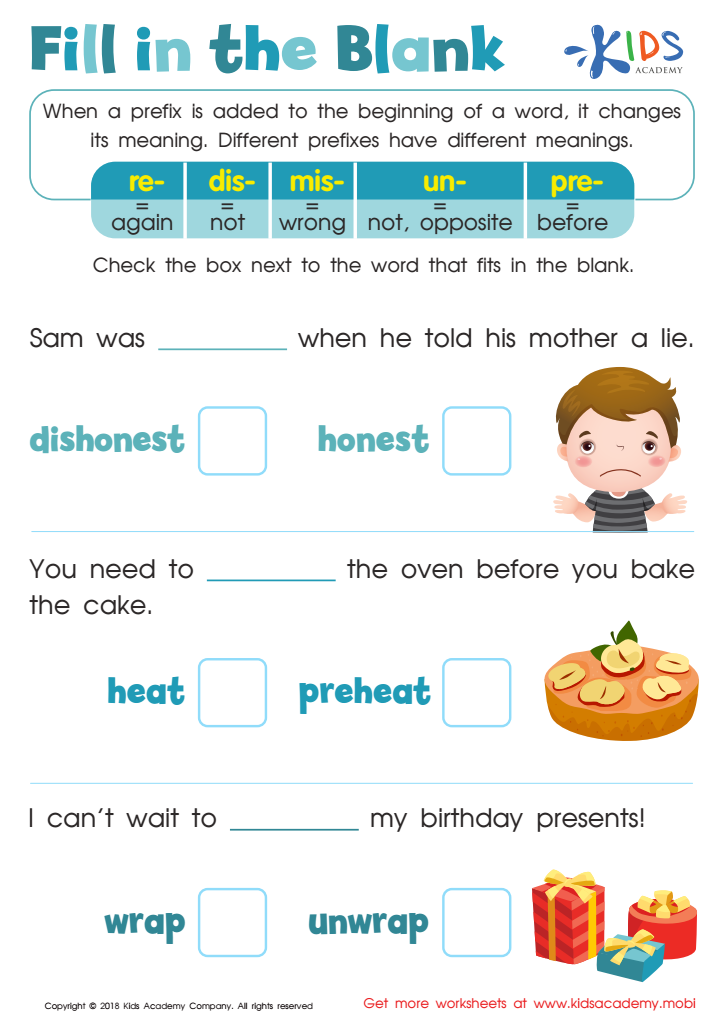
Reading: Fill in the Blank Worksheet
 Assign to My Students
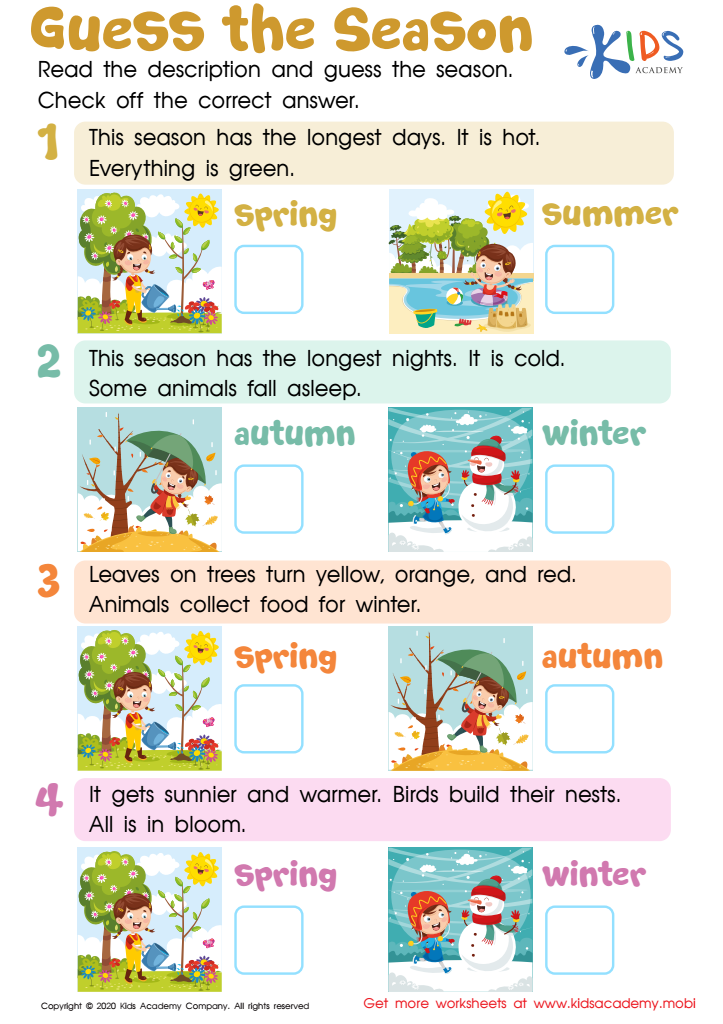
Guess the Season Worksheet
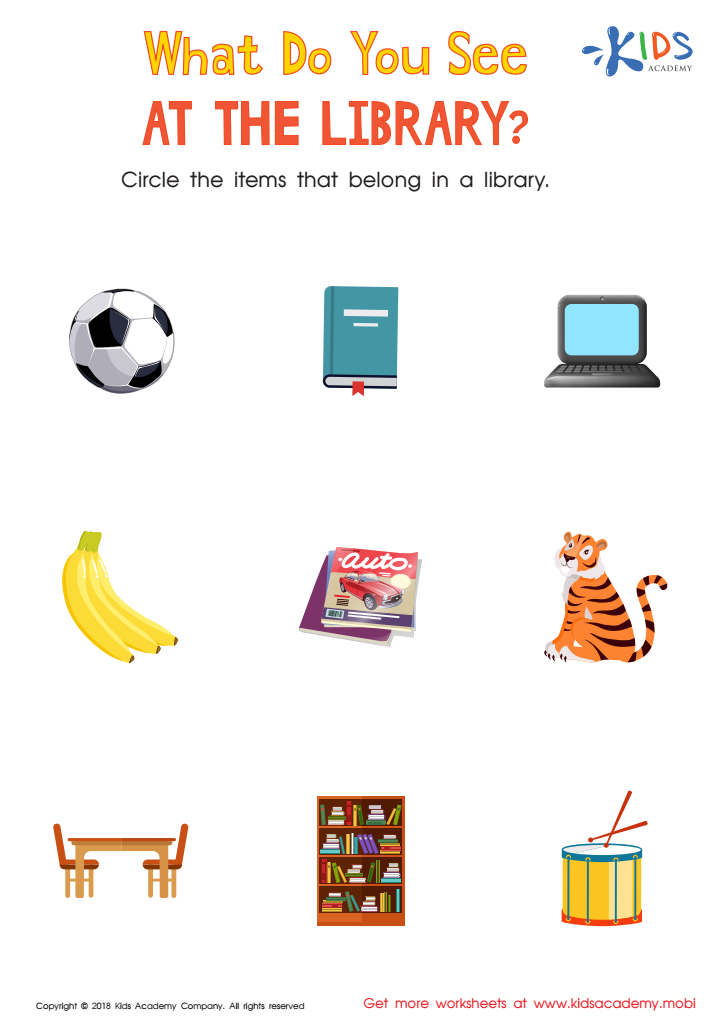
What Do you See at the Library? Worksheet
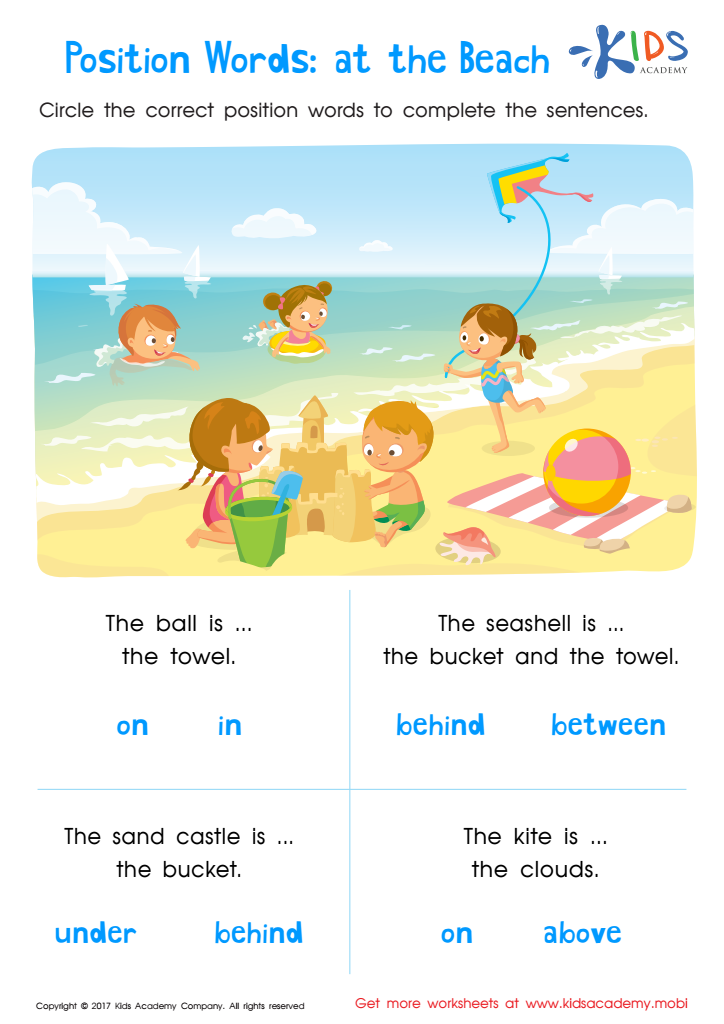
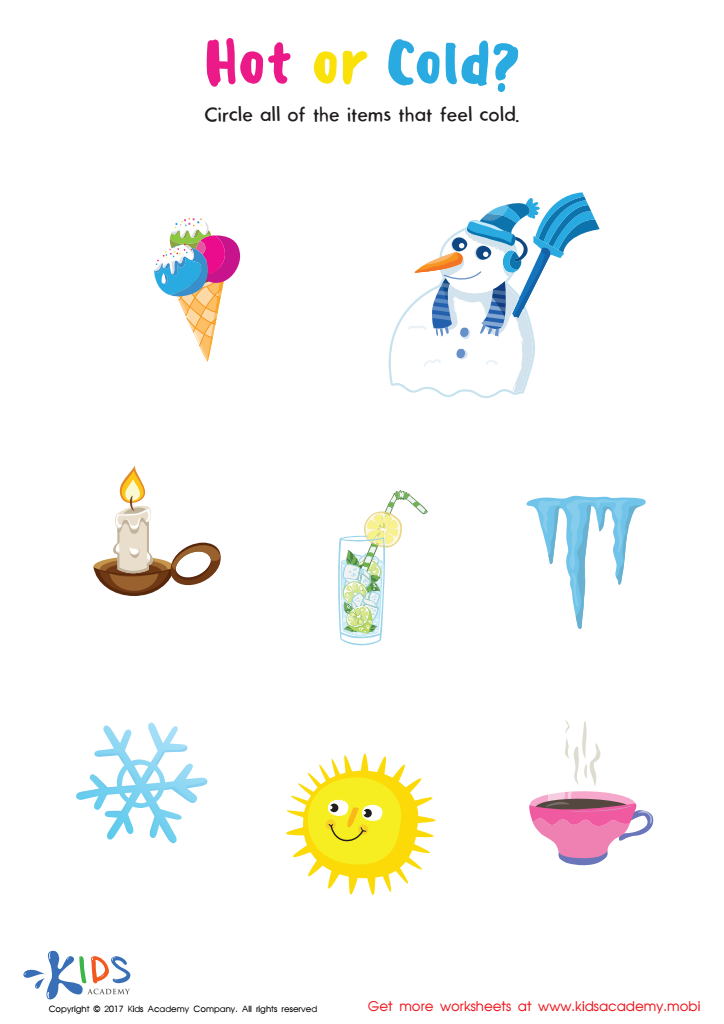
Hot or Cold Printable
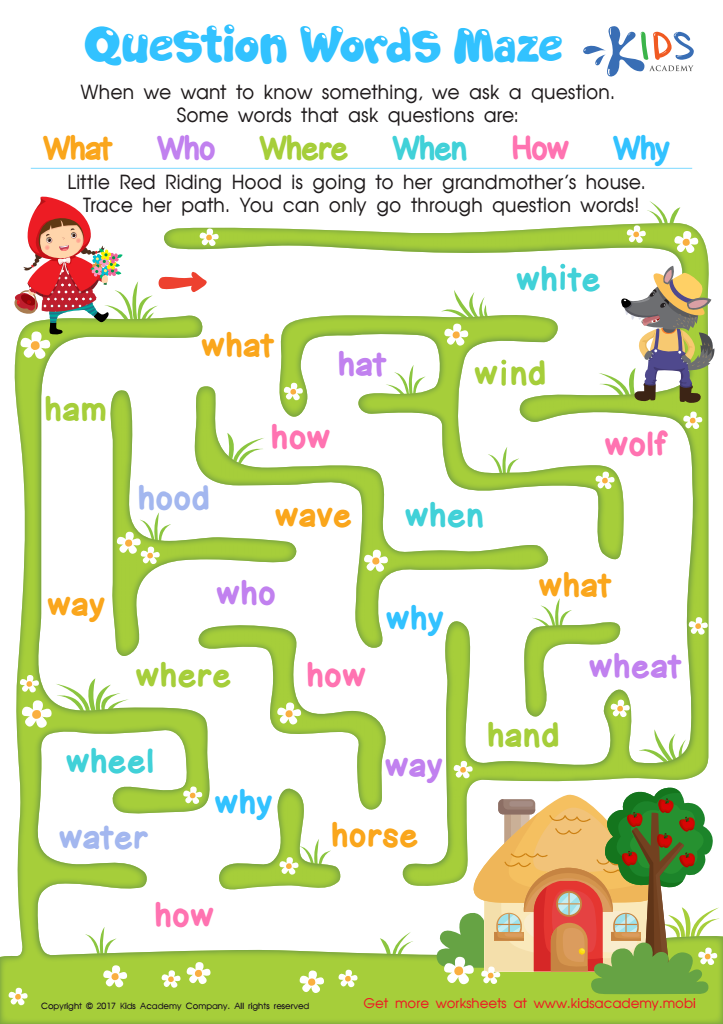
Question Words Maze Worksheet
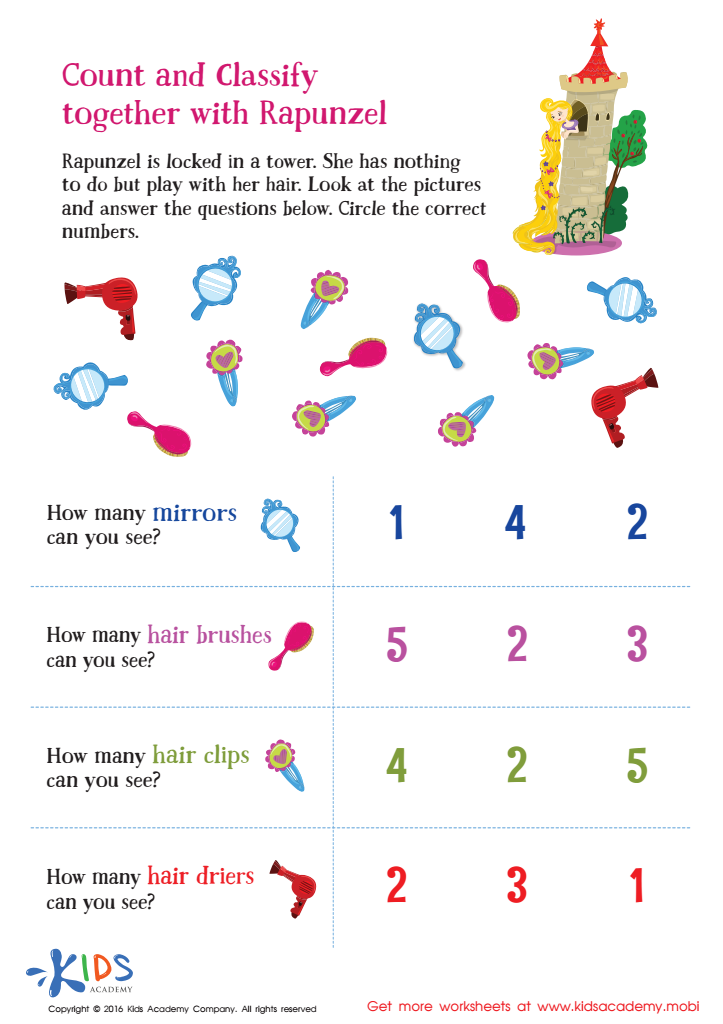
Fairy Tale Worksheet: Count and Classify with Rapunzel
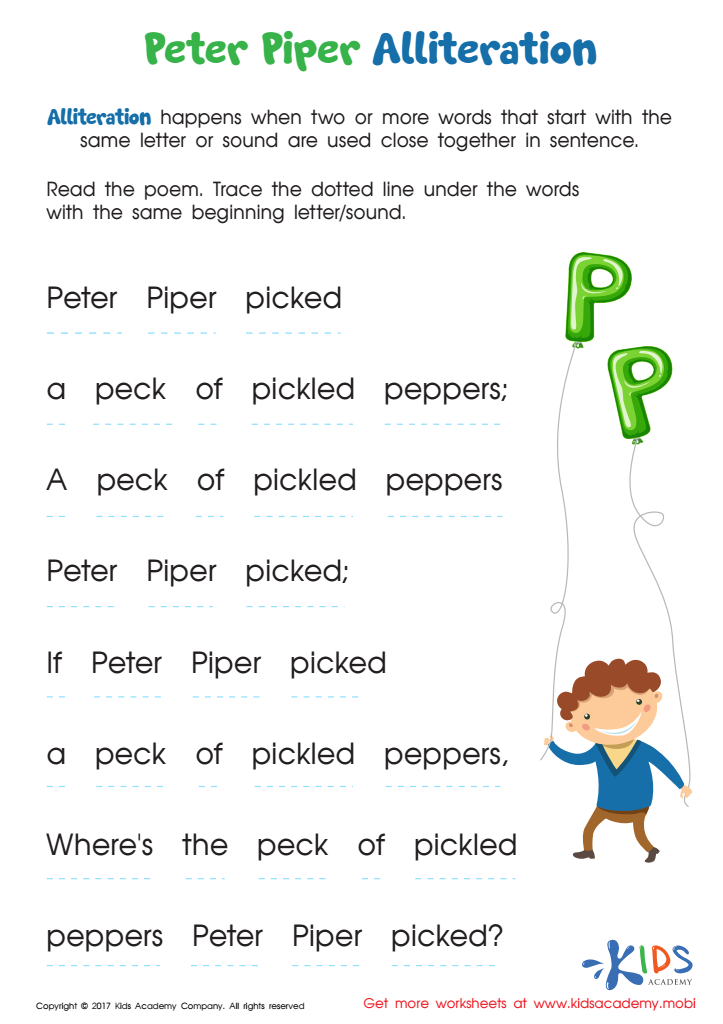
Peter Piper Alliteration Worksheet
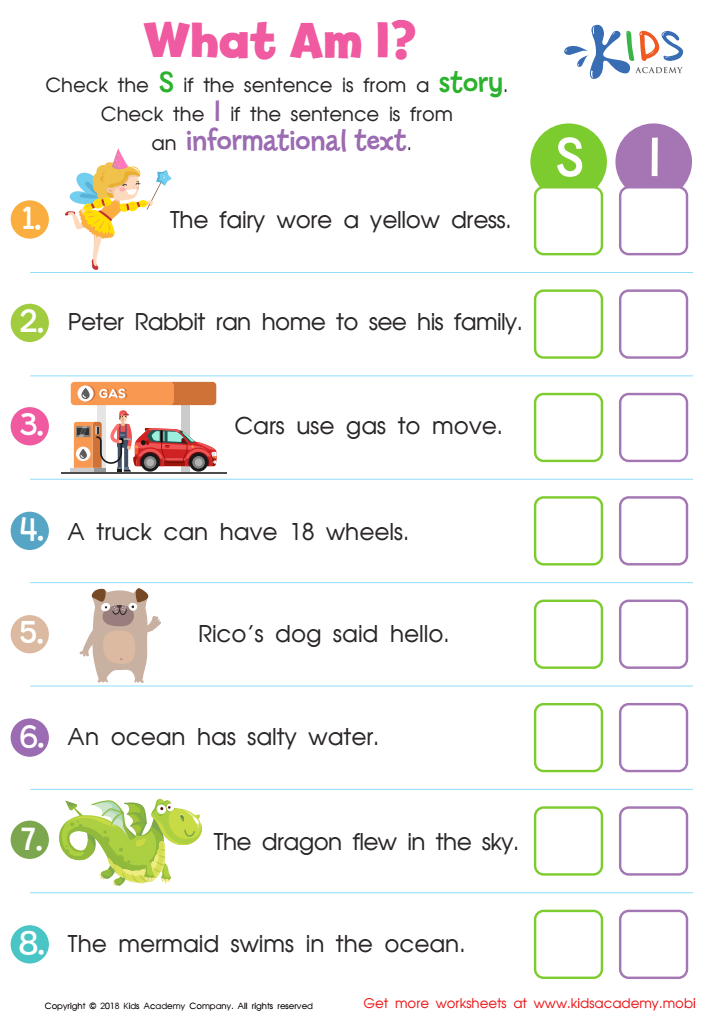
What Am I? Worksheet
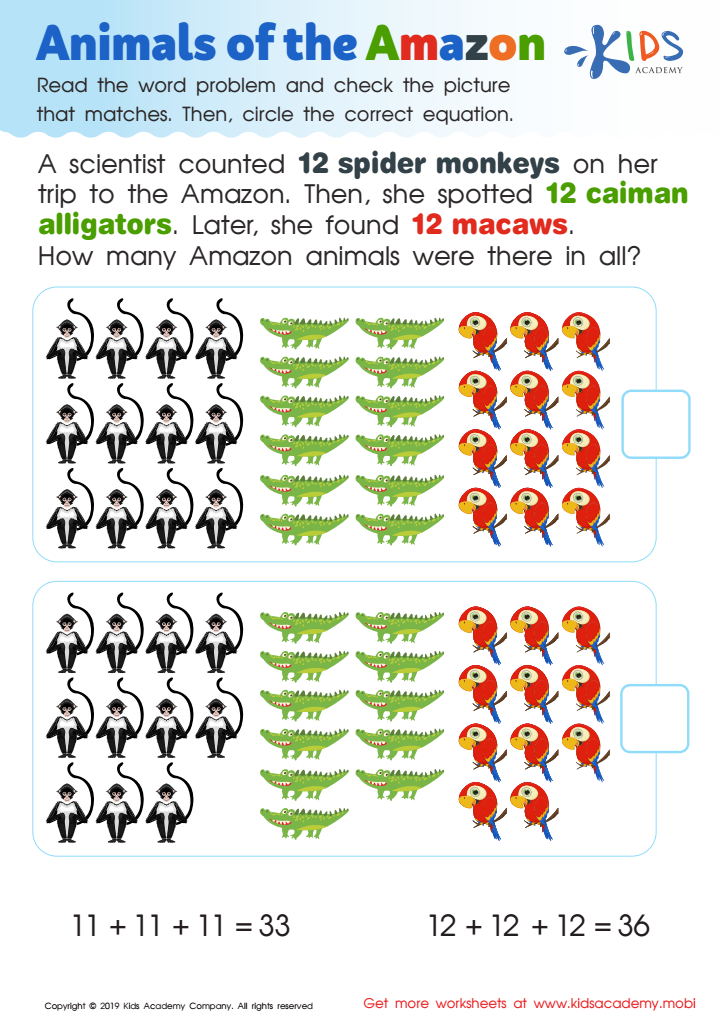
Animals of Amazon Worksheet
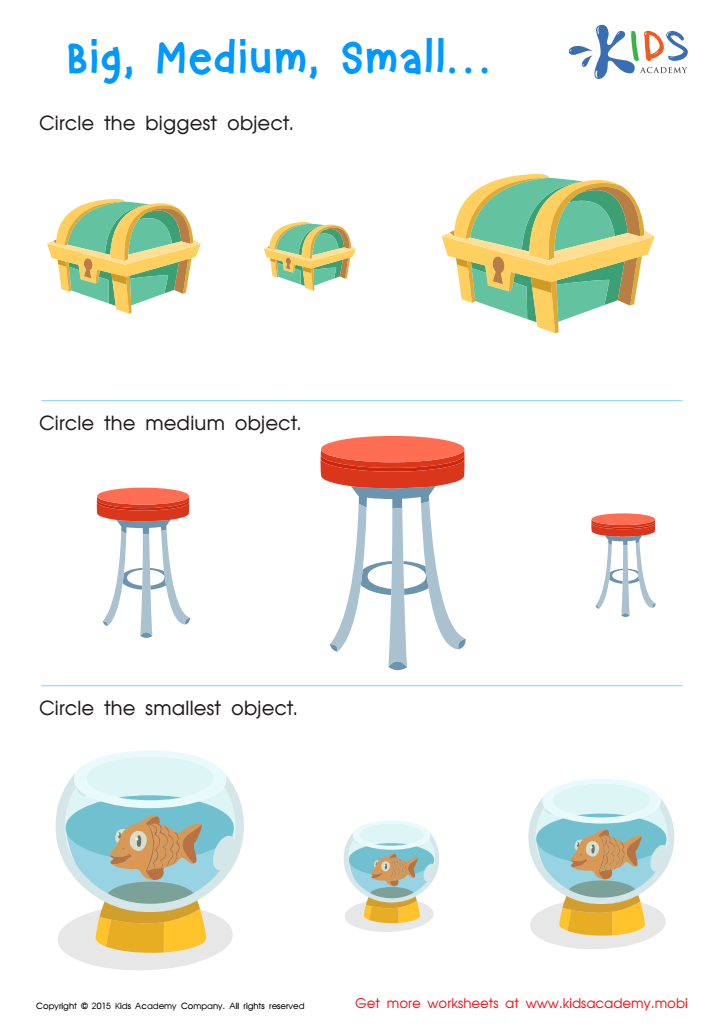
Big Medium Small Worksheet
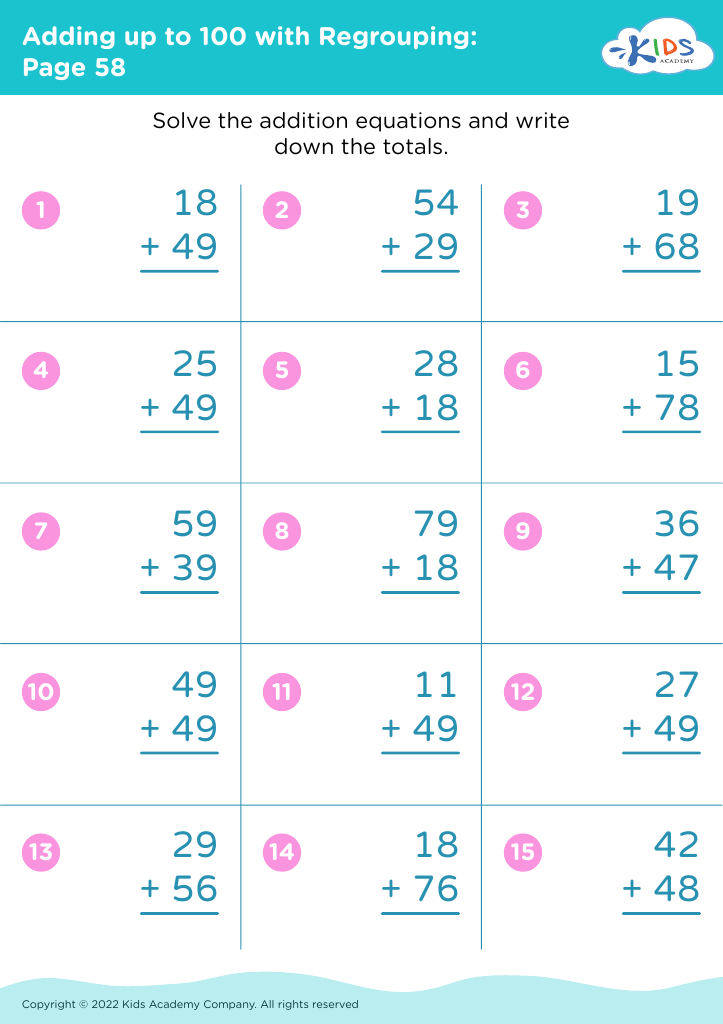
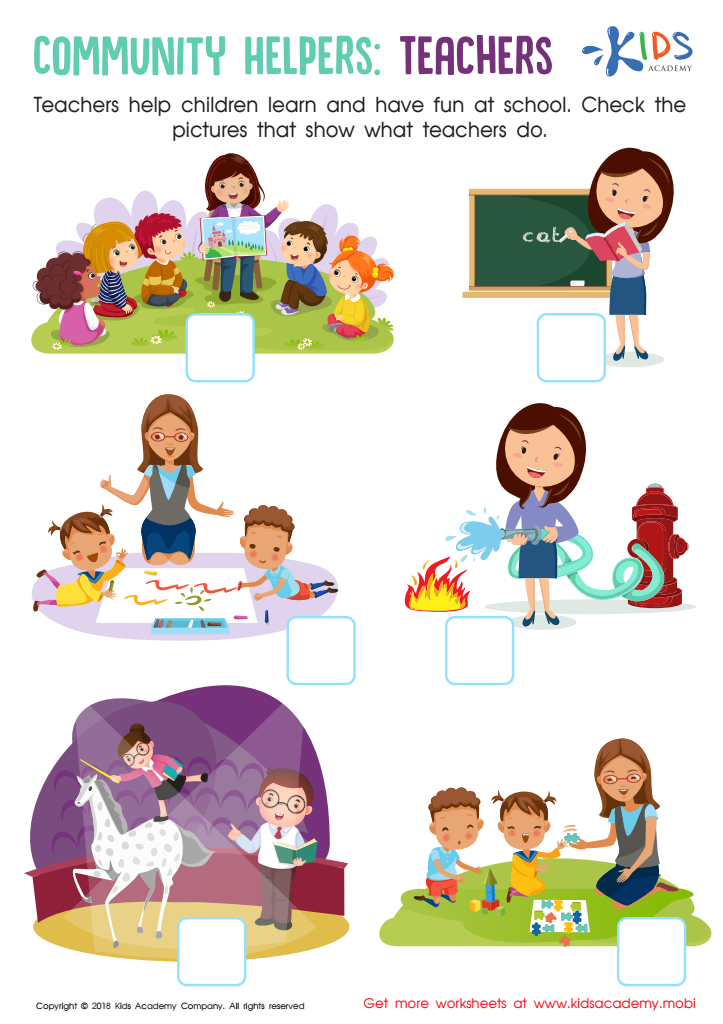
Teachers Community Helpers Worksheet
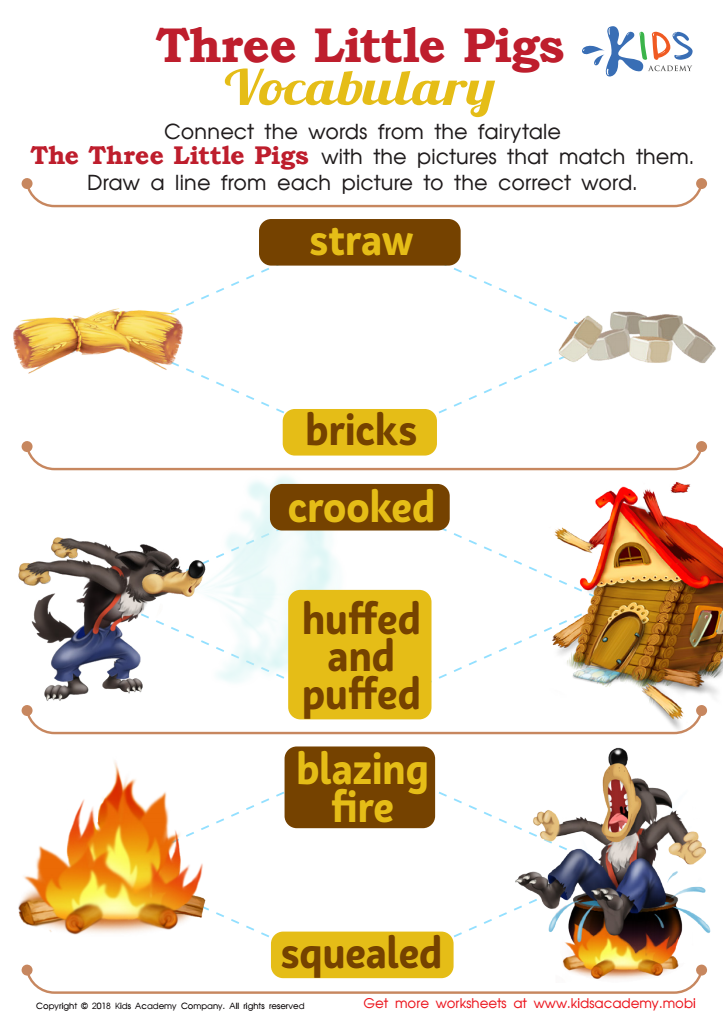
Three Little Pigs Vocabulary Worksheet
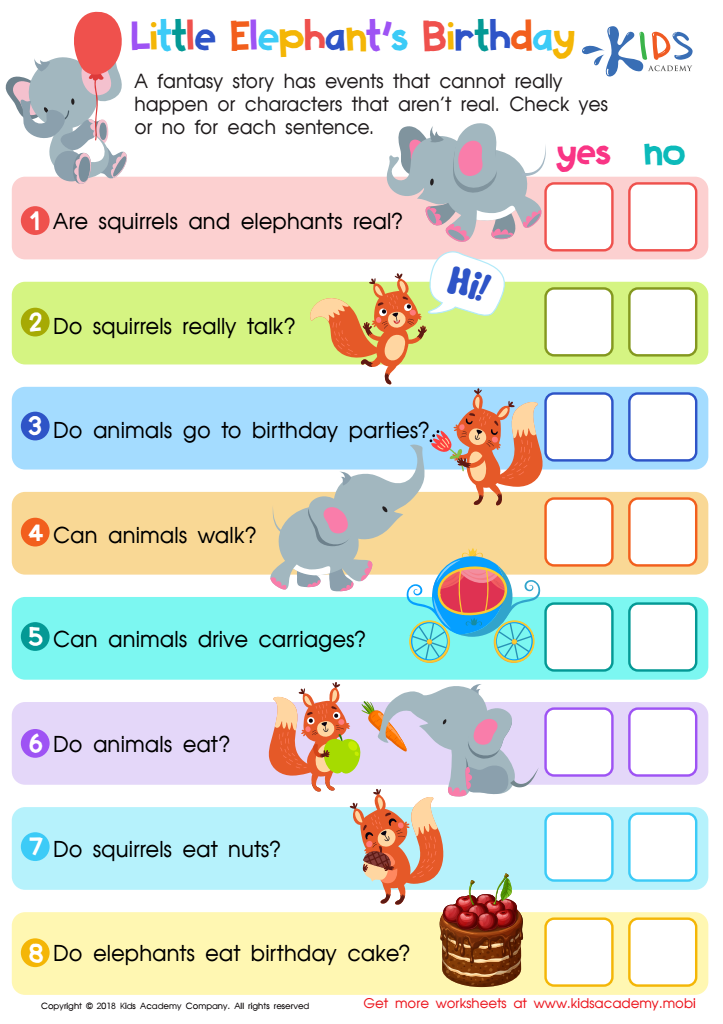
Little Elephant's Birthday Worksheet
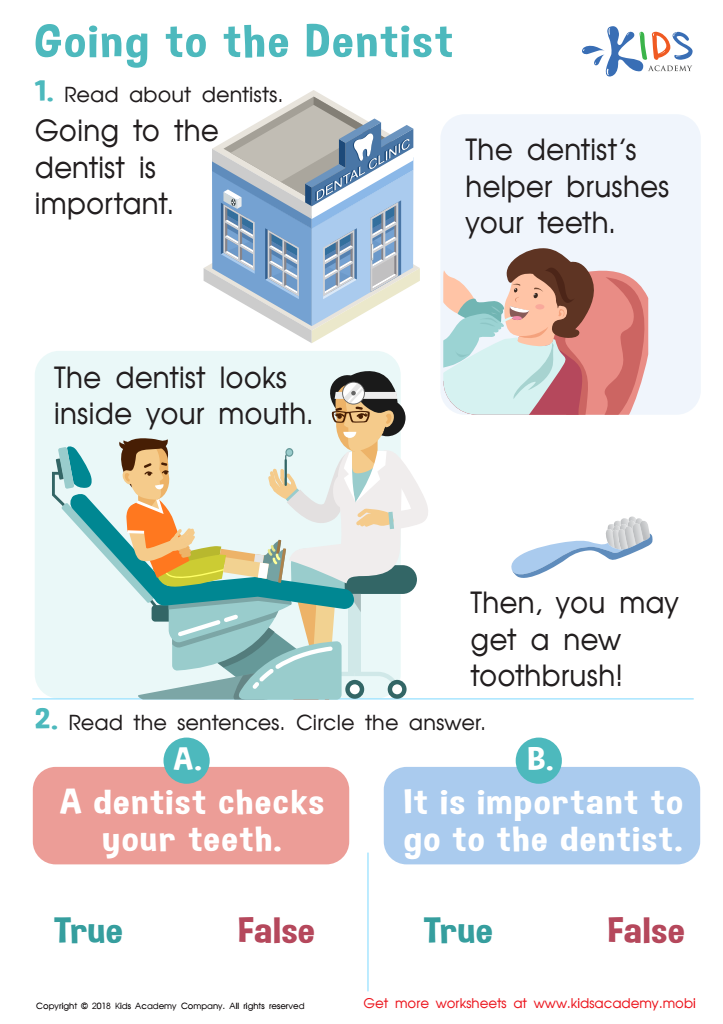
Going to the Dentist Part 2 Worksheet
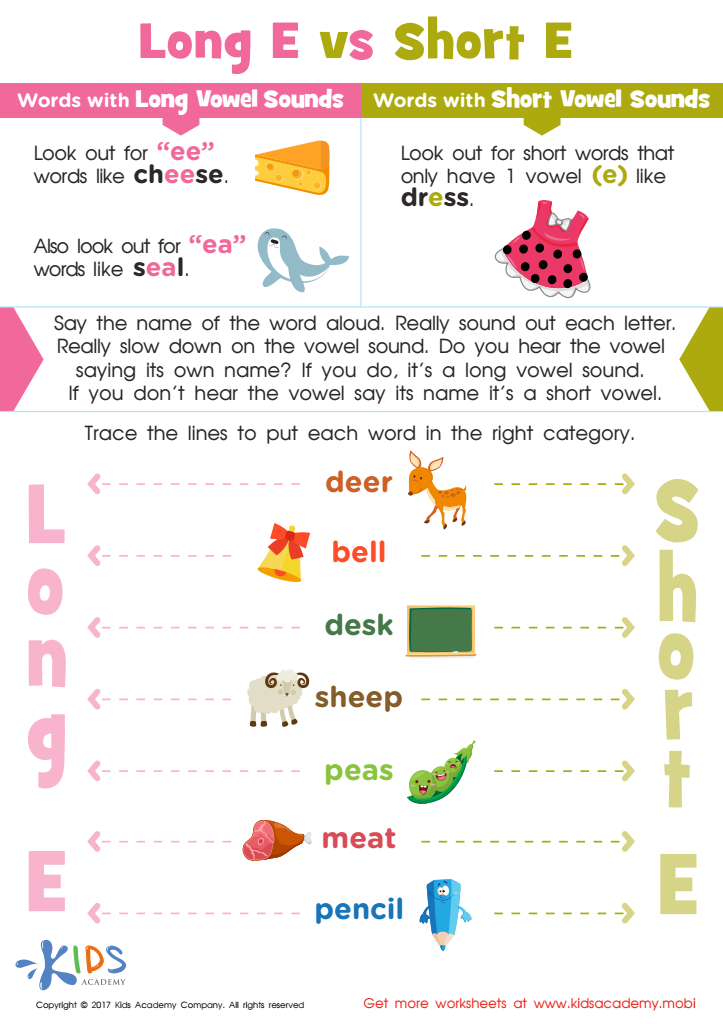
Long and Short Vowel E Spelling Worksheet
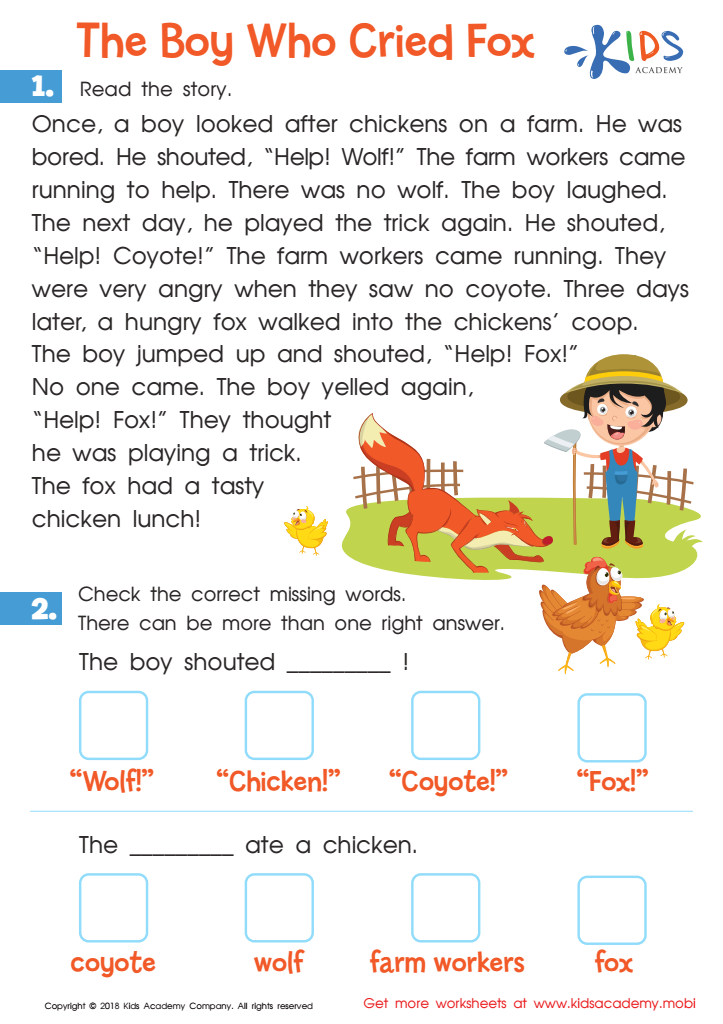
The Boy Who Cried Fox Worksheet
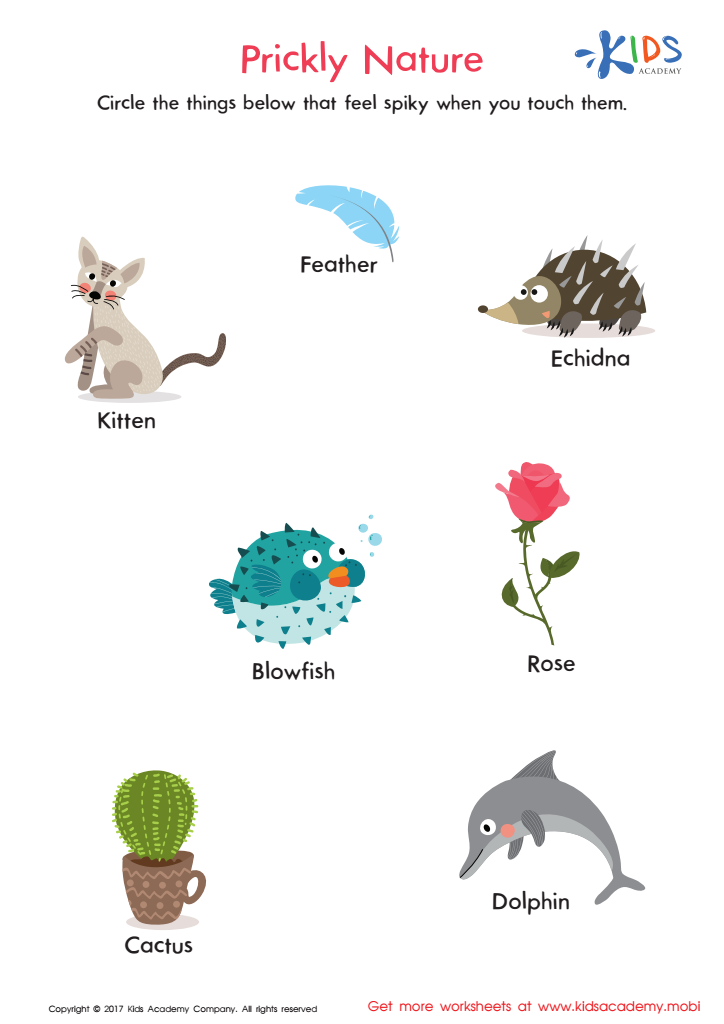
Prickly Nature Worksheet
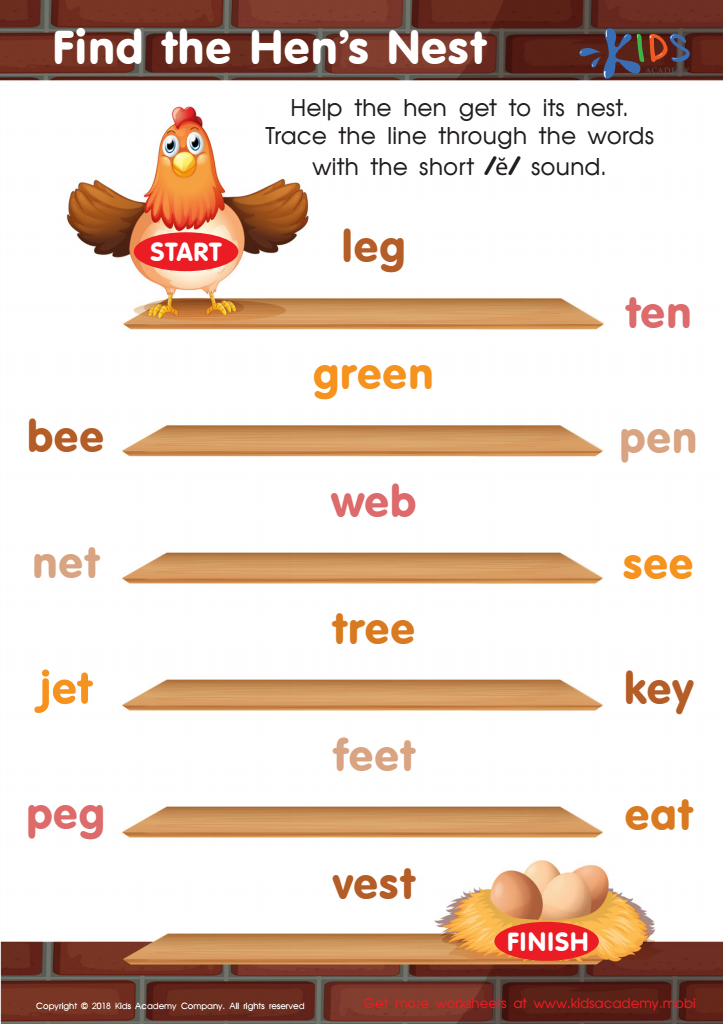
Find Hens Nest Reading Worksheet
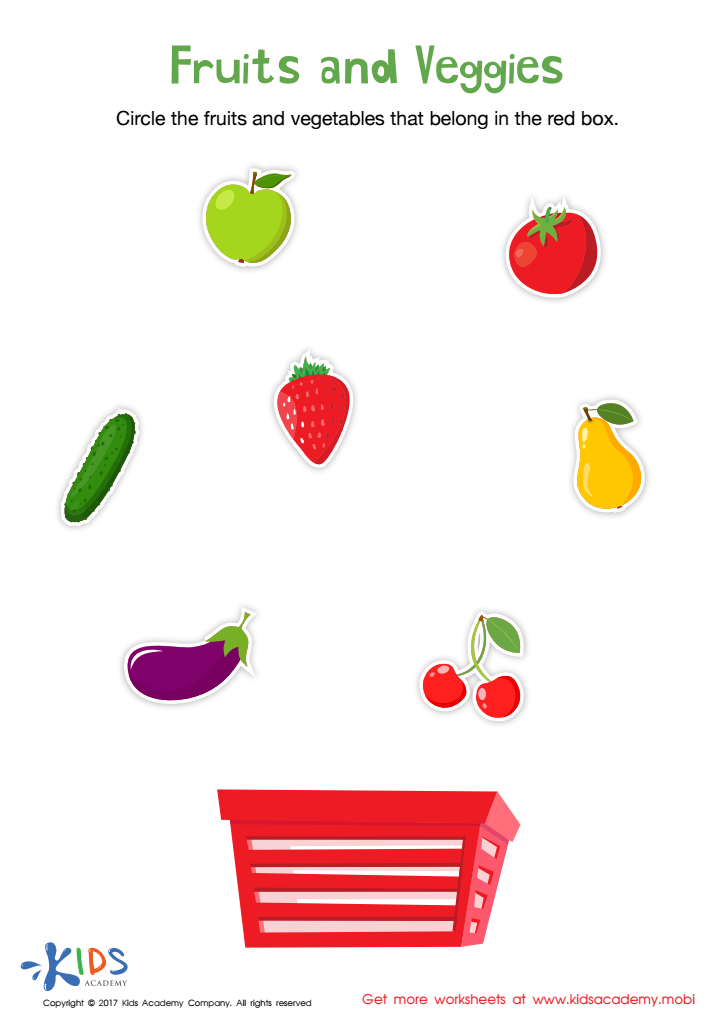
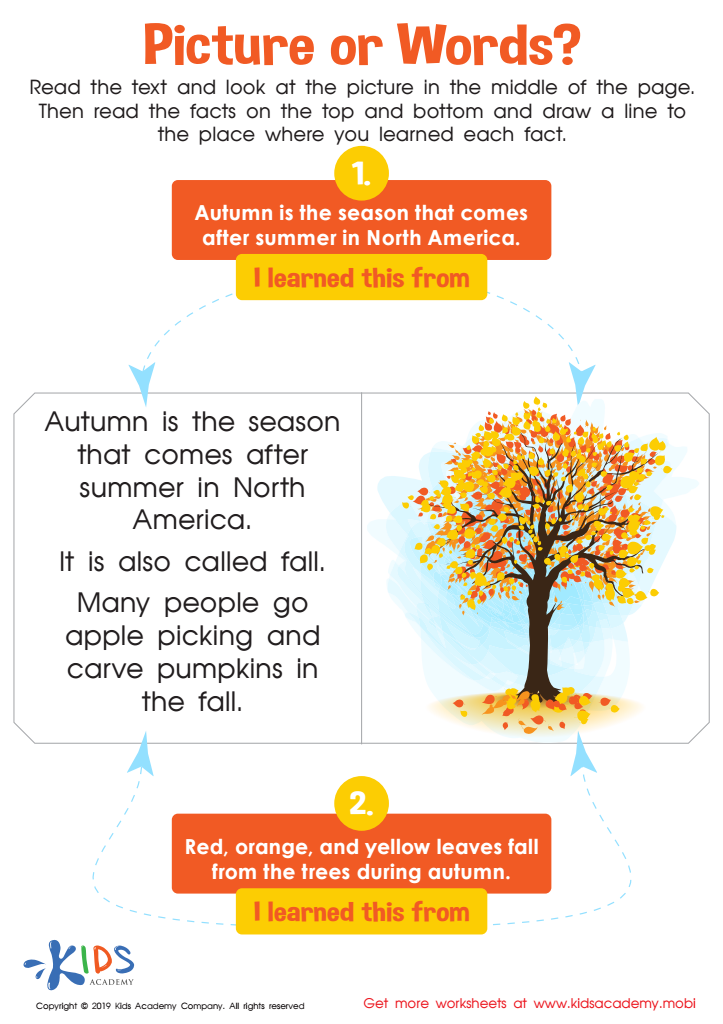
Picture Words Worksheet
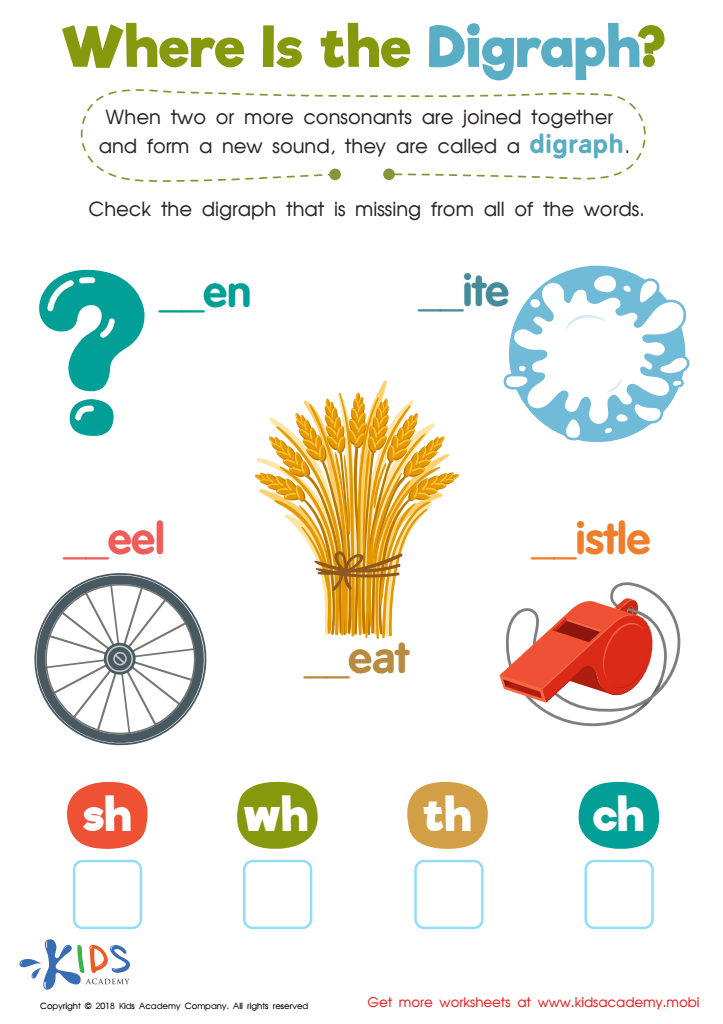
Where Is the Digraph? Worksheet
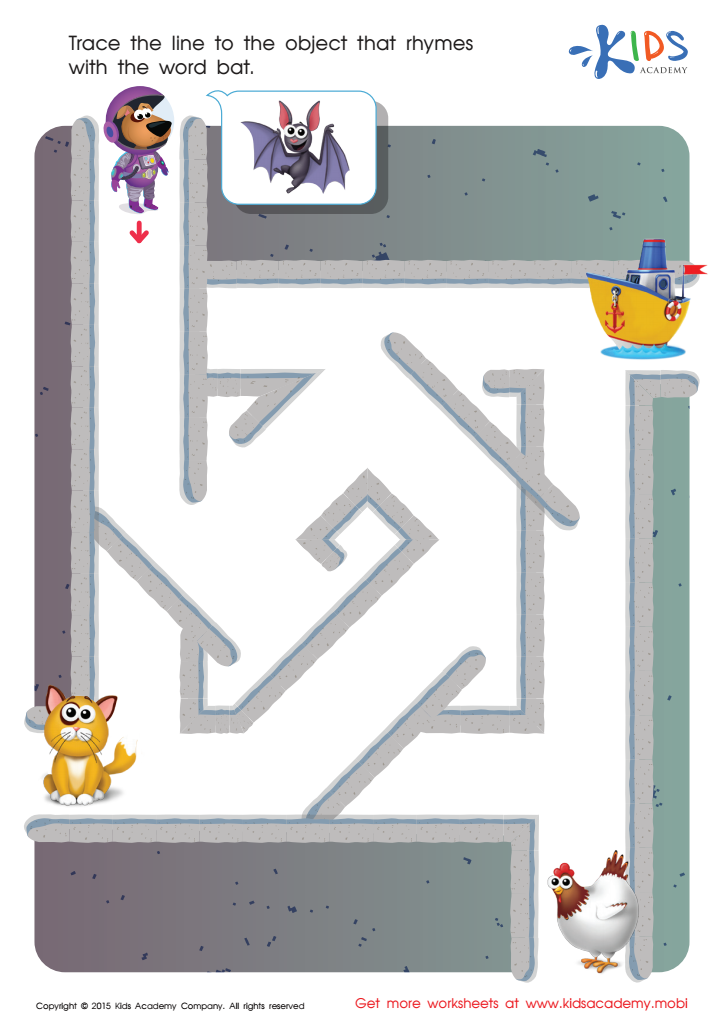
Bat Rhyming Words Worksheet








Vocabulary building is crucial for children ages 6-9, as it lays the foundation for successful communication, reading comprehension, and academic achievement. At this age, children are developing their language skills rapidly, making it an ideal time for parents and teachers to prioritize vocabulary expansion.
Firstly, a rich vocabulary enhances literacy skills, enabling children to understand texts at a deeper level. When children are exposed to diverse words, they can derive meaning from context, increasing their ability to engage with various subjects. This is particularly important as they transition from learning to read to reading to learn.
Moreover, a strong vocabulary boosts confidence in both speaking and writing. Children who express themselves clearly and effectively are more likely to participate in classroom discussions and social interactions, fostering their social and emotional development.
In addition, vocabulary building supports cognitive growth. As children learn new words, they also develop critical thinking and comprehension skills necessary for problem-solving and creativity.
Finally, parents and teachers serve as role models in this endeavor. By engaging children in conversations, reading together, and introducing new vocabulary in playful ways, they can inspire a love for language that will last a lifetime. Educators and caregivers should recognize the impact of vocabulary on all aspects of a child’s learning journey.








