Word Formation Worksheets for Ages 6-9
6 filtered results
-
From - To
Unlock your child's language potential with our Word Formation Worksheets for Ages 6-9! Designed to promote literacy and vocabulary growth, these engaging activities help young learners understand prefixes, suffixes, and root words. Through fun and interactive exercises, children will build essential word-formation skills, empowering them to read, spell, and write with confidence. Perfect for home and classroom use, these worksheets offer a variety of formats and difficulty levels. Watch your child’s linguistic abilities flourish while they enjoy learning! Start their journey to mastering word formation today with Kids Academy’s expertly created resources.
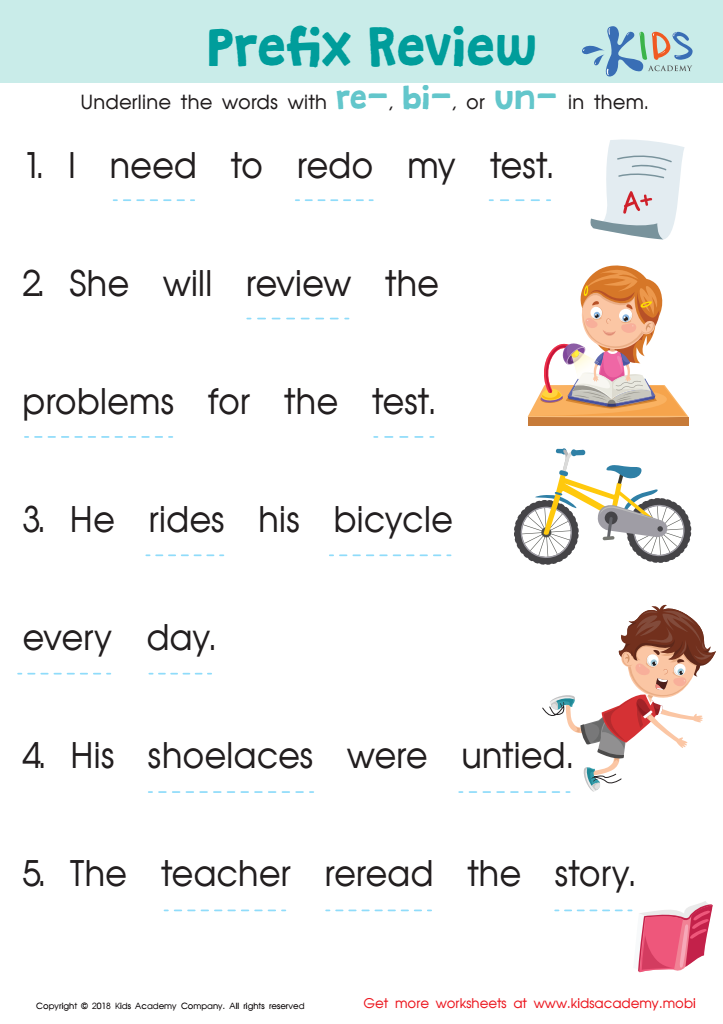
Prefix Review Worksheet
 Assign to My Students
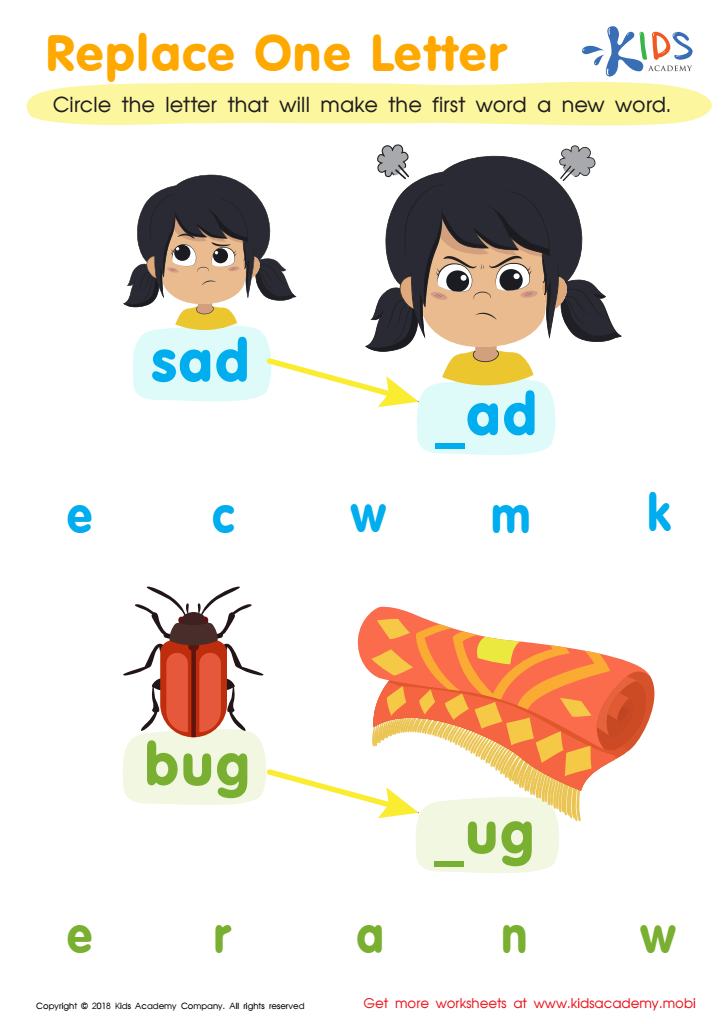
Replace One Letter Worksheet
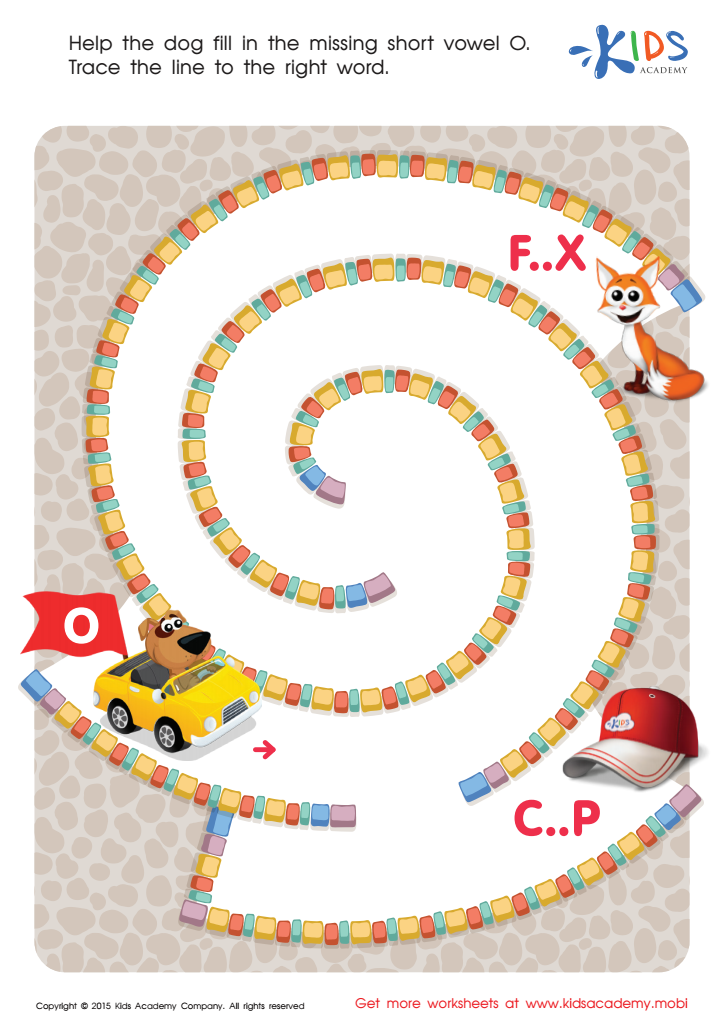
Short Vowel Sound O Worksheet
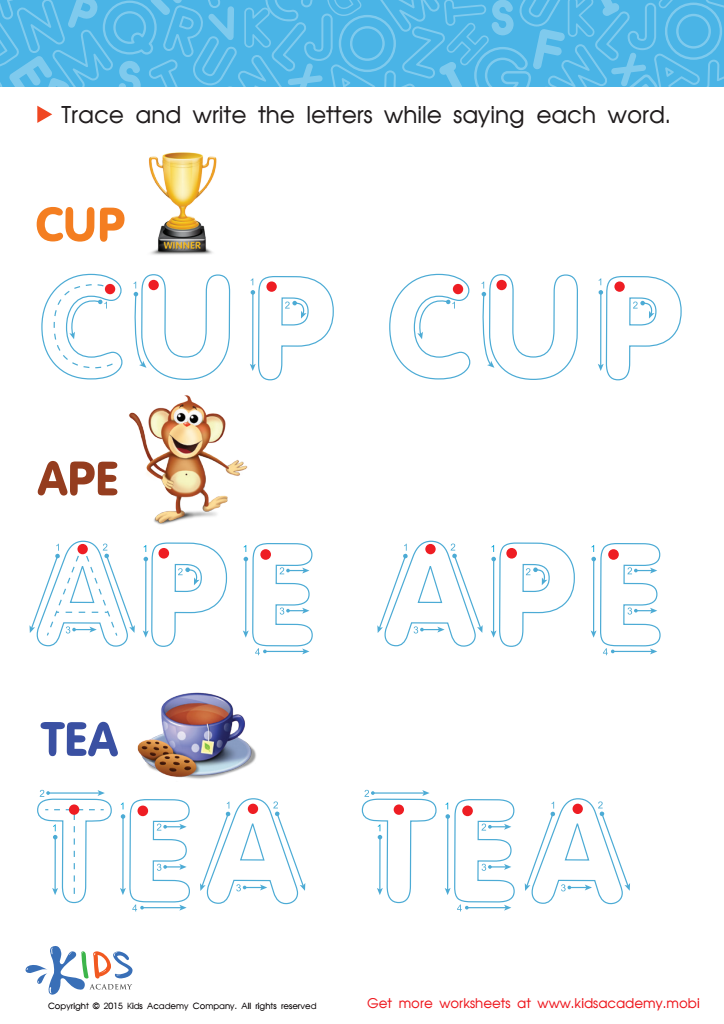
A Cup, an Ape and Tea Spelling Worksheet
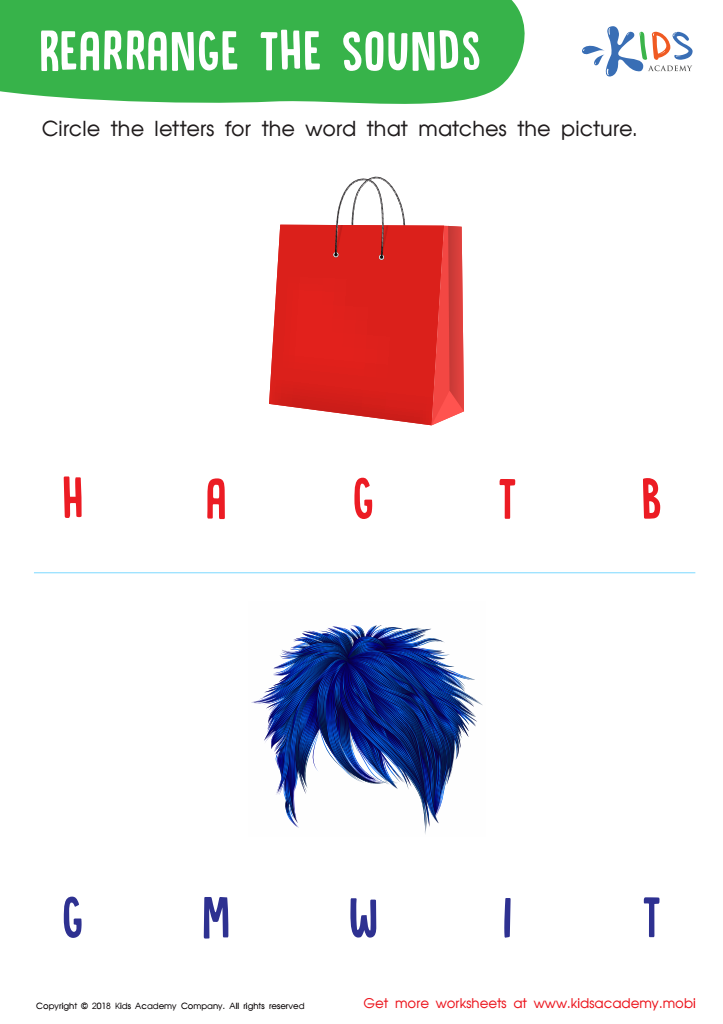
Rearrange the Sounds Worksheet








Word formation is a crucial aspect of language development for children ages 6-9 and deserves considerable attention from both parents and teachers. At this formative stage, children are rapidly expanding their vocabulary and understanding of language structures. Engaging in word formation activities — such as combining root words with prefixes and suffixes, or creating compound words — lays a foundation for reading comprehension, spelling, and writing skills.
Firstly, understanding word formation helps children decode unfamiliar words, which is fundamental to effective reading. If a child recognizes that adding the suffix "-ed" to a verb indicates past tense, they can understand narratives more fluidly. Secondly, word formation enriches vocabulary because children learn the meanings of prefixes, suffixes, and root words. This makes it easier for them to infer the meanings of new words.
Moreover, knowledge of how words are formed aids in spelling. Recognizing common patterns such as "un-" for negativity or "-ing" for continuous action helps children spell more accurately. Lastly, these skills encourage greater writing proficiency, as children become more confident in experimenting with new words and phrases to express their thoughts.
Thus, investing time in teaching word formation supports a child's overall literacy development, setting the stage for academic success and effective communication.








