Enhance comprehension Addition & Subtraction Worksheets for Ages 6-9
17 filtered results
-
From - To
"Enhance comprehension Addition & Subtraction Worksheets for Ages 6-9"
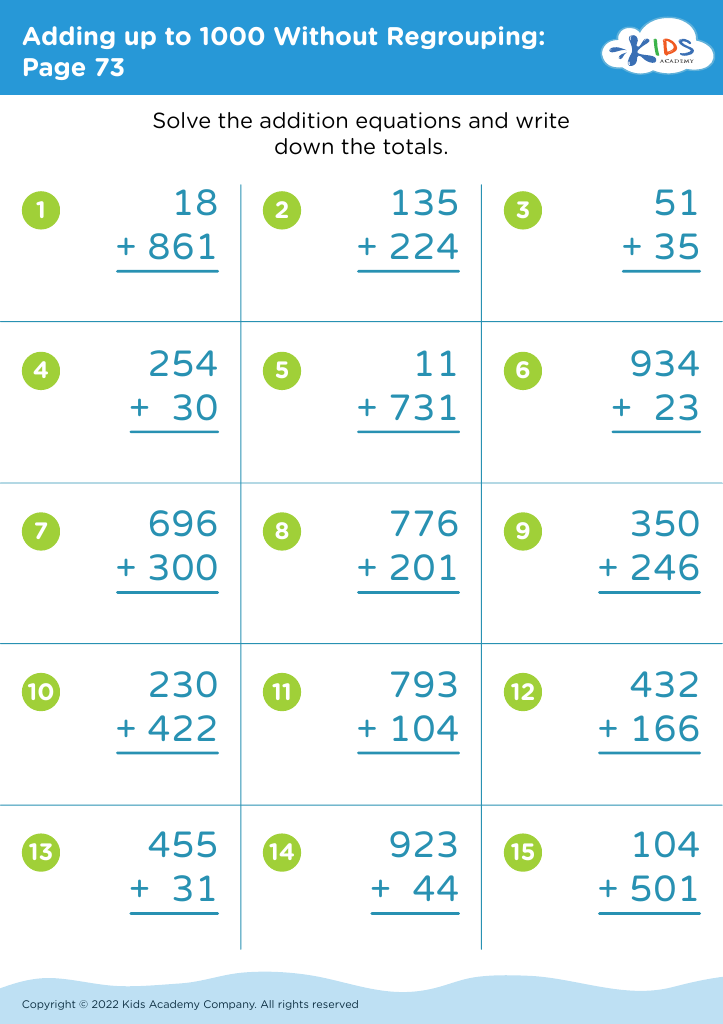
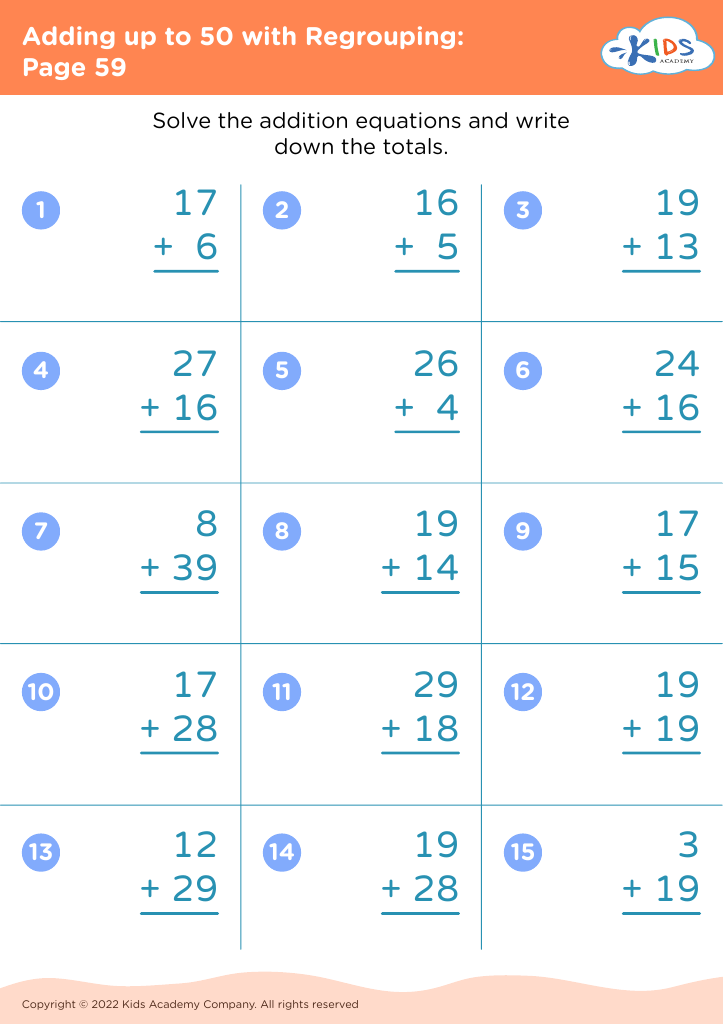
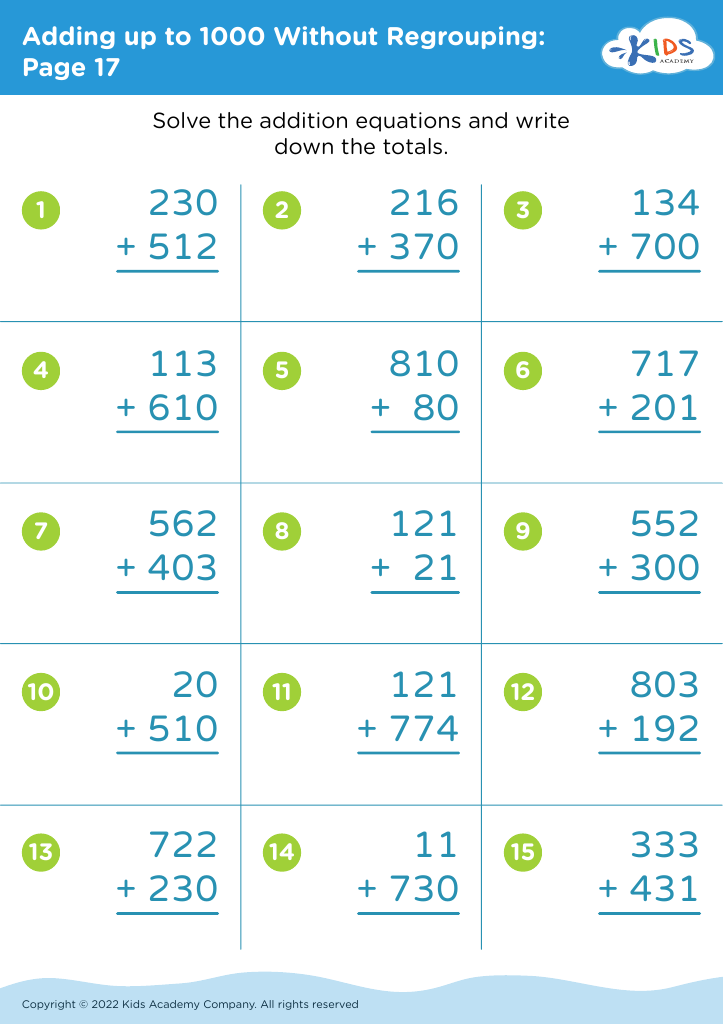
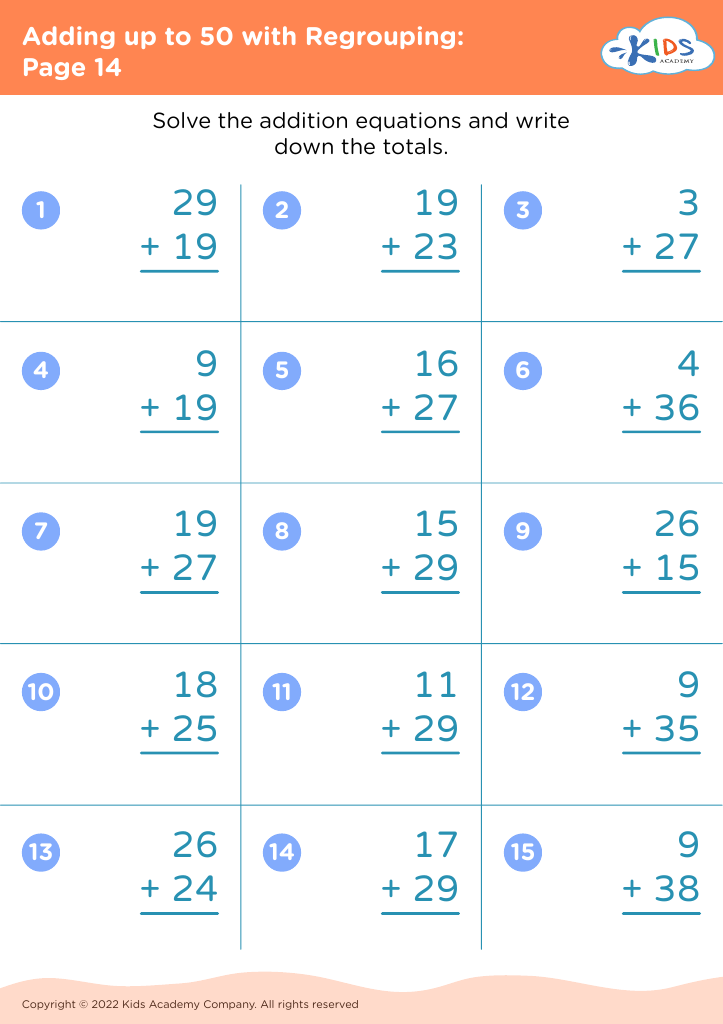
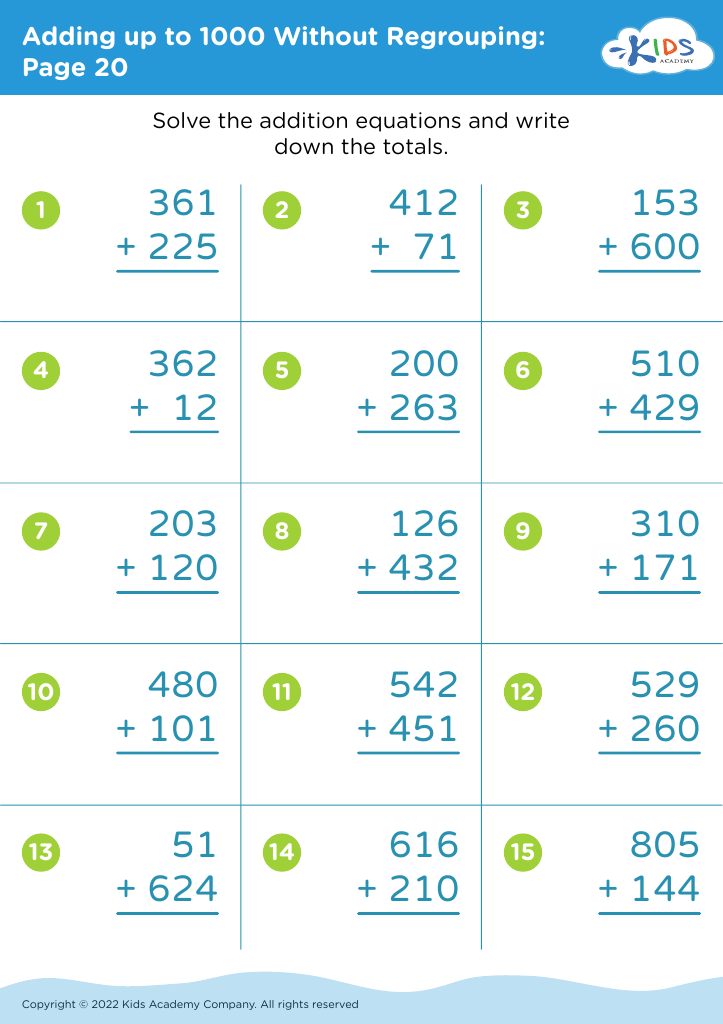
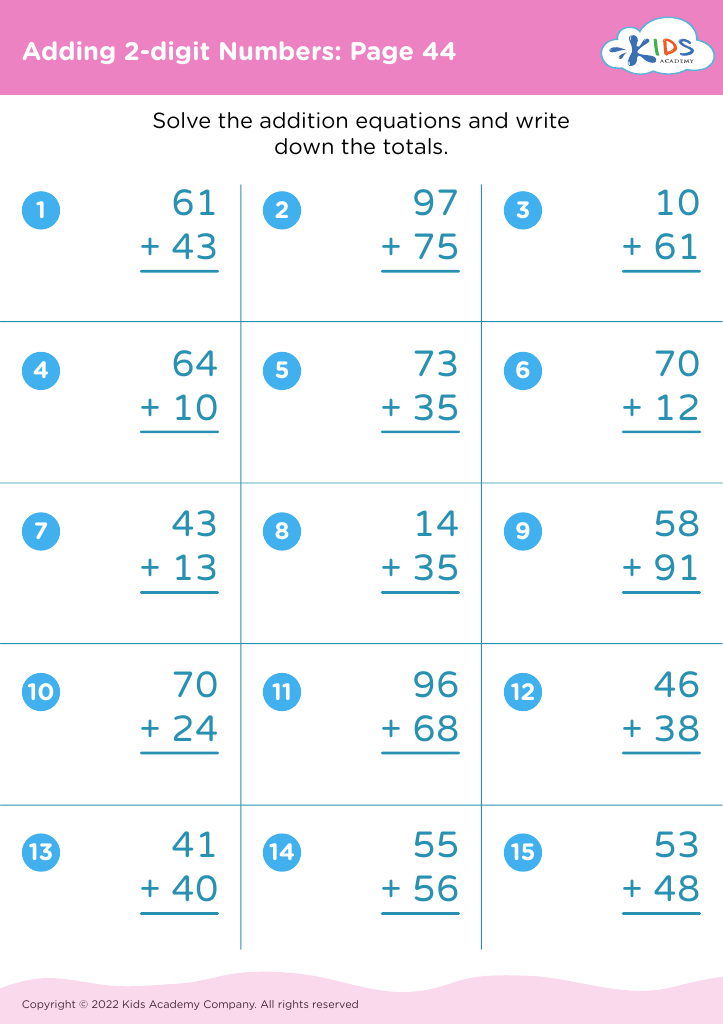
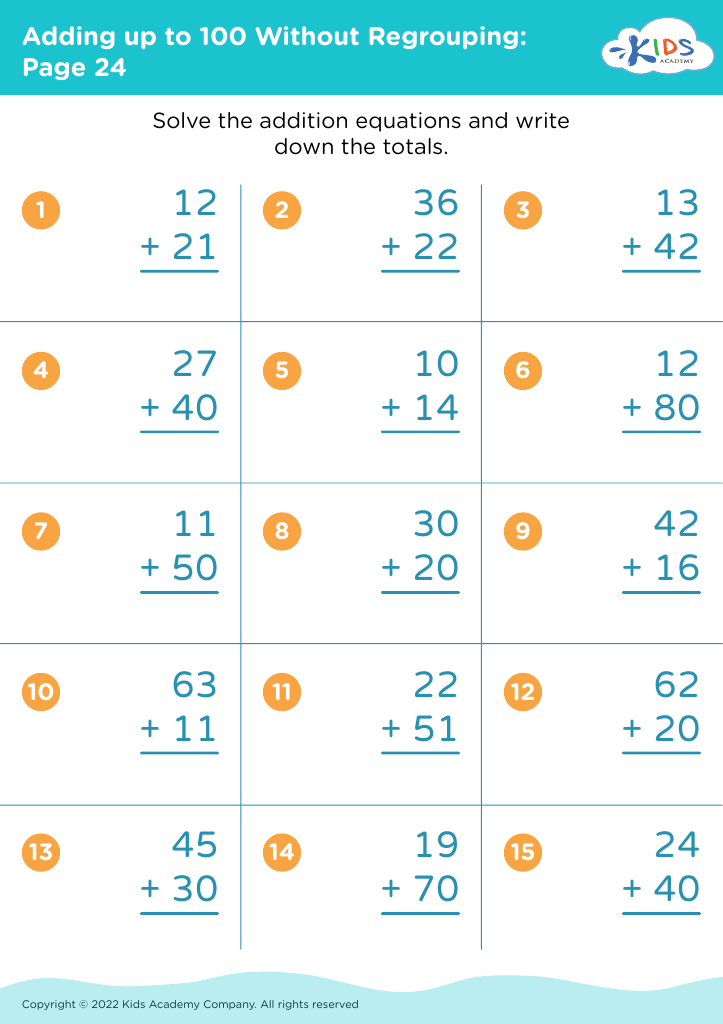
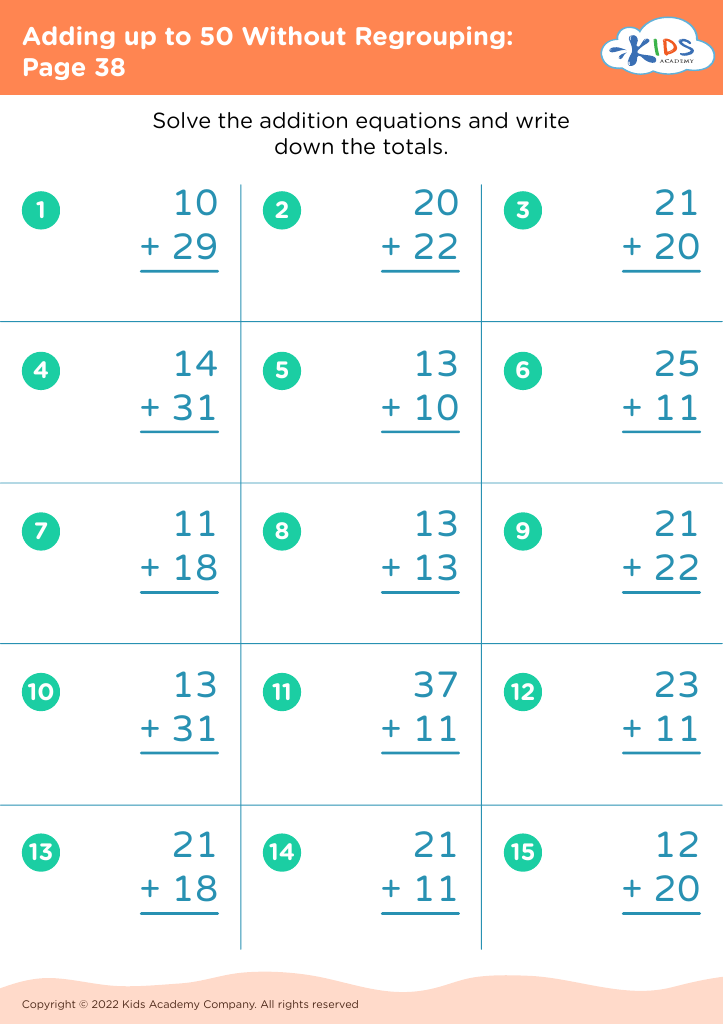
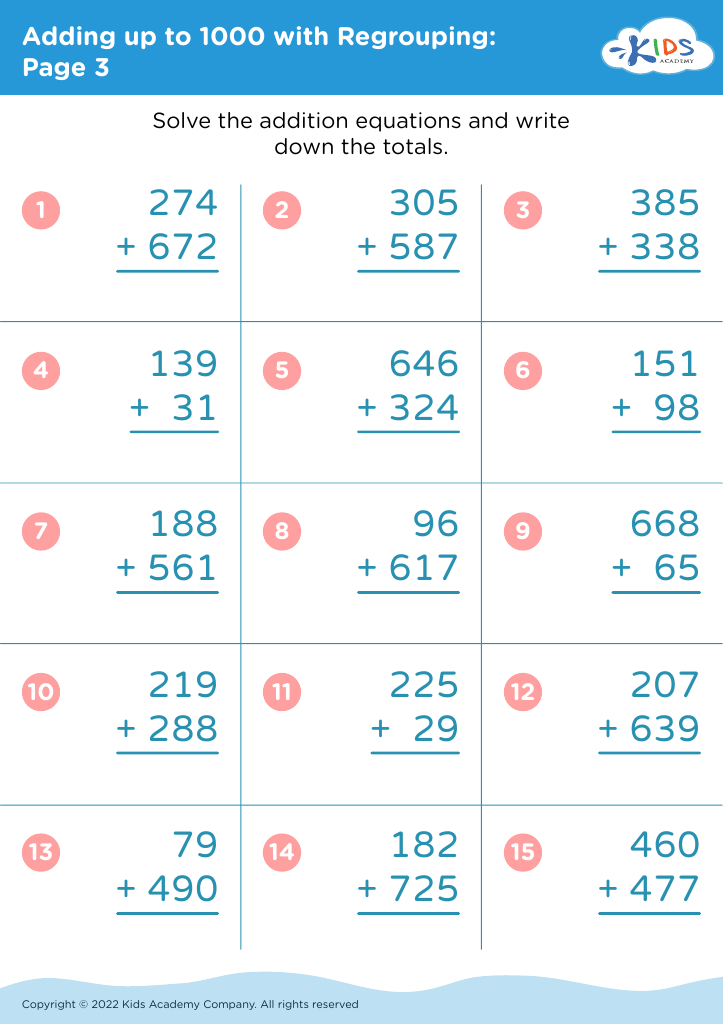
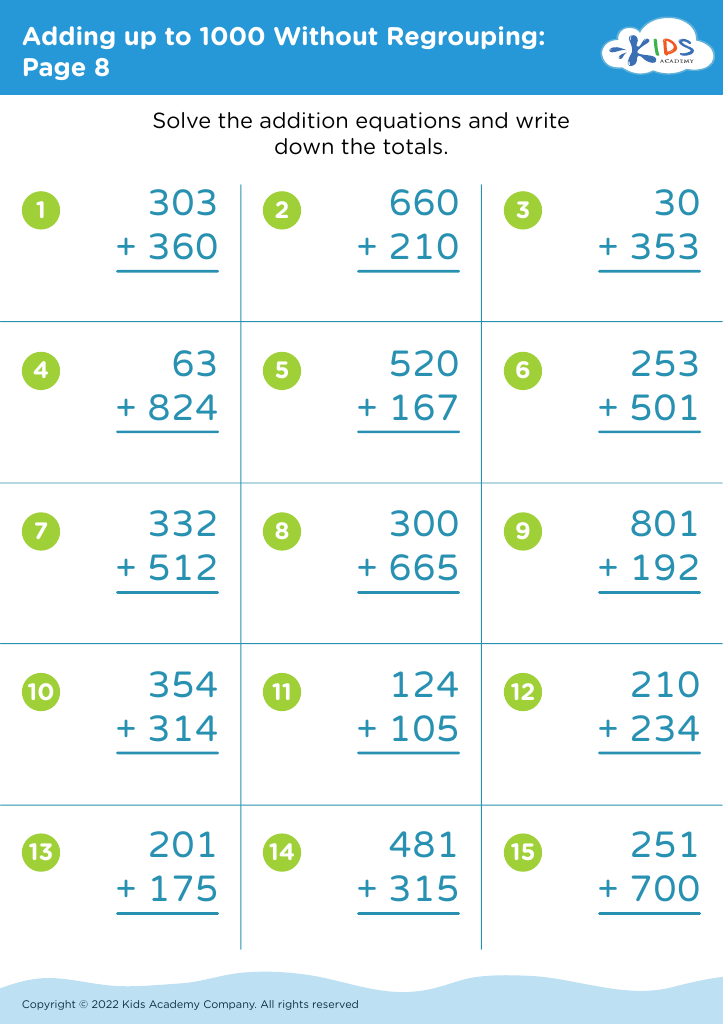
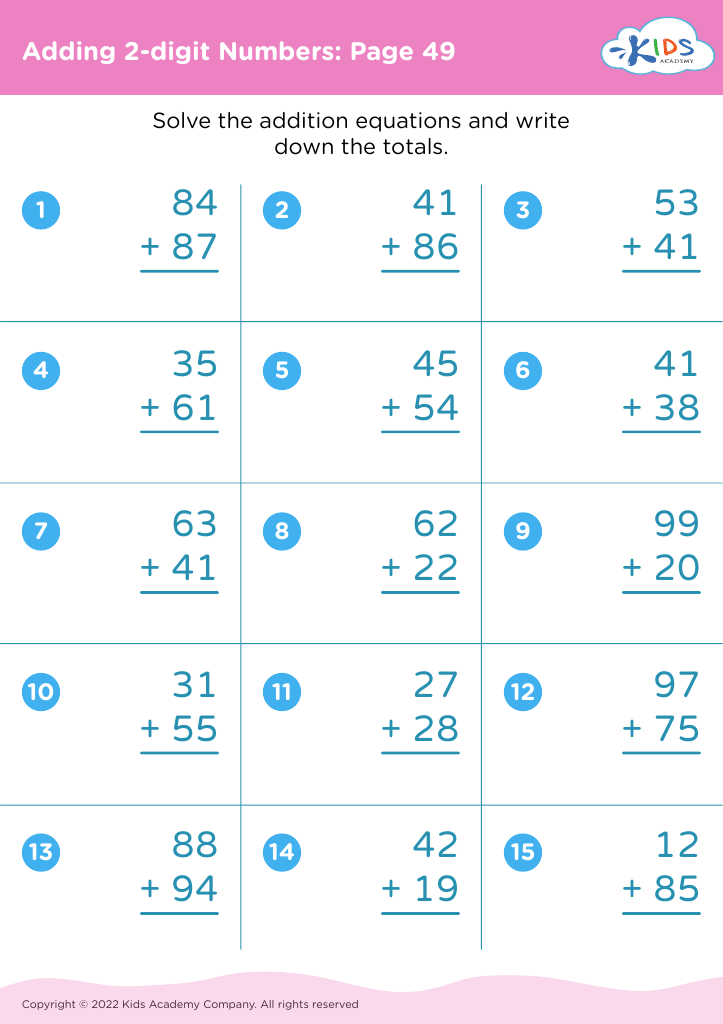
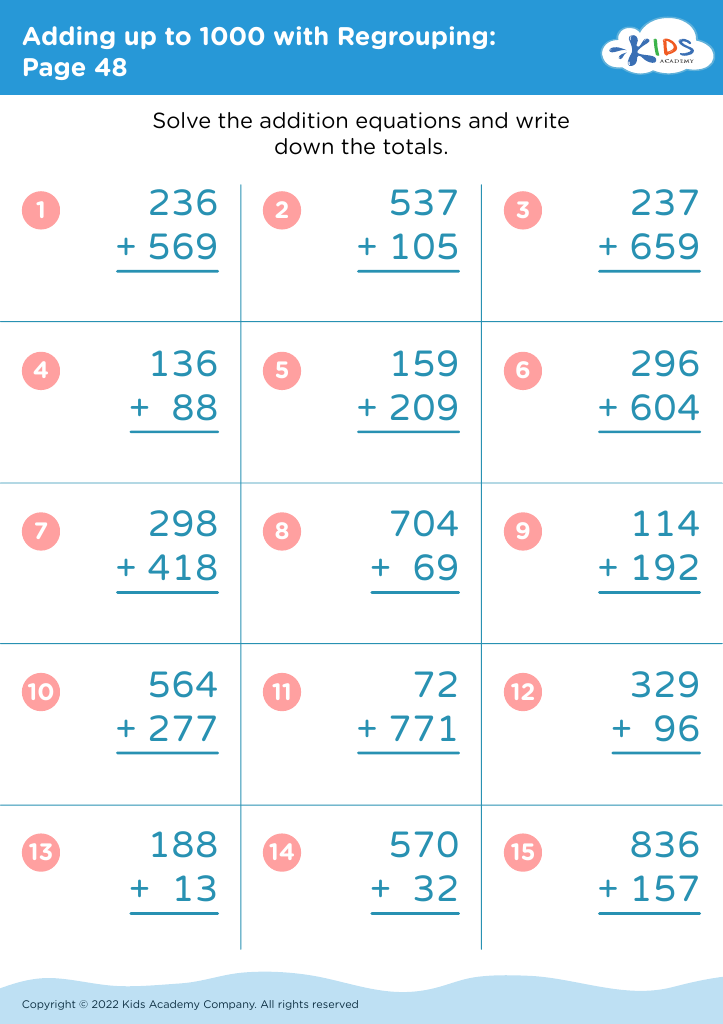
Boost your child's math skills with our specialized Addition & Subtraction Worksheets designed for ages 6-9. These expertly crafted resources focus on enhancing comprehension and building a strong foundation in basic math. Each worksheet is filled with engaging problems that ensure learning is both effective and fun. By integrating various techniques, such as visual aids and real-world scenarios, these worksheets help young learners grasp complex concepts easily. Perfect for both classroom and home use, our worksheets offer an enriching experience that nurtures mathematical confidence and proficiency. Visit Kids Academy to make math practice enjoyable and impactful!
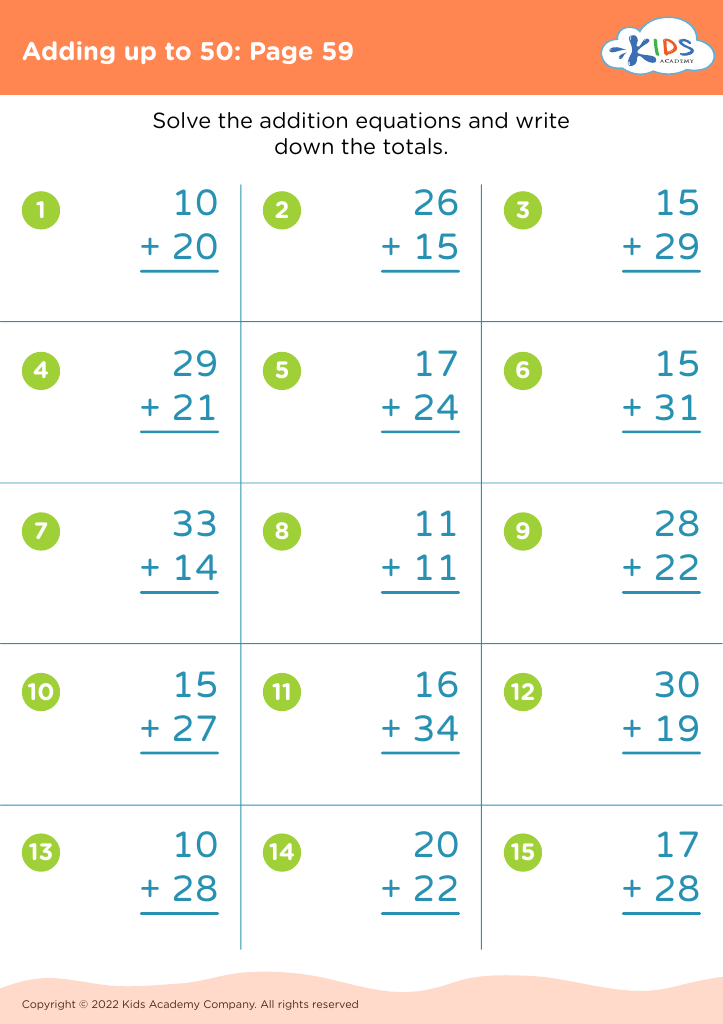
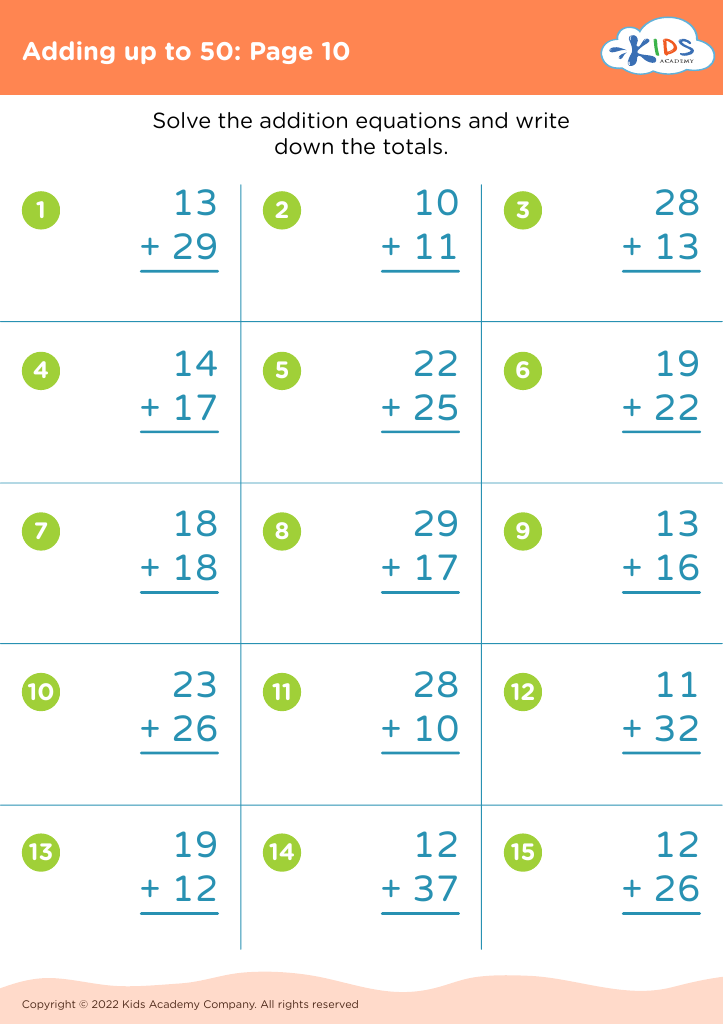
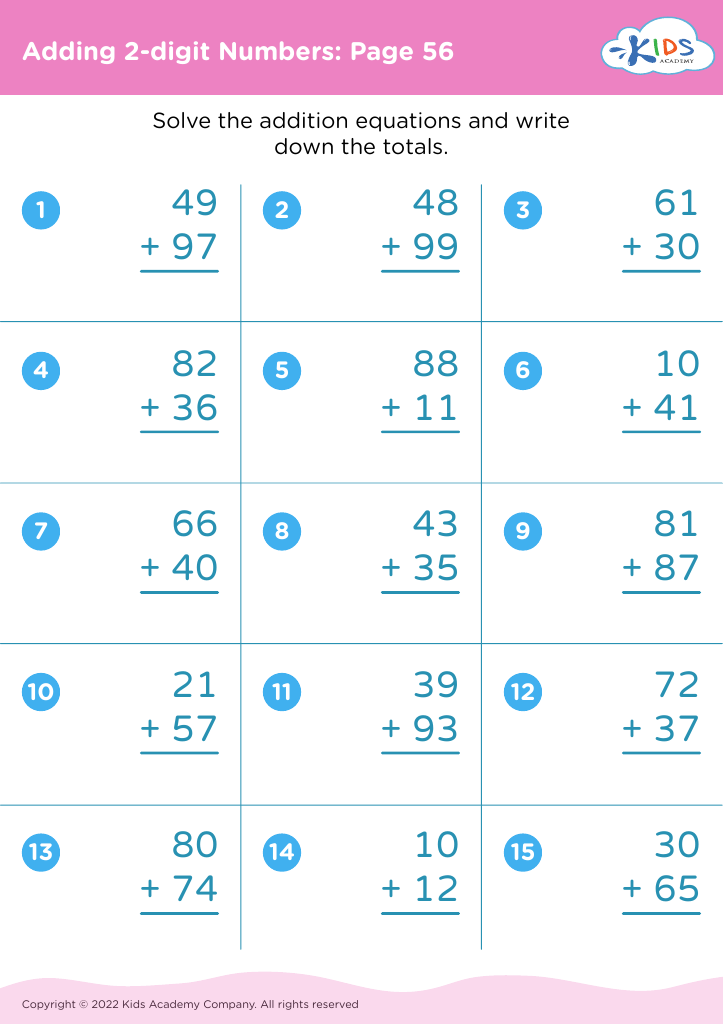
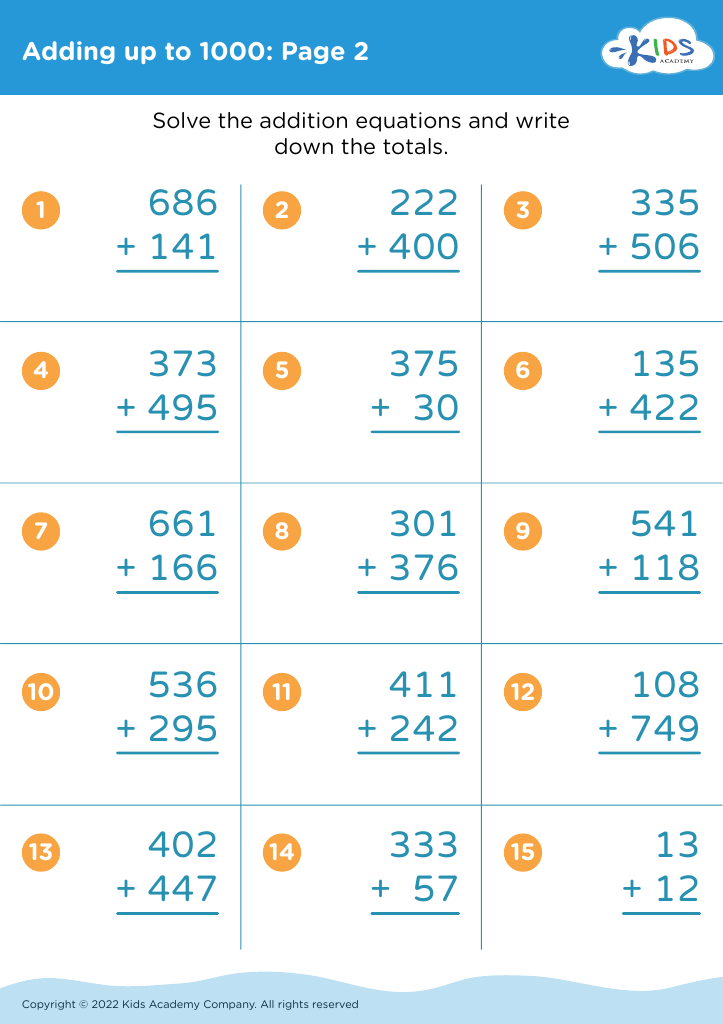
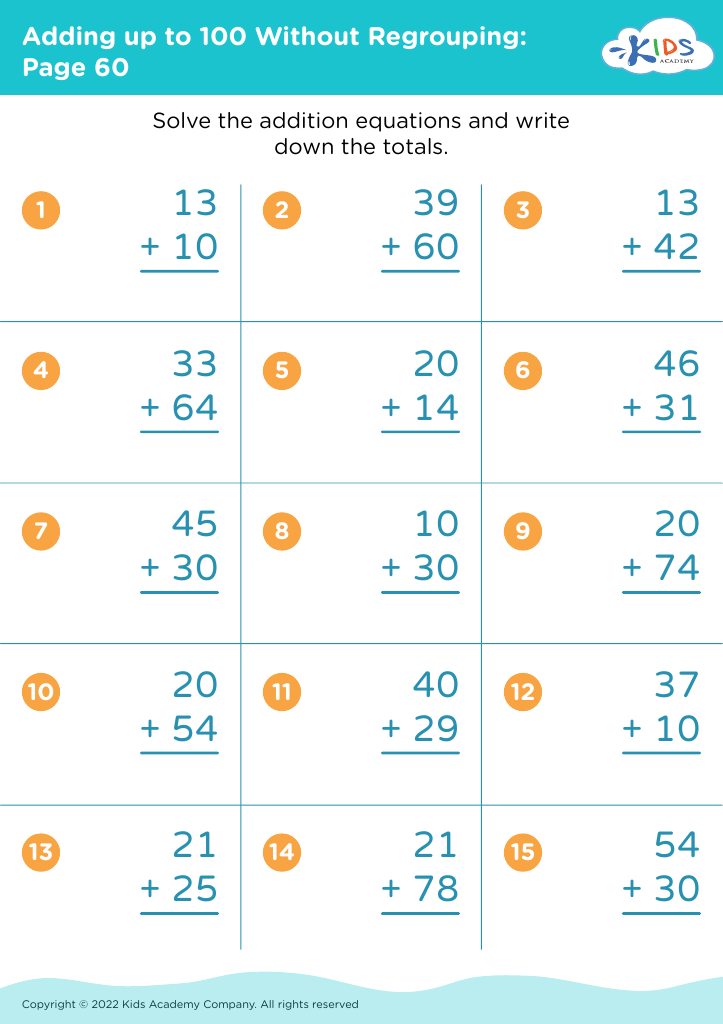








Enhancing comprehension in addition and subtraction for children aged 6-9 is crucial for multiple reasons. This foundational mathematical understanding underpins future academic achievement in various subjects, fostering critical thinking and problem-solving skills that are essential throughout life.
Firstly, addition and subtraction are fundamental operations that children use daily, both in academic settings and in real life. If children grasp these concepts early, they build confidence in their mathematical abilities, which encourages a positive attitude toward the subject. This confidence becomes particularly vital as they encounter more complex mathematical concepts later on.
Secondly, early mastery of addition and subtraction enhances cognitive development. These operations teach children how to analyze problems, recognize patterns, and apply logical reasoning. Such skills are transferrable to other areas of learning and decision-making, both academic and personal.
Moreover, a strong grasp of these basic arithmetic skills aids in developing financial literacy from a young age, fostering good money management habits. Through practical exercises, such as counting change or budgeting a small allowance, children see the value of mathematical understanding in everyday scenarios.
Lastly, early struggles with math can lead to anxiety and a long-term aversion to the subject. By prioritizing comprehension of addition and subtraction, educators and parents can build a solid, enjoyable, and stress-free foundation, setting children up for continued success.








