Identifying fractions Addition & Subtraction Worksheets for Ages 6-9
4 filtered results
-
From - To
Explore our engaging "Identifying Fractions Addition & Subtraction Worksheets" designed specifically for children aged 6-9. These worksheets simplify the concepts of identifying and working with fractions, making it easier for young learners to grasp essential math skills. With a variety of exercises, students will practice adding and subtracting fractions while enhancing their understanding of numerators and denominators. Our visually appealing resources make learning fraction concepts fun and accessible, fostering a positive attitude towards mathematics. Perfect for teachers and parents alike, these worksheets are an excellent tool for reinforcing classroom teachings or homeschooling adventures. Dive into the world of fractions today!
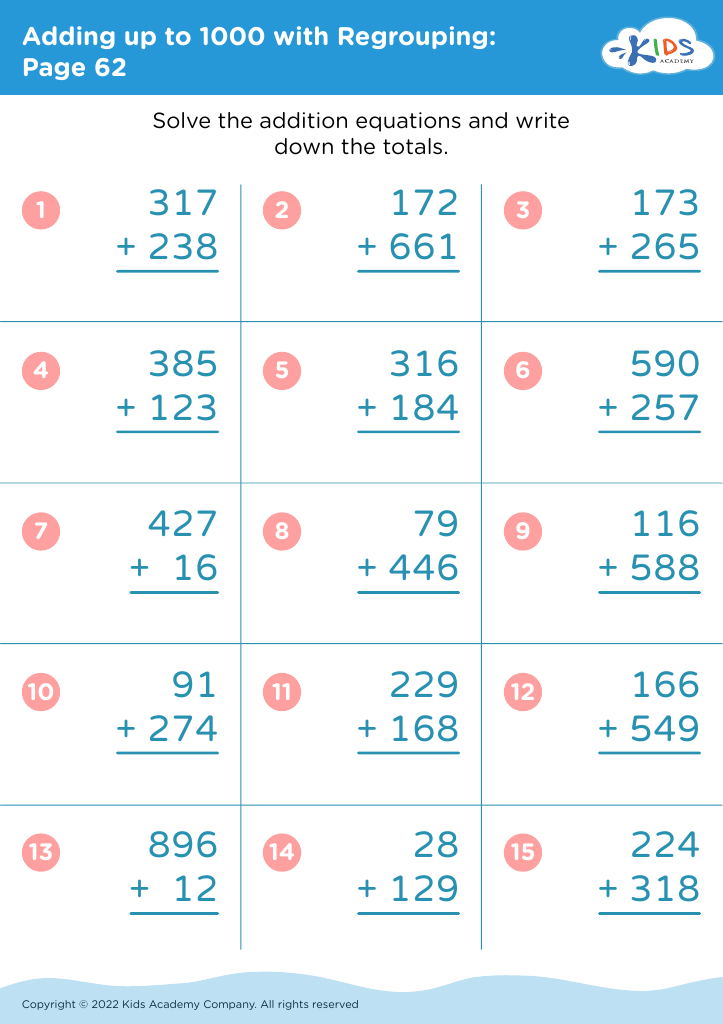
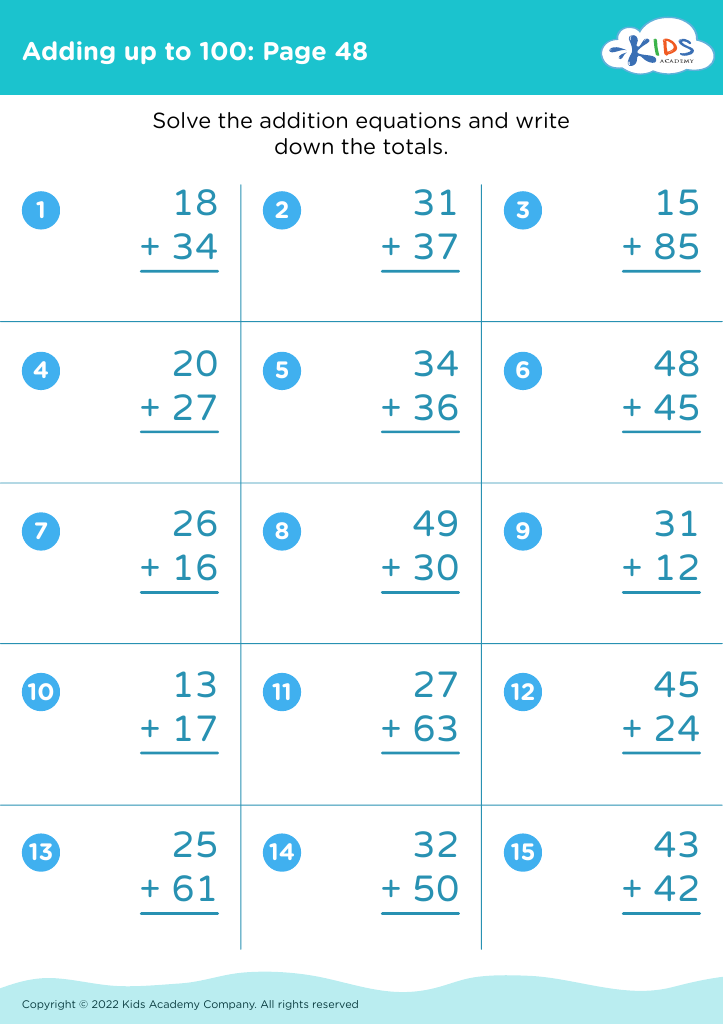
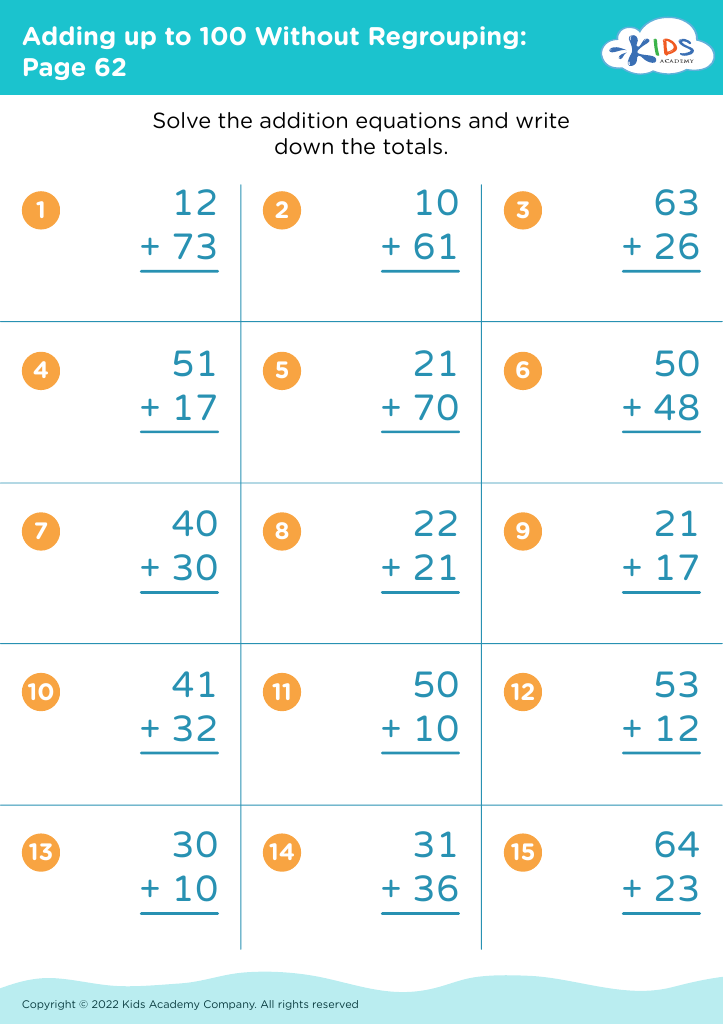
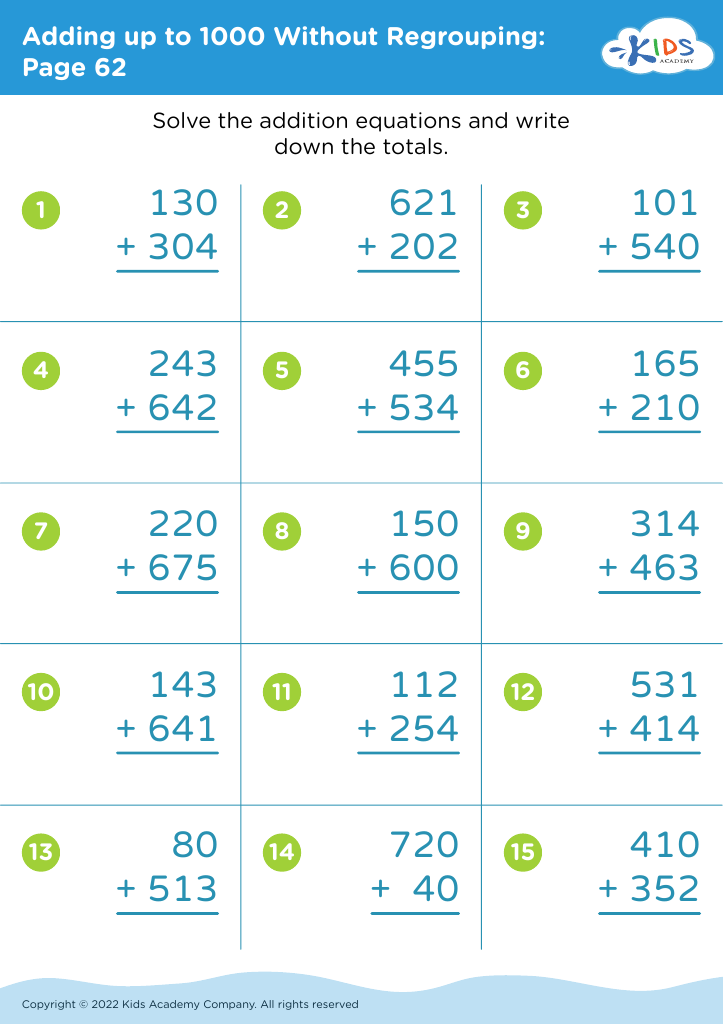








Identifying fractions and performing addition and subtraction with them is crucial for children aged 6-9, and both parents and teachers play a vital role in mastering these concepts. At this age, students are building foundational math skills that serve as stepping stones for future mathematical understanding. Understanding fractions enhances spatial awareness, critical thinking, and problem-solving abilities. Moreover, fractions are a fundamental part of daily life, from cooking to budgeting, making it essential for children to grasp their practical applications early on.
Parents and teachers should prioritize this topic, as mastering fractions at a young age fosters confidence in mathematical abilities and encourages a growth mindset. Engaging children in hands-on activities—like cutting pizzas or measuring ingredients—can turn abstract concepts into relatable experiences. This not only makes learning fun but also reinforces understanding through real-world applications.
Additionally, early identification of challenges with fractions enables timely intervention, ensuring that students build a solid foundation rather than struggle later as concepts get more complex. By working together, parents and teachers can support children’s learning, inspire curiosity, and nurture a positive attitude toward math that can last a lifetime.








