Boost your child’s math abilities with our "Improving Counting Skills: Addition & Subtraction Worksheets for Ages 6-9". Designed to make learning fun and engaging, these worksheets help children build strong counting foundations, master addition and subtraction, and develop critical thinking skills. Each worksheet offers a variety of exercises, from simple counting to more complex problem solving, tailored to your child's learning pace. Ideal for both classroom use and home practice, these worksheets are an excellent resource to ensure your child’s math confidence and success. Start your child on the path to math mastery today!
Check out this FREE Trial Lesson on Addition & Subtraction for age 6-9!

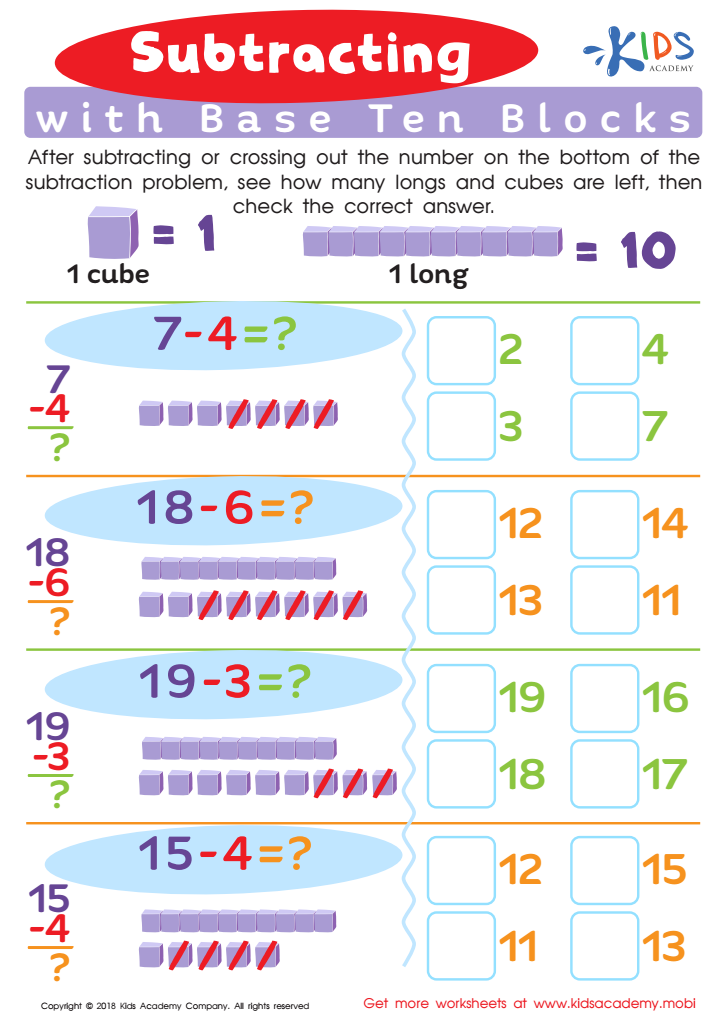
Base 10 and standard Subtraction (no regrouping)

Favorites
With answer key
Interactive
  • 6-9
  • Improving counting skills
  • Addition & Subtraction
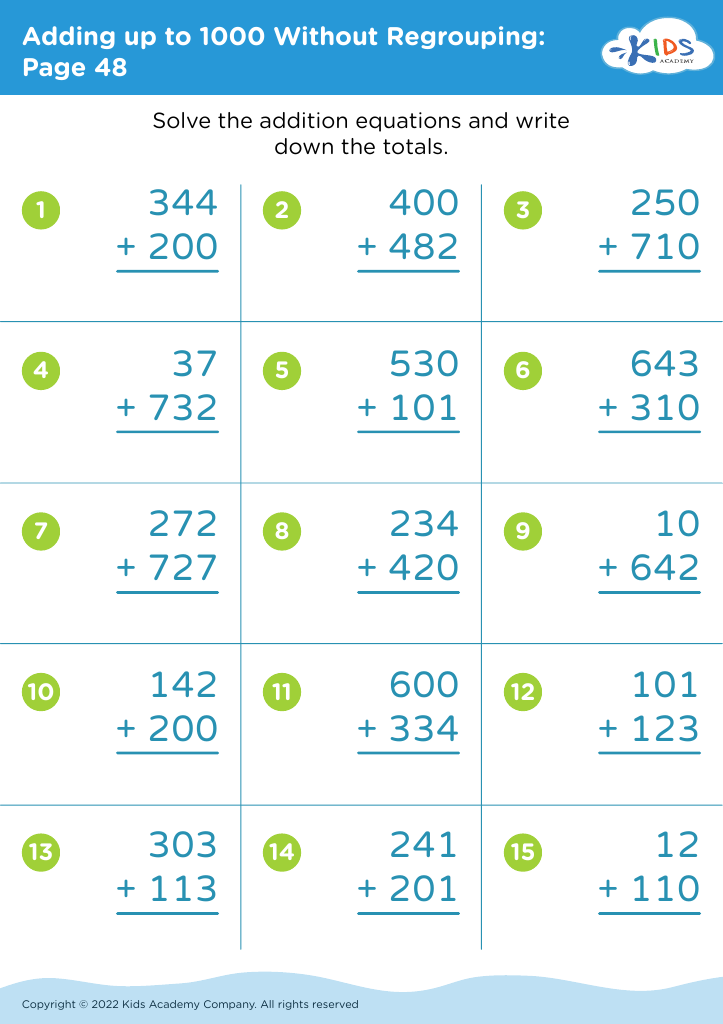
Adding up to 1000 Without Regrouping: Page 48
Worksheet
Desert Addition Worksheet

Desert Addition Worksheet

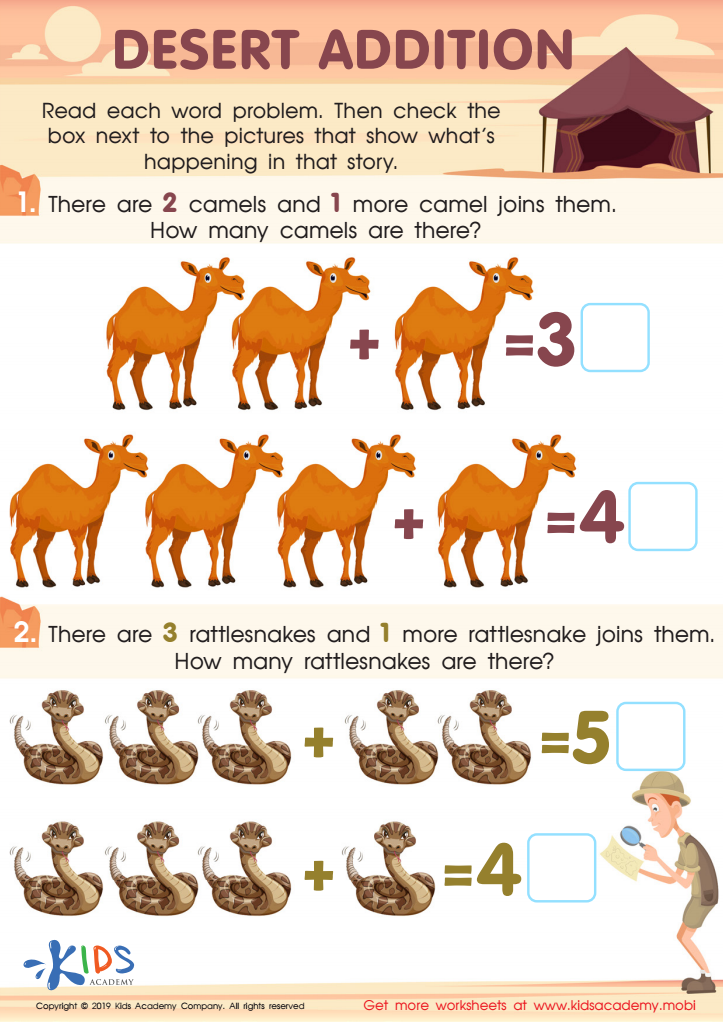
In the desert, scorching heat and little water mean animals must adapt to survive. Show kids pictures of these animals and teach their names. Then, read the word problems in the worksheet, and have them check the box next to the pictures that portray each story. 80 words
Desert Addition Worksheet
Worksheet
Subtracting With Base 10 Blocks Worksheet
Subtracting With Base 10 Blocks Worksheet
Ask your child to count the cubes then help them check the answer. This problem may seem tricky, but it's just basic math. If they can count, they should have no trouble completing the exercise.
Subtracting With Base 10 Blocks Worksheet
Worksheet
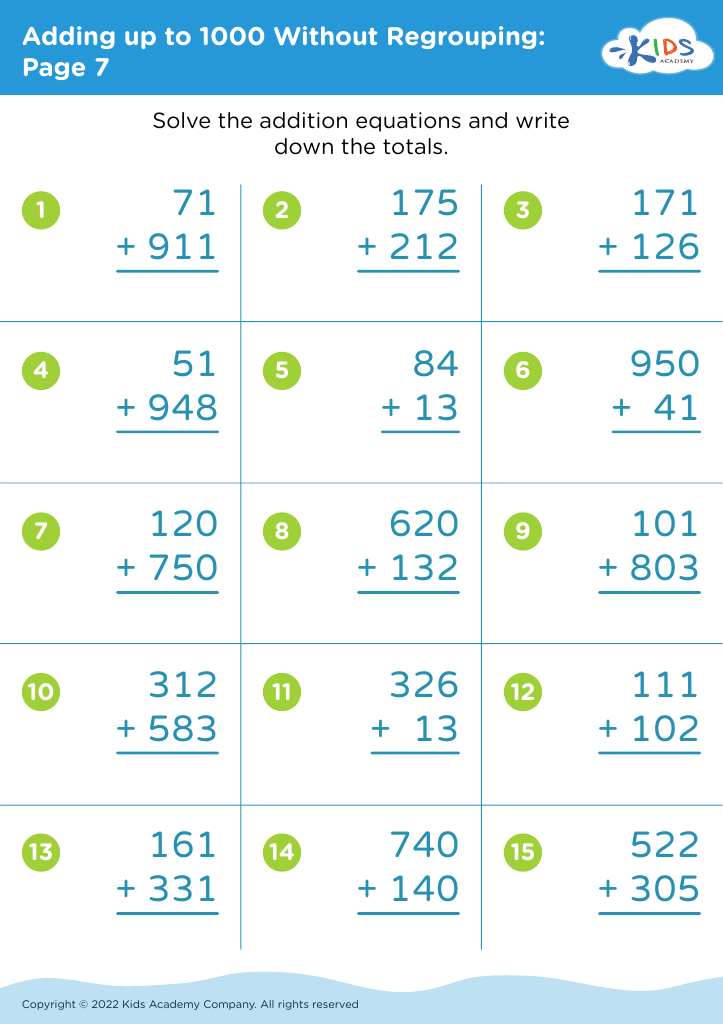
Adding up to 1000 Without Regrouping: Page 7
Worksheet
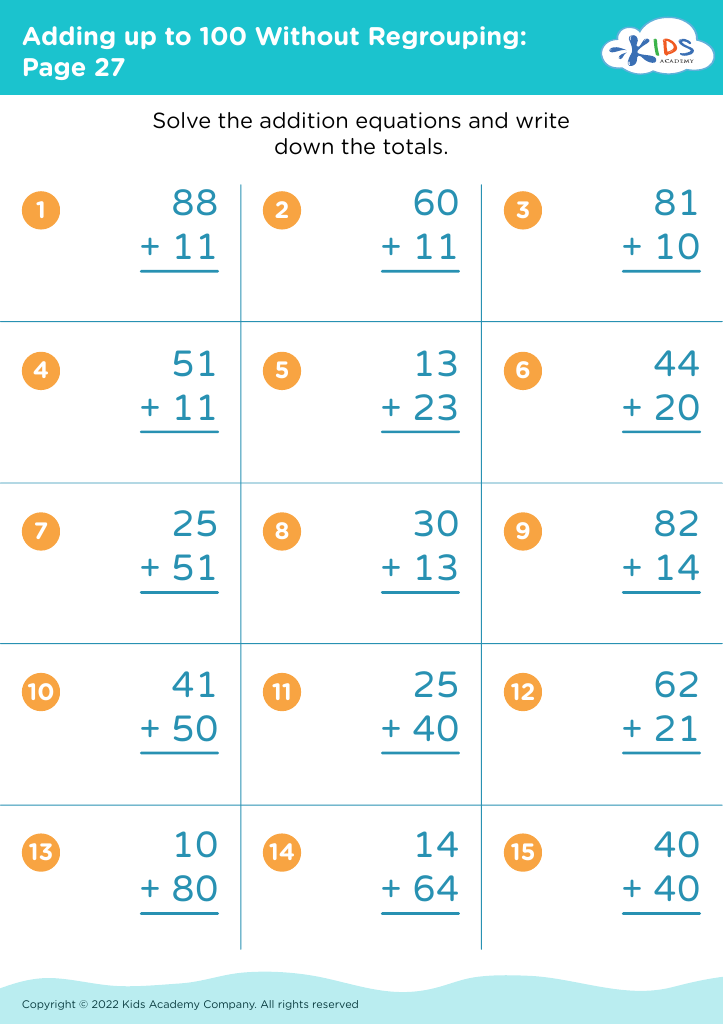
Adding up to 100 Without Regrouping: Page 27
Worksheet
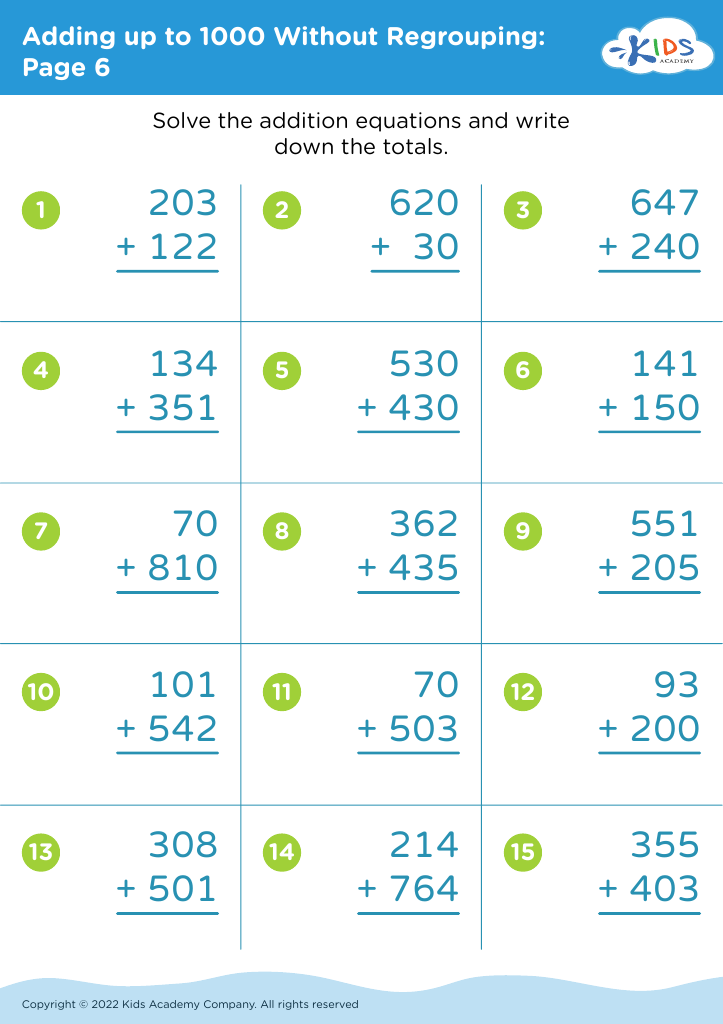
Adding up to 1000 Without Regrouping: Page 6
Worksheet
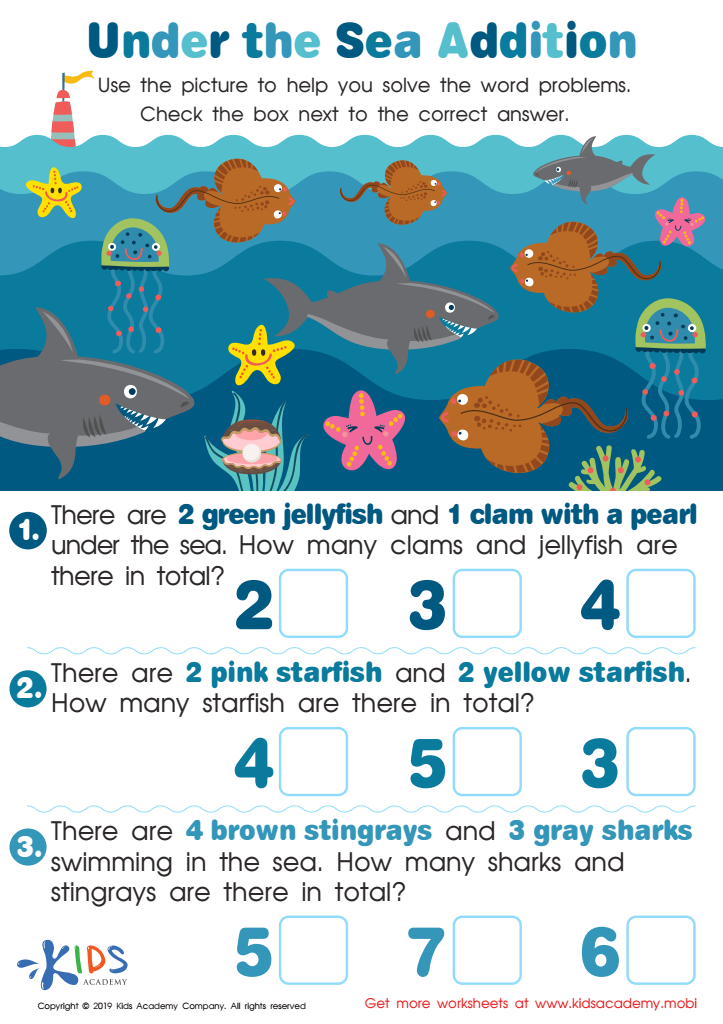
Under the Sea Addition Worksheet
Under the Sea Addition Worksheet
Ask your kids to identify undersea animals in a picture, then solve the word problems at the bottom with it! If they're into the nature channel or marine life, they'll love this worksheet. Check the box next to the correct answer for each one. 80 words
Under the Sea Addition Worksheet
Worksheet
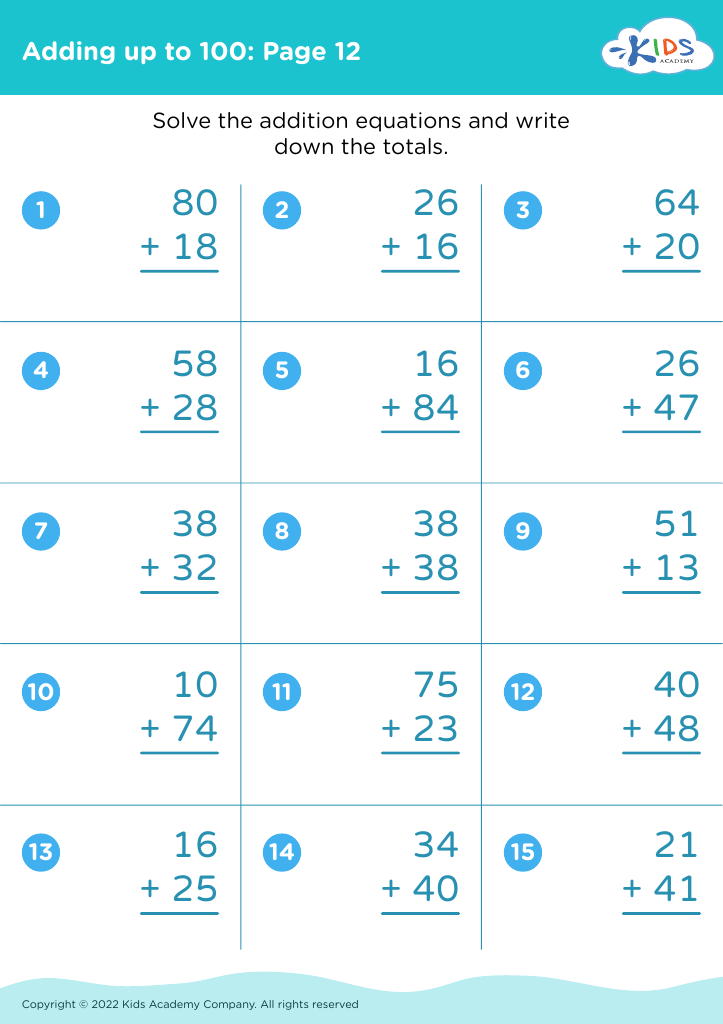
Adding up to 100: Page 12

Adding up to 100: Page 12

Adding up to 100: Page 12
Worksheet
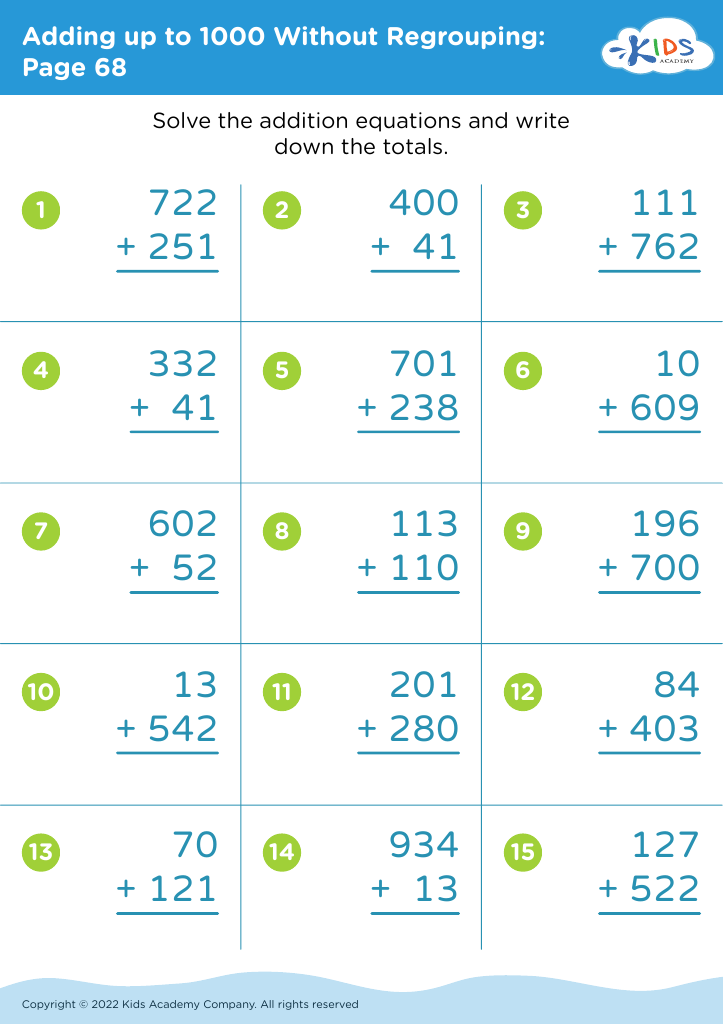
Adding up to 1000 Without Regrouping: Page 68
Worksheet
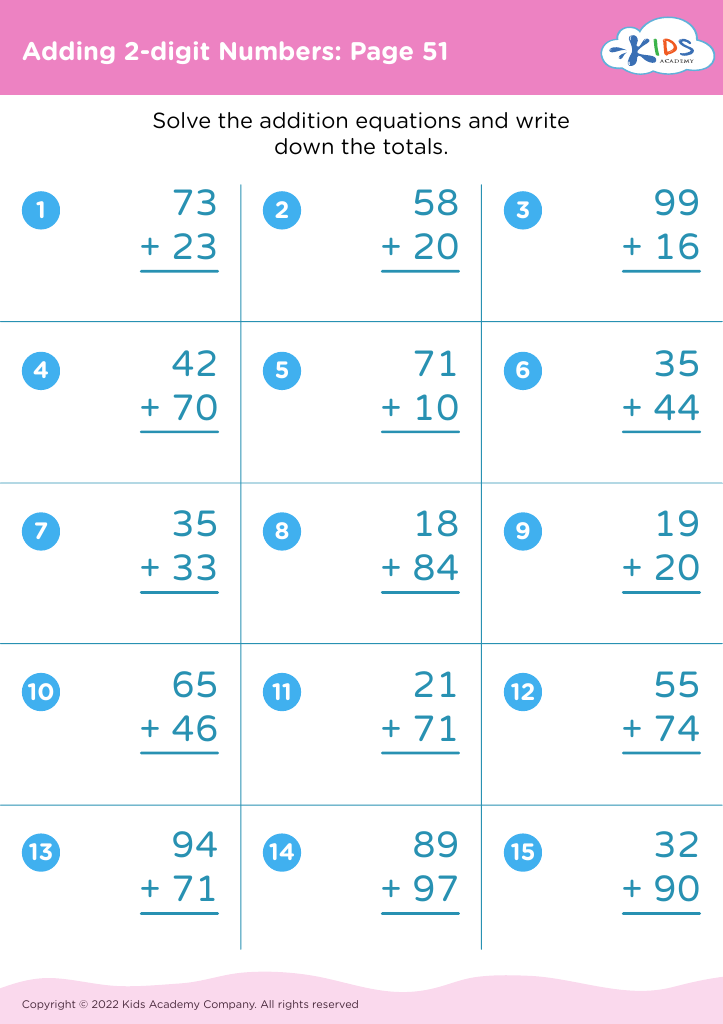
Adding 2-digit Numbers: Page 51

Adding 2-digit Numbers: Page 51

Adding 2-digit Numbers: Page 51
Worksheet
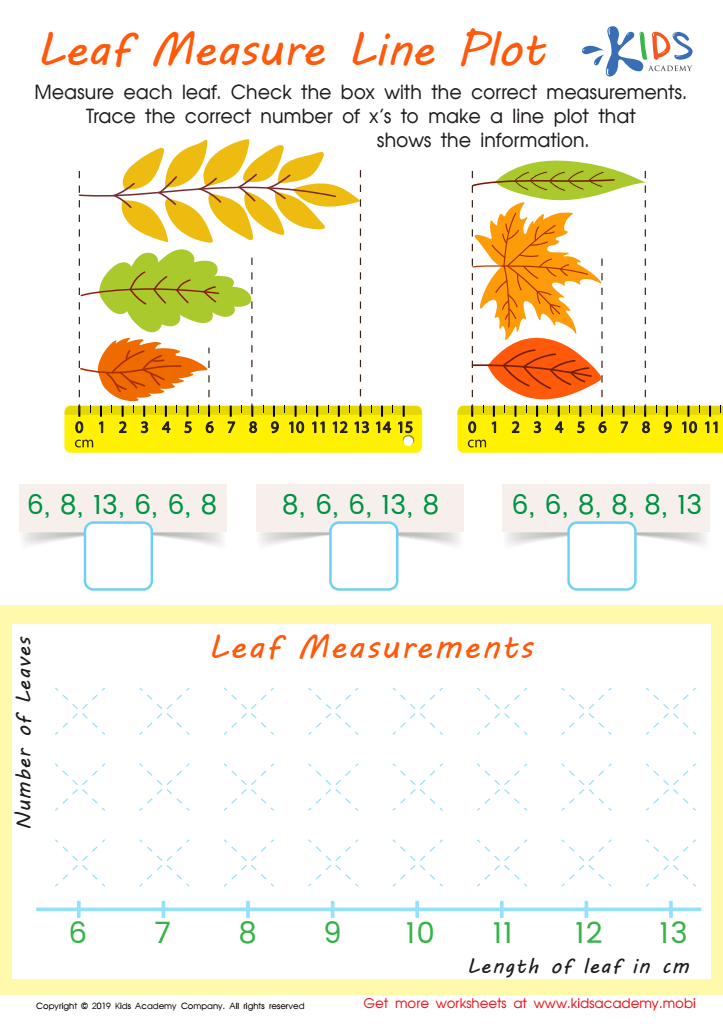
Leaf Measure Line Plot Worksheet

Leaf Measure Line Plot Worksheet

Help your third grader measure each of the four leaves, and check the box with the correct measurements. Then, trace the right number of x's to make a line plot showing the data. This exercise will engage your students and make it easier for them to grasp the concept of line plots.
Leaf Measure Line Plot Worksheet

Worksheet
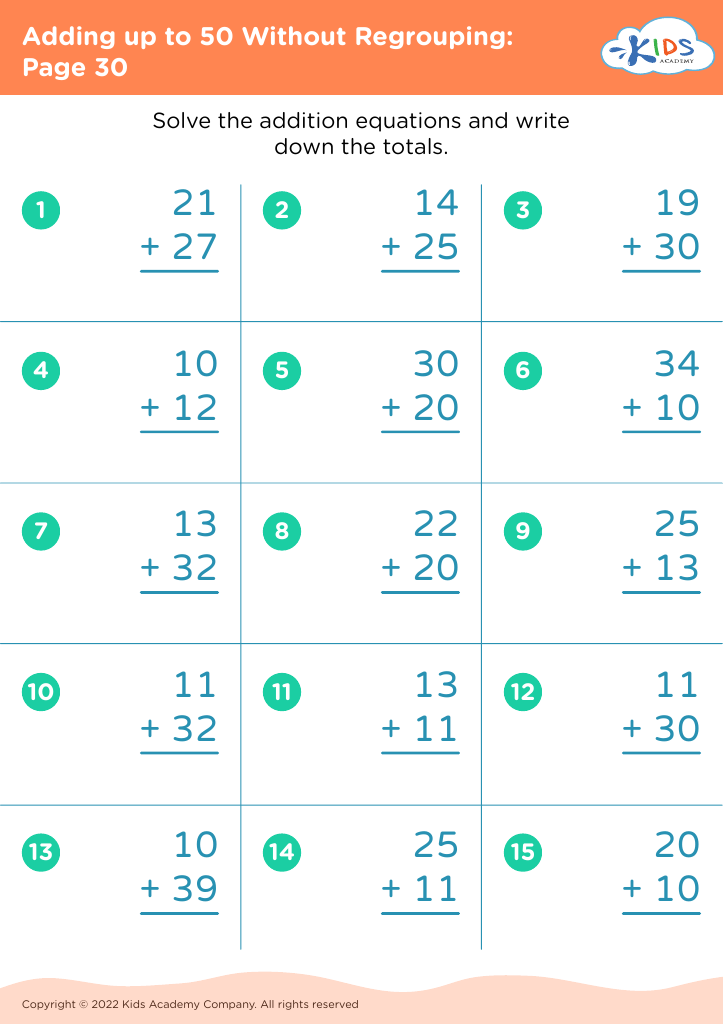
Adding up to 50 Without Regrouping: Page 30
Worksheet


Parents and teachers should prioritize improving counting skills, addition, and subtraction for children aged 6-9 because these foundational math skills are essential for their overall cognitive development and academic success. Mastery of counting provides the building blocks for understanding more complex mathematical concepts, such as place value, number sense, and basic operations.

At this pivotal age, children's brains are highly receptive to learning, and excelling in early math skills builds their confidence and positive attitudes towards math, which are crucial for long-term academic success. Addition and subtraction are not just about performing calculations; they enhance logical thinking, problem-solving skills, and the ability to make connections between numbers and real-world situations.

Moreover, proficiency in these skills is closely linked to future achievements in science, technology, engineering, and mathematics (STEM) fields, making imperative contributions to their intellectual growth and career opportunities. Educationally, students who grasp these basic math concepts well are better prepared to tackle more advanced topics in later grades, reducing their risk of falling behind academically.

In conclusion, focusing on these fundamental math skills equips children with essential tools that foster essential academic competencies, ignite curiosity, and provide confidence that benefits their lifelong learning journeys.